Don’t Add A Water Feature To Your Garden Before You Read About These 7 Mistakes To Avoid
You finally installed that backyard fountain you saved on Pinterest three summers ago, but within a month, you are swatting mosquitoes every time you step outside. You are not imagining it; that beautiful water feature that you lusted after for so many years may be quietly working against you.
Across the country, homeowners are discovering that the garden water feature they thought would add peace and charm is actually breeding insects, violating local codes, or creating a safety hazard they never saw coming. The University of California’s Agriculture and Natural Resources division warns that even one ounce of standing water can support a full population of mosquito larvae, with the entire lifecycle from egg to biting adult completing in as little as one week. That is less water than collects in a single birdbath saucer after a rain shower.
The good news is that every one of these problems has a fix, and most of them cost less than $30. A solar pump, a call to your county’s free mosquito fish program, or a simple design swap can turn a liability into the backyard centerpiece it was supposed to be. Gardeners over 50 who have been tending yards for decades already know that the prettiest features are usually the lowest maintenance ones; your grandmother’s birdbath worked because it was simple.
Before you spend another weekend scrubbing algae or worrying about your neighbor’s complaint, here are the seven mistakes that quietly ruin garden water features and exactly what to do instead.
1. Ignoring Mosquito Breeding in Standing Water
This is the mistake that turns a peaceful garden into an itchy nightmare. According to the University of California, mosquito larvae prefer shallow, stagnant water under 24 inches deep, and they thrive in the organic debris that collects in neglected fountains and birdbaths. A pump that fails during a summer power outage can transform a decorative pond into a breeding ground within days.
The fix is almost laughably cheap. Many county vector control services provide mosquito fish (Gambusia affinis) completely free of charge. These small, hardy fish are voracious consumers of larvae and pupae. For fountains and birdbaths without fish, Bti products like Mosquito Dunks cost roughly $10 for a six-pack and target only mosquito larvae, leaving beneficial insects unharmed. They remain effective for about a month per application. The single most important step, though, is keeping water moving. A solar pump running for even a few hours a day makes the surface inhospitable to egg-laying.
2. Not Knowing the Permit and Fencing Rules for Your Area
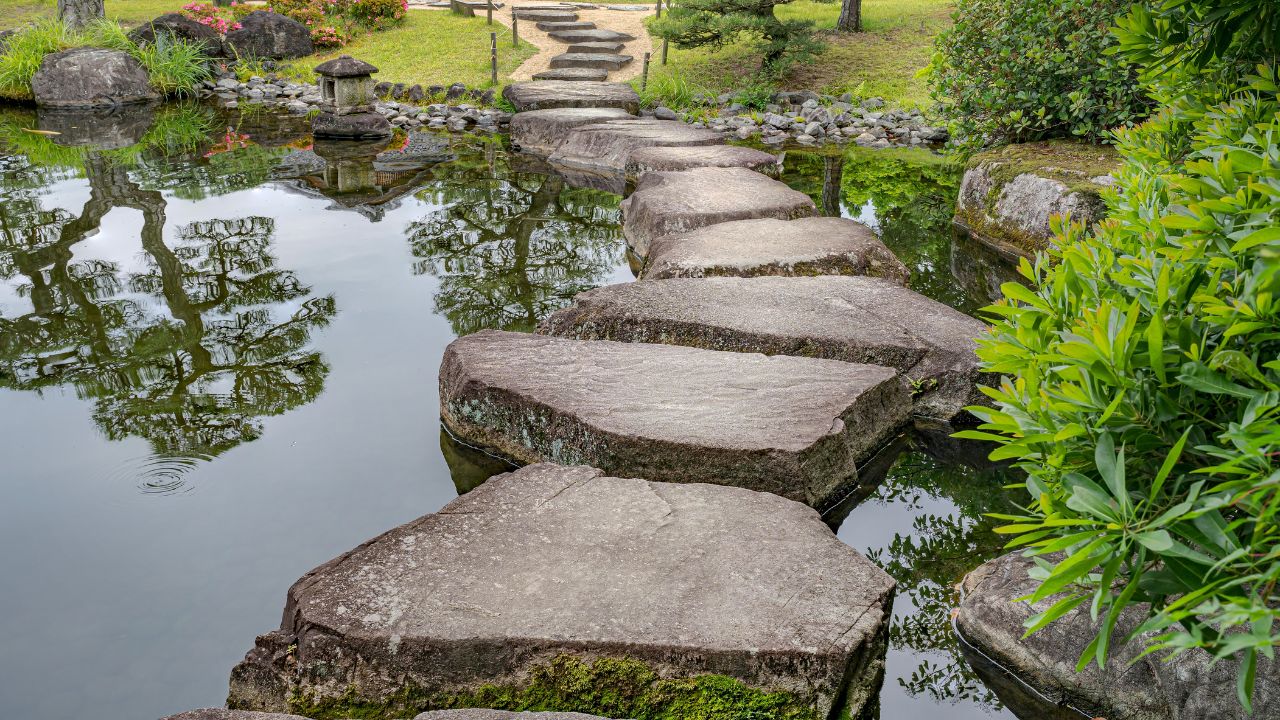
Here is where garden water features quietly cross into legal territory. According to Living Water Aeration, ponds exceeding 18 to 24 inches in depth typically require fencing and entrapment protection under local safety codes in many municipalities. Some areas allow small ponds up to 200 to 300 square feet without permits, but anything larger generally needs formal authorization. Skip the paperwork, and you could face forced removal at your own expense.
HOAs are often even stricter. Many associations impose maximum pond sizes, mandatory fencing standards, design approvals, and even require homeowners to carry additional liability insurance. A water feature that looked fine in your head can become a violation notice in your mailbox. Before you dig, check three sources: your municipal zoning ordinances, your county’s soil and water conservation requirements, and your HOA’s covenants. And do not forget to call 811 before breaking ground; it is legally required in most states.
3. Overlooking the Drowning Risk for Children and Pets
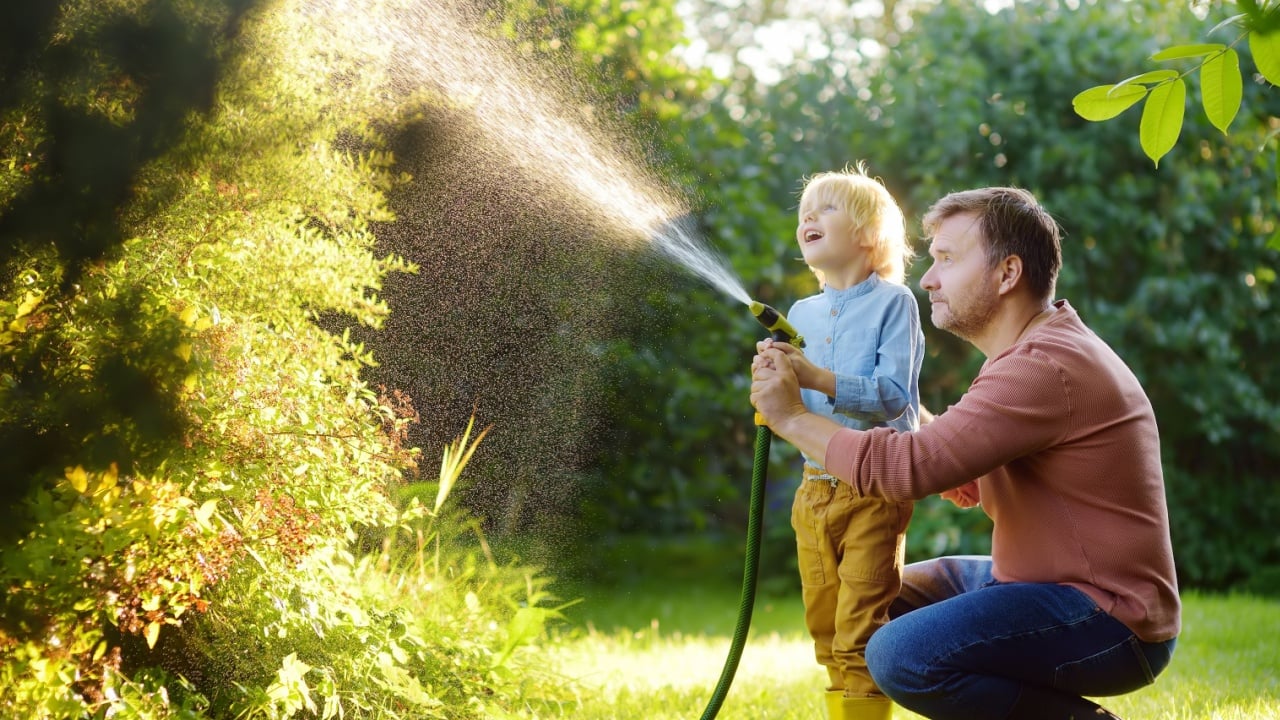
This is the one no one wants to think about, but every homeowner with a water feature needs to hear it. According to safety guidance reviewed by Garden Ornaments, a child can drown in as little as two inches of water, and it can happen silently and in seconds. For grandparents with young visitors, or families with curious toddlers, an open pond is a genuine hazard.
The safest design is a self-contained, pondless water feature. These keep water in a sealed underground reservoir beneath a rigid pebble grate. Only a thin film of recirculating water appears on the surface. Toddlers cannot lift the grate, and there is no accessible standing water. For existing ponds, rigid mesh covers rated for weight are a practical retrofit that costs far less than a fencing installation. Pets are at risk too; chemical algaecides should never be added to any water feature that dogs or cats drink from.
4. Choosing the Wrong Location and Wrecking Your Pump
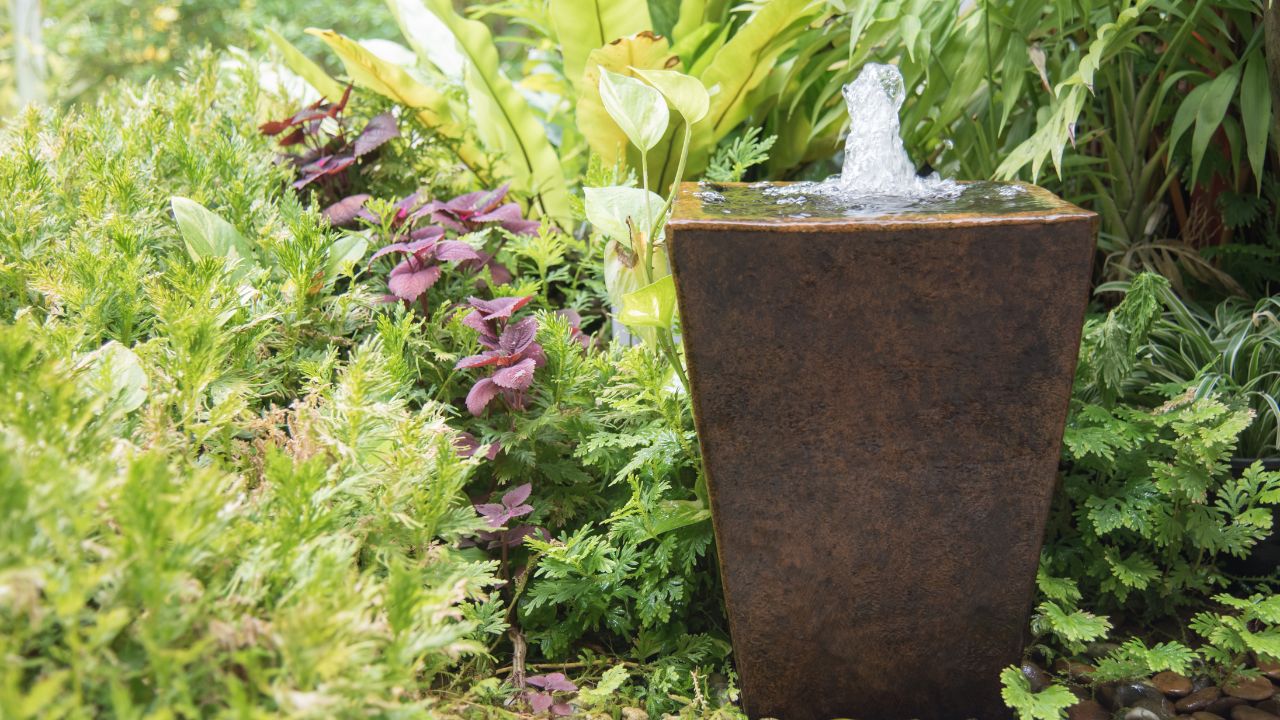
Most homeowners learn this the expensive way: a water feature placed under a deciduous tree will clog its pump within weeks. Falling leaves are the single fastest driver of algae blooms and mechanical failure. A pump replacement runs $100 to $500, and structural repairs from neglected blockages can hit $2,000.
Full sun grows algae three to four times faster than partial shade. The sweet spot is morning sun with afternoon shade. Professional pond keepers also rely on a trick most homeowners never hear about: barley straw extract placed in the water naturally inhibits algae without chemicals. A single bale costs around $8 and lasts an entire season.
5. Underestimating the True Cost of Keeping It Running
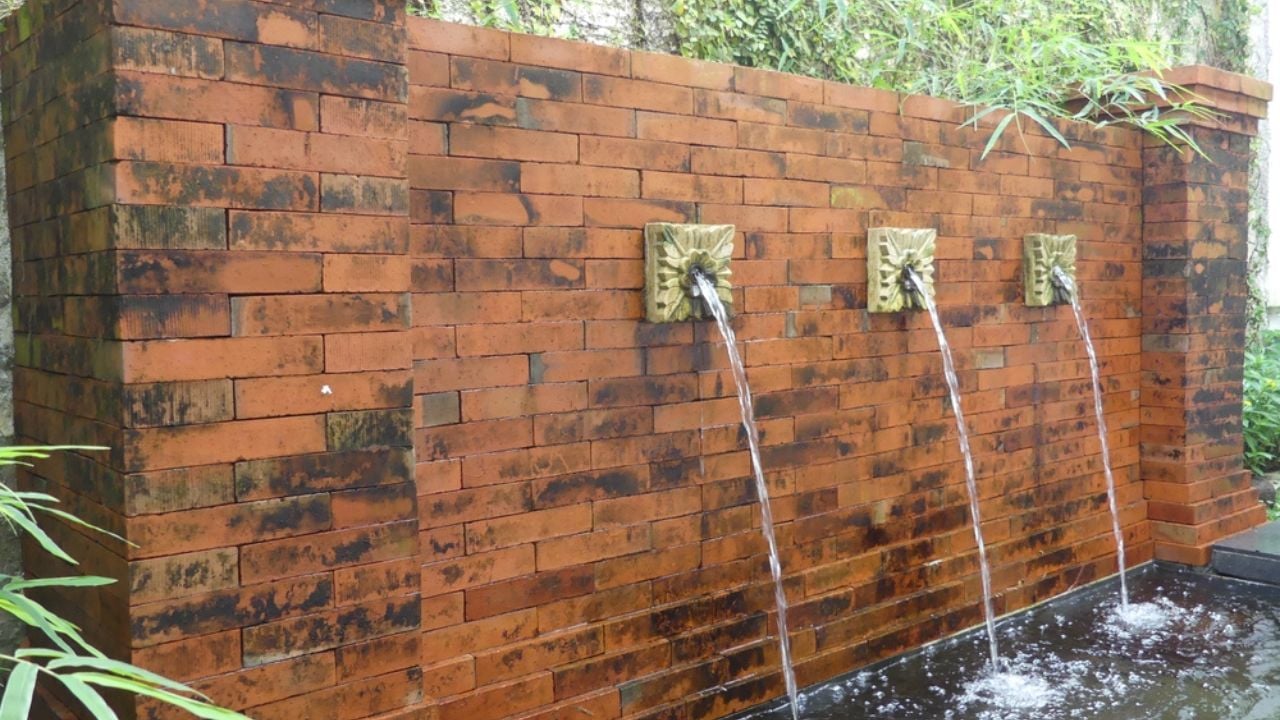
The sticker price is only the beginning. According to Angi, the average professional fountain installation runs $2,730, but ongoing costs add up quietly. Electricity for pumps runs $120 to $480 per year. Add cleaning supplies, water treatment chemicals, and the occasional pump replacement, and a “relaxing” water feature can cost $700 or more every single year.
That is why budget-conscious gardeners are turning to solar-powered, self-contained designs. A DIY solar fountain built from a repurposed ceramic pot and a $15 solar pump kit costs under $40 total, runs for free, and requires almost no maintenance. Tom’s Guide documented a build that took under an hour. For gardeners who have watched their monthly electric bill climb, switching to solar can save $200 to $400 a year.
6. Skipping the Water Feature That Actually Adds Value
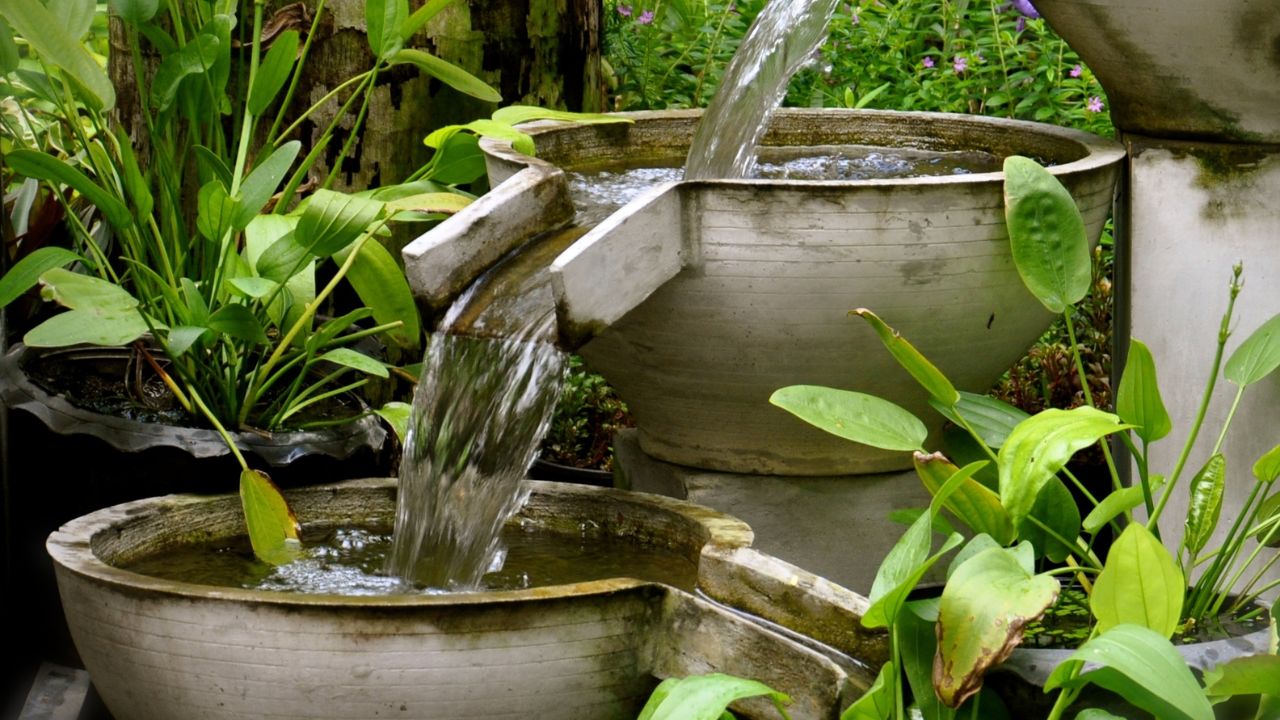
Most water features will not add measurable dollars to your home’s appraised value. Real estate agent Bethany Mendoza told HomeLight that water features “add aesthetic appeal and make houses more inviting” but rarely translate into higher appraisal numbers. One buyer loves a koi pond; the next sees a maintenance headache. Elaborate in-ground ponds can actually deter buyers who picture weekend cleaning instead of weekend relaxing.
The features that help a sale look intentional and low-maintenance: a clean wall-mounted fountain near a seating area, a simple bubbling stone, or a self-contained pondless waterfall. If you are over 50 and thinking about selling within the next decade, choose a feature the next owner will thank you for rather than tear out.
7. Missing the Easiest Garden Water Feature Ideas That Actually Work
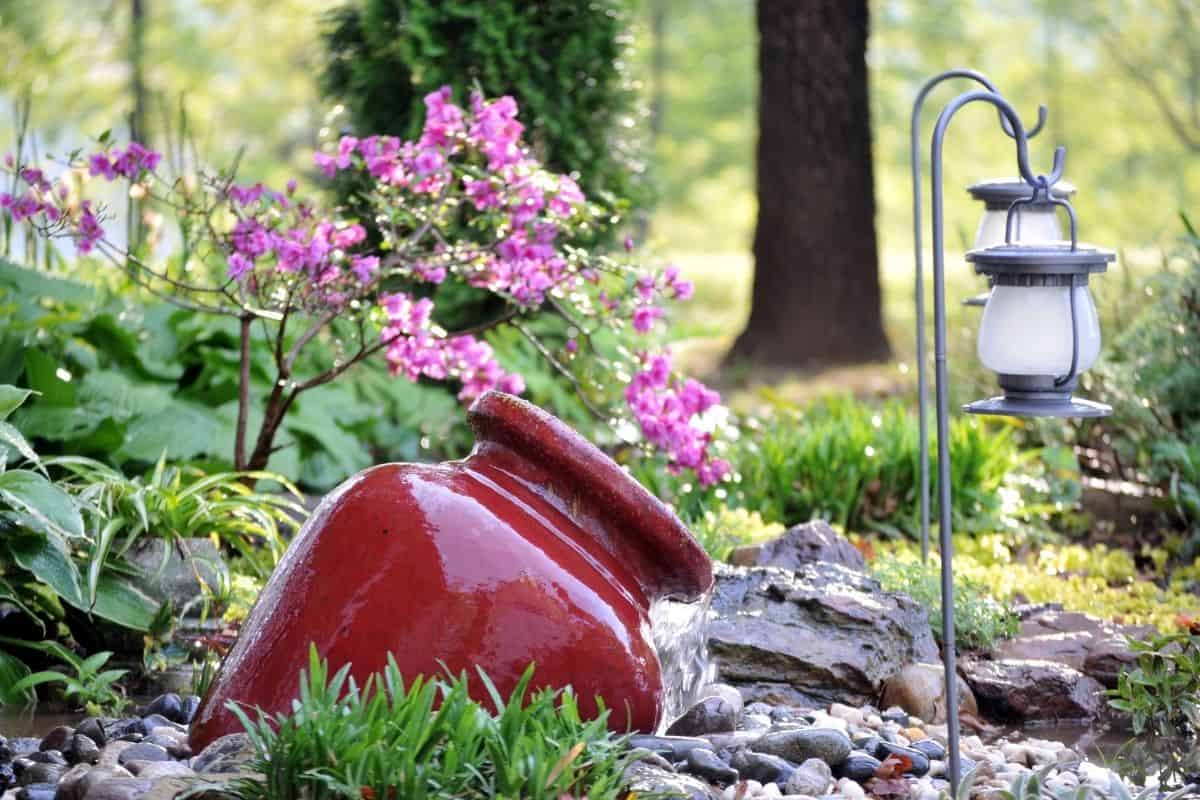
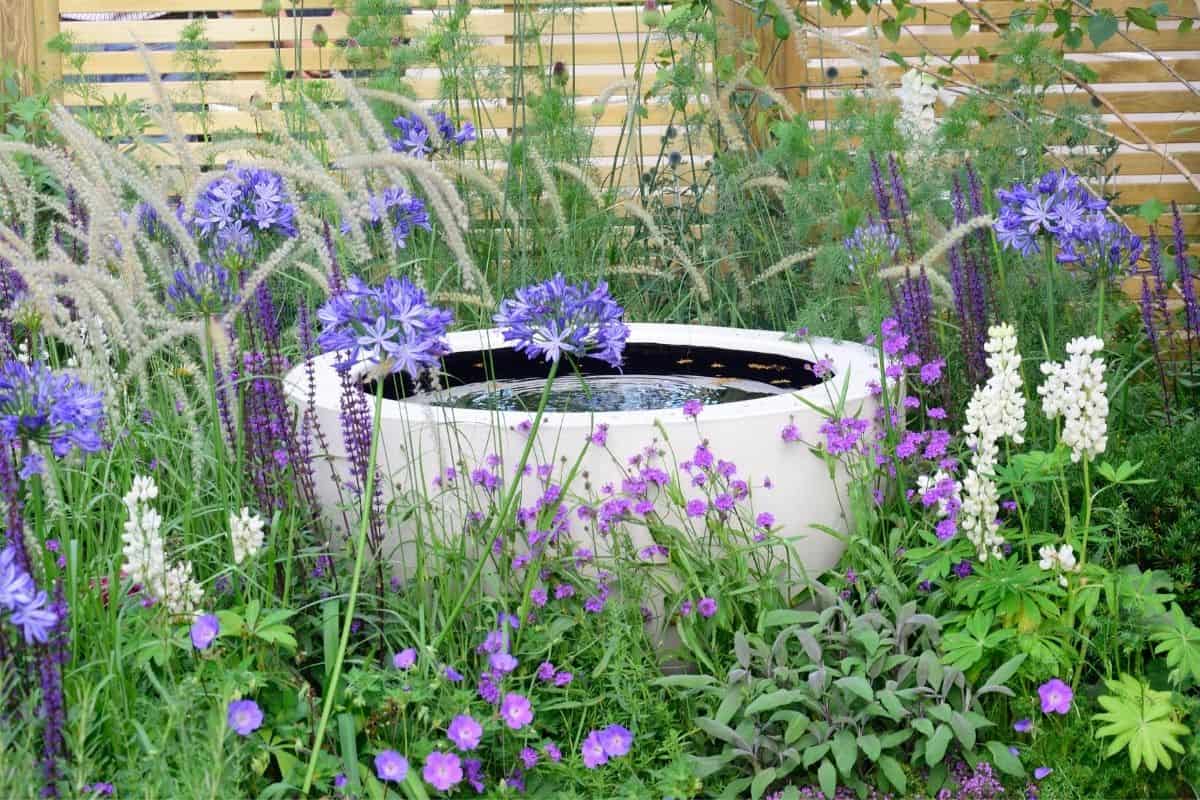
The best garden water feature ideas in 2026 are the ones your grandmother would recognize: simple, purposeful, and built to last without fussing. Container water gardens using half-barrels or large ceramic pots deliver the sound and beauty of moving water at a fraction of the cost of in-ground ponds. Microponds, compact enough to fit on a patio, are trending at major garden shows and attract dragonflies, bees, and songbirds within days.
A bubbling rock fountain connected to a buried reservoir is what professional landscapers install in their own yards. No standing water for mosquitoes, no drowning hazard, no permit requirements in most areas, and no algae to scrub, for a DIY cost of $150 to $300. For the simplest entry point, a solar birdbath fountain kit costs under $20, installs in five minutes, and transforms a static birdbath into a moving water feature. Sometimes the smartest upgrade is the one that costs almost nothing.
What to Do This August
If you already have a water feature, walk outside this August and check three things: Is the water moving? Is the pump clean? Do you know your local depth and fencing rules? If any answer is no, you have a weekend project that could save you hundreds in fines and a summer’s worth of mosquito bites.
If you do not have one yet, start small. A $35 solar container fountain is enough to enjoy moving water every evening without any of the risks above. You can always scale up later, but you cannot undo a permit violation or an algae-choked pond without spending real money. A water feature done right earns its keep. Done wrong, it just earns you problems.
Read More
Washing Your Lettuce Won’t Remove Cyclosporiasis, But Growing Your Own Will
Your Grandmother Stored These 8 Foods All Winter Without Canning a Single Jar