If you’ve ever harvested a pot full of bitter, hollow cucumbers after a summer of work, you already know how wrong this vegetable can go. Container cucumbers have a reputation for being finicky, and for a lot of gardeners, that reputation is earned. Not because cucumbers are actually difficult, but because most people are repeating …
Container Gardening
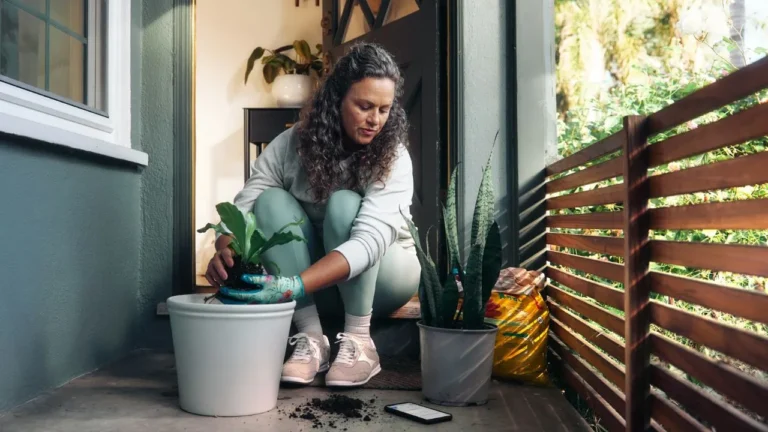
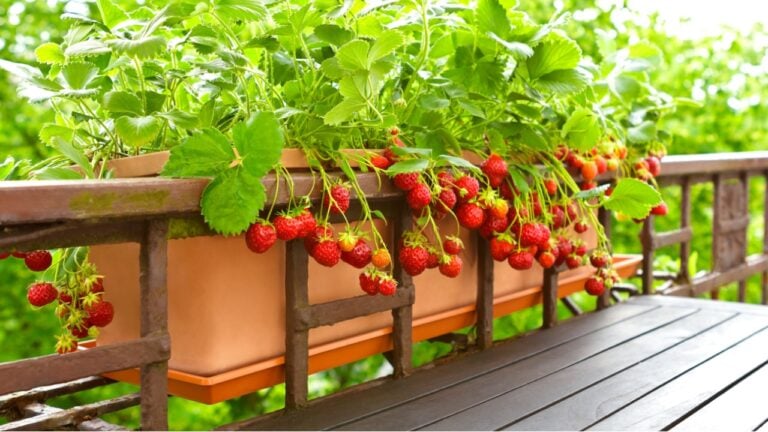
Container gardens are a popular option for new gardeners. They offer a number of benefits. For starters, they can be an ideal option for those who don’t have a lot of space. You can place the container on your porch or balcony.
Container gardening can also be a good option if you don’t have good soil or a lot of sunlight. You can place the container in the small area of your yard that does receive sun. You won’t have to worry about watering a large area of land – just a container.
Another one of the benefits of container gardening is that your plants will be safe from pests and critters who could wreak havoc on your garden otherwise.
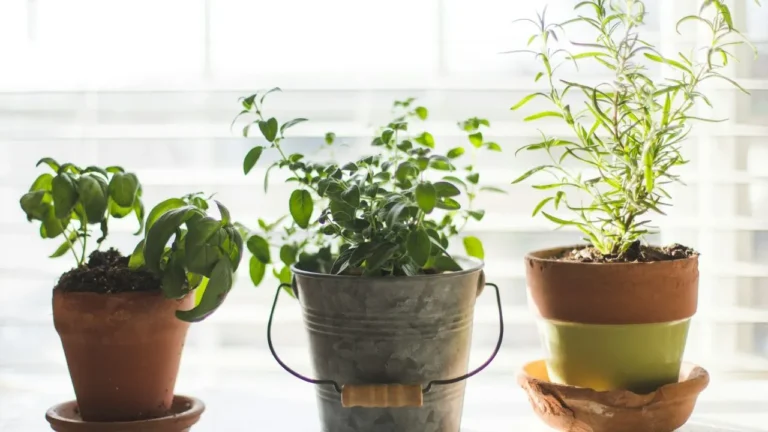
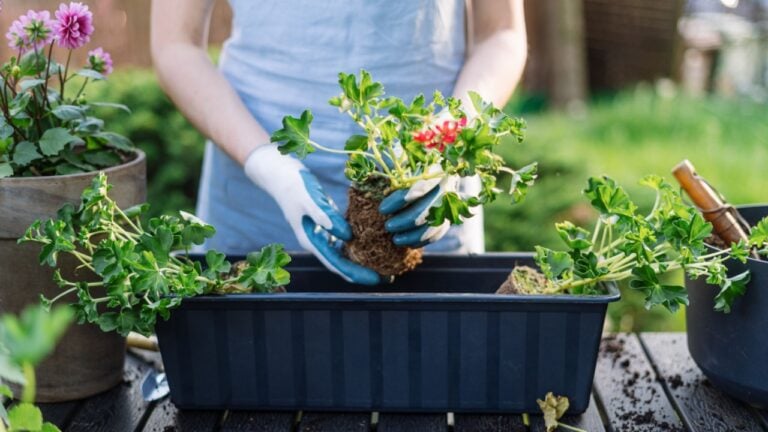
When it comes to container gardening, the possibilities are endless. Whether you want to plant flowers or vegetables, you can grow just about anything this way. You can add a pop of color to your backyard or balcony, as well as grow delicious vegetables right out of garden containers.
Making Container Gardens Work for You
Although container gardening offers a number of benefits, there are also a few things you’ll want to keep in mind for maximum success.
There are several types of garden containers to choose from. These include:
- Terra cotta: Terra-cotta garden containers are a popular choice due to how inexpensive they are, but they’re not able to withstand cold temperatures.
- Concrete: Concrete containers fare well in just about any condition, but they’re heavy – especially when they’re filled with soil.
- Wood: Wooden containers are another option. Cedar or nontoxic treated pine are popular options.
- Metal: Metal garden containers are a great option, but they get very hot.
- Plastic or polyurethane: While these garden containers are inexpensive, they won’t withstand the test of time.
How to use your containers for gardening
Once you’ve chosen a type of container to use for your garden, it’s time to determine how much you can plant in it. You won’t want your plants to be overcrowded. A 10” to 12” pot is able to hold three to six plants, while a 14” to 16” pot is capable of holding four to eight plants and a 16” to 20” pot is ideal for six to twelve plants.
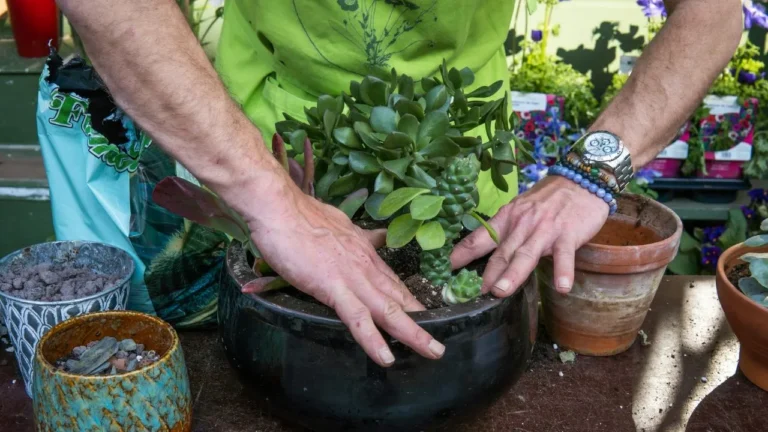
You’ll want to add rocks to the bottom of your container garden before you add soil or plants. The rocks will help with drainage. You’ll also want to opt for potting soil, which helps containers drain and hold moisture. This is important because containers aren’t able to retain moisture as well as traditional soil. Container gardens also tend to get hotter during the day.
Since container gardens do dry out more easily, it also means you’ll need to water them more frequently. They should be watered at least daily. It’s ideal to water your container garden in the morning. But you’ll want to check again in the evening. If the first inch of soil is dry, then you’ll want to water your container plants a second time.
Giving your container garden proper care can help you reap the benefits of an incredible garden!
Watching a hummingbird flit gracefully from flower to flower is a magical experience for any backyard gardener. These tiny, energetic birds are drawn to nectar-rich flowers with vibrant colors especially reds and trumpet-shaped blooms that perfectly complement their long beaks. By choosing the right plants for your containers, you can create a hummingbird haven in …
Every time you water a container with exhausted potting mix, you’re not nourishing your plants — you’re rinsing the last traces of nutrition right out through the drainage hole. March is the exact window to fix this, before your plants push their first flush of new growth and discover there’s nothing to grow into. Most …
Most lemon trees don’t die from neglect. They die from decisions made before the first drop of water ever hits the soil. The wrong pot, the wrong soil mix, and a plant that was never going to fruit to begin with — these are the mistakes that doom a lemon tree quietly, long before anyone …
Indoor lettuce growing is quickly becoming a favorite for home gardeners who want crisp, pesticide-free greens without relying on outdoor space or perfect weather. Lettuce is one of the few crops that thrives indoors thanks to its shallow roots, fast growth cycle, and ability to grow well under artificial light. Indoor-grown lettuce also offers greater …
Most container potato failures happen before a single seed potato touches soil. The wrong variety, the wrong container size, or the wrong soil — these decisions are made in the driveway or the garden center, long before anyone turns on the hose, and they determine everything. If your first attempt at growing potatoes produced a …
You don’t need a backyard. You don’t need a plot at the community garden. You don’t even need to dedicate that much time. Truly, all you need is a pot, some potting mix, a sunny spot, and the right vegetables. Container gardening has exploded in popularity for a simple reason: it works. Whether you’re working …
An inviting, festive front-porch planter can change how a home feels during the holidays: a little artistry at the entryway, and passersby pause, guests smile, the house feels alive with seasonal cheer. The steps below guide you carefully through a process that combines evergreen freshness, structure, light, and decoration, turning simple containers into holiday statement …
Container gardening offers a fantastic way to bring life to patios, balconies, and small spaces. It allows for control over soil, water, and sunlight. You can even place a speaker nearby for music. This sounds like an ideal situation for many plants. However, some perennials don’t seem to thrive in a pot as they would …
No matter how small your space is, there’s always enough room for a hanging basket filled with colorful plants. Let’s look at some of the best plants for hanging baskets. Depending on what plants fill the hanging baskets, you may end up spending hours watching hummingbirds and butterflies pollinating the flowers and beautifying your yard. …