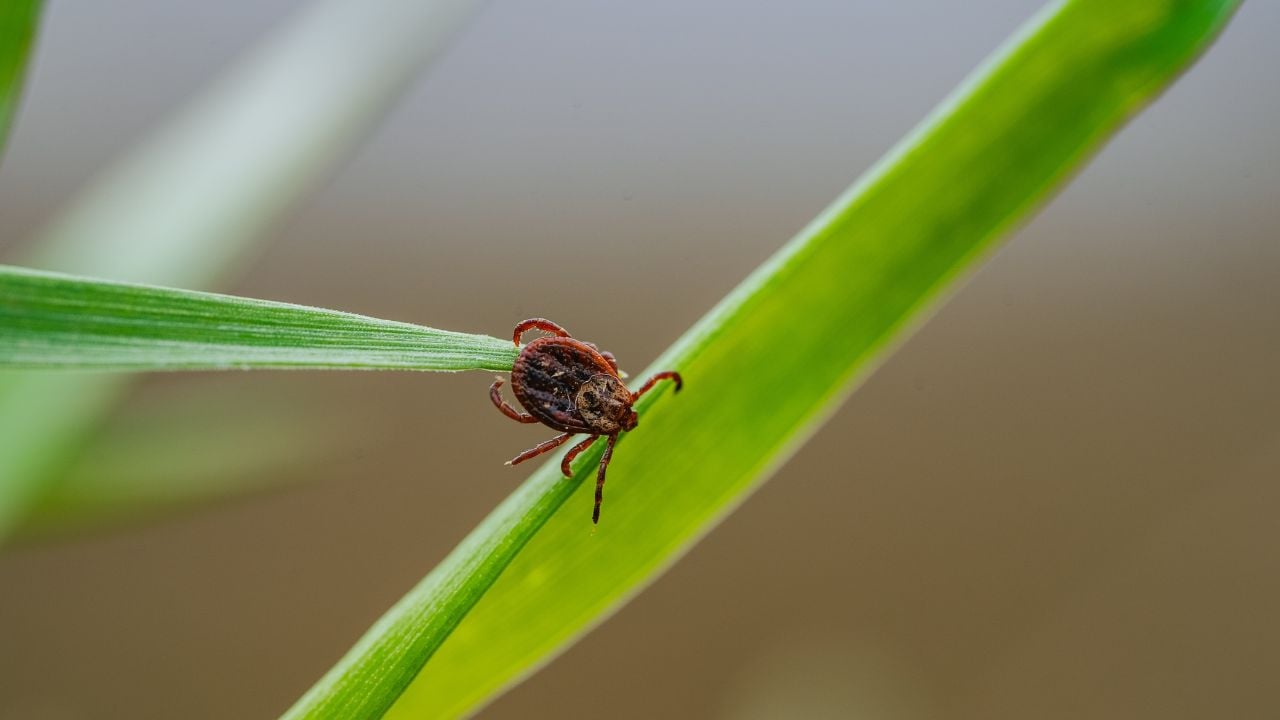
7 Yard Mistakes That Turn Your Backyard Into a Tick Breeding Ground
You probably assume tick bites happen on hiking trails and deep in the woods. They don’t. According to the Connecticut Agricultural Experiment Station, an estimated 75% of tick bites occur during normal activities in your own yard: playing with the dog, weeding the garden, or simply sitting on the patio. The ticks are already there, and chances are, you’re the one who invited them.
The numbers behind that quiet threat are staggering. The CDC estimates that 476,000 Americans are treated for Lyme disease each year, and a study published in JAMA Network Open found that the average Lyme episode costs $2,227 in direct medical bills. If the infection progresses to disseminated disease, that figure jumps to nearly $7,000. The culprit behind most of those cases is the nymph tick, a creature no bigger than a poppy seed, and it is responsible for 98% of all tick bites.
Preventing ticks in your yard costs almost nothing. The fixes are simple, natural, and most of them take a single weekend afternoon. But most homeowners never make them, because they do not realize their own habits are the problem. If you have been maintaining the same yard for 20 or 30 years, some of these mistakes may be so ingrained you have never thought to question them.
Below are seven of the most common yard habits that quietly turn your property into tick territory, and the natural, free or nearly free fixes that actually work; especially right now in August, when tick activity is at its absolute peak.
1. Letting Your Grass Grow Past Three Inches
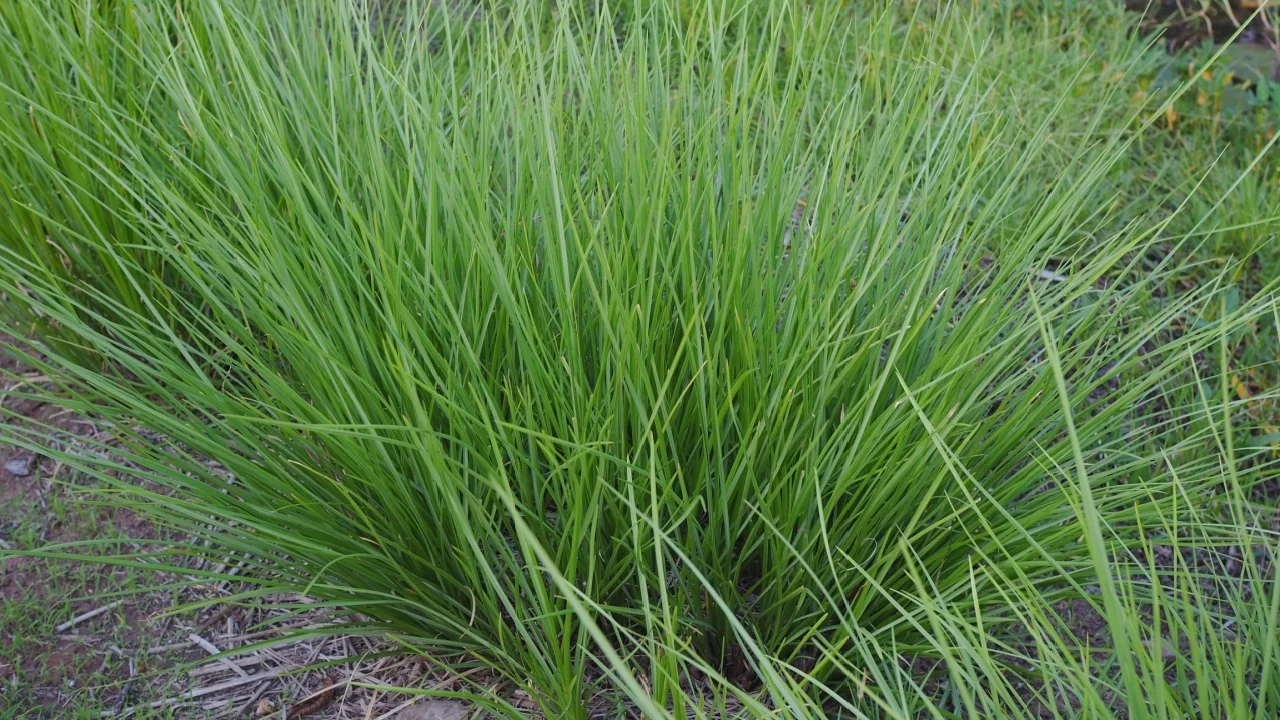
Ticks do not drop from trees. They wait on the tips of grass blades and low vegetation, a behavior scientists call “questing,” using sensors on their legs to detect your body heat and the carbon dioxide you exhale. “Ticks will hang onto leaves and stems in wait,” says Marcus Griswold, entomologist and founder of Your Bug Club, in an interview with Martha Stewart. “As you walk through your yard, they have sensors on their legs that detect the carbon dioxide you’re breathing out, and your body heat.” The taller your grass, the more real estate they have. Mowing to three inches or less is one of the simplest, cheapest defenses you have, and it costs nothing beyond the gas in your mower.
2. Ignoring the 9-Foot Danger Zone at Your Yard’s Edge

According to the Farmer’s Almanac, roughly 82% of ticks on a residential lawn sit within nine feet of the yard’s perimeter, right where your mowed grass meets woods, brush, or an unmaintained neighboring lot. That narrow strip is ground zero. The UC Agriculture and Natural Resources program recommends creating a three-foot barrier of gravel or wood chips between your lawn and any bordering natural area. This dry, hot zone is inhospitable to ticks and costs about $50 to $100 in materials for most properties; a fraction of the $200 to $500 that professional pest treatments charge per season.
3. Leaving Leaf Litter and Brush Piles to Rot
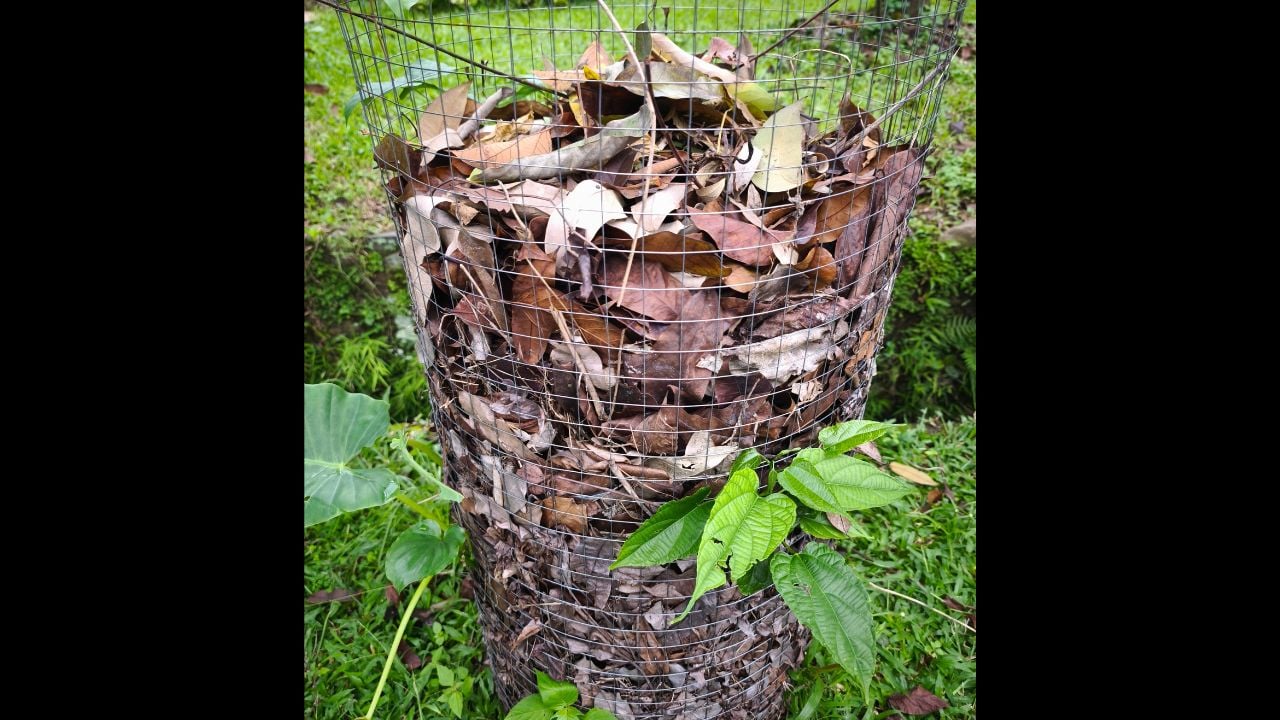
That pile of leaves you never got around to raking? It is a tick nursery. Ticks thrive in moist, shaded debris, and leaf piles, stacked brush, and cluttered woodpiles all provide the damp microclimate they need to survive and reproduce. “Moist wood and shade is a tick magnet,” notes NaturaLawn of America. Move firewood to a sunny spot far from the house, clear dead leaves from garden beds, and keep clutter away from your home’s foundation. Your grandmother kept a tidy yard for good reason, and modern entomology is proving her right.
4. Skipping the Plants That Ticks Naturally Avoid

Your garden can work as a living barrier if you choose the right plants. Lavender, rosemary, marigolds, garlic, mint, and chrysanthemums all contain compounds that ticks find repulsive. Chrysanthemums are particularly powerful; they contain pyrethrin, a natural insecticide so effective it is used as the basis for many commercial tick treatments. According to the Global Lyme Alliance, planting these species along walkways, patios, and yard edges creates a fragrant defense line that costs only a few dollars per flat of seedlings.
One important note for pet owners: geraniums contain geraniol, which repels ticks effectively, but they are toxic to dogs and cats. Keep them in containers away from areas your pets frequent, or skip them entirely in favor of lavender or rosemary.
5. Rolling Out the Welcome Mat for Deer and Mice

If deer wander through your yard, they are almost certainly leaving ticks behind. But the bigger villain is one you probably never see: the white-footed mouse. Research highlighted by the David Suzuki Foundation confirms that white-footed mice are the primary reservoir for the bacteria that cause Lyme disease, and simplified landscapes like turfgrass lawns actually favor their populations.
Seal crawlspaces, keep trash cans closed, clean up underneath bird feeders, and consider deer fencing at least six feet tall. A single female tick carried in by a deer can lay 3,000 eggs or more, according to the Connecticut Agricultural Experiment Station. Every deer or rodent you discourage means fewer ticks deposited right where your family spends time.
6. Reaching for Chemical Sprays Instead of Natural Alternatives
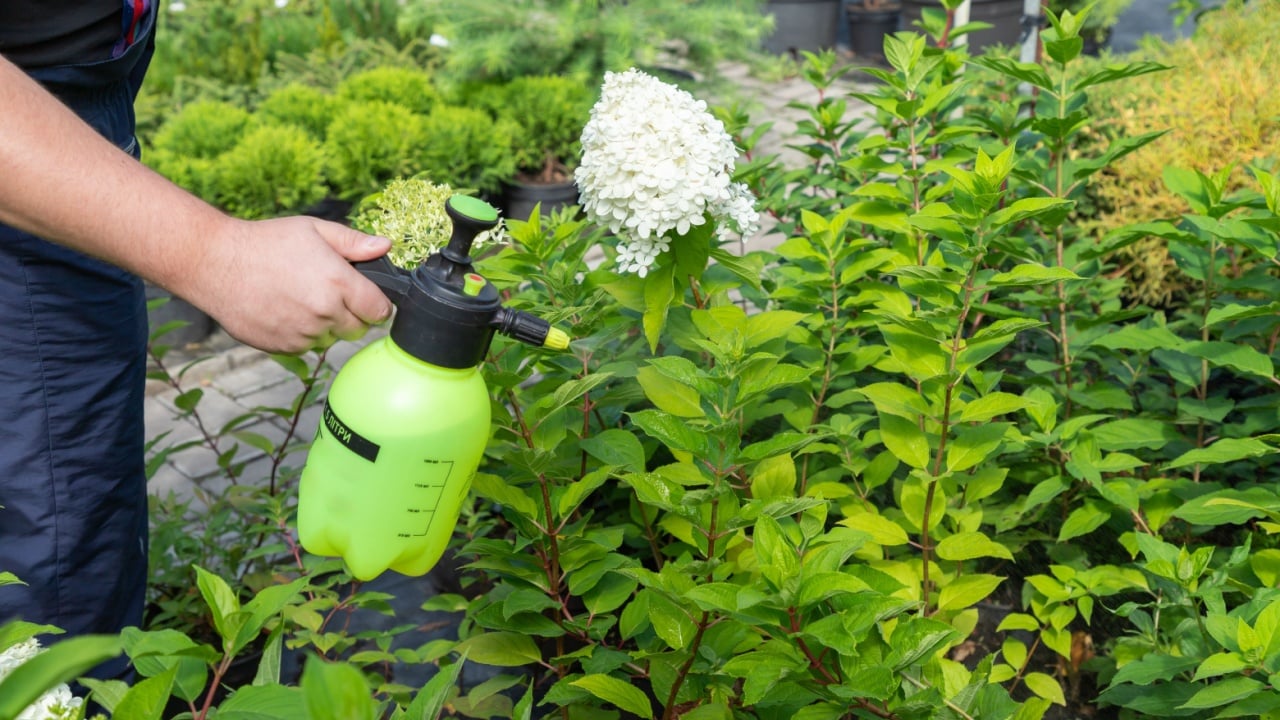
The instinct to grab a chemical spray is understandable, but broad-spectrum tick sprays kill far more than ticks. They wipe out the beetles, wasps, and ground-nesting birds that naturally regulate pest populations, and that disruption can make tick problems worse over time. Cedar oil, neem oil, and diatomaceous earth are effective natural alternatives that spare beneficial insects. “Eucalyptus oil, mint, neem oil, or even diatomaceous earth can be applied to bushes and other high populated areas,” says Matt Smith, licensed pest control professional and co-owner of Green Pest Management, in Martha Stewart. These methods require more frequent application, but a bottle of cedar oil concentrate costs under $15 and treats a typical yard for an entire season.
7. Forgetting About the Animals That Eat Ticks for Free
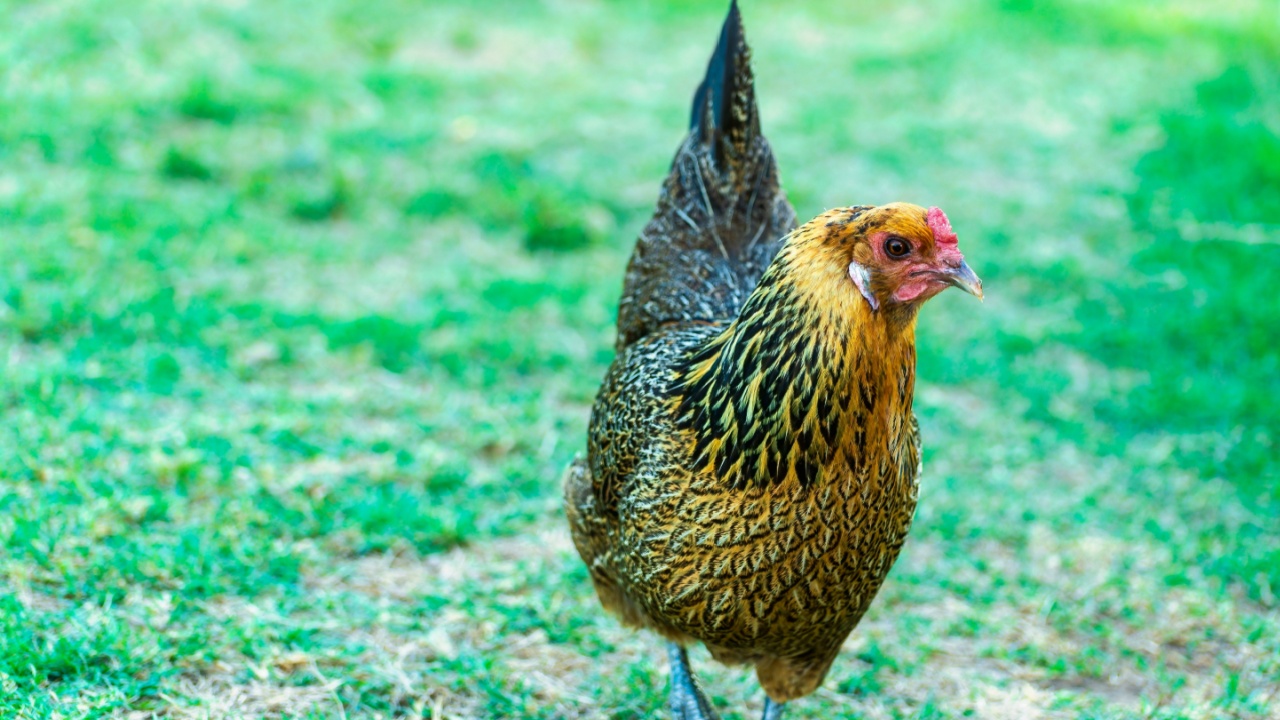
One of the most overlooked tick control strategies costs absolutely nothing: letting nature’s own exterminators do the work. Guinea fowl are legendary tick eaters, and a small flock can patrol a half-acre yard more thoroughly than any spray. Chickens, ducks, and turkeys consume ticks enthusiastically too.
If poultry is not practical, encourage wild birds; jays, robins, and bluebirds all eat ticks as part of their regular diet, according to Sawyer Garden Center. Even opossums, often dismissed as nuisance animals, are voracious tick predators. A more biodiverse yard with native plantings attracts these natural allies and, according to research cited by the David Suzuki Foundation, may actually reduce tick-borne disease risk by disrupting the cycle between ticks and their rodent hosts.
What to Do This Weekend

Before August ends, walk your property with fresh eyes. Mow any grass over three inches. Lay down a gravel or wood chip barrier along your yard’s wooded edge. Clear leaf piles and relocate firewood to a sunny spot. Plant a row of lavender or rosemary along your patio. Check your fencing for gaps that deer can exploit. These steps cost less than $100 total and take a single afternoon. Compare that to the $2,227 average cost of treating a Lyme infection, and the math is not even close.
Ticks are not going away. Climate change is expanding their range, and the diseases they carry are becoming more common every year. But a yard that fights ticks naturally, one with short grass, clean edges, the right plants, and a little help from the birds, is not only safer for your family and your pets. It is cheaper, healthier for the soil, and better for every living thing that shares your property. The best time to make these changes was last spring. The second best time is this weekend.
Read More
Washing Your Lettuce Won’t Remove Cyclosporiasis, But Growing Your Own Will
Your Grandmother Stored These 8 Foods All Winter Without Canning a Single Jar