Every spring, gardeners across the country load their carts with bags of compost at the garden center, spending $15-$30 or more per raised bed without a second thought. It feels like the responsible thing to do. What most of those gardeners don’t realize is that several of the most effective soil amendments available are already …
The fence running along your yard could be one of the most powerful pollinator habitats in your neighborhood. Most gardeners spend years perfecting their flower beds while a perfectly good trellis sits empty, a bare arbor collects cobwebs, and the chain-link along the back property line hosts nothing but bindweed. This May, there is a …
You have been watering them, deadheading them, dividing them, and replacing them after hard winters for years. And what have they given you in return? A beautiful garden for about six weeks, a stack of empty fertilizer bags, and a water bill that quietly climbs every July. The plants that fill most American yards were …
Every time you drop $4 on a pint of cherry tomatoes or $2.50 on a single red bell pepper, you’re paying for something you could be growing for a fraction of the price. Grocery store produce doesn’t just feel more expensive than it used to; it is. And the vegetables taking the biggest bites out …
Your grandmother planted marigolds next to her peppers every single year, and she was doing something right — just not for the reason she thought. Companion planting has been passed down through generations of home gardeners, often as intuition rather than instruction. Grow basil near your tomatoes, ring the garden with marigolds, and tuck nasturtiums …
If your tomato plants look lush, green, and absolutely thriving this summer but your actual tomatoes are disappointingly small, you are not alone. Most backyard gardeners operate on a “more is more” logic when it comes to tomatoes. More watering, more feeding, and more shoots left to grow. But tomato plants are not like most …
Most home gardeners reach for a bag of synthetic fertilizer when their vegetables underperform, not realizing that certain plants are nature’s own soil-repair crew, rebuilding fertility from the roots up without costing a dime. Depleted, compacted, or nutrient-starved soil is the number one hidden reason vegetable gardens underperform year after year. The tomatoes stay small, …
Companion planting is one of the oldest ideas in agriculture. Long before synthetic pesticides, farmers around the world were placing certain crops next to each other deliberately, learning through observation which combinations thrived and which didn’t. Today, that ancient practice has made a full comeback in the home garden. The problem is that somewhere along …
Every summer, millions of homeowners dump bag after bag of fertilizer onto their lawns, run their sprinklers faithfully, and still watch the grass turn brown. The secret most of them never learn is that their soil pH is wrong, and that means the nutrients are being chemically locked out of the grass roots before they …
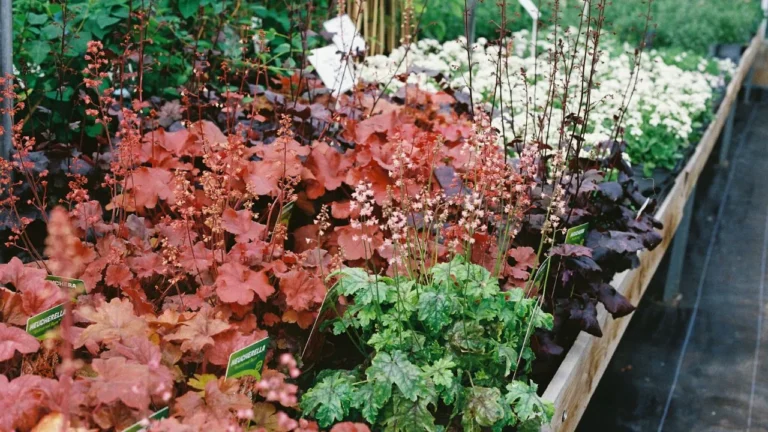
Every spring, millions of gardeners spend real money on annuals that will be dead by October, and then do the whole thing again next year. There is a smarter way to garden, and it starts this month. Late Spring (late April, May, depending on your growing zone) is the single best time to plant perennials …