9 Things You’re Tossing in the Trash That Could Fix Your Garden Soil for Free
The best soil amendment you can buy costs nothing, and there’s a good chance you threw some away this morning.
Most gardeners spend anywhere from $50 to $200 each season on bags of fertilizer, compost, and soil conditioners, while tossing out the ingredients that actually build living, productive soil daily. Kitchen scraps, cardboard boxes, coffee grounds, and fallen leaves belong in the trash for most households. To experienced gardeners and nursery professionals, they’re raw, organic materials. The difference between a garden that thrives and one that quietly exhausts itself year after year often comes down to what you do with what you already have.
The payoff here is real and measurable. Gardeners who regularly return organic material to their soil can eliminate the need to buy soil amendments on their annual trip to the garden center. As a result, they build soil that feeds itself, plants that need less intervention, and harvests that steadily improve without a cent spent.
You don’t need a bin, a system, or a single trip to the garden center to start improving your soil today. You need the list below and a small shift in what goes to the curb versus what goes back into the ground.
1. Coffee Grounds
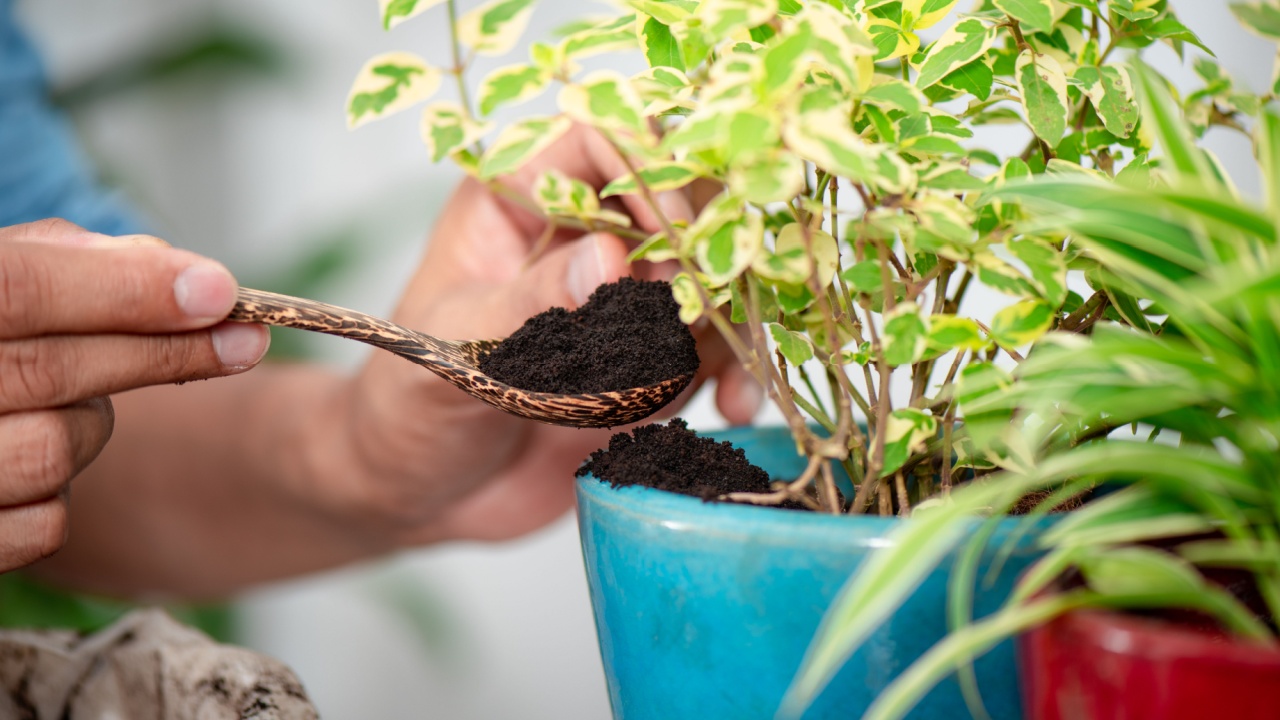
Used coffee grounds are one of the most versatile free amendments a home gardener can access, and most households produce them daily. Worked lightly into the top inch of soil, they add organic matter, feed beneficial soil microbes, and provide a gentle source of nitrogen that releases slowly as they break down. Earthworms are strongly attracted to coffee grounds, which means working them in also draws the soil’s best natural aerators directly to your beds.
It’s important to know that coffee grounds are only mildly acidic after brewing, so they won’t dramatically lower soil pH the way gardening lore suggests, writes Oregon State University Extension. They’re safe for most plants and genuinely beneficial. The mistake to avoid is applying them in thick, solid layers; they can form a water-repelling crust on the surface. Instead, mix them into the top layer of soil or add them to your compost pile instead.
Local coffee shops will often give away used grounds by the bag for free; it’s worth asking if you want to amend more than a household supply allows.
2. Cardboard and Newspaper
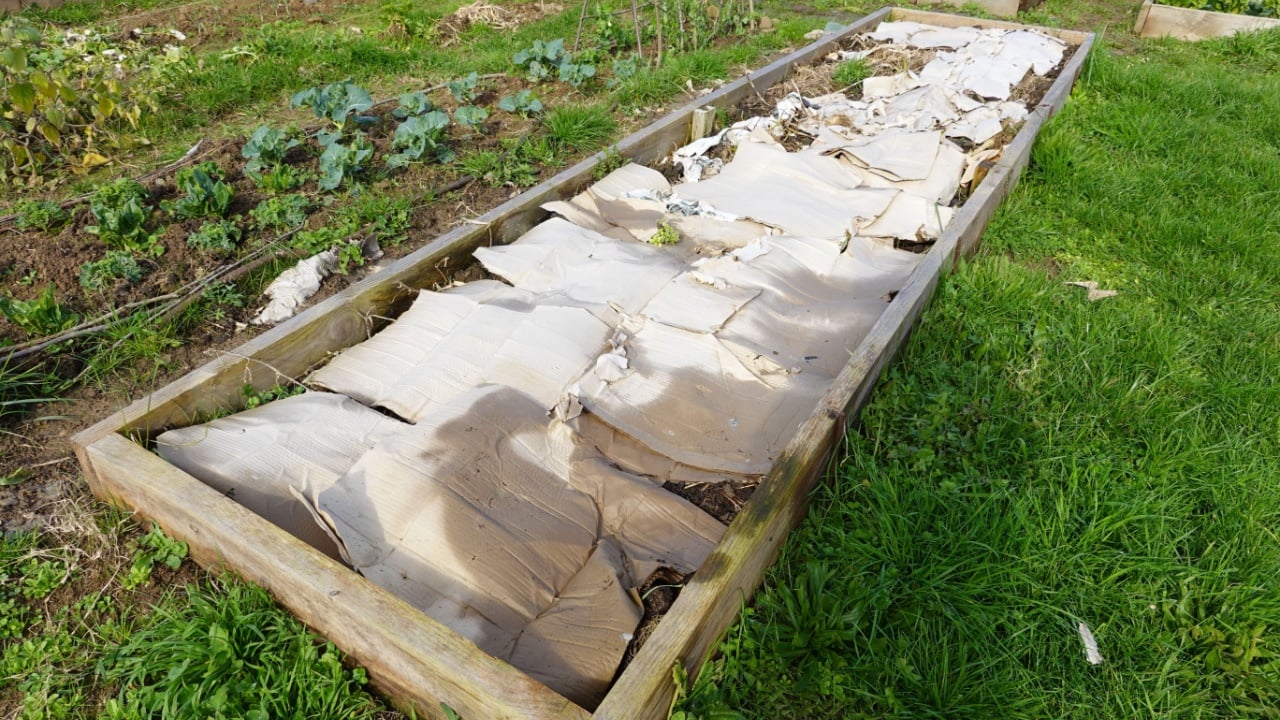
Every cardboard box that lands on your porch is a soil-building tool. Cardboard and newspaper are the foundation of the no-dig lasagna gardening method, and they work on two fronts simultaneously: they smother weeds and grass without chemicals, and they break down into organic matter that feeds the soil for months.
To use them, lay uncoated cardboard (remove tape and staples) directly over the area you want to improve, overlapping the edges by at least six inches so weeds can’t push through the gaps. Wet it thoroughly, then pile on several inches of compost, aged manure, or shredded leaves on top. Earthworms colonize beneath the cardboard almost immediately, aerating the soil from below as they work up to feed on the decomposing material above.
Right now in May, a cardboard layer set down this weekend over a struggling bed will be ready to plant fall crops by late summer, and fully transformed into rich, workable soil by next spring. It costs nothing and requires no digging.
3. Fruit and Vegetable Scraps
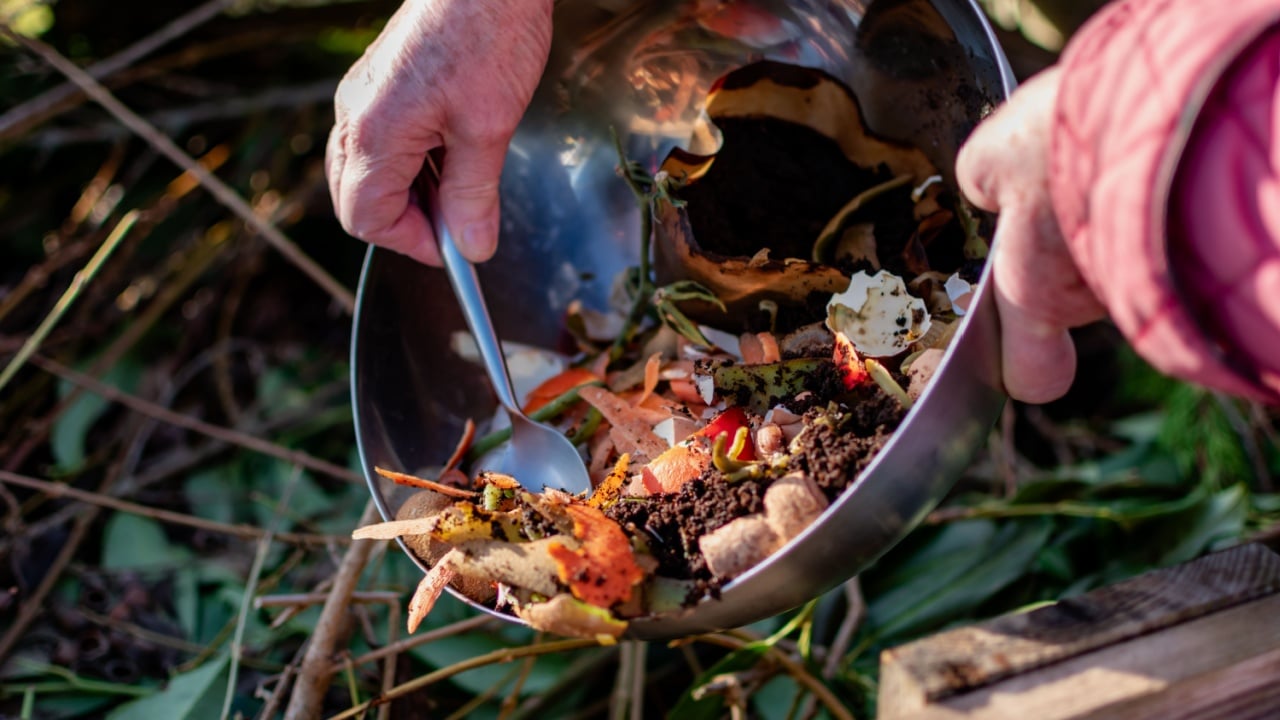
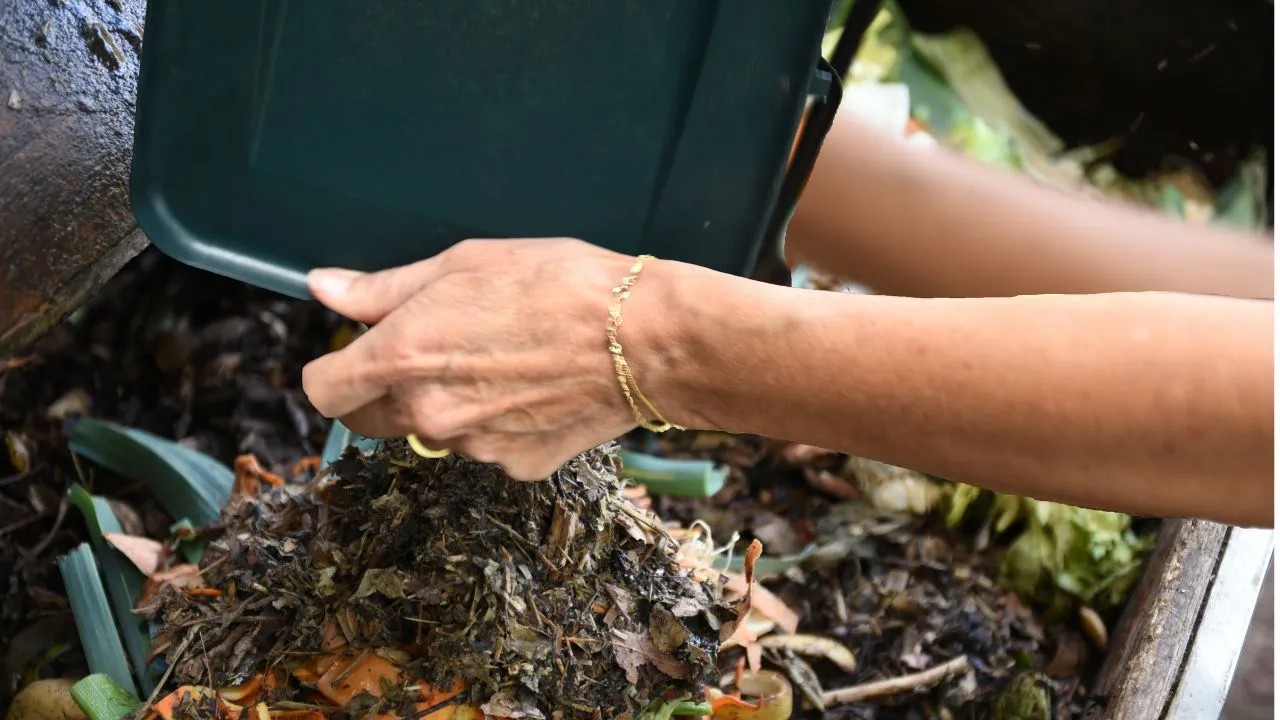
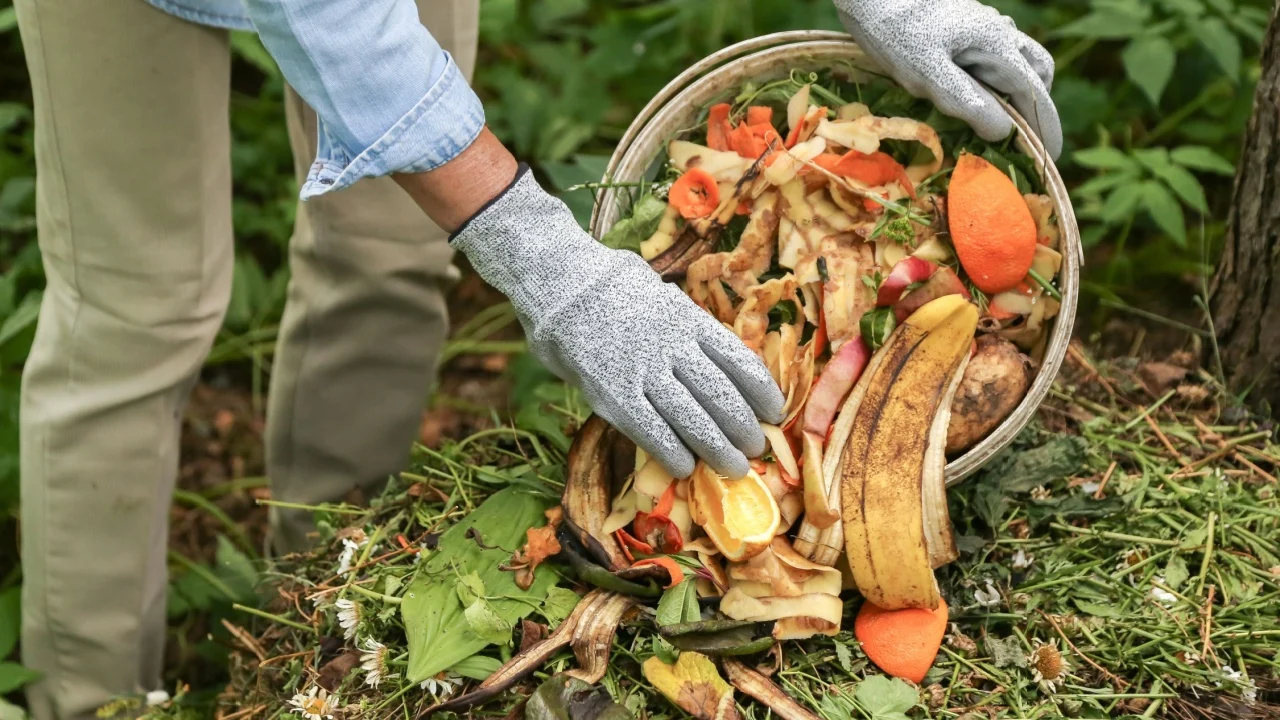
Vegetable peels, fruit cores, wilted greens, spent herbs: these are the most direct path from your kitchen to your soil. The fastest method for small quantities is direct burial, sometimes called trench composting. Dig a hole or trench 12 inches deep in an empty bed, drop in the scraps, cover with soil, and let microbial activity and earthworms do the rest. In a matter of weeks, the scraps break down into nutrients available to nearby plant roots.
For larger quantities, a simple compost pile is the right approach. You don’t need a bin or a system. A loose pile in a corner of the yard, watered occasionally and turned every couple of weeks, will produce finished compost within a few months. The Old Farmer’s Almanac has recommended this low-effort approach for generations, and it remains the most reliable way to build soil organic matter over time. Mix kitchen scraps with dry carbon material like cardboard, leaves, and straw in roughly equal parts for a pile that breaks down without odor.
Avoid adding meat, dairy, or cooked food to outdoor piles, which can attract pests. Raw fruit and vegetable scraps are ideal.
4. Eggshells
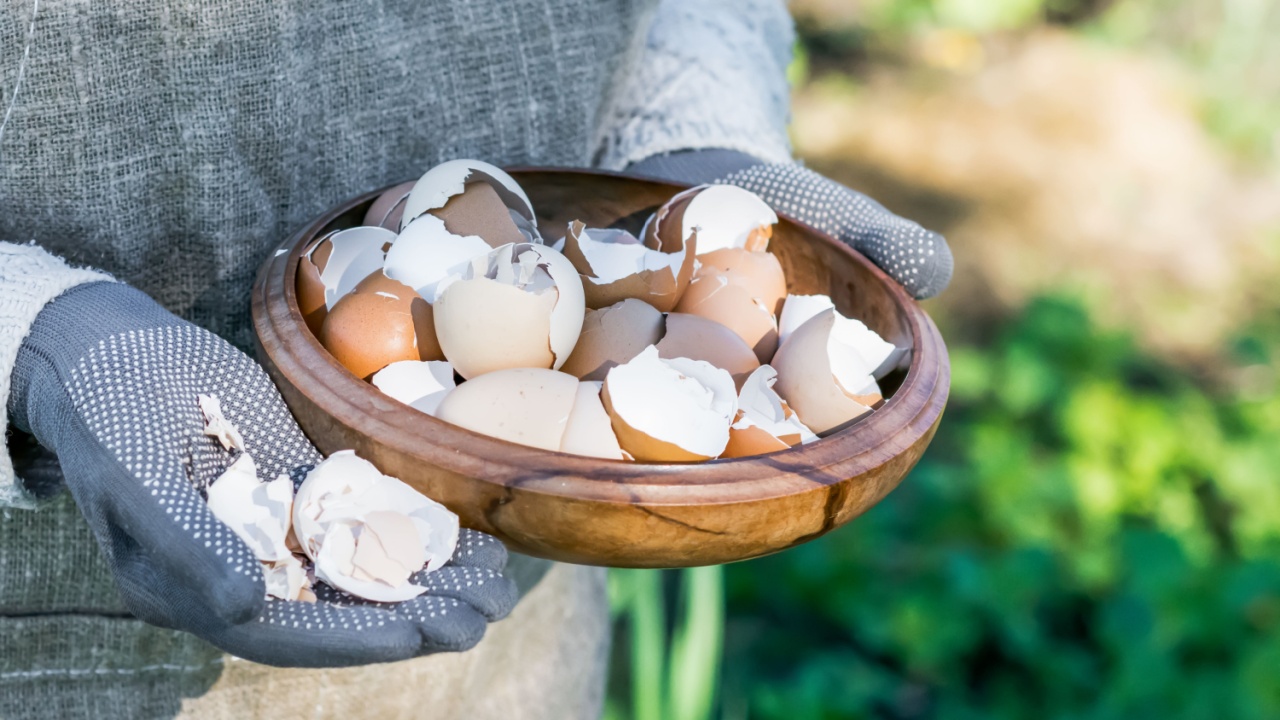
Eggshells are largely calcium carbonate, which means they serve as a slow-release calcium amendment that gradually raises soil pH and improves soil structure as they break down. For most home gardens, that’s a gentle benefit. For tomato growers specifically, they may be the difference between a full harvest and a devastating loss.
Here’s the surprising fact: calcium deficiency in soil is the direct cause of blossom end rot, the condition that turns the bottom of tomatoes black and renders the fruit inedible, according to the University of Maryland. A single season of calcium-depleted soil can wipe out an entire tomato crop. Crushed eggshells worked into planting holes before setting in tomato transplants deliver a slow-release calcium source exactly where it’s needed.
Dry and crush the shells before adding them; whole shells take years to break down and provide no benefit in the meantime. A quick pass in a food processor or a firm press with a rolling pin is enough. Save them through winter and work a generous handful into each planting hole in spring.
5. Grass Clippings

Every time a bagged lawn mower rolls down a driveway, a significant source of free nitrogen disappears. Grass clippings are approximately 4% nitrogen by weight when fresh, making them one of the richest free nitrogen sources available to home gardeners, according to the University of Missouri Extension. Bagging and trashing them is one of the most common and costly habits in home gardening.
Applied as a thin mulch layer, no more than an inch at a time, fresh grass clippings suppress weeds, retain soil moisture, and break down quickly to feed soil microbes. Thicker layers mat together, exclude air, and can become slimy. Used correctly, they’re a fast-acting surface amendment that benefits almost any bed. They can also be added to a compost pile as a nitrogen-rich green material to activate decomposition.
For gardeners who’ve been bagging clippings for years, redirecting even half the season’s clippings to garden beds can deliver a meaningful improvement in soil organic matter by fall, at zero cost.
6. Fallen Leaves
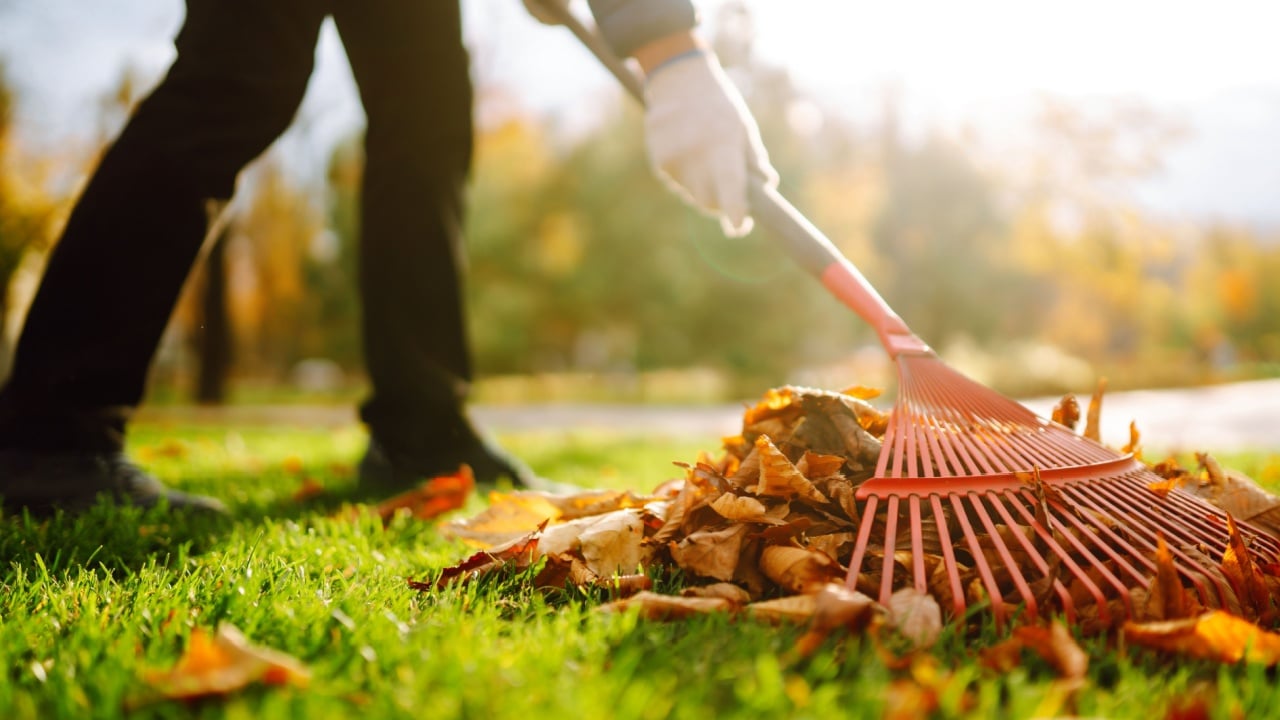
Autumn leaves are the most underused free soil amendment available to most homeowners, and every October, neighbors set bags of them on the curb for the trash truck. Leaf mold, or partially decomposed leaves, is one of the best soil conditioners known, improving drainage in clay soils and water retention in sandy soils. It feeds earthworms, moderates soil temperature through winter, and slowly releases nutrients as it breaks down further.
Shredded leaves (run over once with a mower) decompose far faster than whole leaves and can be worked directly into beds or used as mulch. Whole leaves can be piled and left to become leaf mold over one to two seasons. Either way, the gardeners with the most productive yards have figured out that their neighbors’ leaf bags are a resource, not refuse.
Collect extras now and pile them for the season ahead, or layer them directly onto beds this fall right after the growing season ends.
7. Wood Ash from a Fireplace or Fire Pit

If you have a fireplace, wood stove, or backyard fire pit, you have a source of potassium and calcium carbonate that raises soil pH and benefits many vegetables. Wood ash is the same substance as agricultural lime in a less concentrated form, and it’s been used to improve garden soil for centuries.
Sprinkle it lightly, no more than a cup per square foot, and work it shallowly into the soil surface. It acts quickly, so it’s best applied in fall to allow it to mellow into the soil before spring planting.
The mistake to avoid is applying too much. Heavy applications can raise pH to the point where nutrients become unavailable to plants, and wood ash should never be used around acid-loving plants like blueberries, azaleas, or rhododendrons. Used in moderation, it’s a genuinely useful free amendment for vegetable beds and lawns.
8. Stale Bread, Pasta, and Grains
Stale bread, cooked pasta, and old grains are compostable, though they require a bit more care than vegetable scraps. Buried deeply in a trench or hot compost pile, they break down and add organic matter to the soil. The caveat is real: these foods can attract rodents if left on or near the surface, so trench composting at 12 inches deep is the safest method for home use.
A dedicated hot compost pile that reaches 130 to 160 degrees Fahrenheit in its core will safely process bread and grains without attracting pests; the heat neutralizes the food smell. If you don’t manage a hot pile, stick to deep trench burial. The benefit is modest compared to vegetable scraps, but it’s a legitimate way to keep food out of landfills while still feeding your soil.
9. Hair (Human or Pet)

This is the one most gardeners have never heard, and the one they tend to remember. Hair, whether from a hairbrush, a pet grooming session, or a trim over the sink, is approximately 15 to 16% nitrogen by weight according to an article in Scientific Reports. Grow Bio Intensive writes that it breaks down slowly in soil, making it a long-term, slow-release nitrogen source that continues feeding for months.
Tuck small amounts into planting holes, mix into compost, or bury loosely in the top few inches of soil. Hair also deters some garden pests; deer and rabbits are reportedly put off by the scent of human hair placed around beds, which gives it a dual purpose.
Hair from a salon or barbershop is often available free in large quantities; many will save it for gardeners who ask. A bag of hair clippings is genuinely more valuable to your soil than most products sold in a garden center bag, and it costs nothing.
How to Put It All Together
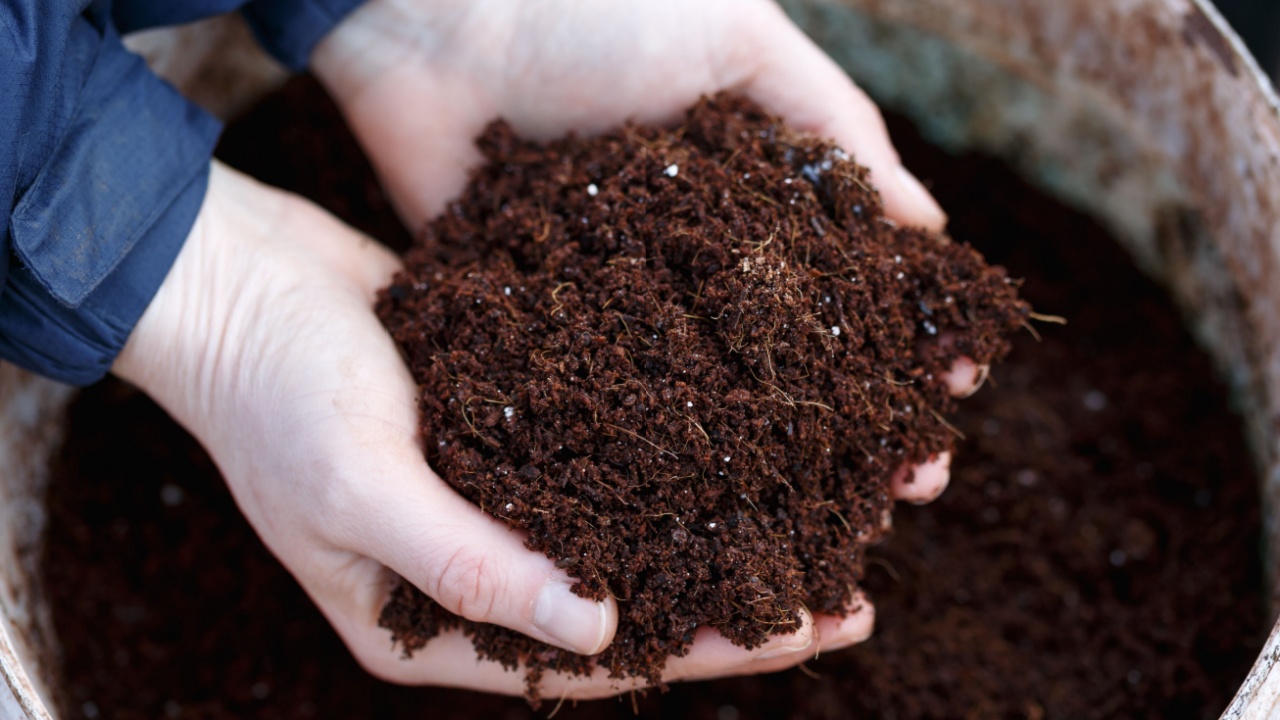
Not everything needs to be composted. Some items, like grass clippings, crushed eggshells, and coffee grounds, can go directly into or onto soil. Others, like vegetable scraps, bread, or grains, are best composted or buried. Cardboard and leaves work best as surface layers that gradually incorporate from below.
Keep a small container in the kitchen for vegetable scraps and coffee grounds, add cardboard from deliveries to a pile in the yard, and redirect grass clippings to beds rather than bags. You don’t need to do all nine things at once; start with two or three that fit your household naturally, and let the habit build.
Any soil can be improved. The gardeners with the most productive beds didn’t start with better dirt; they just stopped throwing away the ingredients that build it. This season, let what comes out of your kitchen, your yard, and your fireplace go back into the ground. Your soil will return the favor all summer long.
Read more:
Is Your House A Wildfire Target? 7 Things That Increase Your Risk At Home
Is The Heat To Blame for Your Struggling Vegetable Garden This Summer? Stop Making These 7 Mistakes