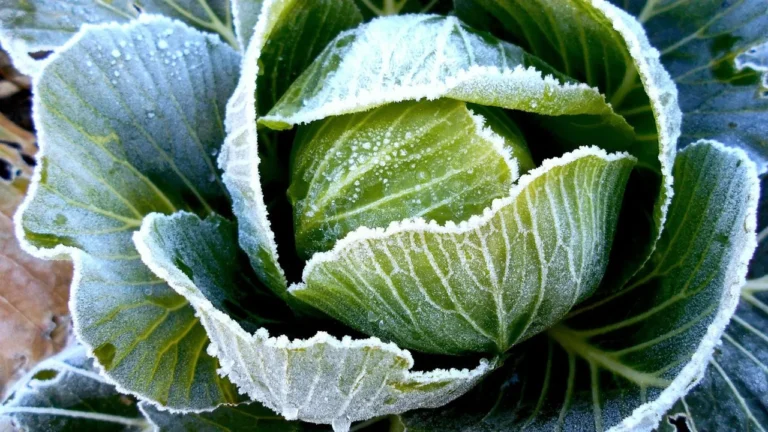
Most gardeners have lived this nightmare: weeks of careful seed-starting, hardening off, and finally getting transplants into the ground, only to walk outside one May morning and find every tender plant blackened and limp from an overnight frost nobody saw coming. Late spring frosts are not rare accidents. They are a predictable threat that most …
Every May, gardeners across the country make the same expensive mistake. The most common May garden problem isn’t laziness or neglect. It’s messing up the sequence of events. Gardeners who mulch before they weed will ultimately undo their own work. Those who fertilize before testing their soil risk burning the roots of plants they’ve spent …
The most romantic garden in the world is also one of the most forgiving, and if you start this month, you could be cutting armloads of roses and foxgloves by summer. Cottage gardens have enchanted homeowners for centuries, not because they are complicated, but because they follow one irresistible rule: more is always more. If …
Most people picture xeriscaping as a gravel pit with one sad cactus gasping in the sun. That image has scared off more would-be converts than any water bill ever could. The truth is that the most stunning xeriscape gardens are dense, colorful, and alive with pollinators, and the plants that create that effect are so …
Your seedling didn’t die from bad luck. It died from a mistake you made before it ever went in the ground — and in most cases, it’s the same mistake gardeners have been making for decades without realizing it. March and April are the months when all that careful seed-starting work either pays off or …
Most gardeners make the same mistake every May. They walk into the nursery, spot something gorgeous in full bloom, bring it home, and watch it fizzle out by the Fourth of July. The problem is not your soil, your climate, or your green thumb. The problem is the plants. Not all annuals are created equal. …
Most gardeners spend $50 or more every spring replacing annuals they planted the year before. They buy the same flats of flowers, drop them in the same beds, and repeat the cycle without ever realizing it was optional. What nurseries don’t advertise, and what experienced gardeners quietly rely on, is that a specific group of …
Every May, home gardeners hand their local nursery $8, $12, sometimes $15 for a single six-pack of plants they could have grown better, faster, and for a fraction of the cost by pressing a seed directly into the ground. Many of the most productive plants in your summer garden perform worse when transplanted. Beans, cucumbers, …
Here’s a fact that changes everything: most seeds that “fail” don’t fail to germinate. They start to germinate, get all the way to the finish line underground, and then die when the soil dries out for a single afternoon. The gardener never knows. They just see an empty tray and blame themselves. That scenario repeats …
You’ve probably been growing the wrong vegetables. Not wrong in the sense that they fail, but wrong in the sense that they cost almost nothing at the store and take up the most room in your garden. If your goal is to actually lower your grocery bill, the plants that belong in your beds this …