12 No-Fuss Plants That Attract Bees to Your Yard
If you’ve ever looked out at your garden and wondered where all the bees went, you’re not imagining it. Native bee populations have declined sharply over the past two decades, driven by habitat loss, pesticides, and a shortage of the right plants. The good news is that you can do something about it this weekend, with no special skills, no overhaul of your yard, and very little money.
Most people assume attracting bees requires a dedicated pollinator garden, a large property, or years of experience. None of that is true. Research from the Old Farmer’s Almanac shows that even a single window box or container planting can serve as a meaningful waystation for foraging bees, and that small contributions across many yards add up fast.
What bees are actually looking for is simple: flowers with accessible nectar and pollen, a season-long food supply, and a safe place to nest. They prefer blue and purple blooms, flat or wide-open flower shapes, and single-petaled varieties over showy doubles. They also need water and, for ground-nesting species, a small patch of bare soil. The plants below check all those boxes with minimal effort on your part.
The timing of your blooms matters as much as the plants themselves. A yard that peaks with blooms in June and goes quiet by August leaves bees without food right when they need to build winter reserves. You’ll want to include a variety of pollinator-supporting plants in your garden so that you have blooming coverage from early spring through October.
The plants on this list were chosen specifically for busy gardeners who don’t have time to fuss. Most are perennials that come back on their own every year, and several start easily from seed for just a few dollars. All of them are proven bee magnets, and more than a few will surprise you with what science has recently discovered about why they work so well.
1. Sunflowers
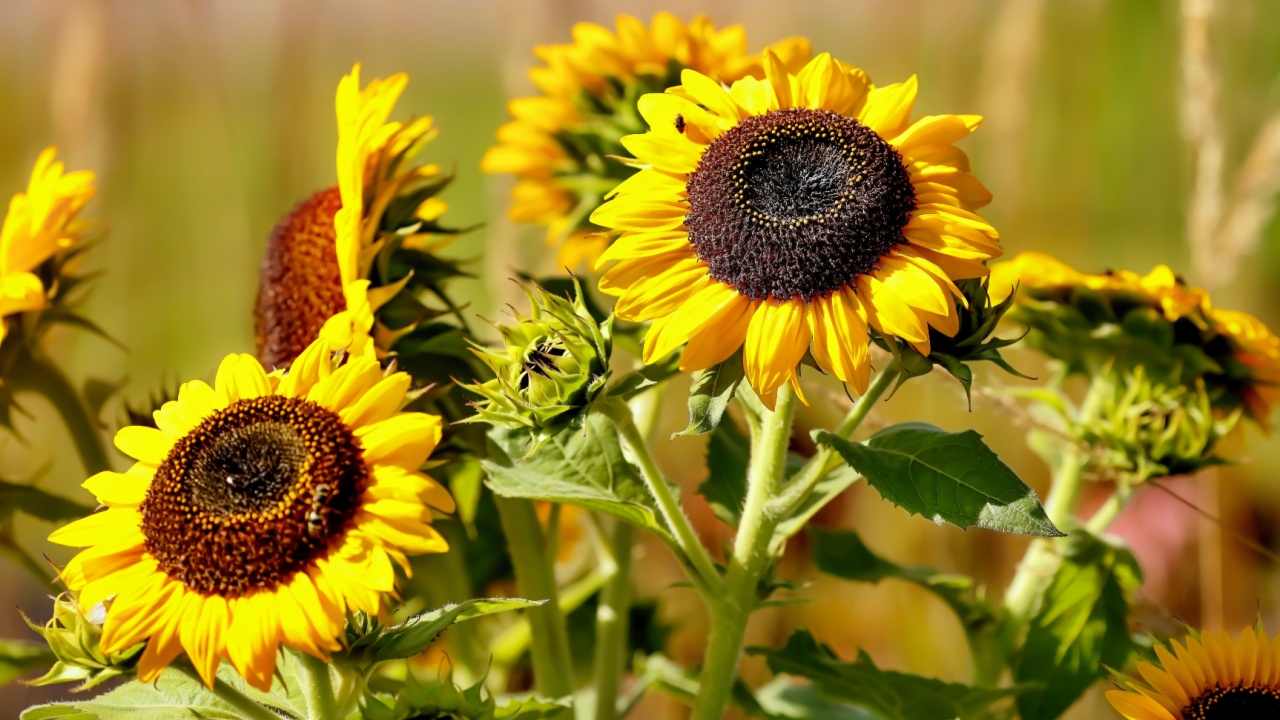
Plant sunflowers once, and they will reward you with almost no effort.
A peer-reviewed study by researchers at NC State University and the University of Massachusetts Amherst, published in Scientific Reports, found that sunflower pollen dramatically reduced pathogen infections in bees. Bumblebees fed sunflower pollen showed far lower rates of a common gut parasite; honeybees were similarly protected from a different pathogen. Professor Rebecca Irwin of NC State called the results “the jackpot.”
Sunflowers need full sun and very little water once established. Direct-sow seeds after your last frost date, and they largely handle themselves from there. Make sure to always choose open-pollinated varieties – hybrid pollen-free sunflowers, bred for longer vase life, offer bees nothing at all.
2. Lavender
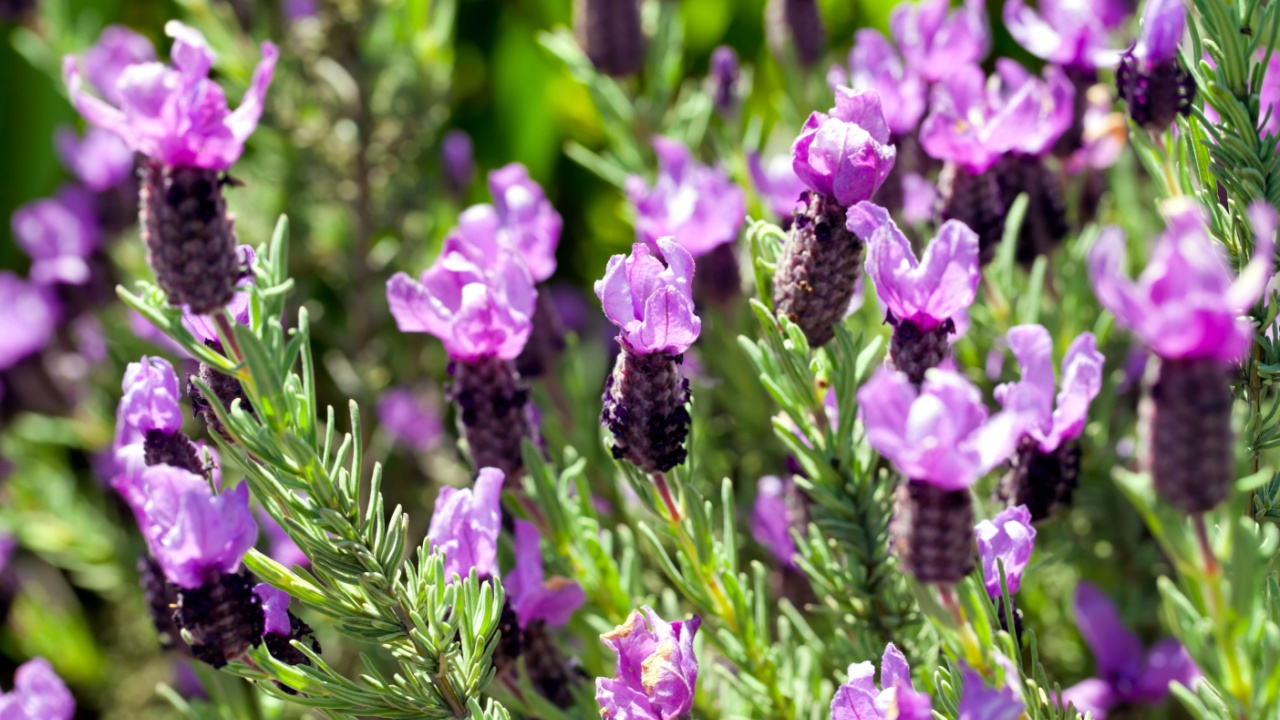
Lavender is one of the most low-maintenance bee plants in existence. Plant it in a sunny, well-drained spot and, after the first season, it essentially takes care of itself; it rarely needs watering, rarely needs fertilizing, and blooms reliably from June through August each year.
According to Garden Design magazine, lavender’s flower spikes are perfectly sized for honeybees, and the fragrance draws them from a considerable distance. It also repels deer and most common garden pests, which means less intervention from you.
Lavender is not reliably hardy north of USDA Zone 6. In colder climates, look for Lavandula angustifolia ‘Hidcote,’ which handles cold better than most cultivars.
3. Catmint (Nepeta)
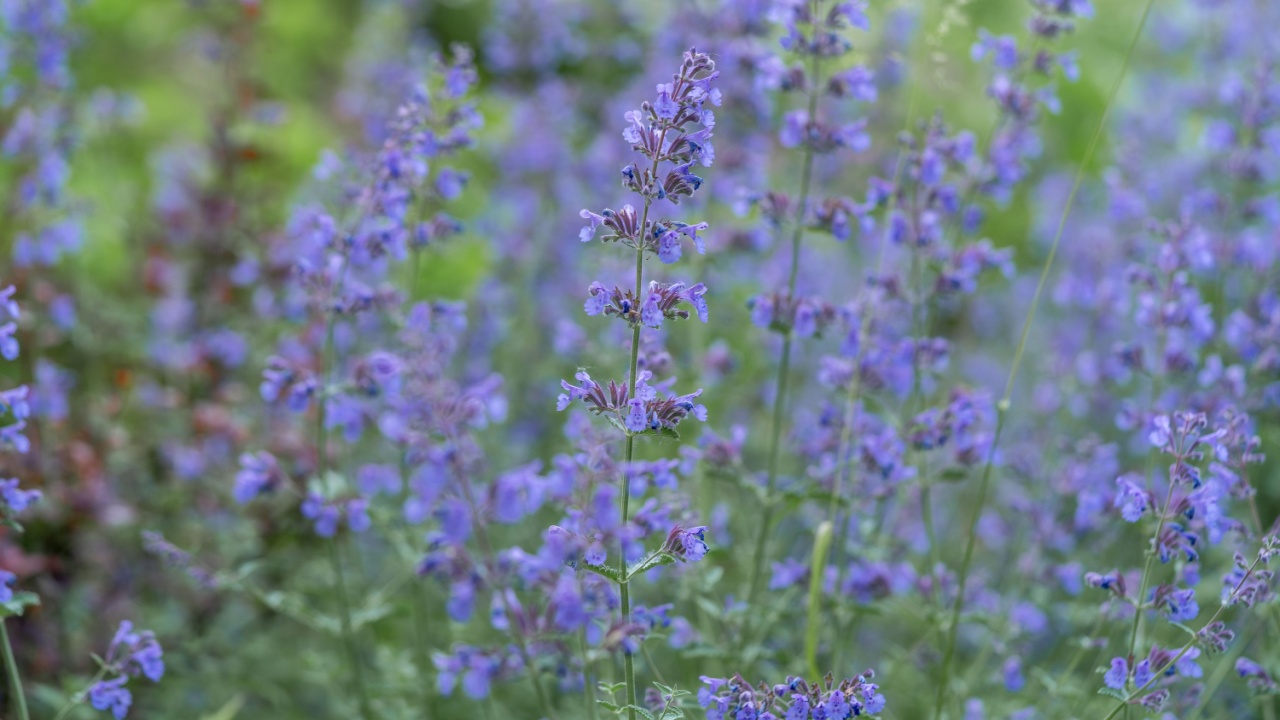
If you want one plant that does more work than almost anything else in the garden, catmint is it. It blooms continuously from May through September — one of the longest flowering windows of any perennial — and produces so much nectar that bees return to it multiple times per day.
The Old Farmer’s Almanac lists catmint among the top long-season nectar sources for pollinators. It is drought-tolerant once established, deer-resistant, and requires almost no maintenance beyond a single cutback halfway through summer to trigger a fresh flush of blooms.
Catmint grows well in Zones 4 through 9, planted in full sun to partial shade.
4. Purple Coneflower (Echinacea)

Purple coneflower is the definition of plant-it-and-forget-it. It tolerates drought, clay soil, part shade, and neglect, and still manages to produce months of blooms that the Missouri Botanical Garden describes as highly attractive to bees, butterflies, and beetles.
It blooms from midsummer into fall, covering the critical late-season window when many other flowers have finished. Once established, it self-seeds gently, meaning your original planting slowly expands into a larger colony with no effort from you. In winter, leave the seed heads standing: finches depend on them, and the dried stalks provide overwintering shelter for solitary bees.
5. Borage
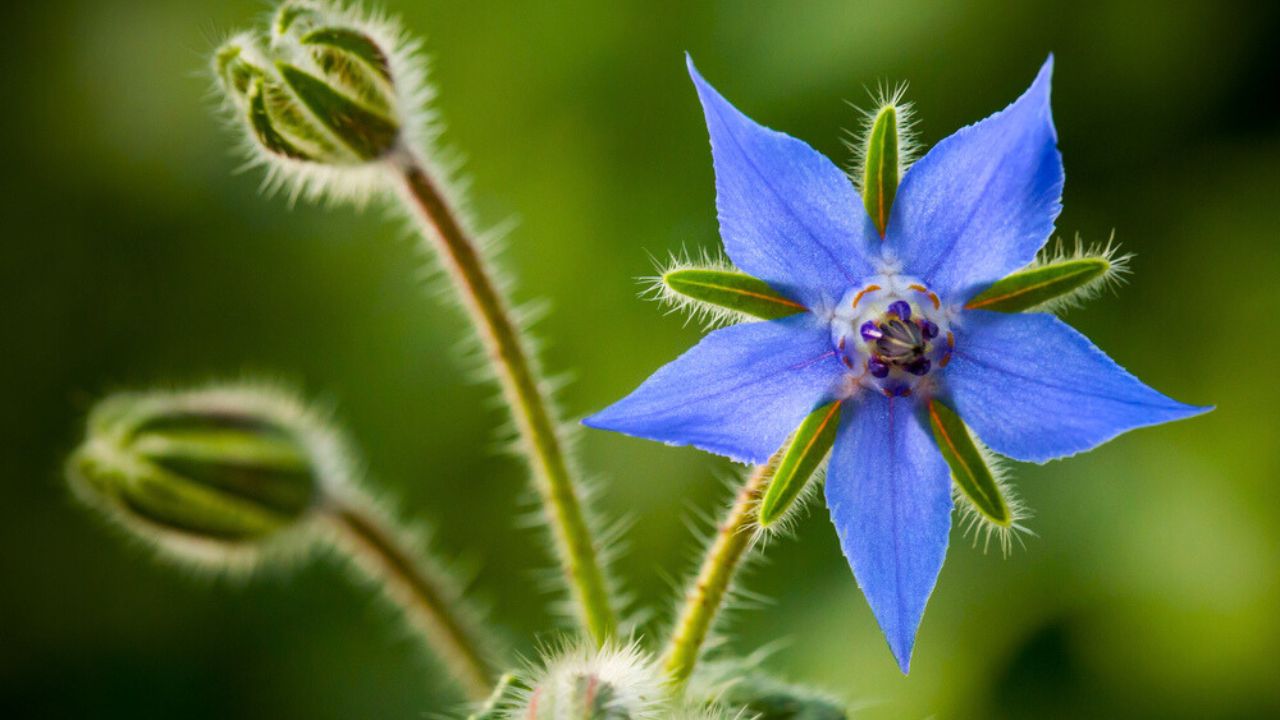
Borage is the easiest annual on this list to grow, and one of the most remarkable bee plants in the garden.
Direct-sow seeds in any sunny spot after frost, and within weeks you’ll have cheerful blue star-shaped flowers that, according to Garden Design magazine, replenish their nectar within minutes after a bee drains them. That self-refilling quality makes borage an almost continuous food source rather than a one-time snack.
Borage self-seeds prolifically, so once you plant it, it tends to reappear on its own every spring with no intervention. It also thrives in poor soil, asks for very little water, and finishes its life cycle without any deadheading required.
6. Goldenrod
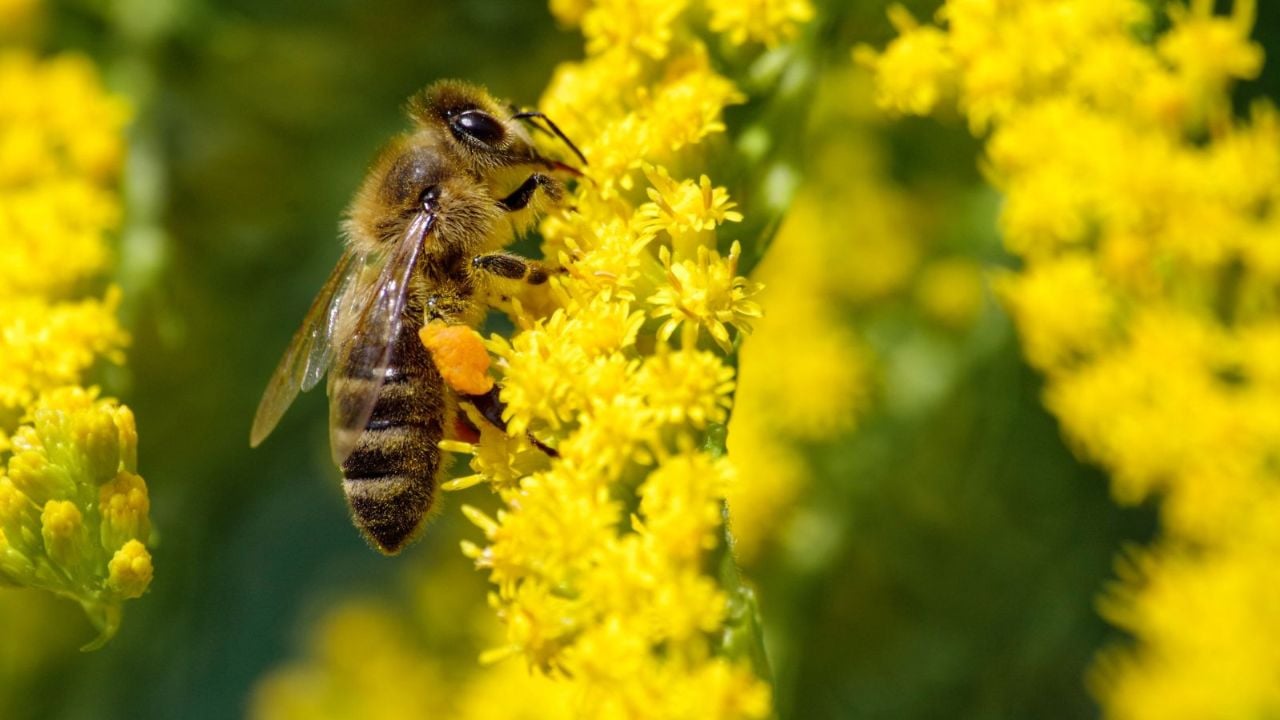
Goldenrod is one of the most misunderstood plants in the American yard, and one of the most important ones to stop removing. Most people blame it for fall allergies, but the real culprit is ragweed, which blooms at the same time. Goldenrod’s pollen is heavy and sticky, and it travels by bee, not by wind.
According to the Old Farmer’s Almanac, goldenrod is a critical late-season food source bees rely on to build winter reserves. Native goldenrod (Solidago spp.) is hardy in Zones 3 through 9, spreads to fill a space with no fertilizer, and blooms reliably from late summer into fall when little else is flowering.
Goldenrod requires zero maintenance once established. Let it grow; the bees desperately need it.
7. Zinnias
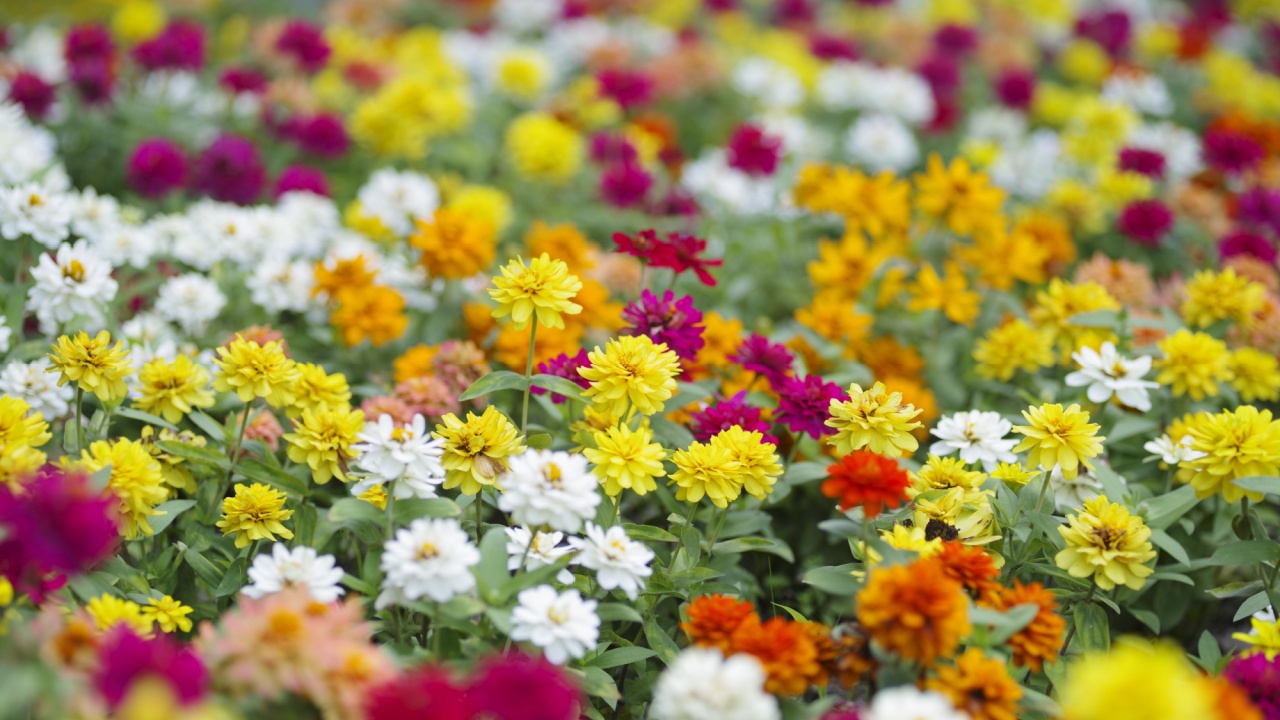
Zinnias are one of the highest-value, lowest-effort investments a gardener can make for bees. A single seed packet costs under three dollars, and direct-sown seeds bloom in as little as eight weeks.
Garden Design notes that their nectar-rich central disk flowers are accessible to even the tiniest bee species, and they attract honeybees, bumblebees, and numerous solitary bees simultaneously.
Zinnias don’t need any deadheading to keep blooming, though removing spent flowers does extend the season. They thrive in poor soil, tolerate heat and humidity, and produce continuously until frost.
Make sure to choose single-flowered varieties only. The pom-pom double types look showy but physically block bee access to nectar and pollen.
8. Mountain Mint (Pycnanthemum)
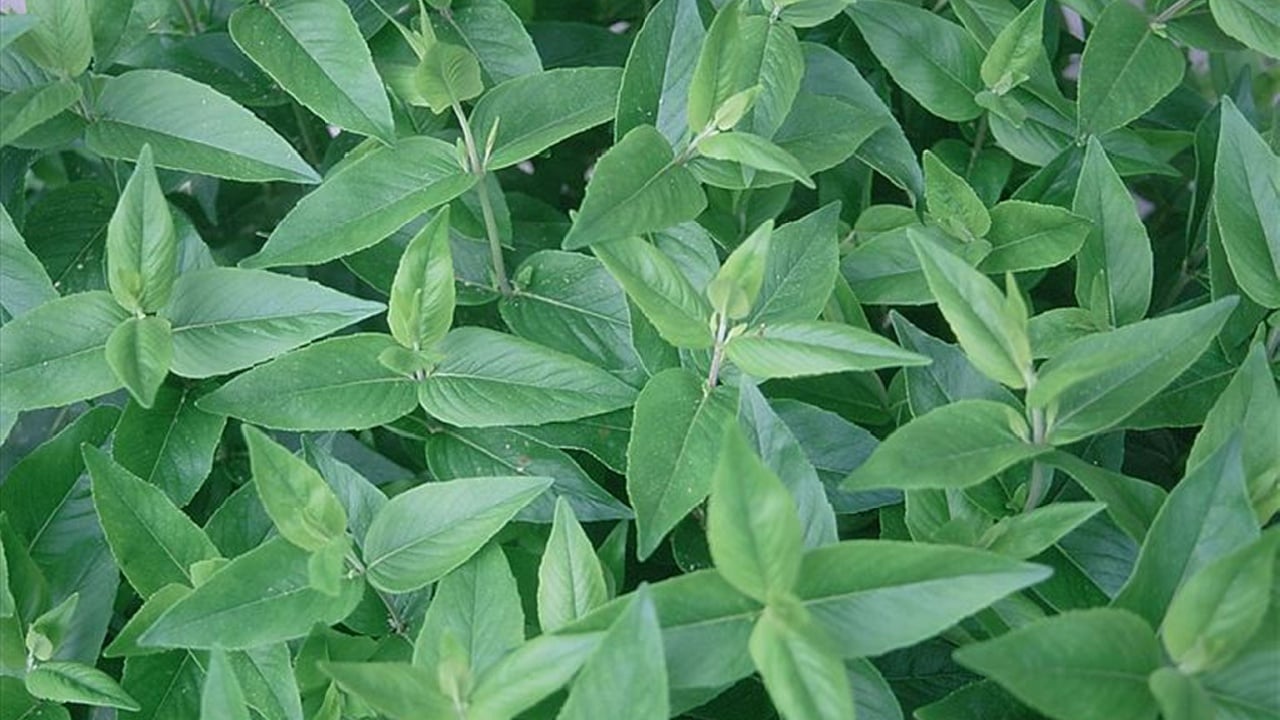
Mountain mint is the bee plant that experienced native plant gardeners talk about in reverent tones (and that most beginners have never heard of). The Missouri Botanical Garden describes clustered mountain mint as blooming for more than two months straight and attracting the widest range of pollinating insects of any plant in its family: small and large bees, wasps, beneficial flies, butterflies, and skippers.
Mountain mint is tough, drought-tolerant, and spreads gently to fill a space over time. It asks for almost nothing once planted. It is hardy in Zones 3 through 8, and prefers full sun to partial shade.
9. New England Aster
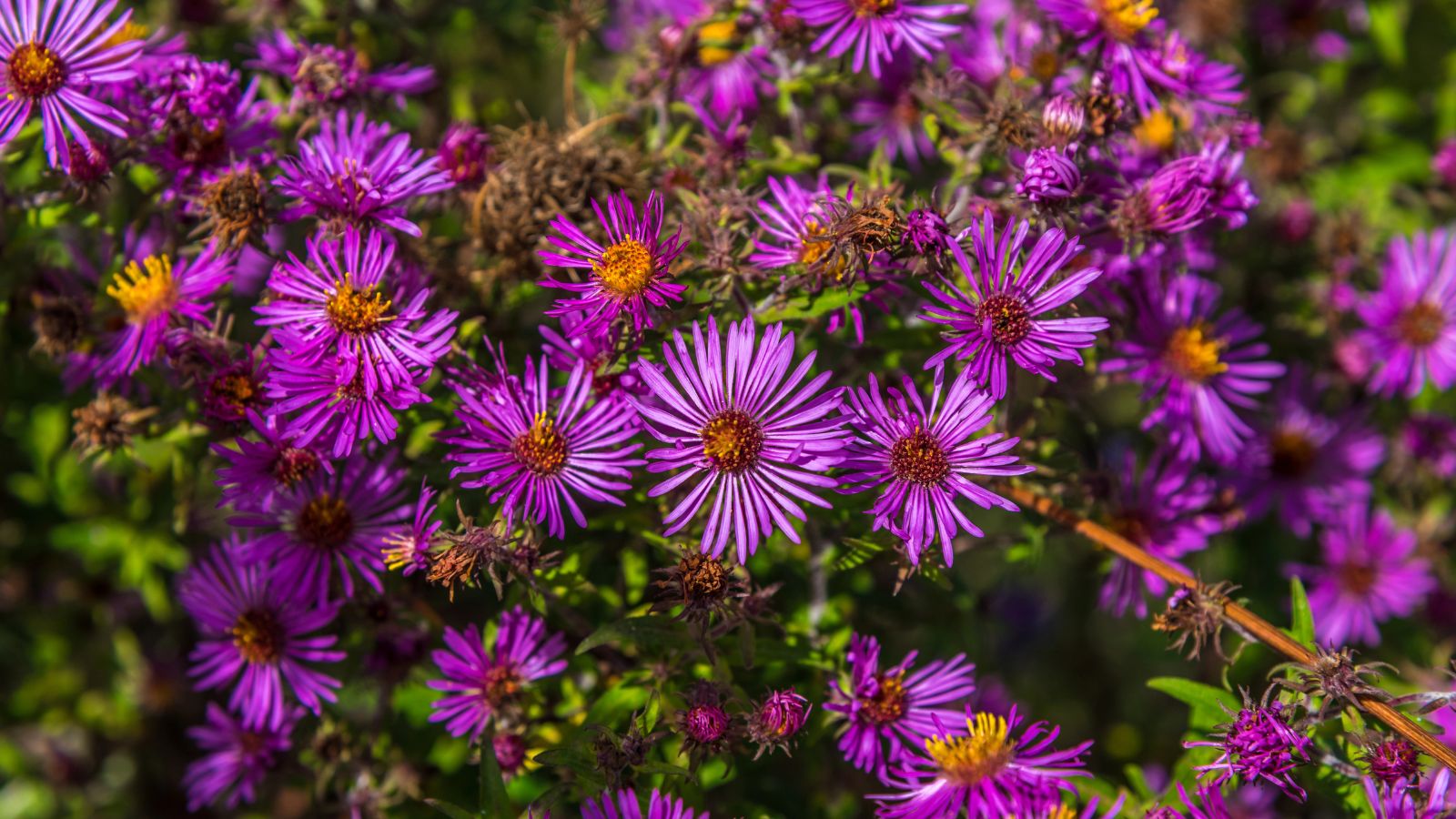
When the rest of your garden is winding down in August and September, New England asters are just getting started. They bloom from late summer through October, which is a critical period when most other flowers have finished, and bees are actively searching for the food reserves they need to survive winter. The Xerces Society specifically recommends native asters as essential late-season pollinator plants.
New England Asters come back reliably every year, spread slowly to form attractive clumps, and require no deadheading or staking in most settings. For gardeners who want to extend their season’s usefulness with almost no extra effort, asters are the single best investment.
10. Chives
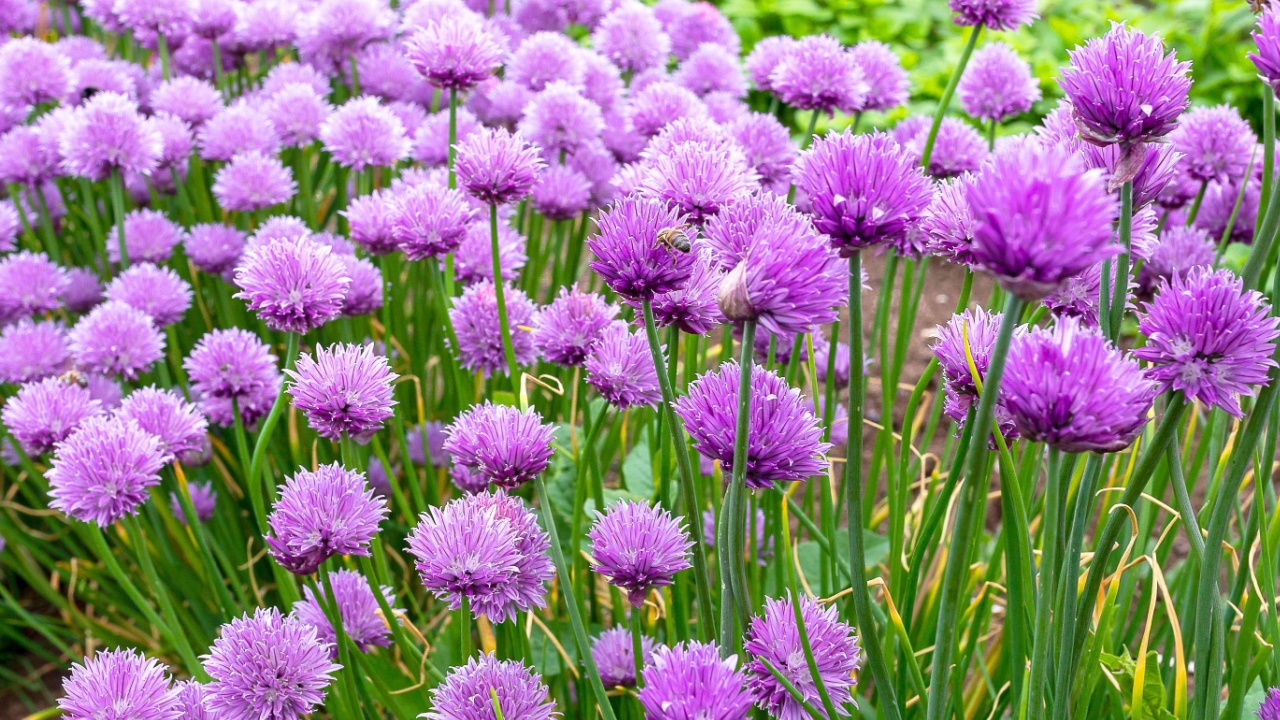
Chives solve a problem most gardeners don’t realize they have: there is almost nothing in bloom in April and early May when the first foraging bees emerge from dormancy. Garden Design calls early-blooming chives “a banquet for bees emerging from dormancy in spring,” and for good reason — their purple globe flowers are among the first reliable nectar sources of the season.
Chives grow in virtually any soil, in containers or in the ground, and double as a kitchen herb. Plant them once, and they return every year without any help. If you already grow chives and have been cutting them before they flower, stop — let a patch bloom for the bees.
11. Milkweed (Asclepias)
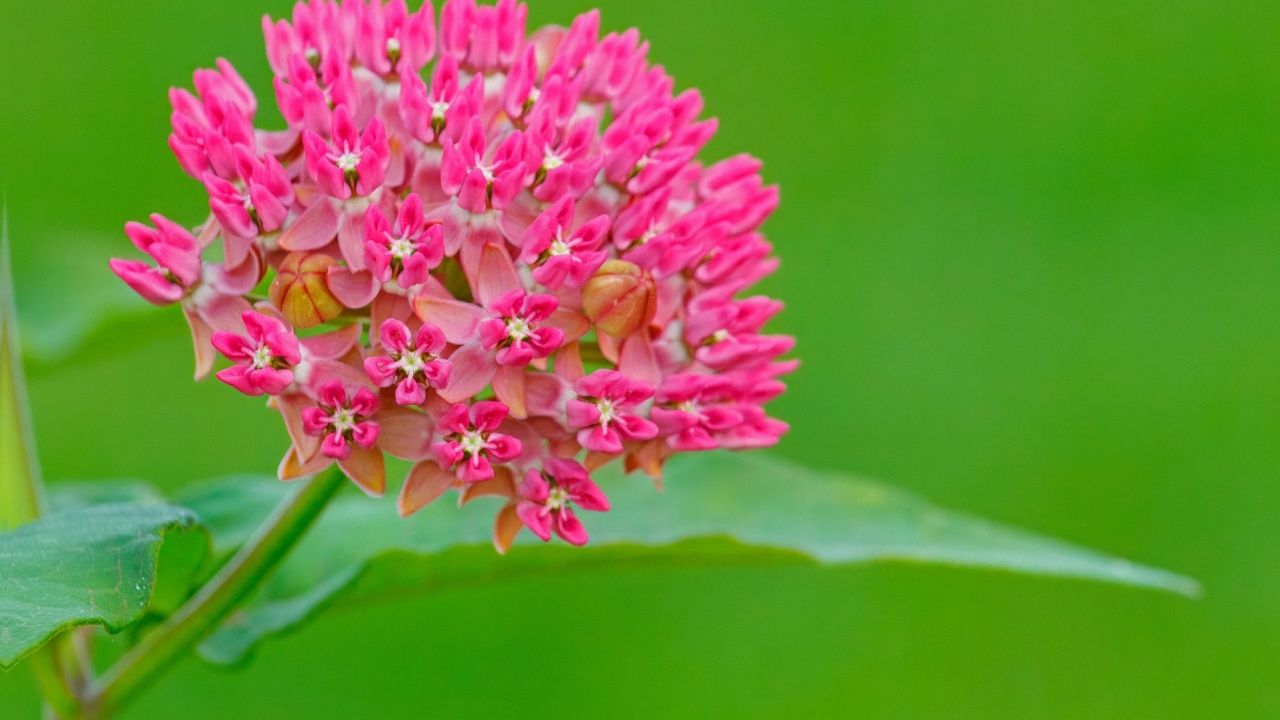
Most gardeners plant milkweed for monarchs and are surprised to find it covered in bees as well. It is a genuine multi-species powerhouse: native bees, bumblebees, monarch butterflies, and a host of specialist insects all depend on it.
Common milkweed (Asclepias syriaca) and butterfly weed (Asclepias tuberosa) are both widely available, hardy across most of the country, and require no fertilizer or supplemental watering once established. They are also among the most important native plants for the long-term health of pollinator populations, providing not just food but also hosting specialist bees that have co-evolved with milkweed over thousands of years.
Plant it once, let it spread, and leave it alone.
12. White Clover
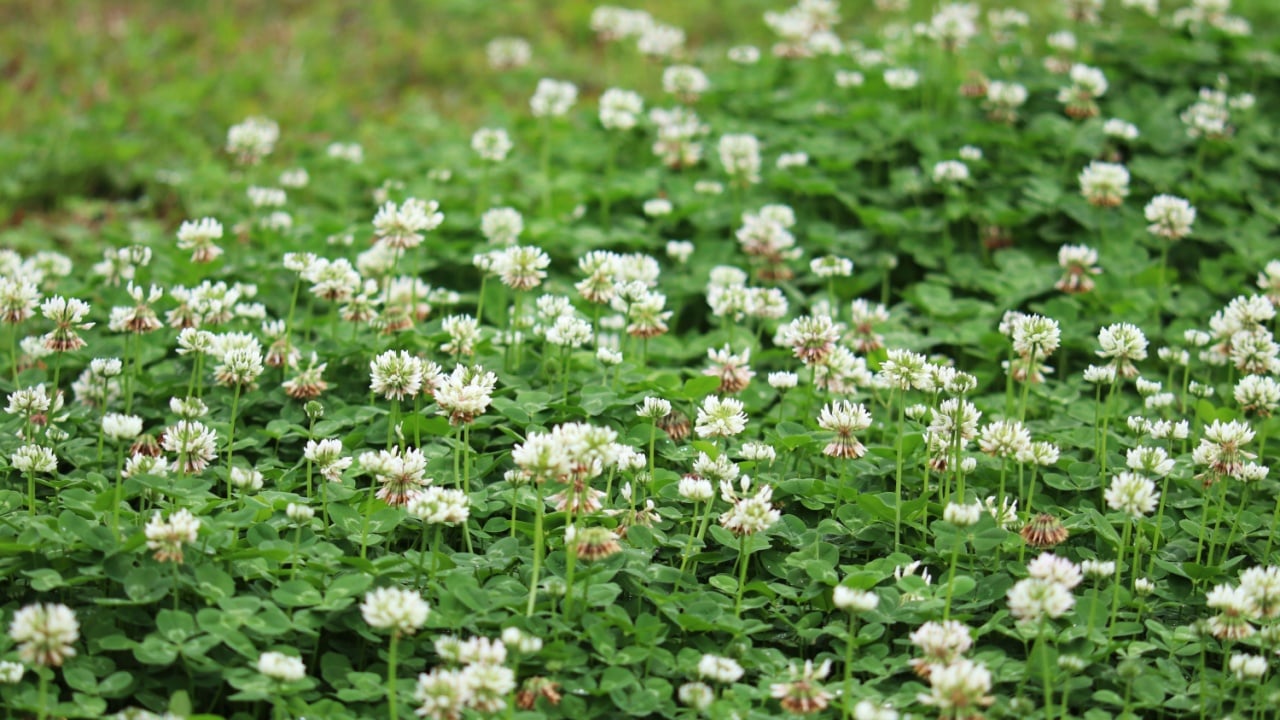
Dutch white clover was deliberately removed from grass seed mixes by lawn care companies in the 1950s when broadleaf herbicides became popular, and it has been disappearing from American yards ever since, to the detriment of bees everywhere.
Beekeeping communities are emphatic about their value: clover blooms continuously from spring through fall, requires zero maintenance, fixes nitrogen in the soil (which actually improves your lawn), and produces nectar that sustains entire colonies. A small bag of clover seed costs around five dollars and can be scattered directly over an existing lawn.
Let it grow alongside your grass, and you will have created one of the most bee-friendly surfaces possible with almost no effort.
Start This Weekend
None of this has to happen all at once. Pick two or three plants from this list, put them in the ground this month while planting conditions are ideal, set out a shallow dish of water, and pull the mulch back from one corner of a bed. That is a real contribution, and the bees will find it faster than you’d expect.
Your grandmother’s garden, with its sprawling patch of goldenrod, clumps of coneflower, and lavender spilling over the path, was doing something right that most modern yards have stopped doing.
You don’t need her whole garden. You just need to start.
Read More
Washing Your Lettuce Won’t Remove Cyclosporiasis, But Growing Your Own Will
Your Grandmother Stored These 8 Foods All Winter Without Canning a Single Jar