Is Your Garden Hurting You? 9 Tools Doctors Say Could Save Your Joints
Your garden doesn’t have a grudge against you, but your tools might.
Millions of gardeners head outside each spring with the same shovels, pruners, and kneelers they’ve used for 20 years, completely unaware that those tools are slowly accumulating damage in their own joints, tendons, and spine.
The trouble is that gardening injuries rarely announce themselves in the moment. According to physical therapists at Athletico, the hand, wrist, and elbow pain that gardeners develop tends to build gradually over time and often doesn’t hurt at the start. By the time you feel it, the damage has been compounding quietly for months or years.
A LawnStarter analysis of U.S. Consumer Product Safety Commission data found that American emergency rooms treated an average of 319,533 lawn and garden injuries per year over a recent 10-year period, and that gardeners over 40 face the highest injury risk of any age group. Carpal tunnel syndrome, herniated discs, prepatellar bursitis (knee), and de Quervain’s tenosynovitis are not conditions most people associate with spending a Saturday afternoon in the flower beds. They should.
What to Look for in a Tool
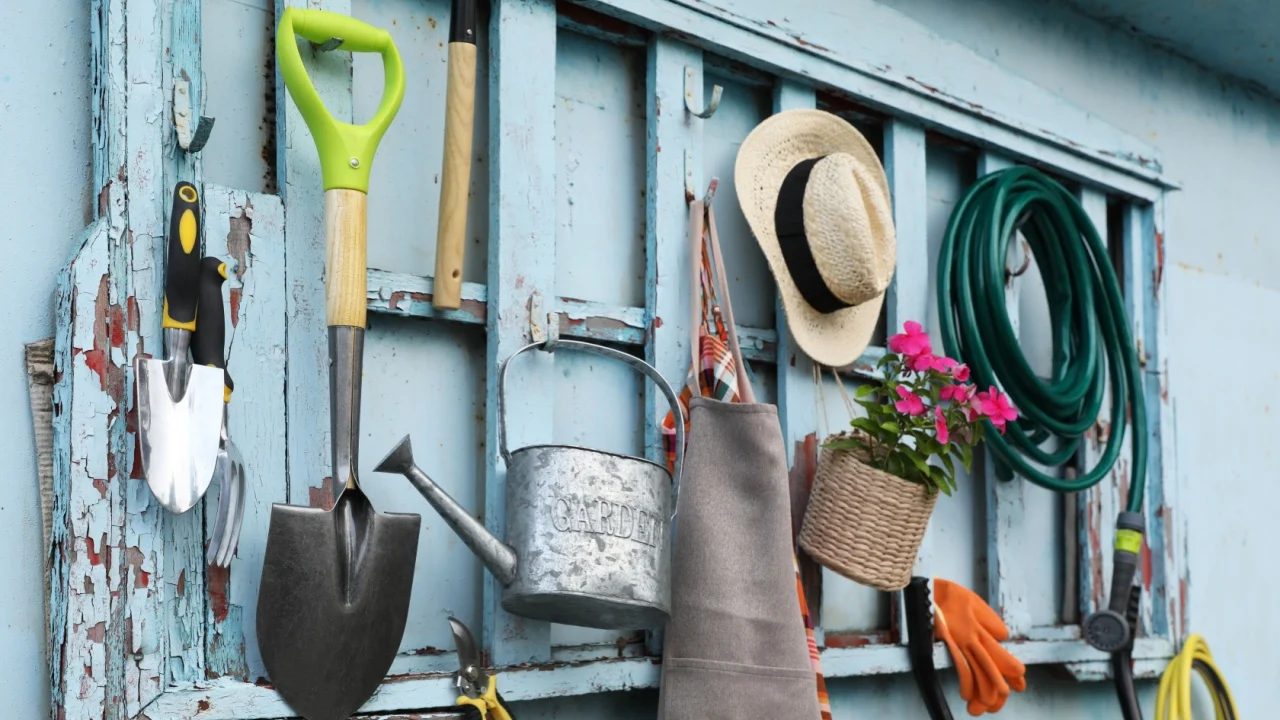
Standard straight-handled trowels force the wrist into an unnatural cocked angle every time you dig. Traditional pruners require a single hard squeeze that compresses the tendons in your hand. Cheap squeeze-trigger hose nozzles demand sustained grip pressure just to water your tomatoes.
According to SDSU Extension, ergonomics is an applied science focused on designing tools and environments so people can interact with them most efficiently and safely. The key principle for hand tools is neutral wrist alignment: keeping the wrist straight rather than bent. When your wrist is in a neutral position, your grip strength is at its maximum, and the tendons in the carpal tunnel are under the least amount of tension. A curved or angled handle achieves this. A straight handle generally does not.
The good news is that targeted tool swaps can make an enormous difference, and several of the most effective ones cost under $50.
Here are 9 ergonomic tool upgrades that physical therapists, extension specialists, and experienced gardeners consistently recommend for protecting your body this season and every season after.
1. A Folding Garden Kneeler With Side Rails
If you only buy one ergonomic upgrade this season, make it this one.
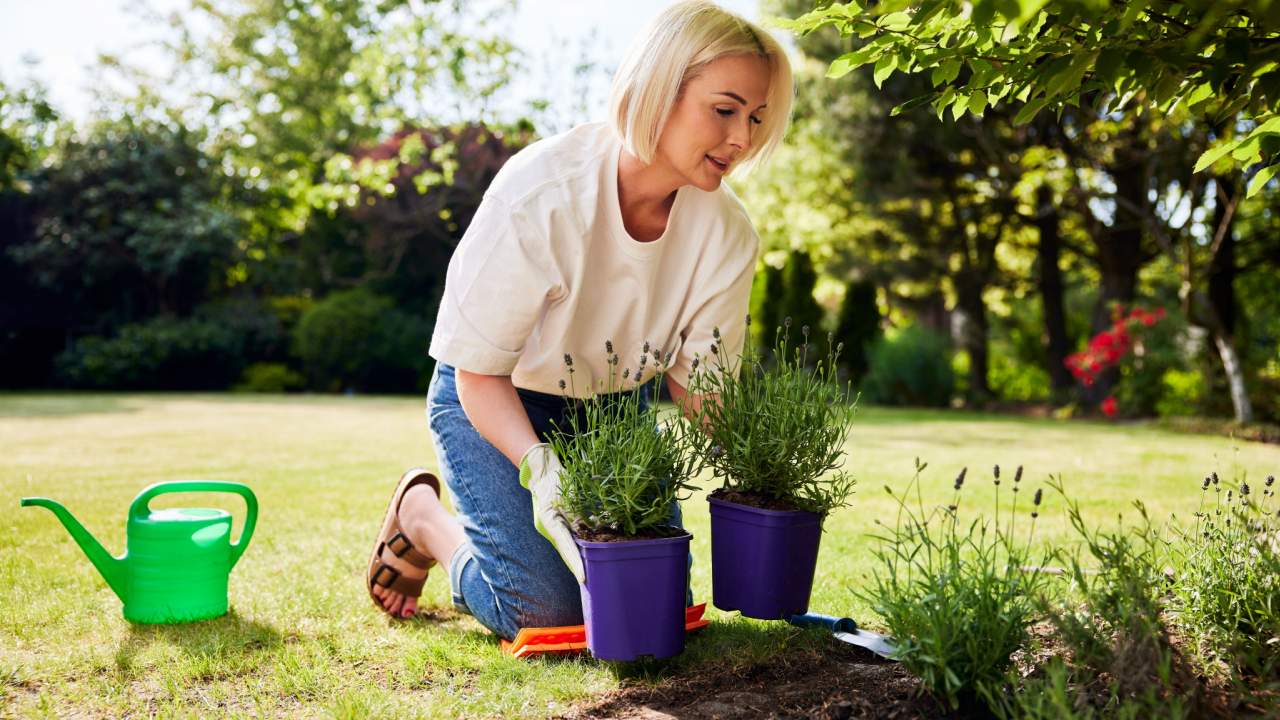
A folding garden kneeler with built-in side rails does three things at once: it cushions your knees with thick foam padding, it provides armrests to help you lower yourself safely to the ground, and it gives you leverage to push yourself back upright without straining your lower back.
The side rails are what separate a real kneeler from a foam pad. The leverage they provide getting back up is where most of the back and knee protection actually happens, not just in the kneeling position itself.
According to Gardening Know How, a quality kneeler also flips upside down to serve as a sturdy garden seat, making it the single most versatile piece of ergonomic equipment available. Look for models with storage pouches on the side for hand tools to avoid the repeated bending of setting tools down and picking them back up.
2. A Stand-Up Weed Puller
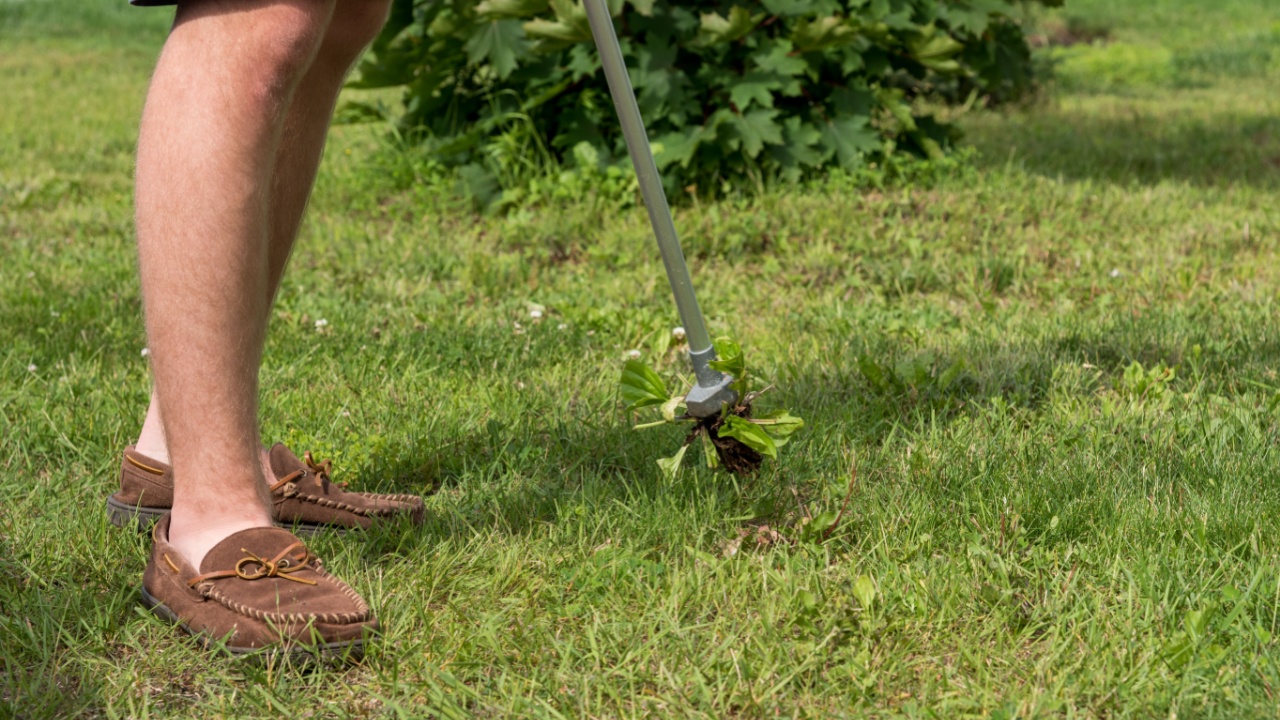
Bending forward at the waist to pull weeds is one of the most damaging positions in gardening. The forward spinal flexion it creates is, according to Morewell, responsible for a significant share of herniated disc injuries in gardeners.
In contrast, a stand-up weeder uses a long shaft and a foot-pedal mechanism to extract weeds at their roots from a fully upright position. You place the claw over the weed, step on the footrest to drive it into the soil, and lever the handle back to pop the weed out, roots and all. Your spine stays neutral throughout the entire process.
NC State Extension specifically recommends stand-up and long-handled weeders as a core ergonomic intervention for gardeners concerned about lower back health. Grampa’s Weeder is the most consistently recommended brand across gardening communities for durability and effectiveness.
3. Ratchet Pruners (or Electric Pruning Shears)
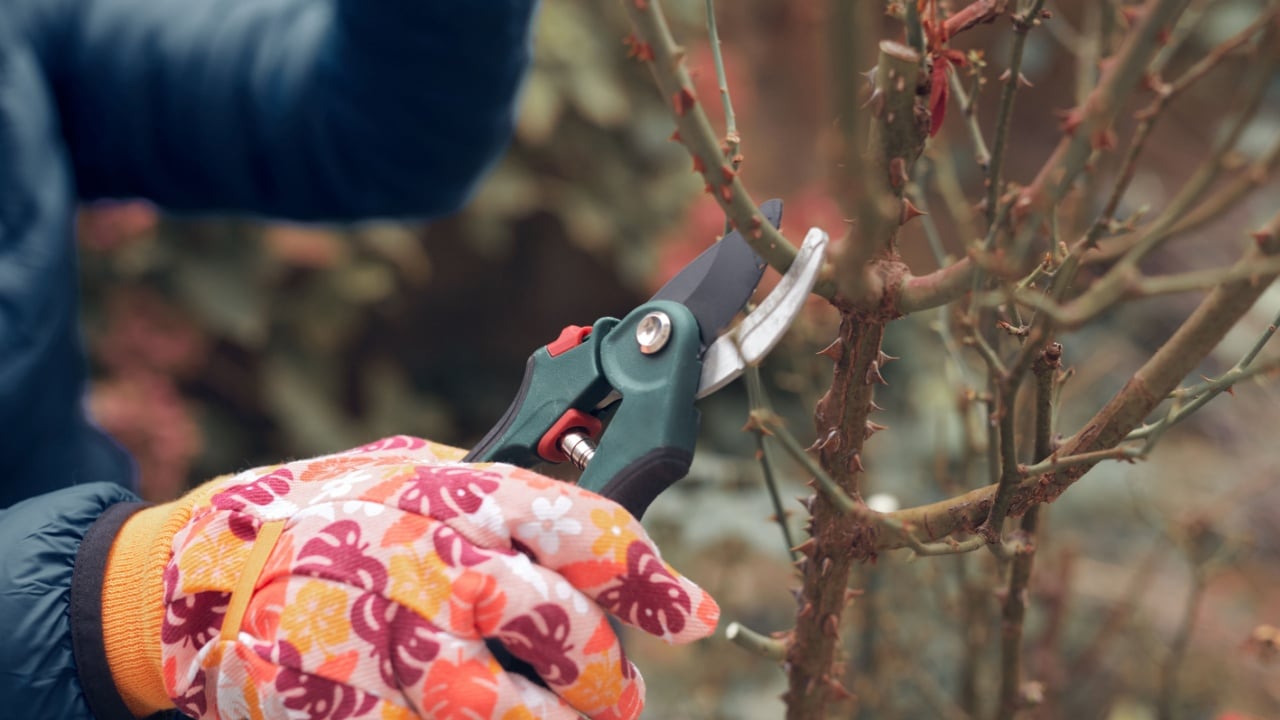
Standard bypass pruners require one large, forceful squeeze to cut through a branch, and that single motion is exactly what drives carpal tunnel syndrome, de Quervain’s tenosynovitis, and trigger finger in regular gardeners. Ratchet pruners break that one hard squeeze into four smaller, easier ones, reducing the force on your finger joints dramatically.
For gardeners with significant arthritis or wrist weakness, electric pruning shears go even further. According to Gardening Know How, battery-powered pruners cut through thick branches with a fraction of the manual grip force, eliminating wrist fatigue almost entirely. The Felco 15 rotating-handle pruner, in which the handle rotates slightly on the squeeze, is another highly regarded option for hand pain specifically, as the rotation distributes pressure away from the palm.
The Arthritis Foundation has an Ease-of-Use Commendation program that certifies tools genuinely designed to reduce joint stress. Looking for that seal is one reliable way to separate real ergonomic design from marketing claims.
4. Hand Tools With Angled or Curved Handles
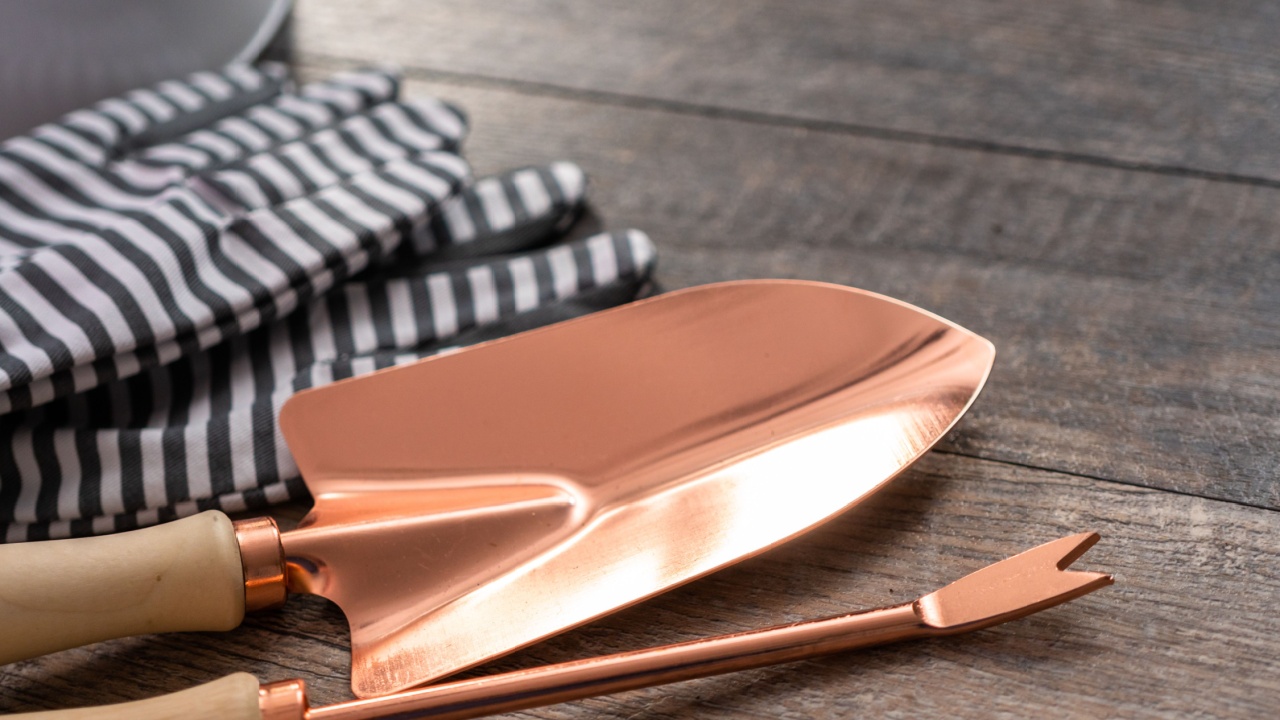
Your grandmother likely had a drawer full of straight-handled trowels, and she probably had wrist pain, too. The Natural Radius Grip (NRG) line of trowels, transplanters, and cultivators was specifically engineered with curved handles that fit the hand’s natural arch, keeping the wrist in a neutral position during digging and transplanting tasks.
According to Garden Therapy, these tools are particularly effective for gardeners with carpal tunnel syndrome or arthritis because the curved latex-free handles allow gripping without the wrist deviation that standard handles force. The key test is when you hold the tool in a natural position, your wrist should remain straight, not cocked at an angle. If it cocks, find a different handle.
NC State Extension adds that some ergonomic hand tools also allow attachment of a forearm cuff, which anchors the tool against the forearm so that arm muscles, not wrist tendons, bear the work. This is a particularly valuable feature for gardeners with existing wrist weakness or injury.
5. A Long-Reach Watering Wand

Watering is one of the most underrated sources of cumulative gardening fatigue. Carrying a heavy watering can repeatedly across a yard, bending to water ground-level containers, and holding a squeeze-trigger nozzle for sustained periods all accumulate into real joint and muscle stress, especially across a full gardening season.
A long-reach watering wand solves two of these problems at once. The extended handle lets you water hanging baskets, raised beds, and ground-level containers without bending or lifting, and most ergonomic wands pair with a thumb-control or push-lever nozzle that eliminates sustained hand squeezing. The Arthritis Foundation specifically recommends replacing standard squeeze nozzles with thumb-control models, noting that the Melnor RelaxGrip nozzle earned an Ease-of-Use certification for this reason.
A lightweight coiled hose, which stretches to 50 feet and automatically rebounds to a compact size, further reduces the hauling and dragging that add to total body strain during watering.
6. Telescoping Long-Handled Tools

Most standard long-handled tools, like rakes, hoes, and cultivators, are manufactured at one fixed length that fits no one perfectly. If the handle is too short for your height, you constantly bend your back to reach the ground. If it’s too long, you overreach and strain your shoulders. Either way, you compensate with your body instead of your tool.
Telescoping and adjustable-handle tools solve this by letting you set the handle length to your specific height. NC State Extension notes that telescoping tools can also extend reach for pruning and cultivating without the need for a ladder or a dangerous overhead position. For tall gardeners, especially, an adjustable-length rake or hoe eliminates the chronic lower-back rounding that happens when working with a handle cut for someone six inches shorter.
Look for tools with locking collars rather than friction-fit extensions, which can slip under pressure and require you to compensate with extra grip force, defeating the ergonomic purpose entirely.
7. Padded Gardening Gloves With Wrist Support
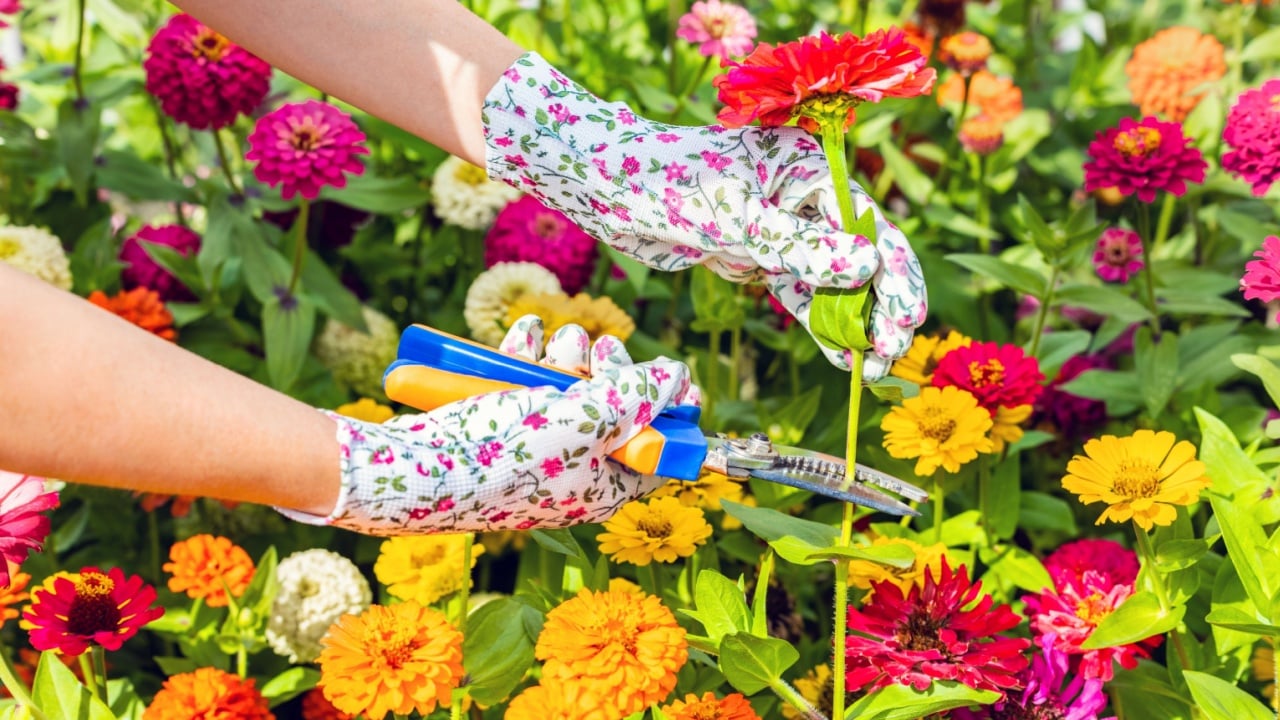
Good gloves do more than protect your hands from thorns. Well-designed ergonomic gloves add padding in the palm and at the base of the fingers the two areas most stressed during gripping and provide wrist support that stabilizes the joint against the lateral forces of digging and pruning.
According to Eco Gardener, ergonomic gloves with firm wrist support also improve overall grip on tools, which means you exert less squeeze force to maintain control. That reduced squeeze force directly protects tendons from overuse. The Bionic Relief Gloves, designed by a hand surgeon, are frequently cited in both clinical and gardening community sources as setting the standard for arthritis-friendly hand protection.
One sizing note that most buyers overlook: gloves that are too large force you to grip harder to maintain control, which increases hand and forearm strain rather than reducing it. Fit matters as much as padding.
8. A Wheeled Garden Caddy or Rolling Seat
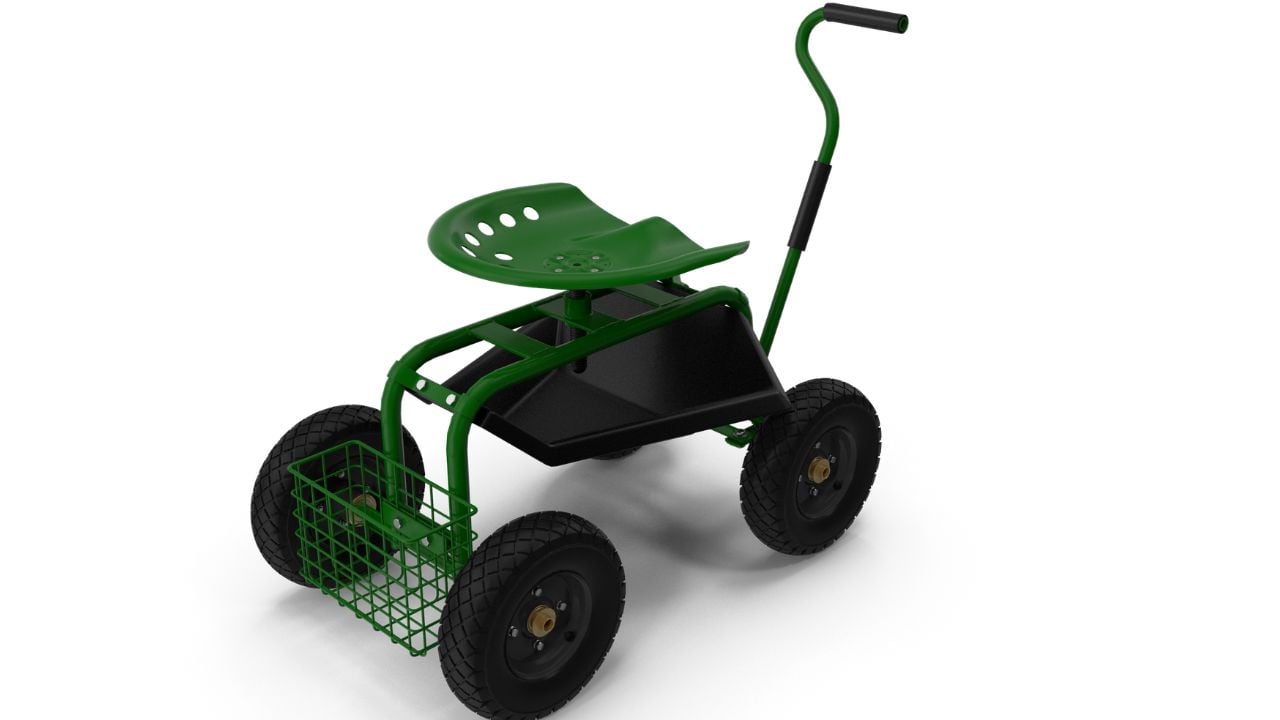
Every time you stand up to move your tools three feet to the left, kneel, then stand up and kneel again, you’re adding joint stress that compounds over the course of a gardening session. A wheeled garden caddy or garden scoot keeps your tools at arm’s reach and lets you move continuously through beds without repeated standing and kneeling transitions.
Garden Therapy recommends the A.M. Leonard Garden Scoot specifically for gardeners working at ground level, noting that seated gardening reduces back and knee stress substantially for anyone with physical limitations. A wheeled debris caddy serves a different but equally important function: it eliminates the dragging and awkward lifting of heavy yard bags, which cause routine lower-back and shoulder strain during cleanup.
These aren’t luxury items. They’re the difference between a gardening session that leaves you functional the next morning and one that doesn’t.
9. A Raised Garden Bed
What if the single most effective ergonomic tool wasn’t a tool at all?
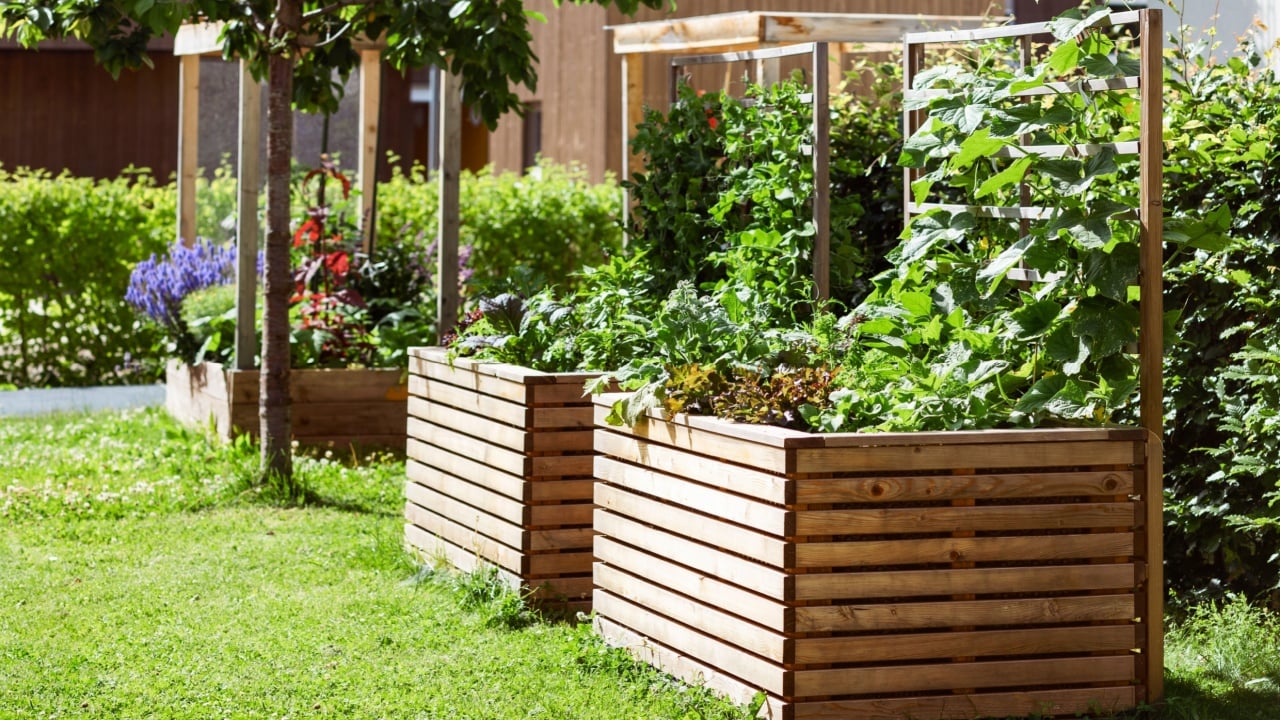
Raised garden beds, particularly those built at table height or wheelchair-accessible height, eliminate bending for every single planting, weeding, watering, and harvesting task at once. No individual tool swap achieves that kind of comprehensive impact.
Garden Therapy founder Stephanie Rose, a Master Gardener who began gardening as a form of recovery from a rehabilitation disability, calls raised beds the foundational ergonomic solution she has relied on for years. SDSU Extension echoes this, noting that when physical limitations prevent certain garden tasks, redesigning the garden workspace is often more effective than retrofitting individual tools.
Metal raised beds with legs, or tall-sided wooden beds filled to within a few inches of the rim, bring soil to a comfortable working height and can be paired with a garden stool for fully seated planting and harvesting, with zero floor contact required.
Remember, Ergonomic Tools Are For All Ages

Ergonomic gardening tools aren’t just for older gardeners or people already dealing with pain. They are for anyone who intends to keep gardening for the next 10, 20, or 30 years without surrendering to injuries that build silently until they become impossible to ignore. The right stand-up weeder, the right kneeler, and the right pruner are investments in decades of continued access to something you love.
You don’t have to buy new tools to make your existing ones more ergonomic. NC State Extension recommends a DIY grip upgrade that costs under $5: slide a length of foam pipe insulation over any tool handle and secure it with duct tape. The result is a padded, non-slip grip that improves comfort and reduces blisters and slippage on any tool you already own.
Beyond tools, physical therapists from Texas Health and Athletico both emphasize task rotation as essential as any equipment choice: switching between weeding, digging, and pruning every 20 to 30 minutes gives muscles and tendons recovery time and is the single most effective way to prevent the overuse injuries that develop invisibly across a season.
Your tools are ready. Your body is worth protecting. This is the season to make both true.
Read more:
Why wildlife experts are telling people to take down their bird feeders
Plant these 10 companion plants with your tomatoes — and stop planting these 4