Why Senior Gardeners Are Switching to Container Gardens
If your knees have started dreading heading out to the garden, you may have a problem that seed packets cannot fix.
For millions of gardeners in their 60s and 70s, the in-ground garden they have tended for decades has quietly become the enemy. The bending, kneeling, hauling of heavy bags of soil, and the scramble to get back up from the ground aren’t minor inconveniences. They are the reason gardeners stop gardening.
According to the National Garden Bureau, which has championed adaptive gardening for years, most gardeners abandon their plots precisely when the health benefits of staying active outdoors are at their absolute peak.
Switching to container gardens is not a retreat; it is a strategy. And the gardeners who make the switch earlier on are the same ones still growing tomatoes and dahlias well into their 80s.
The In-Ground Garden Might Be Ending Your Gardening Life Early
The villain in this story is not your age. Bending at the waist to weed, kneeling on hard soil to plant, crouching to deadhead, and hauling 40-pound bags of mulch across the yard are not neutral activities. A study published in Activities, Adaptation, and Aging found that 60% of older gardeners reported low to moderate back pain specifically caused by the bending and stooping required by traditional in-ground beds. Slips and falls cause approximately 115,000 gardening injuries every year, making them the leading cause of gardening-related harm, and older gardeners bear the greatest risk.
The cruel irony is that most of these injuries are not dramatic. They accumulate slowly, season by season, until one spring the garden simply stops being worth the cost. Most gardeners never connect the dots between their in-ground beds and the fact that they are gardening less and less each year. Container gardens eliminate the primary physical risk points of traditional gardening without asking you to give up a single plant.
In actuality, gardening is one of the best things you can do for your bones and your brain, but only if you can keep doing it.
A 2025 study published in Clinical Rheumatology and conducted at Baylor College of Medicine tracked the knee health of more than 2,600 people with an average age of 64. Researchers found that those who gardened had a 29% lower risk of frequent knee pain and a 25% to 29% lower risk of knee arthritis.
A separate University of Arkansas study of more than 3,300 women found that those who gardened at least once a week had higher bone density than women who jogged, swam, walked, or did aerobics — not slightly higher, but significantly higher. And a long-term University of Edinburgh study tracked hundreds of adults from age 11 all the way to age 90 and found that those who gardened regularly showed greater lifetime improvement in cognitive ability, including memory, problem-solving, and word fluency, compared to those who never or rarely gardened.
Gardening is medicine. Container gardening is how you keep taking it. This spring, before another season slips by in back pain and hesitation, consider these seven reasons why experienced senior gardeners are making the move to containers.
1. No more bending, kneeling, or getting up from the ground.
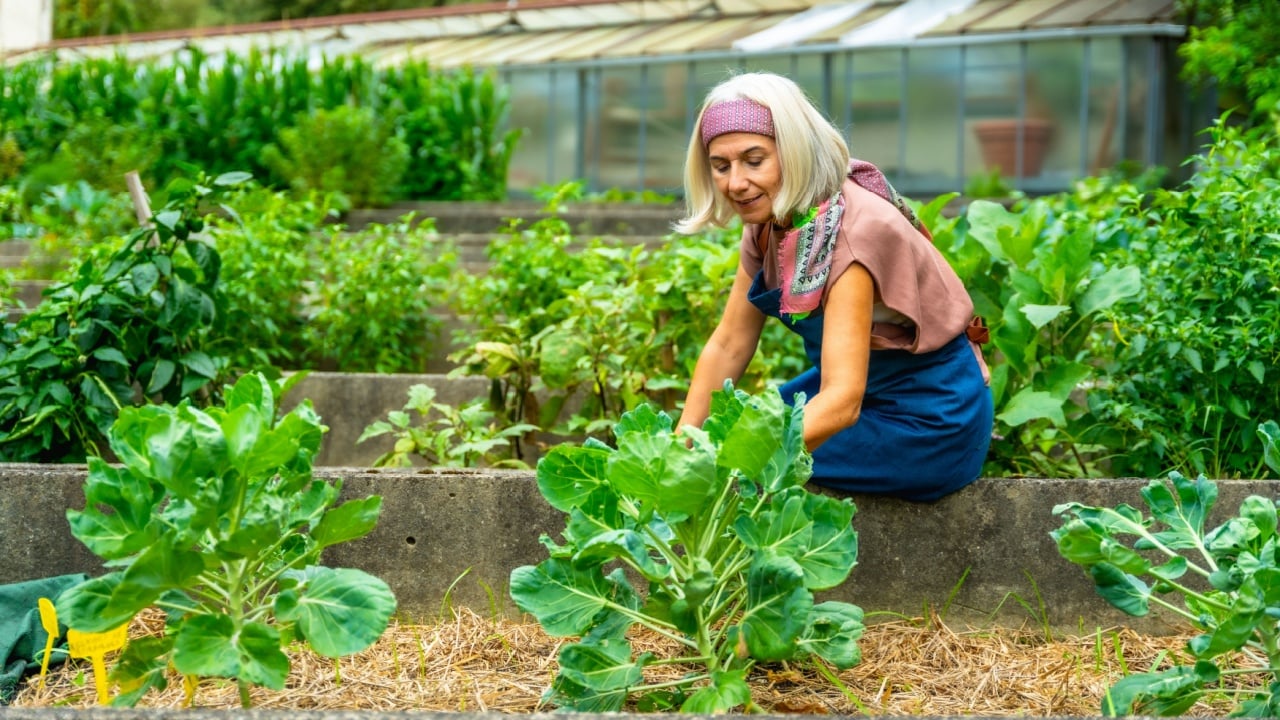
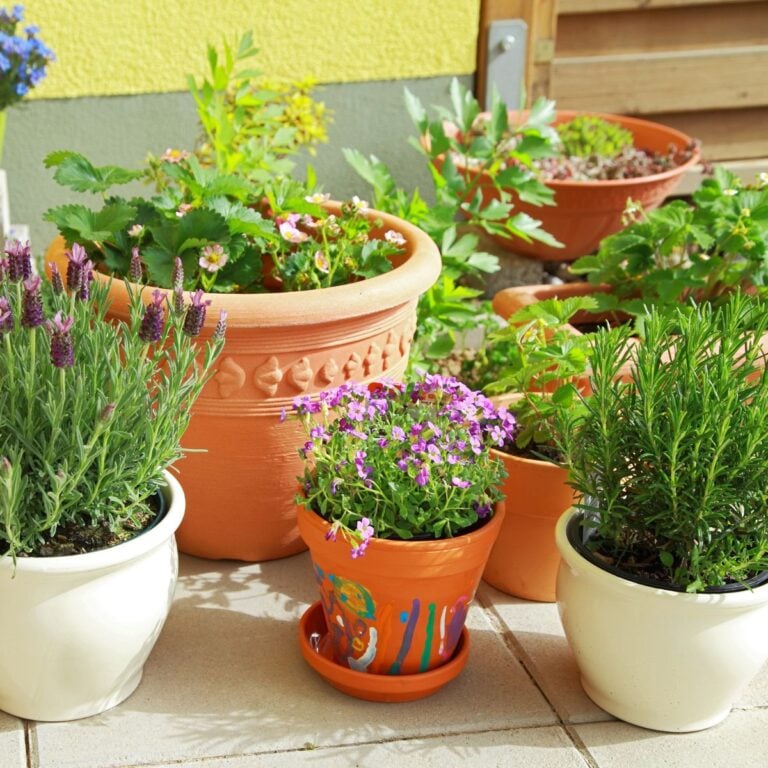
Containers placed at waist height, ideally 24 to 36 inches tall, allow you to tend plants while standing comfortably or sitting in a garden chair. The most exhausting part of traditional gardening simply disappears. Ergonomists and physical therapists consistently cite this as the single highest-impact change an older gardener can make.
2. Total soil control means healthier plants with less effort.
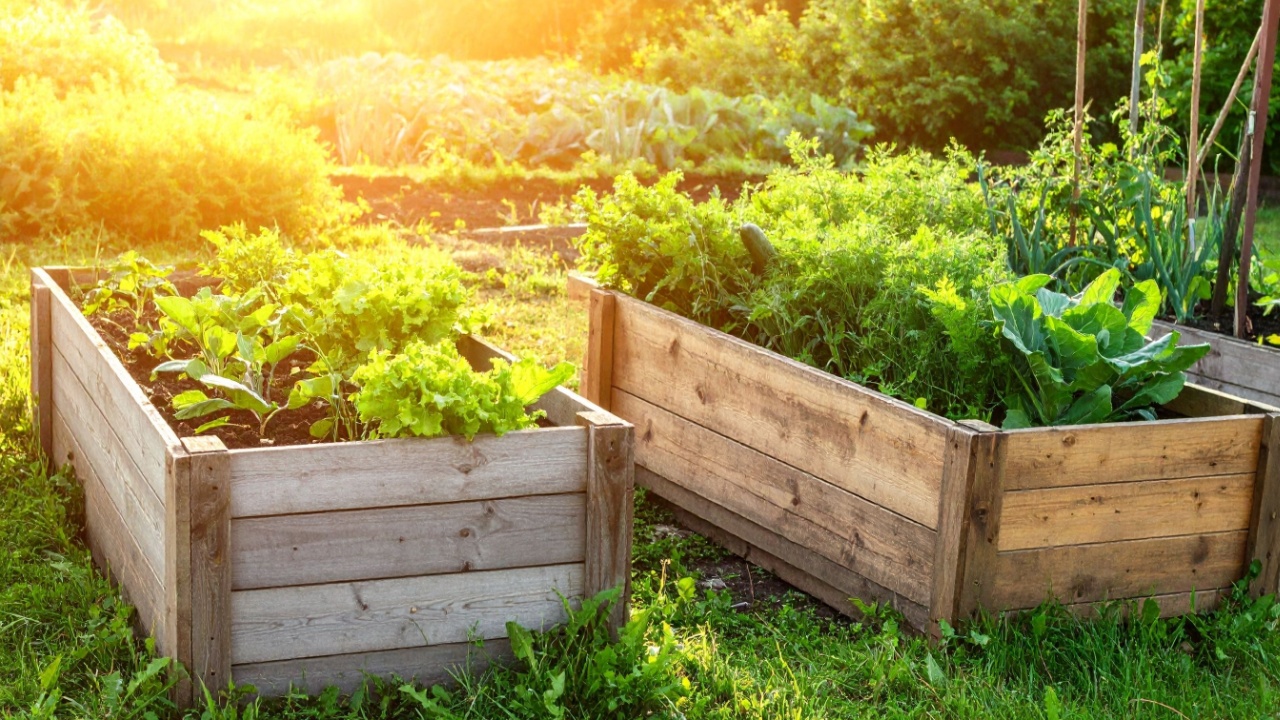
In-ground gardens inherit whatever problems the native soil carries: compacted clay, tree root competition, persistent pests, and nutrient deficits accumulated over decades.
A container filled with fresh potting mix starts clean every season. Potting mix also drains and retains moisture better than garden soil, which means fewer losses to rot or drought and less time troubleshooting why something isn’t growing.
3. Frost protection becomes a two-minute job.
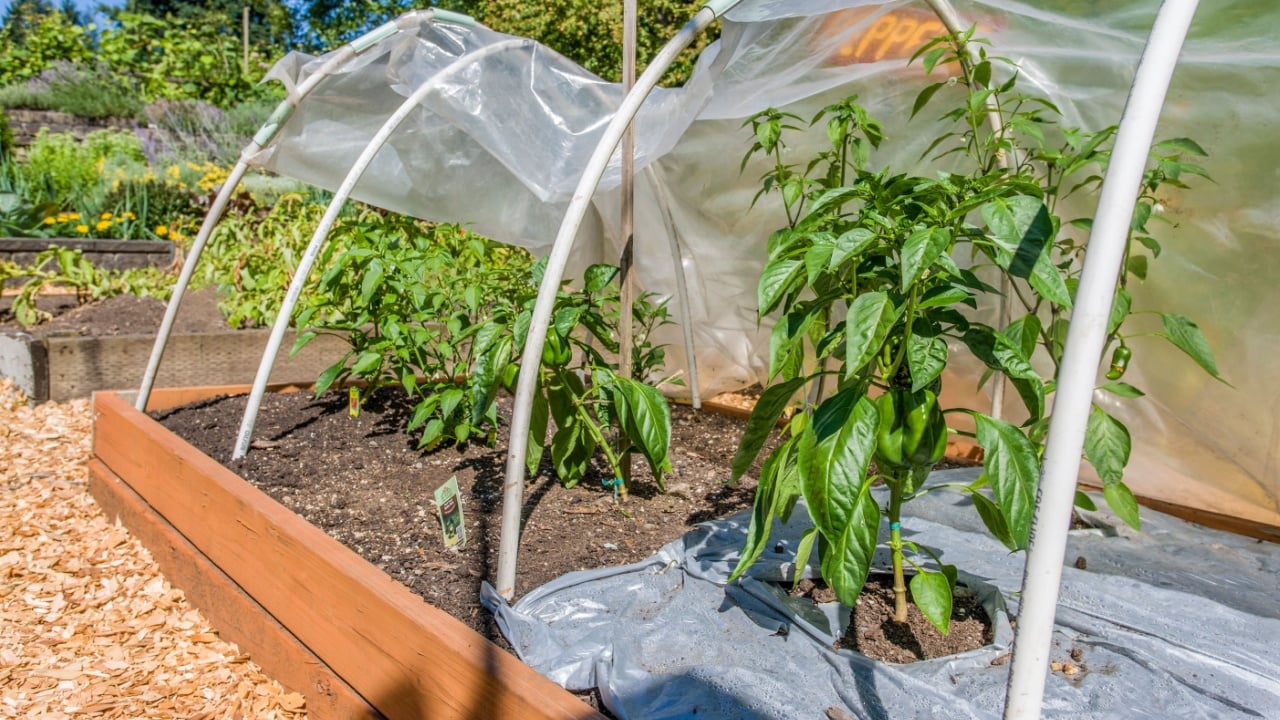
This is the one that surprises experienced gardeners most. A lightweight resin pot on a wheeled caddy can be rolled indoors overnight when a late frost threatens, then rolled back out in the morning. No row covers, no gambling on the weather, and no waking up to a dead herb garden. That mobility alone can extend your growing season by weeks on both ends of the calendar.
4. You will spend less on supplies, not more.
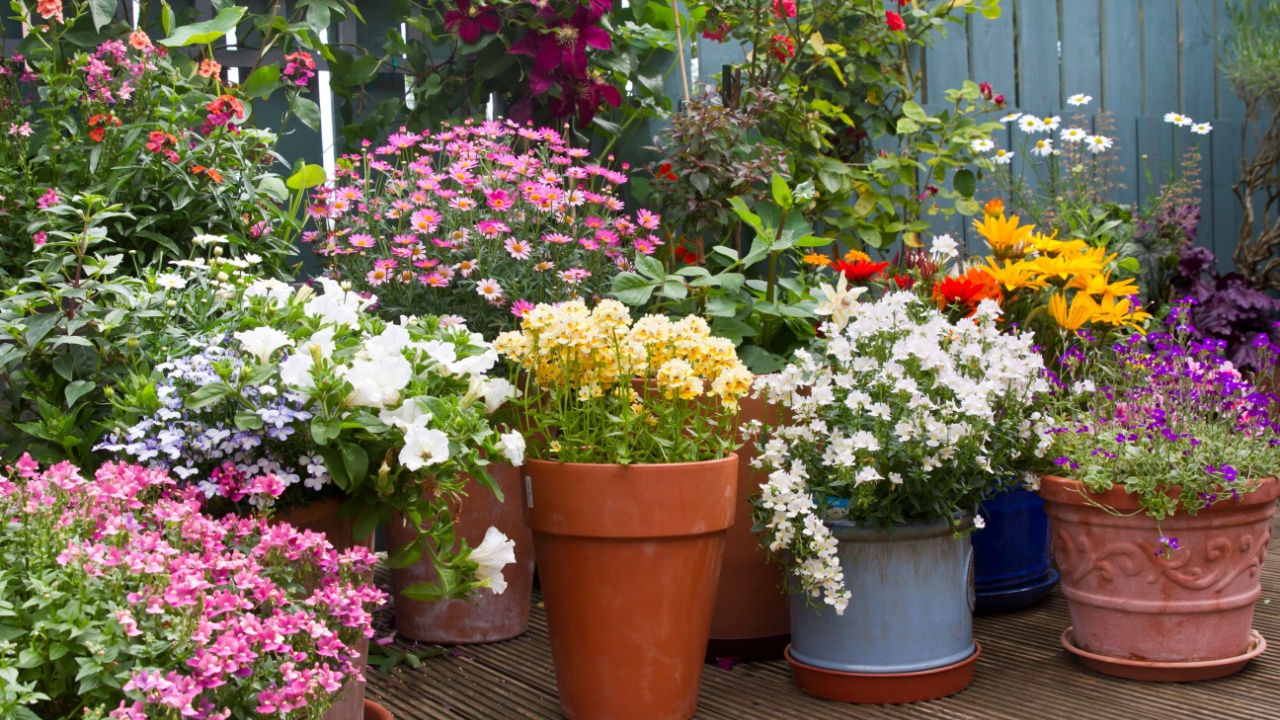
The upfront cost of a few good containers, a bag of quality potting mix, and a wheeled caddy runs well under $50 to start. After that first season, your costs drop sharply.
Container gardens require far less fertilizer, fewer pesticides, and significantly less water than equivalent in-ground beds. And if you focus on herbs, which are the single highest-value crop for container gardeners, you can grow the equivalent of $200 or more in fresh basil, rosemary, thyme, and mint for a few dollars in seeds and soil.
5. Weeding nearly disappears.
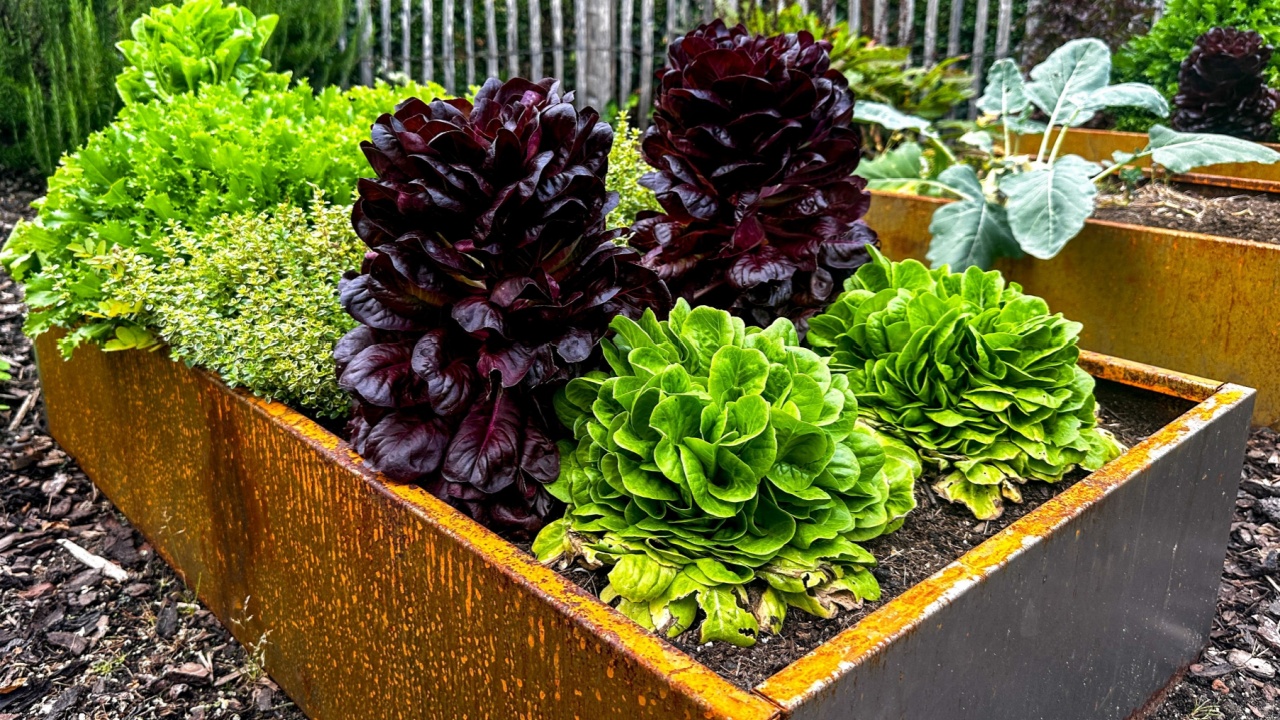
In-ground beds are in constant conversation with every weed seed in a 20-foot radius. Containers filled with commercial potting mix start nearly weed-free, and without soil contact with the surrounding yard, they stay that way.
Experienced container gardeners report spending a fraction of the time they once devoted to weeding, time that now goes directly into enjoying the garden.
6. You can garden in 20-minute sessions and still grow more.
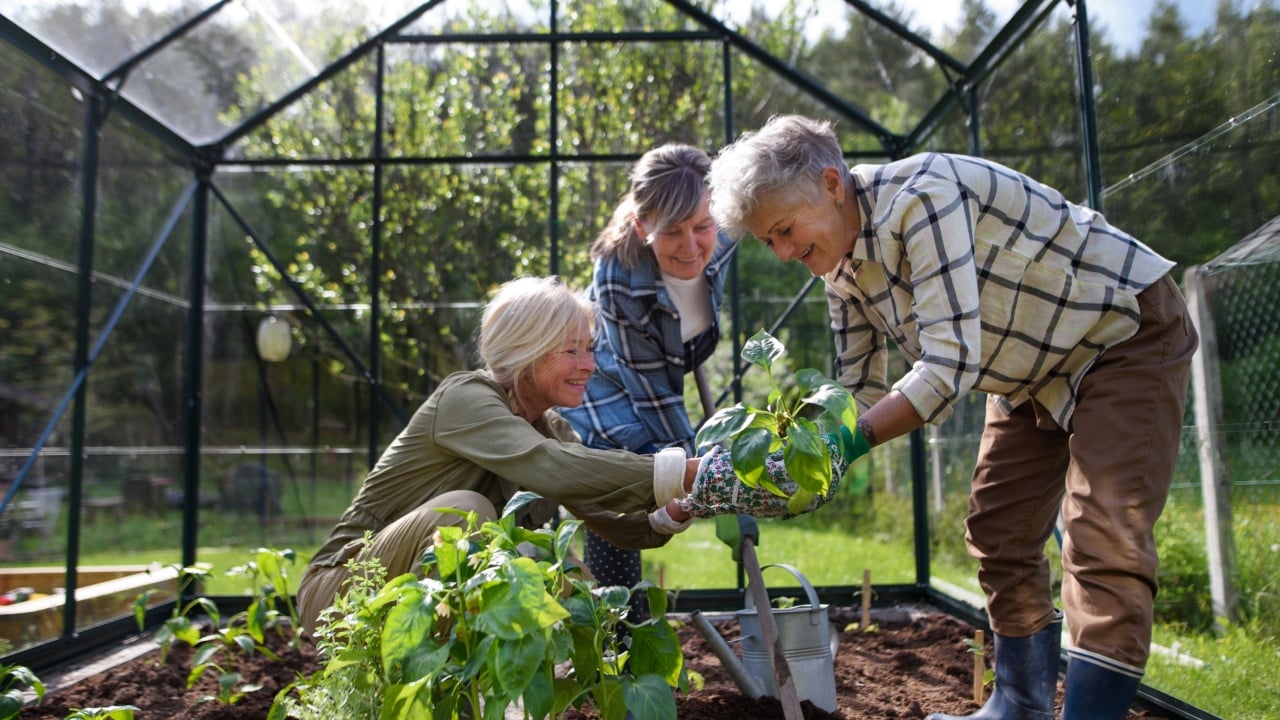
Adaptive gardeners consistently report that short, focused intervals produce better results than marathon sessions. Joints respond poorly to sustained repetitive motion; brief bursts of activity followed by genuine rest allow circulation to recover and pain signals to quiet before they escalate.
Many gardeners who adopt this rhythm accomplish more in three 20-minute sessions than they ever did pushing through two hours.
7. It keeps you growing into your 80s.
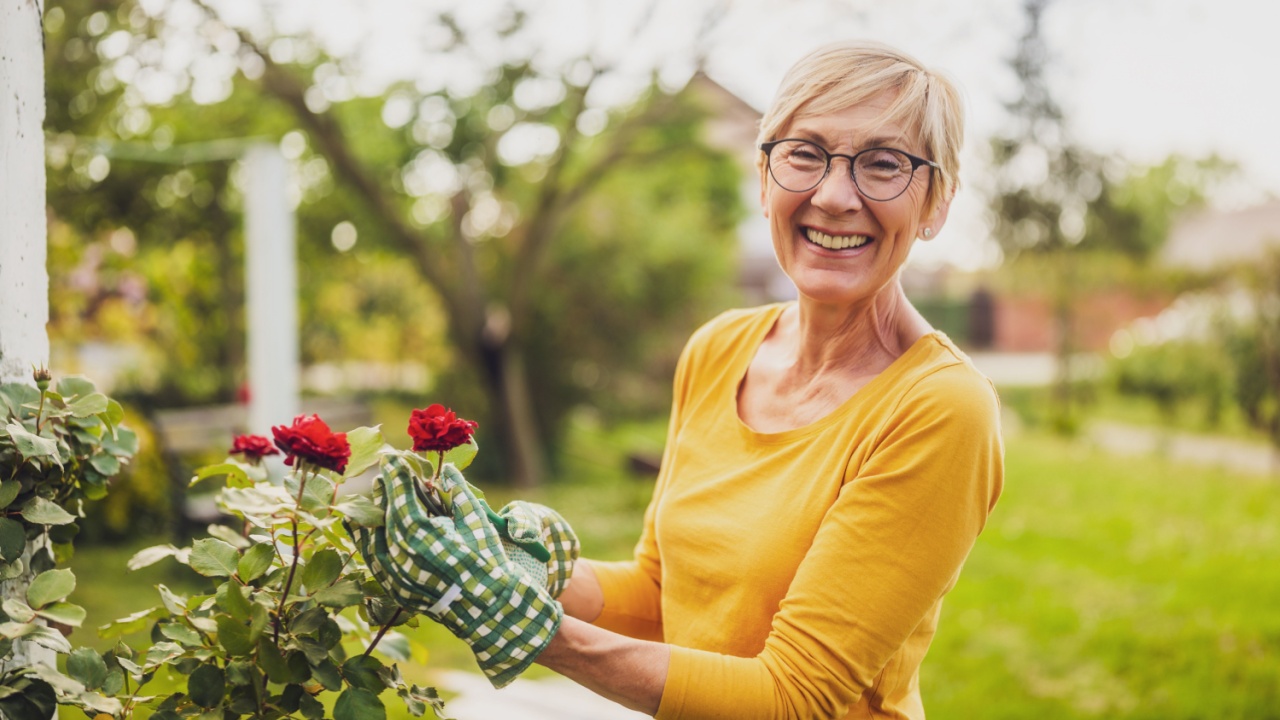
The gardeners who are still out there with dirt under their nails at 82 are not the toughest or the most physically gifted. They are the ones who adapted early, before their bodies demanded it. Container gardening is not what you do when you cannot garden anymore. It is what you do when you decide you are going to garden forever.
What Most Gardeners Get Wrong About Containers
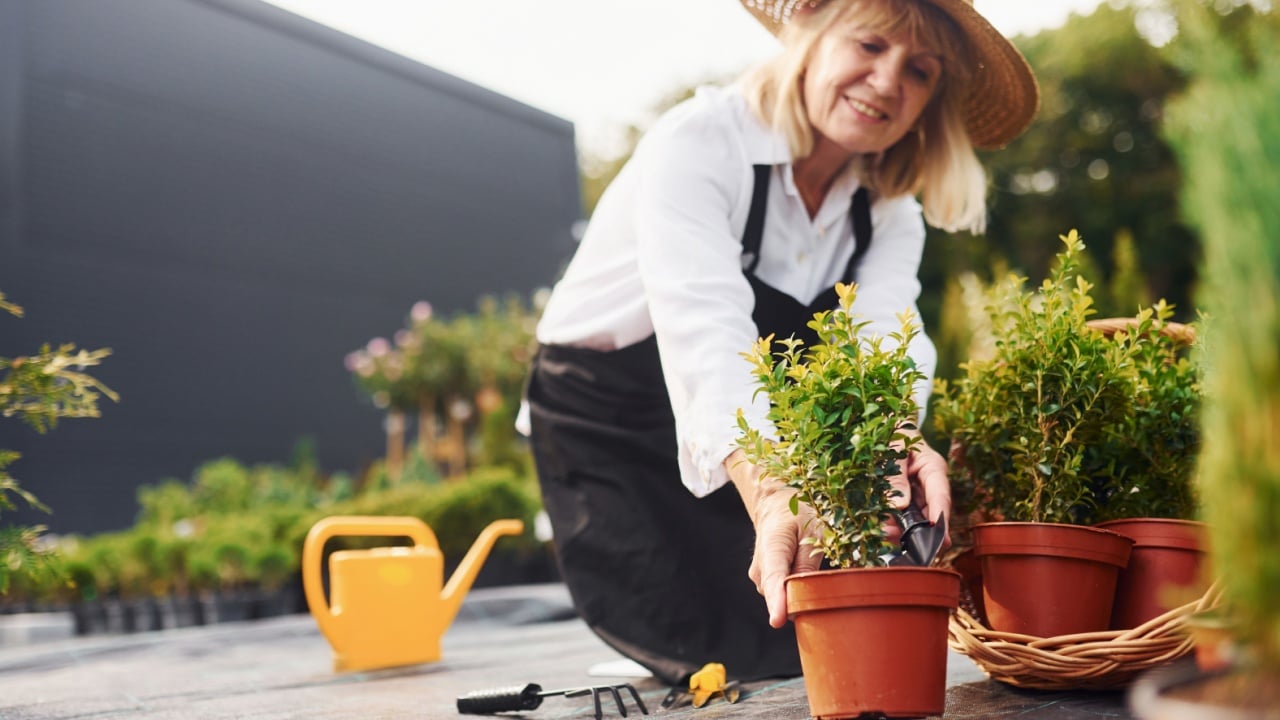
Most gardeners who try containers and give up make the same mistake: they fill their pots with garden soil from the yard. Garden soil compacts immediately in a container, cutting off drainage and suffocating roots. The plants struggle, the gardener blames the container, and a perfectly sound method gets abandoned.
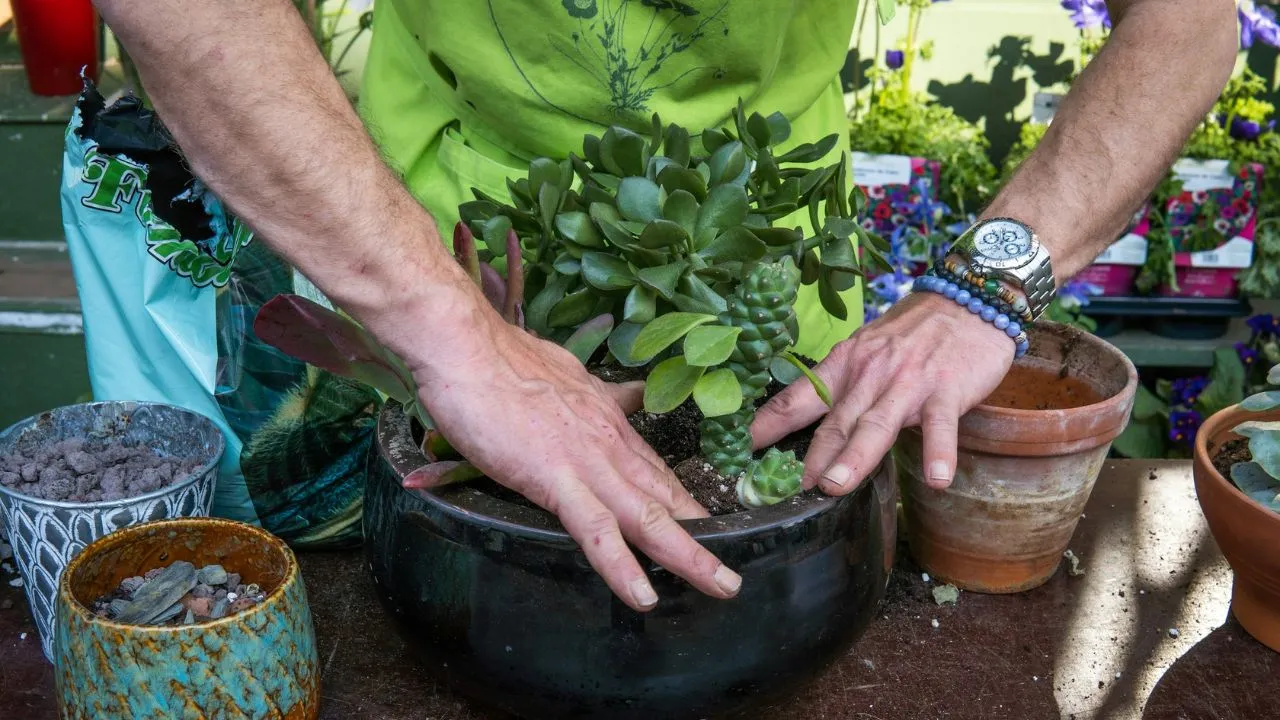
Always use commercial potting mix; never garden soil. For an extra layer of efficiency, try the trick that experienced container gardeners swear by: plant into a nursery pot that fits inside your decorative container, rather than planting directly into the decorative pot. If a plant fails mid-season, you swap the nursery pot without disturbing the others. At the end of the season, cleanup takes minutes instead of hours.
The Wisdom Your Grandmother Already Knew
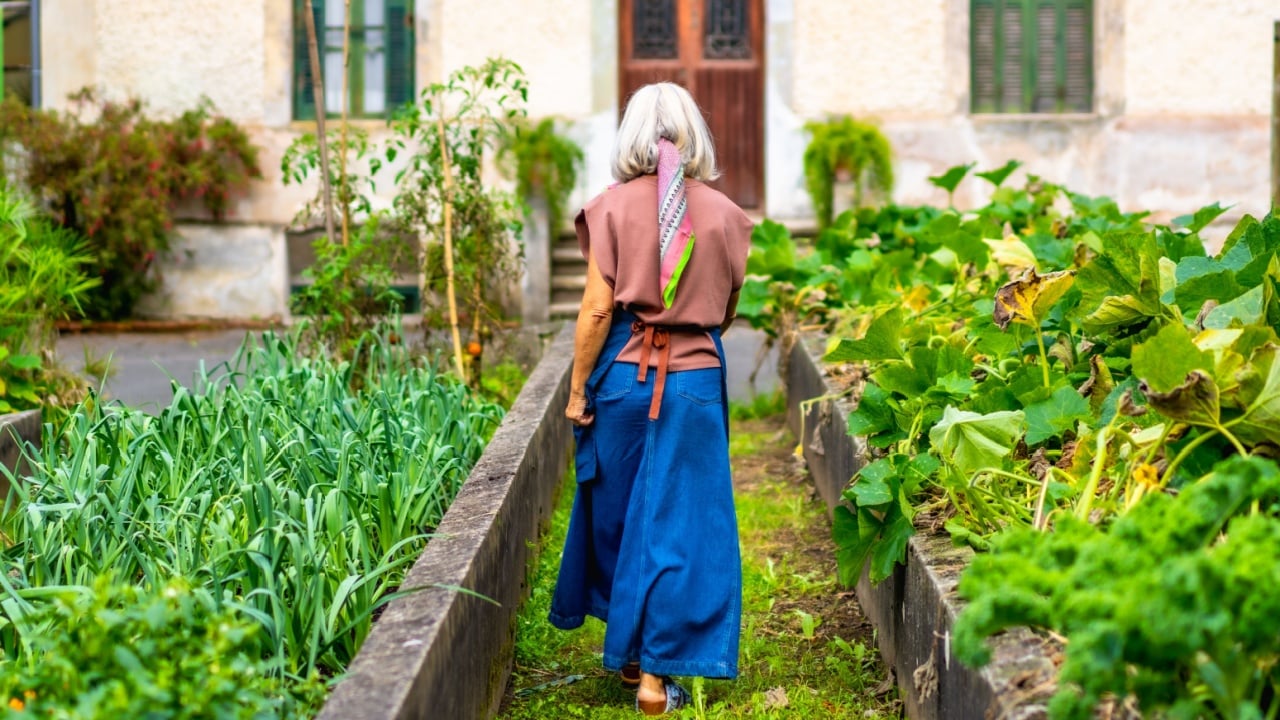
Your grandmother was not growing herbs in pots on the kitchen stoop because she lacked a proper garden. She was doing it because she understood something that took the gardening world decades to rediscover: the best garden is the one you can actually tend. Working smarter, not harder, is not a modern invention. It is a tradition that every generation of resourceful home gardeners has quietly practiced while the rest of the world was still on its knees in the dirt.
The most productive gardeners are those who match their methods to their season of life, and the gardener who adapts early is the one who never has to stop.
This year, give yourself permission to put down the trowel and pick up a pot. Your garden is not ending. It is just getting smarter.
Read More
Washing Your Lettuce Won’t Remove Cyclosporiasis, But Growing Your Own Will
Your Grandmother Stored These 8 Foods All Winter Without Canning a Single Jar