9 Zucchini Companion Plants That Actually Stop Squash Bugs from Terrorizing Your Garden
Every gardening blog tells you to circle your zucchini with marigolds and call it a day. A real agricultural field study says that’s not enough, and in some cases, it barely moves the needle at all.
Marigolds have become garden shorthand for “protects everything,” but that reputation outpaces the evidence. French marigolds’ real, documented benefit is suppressing root-knot nematodes in the soil through a compound called alpha-terthienyl, not repelling squash bugs above ground. That’s a useful trait, just not the one most people plant them for.
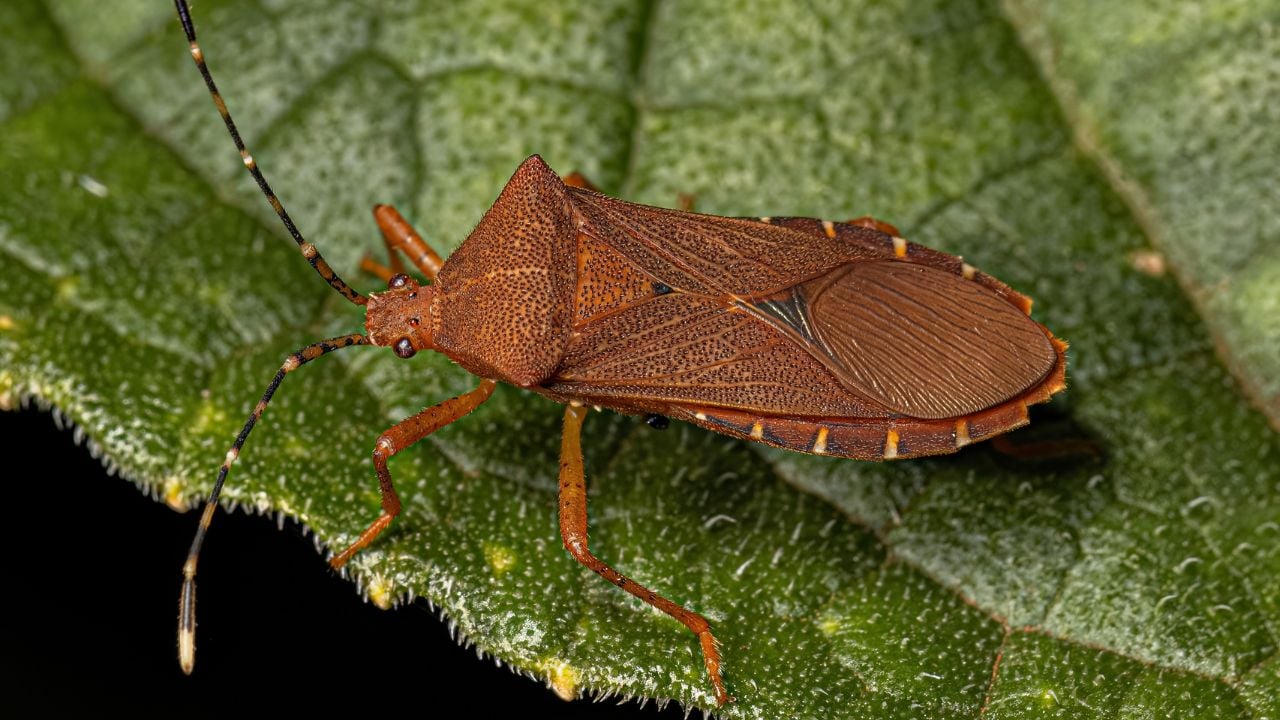
Researchers at Oklahoma State University, funded through a national Sustainable Agriculture Research and Education (SARE) grant, planted herb borders around commercial summer squash for seven separate growing seasons to see whether companion planting actually controlled squash bugs. The results were underwhelming: yields improved in only one of those seven trials, and the strategy was ultimately not recommended to commercial growers. If you’ve been tucking a few marigolds next to your zucchini and wondering why the squash bugs showed up anyway, this is why.
Mid-July is peak season for squash bug egg-laying and squash vine borer activity, and most home gardeners have only one or two zucchini plants total. Lose one plant to pests, and there’s no backup crop coming; you’re just done for the summer. Getting the right companions in the ground this month, instead of the wrong ones, is the difference between a full harvest basket and an empty one.
The good news is that companion planting isn’t useless; it’s just oversold. A smaller, more specific list of plants has real research or field-tested results behind it, and those are worth your garden space. Here are the companion plants that actually earn a spot next to your zucchini.
1. Nasturtium
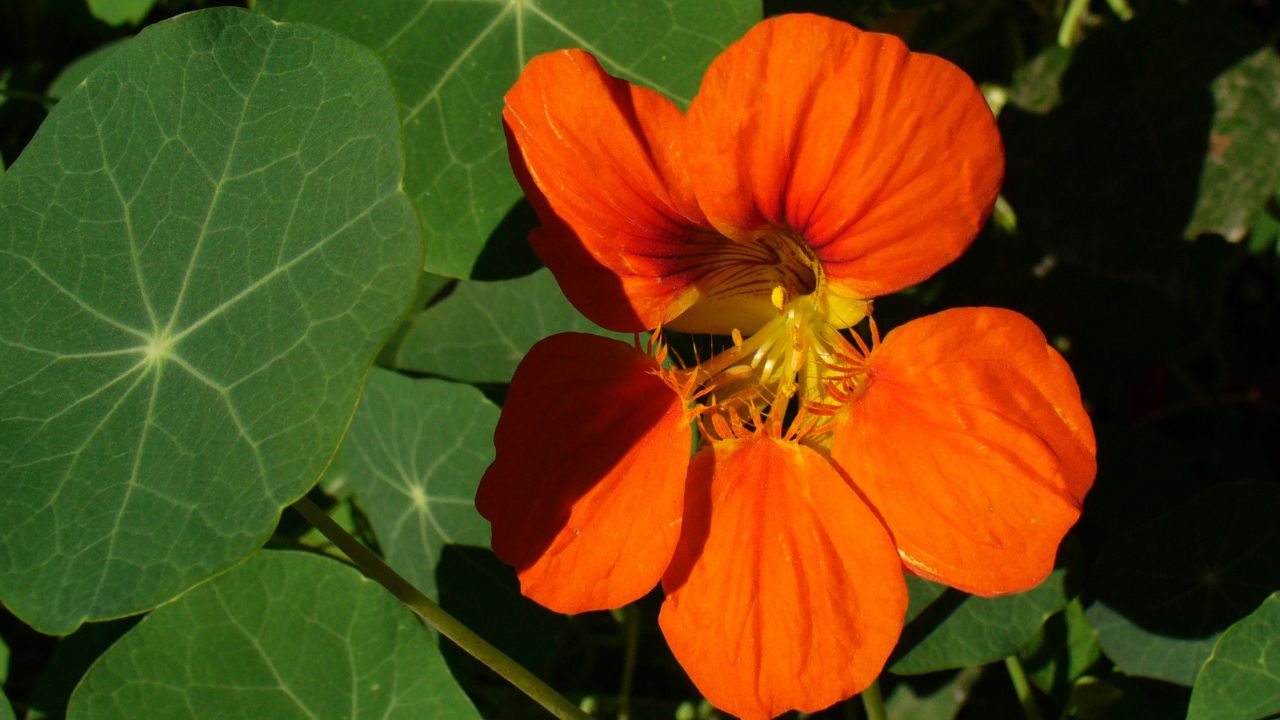
This is the closest thing to a proven trap crop for zucchini. According to HGTV‘s horticulture team, citing companion-planting researcher Jessica Walliser’s book Plant Partners, nasturtium planted alongside zucchini has been shown to limit squash bug damage while also pulling in pollinators. It’s edible, colorful, and costs next to nothing to start from seed.
2. Blue Hubbard squash
Squash bugs, cucumber beetles, and vine borers all prefer Blue Hubbard over zucchini itself, so planting it 3 to 4 weeks ahead, several feet off to the side, gives pests something to attack that isn’t your harvest. Gardener’s Path, written with input from an Oregon State University Extension Master Gardener, calls it one of the most reliable sacrificial companions available.
3. Radish
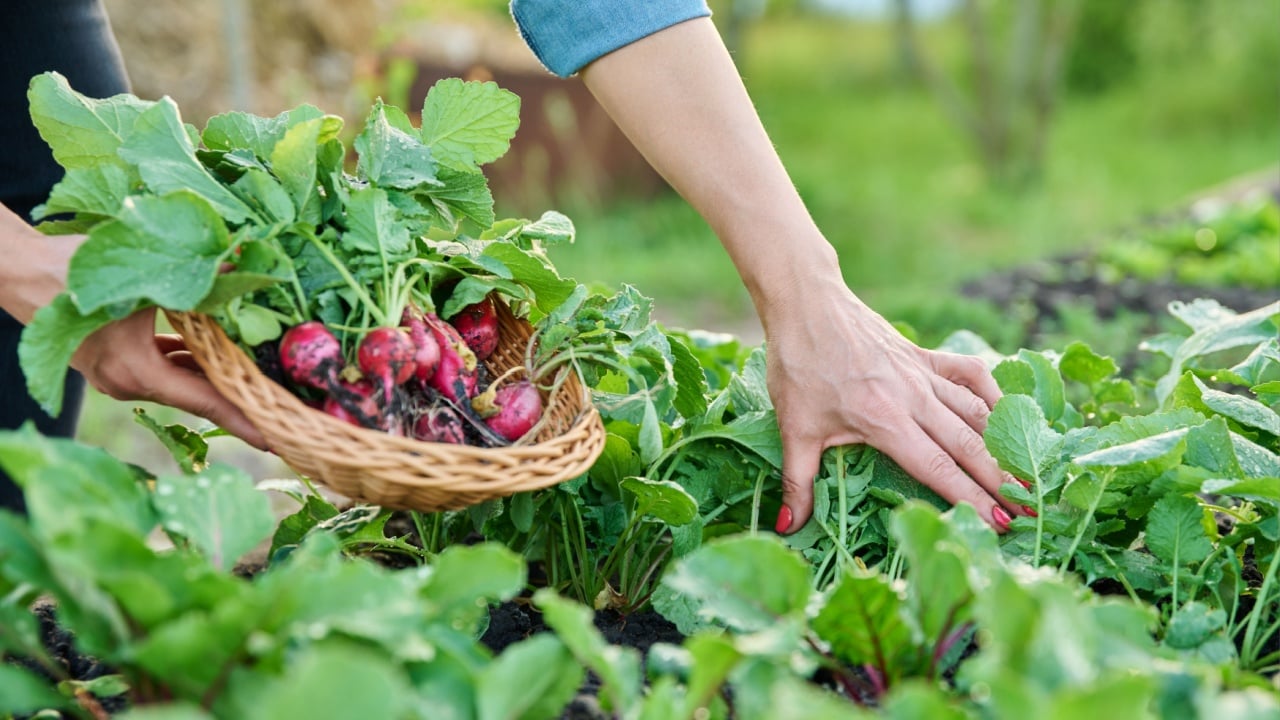
Fast, cheap, and gone before your zucchini needs the room. Radishes mature in 3 to 5 weeks, and their white flowers draw in damsel bugs, natural predators of young squash bug nymphs, according to Gardening Know How‘s pest-predator research.
4. Dill, parsley, or carrots
This trio does something almost no other companion does: it attracts the feather-legged fly, a parasitic insect that lays eggs directly on adult squash bugs, eventually killing them from the inside. It’s not glamorous, but it’s one of the only biological controls that specifically targets this exact pest.
5. Sunflowers
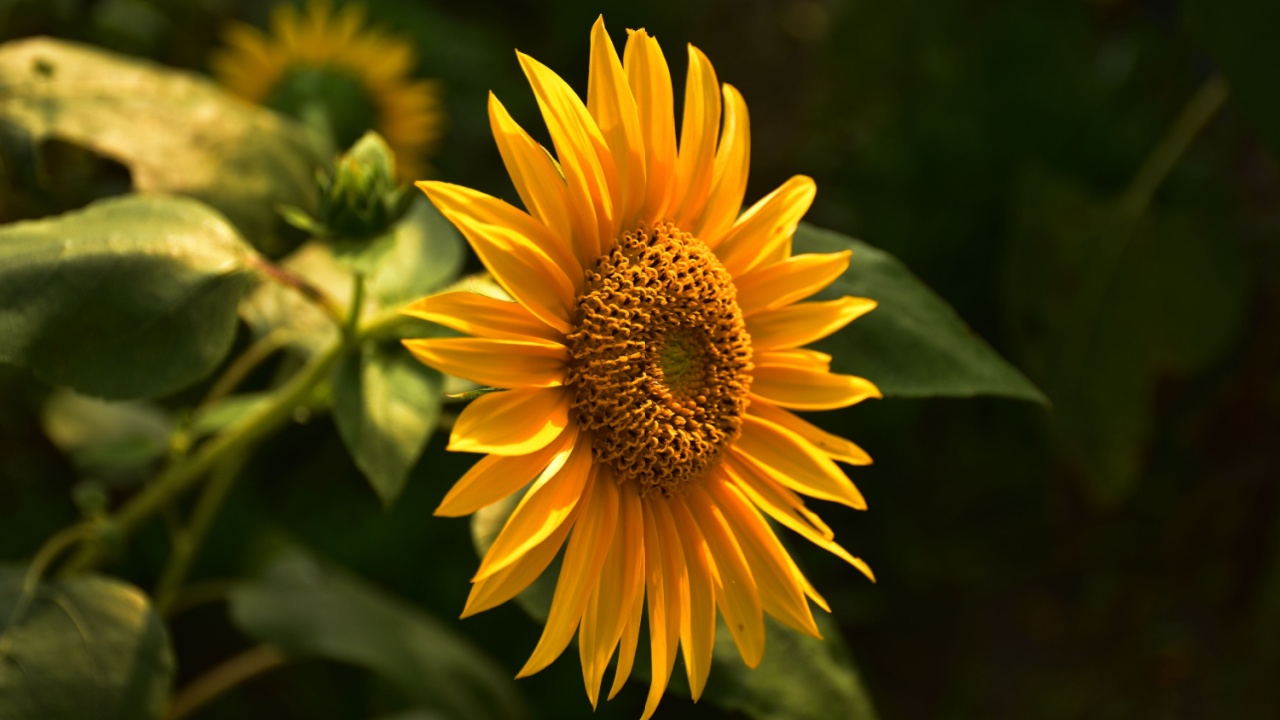
Beyond the curb appeal, sunflowers attract the big-eyed bug, a predator that feeds specifically on squash bug eggs before they ever hatch into the nymphs that wreck your plant. Get ahead of the problem before it starts, and you’ll spend far less time hand-picking bugs off leaves by August.
6. Sweet alyssum
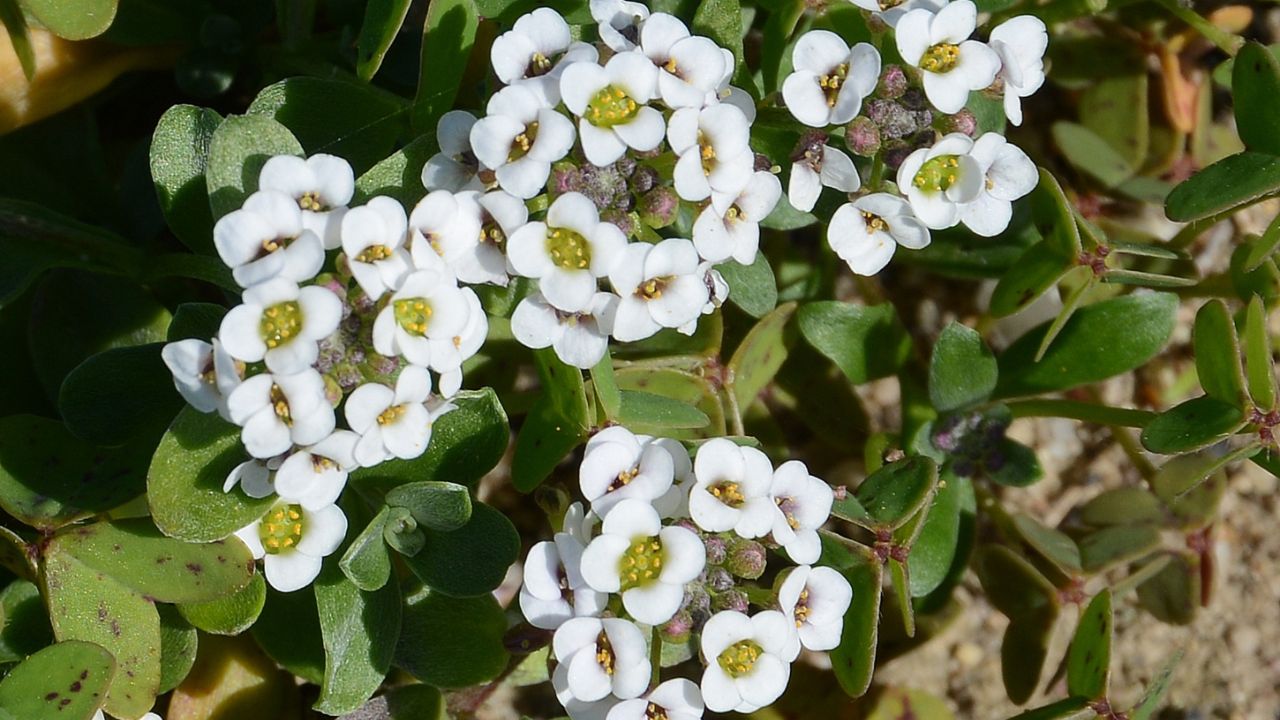
Plant it right at the base of your zucchini as a low border. Its constant tiny blooms are a magnet for hoverflies, whose larvae eat aphids by the dozens, and for parasitic wasps that keep other pest populations in check all season.
7. Borage
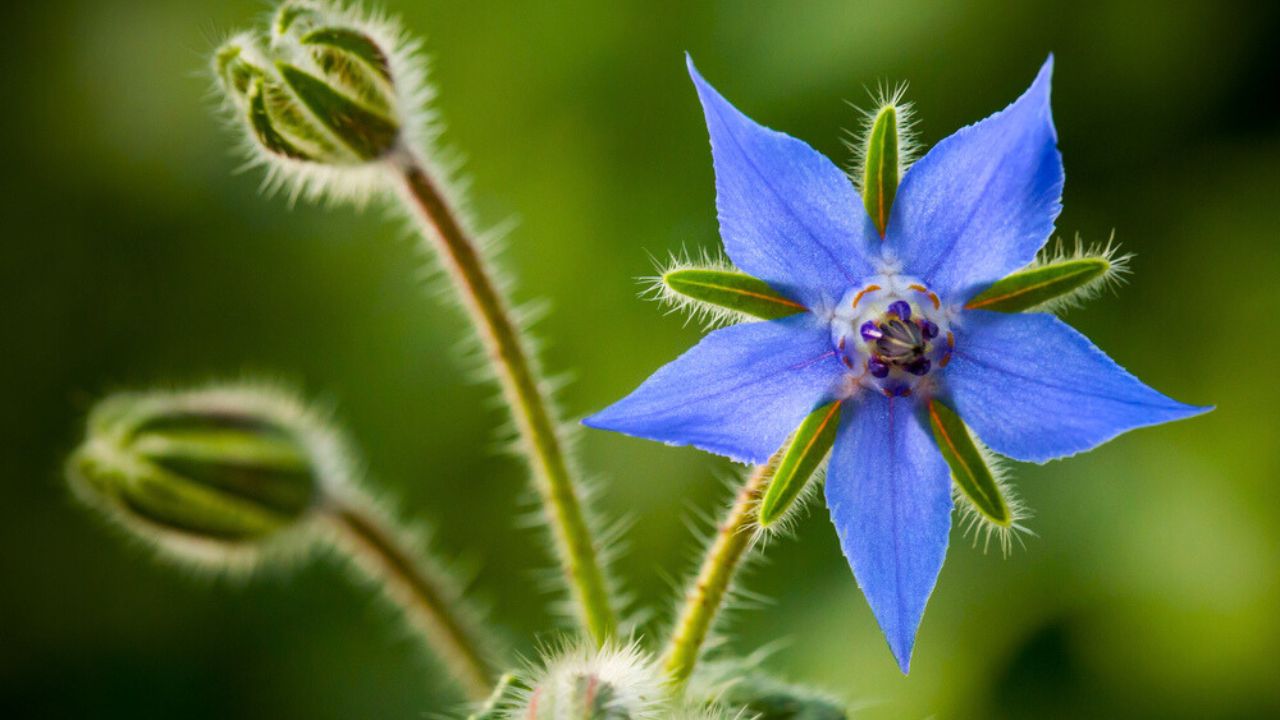
An edible, self-seeding flower that draws in pollinators and predatory wasps at once. Given that squash flowers may need five or more pollinator visits just to set a full-size fruit, according to University of Florida Extension research, anything that increases bee traffic in your zucchini bed pays off directly in your harvest basket.
8. Bush beans or peas
Legumes fix nitrogen in the soil, which matters because zucchini is a notoriously heavy feeder. Skip the $15 to $20 bag of synthetic fertilizer this month and let beans do that work for free instead.
9. Corn (Three Sisters method)
Your grandmother’s garden probably had this exact combination, and modern science hasn’t found much reason to argue with it. Corn, beans, and squash grown together is an Indigenous agricultural technique that’s centuries old; the corn provides structure, the beans feed the soil, and the squash’s broad leaves shade out weeds and retain moisture underneath.
3 Plants That Will Sabotage Your Zucchini
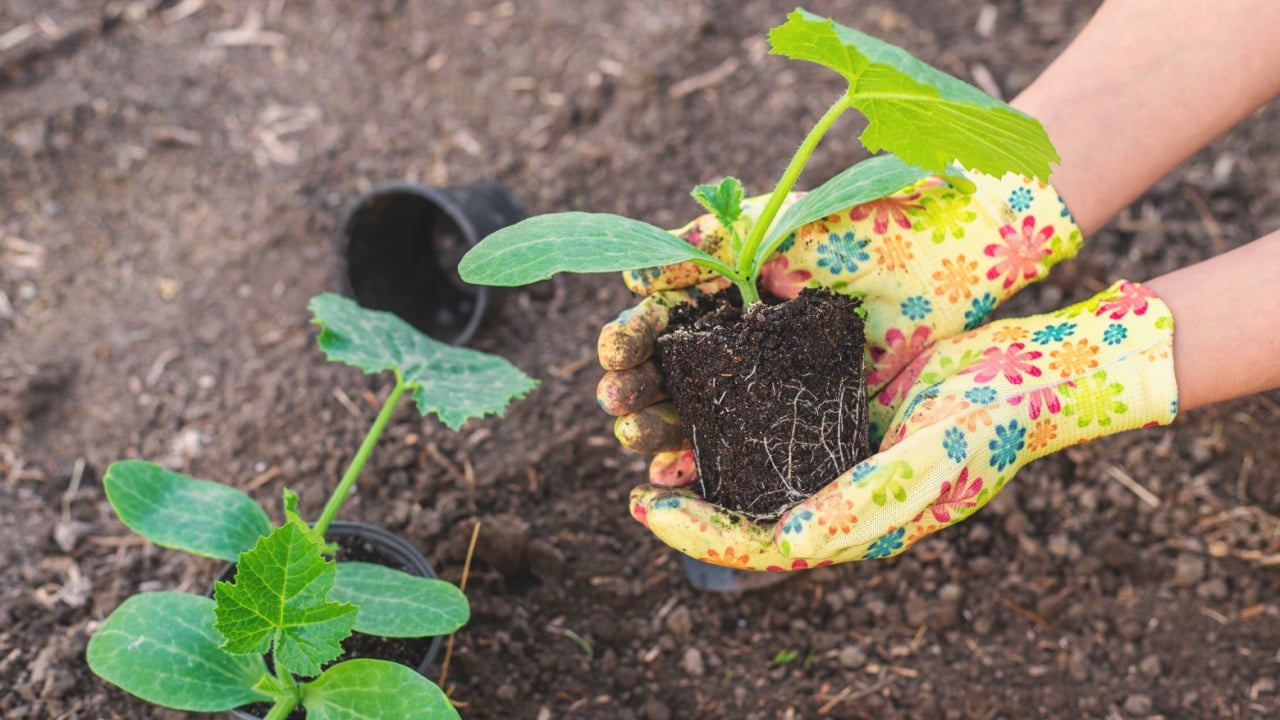
Not every plant deserves a spot in the bed. Keep zucchini at least 10 feet from other cucurbits, cucumbers, melons, pumpkins, and other squash varieties, since they share the same pests and diseases, and an outbreak on one becomes an outbreak on all of them
Skip potatoes too; they’re heavy feeders that compete directly for nutrients and raise the risk of both blight and powdery mildew. And despite showing up on some companion lists, fennel is one of the few plants that actively inhibits growth in most vegetables nearby, zucchini included, so it belongs on the other side of the yard.
How to Use These Companions Right Now in July
You don’t need to redesign your whole garden bed. Tuck radish seeds into any open soil around your zucchini’s base today; they’ll be up and doing their job within a week. Sweet alyssum and borage can go in as small starts right now and will be blooming and attracting help within a couple of weeks. If squash bugs are already visible on your plant, get nasturtium in the ground immediately as a trap crop, and start checking the undersides of leaves every evening for the reddish-brown egg clusters that signal a bigger problem is coming.
Skip the vague advice to “just add marigolds” and plant with intention instead. Nine specific companions, backed by actual field research rather than repeated folklore, give your zucchini real protection this season, while three common garden neighbors quietly work against it. Get the right ones in the ground this week, and you’ll spend a lot less time in August wondering where your harvest went. As Caleb Goossen, an organic crop and conservation specialist, puts it, “diversity in a garden is almost always a good thing,” and that’s the more accurate frame: no single plant is a shield. A layered mix of specific plants, each doing a different job, is what actually moves the needle.
Read More
Washing Your Lettuce Won’t Remove Cyclosporiasis, But Growing Your Own Will
Your Grandmother Stored These 8 Foods All Winter Without Canning a Single Jar