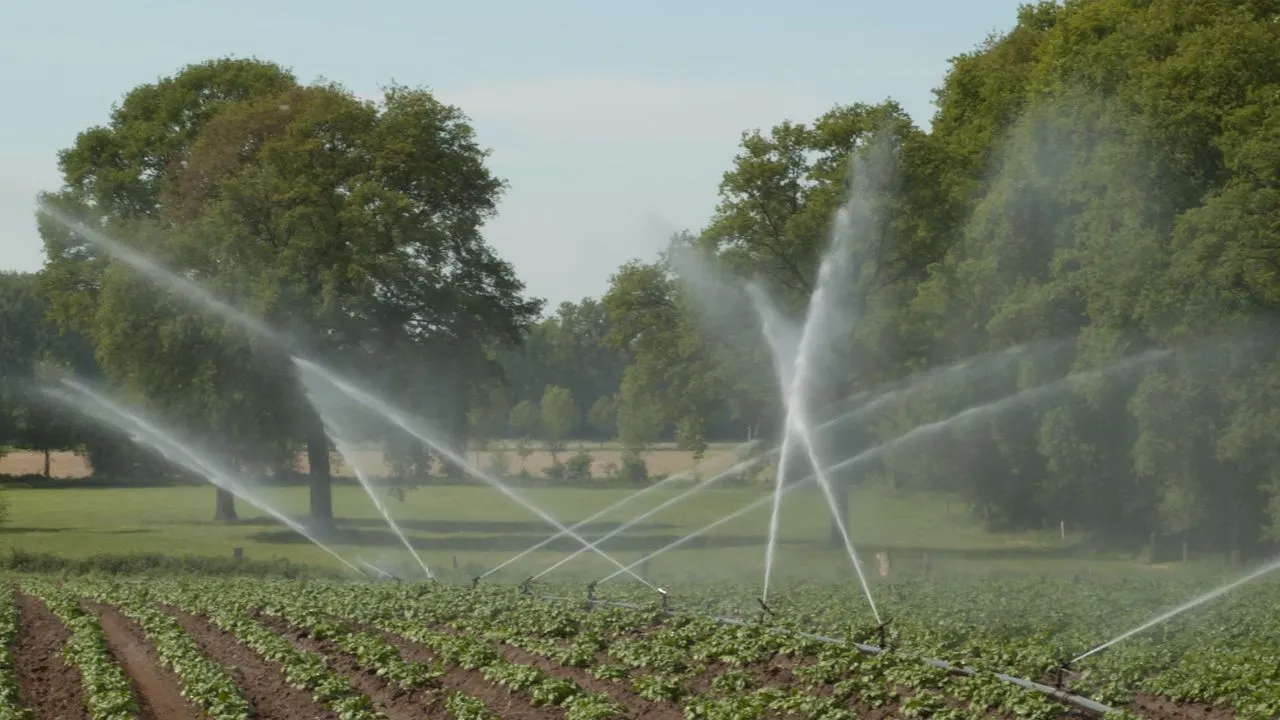
Stop Wasting Hours Hand Watering: Try These Irrigation Tips
Most gardeners spend 30 minutes or more a day standing with a hose, watering their garden. The plants that survive aren’t the grateful ones. They’re the lucky ones.
If you’ve been watering your garden by hand every morning, you may be doing more damage than you realize. Hand watering is not just time-consuming; it’s one of the most unreliable ways to hydrate a garden. The human tendency to eyeball a “good soaking” routinely results in either chronically shallow roots that wilt at the first sign of heat or waterlogged soil that causes root rot to set in before any visible warning appears.
And the cost? The U.S. Environmental Protection Agency estimates that up to 50 percent of residential outdoor water used for irrigation is wasted due to overwatering and inefficient delivery methods. For a typical home, that’s thousands of gallons per season going directly down the driveway instead of to the roots.
Summer is the time when watering demands spike and watering mistakes get expensive. If you’re ready to save hours hand-watering with these irrigation tips, what follows is a practical, low-cost guide any home gardener can act on this weekend; no plumbing experience required.
The Hidden Cost of Hand Watering Most Gardeners Don’t Know About
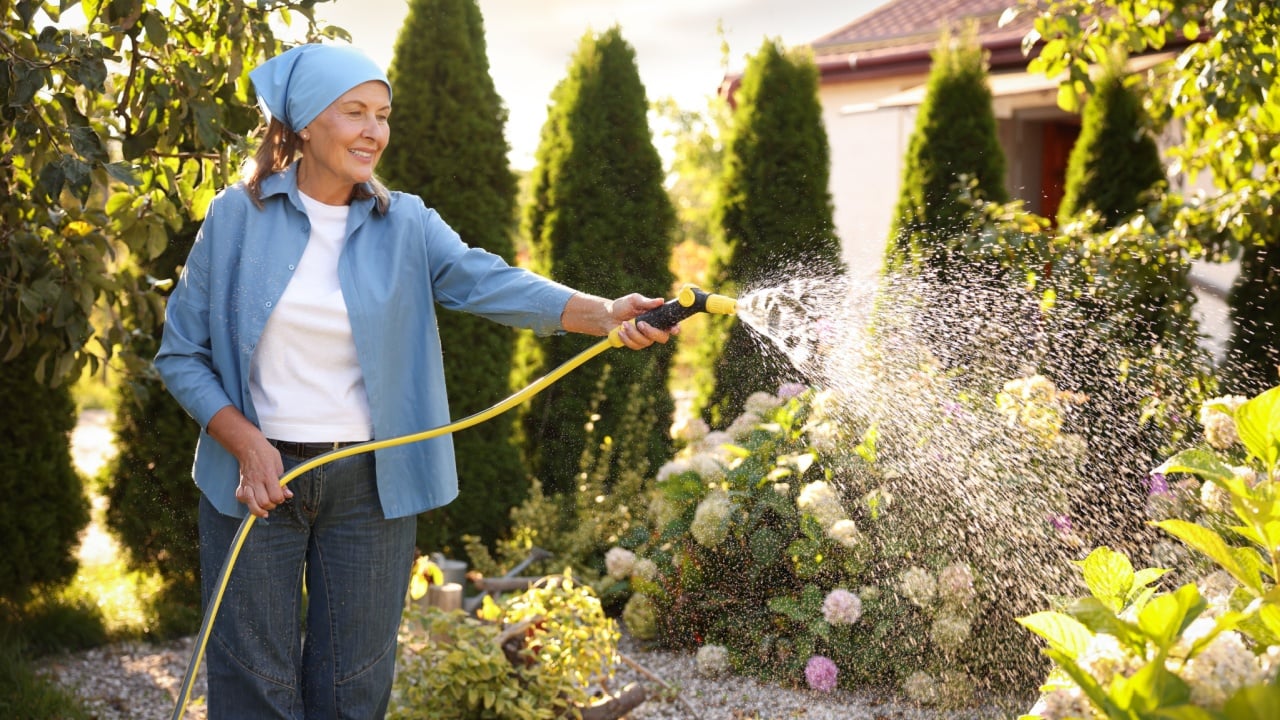
Standing at the hose feels productive. It isn’t always.
The problem is human nature. We can’t gauge exactly how many gallons per minute are hitting the root zone, and we certainly can’t distribute water evenly across an entire bed by moving a hose from spot to spot. The result tends to go one of two ways: plants that are chronically overwatered near the spigot and underwatered at the bed’s edge, or a gardener who forgets entirely for three days and returns to wilted, stressed plants.
According to the EPA’s WaterSense program, a household with an improperly managed irrigation system can waste up to 25,000 gallons of water annually. Even hand watering adds up fast: water a modest lawn and garden for 20 minutes every day for a week, and the EPA calculates that’s equivalent to running the shower nonstop for four straight days.
The financial impact is real. At average U.S. water rates, that waste translates to $100–$200 added to annual utility bills for many households; money that a simple system upgrade could eliminate.
The One Time-of-Day Mistake That Wastes More Water Than Anything Else
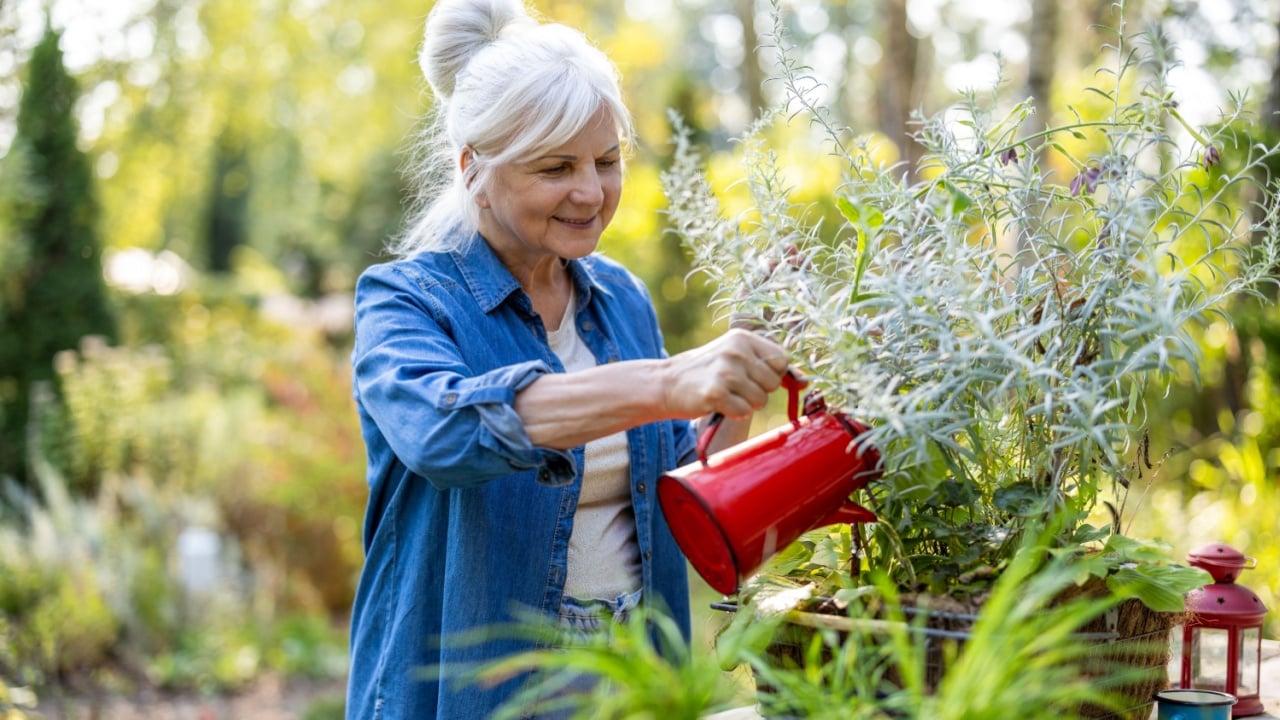
Watering at the wrong hour is one of the costliest garden habits, and most people don’t know they’re doing it.
The worst time to water is between 10 a.m. and 4 p.m. Water applied during midday heat evaporates from the soil surface before it ever reaches the root zone. You’re paying for water that your plants never drink. Watering at night carries its own risk: wet foliage sitting overnight creates ideal conditions for powdery mildew and fungal disease, especially on susceptible plants like roses, squash, cucumbers, and tomatoes.
Iowa State University Extension is clear on the best window: water between 5 a.m. and 9 a.m. At this hour, temperatures are cool, winds are calm, and the soil has the maximum absorption time before heat kicks in. Foliage dries quickly as the day warms, cutting disease risk significantly. Iowa State notes that early morning watering “allows the water to soak deeply into the soil with little lost to evaporation,” while rapid foliage drying guards against fungal disease.
If you can’t reach the garden at dawn, this is exactly the problem that an inexpensive hose timer solves.
What Experienced Gardeners Use Instead of a Hose (Starting Under $30)
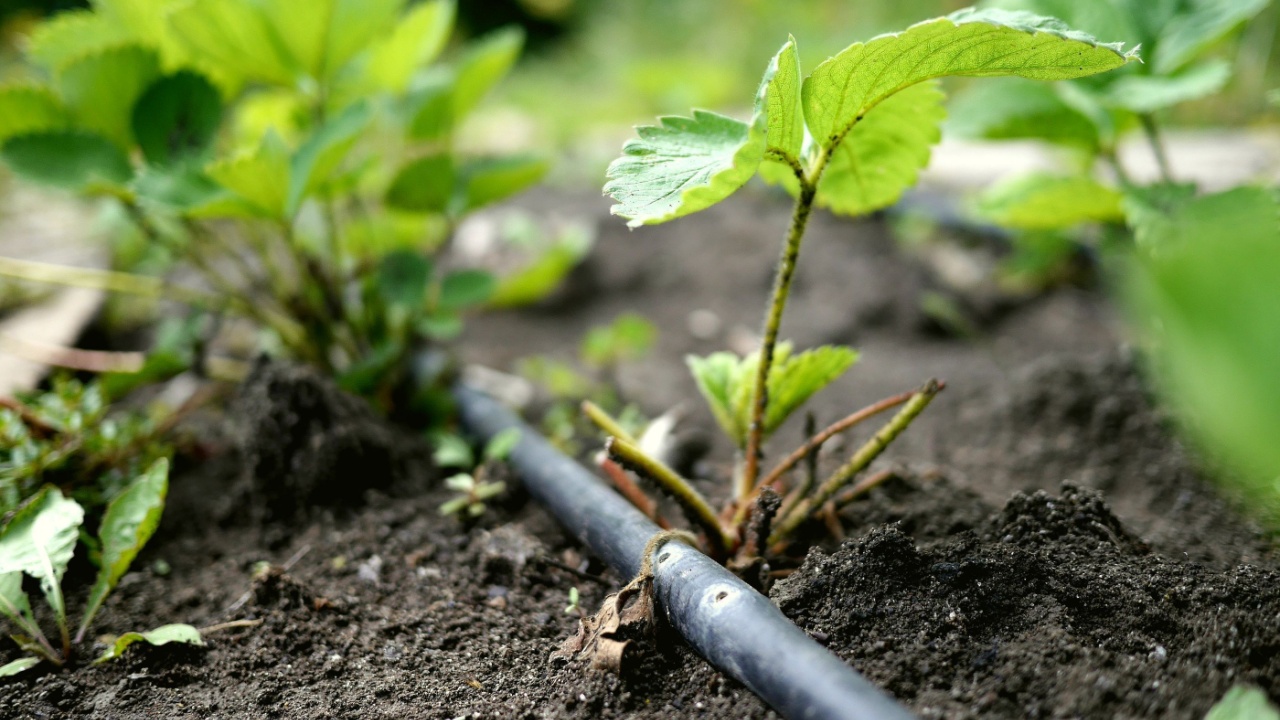
The most cost-effective irrigation upgrade available to home gardeners isn’t a complex in-ground system. It’s a soaker hose.
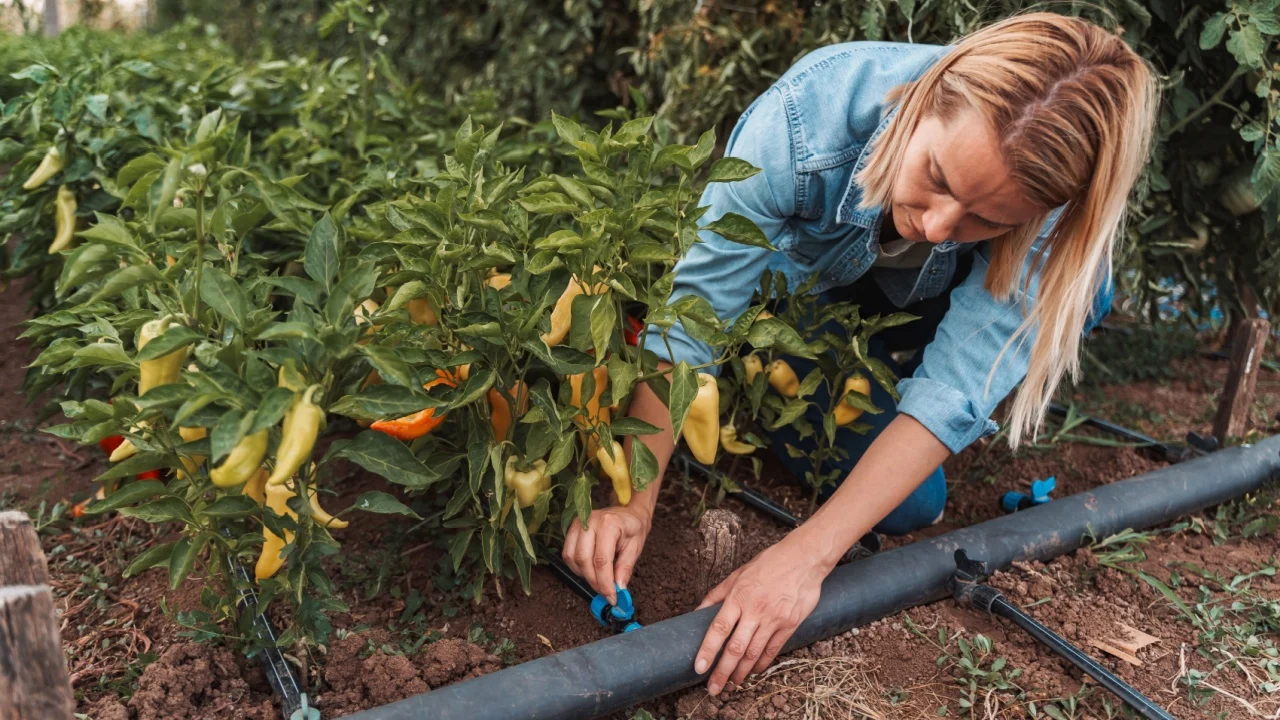
Soaker hoses are porous rubber hoses that weep water slowly along their entire length directly into the root zone: no spray, no runoff, no wet foliage. They can be snaked through planting beds within inches of plant bases, covered with mulch, and left in place for the season. They cost as little as $30 for 100 feet, and they pair with any standard outdoor faucet.
According to UF/IFAS Extension, deep watering that targets root zones directly builds stronger root systems and increases drought tolerance over time. Adams Fairacre Farms recommends starting with 30 minutes twice a week, then checking soil moisture several inches down and adjusting from there.
Two critical accessories make soaker hoses perform correctly: a backflow preventer and a pressure regulator set to 10–12 psi. Without the regulator, soaker hoses either blow apart or deliver water inconsistently. Both accessories cost under $15 combined at any hardware store.
Mulch is the final piece. Covering your soaker hose with 2–3 inches of organic mulch reduces soil evaporation by up to 30 percent, according to the Southern Nevada Water Authority, dramatically extending the time between watering sessions.
The $20 Accessory That Makes Any Irrigation System Hands-Free
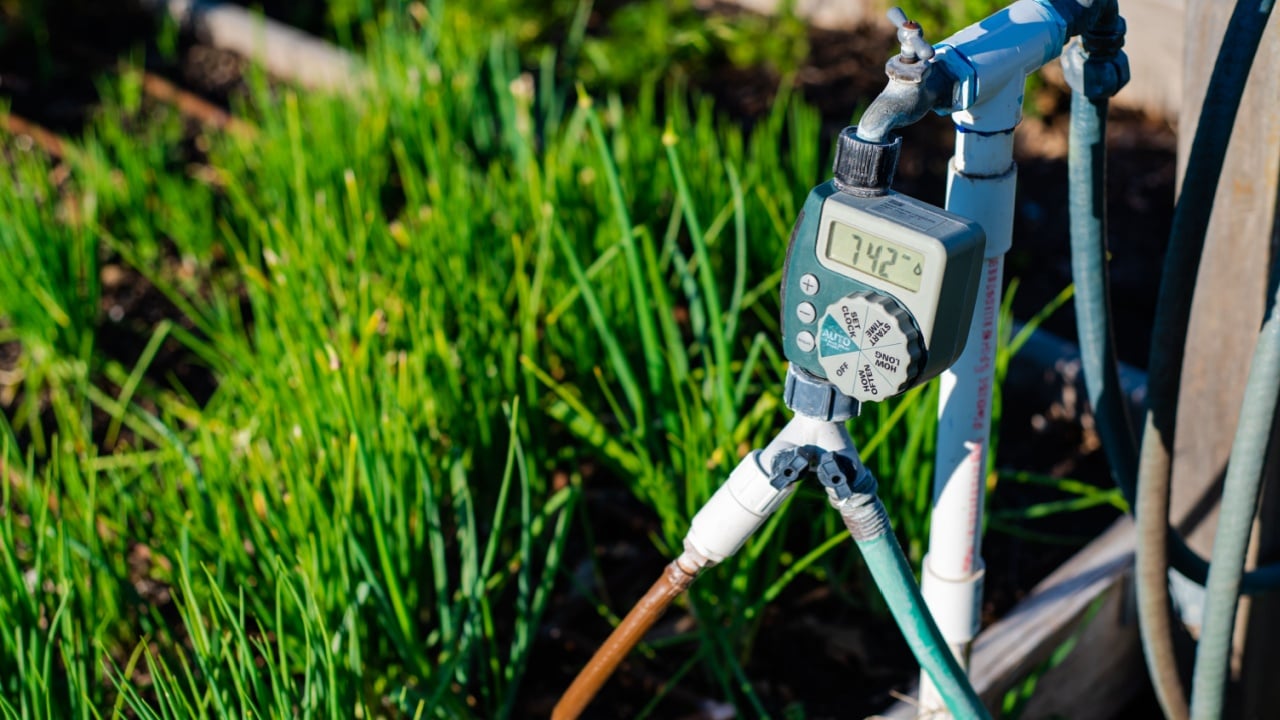
A hose-end timer is the single most impactful accessory a home gardener can add to any watering setup.
These devices thread directly onto any standard outdoor faucet in minutes and allow you to program watering start time, duration, and frequency. Set it once for early morning, and the system waters while you’re still asleep. No alarm. No standing in the garden. No wondering whether you remembered.
Basic mechanical timers start around $15–20 and handle simple on/off scheduling. WiFi-enabled smart timers add the ability to control or pause watering from your phone. If it rains mid-week, you can skip a session from your kitchen. If a heat wave rolls in, you can add an extra cycle without walking outside.
The most successful gardeners water early and water consistently. A hose timer enforces that discipline automatically, eliminating the inconsistency that hand watering inevitably introduces and saving you hours standing with a hose.
Smart Irrigation Controllers: When to Upgrade and How Much You’ll Save
If you already have an in-ground irrigation system, the smartest upgrade isn’t a new head or new lines. It’s a smarter controller.
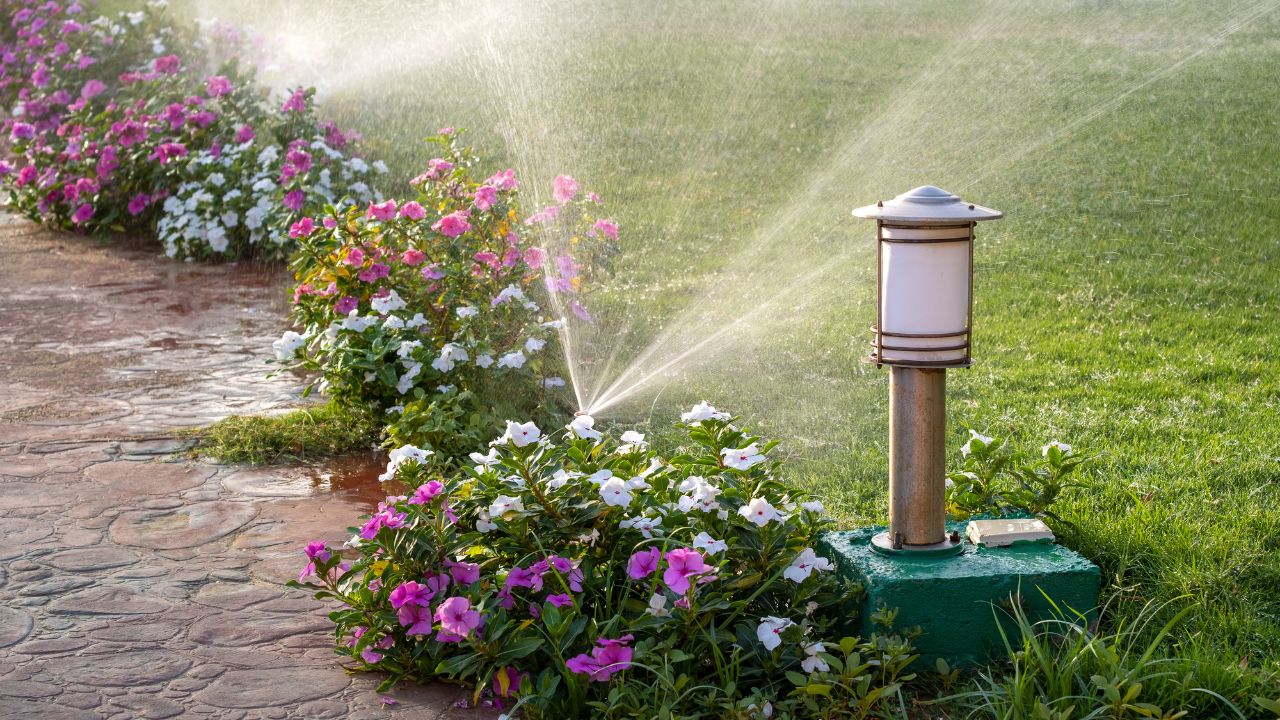
Standard clock-based irrigation controllers run on fixed schedules regardless of weather, soil moisture, or plant need. They water on Tuesdays even when it rained on Monday. They water in February at the same frequency as August. This rigidity is expensive.
The EPA’s WaterSense program reports that replacing a standard clock-timer controller with a WaterSense-labeled smart controller can save an average home up to 15,000 gallons of water annually. Many water utilities offer rebates of $100–$150 toward qualifying controllers, dramatically shortening the payback period on the upgrade.
Weather-based smart controllers use local weather data and soil evaporation rates to adjust schedules in real time. Soil moisture-based controllers go a step further, reading sensors in the ground and skipping irrigation entirely when soil is already adequately hydrated. Both technologies eliminate the single most common source of irrigation waste: watering plants that don’t need it.
How to Tell If Your Plants Are Actually Getting Enough Water
Before trusting any timer or system, verify the results in the soil itself.
The most reliable method is also the oldest: push your finger into the soil up to the first knuckle. If the soil feels dry at that depth, it’s time to water. If it feels moist, it isn’t. No gadget required.
For a more precise reading, insert a trowel 4–6 inches into the soil near the root zone. Adequate irrigation will show consistent moisture at this depth without saturation. UF/IFAS Extension notes that signs of overwatering, including soft or yellowing leaves and mushy stems, are frequently mistaken for underwatering, leading gardeners to add more water when cutting back is the correct response.
When you do water, water deeply. Multiple shallow waterings train roots to stay near the surface, making them far more vulnerable to summer heat stress and drought. Deep, infrequent watering creates plants that can access moisture deeper in the soil profile — and those are the plants that survive a hot week without someone standing over them with a hose.
Read More
Washing Your Lettuce Won’t Remove Cyclosporiasis, But Growing Your Own Will
Your Grandmother Stored These 8 Foods All Winter Without Canning a Single Jar