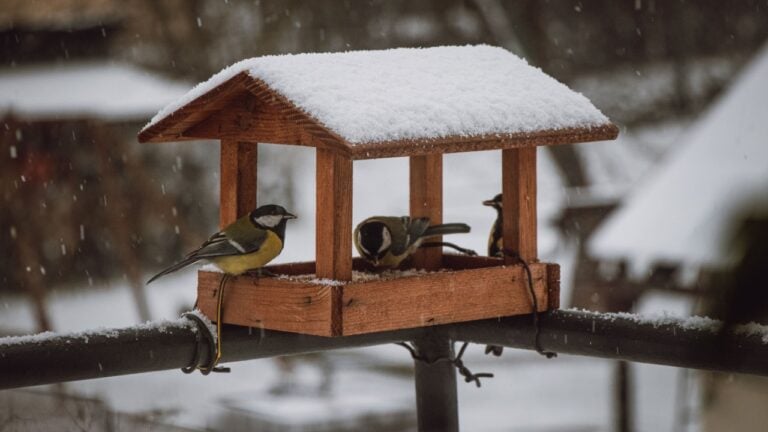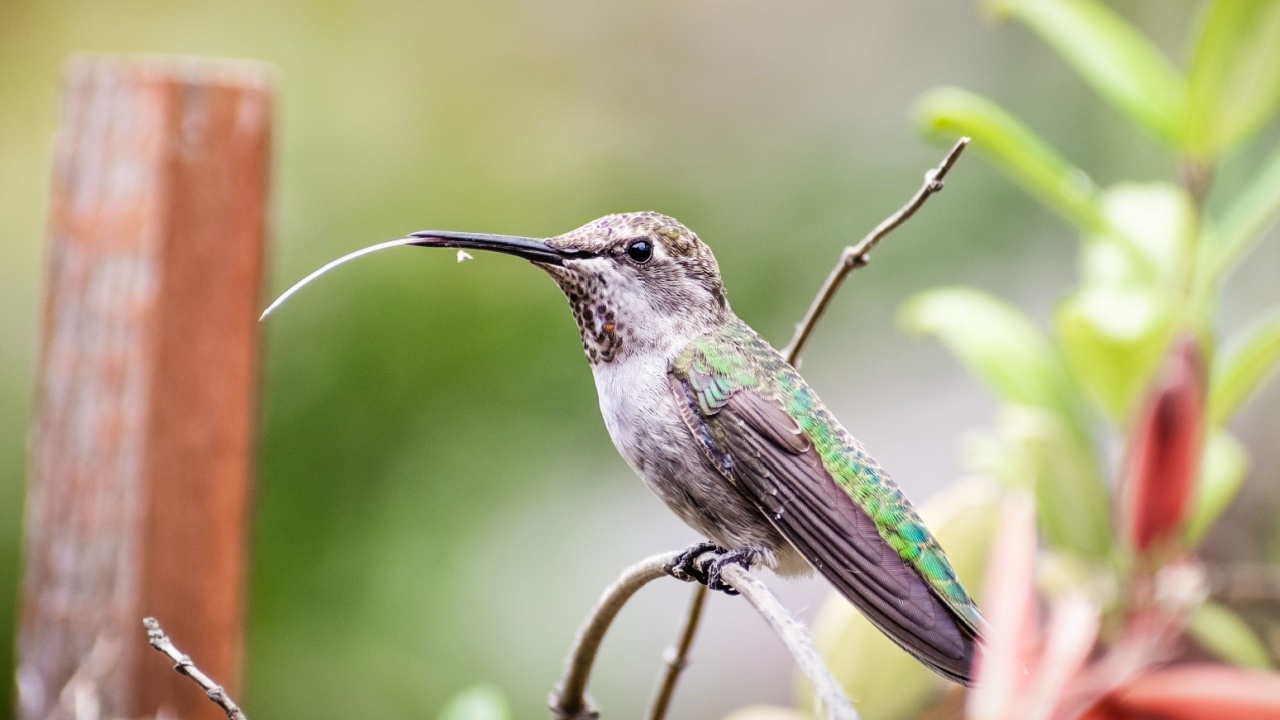
10 Ways to Keep Visiting Backyard Birds Safe
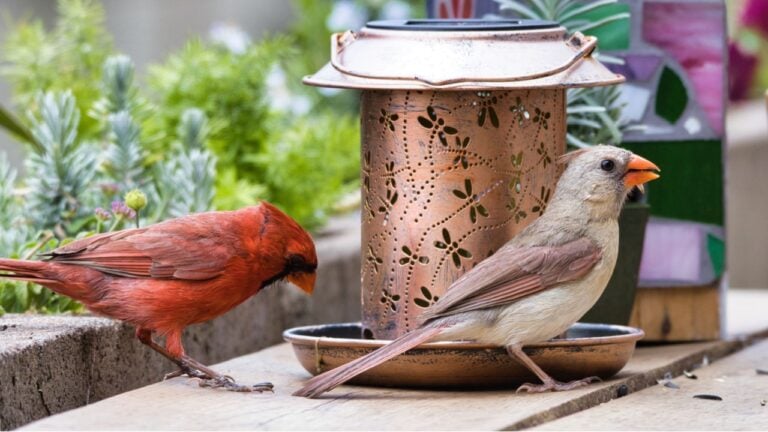
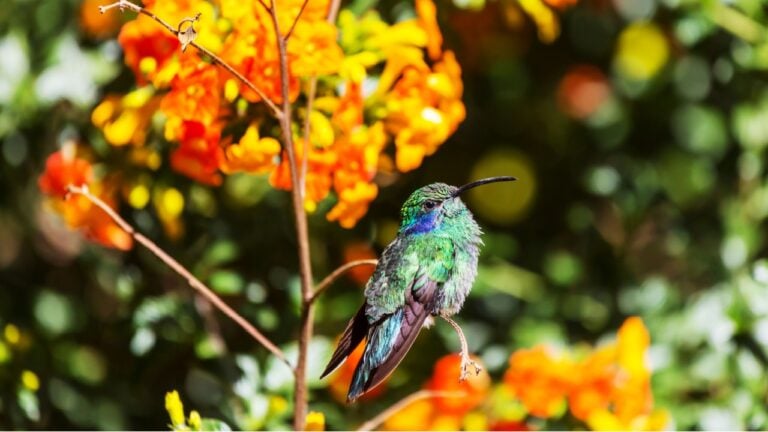
Turning your backyard into a haven for birds is one of the most rewarding experiences for any garden lover. The splash of color from a cardinal, the cheerful song of a robin, and the acrobatic feats of hummingbirds bring life and joy to our outdoor spaces.
But creating an attractive yard with feeders and flowers is only half the journey. We also have a responsibility to ensure our feathered visitors are safe from the many hidden dangers that a typical backyard can present.
By taking a few thoughtful steps, you can transform your garden into a true sanctuary. This guide will walk you through ten smart, simple, and effective ways to protect the birds that grace your yard.
From maintaining your feeders to making your windows visible, each tip, sourced from the bird experts, will help you create a safer environment, allowing you to enjoy the delightful presence of birds with peace of mind.
1. Clean Your Bird Feeders Regularly
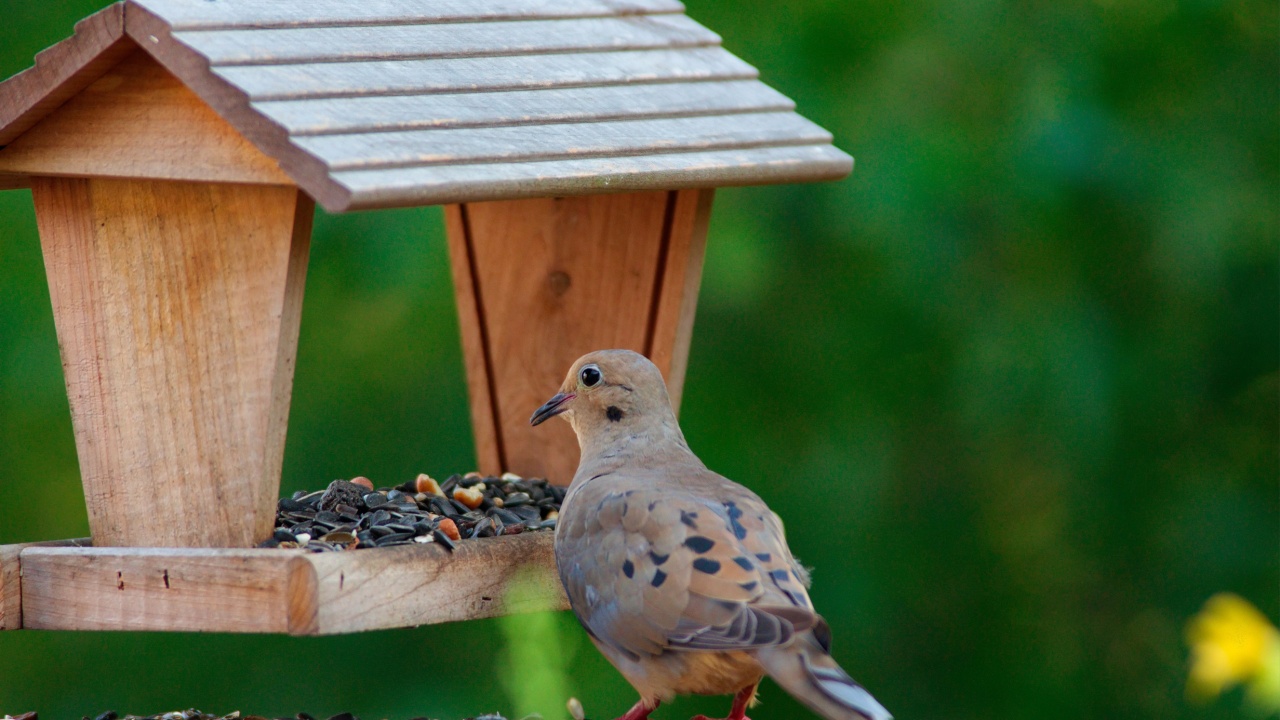
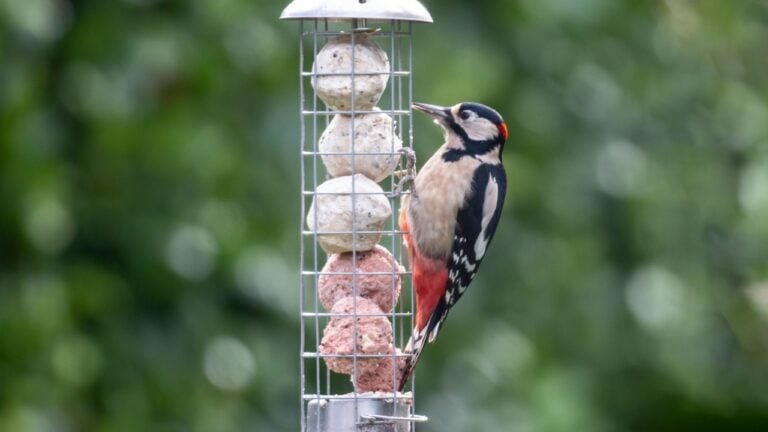
Bird feeders are a wonderful way to attract a variety of species, but they can quickly become a source of disease if not properly maintained. Just as you wouldn’t eat off a dirty plate, birds are susceptible to illnesses spread through feeders contaminated with mold, bacteria, and bird droppings. Regular cleaning is crucial for their health.
Actionable Tips:
- Frequency: Clean your feeders at least once every two weeks (more often in hot weather, especially for hummingbirds). If you experience heavy rain or notice the seed is clumping or looks moldy, clean them more often.
- Cleaning Solution: Take the feeder apart and wash it with a solution of one part bleach to nine parts water, or use a simple dish soap and hot water mix.
- Process: Scrub all surfaces thoroughly to remove any residue. Rinse it completely to remove all traces of soap or bleach, as these can be harmful to birds.
- Dry Completely: Let the feeder air-dry fully before refilling. A damp environment encourages mold growth.
2. Monitor Birds for Signs of Disease
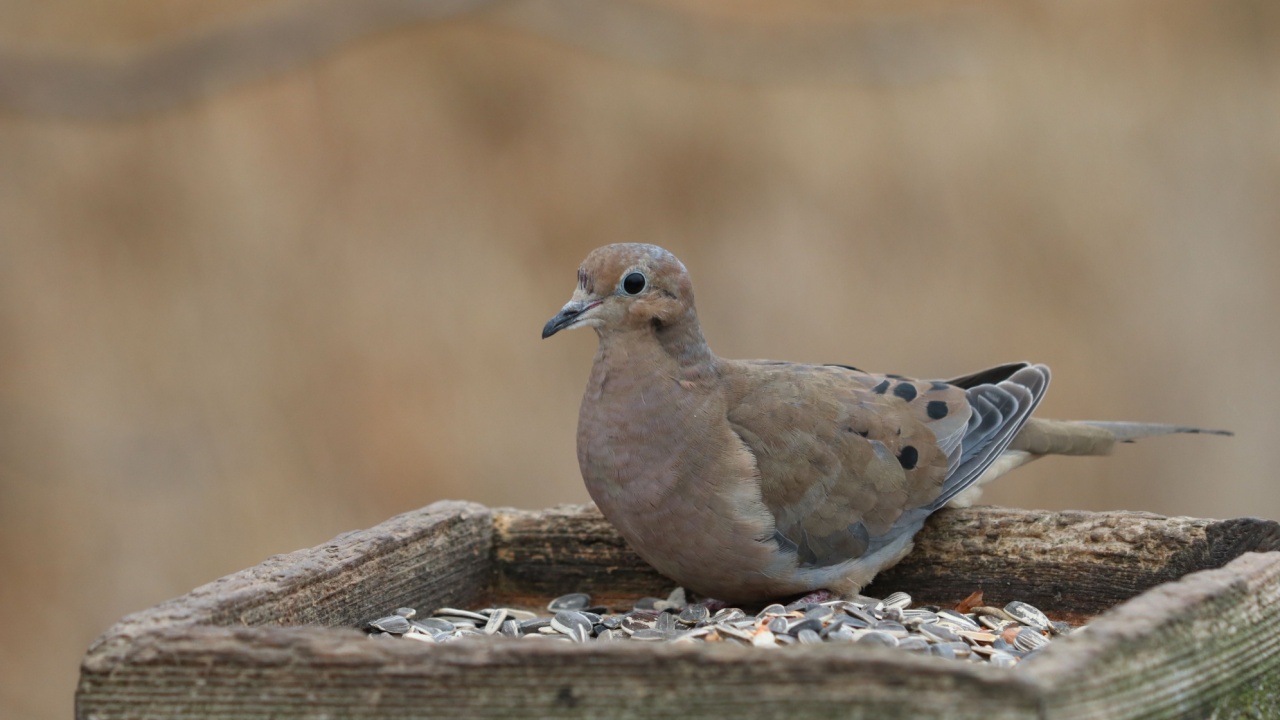
Even with clean feeders, it’s important to be a vigilant observer of your backyard flock. Sick birds can appear lethargic, have ruffled or matted feathers, or show visible signs of illness like crusty eyes or growths on their beaks and feet. Spotting these signs early can help you take action to prevent the spread of disease.
Actionable Tips:
- Observe Daily: Take a few moments each day to watch the birds at your feeders. Look for any individuals who seem unwell or are acting strangely. (Note: Leave taking care of sick birds to the professionals, alerting a local authority rather than touching them.)
- Take Down Feeders: If you spot a sick bird, take down all your feeders immediately. This prevents other birds from congregating and spreading the illness.
- Wait and Clean: Keep the feeders down for a few weeks to give the birds time to disperse. Before putting them back up, give them another deep cleaning and sterilization.
- Stay Informed: Pay attention to local wildlife news or alerts from birding organizations about any disease outbreaks in your area.
3. Say No to Pesticides

Eighty-seven percent of globally threatened bird species are affected by agricultural pesticides.
While it can be tempting to reach for a chemical spray to deal with garden pests, pesticides are a major threat to bird populations. These chemicals don’t just kill “bad” bugs; they also eliminate beneficial insects that birds rely on for food, such as caterpillars, beetles, and spiders. Birds can also be poisoned directly by consuming treated insects or seeds.
Actionable Tips:
- Embrace Natural Pest Control: Encourage natural predators like ladybugs and lacewings, which feast on aphids. Use physical barriers like row covers to protect vegetables.
- Choose Organic: If you must treat a problem, opt for organic or natural solutions like insecticidal soap or neem oil, and apply them sparingly and targetedly.
- Build Healthy Soil: Amend your soil with compost. Healthy plants are naturally more resistant to pests and diseases, reducing the need for any chemical intervention.
- Tolerate Minor Damage: A few holes in a leaf are a sign of a healthy, functioning ecosystem. It often means a caterpillar is busy becoming a meal for a baby bird.
4. Make Your Windows Bird-Safe
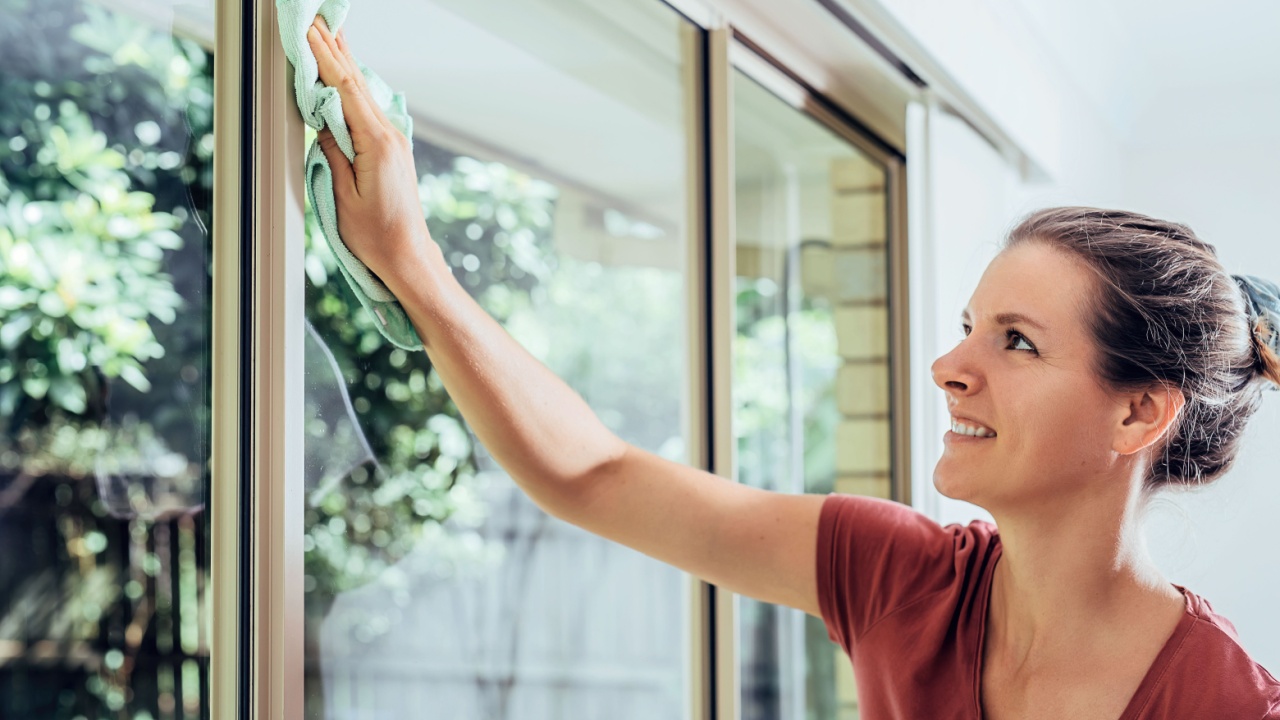
Window collisions are one of the leading human-related causes of bird deaths, killing up to a billion birds each year (especially during migration season). Birds don’t see glass; they see the reflection of the sky, trees, or a clear path through a building. What looks like a safe flight path is actually a deadly, invisible barrier.
Actionable Tips:
- Use Decals or Tape: Apply specialized bird-safe decals, stickers, or tape to the outside of your windows. These break up the reflection.
- Follow the 2×4 Rule: To be effective, markings should be spaced no more than two inches apart vertically and four inches apart horizontally.
- Try DIY Methods: You can create your own patterns using tempera paint or soap. A grid or stripe pattern is highly effective.
- Install Screens: Exterior insect screens are a great solution, as they cushion the impact if a bird does fly toward the window.
5. Keep Your Cats Indoors
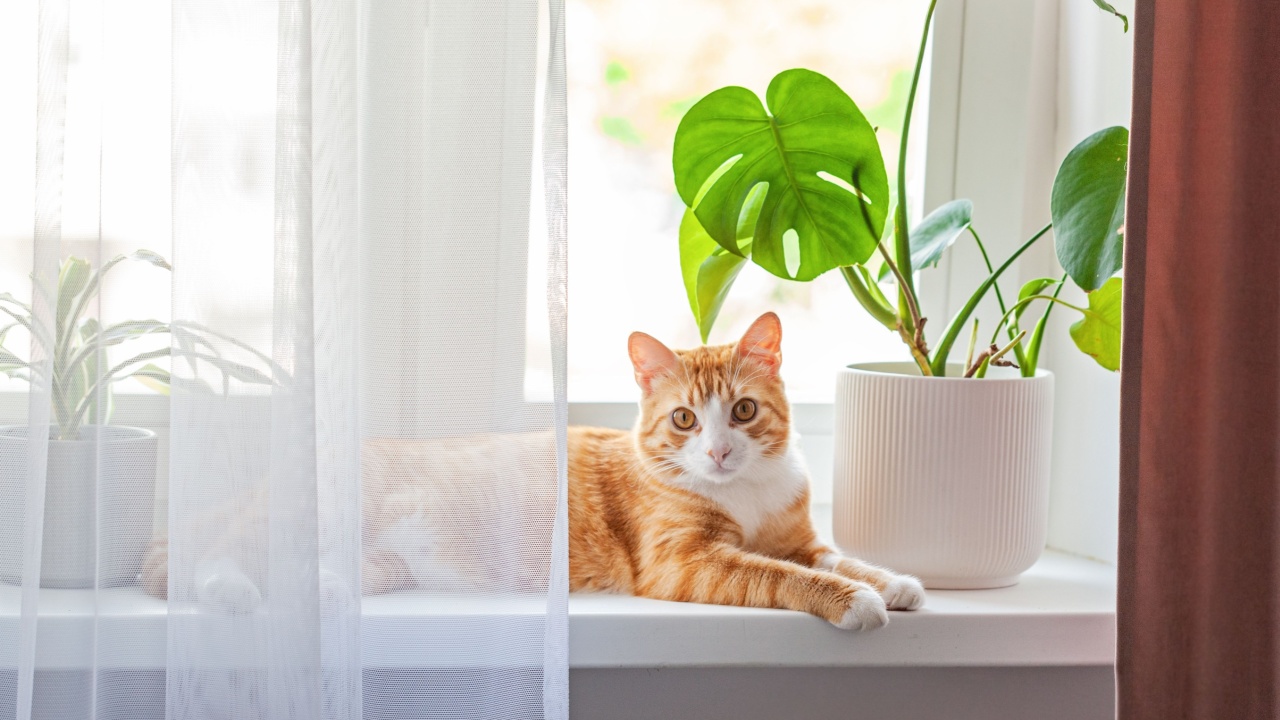
Domestic cats, both pets and strays, are a formidable threat to wild birds. Even a well-fed cat has a strong natural hunting instinct. Studies have shown that free-roaming cats are a primary cause of bird mortality, killing billions of birds annually in the United States alone.
Actionable Tips:
- Create an Engaging Indoor Environment: Provide your cat with plenty of toys, scratching posts, and window perches to keep them stimulated.
- Build a “Catio”: If you want your cat to experience the outdoors safely, consider building a “catio”—an enclosed outdoor patio. This allows them fresh air without giving them access to wildlife.
- Be a Responsible Neighbor: If stray or feral cats frequent your yard, it may be best to refrain from feeding birds, as this can create a dangerous hunting ground. Support local trap-neuter-return (TNR) programs for feral cat colonies.
6. Deter Hawks and Other Predators
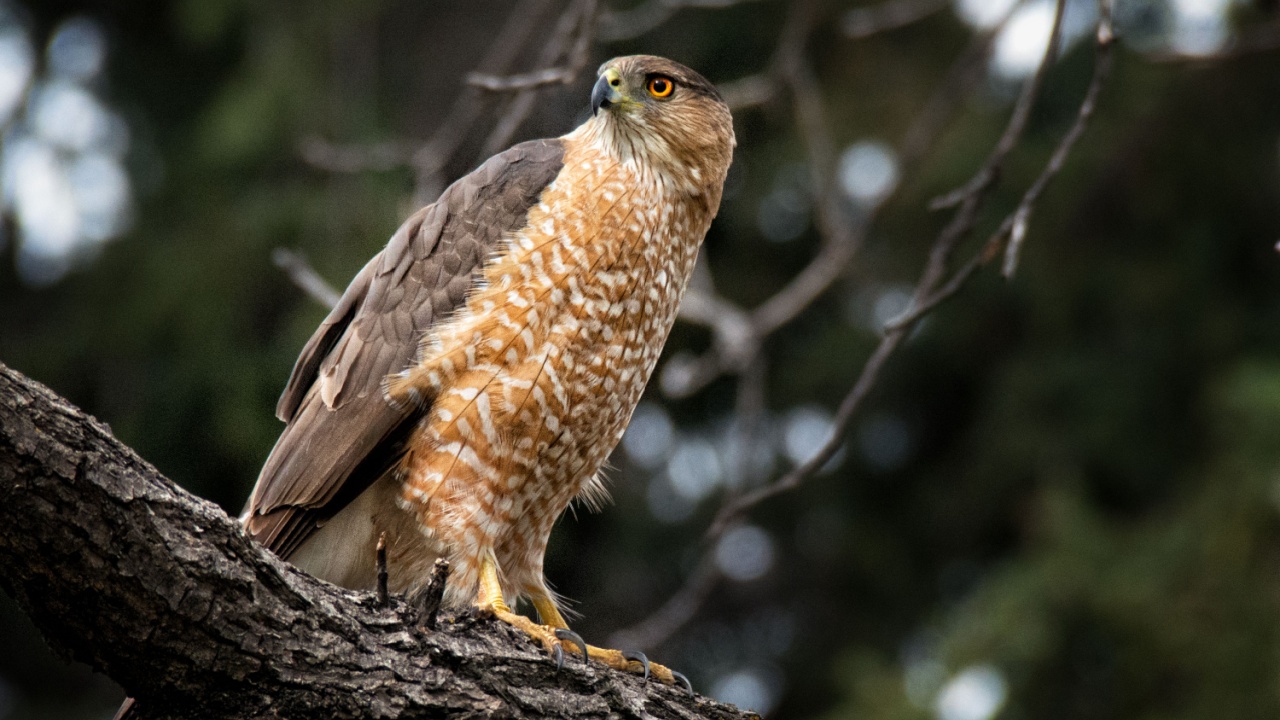
While songbirds are a welcome sight, feeders can sometimes attract predators like Cooper’s hawks or sharp-shinned hawks. While these raptors are a natural part of the ecosystem, you can take steps to give smaller birds a fighting chance to escape.
Actionable Tips:
- Provide Natural Cover: Plant dense shrubs, small trees, and evergreens near your feeding station (about 10-15 feet away). This gives birds a quick place to dive for cover.
- Use Feeder Cages: For smaller birds, consider using a cage-style feeder or adding a protective cage around your existing feeder. This allows small birds in while keeping larger birds—and predators—out.
- Foil Ground Predators: Use baffles on your feeder poles to prevent squirrels, raccoons, and other ground-based predators from accessing the feeder.
- Use a Decoy: A fake owl or reflective items can be helpful, too.
7. Avoid Red Dye in Hummingbird Nectar
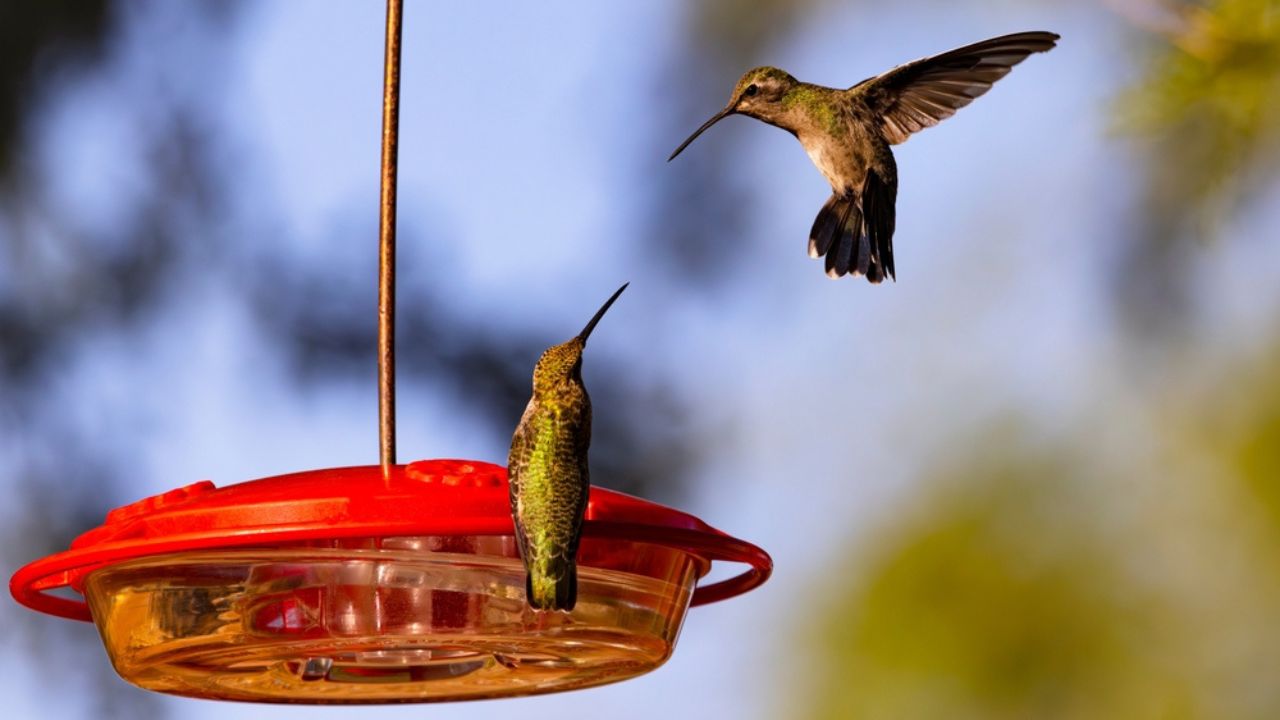
Many commercial hummingbird nectars are colored with red dye, marketed with the idea that the color helps attract the birds. However, the red coloring is completely unnecessary and potentially harmful. Hummingbirds are attracted to the red ports on the feeder itself, not the color of the liquid inside. Leading experts agree that there is no known nutritional benefit to the dye, and its long-term effects on these tiny birds are not well understood.
Actionable Tips:
- Make Your Own Nectar: Mix one part plain white table sugar with four parts water.
- Boil the Water: Bring the water to a boil to help the sugar dissolve completely and to kill any initial bacteria. Let it cool completely before filling your feeders.
- Never Use Alternatives: Do not use honey, brown sugar, or artificial sweeteners, as these can be harmful or even fatal to hummingbirds.
- Store Extra Nectar: You can store any leftover nectar in the refrigerator for up to a week.
8. Grow Beneficial Native Plants
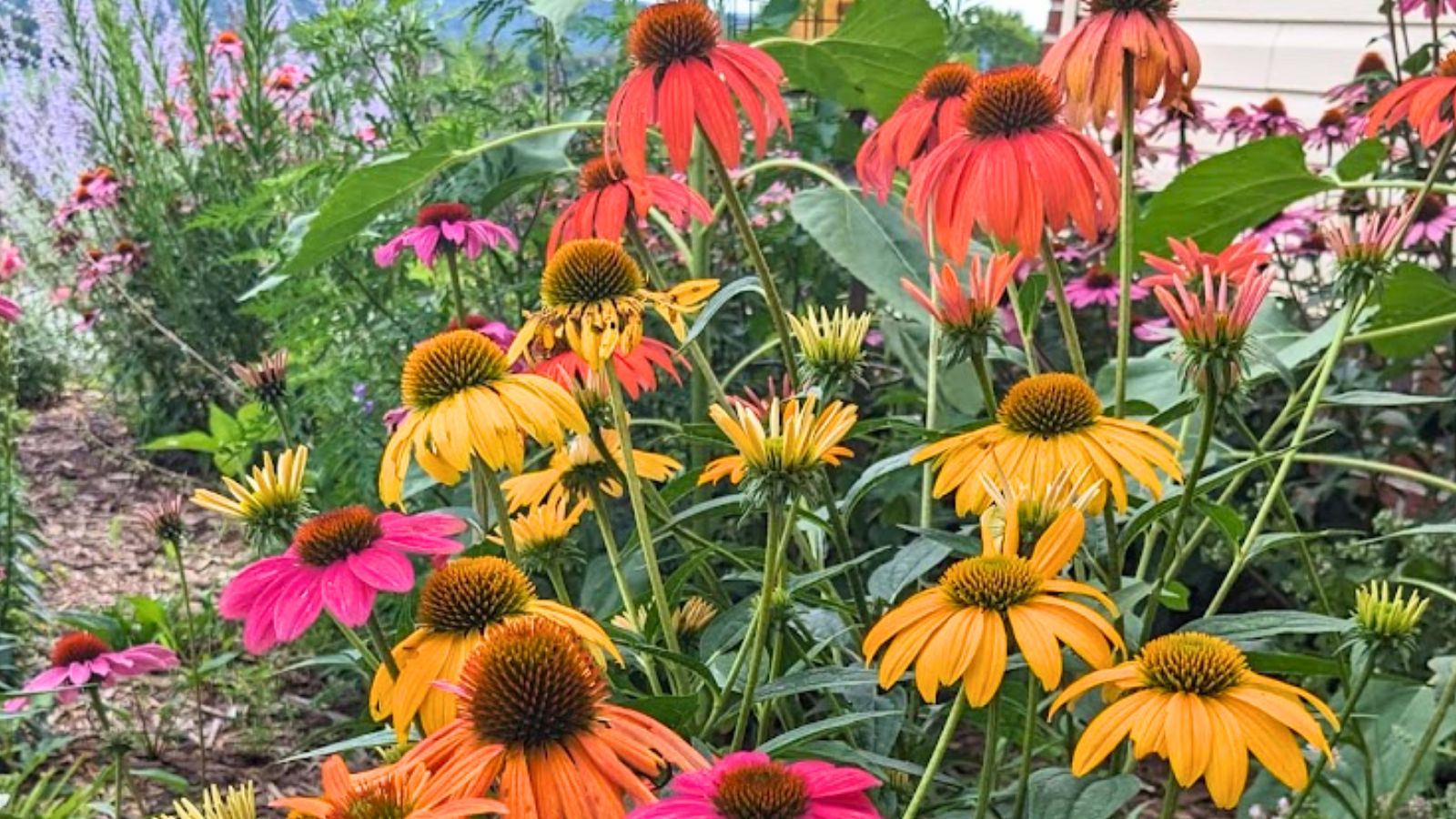
One of the best ways to create a bird-friendly yard is to think beyond the feeder. A garden filled with native plants provides a complete habitat, offering food, shelter, and nesting sites. Native plants have evolved alongside local bird species and are perfectly suited to meet their needs.
Actionable Tips:
- Go Native: Visit a local nursery that specializes in native plants. Ask for recommendations for your specific soil and light conditions.
- Plant in Layers: Create a multi-level habitat with groundcovers, perennials, shrubs, and trees. This structure provides a variety of foraging and nesting opportunities.
- Include Evergreens: Plant evergreen trees and shrubs to provide critical shelter for birds during the harsh winter months.
- Don’t Deadhead Everything: Let some of your flowers, like coneflowers and sunflowers, go to seed in the fall. They provide a natural and nutritious food source for finches and other seed-eating birds.
9. Provide Fresh Water Sources
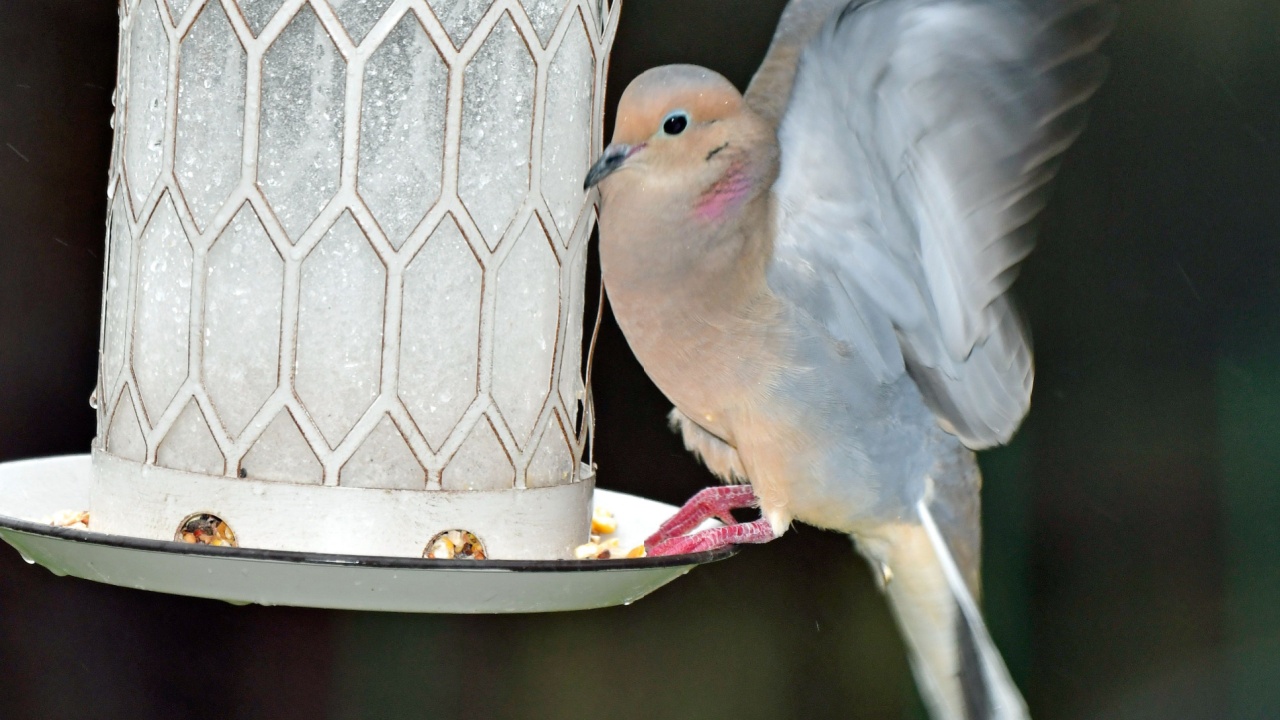
Water is just as essential for birds as food. They need it for drinking and for bathing, which helps them keep their feathers in top condition for insulation and flight. A reliable water source can attract even more species to your yard than feeders alone, including birds that don’t eat seeds.
Actionable Tips:
- Keep it Shallow: Birds prefer shallow water. If your bird bath is deep, place a few flat stones in the basin to create shallow perching areas.
- Change Water Frequently: Dump and refill your bird bath every day or two. This prevents the buildup of algae and bacteria and stops mosquito larvae from hatching.
- Add Movement: The sound and sight of moving water are highly attractive to birds. Consider adding a small dripper, mister, or a solar-powered “water wiggler” to your bird bath.
- Winter Water: In colder climates, a heated bird bath is an invaluable resource for birds when other water sources are frozen solid.
10. Install Nesting Boxes

In addition to food and water, birds need safe places to raise their young. With increasing habitat loss, natural nesting cavities in old trees are becoming scarce. By installing a nesting box, or birdhouse, you can provide a much-needed home for cavity-nesting species like bluebirds, chickadees, wrens, and titmice.
Actionable Tips:
- Choose the Right Box: Different species have specific requirements for entrance hole size and box dimensions. Research the needs of the birds you want to attract.
- Prioritize Safety: Select a box made of unfinished, natural wood. It should have drainage holes in the bottom and ventilation slits at the top. Never use a box with an external perch, as this can help predators gain access.
- Proper Placement: Mount the box on a pole with a predator guard. Face the entrance away from prevailing winds and direct afternoon sun (ideally northeast). Plus, boxes should be placed 5–15 feet high.
- Clean Out Annually: After the breeding season is over, clean out the old nesting material. This removes parasites and makes the box ready for a new family the following spring.
Enjoy Your Bird-Friendly Oasis
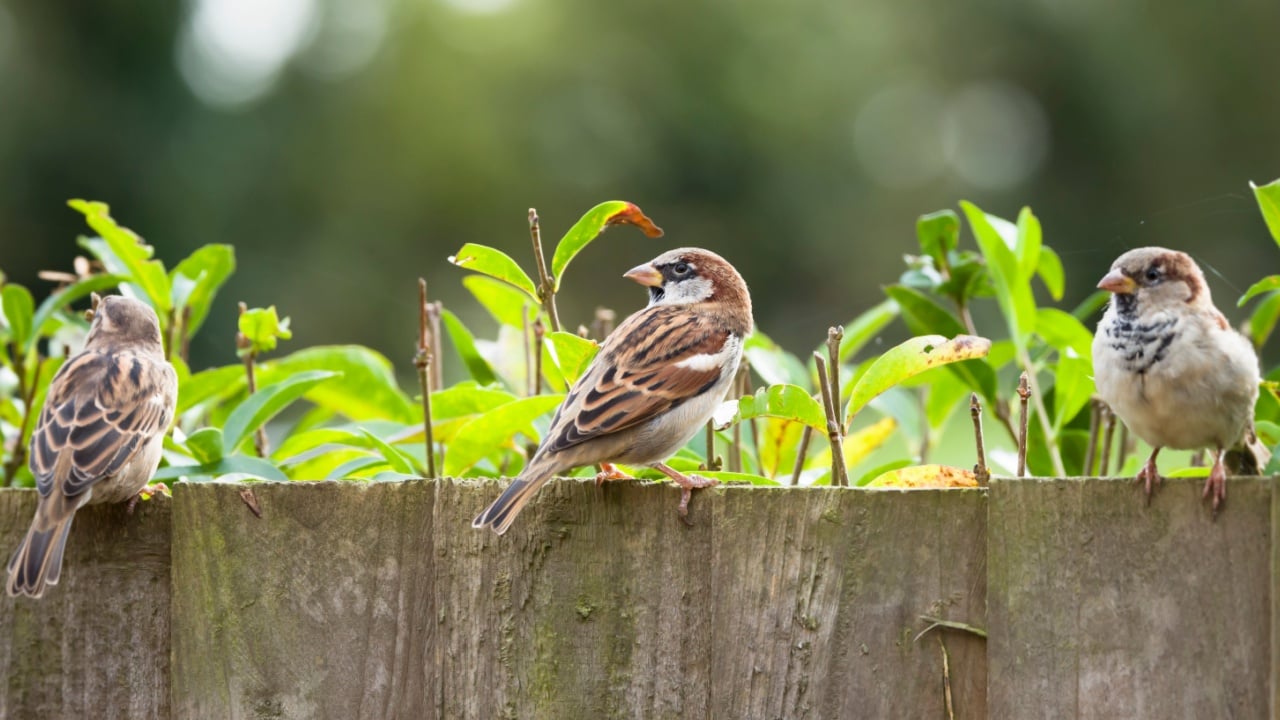
Creating a safe and welcoming backyard for birds is an ongoing, joyful process. Start with one or two of these tips and gradually build from there. Perhaps you begin by committing to a regular feeder cleaning schedule, or maybe your first step is planting a native shrub.
Each small action you take contributes to a healthier environment for your local bird population. As you implement these changes, you’ll be rewarded with a more vibrant, active, and fascinating backyard. Grab your binoculars, a cup of coffee, and enjoy the beautiful, bustling sanctuary you’ve created.
Read more
12 Tips to Make Bluebirds Regular Visitors in the Yard
Do It For the Birds and Bees: 8 Easy Steps to Build a Pollinator Garden