Want to Attract More Birds to the Yard? 21 Plants They Love
Do you want to turn your backyard into a haven for colorful songbirds and graceful feathered visitors?
By planting the right flowers, shrubs, and trees, you can attract a diverse array of birds while supporting their food, shelter, and nesting needs. This guide introduces 21 bird-friendly plants that are perfect for creating a lively, bird-filled yard. From nectar-rich blooms to berry-laden bushes, these plants will bring birds to your yard year-round.
1. Sunflowers (Helianthus)

Sunflowers are nature’s natural bird feeders. Their large seed-laden heads attract finches, sparrows, and chickadees, providing a valuable food source from late summer into winter. Birds often hang acrobatically from the sunflower’s heads as they feast on the seeds.
Plant sunflowers in well-drained soil with plenty of sunlight. They’re low-maintenance and grow quickly, making them ideal for beginner gardeners. Choose tall varieties for dramatic effect or smaller branching types for more flowers.
2. Serviceberry (Amelanchier)

Serviceberry’s juicy purple berries ripen in early summer, drawing robins, cardinals, and waxwings to your yard. The blooms in spring also attract insects, which nesting birds rely on for protein.
Serviceberries adapt to both full sun and partial shade. Plant them in moist, well-drained soil. Depending on the variety, they can grow as small shrubs or tall multi-stemmed trees.
3. Cardinal Flower (Lobelia cardinalis)

Hummingbirds are irresistibly drawn to the vibrant red, tubular flowers of cardinal flower. Blooming in late summer, this native perennial provides nourishment when other nectar sources have diminished.
Plant cardinal flowers in moist soil in areas that receive partial sun. They naturalize well around ponds or in wet gardens.
4. Coneflower (Echinacea)
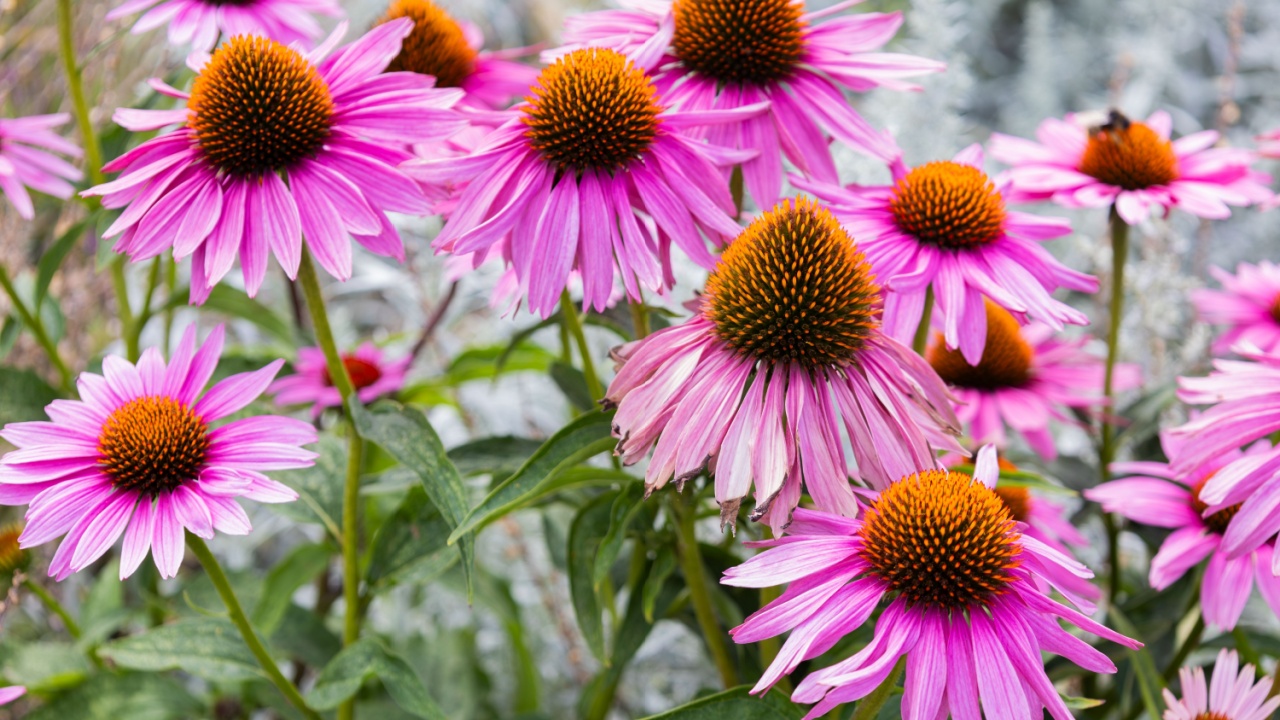
Coneflowers are a favorite among seed-eating birds like goldfinches and sparrows. Their rich nectar also welcomes butterflies and bees during the summer months.
Plant coneflowers in well-drained soil with full sun exposure. They’re drought-tolerant and thrive with minimal care, making them suitable for low-maintenance gardens.
5. Black-Eyed Susan (Rudbeckia)
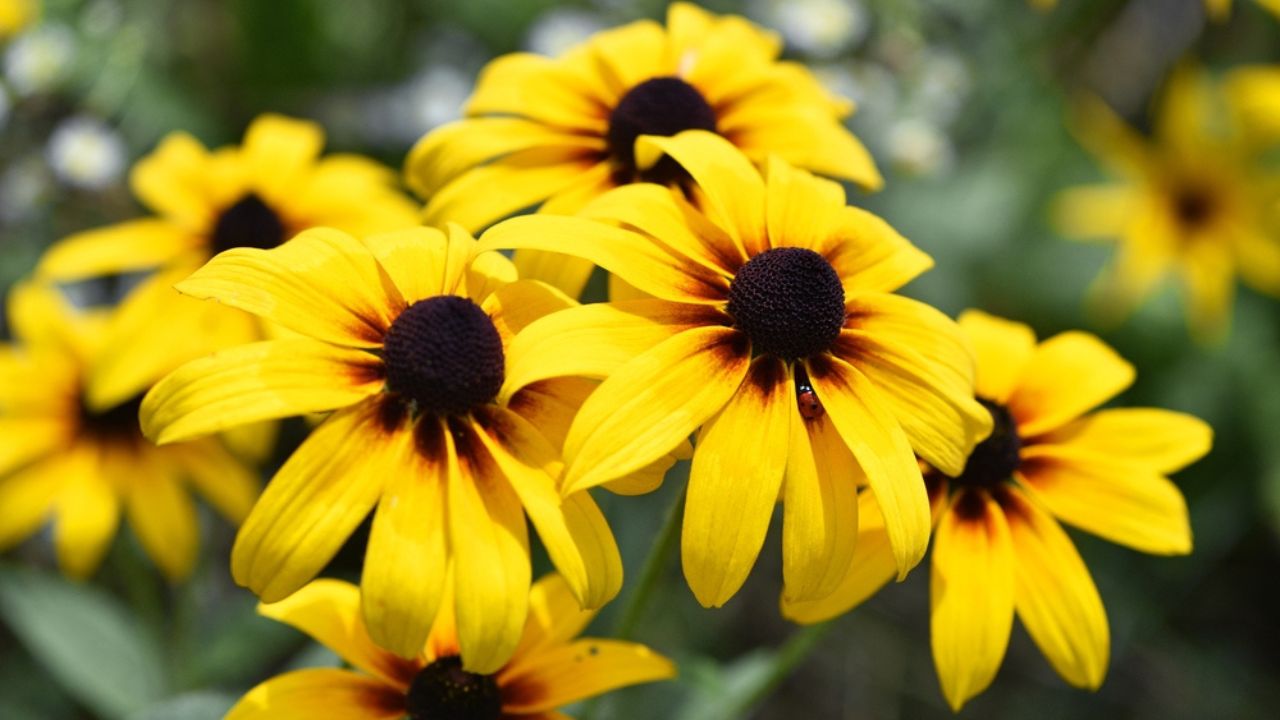
The seed-filled heads of black-eyed Susans keep goldfinches and chickadees visiting throughout fall. For birds, the seeds provide nutrition when food becomes scarce.
Black-eyed Susans are incredibly low-maintenance. They grow best in full sun and can tolerate both dry and moist soils.
6. Elderberry (Sambucus)
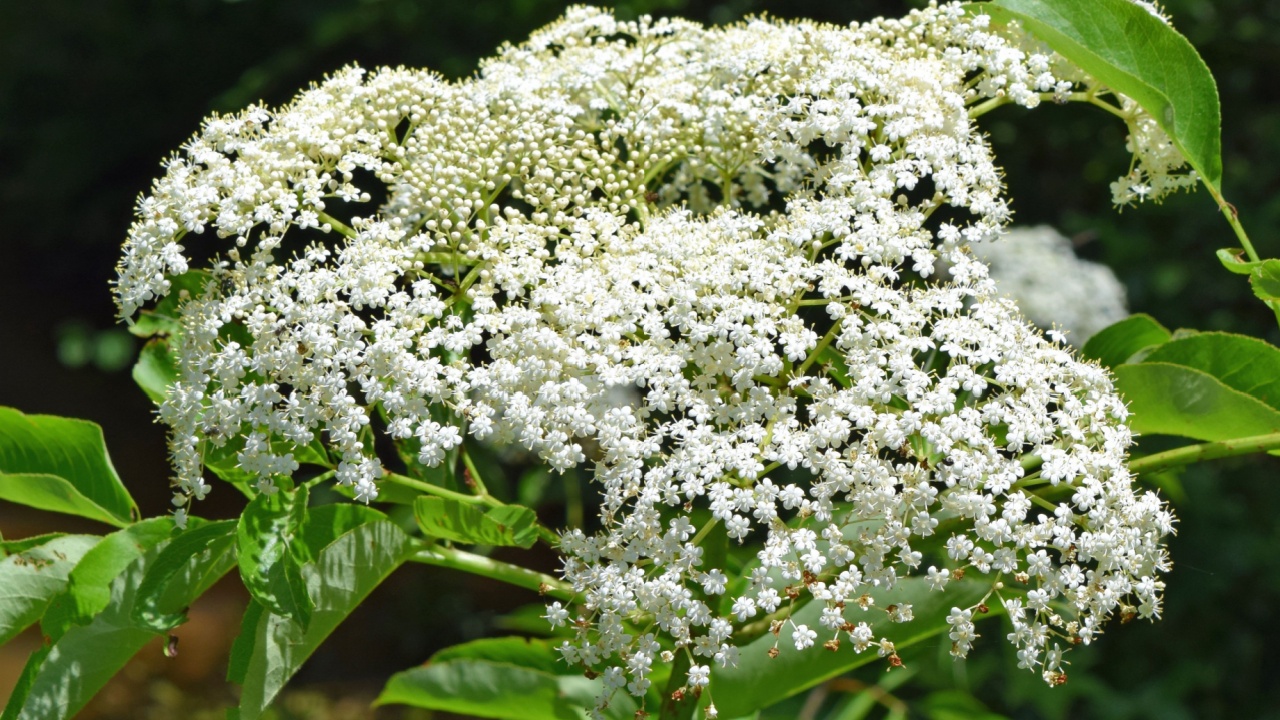
An excellent choice for summer bird snacks, elderberries attract over 120 bird species. Their dense foliage offers shelter, while their berries fuel migration preparation.
Elderberries thrive in moist, slightly acidic soil. Plant them in full sun to partial shade and provide ample space since these shrubs spread.
7. Milkweed (Asclepias)

While milkweed is best known for supporting monarch butterflies, birds love its fluffy seeds for nesting material. Its robust stems also serve as perfect perches.
Milkweed grows well in most soils and thrives in sunny locations. Leave the pods intact for birds to enjoy throughout the colder months.
8. Holly (Ilex)

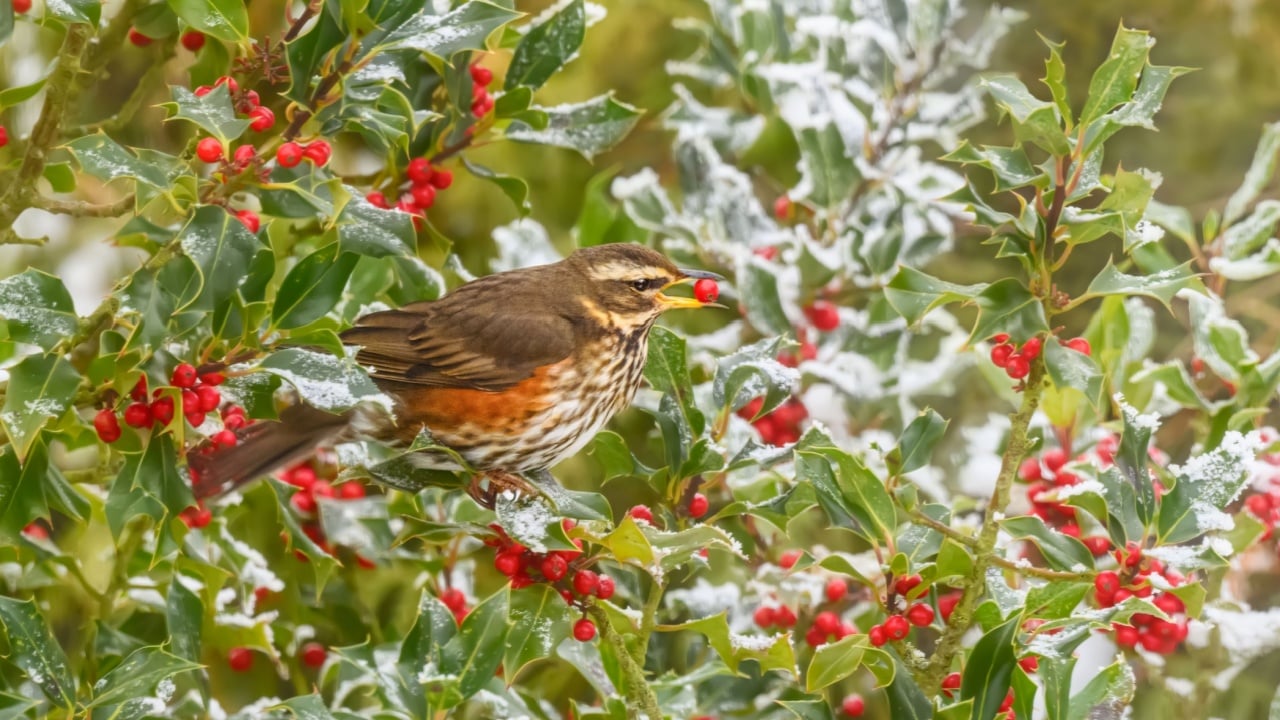
Bright red berries on holly bushes are a winter essential for thrushes, robins, and bluebirds. The dense foliage provides a haven for overnight roosting.
Plant hollies in full sun to partial shade and ensure you have a male variety nearby for pollination. They’re adaptable to a variety of soil conditions.
9. Trumpet Honeysuckle (Lonicera sempervirens)
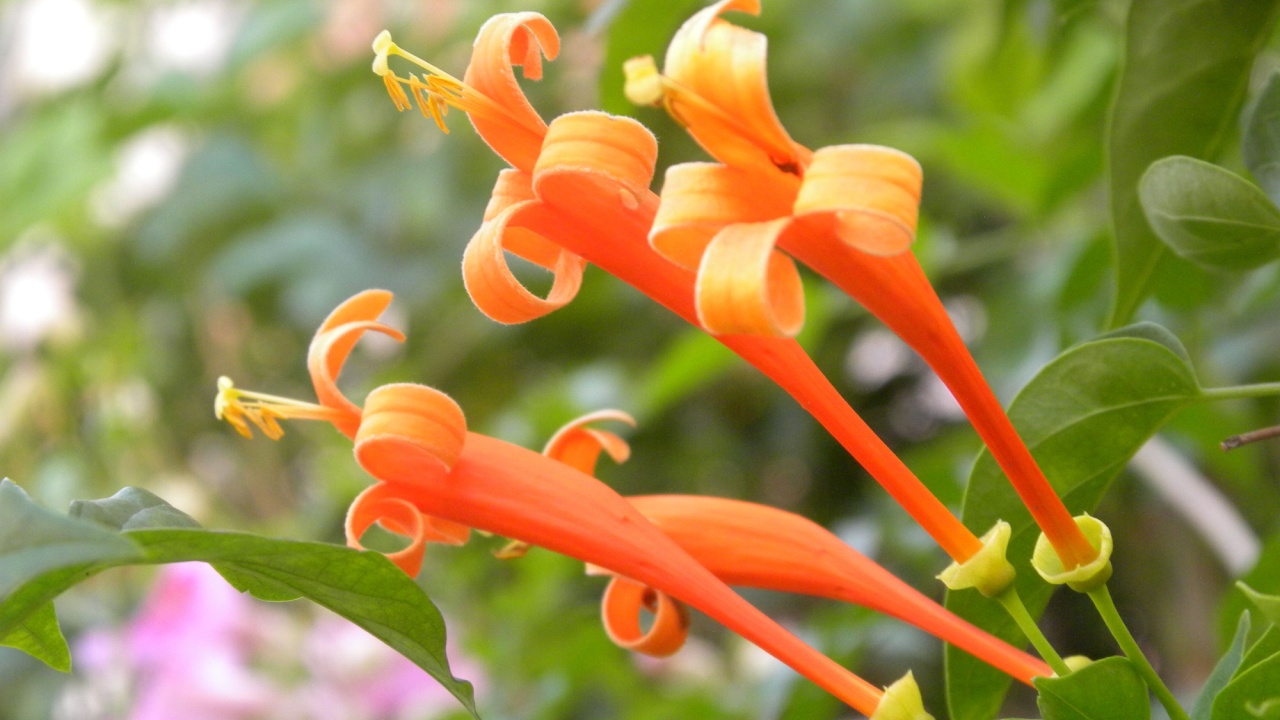
This native alternative to invasive honeysuckles is a hummingbird magnet. Its long-blooming tubular flowers provide nectar from spring through fall, while the red berries nourish other birds later in the year.
Grow trumpet honeysuckle on an arbor or trellis in sunny spots. It thrives in well-drained soil and benefits from pruning after flowering.
10. Viburnum
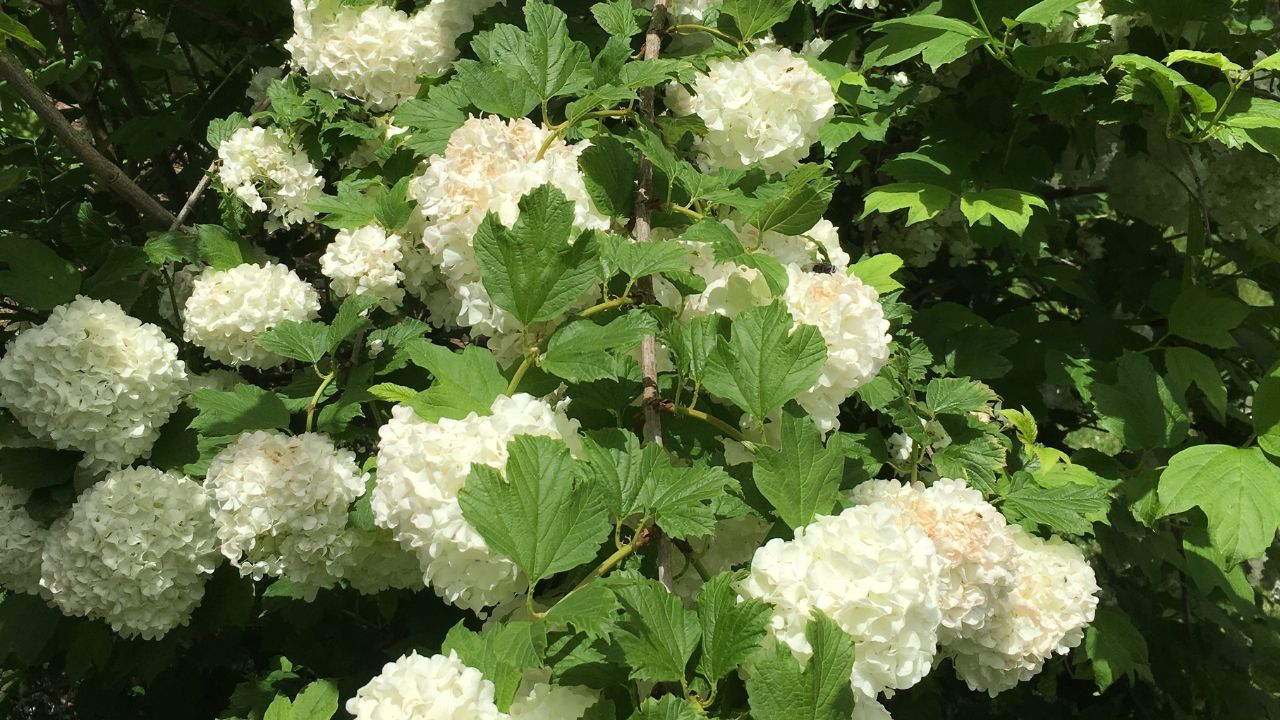
Viburnum shrubs offer year-round benefits, from spring flowers that support pollinators to fall berries that feed robins, thrashers, and cardinals.
Viburnums prefer full sun but can tolerate partial shade. They adapt well to most soil types, making them versatile for various garden settings.
11. Winterberry (Ilex verticillata)

Winterberries stand out as a valuable food source in the snowy months. Birds like cedar waxwings and bluebirds devour the berries to sustain themselves through the cold.
This deciduous holly thrives in wet areas, making it perfect for rain gardens. Plant both male and female bushes.
12. Crabapple (Malus)
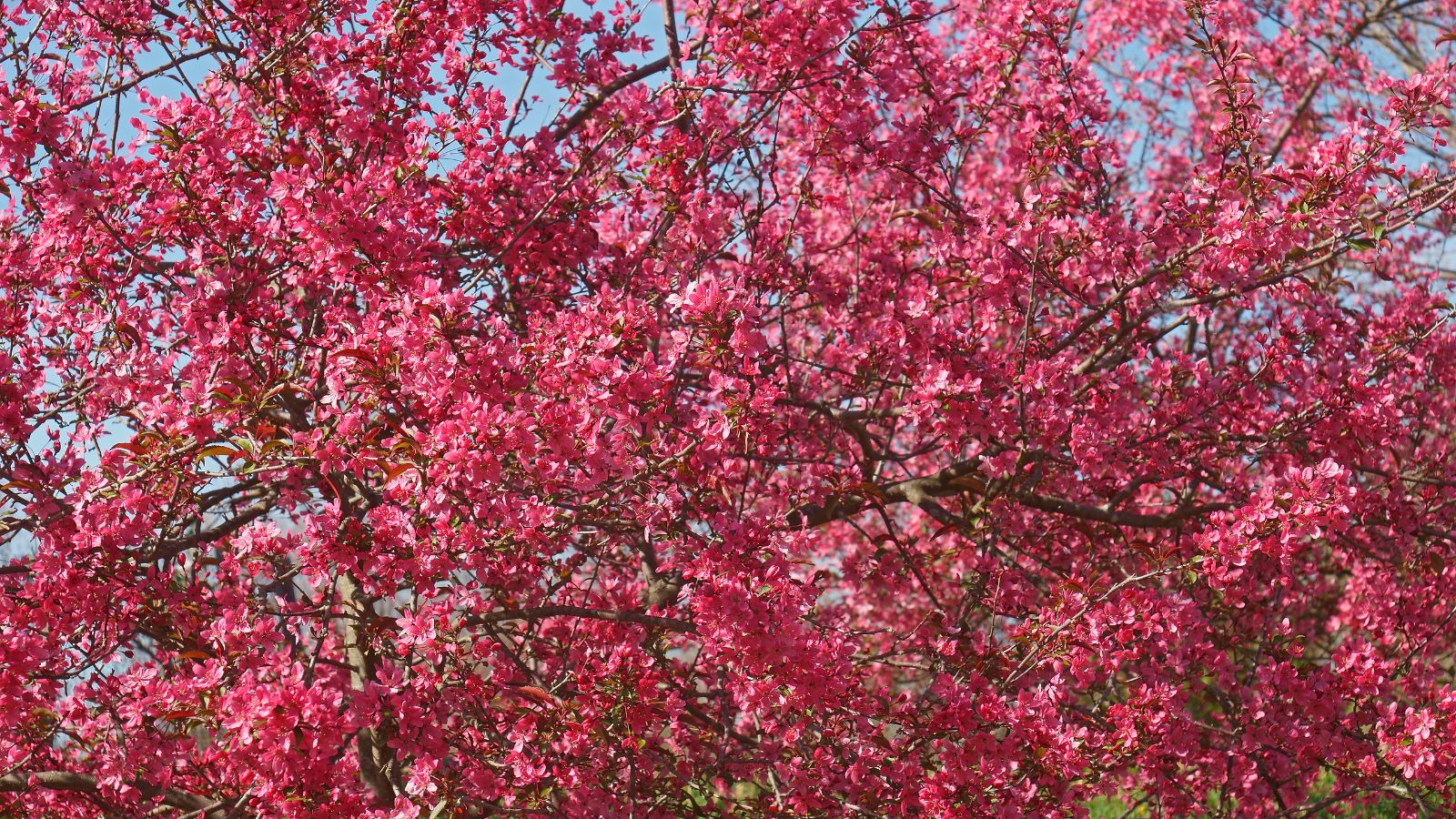
The small, colorful fruits of crabapple trees persist well into winter, feeding robins, waxwings, and other hungry birds. Their dense canopies also offer nesting sites.
Crabapple trees flourish in well-drained soil and full sun. Choose varieties known for holding their fruit throughout the cold months.
13. Asters (Symphyotrichum)
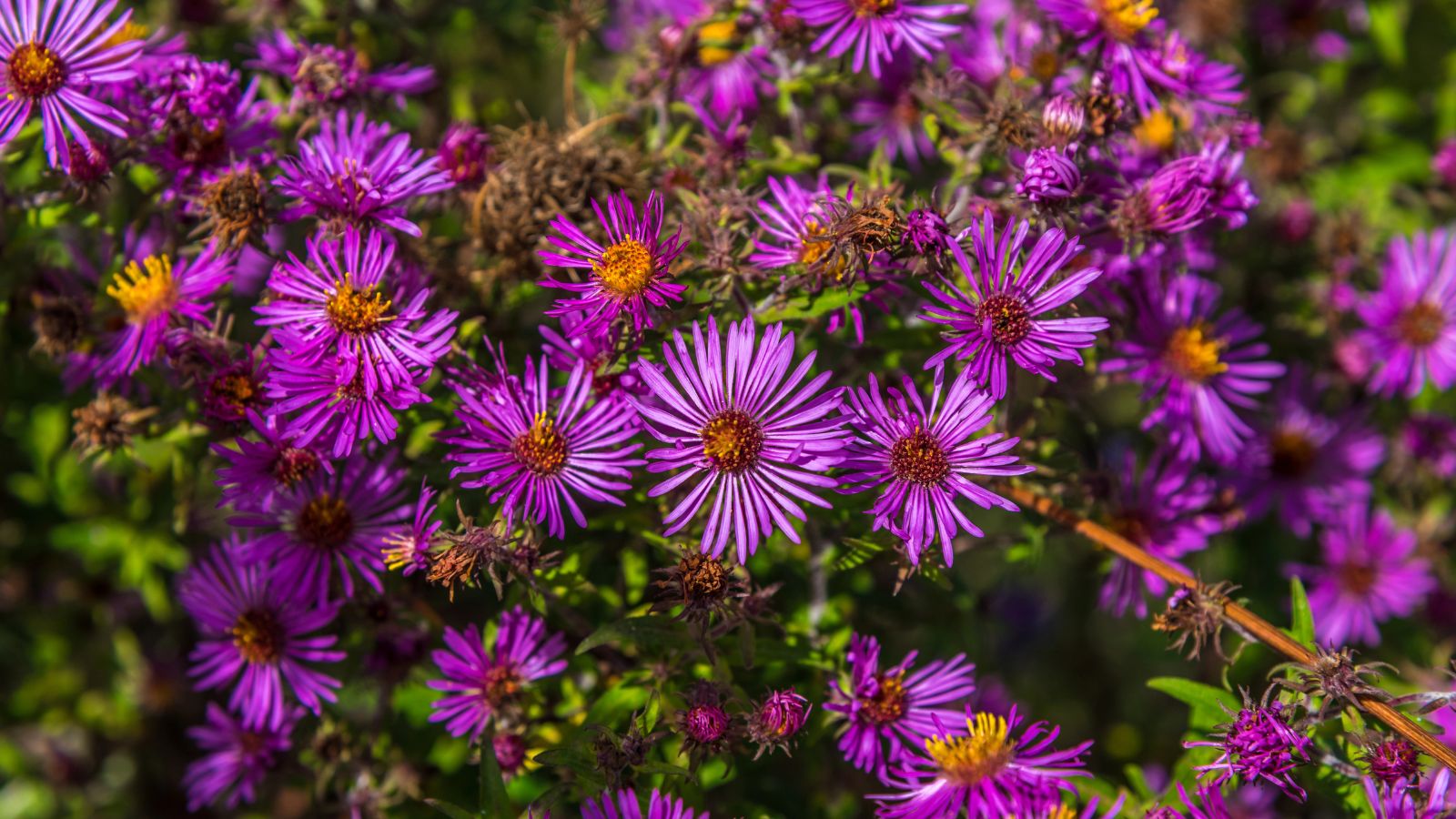
Asters produce tiny seeds that goldfinches and chickadees crave. Their late-season blooms also support pollinators that indirectly help bird populations.
Plant asters in sunny locations with well-drained soil. They spread gradually, adding significant visual interest to gardens over time.
14. Beautyberry (Callicarpa)

Beautyberry is as visually stunning as it is bird-friendly. Its purple berries catch the attention of mockingbirds, thrashers, and catbirds.
Expose beautyberry shrubs to full sun or partial shade. While tolerant of poor soils, they produce more berries when planted in enriched soil.
15. Oak Trees (Quercus)

Beyond providing ample acorns for jays and woodpeckers, oaks support hundreds of caterpillar species, the mainstay for raising baby birds.
Although slow-growing, oaks are long-term investments. Plant them in a sunny spot with loamy soil.
16. Dogwood (Cornus)

Dogwood trees are beloved by birds for their nutrient-rich berries and protective, horizontal branches ideal for perching.
Dogwoods prefer partial shade and well-drained soil. They work well on woodland edges or under taller trees.
17. Chokeberry (Aronia)
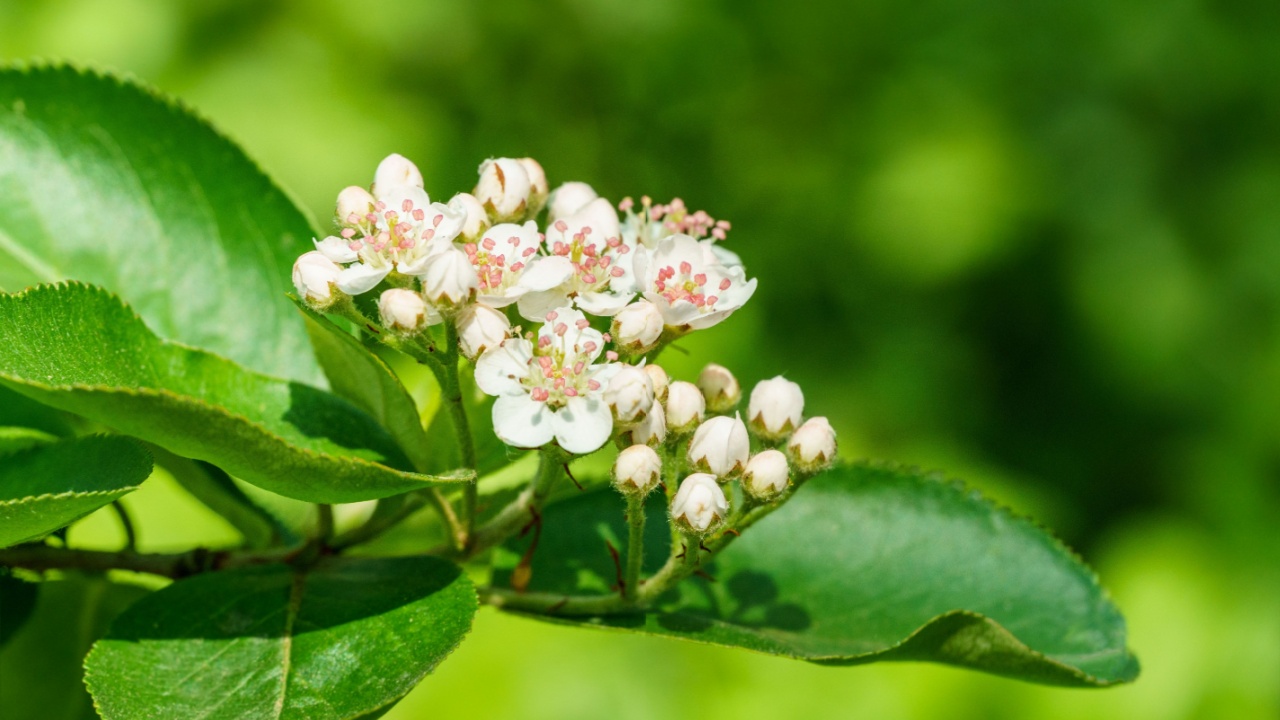
Chokeberries produce abundant fruit that sweetens after frost, attracting robins and cedar waxwings. The shrubs also provide dense cover.
These shrubs thrive in moist but well-drained soils and can tolerate wet conditions. They’re suitable for a range of climates and space sizes.
18. Mexican Sunflower (Tithonia rotundifolia)
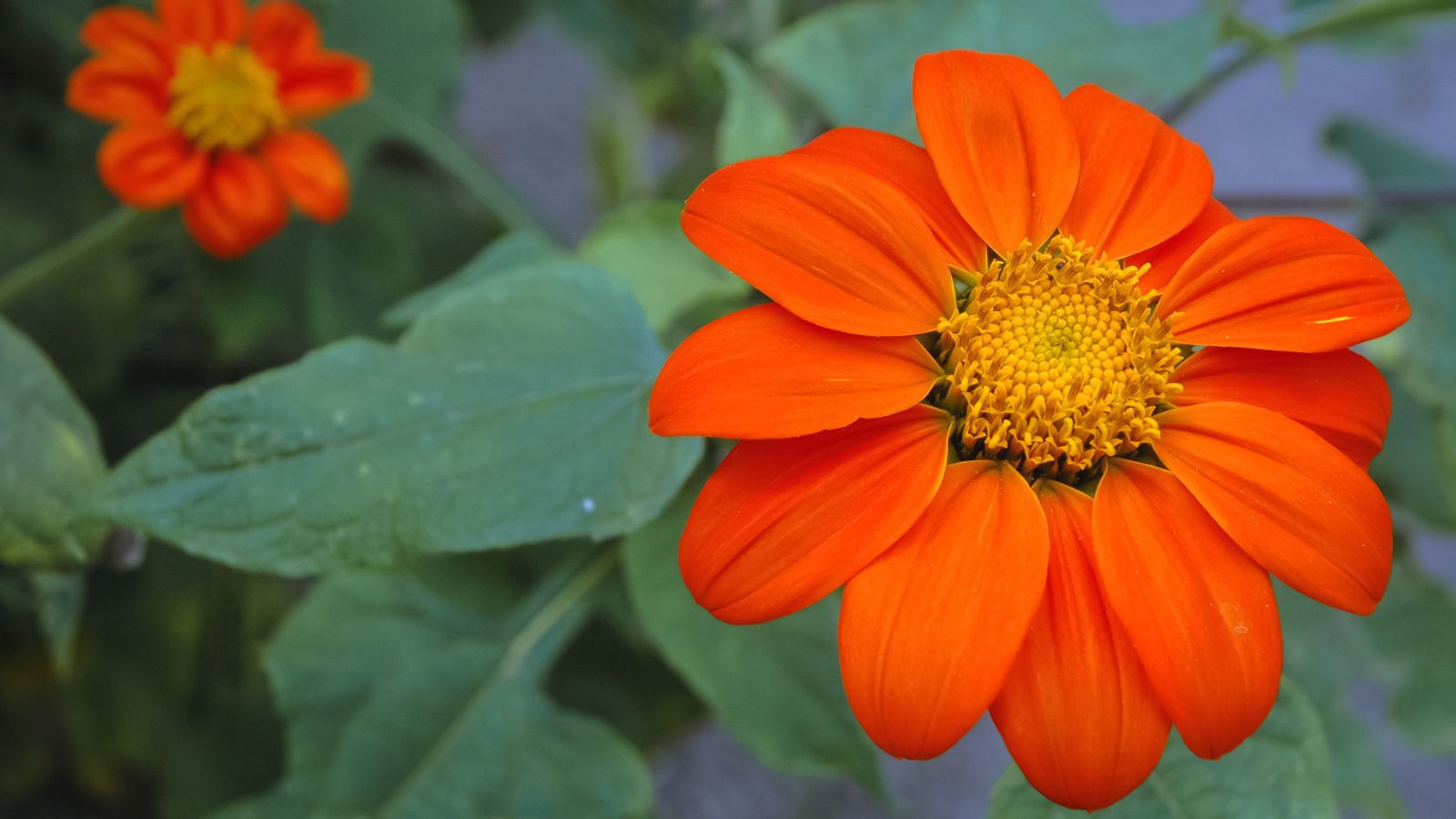
With their vibrant orange flowers, Mexican sunflowers draw in hummingbirds and seed-eating birds alike. Their stunning blooms are also highly attractive to butterflies.
Plant seeds in full sun and well-drained soil after the last frost. These annuals grow quickly and require minimal care.
19. Spicebush (Lindera benzoin)
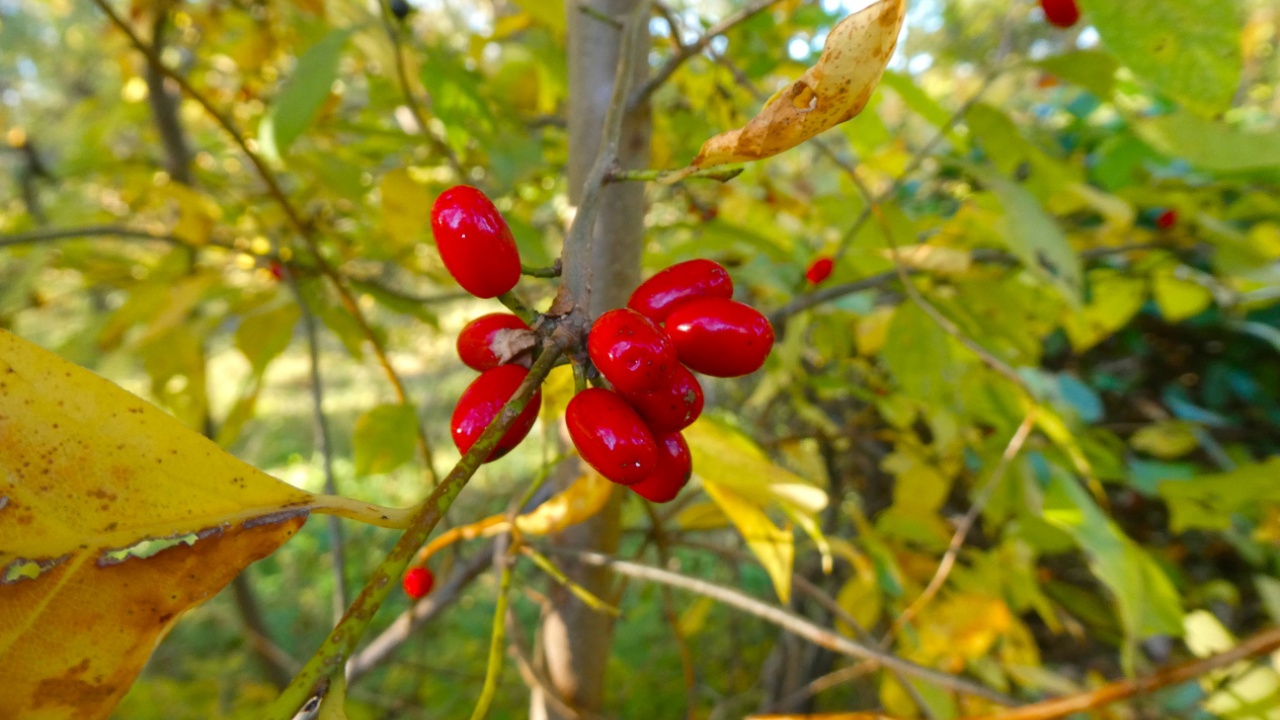
Spicebush berries are a favorite of thrushes and other migratory birds. Their aromatic leaves also host spicebush swallowtail caterpillars.
This shrub thrives in shaded, moist areas and adapts well to woodland gardens.
20. Magnolia (Magnolia grandiflora)
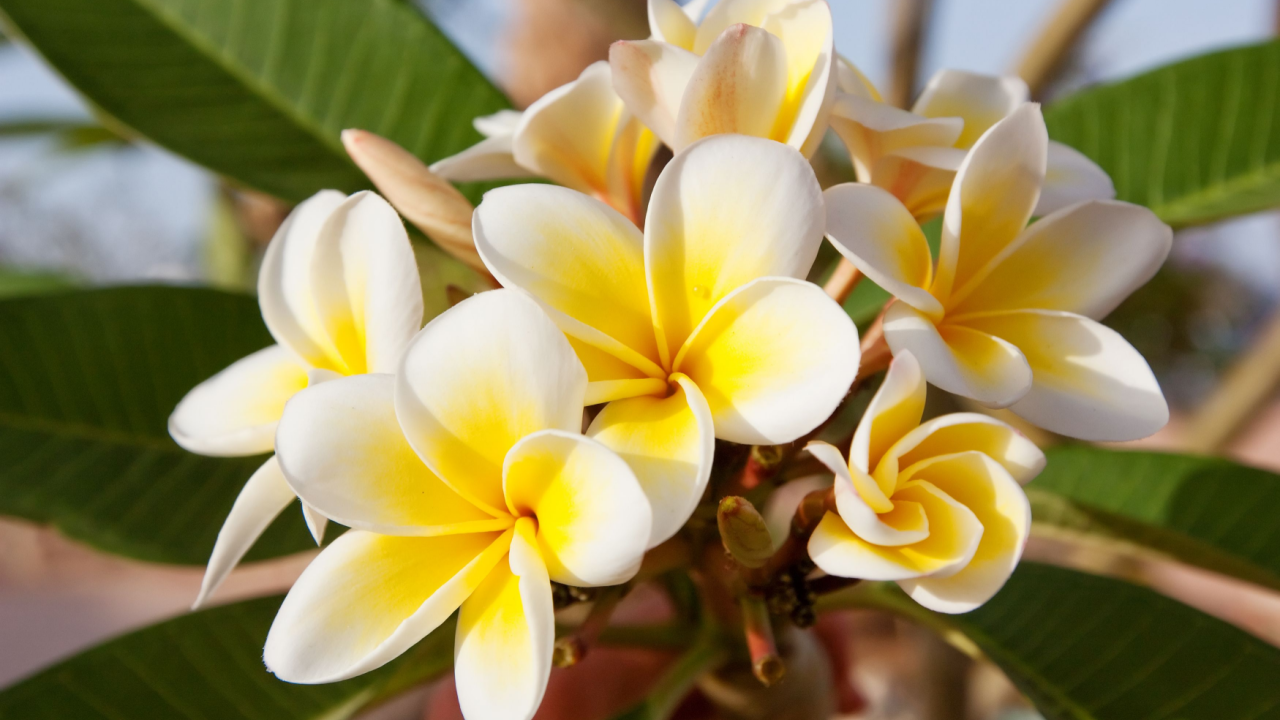
Magnolias provide seeds that cardinals and finches love while offering dense foliage for shelter. Their blossoms also attract pollinators that birds feed on.
Magnolias prefer well-drained soil and thrive in full sun. Choose varieties suited to your climate zone.
21. Joe-Pye Weed (Eutrochium purpureum)
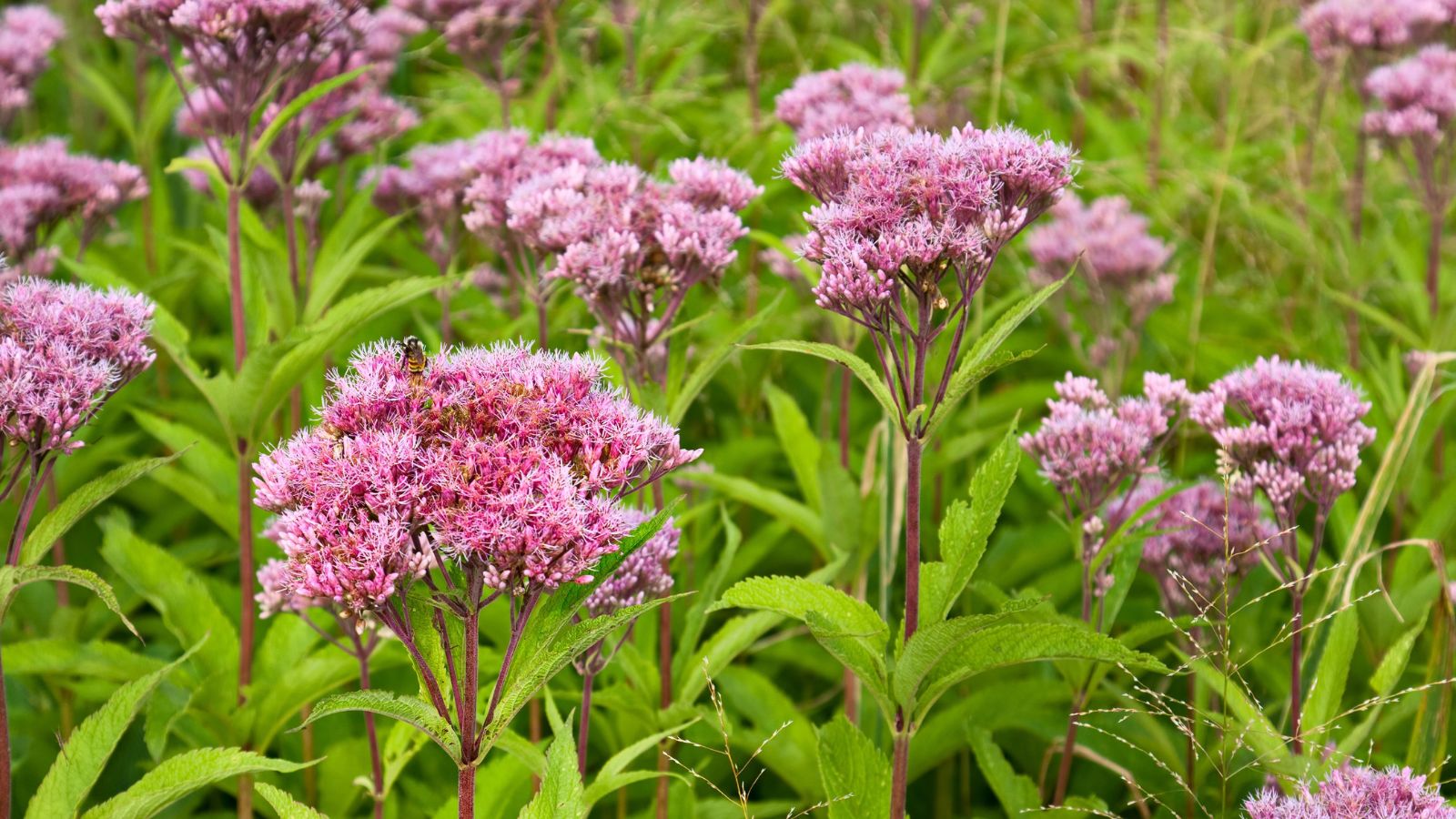
Joe-Pye Weed attracts swarms of butterflies, which, in turn, provide a food source for birds. Its seed-filled heads nourish songbirds well into fall.
Plant in moist, fertile soil in sunny to partially shaded areas. These tall perennials add vertical interest to wildflower gardens.
Create a Bird-Friendly Backyard

By planting a variety of bird-friendly species, you can create a vibrant habitat that attracts birds throughout the year. You might also consider bird feeders, birdbaths, and other things that attract birds to a yard.
Whether you’re a beginner or seasoned gardener, incorporating these plants into your landscape will transform your yard into a bird-watching haven.