11 Flowers That Look Great Around a Birth Bath (And Will Attract Visitors)
A bird bath can be the most beautiful, bird-filled corner of your yard—if you plant the right flowers around it. The best choices offer nectar, seeds, safe perches, and seasonal color without crowding the basin or blocking sightlines for wary birds.
In this guide, we’ll take a closer look at 11 flowers to plant around a bird bath to make it pop, so you can create a stunning and inviting space for both birds and humans to enjoy.
How We Selected These Plants
We built this list using research from trusted horticultural sources like university extension programs, botanical gardens, and pollinator organizations, along with insights from horticultural societies.
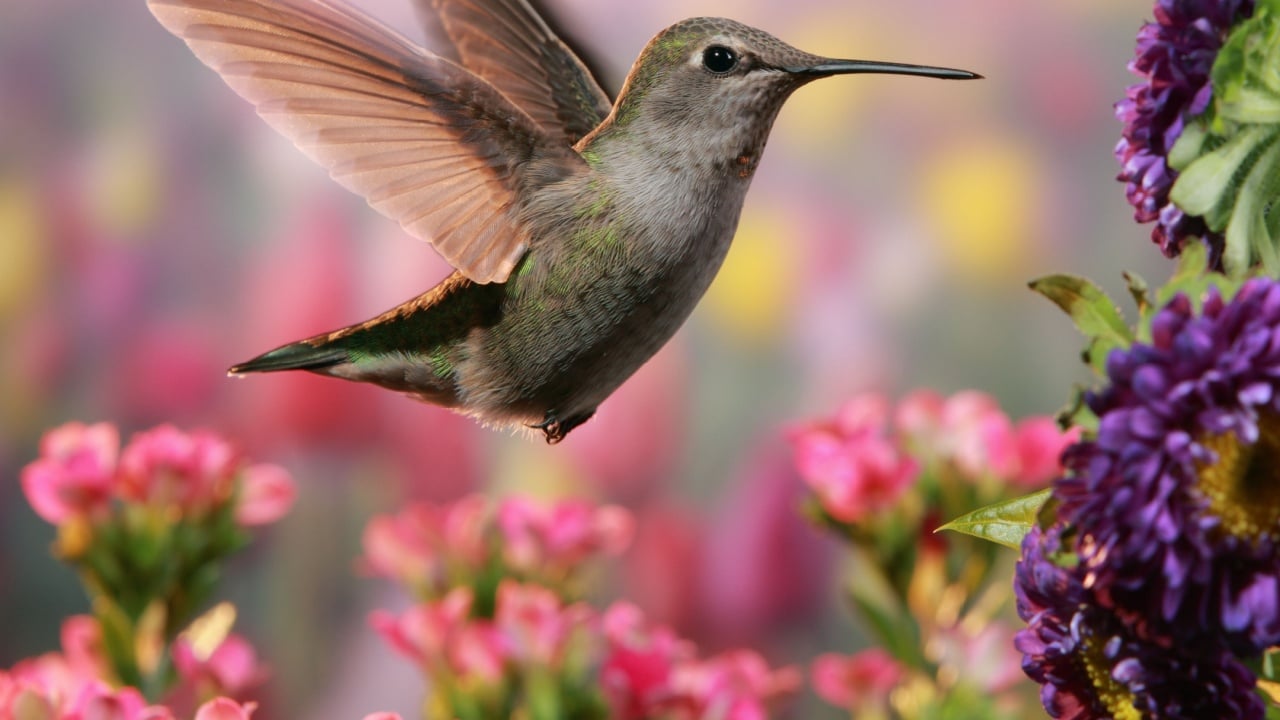
Most plants are directly recommended by experts at places such as the Royal Horticultural Society and Iowa State Extension. In a few cases where direct confirmation wasn’t available, we made educated inferences based on plant traits known to attract hummingbirds—such as tubular blooms, high nectar production, and bright red, orange, or pink flowers—supported by consistent gardener observations.
1. Salvia (Sage) — Hummingbird magnets with long bloom time
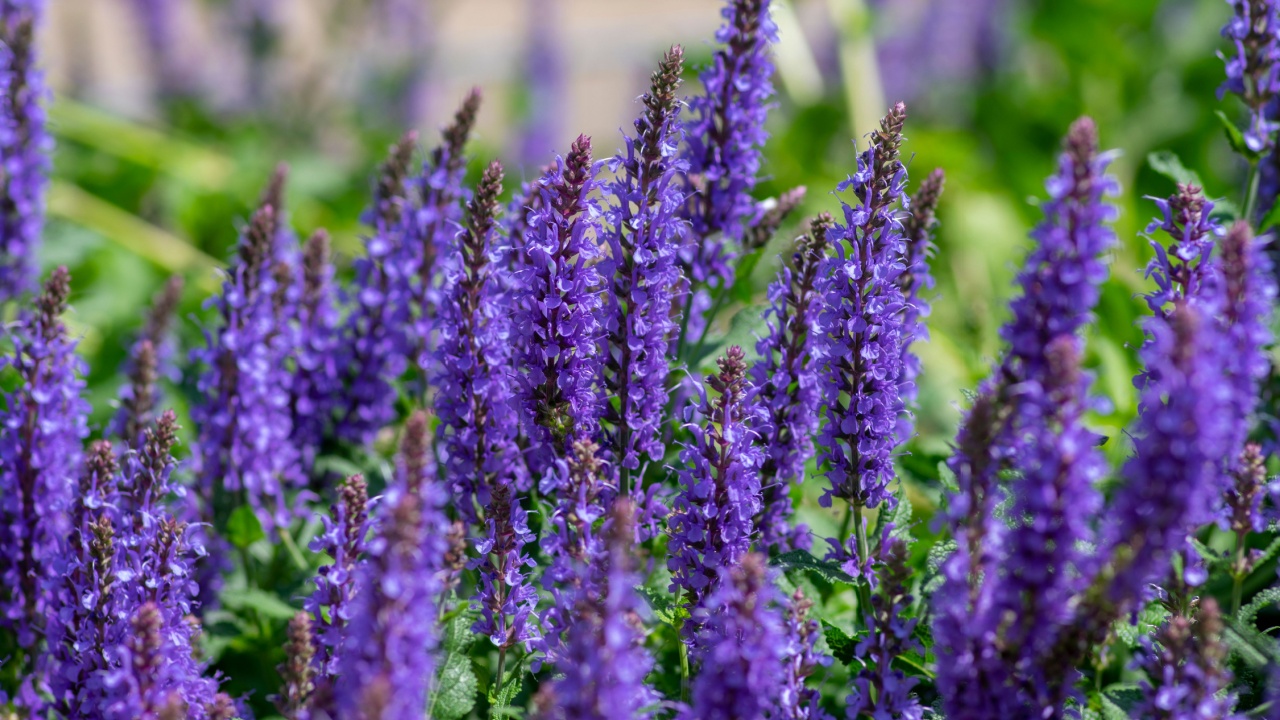
What it is: A sun-loving perennial or annual (depending on species) with upright spikes in red, purple, blue, or pink. Popular species include Salvia guaranitica, S. nemorosa, and S. splendens.
Why it fits near a bird bath: Salvias produce nectar-rich, tubular blooms that hummingbirds can feed from between sips at the bath. The vertical habit adds color without blocking approach routes. wide varieties rebloom with deadheading, keeping birds coming all summer.
Basic care tips:
-
- Sun/soil: Full sun; well-drained soil.
- Water: Moderate; drought-tolerant once established.
- Maintenance: Deadhead to extend flowering; cut back in late season. In cold climates, grow hardy types or treat tender varieties as annuals.
2. Echinacea (Coneflower) — Summer color and fall seedheads
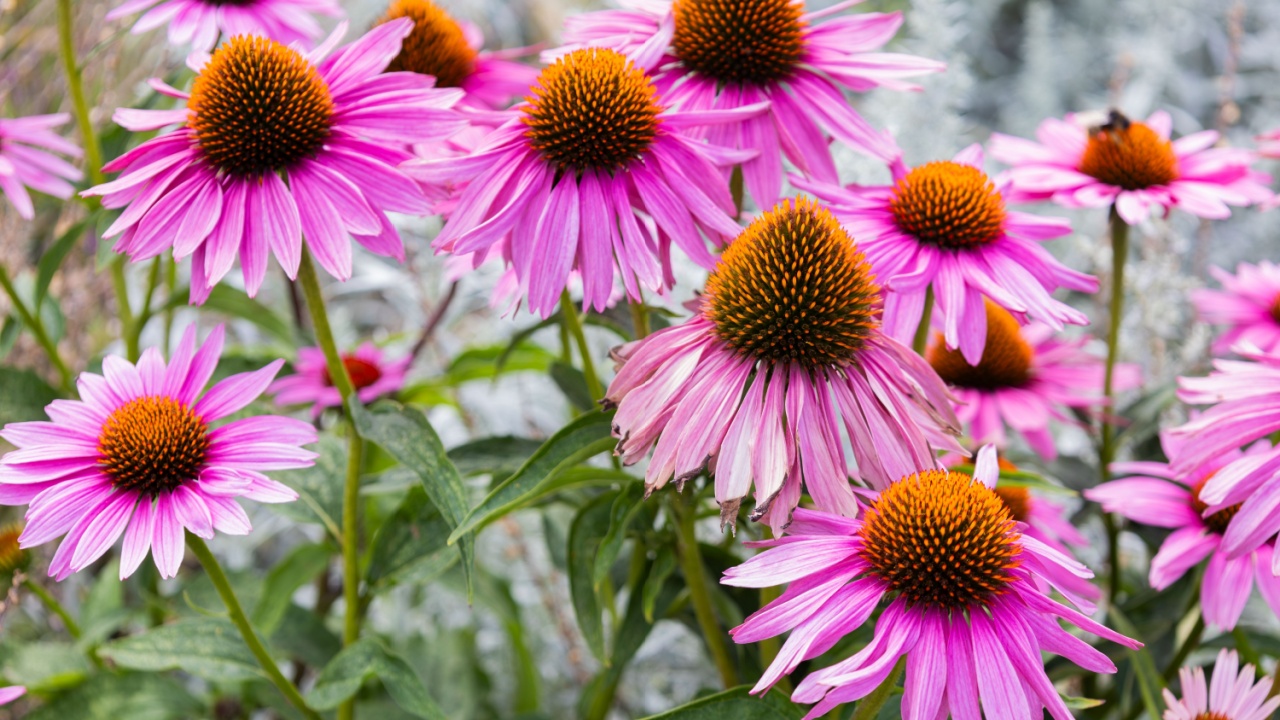
What it is: A tough perennial with daisy-like petals and prominent cones in purple, pink, white, or orange.
Why it fits near a bird bath: Butterflies visit summer blooms; goldfinches feast on the seeds in fall and winter. Planted a few feet from the pedestal, coneflowers create a mini foraging hub—water plus food—with strong stems that don’t sprawl.
Basic care tips:
-
- Sun/soil: Full sun; average, well-drained soil.
- Water: Low to moderate once established.
- Maintenance: Leave some seedheads standing for birds; divide clumps every 3–4 years to maintain vigor.
3. Black-eyed Susan (Rudbeckia) — Cheery blooms with wildlife payoff
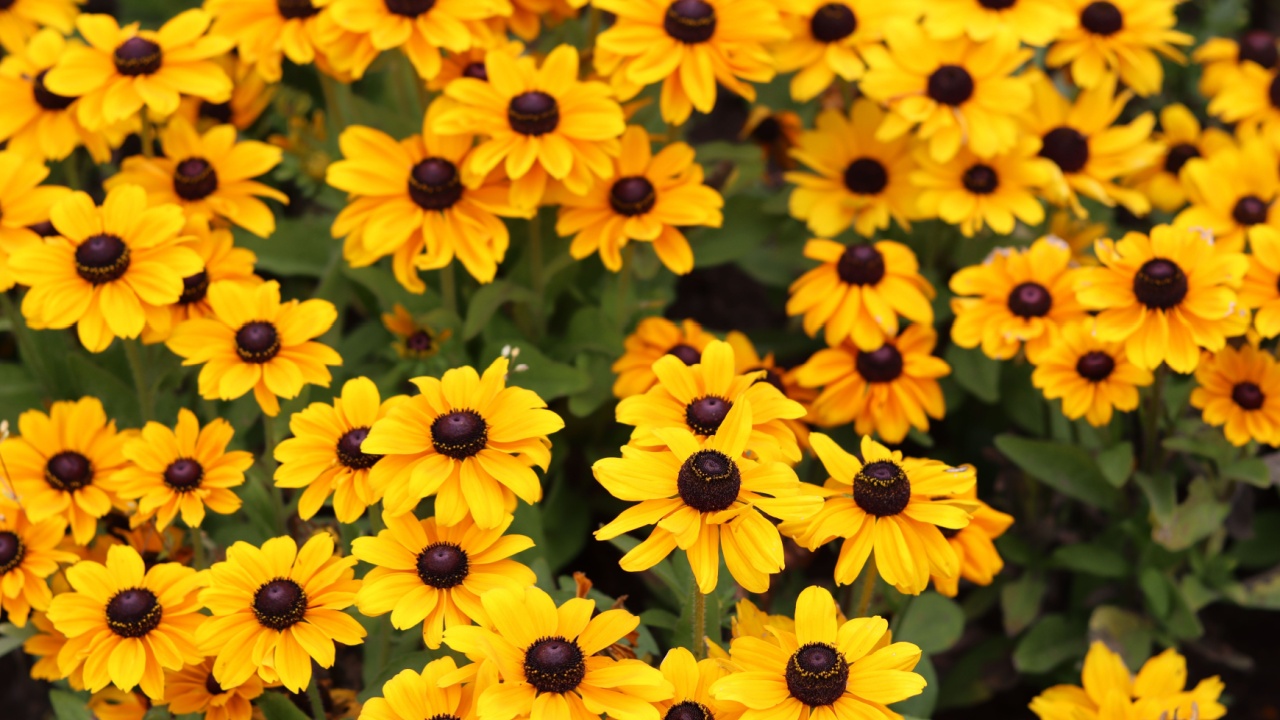
What it is: A late-summer perennial with golden petals and dark cones; great for massing.
Why it fits near a bird bath: Similar to echinacea, rudbeckia attracts pollinators during bloom and offers seeds for finches later. The upright habit frames a bird bath without overshadowing it, and sturdy stems handle wind.
Basic care tips:
-
- Sun/soil: Full sun; adaptable to many soils.
- Water: Moderate; mulch to conserve moisture.
- Maintenance: Deadhead for extended bloom, but allow some cones to mature for birds.
4. Lavender (Lavandula) — Structure, scent, and pollinator draw
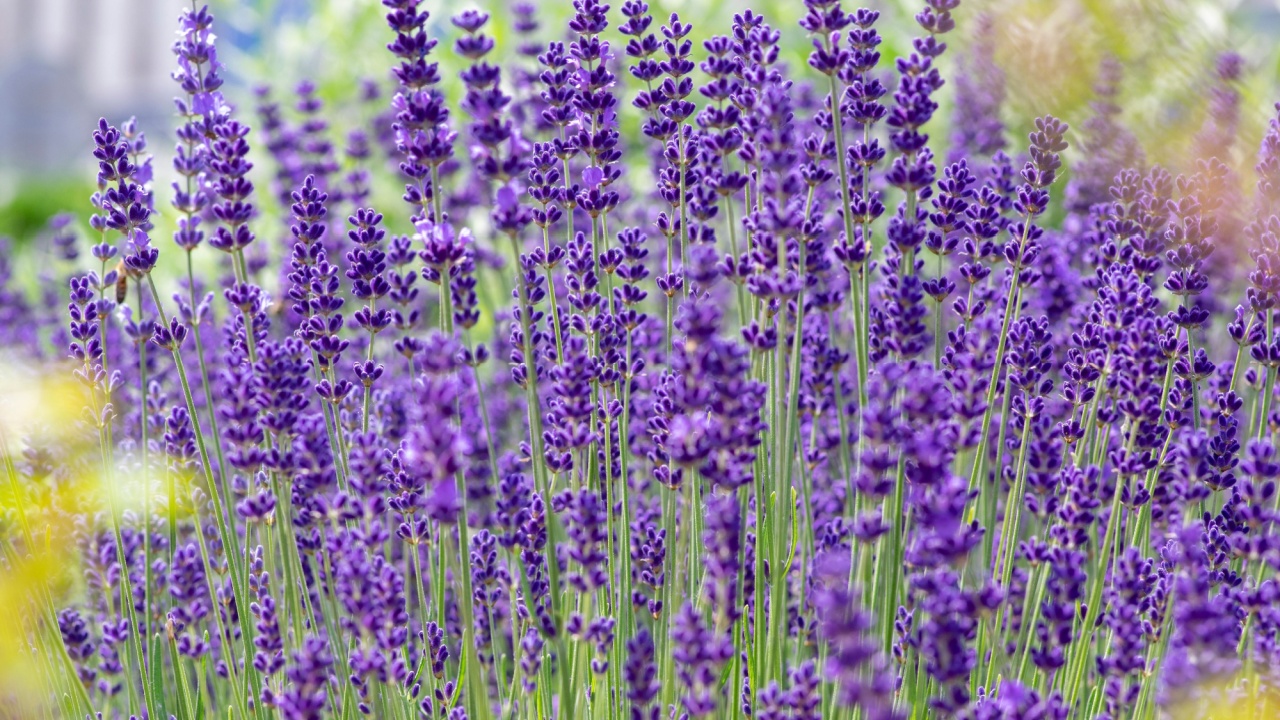
What it is: A compact, silvery shrub with fragrant purple-blue spikes, loved by bees and butterflies.
Why it fits near a bird bath: Low mounds won’t block sightlines around the basin, and aromatic foliage deters some pests. Lavender’s tidy form creates a calming, “finished” edge while supporting pollinators, and birds also feed on it.
Basic care tips:
-
- Sun/soil: Full sun; sharply drained soil (add sand/grit if needed).
- Water: Low once established; avoid wet feet.
- Maintenance: Shear lightly after bloom to keep a rounded shape; avoid cutting into woody stems.
5. Agastache (Hummingbird mint) — Fragrant spires and pest resistance

What it is: A drought-tolerant perennial with upright spikes in lavender, pink, orange, or coral; foliage often smells like anise.
Why it fits near a bird bath: Long, tubular florets are hummingbird-friendly, and the plant’s vertical habit won’t crowd the rim. Fragrant foliage can help deter deer and rabbits, keeping your bath plantings intact.
Basic care tips:
-
- Sun/soil: Full sun; well-drained, even gravelly soil.
- Water: Low once established.
- Maintenance: Deadhead for rebloom; avoid heavy, soggy soils.
6. Bee Balm (Monarda) — Fireworks for hummers

What it is: A mint-family perennial with bold, shaggy blooms in red, fuchsia, or pink; aromatic leaves.
Why it fits near a bird bath: Hummingbirds adore the nectar-rich flowers, and the cottage-garden look softens the hard lines of a pedestal or bowl. Place a short variety a few feet back so splashing doesn’t wet foliage.
Basic care tips:
-
- Sun/soil: Full sun to part sun; moist, well-drained soil.
- Water: Moderate; appreciates mulch.
- Maintenance: Choose mildew-resistant cultivars; divide clumps every 2–3 years to enhance airflow.
7. Lantana — Heat-proof color with nonstop nectar
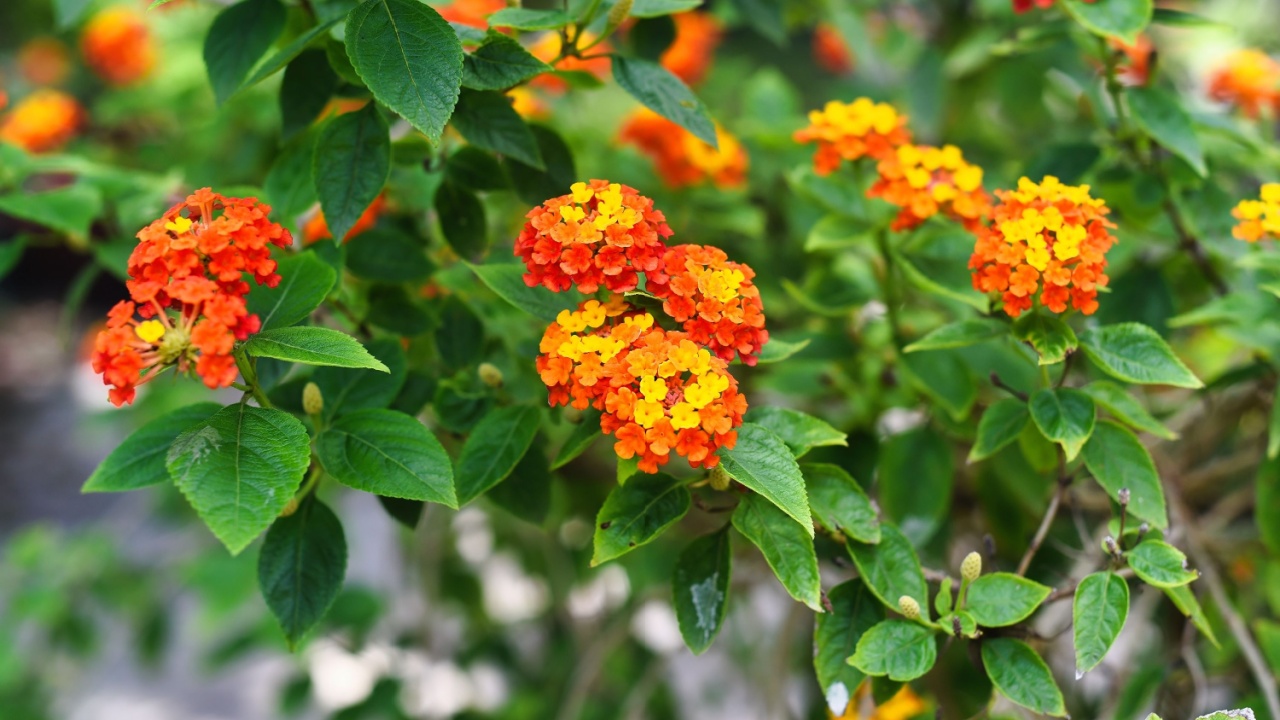
What it is: A sun-loving tender perennial (often grown as an annual) with citrus-hued flower clusters from spring to frost.
Why it fits near a bird bath: Lantana thrives in the reflected heat of hardscape and bowls, draws butterflies and hummingbirds, and stays compact in containers or at the bed front—great near the base without blocking birds.
Basic care tips:
-
- Sun/soil: Full sun; well-drained soil or potting mix.
- Water: Moderate; allow the top inch to dry in containers.
- Maintenance: Light deadheading keeps plants neat; check regional guidance, as lantana can be invasive in parts of the South.
- Warning: Invasive in Florida and Some Gulf Areas
8. Coreopsis (Tickseed) — Long bloom and airy texture
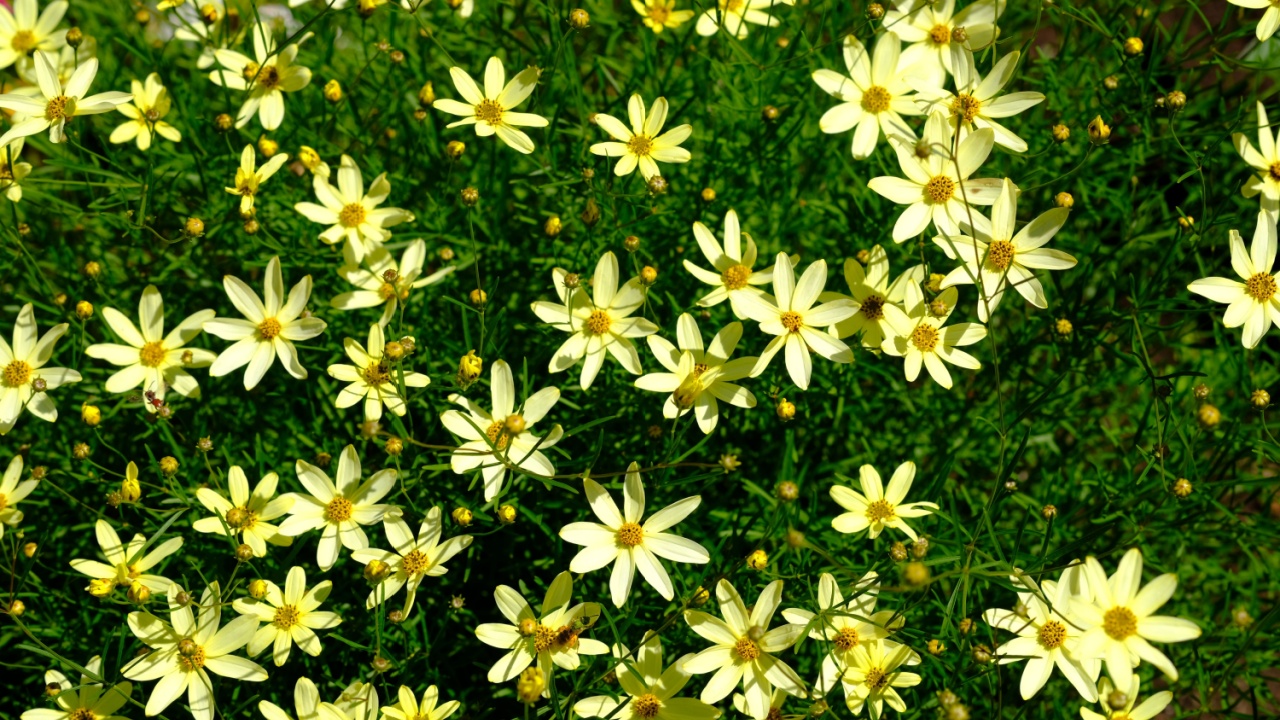
What it is: A floriferous perennial with daisy-like yellow, gold, or bicolored blooms on fine stems; wide varieties bloom for months.
Why it fits near a bird bath: Coreopsis forms airy mounds that won’t overwhelm the basin and keep color going through summer. Seedheads can feed small birds, and the open habit leaves clear flight paths.
Basic care tips:
-
- Sun/soil: Full sun; well-drained soil.
- Water: Low to moderate; drought-tolerant once established.
- Maintenance: Shear lightly midseason to refresh bloom; remove spent stems but leave some seed late in the season for birds.
9. Zinnia (Zinnia elegans) — Annual color that pulls in pollinators
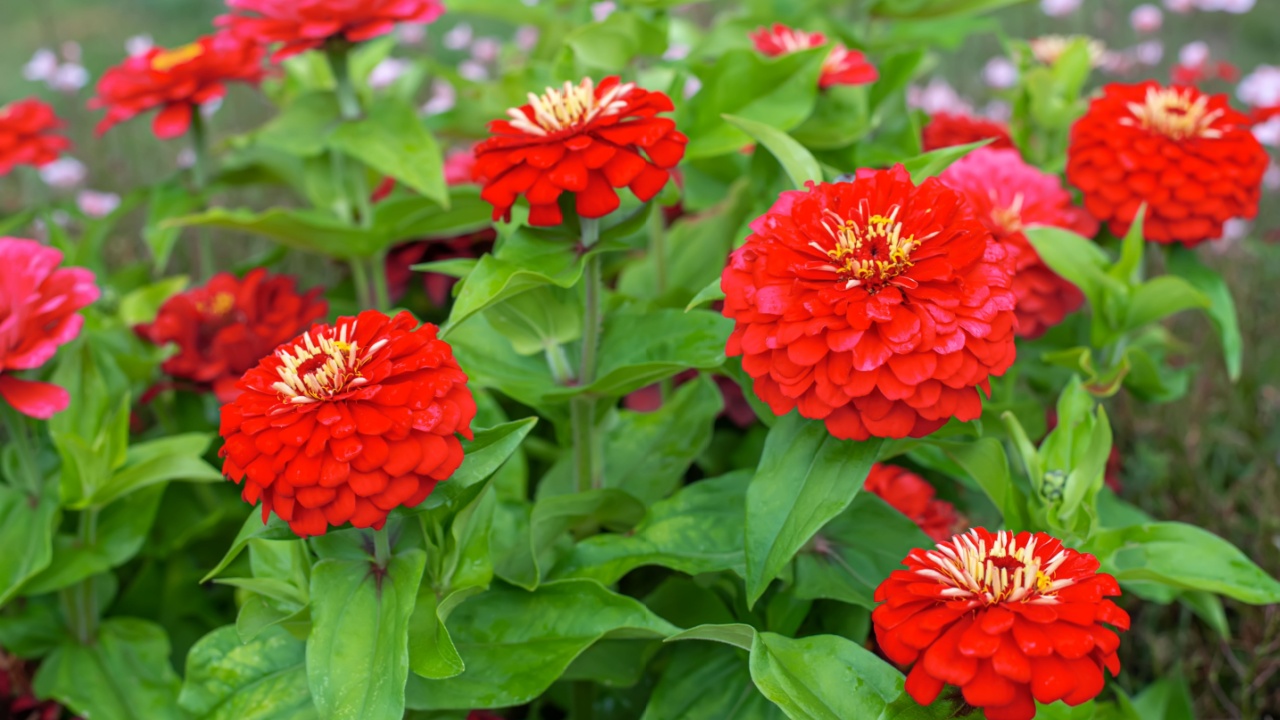
What it is: A fast-growing annual available in a rainbow of colors and sizes; excellent for cut flowers and pollinators.
Why it fits near a bird bath: Zinnias provide quick, season-long nectar for butterflies and beneficial insects, which in turn support insect-eating birds. Use shorter varieties near the bath to avoid blocking visibility; taller types can frame the scene behind it.
Basic care tips:
-
- Sun/soil: Full sun; fertile, well-drained soil.
- Water: Moderate; water at the oil level to avoid foliar mildew.
- Maintenance: Deadhead spent blooms to keep flowers coming; succession sow for nonstop color.
10. Penstemon (Beardtongue) — Sleek tubes for hummingbirds
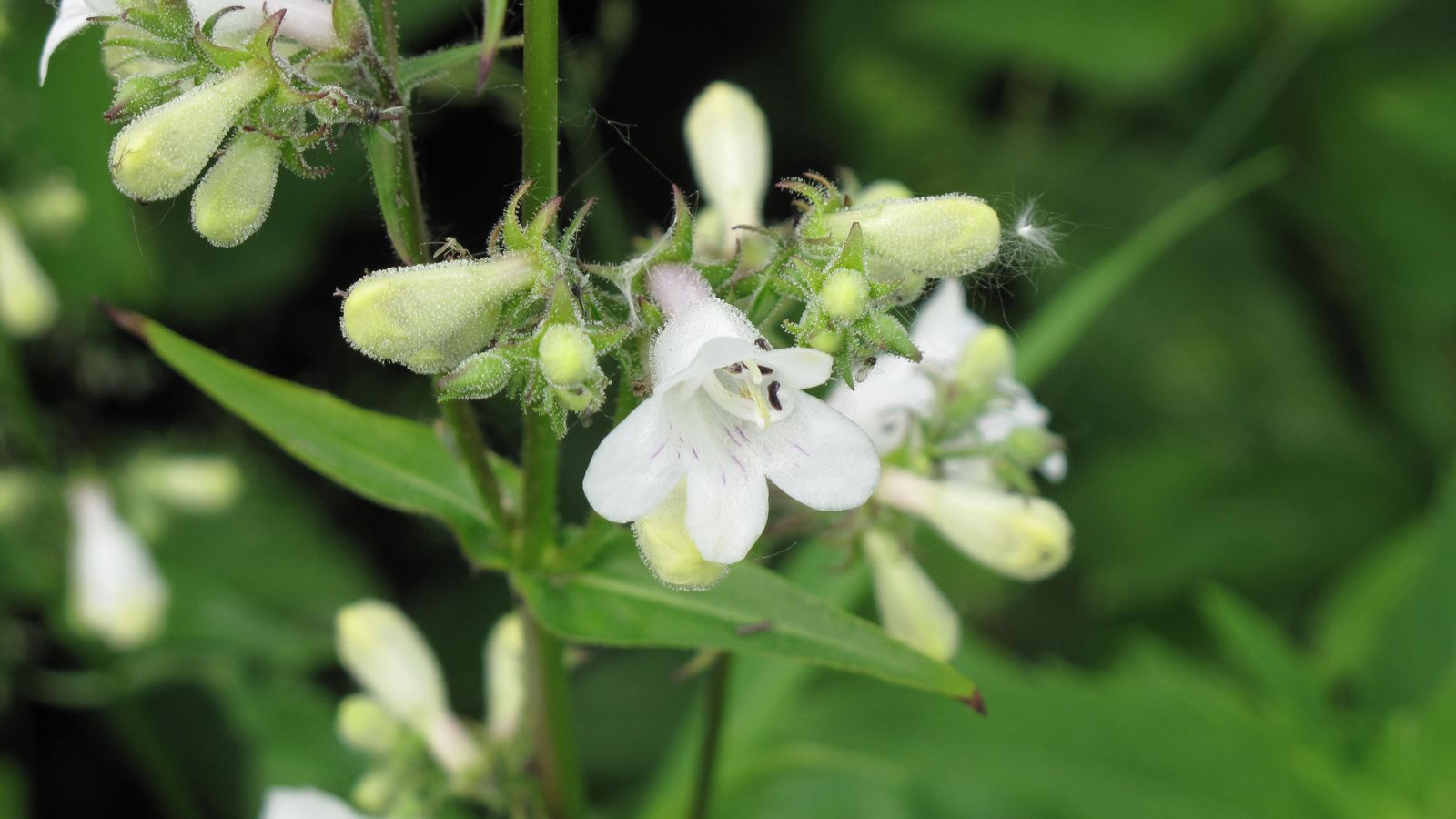
What it is: A sun-loving perennial with narrow, tubular flowers in reds, pinks, purples, or white; many remain upright and tidy.
Why it fits near a bird bath: The tubular blooms are perfectly shaped for hummingbird bills. Compact cultivars won’t crowd the space, and upright stems create vertical interest without heavy shade.
Basic care tips:
-
- Sun/soil: Full sun; well-drained or gravelly soil.
- Water: Low to moderate; avoid soggy conditions.
- Maintenance: Deadhead to prolong bloom; divide every few years if clumps thin in the center.
11. Native Asters (Symphyotrichum spp.) — Late-season lifeline

What it is: Fall-blooming perennials with starry purple, blue, pink, or white flowers that support pollinators late in the year.
Why it fits near a bird bath: When many flowers fade, asters keep nectar and pollen flowing, drawing insects that migrating or overwintering birds feed on. Their height can frame the bath from the back of the bed without creating a cover that predators can use.
Basic care tips:
-
- Sun/soil: Full sun to light shade; medium to moist soils.
- Size: 1-6 feet tall, depending on species and cultivar.
- Pruning: Cut back by half in early summer to keep compact (and delay blooms) or allow taller growth—for example, if the plant is in a wider bed that can accommodate its mature size. Trim back by one-third after flowering to prevent self-seeding.
- Propagation: Divide every few years in spring to maintain vigor.
Other Bird Bath Tips
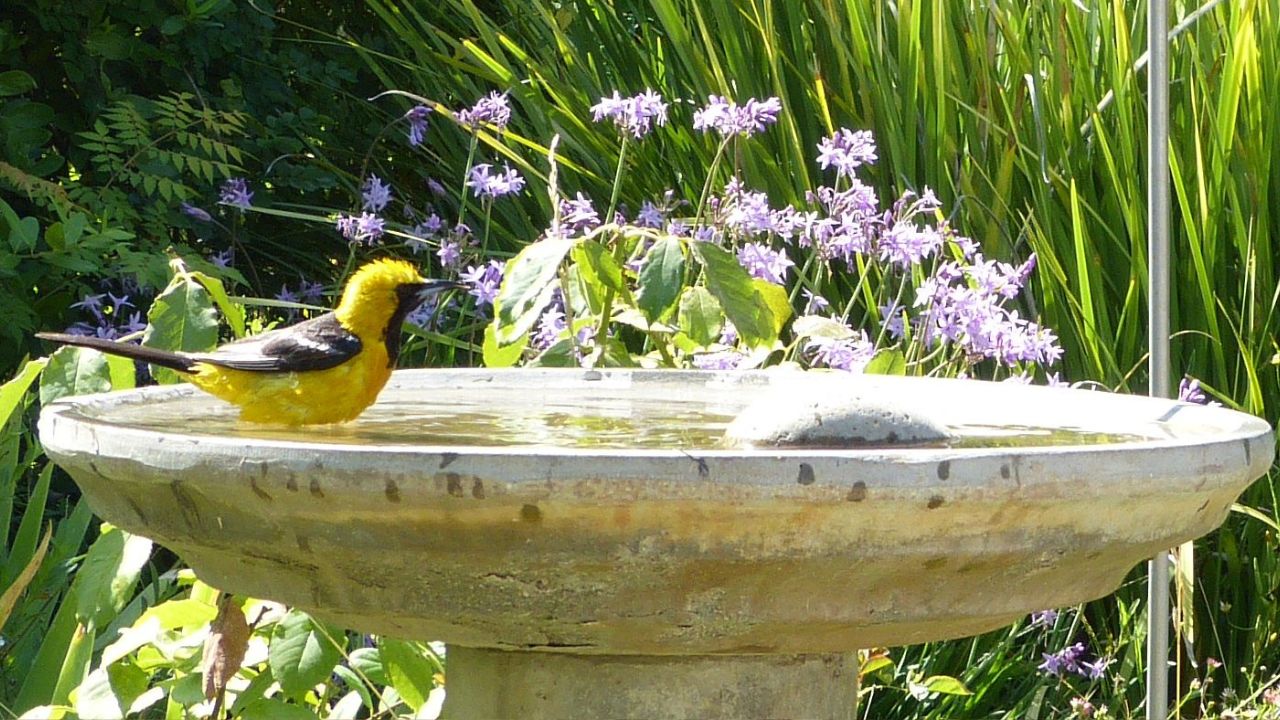
Besides planting the right flowers and shrubs, there are other ways to make your bird bath even more inviting for our feathered friends. Here are some additional tips for maintaining a healthy and attractive bird bath:
- Keep it clean: Regularly cleaning your bird bath is important not only for aesthetic reasons but also for the health of the birds. Stagnant water can attract bacteria and mosquitoes, which can harm the birds. Use a scrub brush and mild soap to clean the basin at least once a week.
- Add rocks or pebbles: Placing some rocks or pebbles in the bottom of your bird bath can provide texture and footing for birds that may have trouble standing on smooth surfaces. It can also help prevent birds from slipping and falling into the water.
- Change the water frequently: Along with cleaning the basin, it is important to change the water in your bird bath regularly. This will prevent any build-up of bacteria and keep the water fresh for birds to drink and bathe in. In warmer weather, it may be necessary to change the water every day.
- Provide shade: Birds need access to both sun and shade, so consider placing your bird bath in a location that receives some shade throughout the day. This will not only give them a break from direct sunlight but also help reduce algae growth in the water.
- Use a heater or deicer: If you live in a colder climate, it’s important to provide your bird bath with some form of heating during the winter months. This can be done through a heater or deicer specifically designed for bird baths. This will ensure that birds still have access to water even when temperatures drop below freezing.
Give Birds a Warm Welcome with the Right Flowers
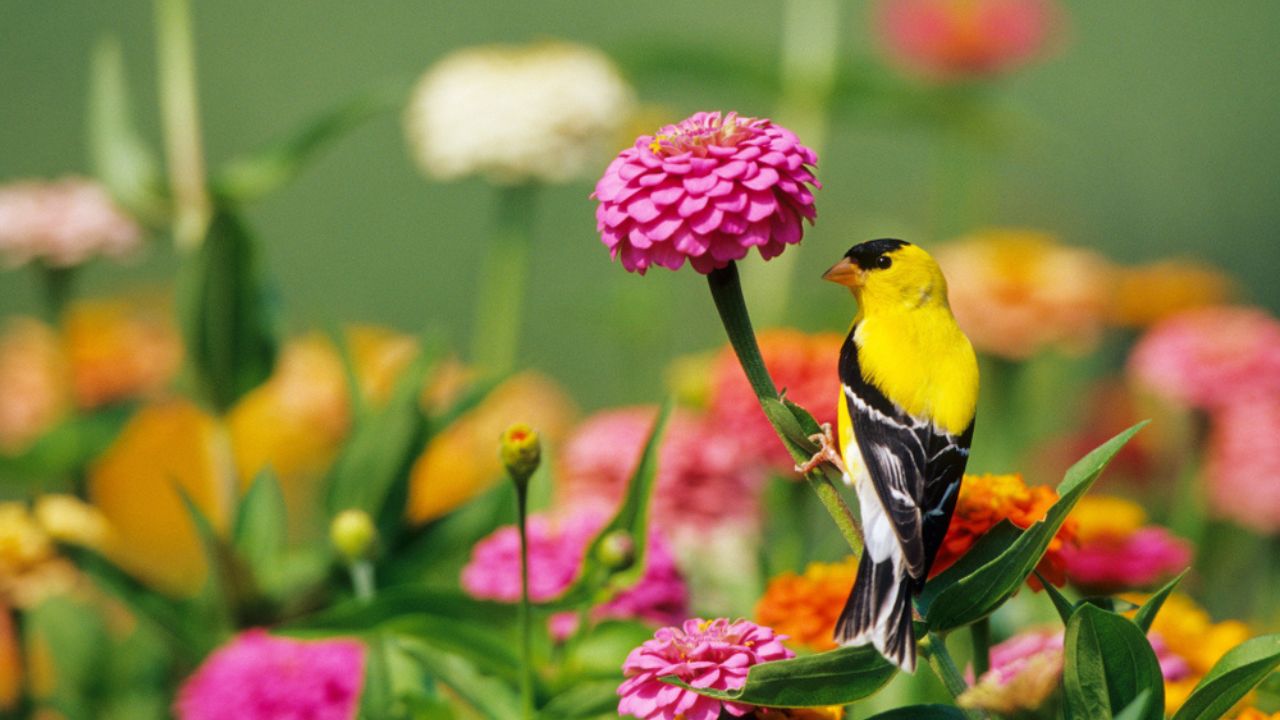
Providing a bird bath in your backyard is not only aesthetically pleasing but also essential for the health and well-being of birds. By adding a variety of flowers that specifically attract birds, you can create an inviting space for these feathered friends.
Read more:
A Bird Lover’s Guide to Beautiful Functional Bird Baths