12 Tips to Make Bluebirds Regular Visitors in the Yard
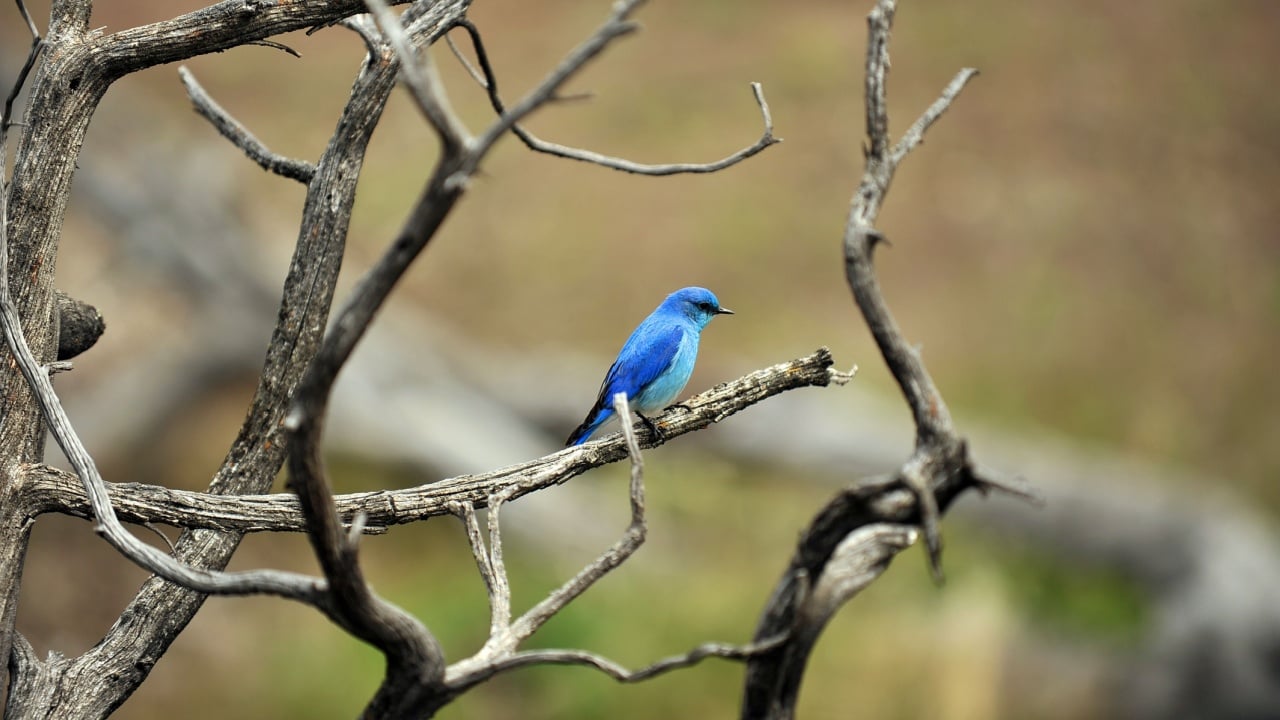
Eastern, Western, and Mountain bluebirds are some of the most sought-after wild birds in North America. These brilliant birds suffered major population drops during the twentieth century due to habitat loss and competition from invasive species. Dedicated conservation efforts helped their numbers bounce back significantly. Spotting that bright flash of blue outside your window brings a sense of accomplishment to any nature lover.
Inviting these colorful birds into your space offers numerous benefits for your local environment. Bluebirds act as natural pest controllers because their diet consists mostly of insects during the warmer months. A single family of bluebirds can consume thousands of caterpillars, beetles, spiders, and grasshoppers in a single season. Reducing the insect population naturally protects your plants without the need for harmful chemicals.
Creating the right environment requires understanding exactly what these birds need to survive and thrive. This article provides twelve distinct actions you can take to make your property highly attractive to bluebird families. You will learn specific feeding strategies, shelter requirements, and landscape adjustments that produce reliable results.
1. Offer Live Mealworms
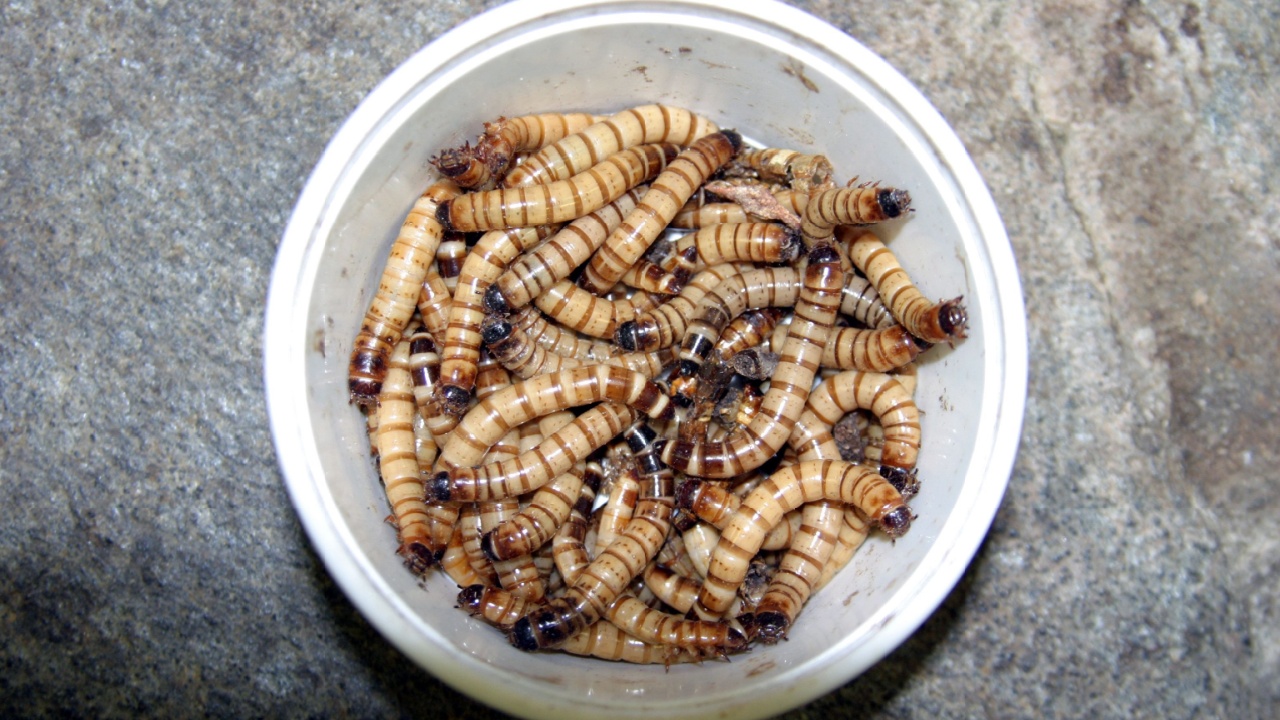
Bluebirds have a strong preference for insects rather than traditional birdseed. Live mealworms are the absolute best food to offer if you want to grab their attention quickly. You can purchase live mealworms at local feed stores or order them online in bulk. Serve them in a smooth-sided dish so the worms cannot crawl out before the birds find them.
Place the feeding dish in a visible location and try to put the worms out at the same time each morning. Bluebirds are highly observant and will learn your feeding schedule. They often wait for nearby branches to deliver their daily meal.
2. Install Proper Nesting Boxes
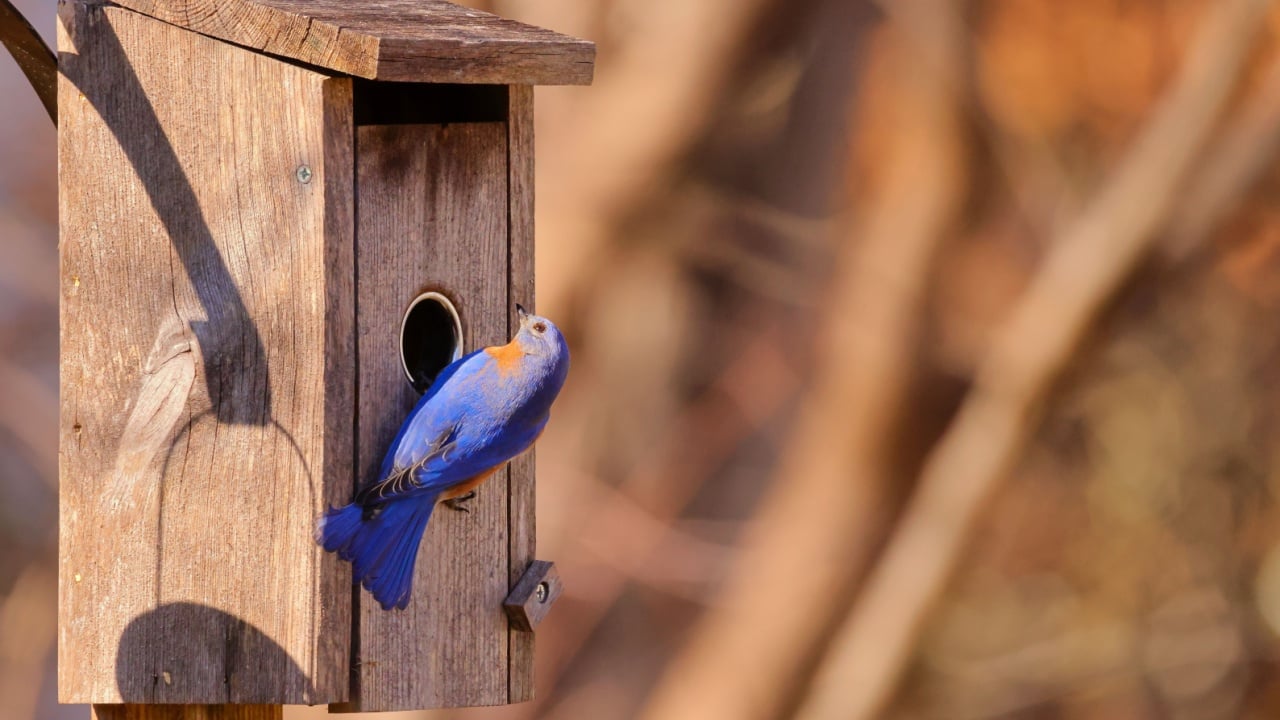
Because bluebirds are cavity nesters, they rely on holes in wood to raise their young. Natural cavities are rare, making purpose-built nesting boxes crucial to their survival. A good bluebird box should be made of untreated wood, such as cedar or pine. The box needs a slanted roof to shed rain and ventilation holes near the top to prevent overheating.
Position your nesting box in an open area facing away from prevailing winds. Mount the box on a smooth metal pole rather than a tree trunk. Keeping the box around five feet off the ground allows you to monitor the nest easily while discouraging predators. Space multiple boxes at least three hundred feet apart to prevent territorial disputes between competing bluebird families.
3. Include a Moving Water Feature
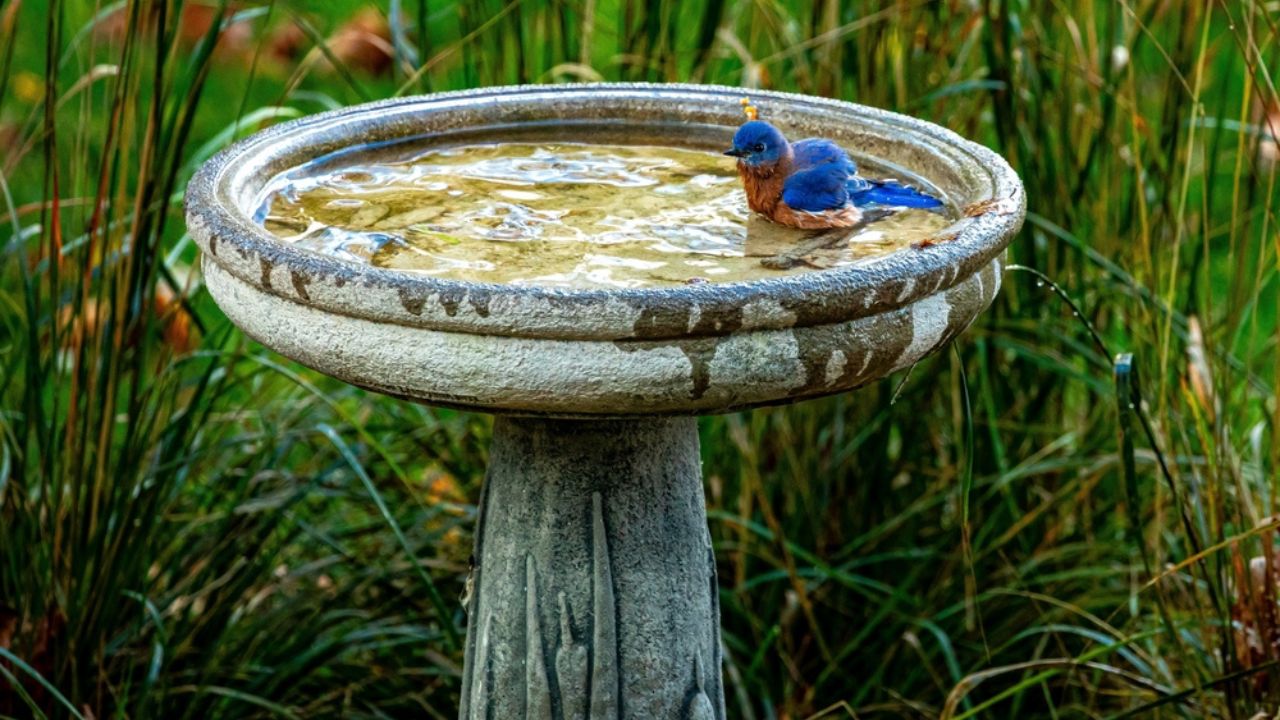
All birds need fresh water for drinking and bathing, but bluebirds are especially drawn to moving water. The sound of a splash or a gentle trickle catches their attention from great distances. A simple birdbath with a solar fountain attachment creates enough movement to bring them down from the trees.
Keep the water clean by scrubbing the basin thoroughly every few days. Bluebirds prefer shallow water, so place a few flat rocks in the center of the birdbath. These rocks give the birds a safe place to stand while they drink and wash their feathers. During freezing weather, a heated birdbath provides a vital lifeline that keeps them coming back all winter.
4. Plant Native Berry Bushes
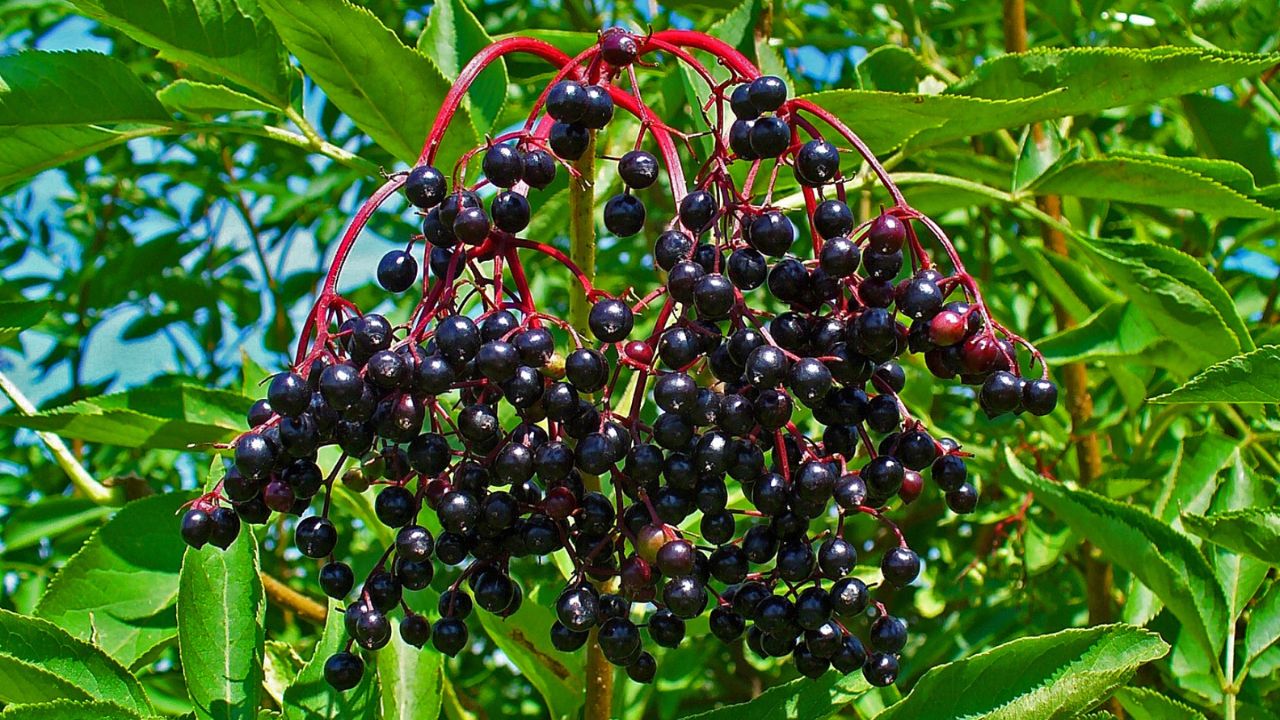
While insects make up the bulk of their summer diet, bluebirds switch to eating berries when temperatures drop. Planting native shrubs provides a reliable natural food source during the cold months. Dogwood, serviceberry, elderberry, and holly bushes are fantastic options that thrive in many regions.
Research which berry-producing plants are native to your specific growing zone before you visit the nursery. Native plants require less water and maintenance while producing fruits that local birds recognize. Situate these bushes near the edges of your yard to create natural foraging zones. The dense foliage also provides immediate shelter from harsh weather and dangerous predators.
5. Avoid Chemical Pesticides
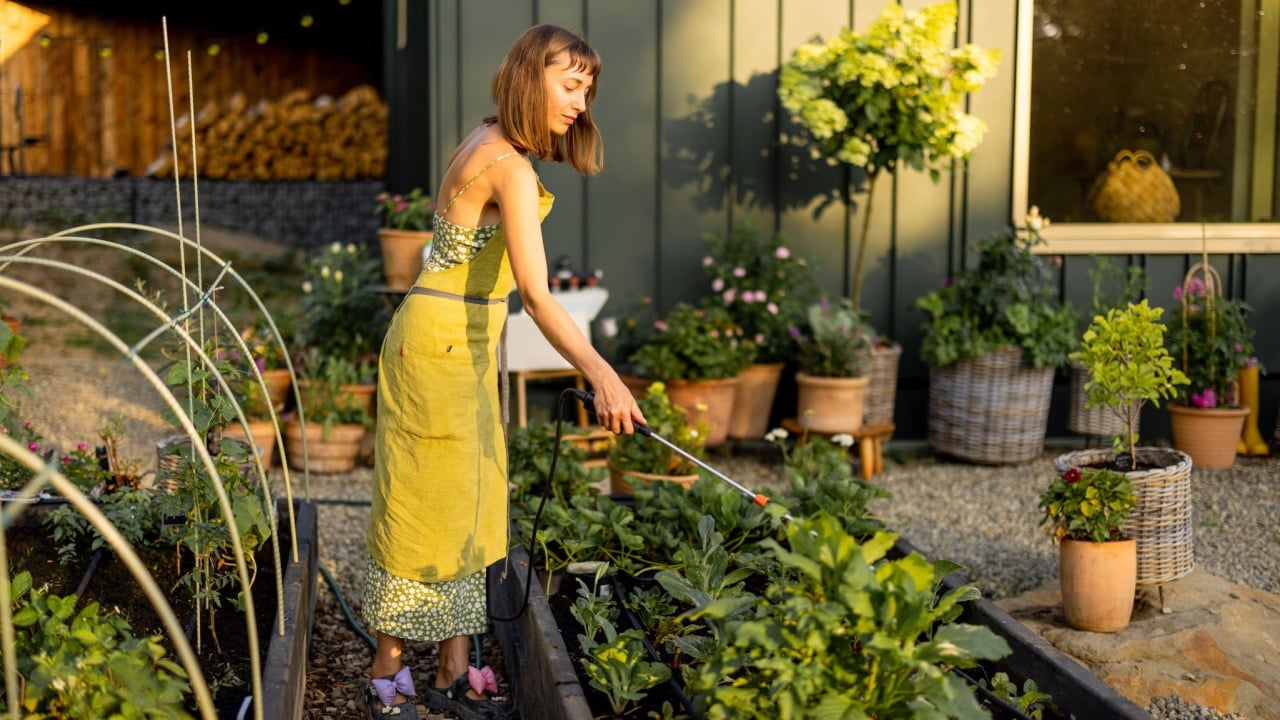
Spraying chemical insecticides severely diminishes your chances of attracting insect-eating birds. Bluebirds need an abundant supply of bugs to feed themselves and their growing chicks. When you eliminate insects with chemicals, you remove the primary reason these birds would visit your property.
Embrace natural pest management techniques instead of reaching for chemical sprays. Allow beneficial insects like ladybugs and praying mantises to thrive in your garden beds. The bluebirds will handle the larger pests for you once they establish a territory. A chemical-free yard creates a safe ecosystem where wildlife can flourish without the risk of secondary poisoning.
6. Add Predator Guards to Poles
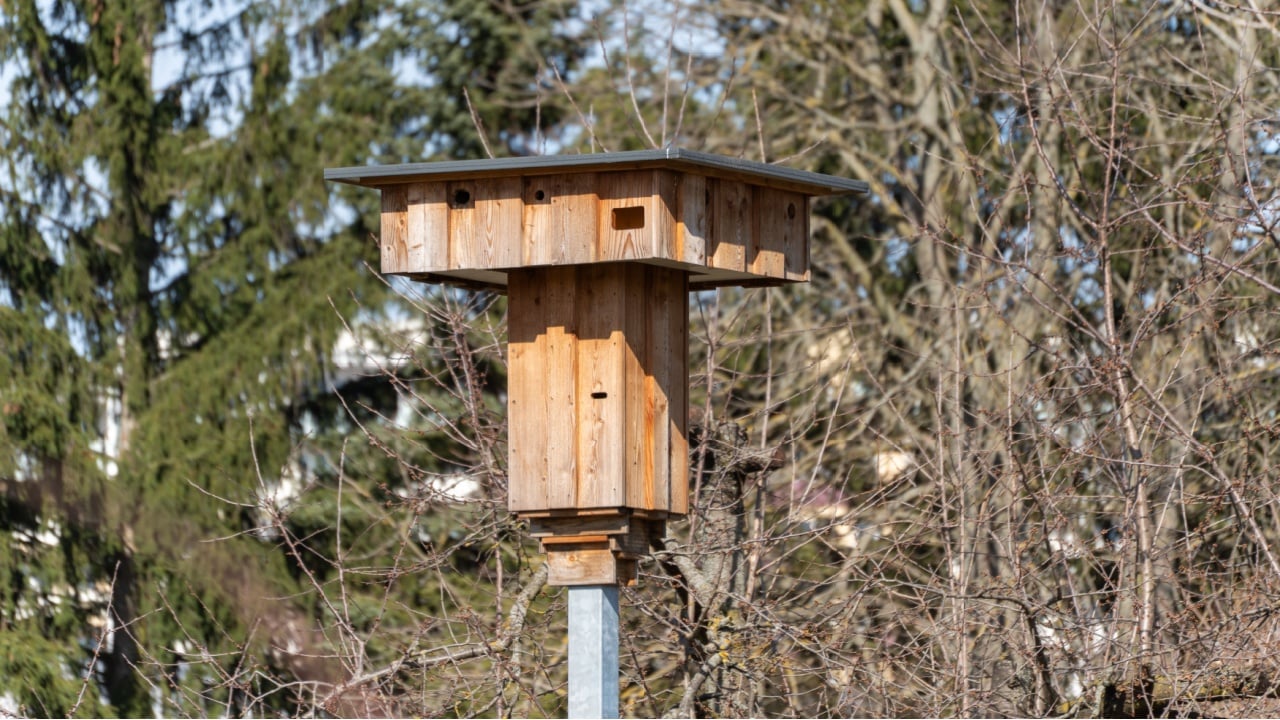
Raccoons, snakes, and domestic cats constantly threaten nesting bluebirds and their eggs. Mounting a nesting box on a pole is the first defense, but a pole alone is not enough. You must install a physical barrier below the box to stop climbing predators. A stovepipe baffle or a cone-shaped guard works perfectly.
Check your predator guards regularly to confirm they remain secure and functional. Keep the grass trimmed low around the base of the pole to deter snakes from hiding nearby. Never mount a box on a fence post, as predators can easily climb the wood and access the entrance hole. Protecting the nest gives the adults the confidence they need to return year after year.
7. Leave Dead Trees Standing

If you have a dead tree on your property that does not pose a safety hazard, leave it alone. Dead trees, known as snags, provide critical habitat for woodpeckers and other wildlife. Woodpeckers excavate holes in the decaying wood, and bluebirds often use those abandoned holes for their own nests.
Snags also offer excellent hunting perches for hungry birds. Bluebirds hunt by scanning the ground from an elevated position and dropping down to catch their prey. The bare branches of a dead tree provide an unobstructed view of the grass below. Trimming dangerous limbs while leaving the main trunk intact offers a great compromise for safety and wildlife conservation.
8. Pay Attention to the Entrance Hole Size
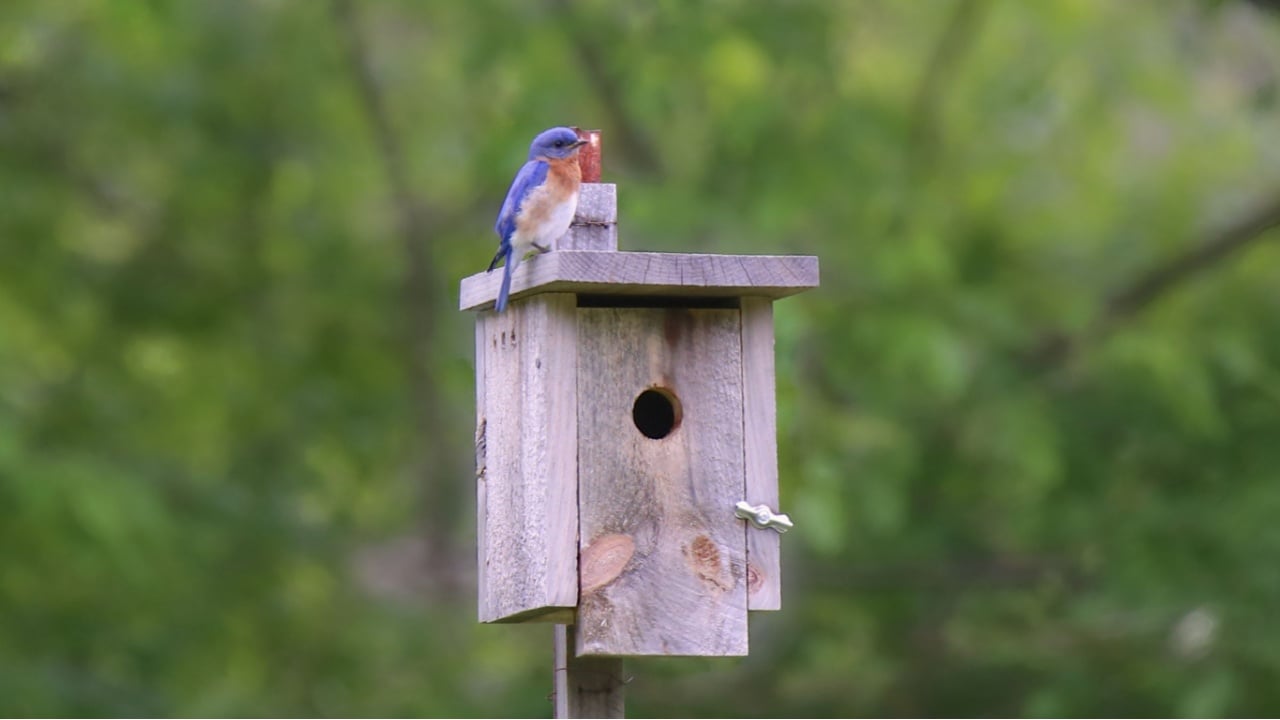
The diameter of the hole in your nesting box determines which birds can get inside. European starlings are aggressive, invasive birds that easily kill bluebirds and steal their nests. Starlings cannot fit through a hole that is exactly one and one-half inches in diameter.
Measure the entrance hole carefully before you purchase or build a nesting box. If you live in an area with mountain bluebirds, the hole needs to be slightly larger, exactly one and nine-sixteenths of an inch. You can buy metal hole restrictors to attach to older boxes if the wood gets chewed or weathered. Maintaining precise dimensions keeps unwanted competitors out.
9. Clean the Nesting Boxes

Bluebirds usually raise multiple broods during a single breeding season. However, they will not reuse an old nest to lay their new eggs. Leaving the old nest in the box invites parasites like blowflies and mites, which can harm the next batch of chicks. You must remove the old nest as soon as the babies safely leave the box.
Wear gloves and a mask when you clean out the nesting material. Scrape out any debris and dispose of the old nest far away from the box to avoid attracting predators. A clean, empty cavity signals to the parents that the location is ready for their next clutch. Monitor the box closely in late summer so you know exactly when the final brood departs.
10. Keep Open Spaces Mowed
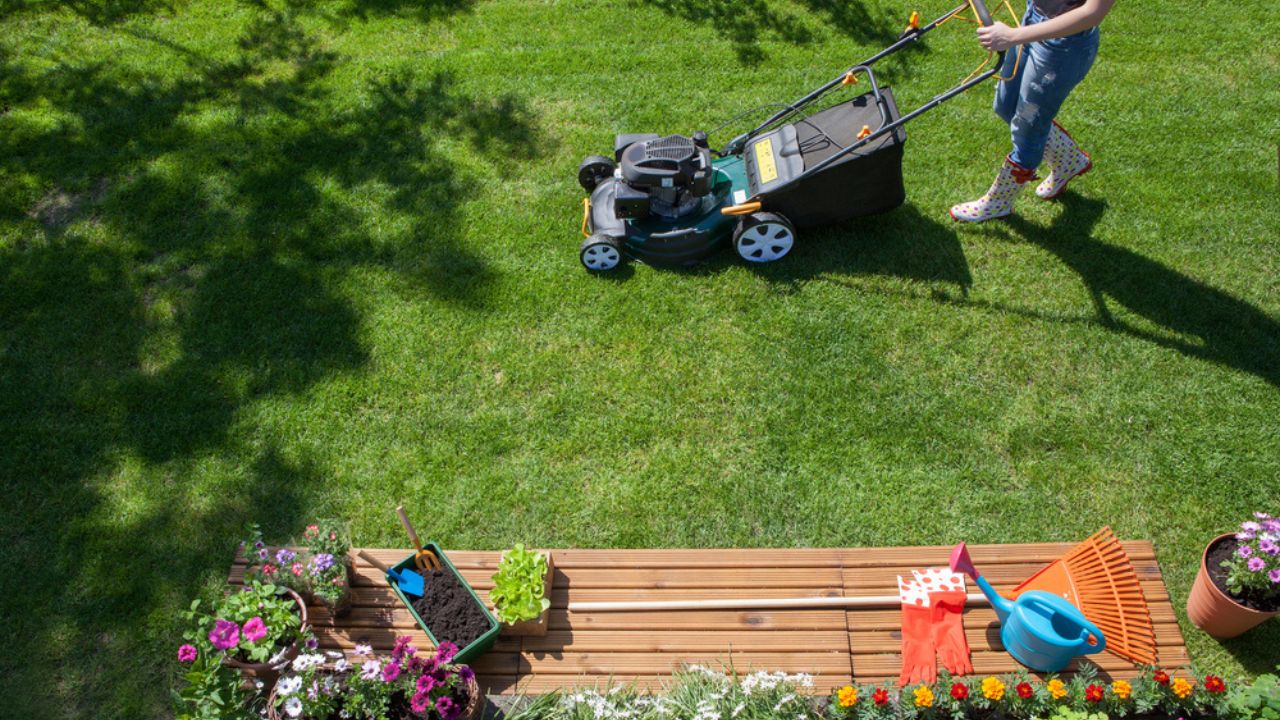
Bluebirds prefer open, rural habitats over dense forests or heavily wooded suburbs. They rely on clear sightlines to hunt for insects in the grass. Keeping your lawn mowed to a moderate height allows them to spot caterpillars and spiders easily. Tall, unkempt grass hides their prey and makes hunting difficult.
You do not need an endless golf course lawn to attract them. Creating a designated meadow area with low grass in the center of your yard works very well. Frame this open space with taller shrubs and trees around the perimeter. This layout provides the open hunting ground they need alongside the protective cover they desire.
11. Offer Perching Spots
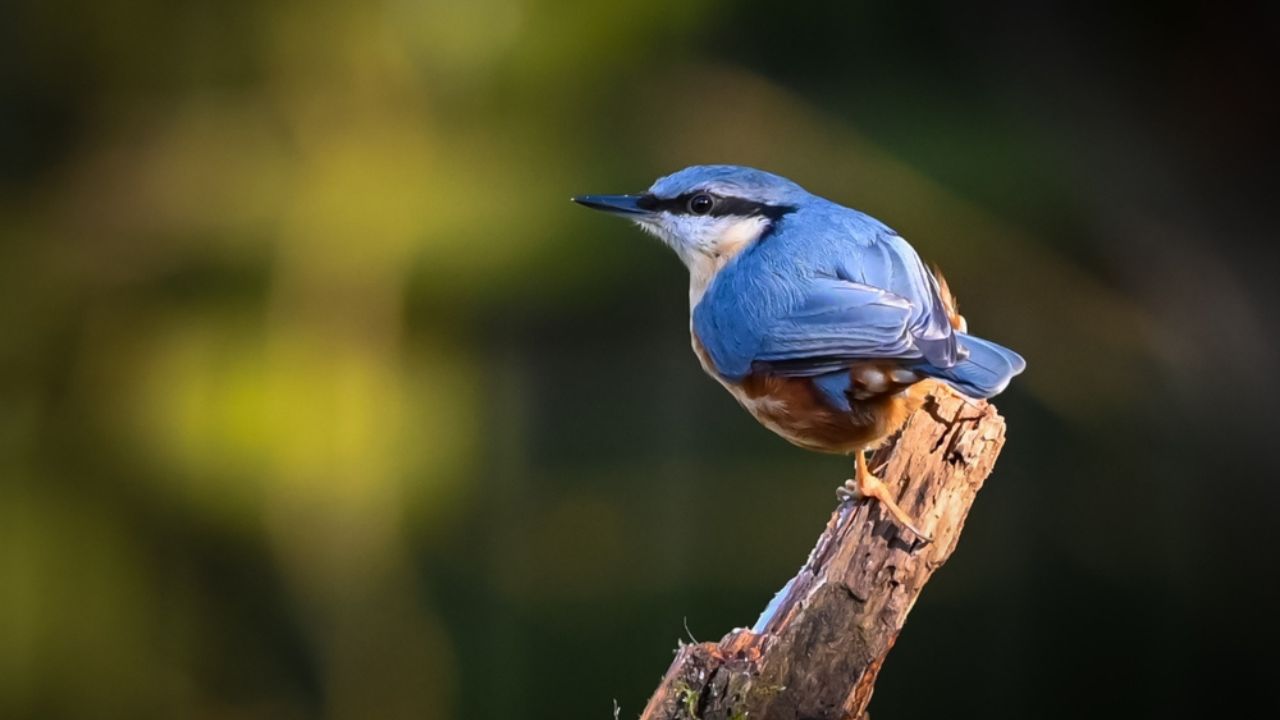
Since bluebirds are drop hunters, they need places to sit while they scan the ground. If your yard lacks low branches, you can add artificial perches to help them hunt. Garden hooks, simple wooden posts, and wire fences serve as excellent lookouts. Place these perches near your open grassy areas.
Positioning perches near your mealworm feeder also helps them spot the food quickly. The birds will use these spots to survey the area for danger before flying down to eat. Having multiple observation points makes your yard highly functional for their specific hunting style. They will spend significantly more time in your yard if they have comfortable places to rest.
12. Provide Suet During Winter
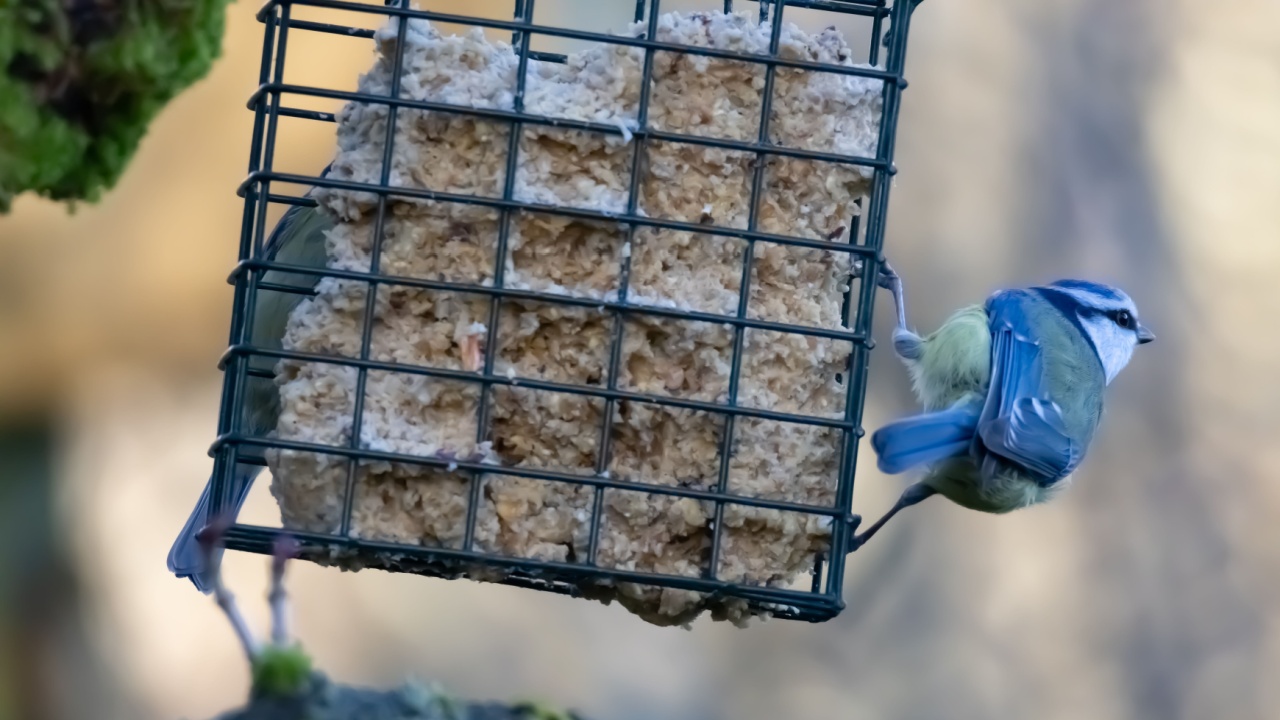
Winter survival is incredibly challenging for insect-eating birds. When the ground freezes, their natural food supply disappears entirely. Offering high-quality suet provides the dense calories and fat they need to stay warm. Look for suet blends that contain peanut butter and dried insects.
Use a specialized feeder that requires birds to feed from the bottom to discourage aggressive starlings. You can also make your own suet dough using peanut butter, cornmeal, and melted lard. Place the suet feeder near dense bushes so the birds can eat safely out of the bitter wind. Supporting them through the hardest months builds loyalty, making them likely to nest nearby in the spring.
Welcoming Bluebirds Year After Year
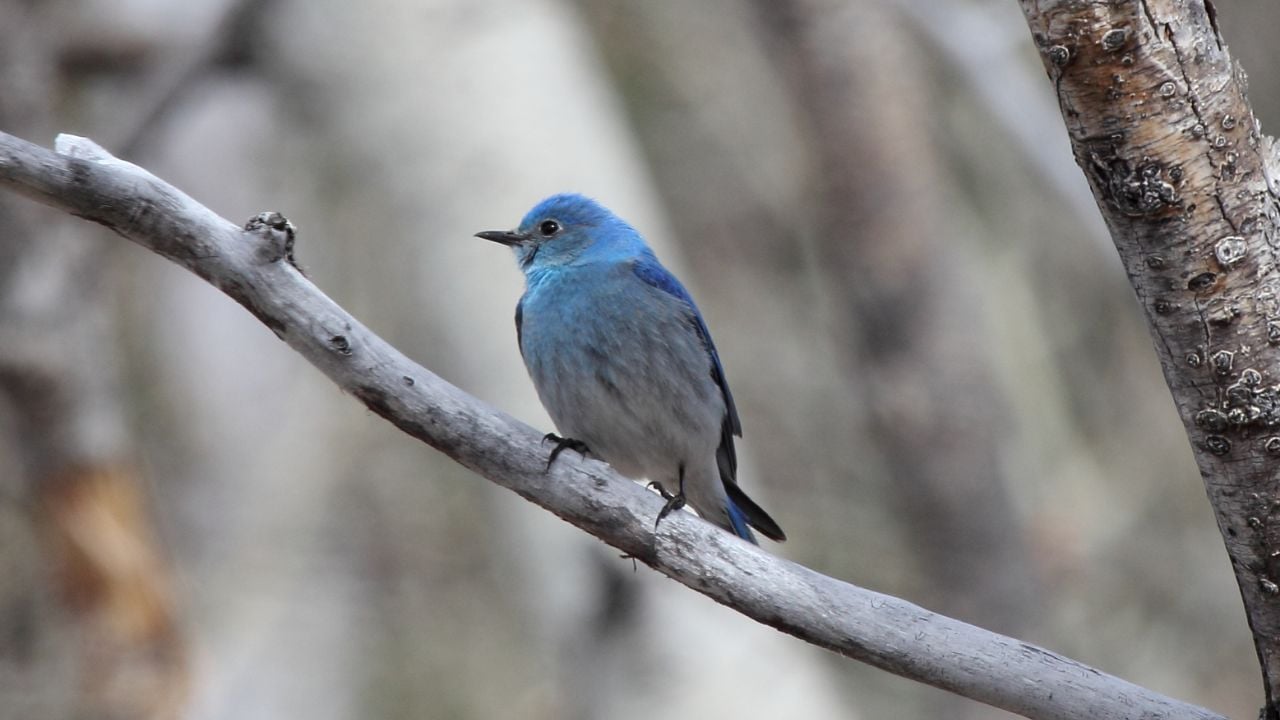
Attracting these brilliant birds requires a dedicated approach to food, water, and shelter. By providing live insects, clean water sources, and secure nesting boxes, you build an environment that meets all their basic survival needs. Each modification you make increases the likelihood that these beautiful creatures will discover your property.
Patience plays a massive role in this rewarding process. Birds take time to find new resources and evaluate their safety. Keep your feeders stocked, maintain your birdbaths, and protect your nesting boxes diligently. Your consistent efforts will eventually transform your outdoor space into a thriving habitat for generations of bluebirds.
Read More: