17 Berries That’ll Attract Birds to your Yard
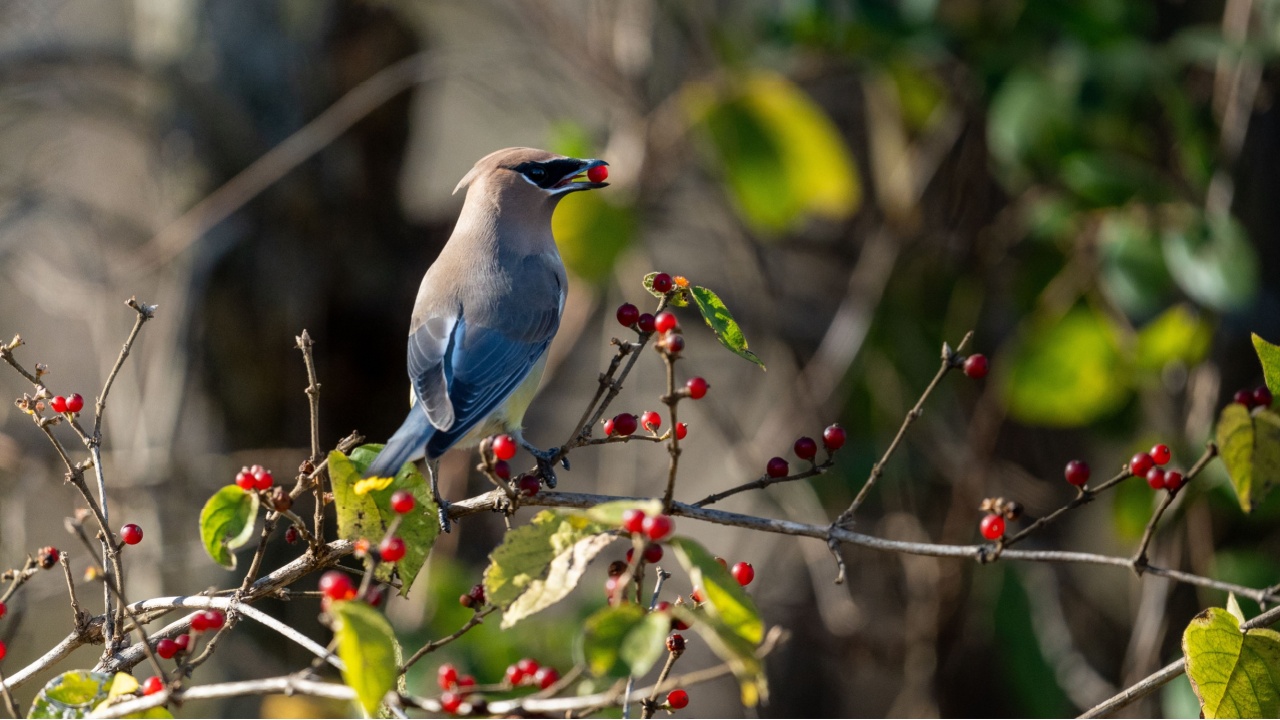
Birds are a joy to have in any garden. From their cheerful songs to their role in promoting pollination and reducing harmful pests, inviting birds into your outdoor space enhances both the beauty and the balance of your garden’s ecosystem. One of the best ways to attract birds is by growing plants that produce berries, a nutritious and versatile food source for many species.
Below are 17 berry plants that birds adore, along with tips on how to grow them for a lively, bird-friendly garden.
How We Chose These Bushes
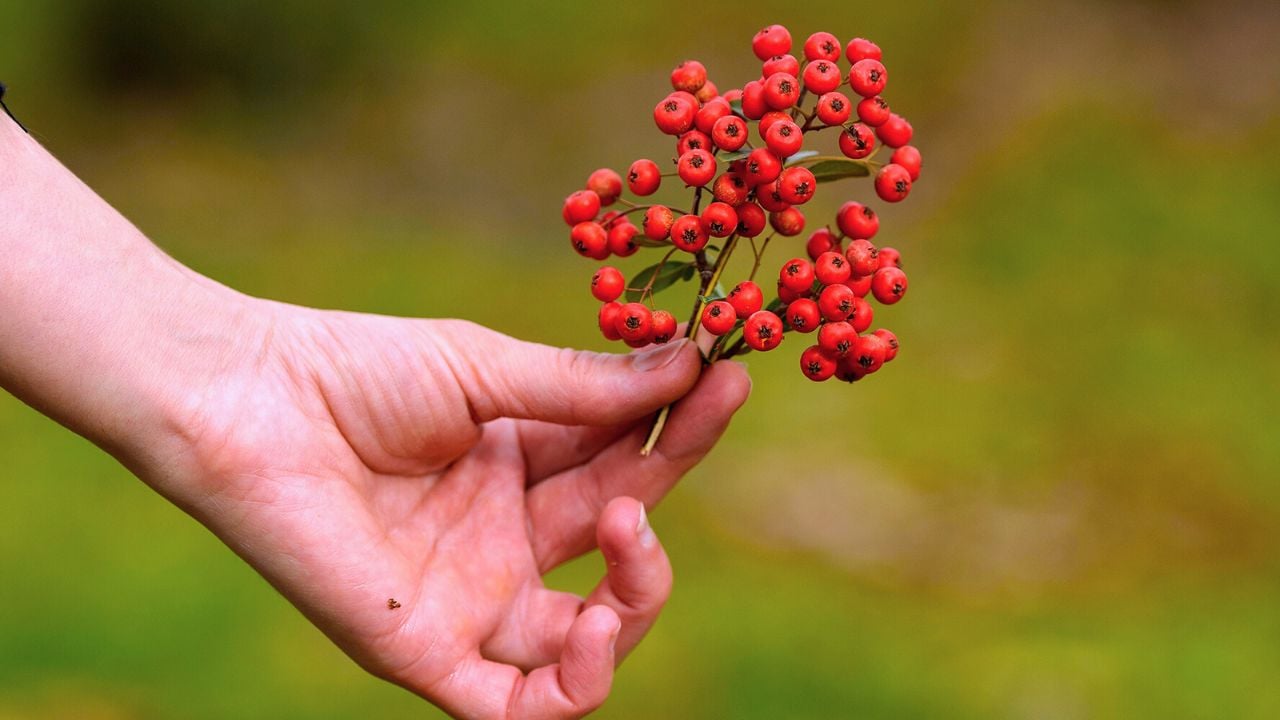
We selected these bushes based on their strong ornamental value without relying on blooms. That means we focused on foliage color, texture, structure, and year-round interest—especially in seasons when flowers are absent.
To ensure the accuracy of our recommendations, we cross-checked each plant’s characteristics using expert sources such as university extension programs (like Cornell) and authoritative gardening references.
1. Chokeberry (Aronia melanocarpa)
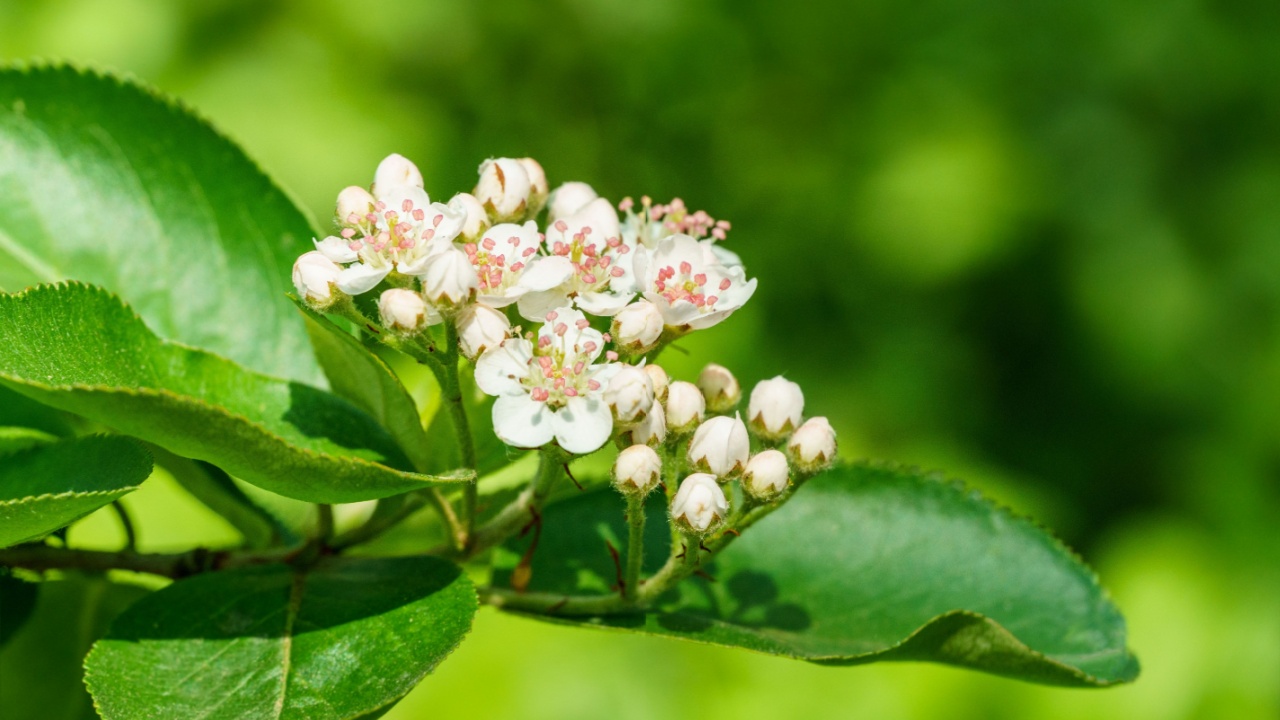
Chokeberries are prized for their glossy foliage and tart berries that ripen in fall. Birds like cedar waxwings and chickadees love these nutritious fruits, especially as a late-season food source.
Landscaping Tips: Chokeberries work well as a hedge or part of a mixed border. They prefer full sun to partial shade and thrive in well-draining but moist soil.
2. American Beautyberry (Callicarpa americana)
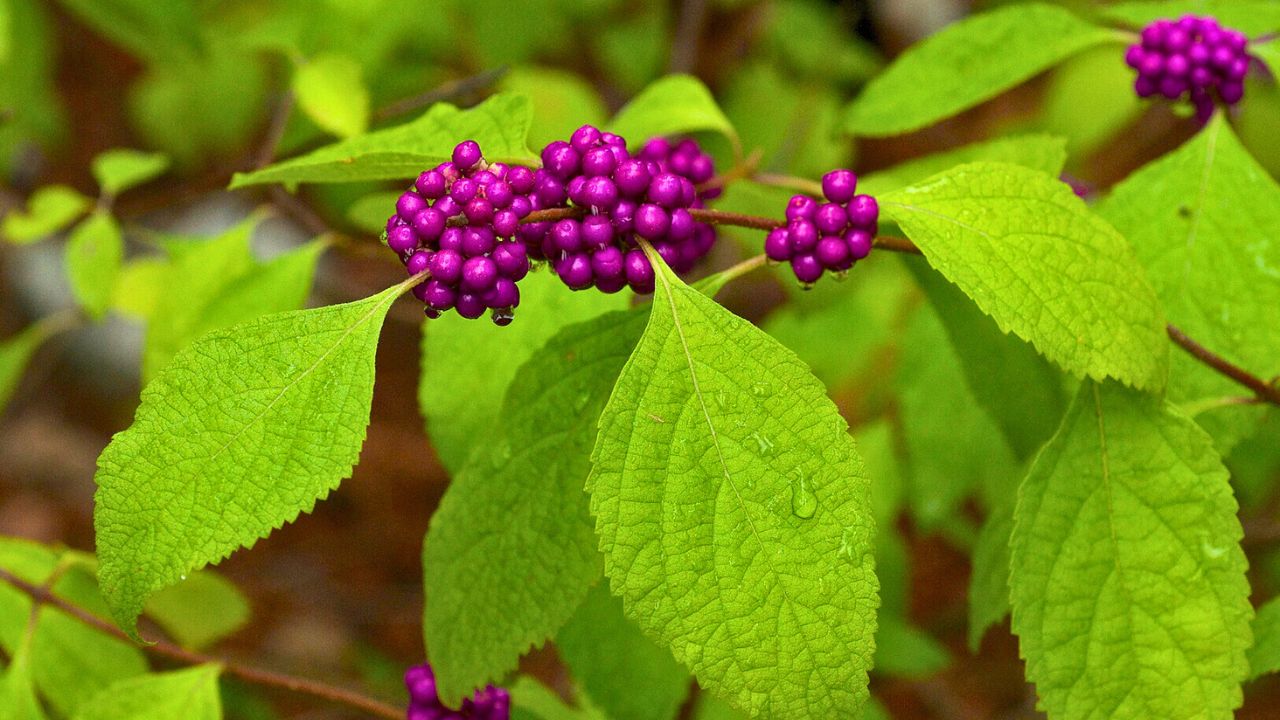
This stunning plant boasts clusters of bright purple berries that remain throughout fall and winter. Birds such as mockingbirds, robins, and cardinals feast on these vibrant fruits when other food sources become scarce.
Care Tips: Plant beautyberry in full sun to partial shade. It’s low-maintenance and drought-tolerant but thrives with occasional watering during dry spells.
3. Mulberry (Morus spp.)

A beloved addition, mulberry trees produce abundant, sweet berries that birds like blue jays and orioles find irresistible. They draw a variety of species to your yard, making them a must-have for bird lovers.
Landscaping Tips: Give your mulberry tree plenty of space to grow, as it can reach heights of 30-50 feet. Plant in full sun and well-drained soil, and prune annually to maintain its shape.
4. Elderberry (Sambucus canadensis)
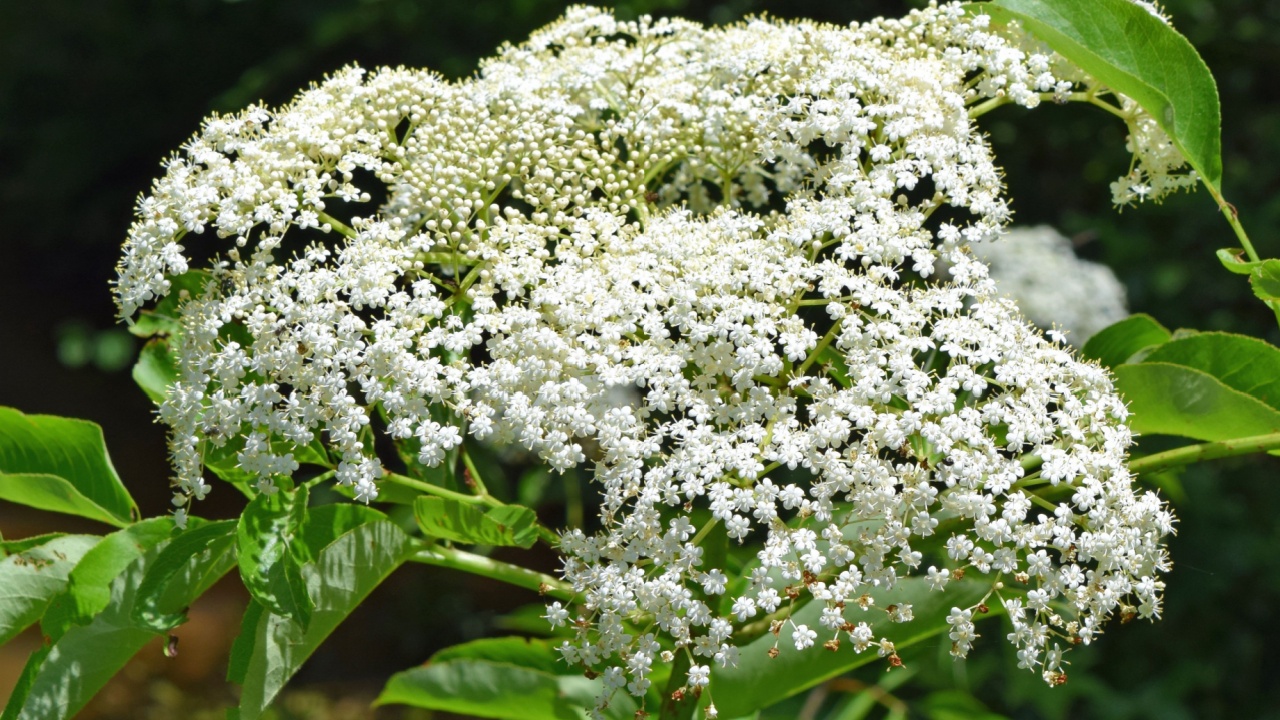
Elderberries are a magnet for cedar waxwings and robins during late summer and early fall. The small, black berries are packed with nutrients essential for migratory birds.
Care Tips: Elderberry shrubs thrive in sunny spaces with rich, well-draining soil. Provide consistent moisture, especially during establishment.
5. American Holly (Ilex opaca)
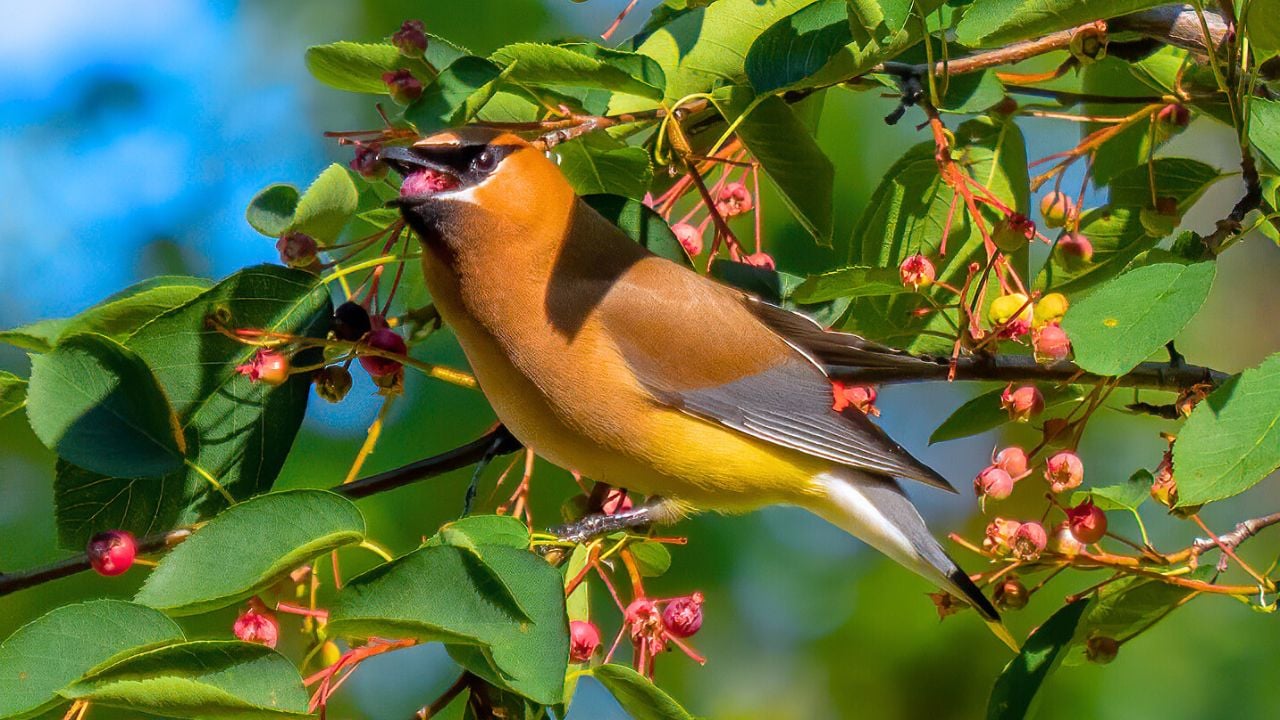
American holly is a winter haven for birds like cedar waxwings and sparrows. Its red berries provide an energy-rich food source during the colder months, and its thorny leaves offer valuable shelter.
Landscaping Tips: This evergreen thrives in full sun to partial shade. It prefers slightly acidic, well-draining soil and requires occasional pruning to maintain its shape.
6. Hawthorn (Crataegus monogyna)
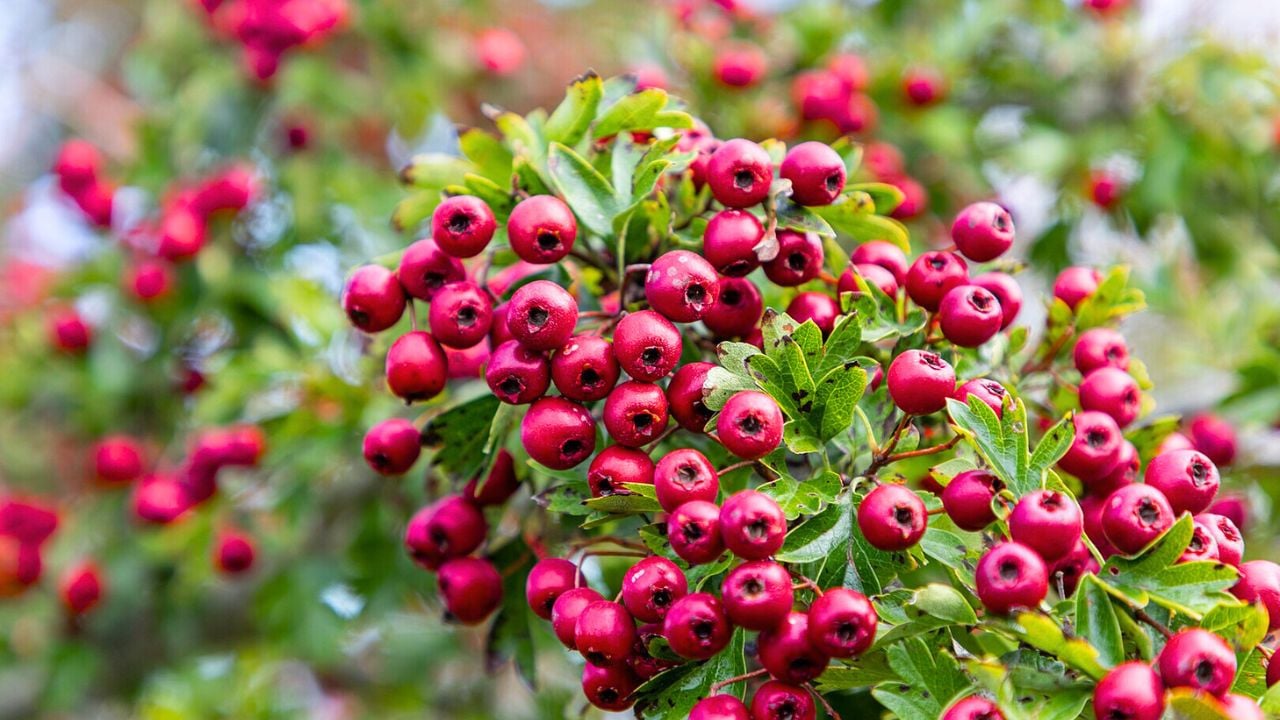
The bright red haws of the hawthorn tree ripen in autumn and attract all kinds of songbirds. The dense branches also provide excellent nesting sites and protection.
Care Tips: Plant hawthorn in full sun and loamy, well-drained soil. Regular pruning helps keep this shrub healthy and vibrant.
7. Elderberry (Sambucus nigra)
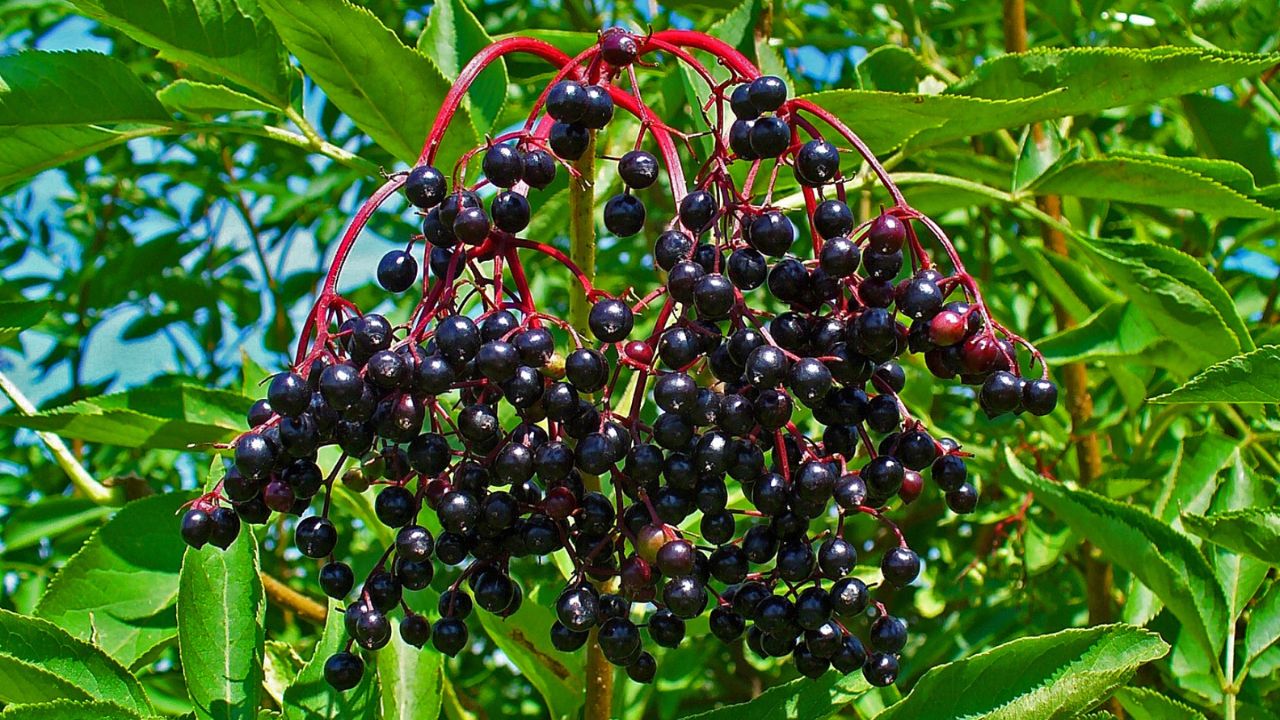
Another elderberry variety, Sambucus nigra features dark purple berries that birds eagerly seek out. This plant also offers frothy white flowers in spring for added garden appeal.
Landscaping Tips: This elderberry thrives in moist soil and full to partial sun. Incorporate it along garden edges or as a backdrop to lower-growing plants.
8. Viburnum (Viburnum spp.)

Viburnum berries, available in colors of red, blue, and black, draw cardinals, robins, and bluebirds. They are rich in fats and provide essential energy for migrating birds.
Care Tips: These shrubs prefer well-draining, moderately moist soil. Add mulch to retain moisture and plant in sunny or partially shaded areas.
9. Firethorn (Pyracantha coccinea)
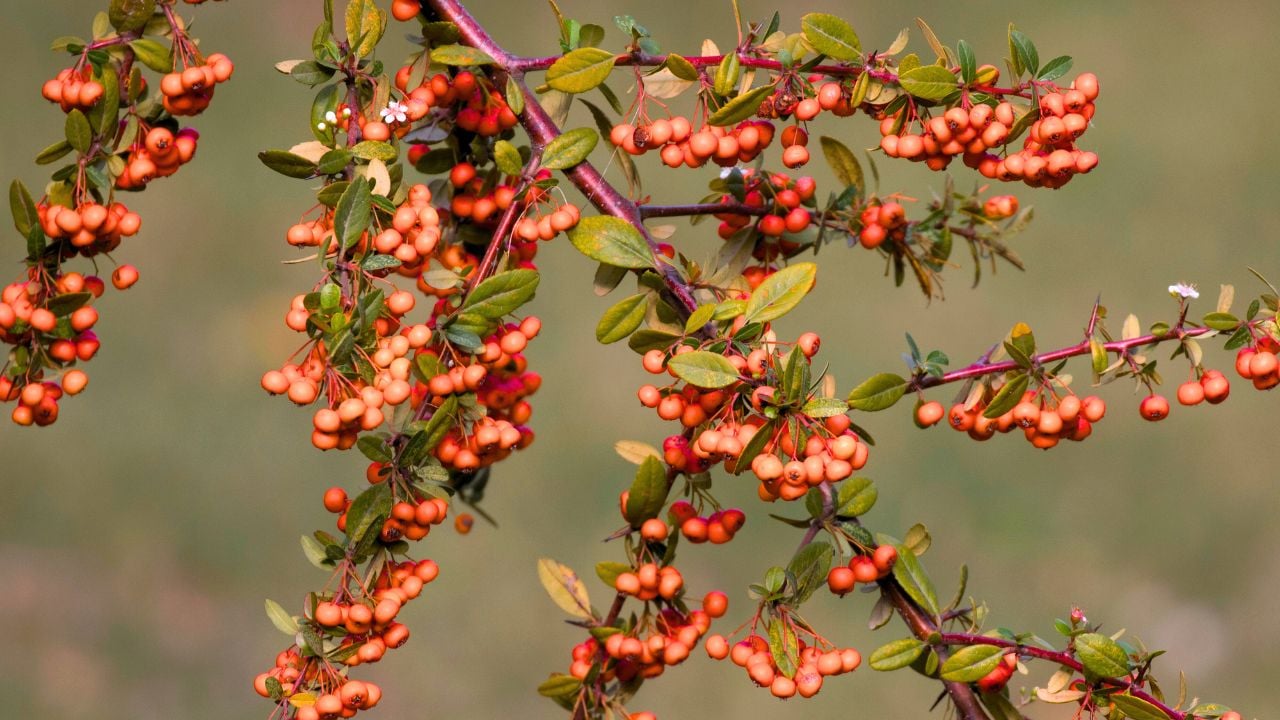
With vivid red and orange berries, firethorn adds a striking element to your garden. Birds like blackbirds are frequent visitors, especially in colder months when food is scarce.
Landscaping Tips: Grow firethorn as a hedge or screen. It adapts well to various soil types as long as it’s well-drained and enjoys full to partial sun.
10. Blackberry (Rubus fruticosus)
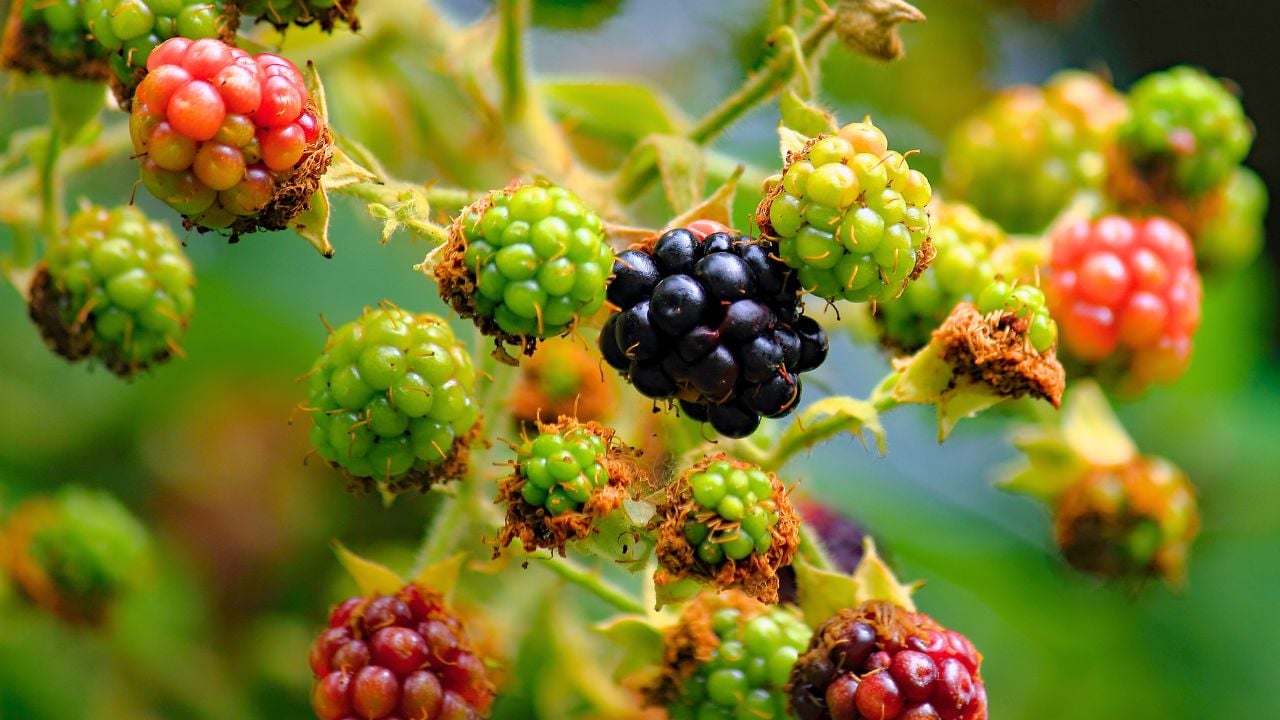
A blackberry patch is a fantastic way to attract sparrows, woodpeckers, and other fruit-loving birds. Birds benefit from the rich nutrients contained in the dark purple berries.
Care Tips: Blackberries prefer full sun and fertile, well-drained soil. Prune annually to remove old canes and encourage new growth.
11. Mountain Ash (Sorbus aucuparia)
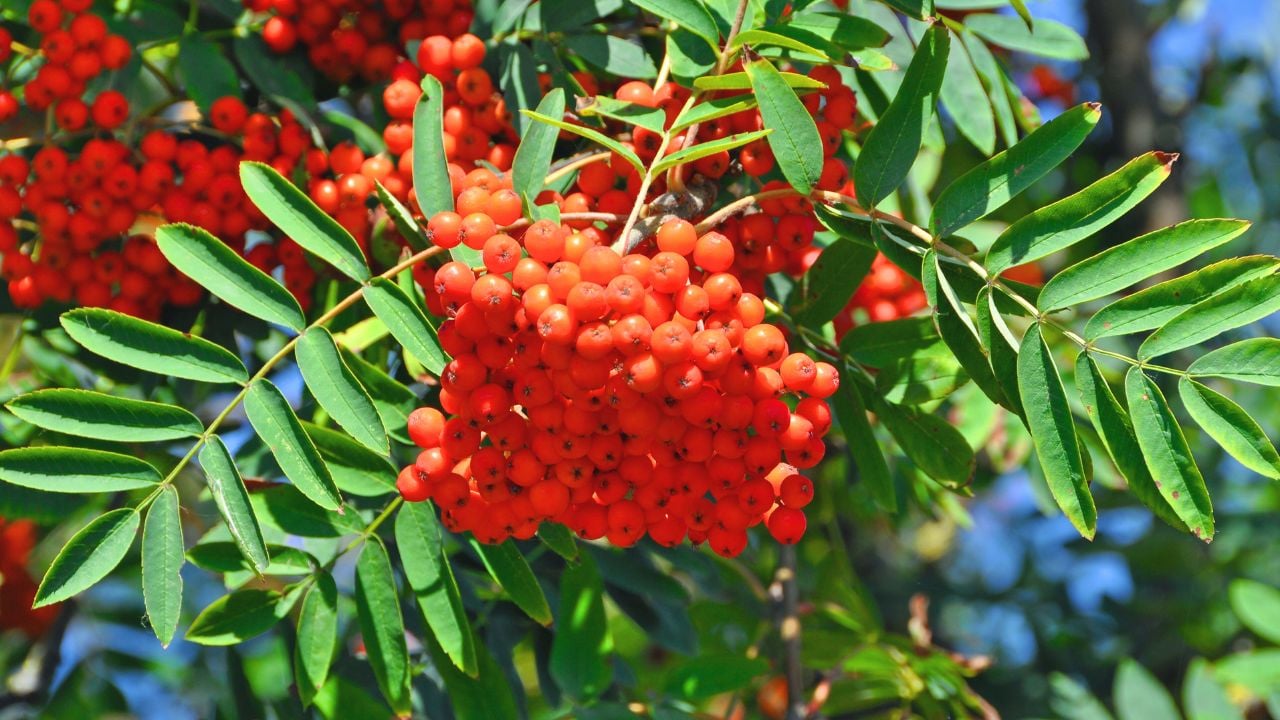
Orange-red berries of the mountain ash tree are a lifeline for birds like waxwings and thrushes during winter. They also add beauty to the snowy landscape.
Landscaping Tips: This tree thrives in full sun and well-drained soil. Plant as a focal point in larger landscapes, and water during dry conditions for optimal health.
12. Juneberry (Amelanchier spp.)

Also known as serviceberry, Juneberry is a small tree or shrub that attracts birds like chickadees and orioles with its sweet, reddish-purple berries.
Care Tips: Plant in full to partial sun with well-draining soil. Add mulch to retain soil moisture and provide consistent water during the growing season.
13. Crabapple (Malus sylvestris)
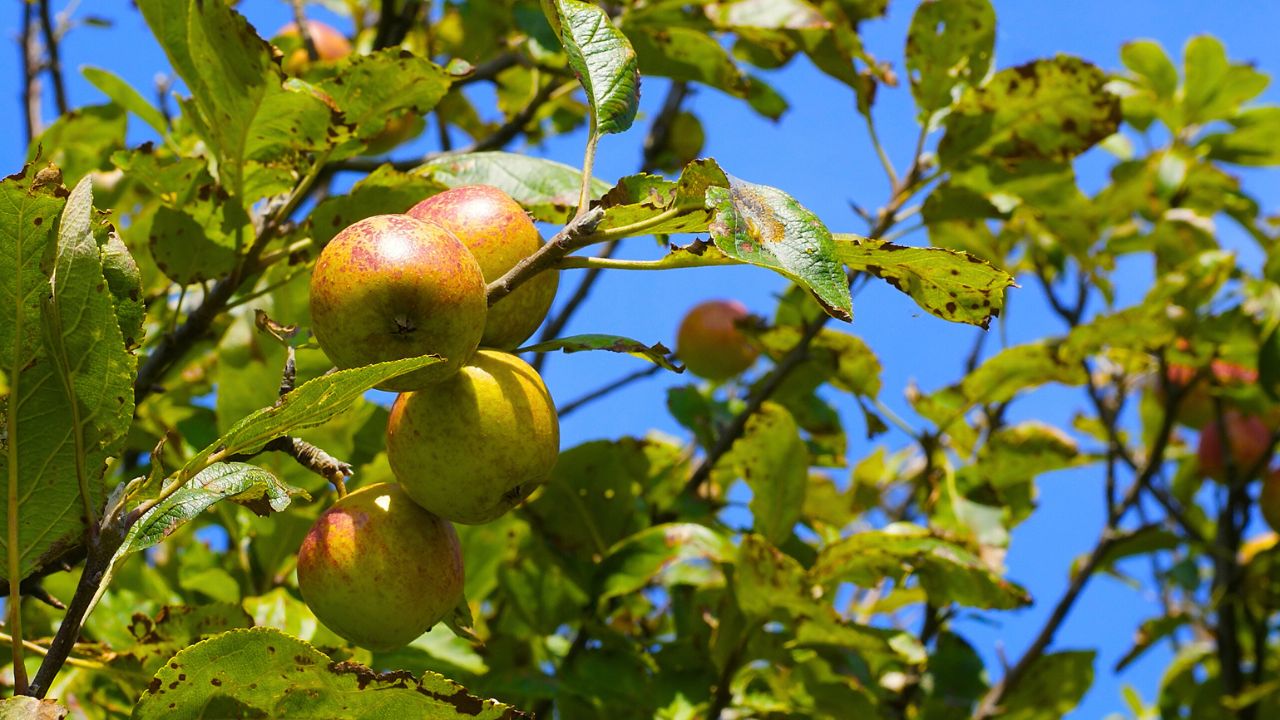
Crabapples are a timeless choice for bird lovers. The small fruits attract bluebirds, robins, and cedar waxwings, while the flowers invite pollinators in spring.
Landscaping Tips: Choose a sunny spot with nutrient-rich soil. Prune annually to encourage healthy fruiting.
14. Pagoda Dogwood (Cornus alternifolia)
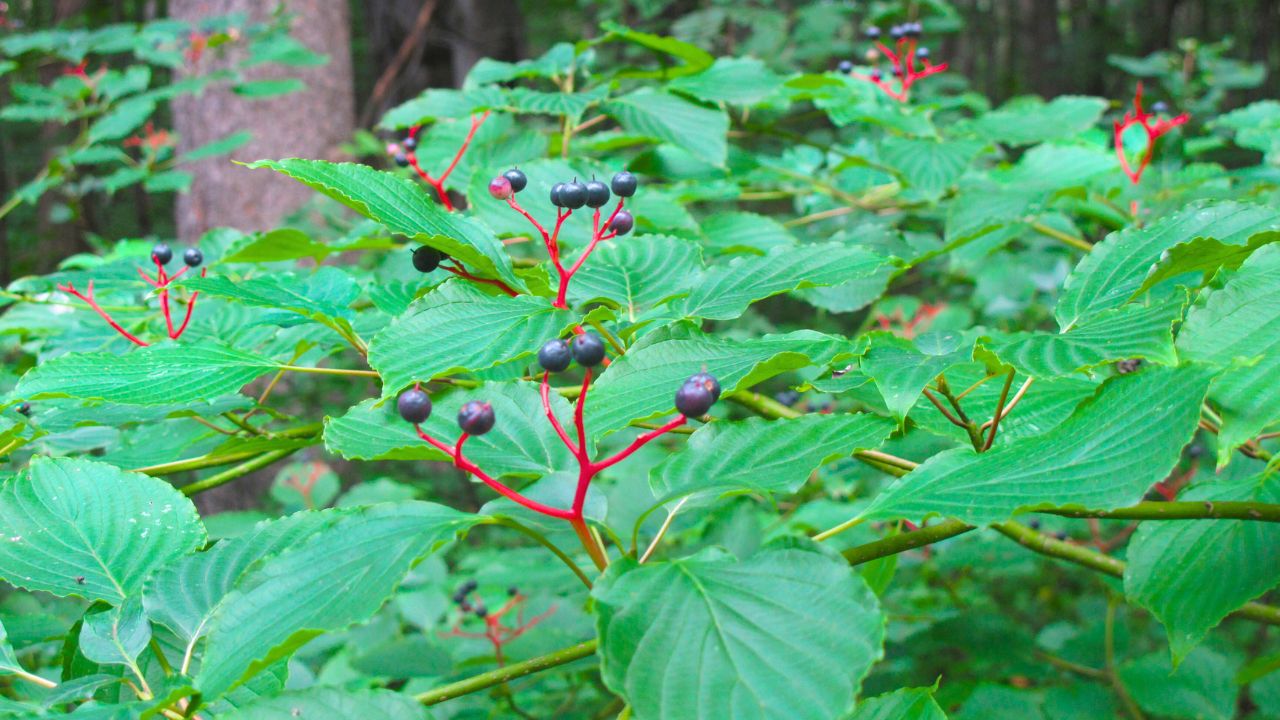
This decorative shrub produces blue-black berries that birds like song sparrows and thrushes find irresistible. Its elegant, tiered branches also add artistic flair to any garden.
Care Tips: Prefers partial shade and slightly acidic, moist soil. Maintain even soil moisture for optimal branch and berry development.
15. Chokecherry (Prunus virginiana)

Birds such as cedar waxwings and thrashers flock to the astringent, dark purple berries of the chokecherry tree. These berries are particularly valuable during midsummer.
Landscaping Tips: Plant in full sun to partial shade. Chokecherries adapt well to different soils but perform best with regular watering.
16. Toyon (Heteromeles arbutifolia)
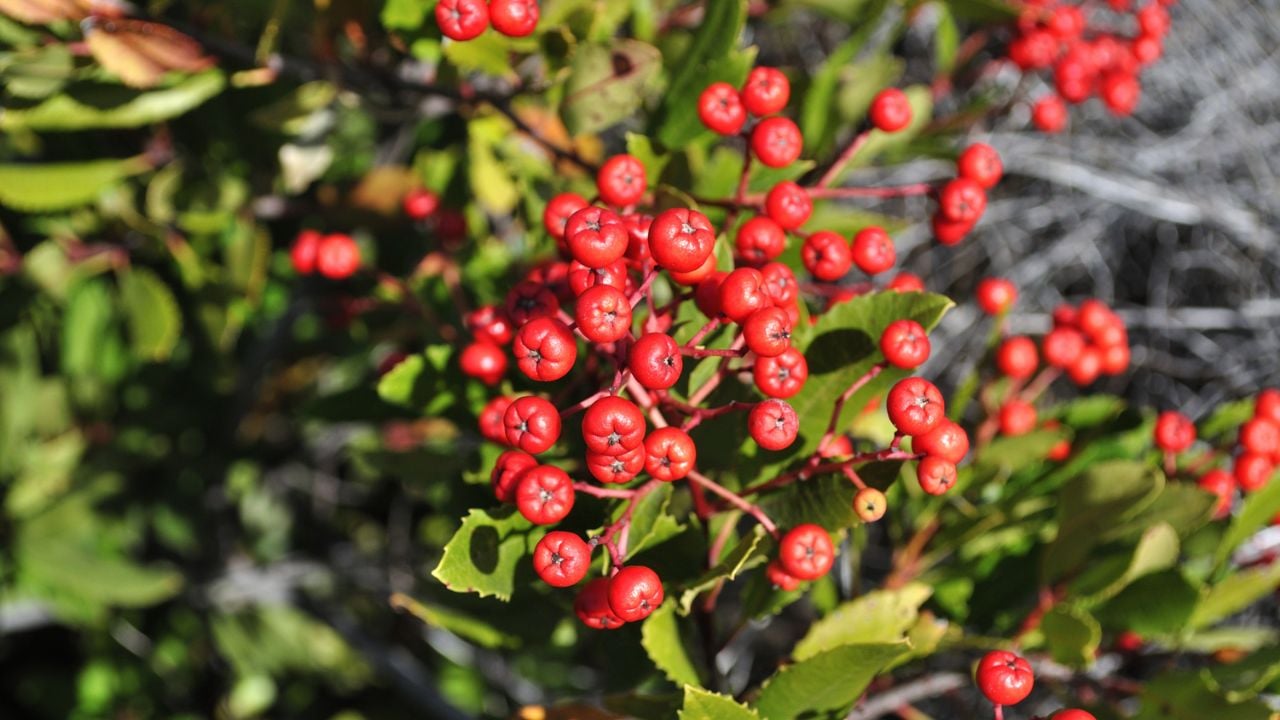
Known as California holly, Toyon features bright red berries that invite robins and mockingbirds to feast. This shrub tolerates heat and dry conditions, making it ideal for warmer climates.
Care Tips: Toyon thrives in full sun and requires minimal watering once established. Use it as a hedge or privacy screen for added functionality.
17. Nannyberry (Viburnum lentago)
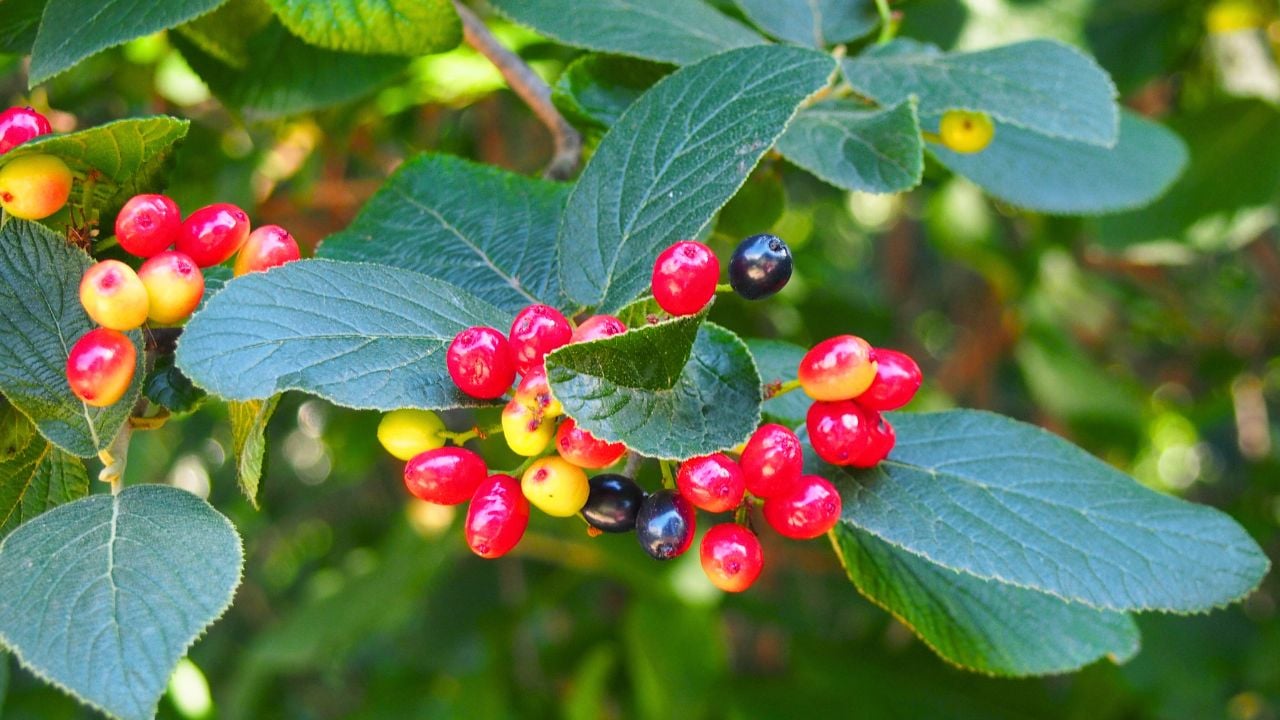
Nannyberry produces clusters of black berries that mature in the fall. Cedar waxwings and other fruit-loving birds rely on these berries as a key food source.
Landscaping Tips: Ideal for hedgerows, this shrub prefers moist, well-draining soil and some afternoon shade in hot climates.
Birds Love These Bushes
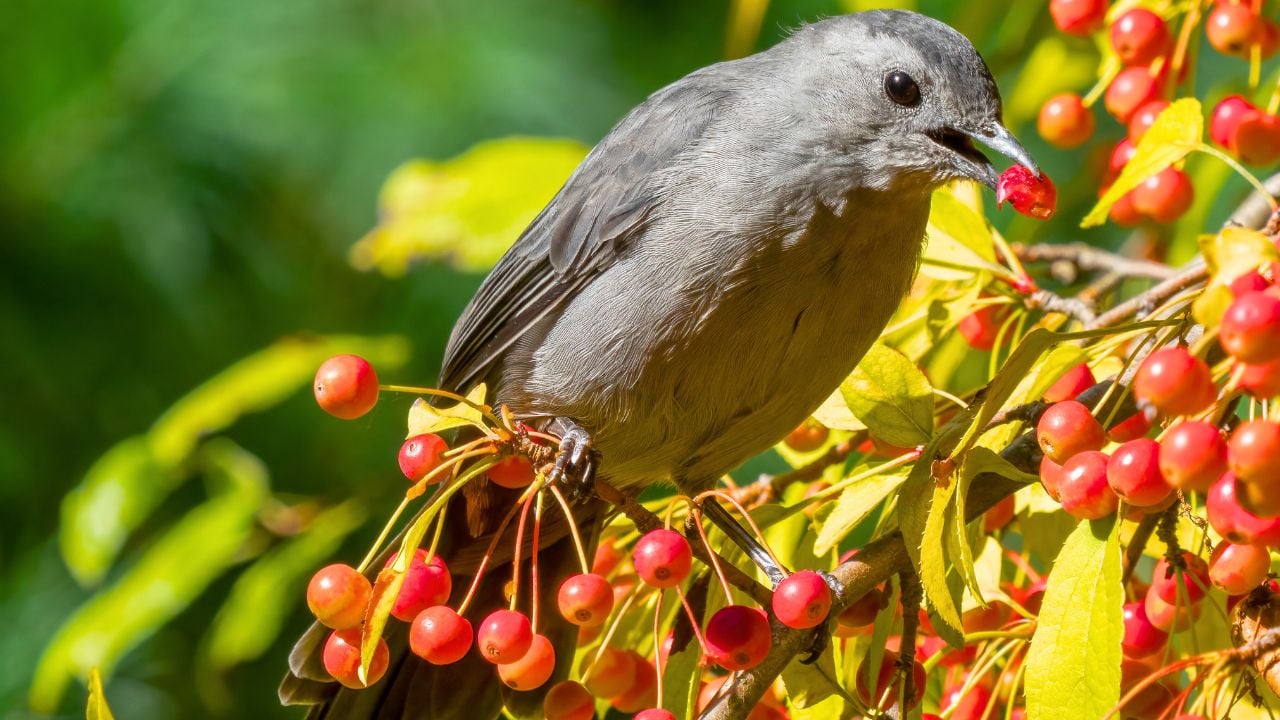
Creating a garden that birds love is as rewarding as it is enriching for the environment. With these 17 berry-bearing plants, you can support local bird populations while enjoying the visual beauty of fruiting shrubs and trees.
Choose a variety of plants to ensure food availability year-round, and watch your outdoor space come alive with feathered visitors!