8 Toughest Blooming Perennials That Make Gardening a Breeze
We might assume a beautiful outdoor space requires hours of heavy labor in the dirt. This can be true, since many popular plants demand frequent watering and heavy fertilizing just to stay alive. Thankfully, a select group of robust flowers completely ignores these difficult demands.
Tough plants thrive in poor soil and dry conditions with minimal effort from you. These resilient varieties push through extreme heat and sudden cold snaps without dropping their blooms. Plus, as perennials, they’ll come back year after year.
With these plant choices, you spend more time enjoying the bright colors instead of tending to fragile stems. A low-maintenance yard relies on strong varieties adapted to local climates. Strong root systems allow these robust species to outcompete weeds naturally.
We gathered a list of the most resilient flowers available for your yard. Here are eight blooming perennials that provide gorgeous color year after year with minimal maintenance.
1. Hostas
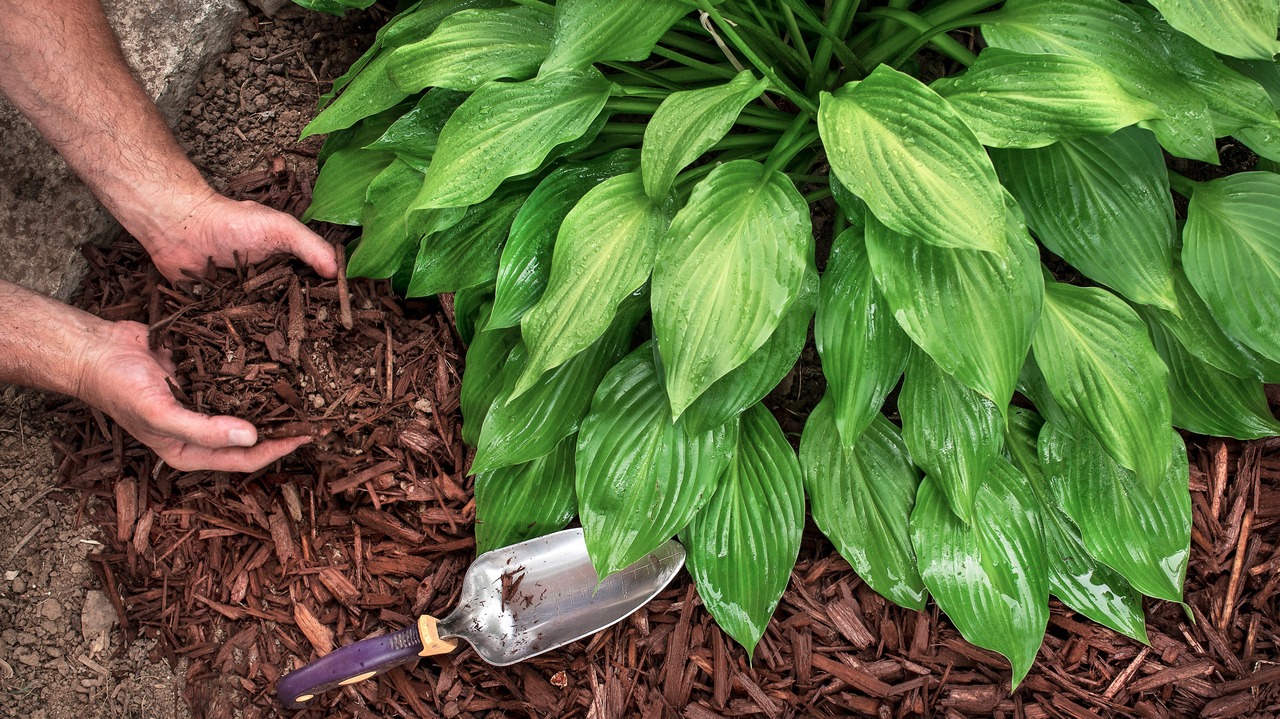
Hostas deliver lush green foliage and delicate flower spikes to the darkest corners of your yard. These shade-loving plants grow vigorously under large trees where other flowers struggle to survive.
Their broad leaves naturally suppress weeds and completely cover the surrounding soil. You should plant them in rich organic soil to maximize their impressive size.
Scatter crushed eggshells around the base to stop hungry slugs from snacking on the tender leaves. Divide large clumps every few years in early spring to multiply your collection for free.
2. Black-Eyed Susan
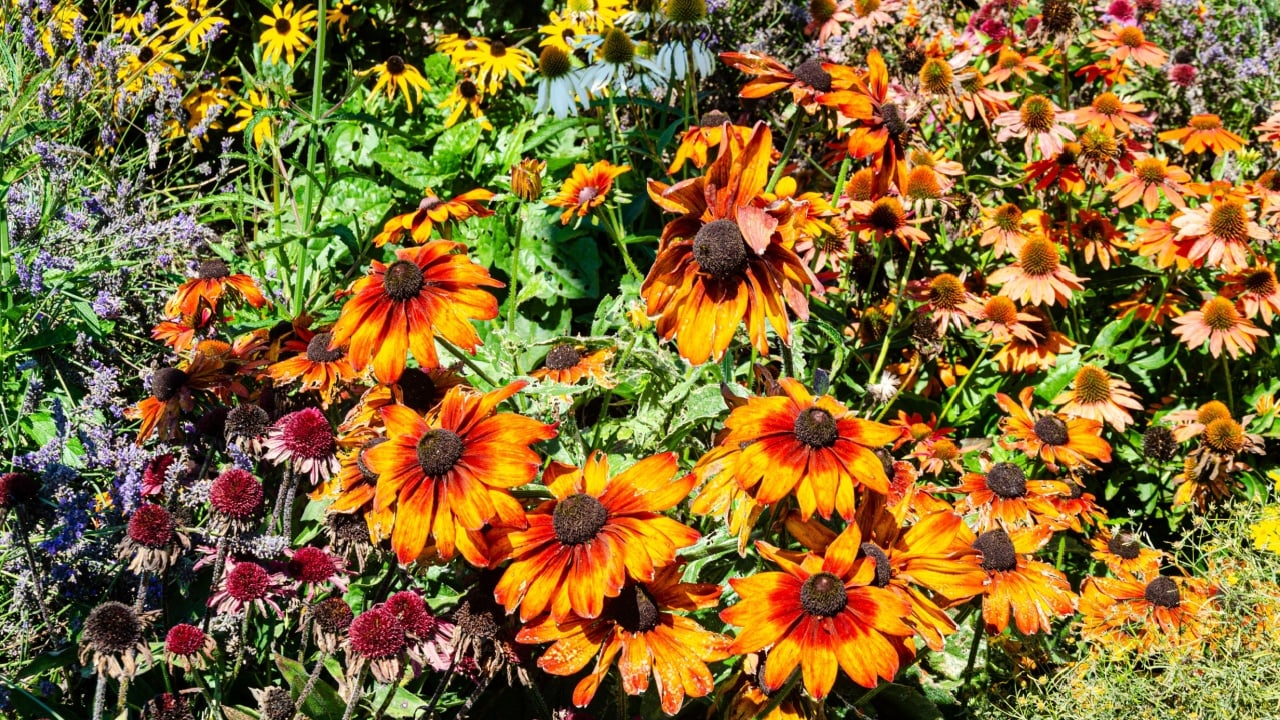
Black-Eyed Susan features bright yellow petals surrounding a dark brown center cone. These cheerful flowers bloom continuously from mid-summer until the first heavy frost hits your region.
They easily tolerate extreme drought conditions and terrible clay soil. Space them two feet apart to allow proper air circulation between the hairy stems.
Deadhead the spent blooms regularly to encourage the plant to produce more vivid yellow flowers. Leave a few dry seed heads standing in late autumn to feed local songbirds over the winter.
3. Daylilies
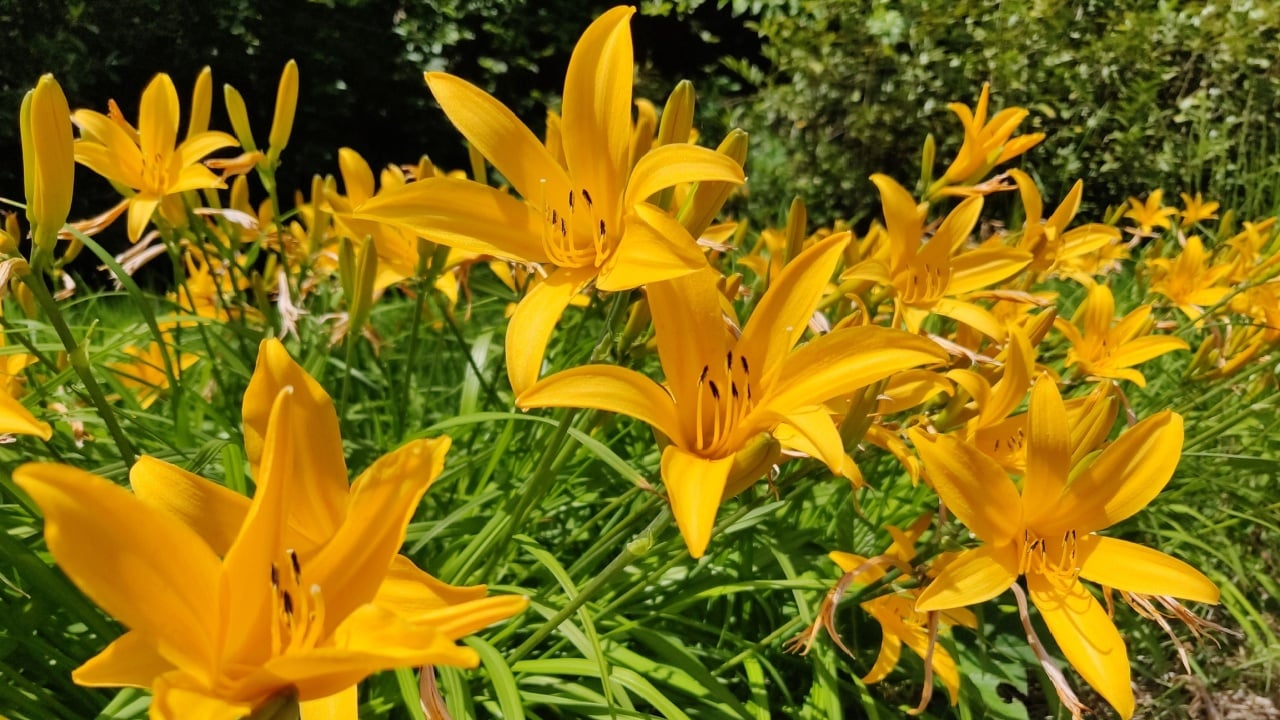
Daylilies produce magnificent trumpet-shaped blossoms on tall stalks above thick grassy foliage. Each individual flower lasts only a single day before fading away entirely.
The main plant pushes out multiple new buds constantly for weeks of continuous brilliant color.
Place them in full sun locations to get the absolute maximum number of blooms. Mulch around the base heavily to retain soil moisture during the hottest summer months. Dig up the crowded roots every four years to keep the plants blooming vigorously.
4. Salvia
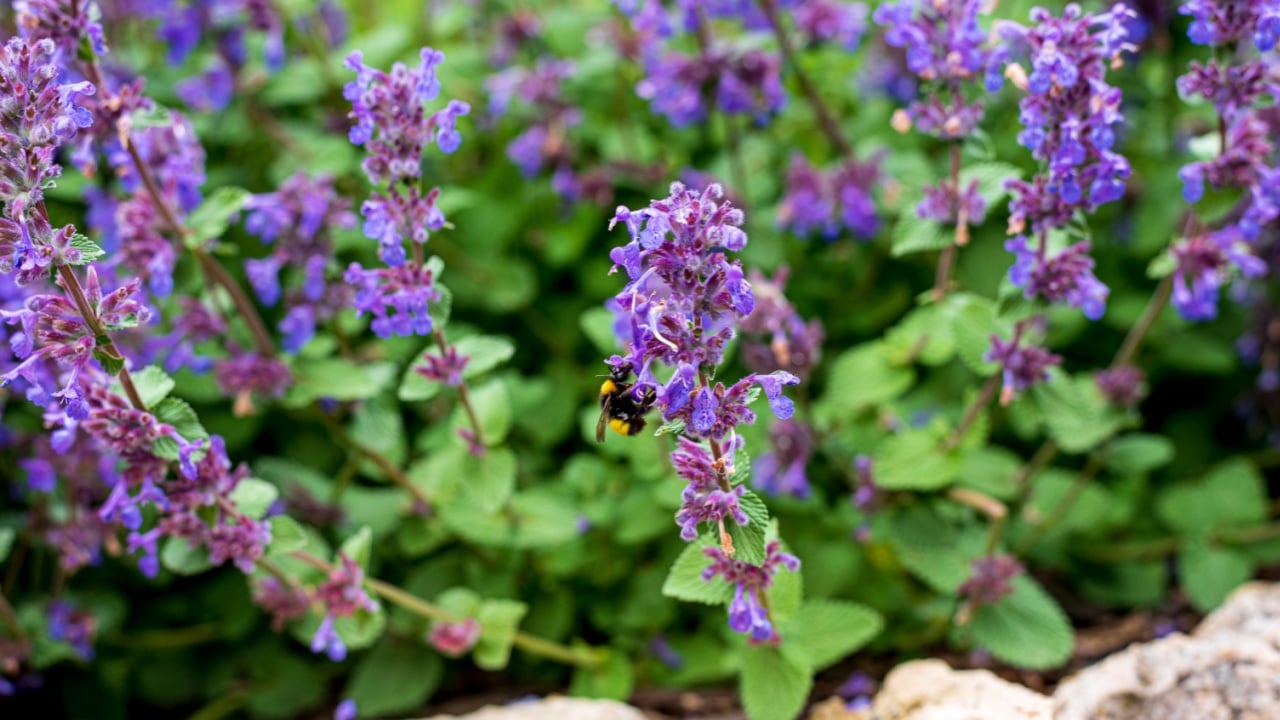
Salvia sends up tall spikes densely packed with tiny purple or bright blue flowers. This rugged plant thrives in blazing sun and bounces back easily after long dry periods.
Bees and butterflies flock to the fragrant blossoms throughout the entire growing season.
Cut the stems all the way down to the ground after the first major bloom fades. The plant will quickly generate fresh leaves and a second flush of vibrant purple color.
Provide them with very well-drained soil to stop root rot during the wet spring months.
5. Sedum
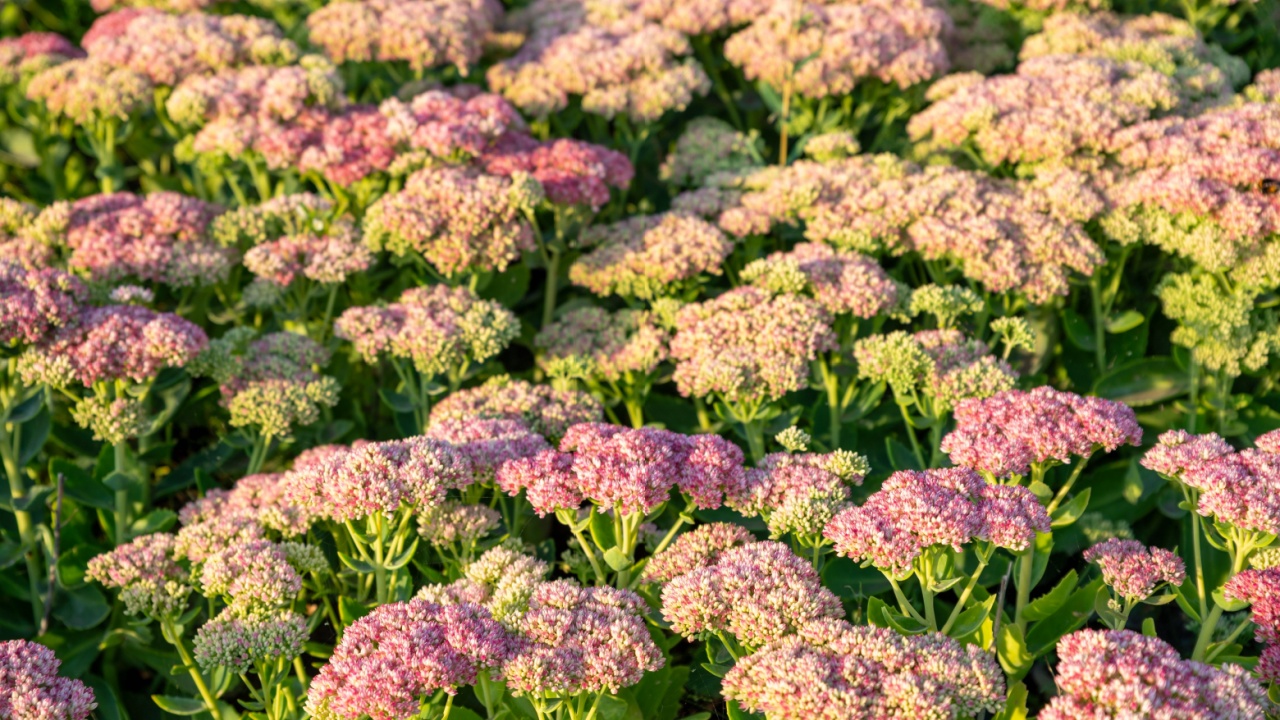
Sedum grows thick succulent leaves that store large amounts of water during brutal droughts. Heavy clusters of star-shaped flowers appear late in the season when most other plants fade.
The sturdy stalks remain standing tall through heavy rainstorms and strong wind gusts. Plant them in hot, rocky areas where grass refuses to grow properly.
Wait until early spring to trim away the dead brown stalks from the previous year. The dried flower heads add lovely structural interest to a barren winter landscape.
6. Solomon’s Seal
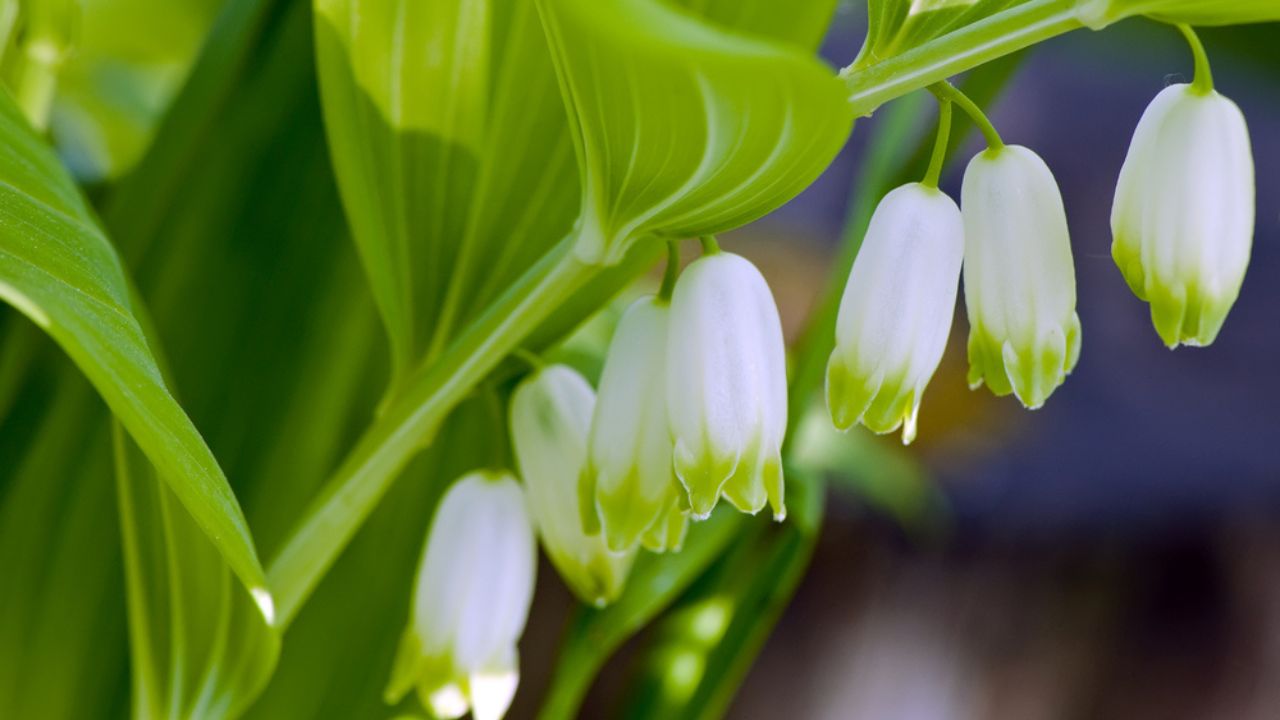
Solomon’s Seal develops elegant arching stems lined with small, dangling, white, bell-shaped flowers. The deeply veined green leaves turn a striking golden yellow in late autumn.
This woodland native spreads slowly to create a beautiful, textured ground cover in heavy shade. Mix plenty of rich compost into the ground before planting the thick white rhizomes.
Keep the soil slightly moist during the first year while the roots establish themselves firmly. Pair them with ferns to create an incredibly peaceful, textured shade border.
7. Echinacea
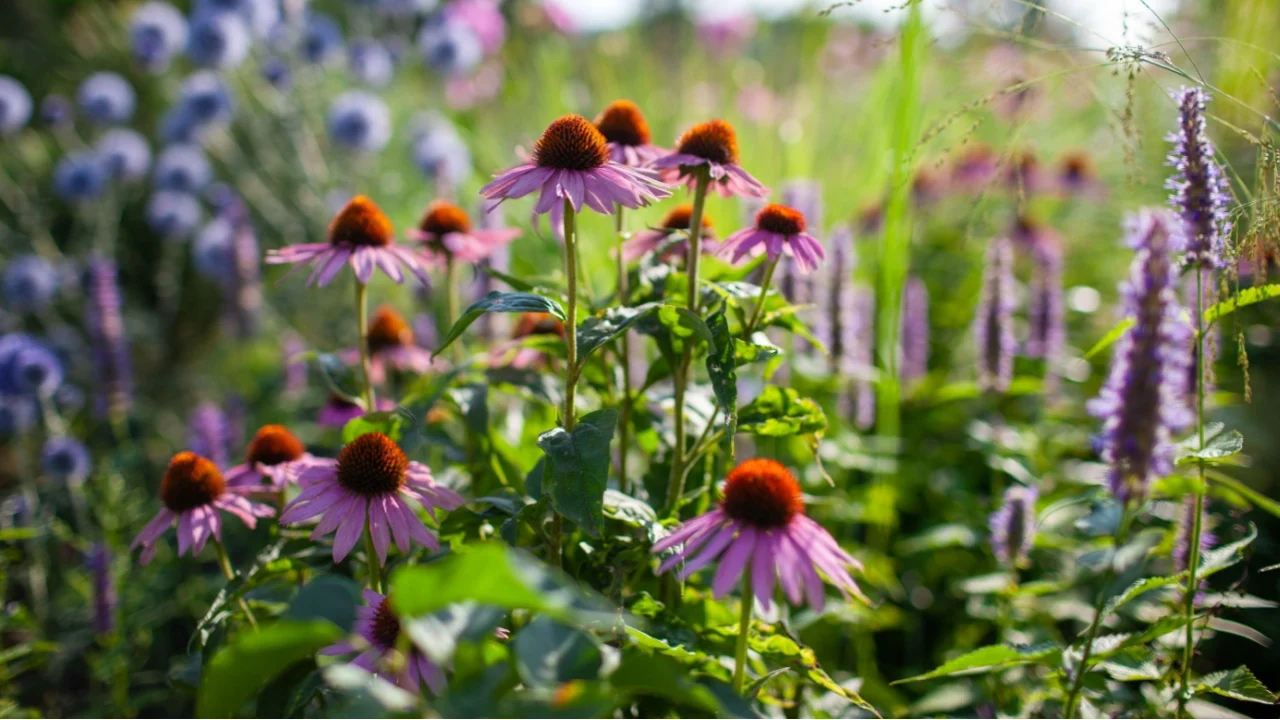
Echinacea showcases large pink petals drooping downward from a prominent spiky orange central cone. These rugged native wildflowers adapt perfectly to wild temperature swings and unpredictable rainfall patterns.
Deep taproots allow them to find water far below the dusty surface level. Plant them in large groups to create a massive visual impact in your garden beds.
Avoid heavy chemical fertilizers, as overly rich soil can make tall stems flop over. Leave the dried cones intact through November to attract hungry goldfinches to your yard.
8. Yarrow
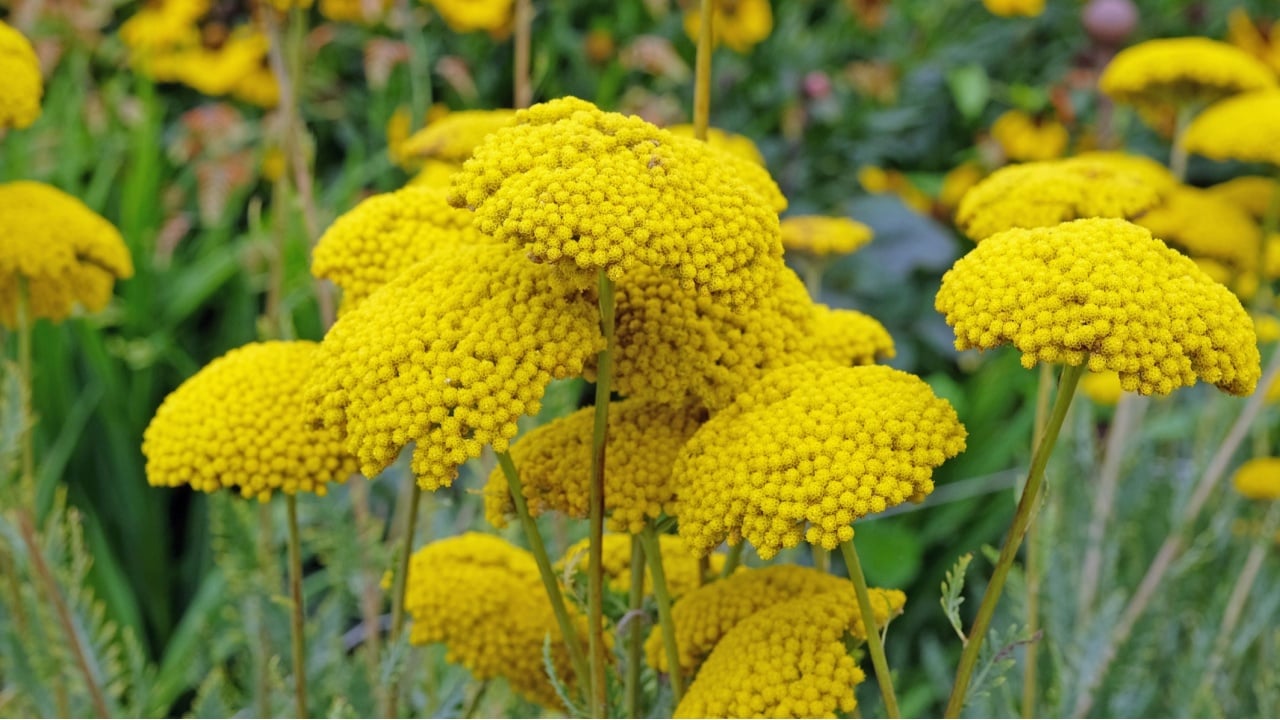
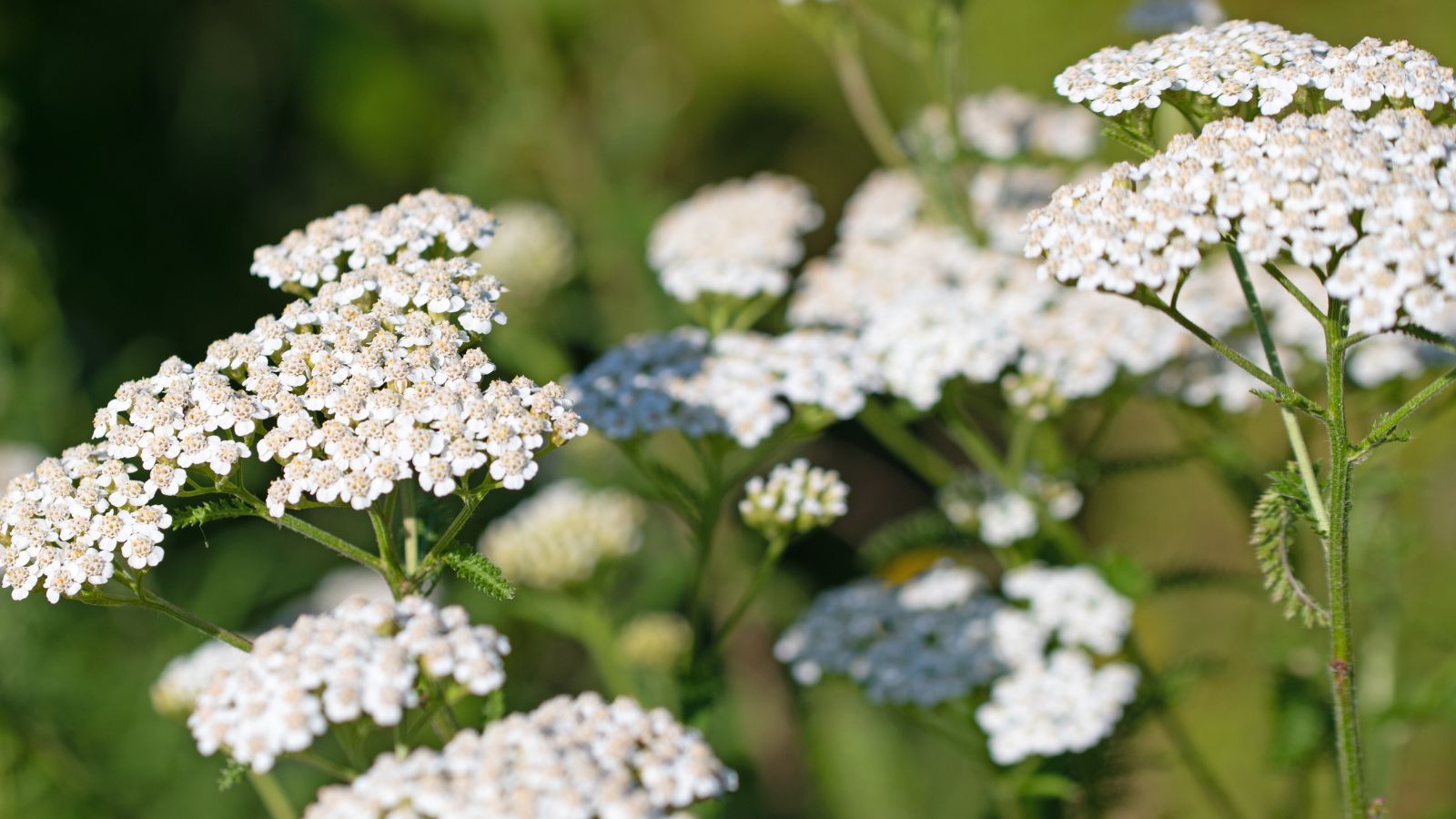
Yarrow produces wide, flat clusters of tiny flowers sitting above soft, fern-like green leaves. This tough plant thrives on total neglect and completely ignores scorching summer temperatures.
The wide blossoms provide a perfect landing pad for beneficial insects and hungry butterflies. Provide excellent drainage because soggy dirt kills the roots incredibly fast.
Chop the entire plant back by half in late June to maintain a compact, tidy shape. Divide the expanding clumps every three years to keep the center sections alive and healthy.
Enjoy Your Easy Yard
A beautiful yard should not require endless hours of heavy labor. Tough plants allow you to enjoy bright flowers without constant extra work. Your outdoor space becomes an easy retreat filled with reliable color from spring through autumn.
You can easily transform your landscape using these sturdy options. Gather your garden tools and prepare the soil for these resilient bloomers.
Your new flowers will reward you with gorgeous petals and incredible vigor for many seasons.
Read More:
Gardening for Every Body with Low Maintenance Edible Perennials
Low Maintenance Ground Cover Ideas For A Beautiful Worry-Free Landscape