
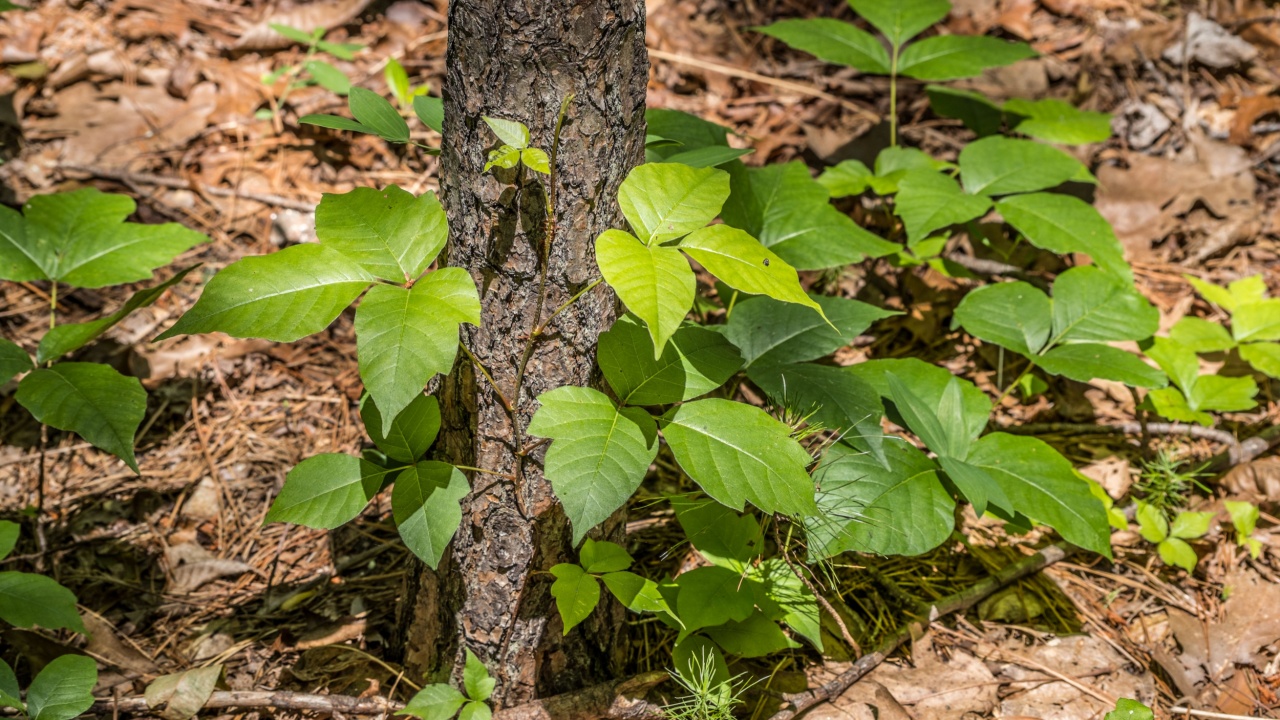
How to Get Rid of Poison Ivy Plants
More than likely, we’ve all had a scare once or twice involving poison ivy. If you are an outdoor enthusiast, being educated about poison ivy and how to deal with its effects is important. Learn how to get rid of poison ivy plants from around your house so you can enjoy spending time outdoors.
There are certain identifiers to be aware of to help you steer clear of coming in contact with poison ivy when out and about in the woods.
If you do happen to brush up against it or find yourself in a patch of poison ivy, it’s important to take the proper steps immediately to help you get rid of it. See below for instructions on how to take care of yourself once you get poison ivy.
What Is Poison Ivy?

Poison ivy can be found in every state in the US and in all varying climates. The plant is identifiable as having three leaves, and the “poison” actually comes from an oil called urushiol that is excreted throughout the stems, roots, and leaves of the plant.
Poison ivy oil can spread quickly and easily (just like poison oak does).
Poison ivy rash can spread from clothes, skin contact, or any other item it comes in contact with.
How to Get Rid of Poison Ivy Plants

If you see poison ivy in your backyard, don’t wait. Act immediately, or it will spread quickly. Here are just a few ways to remove poison ivy from your property.
Learn how to get rid of plants you don’t want in your garden.
1. Pull it

Pulling poison ivy plants will help get rid of it.
Make sure you are dressed properly to protect yourself. Wear long pants and sleeves, and throw them straight into the wash when you’re done.
Cover your hands well, too. Wear plastic or nitrile gloves and a pair of cheap gardening gloves that you can throw away when you’re done.
Don’t ever compost or burn poison ivy.
Burning poison ivy is a very bad idea because the smoke will get into your lungs and do to your insides what it does to your skin.
2. Get a goat or two

Goats LOVE to eat poison ivy and will decimate in no time.
If getting your own goat is not an option, borrow one. We have friends who raise goats and did this in the beginning when the poison ivy was overtaking our entire backyard.
If you borrow the goats, you might need to follow up with some other method, but it’s a good way to eliminate huge poison ivy vines.
3. Hire a neighbor who isn’t allergic to poison ivy

Not everyone is allergic to poison ivy. And if you are, it’s worth paying someone else to pull it out of your yard.
My daughter got it and struggled with it for months. It would disappear, and then she’d do something in the garden and get it all over again.
4. Spray it with vinegar
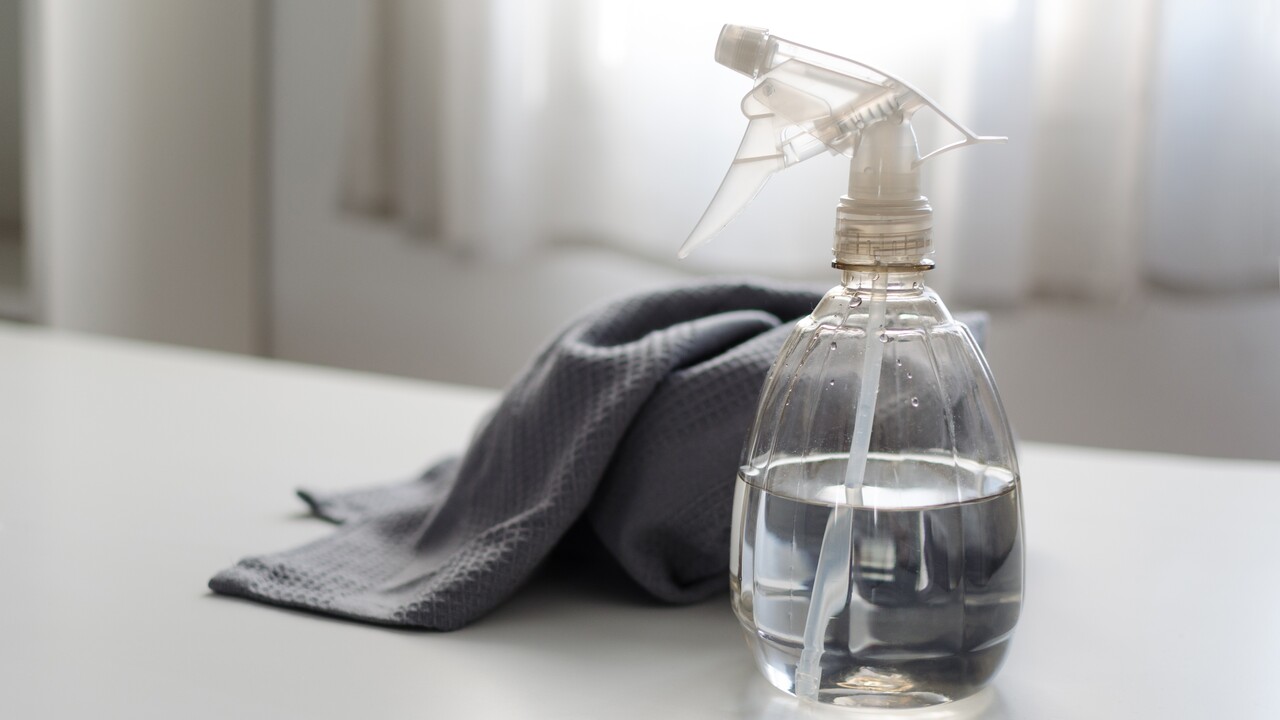
This might take longer, but if you spray it with concentrated industrial vinegar, it’ll go away.
It will also kill anything else nearby that’s touched by your spray. So this method only works if you don’t have poison ivy between your pretty flowers or in your veggie patch. But this can work if it’s hanging on your fence or by a tree.
5. Pour hot water on it
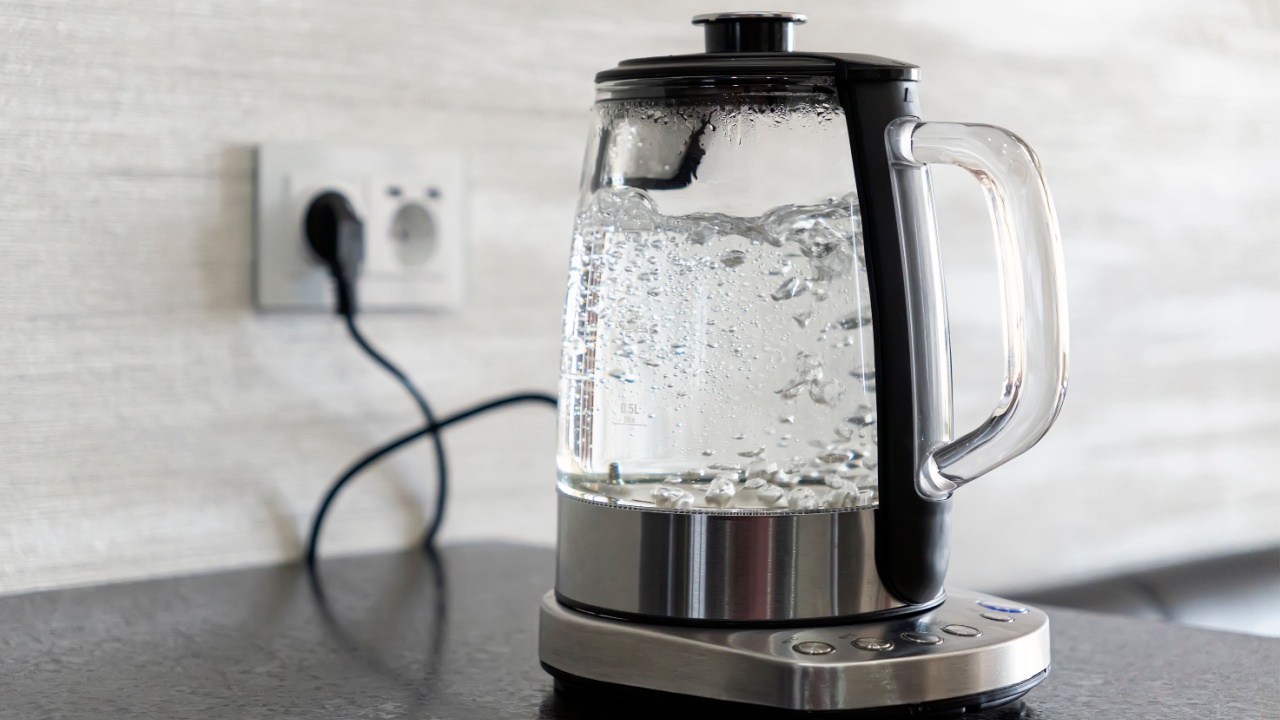
Hot water will kill it, but also kill anything else nearby. Nonetheless, it’s an option in certain cases.
What If You Touched Poison Ivy?
If you think you might have touched poison ivy, there are a few things you need to do right away:
- Change your clothes and wash all of them in hot water
- If poison ivy grows on your property, it’s a smart idea to have a salve ready in your home
- Scrub your skin with a washcloth and Tecnu soap. It’s a good idea to have some in your house, especially if you have kids. If you don’t have the Tecnu soap, use Dawn liquid dish-washing soap. Just make sure you scrub well.
How To Get Rid Of Poison Ivy Rash
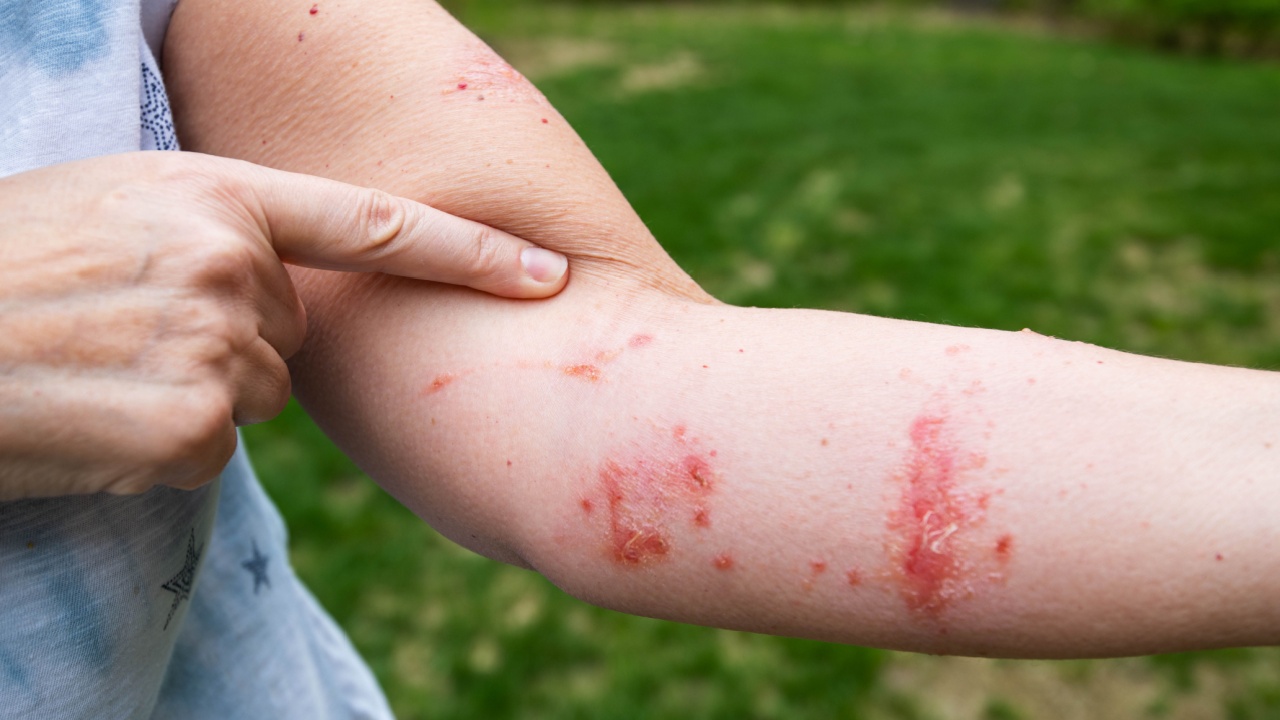
Once you show signs of poison ivy, it is imperative to take action so it won’t continue to spread. You can help rid it in several ways before it oozes and blisters.
Apply a steroid cream
Finding a good steroid cream and applying it to the poison ivy rash can help clear it up quickly. Talk to your local pharmacist to determine the best option for you or your child to ensure the quickest and safest treatment.
Use jewelweed
To calm your poison ivy rash, you can make a concentrated jewelweed tea and add it to your bath water.
Some people make jewelweed tea ice cubes to soothe the itch and pain of the rash.
Or you can buy a salve made with jewelweed and have it ready in your medicine cabinet.
Leave it be, and don’t scratch it!
It’s easier said than done, right? The more you scratch, the more you’ll want to keep doing it. Your skin will get irritated and take a lot longer to heal.
If the itching is driving you insane, you can try a couple of options to help. You can create an oatmeal bath to help the itching or even one with Epson salt to dry it out.
We also tried a vinegar spray with a few drops of peppermint and tea tree oils. It stung like crazy, but it dried it up and helped a lot!
If you can’t stop yourself from itching, no matter what, put gloves or socks on your hands so that you won’t dig into your skin!
Know what the poison ivy plant looks like
Before heading out to explore nature, educate yourself and your family members on how to identify a poison ivy plant.
The safest and quickest way to avoid getting poison ivy is to know what you are looking for! Pull up videos or pictures online to show your family so they know what to avoid.
The new poison ivy leaves are reddish but turn green as they mature. Then, they change to red, orange, or yellow in the fall. Sometimes, you’ll see warts on their leaves caused by the eriophyid mite, Aculops rhois.
Above all, if you feel you’ve come in contact with poison ivy, wash that area with soap and water as soon as possible!





An indicator spray that would change color on contact with the oil woul help ensure it was all washed off
That’s a great idea…kind of like having a stylized luminol-spray for ivy! Out of frustration after falling into poison ivy AND breaking a hand and spraining another…I had to use ice for pain. Miraculously, the ice packs actually took the sting out of the poison ivy blisters that hugged the wrist of the hand I broke. Hope this helps someone who, beat up, is “sans the ability to wash thoroughly or has access to pain meds”.
Scratching isn’t what causes it to spread. Only the oil from the plant will cause reaction. The timing of blisters/rash is relative to the amount of oil and the sensitivity of the area exposed. When scratched,, various layers of epidermis are removed, allowing the oil to react quicker as there is less skin .The lines that appear from scratching are where skin is thinner from the scratch.
I was just about to write that. In micro biology I studied poison ivy. I just want to add, the oil is more like a sap as it is really tacky and hard to remove. It gets in the crack and crevices of the skin making it even harder. It looks really cool under a microscope.
I have been covered by poison ivy so many times throughout my life. When I was about 15 I help my uncle clear off some land and he was burning it and I got covered from head to toe. My eyes were almost swollen completely shut and back then all they wanted to give you a calamine lotion. That’s a waste of money in my opinion. I have found it if I take an antihistamine everyday I don’t seem to have a problem with it anymore.
I, too, have had it from head to toe. And, saying it doesn’t spread is somewhat of a misnomer. I had an outbreak on both my legs, and tried no to scratch it. But, about a week later, I also developed a rash on areas of my body that, not only have never seen poison Ivy, but have seen very little sunshine, if you know what I mean. It became a very painful episode, and when another rash happened on my face and began to effect my eyes, I went to the doctor. He gave me a daily steroid shot for about 3 consecutive days, and by the end of the 3rd day, it was all completely gone.
My experience with the noxious weed is for heavy areas I go to a thrift store and purchase clothing to be thrown away after working inn the weed to avoid possible cross contamination. I use trash or plastic bags as mittens to pull the weed, it covers my arms and I can use the bag for disposal in the trash can, limiting cross contamination. I do not advocate using a mower or weed eater on the vine for the risk of particles of the plant going airborne. My way of treating exposure is a little strange but works for me; after working with the weed I immediately spray down my hands and forearms with large amounts of WD 40 and wash with it, it seems to pick up the oils. Then I wash off the Wd with dish soap and water and rub a benadryl based lotion on. Wd and soap are someting I keep in the shop. Lubricant is self explanatory but straight soap for greasy hands then add water and I add a few drops of it to herbicides to make it cling to the plant better.
Where ever it is on your body, get in the shower and turn the hot water on as hot as you can stand it. Hot water releases histamines. Histamines are what makes you itch. After only 30 seconds you will feel relief. This will last for approximately 8 hrs. and then do it again. It really works!! In 3 – 4 days it will dry up.
Scratching doesn’t spread the poison ivy, not unless there’s still the poison oil on the skin.
Also, sometimes it takes longer for it to show up on other places than the initial areas, so that’s why people think scratching it spreads.
Scratching can lead to infections, but the ooze isn’t spreading it. 🙂
https://www.poison.org/articles/2014-oct/poison-ivy-oak-and-sumac
I had a bad reaction to poison ivy and tried many remedies. Coconut oil worked the best. I rubbed it on like lotion. It was soothing and healed inflammation and blisters quickly.
What are you supposed to do with the pulled up plants? You can’t mulch and you can’t burn.
Place them into a plastic bag, close it tightly, and put it in your trash.