15 Kitchen Cleaning Mistakes Microbiologists Say Are Spreading Bacteria
A sparkling kitchen doesn’t always mean a clean kitchen. While wiping down counters and doing the dishes might make the space look clean and guest-ready, it doesn’t guarantee it’s free from the hidden germs that can cause illness. Many people focus on visible tidiness, accidentally overlooking the microscopic bacteria that can linger on surfaces.
What’s surprising is that some of the most common cleaning habits are actually making the problem worse. According to microbiologists, several everyday practices can spread germs around instead of eliminating them. These simple mistakes can turn your kitchen into a playground for harmful microbes like E. coli, Salmonella, and Staphylococcus.
When these bacteria hang around on cutting boards, utensils, and countertops, they can significantly increase the risk of foodborne illness for you and your family.
Here are the most common kitchen cleaning mistakes and simple, science-backed ways to fix them.
1. Using the Wrong Water Temperature
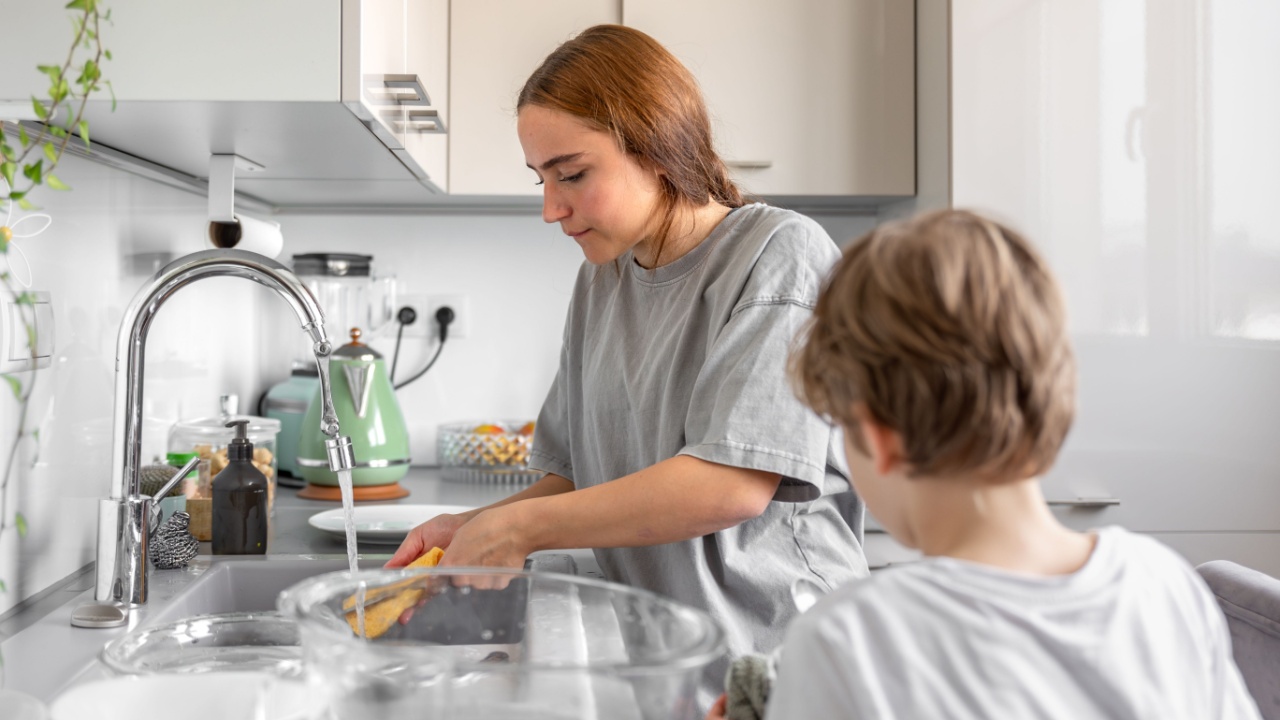
Many individuals believe that water must be scalding hot to sanitize dishes effectively. However, microbiologists note that excessively hot water can burn hands, leading to a rushed and incomplete wash.
The FDA’s ideal temperature for handwashing dishes is a minimum of 110 degrees Fahrenheit. It’s the combination of hot, soapy water and physical friction from scrubbing that actually lifts and removes organic matter and bacteria from surfaces.
How to fix it: Adjust the tap so the water feels warm and comfortable enough for you to scrub thoroughly without discomfort. If the water gets too cold or greasy, drain the basin and refill it with fresh warm suds to maintain an effective cleaning environment.
2. Washing Dishes in a Dirty Sink
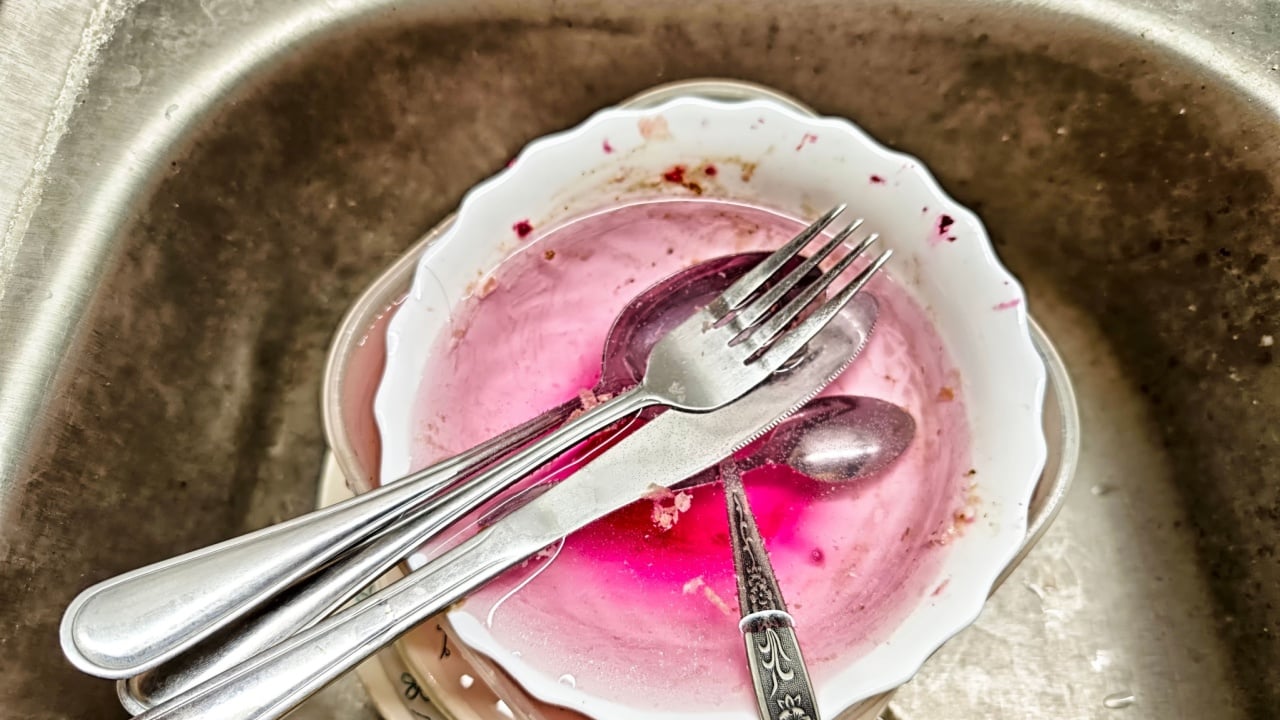
The kitchen sink is frequently one of the most contaminated areas in the entire house. Raw meat juices, soil from vegetables, and leftover food particles create an inviting breeding ground for foodborne germs like Salmonella and Campylobacter.
When you place plates, glasses, or utensils into a contaminated basin, you are transferring those harmful microbes directly onto the surfaces you eat and drink from. Washing them in what is essentially a bacterial soup defeats the purpose of cleaning.
How to fix it: Wash the sink basin every night with soap and warm water to remove the daily grime. Once a week, apply a commercial disinfectant spray or a bleach solution (one tablespoon of bleach per gallon of water) to thoroughly sanitize the surface and drain area. Let it sit for several minutes before rinsing.
3. Ignoring Cuts or Scrapes on Your Hands
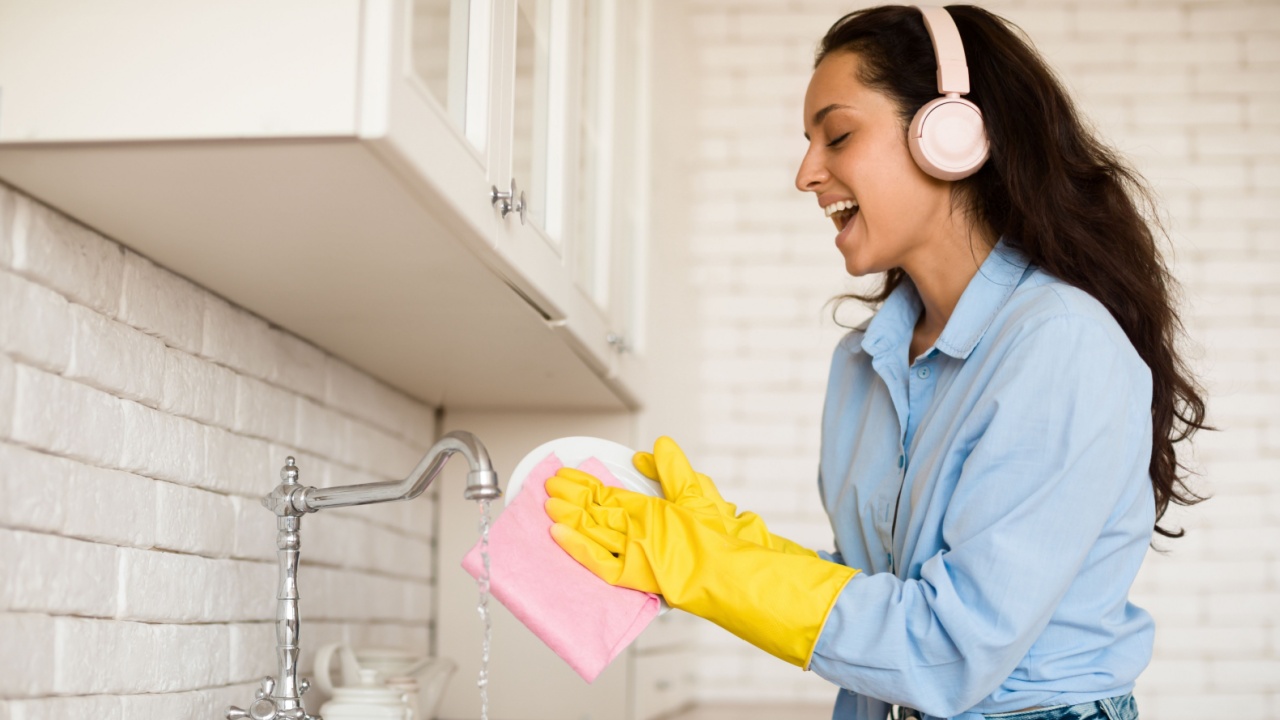
It’s easy to get small nicks and cuts while chopping vegetables or handling kitchen tools. However, washing dirty plates with an open wound exposes your body to harmful bacteria like Staphylococcus aureus (Staph), which can be present on skin and in contaminated food.
Germs present in a dirty dishwasher can easily enter your bloodstream through the broken skin and cause painful infections, redness, and swelling.
How to fix it: Always wear protective rubber gloves before plunging your hands into a soapy dishwasher, especially if you have a cut. This creates a waterproof barrier. If gloves are unavailable, wait for the skin to heal completely or assign the chore to another household member to avoid the risk of infection.
4. Skipping the Sink Drying Process
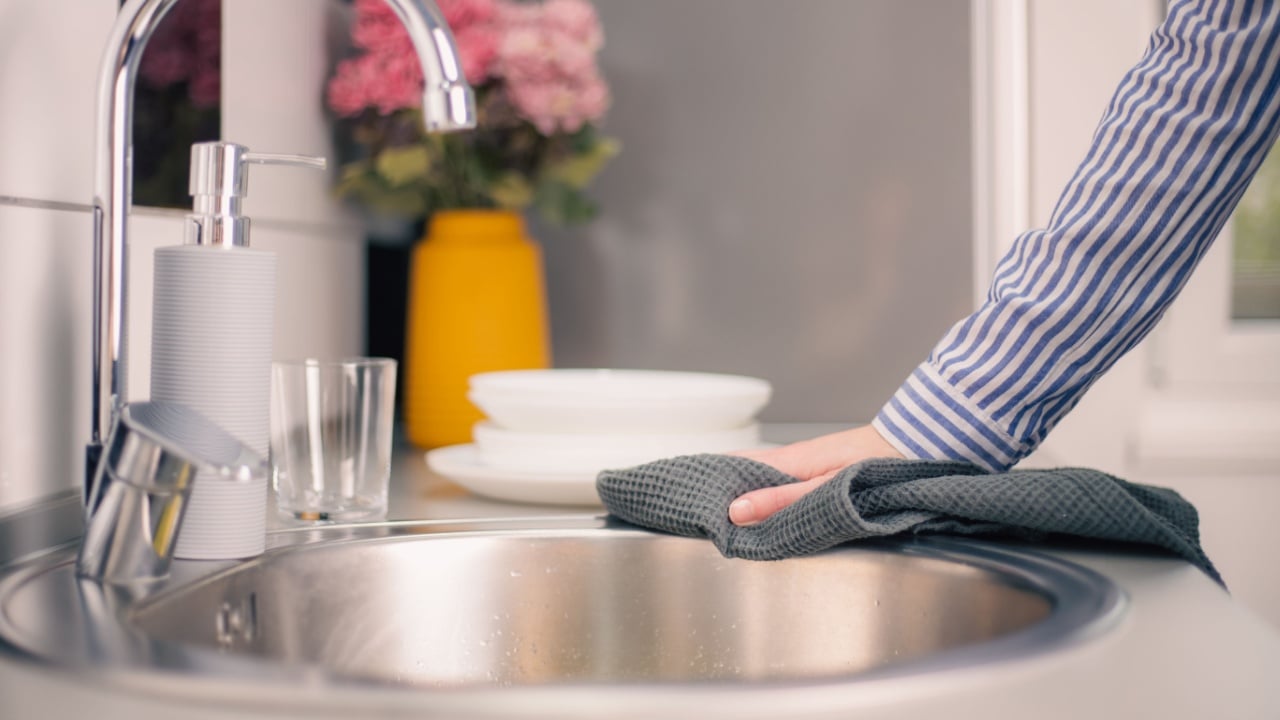
Applying soap and rinsing the sink basin is only part of the sanitization equation. Bacteria require moisture to survive and multiply. They can double their population in as little as 20 minutes in the right conditions.
Leaving water droplets behind in the sink provides pathogens with the exact damp environment they need to thrive overnight, undoing all your cleaning efforts.
How to fix it: After the evening wash and rinse, take a clean, dedicated paper towel or a dry cloth and wipe down the entire basin, faucet, and handles completely. Depriving microbes of moisture is a simple but powerful step that significantly lowers the overall bacteria count in the room.
5. Scrubbing Endlessly Instead of Soaking
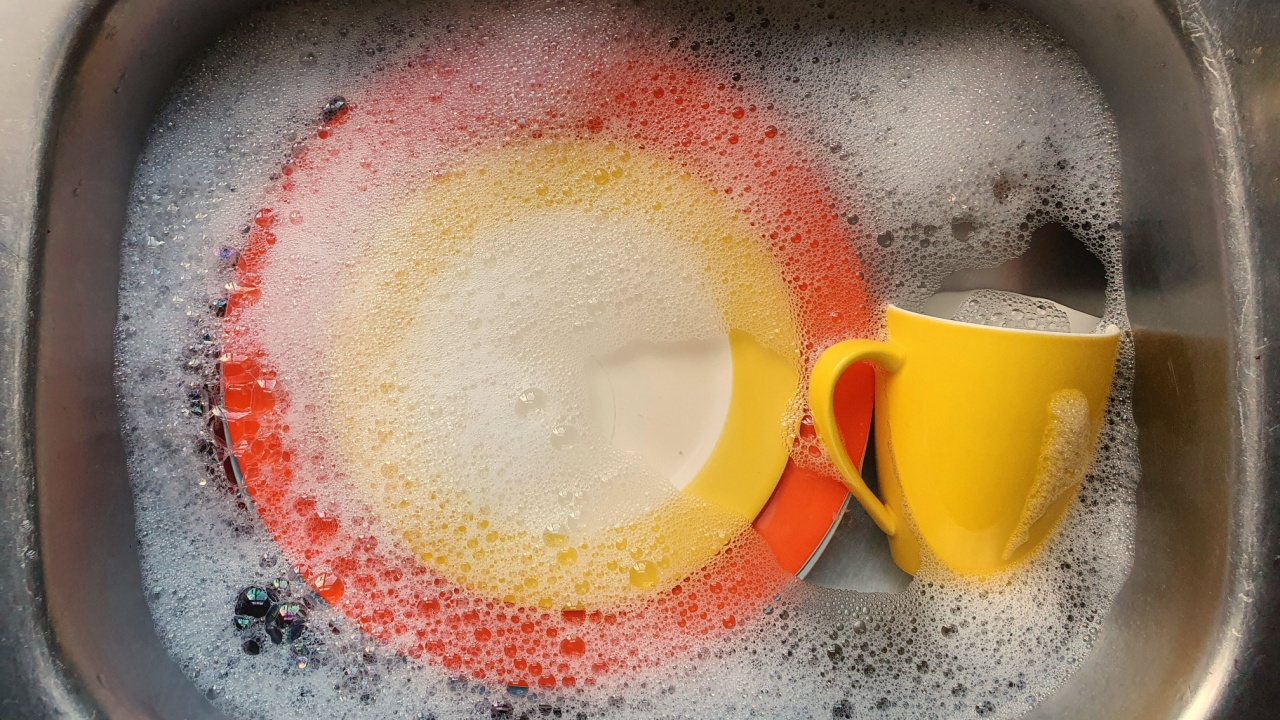
Spending ten minutes aggressively scraping at a pan with baked-on cheese is frustrating, but it also spreads food particles and germs across the counter via splatters. Microbiologists suggest that if removing food takes a long, reasonable effort, the item needs to soak.
Prolonged, forceful scrubbing strains your hands and wrists and makes the entire sanitization process highly inefficient and messy.
How to fix it: Fill a sanitized basin or the pot itself with hot, soapy water and submerge stubborn pots and pans for 15 to 30 minutes. For really tough jobs, an overnight soak might be necessary. The soaking process loosens the organic material, allowing it to be wiped away easily without forceful scraping.
6. Holding Onto Ancient Sponges
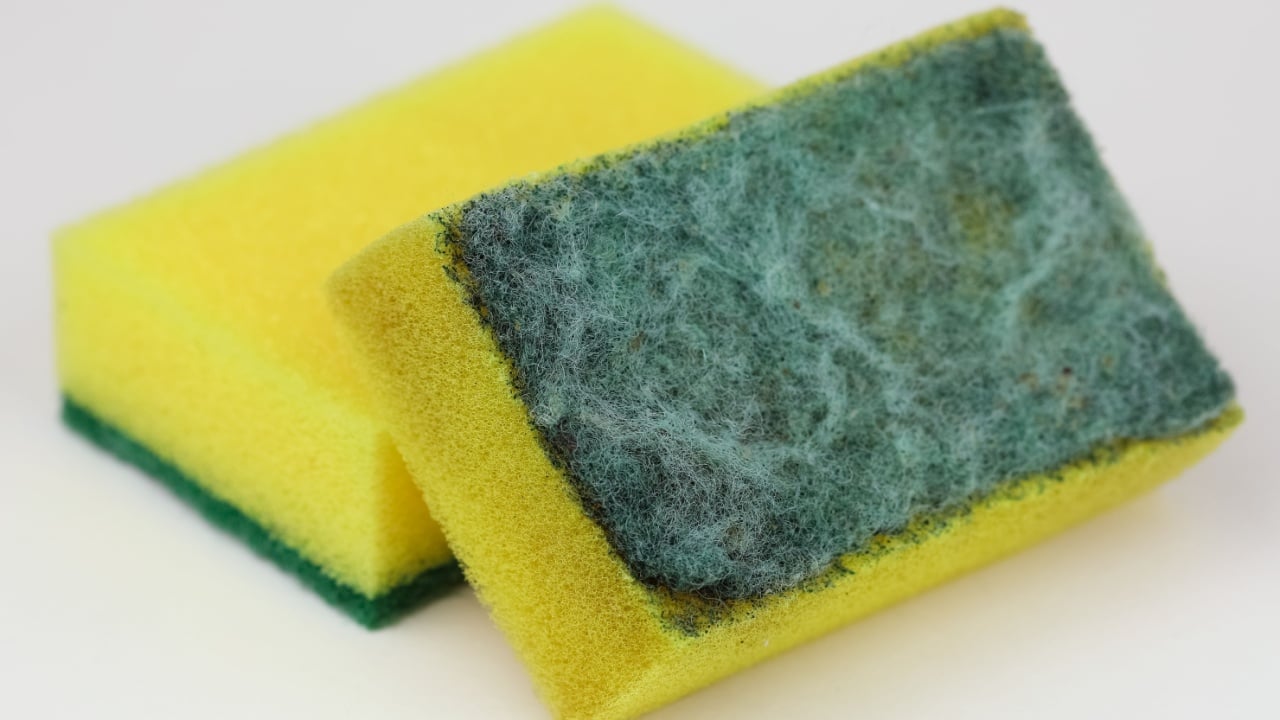
Your sponge is meant to clean your kitchen, but it’s often the dirtiest item. Its porous, damp surface is the perfect breeding ground for bacteria, as it collects tiny food particles.
This turns your sponge into an incubator for germs like E. coli and Salmonella, which can then spread to your plates, countertops, and cutting boards.
How to fix it: Replace your kitchen sponge every one to two weeks, or sooner if it develops an odor. Between replacements, you can sanitize it. Microwave a wet, non-metallic sponge for sixty seconds to kill surface germs, or run it through a full wash-and-dry cycle in the dishwasher daily.
7. Relying on a Single Cleaning Cloth for Every Task
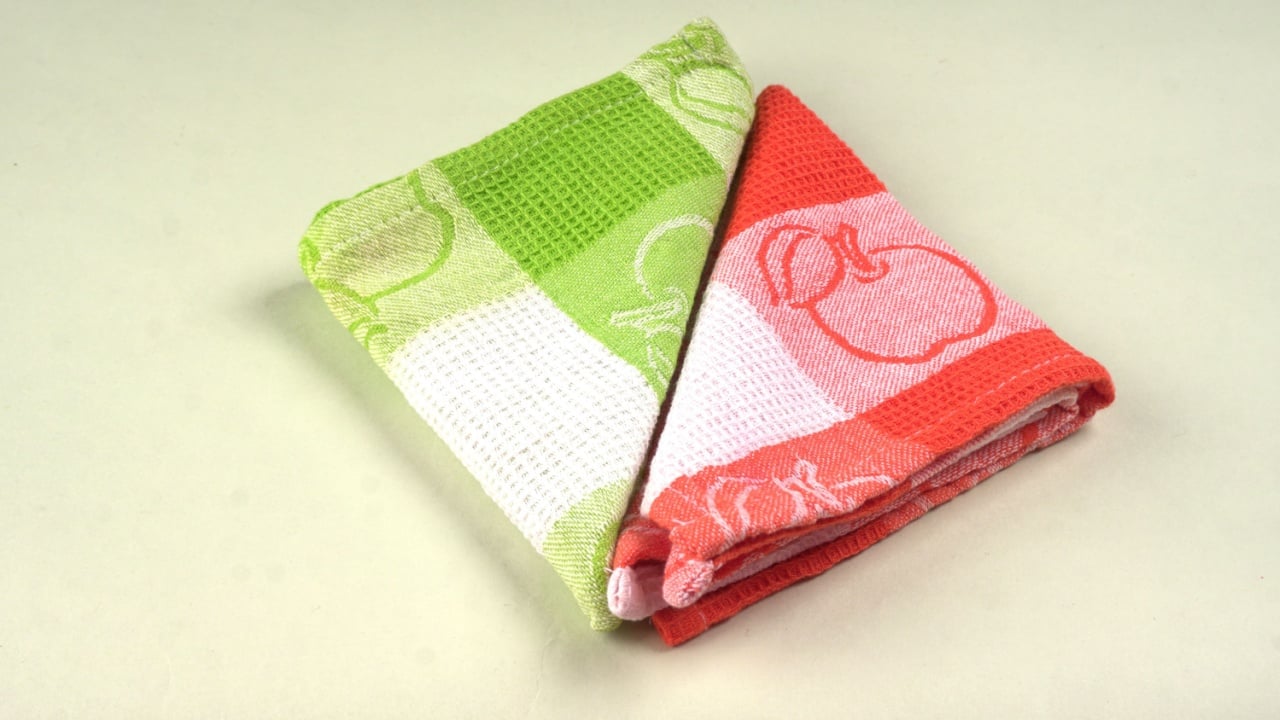
Using the same sponge or scrubber to wipe up raw chicken juice from a cutting board and then washing your drinking glasses guarantees cross-contamination. Microbiologists explain that bacteria easily transfer from contaminated surfaces like countertops to eating utensils when individuals rely on a single cleaning tool.
Mixing purposes for your cleaning tools defeats the entire sanitization process and is a primary way germs are spread throughout the kitchen.
How to fix it: Designate separate, color-coded tools for different chores. For example, use one specific scrubber (e.g., blue) strictly for countertops and another (e.g., green) for dishes and eating utensils. This simple system helps keep pathogens contained.
8. Neglecting the Refrigerator After Tossing Moldy Food
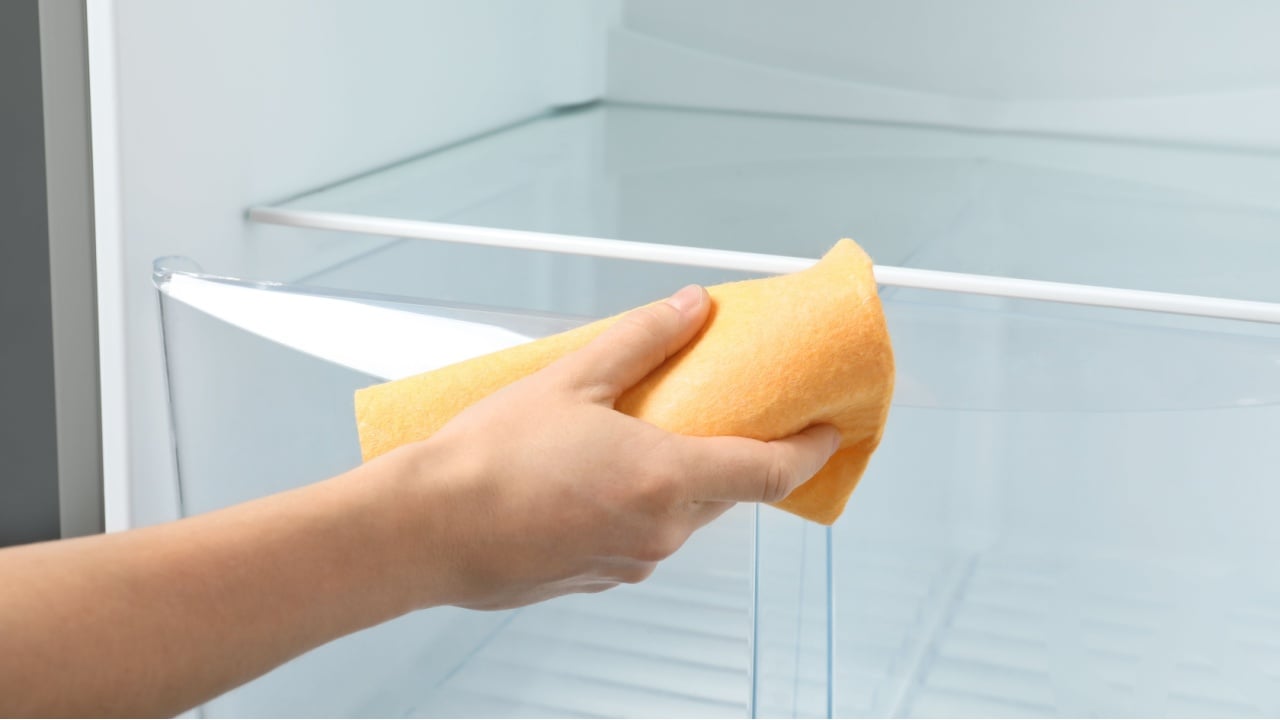
Cold temperatures slow down decay, but cannot stop food from spoiling entirely. When a piece of fruit turns mushy and leaks liquid onto a refrigerator shelf, bacteria and mold spores are released and can spread to nearby containers and produce.
Simply tossing the offending item into the trash leaves an invisible layer of microscopic mold spores behind, ready to contaminate the fresh groceries you put in their place.
How to fix it: Whenever you find spoiled food, remove everything from the affected shelf or drawer. Wash the surface with hot, soapy water. Then, apply a food-safe disinfectant spray or a vinegar solution to the area and dry it thoroughly with a clean towel before returning groceries to the fridge.
9. Forgetting High-traffic Touchpoints

Think about all the things you touch during meal prep. Refrigerator handles, cabinet knobs, light switches, and microwave buttons see constant action. Fingers covered in raw egg, meat residue, or flour transfer millions of microbes onto these surfaces with every touch.
Failing to sanitize these high-traffic touchpoints allows those bacteria to jump right back onto your clean hands the next time you reach for the fridge, creating a cycle of recontamination.
How to fix it: Make cleaning touchpoints the final step of your kitchen routine. Grab a fresh disinfecting wipe or a paper towel treated with cleaner and wipe down all handles, knobs, and switches. Doing this at the very end ensures they stay clean.
10. Assuming the Dishwasher Cleans Itself
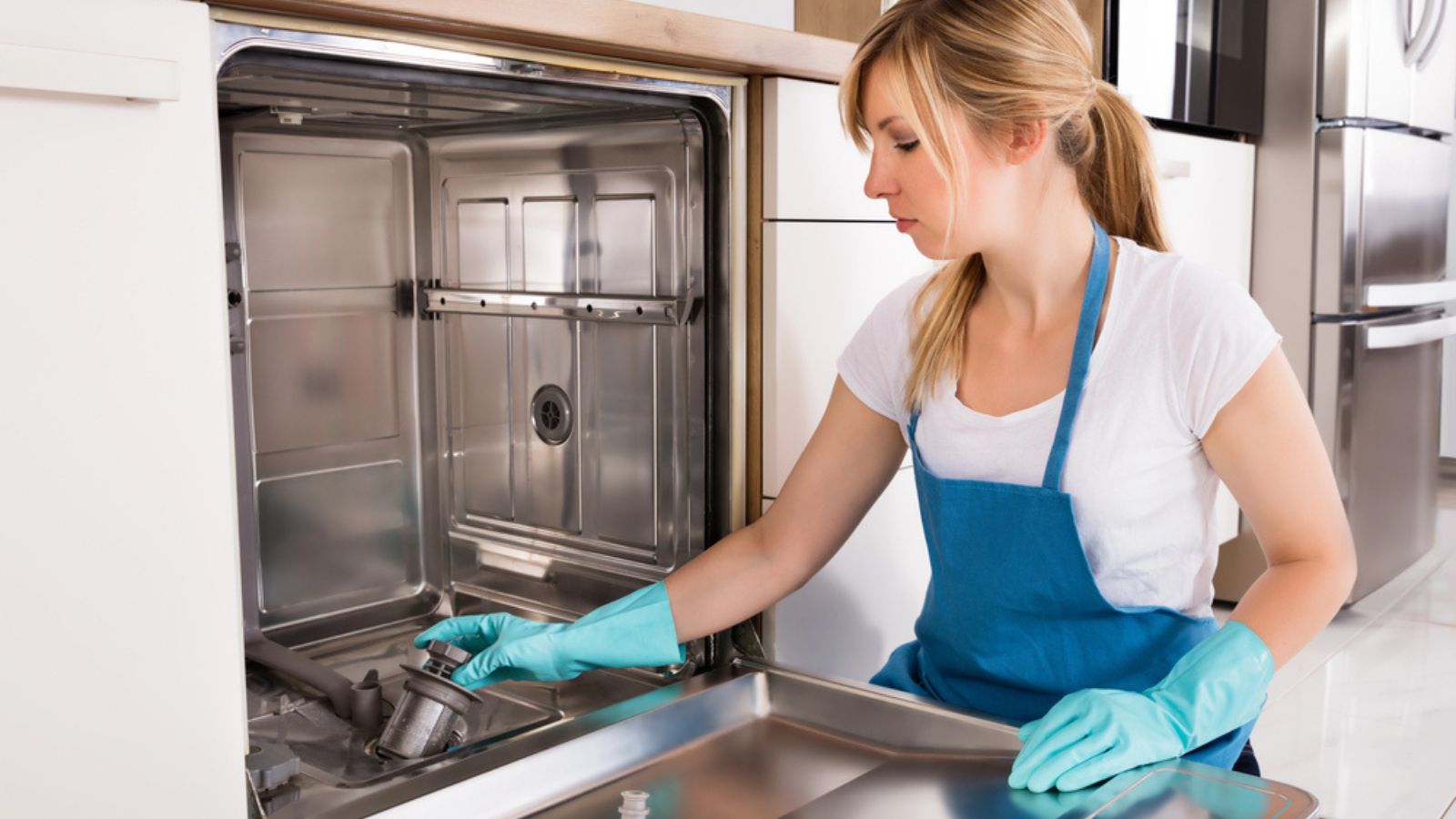
Your dishwasher is a workhorse, but it’s not self-cleaning. Food waste, grease, and mineral deposits from hard water accumulate inside the machine over dozens of wash cycles. A dirty appliance simply cannot produce hygienic plates and silverware.
Mold and foul odors often develop inside the filter and spray arms when leftover debris is allowed to fester in the warm, damp environment between cycles.
How to fix it: Once a month, run an empty cycle with a dishwasher-safe bowl filled with white vinegar on the top rack to break down grease and mineral buildup. Regularly pull out the bottom filter (check your manual for instructions) and wash it with hot, soapy water to remove trapped gunk.
11. Using One Cutting Board for Everything
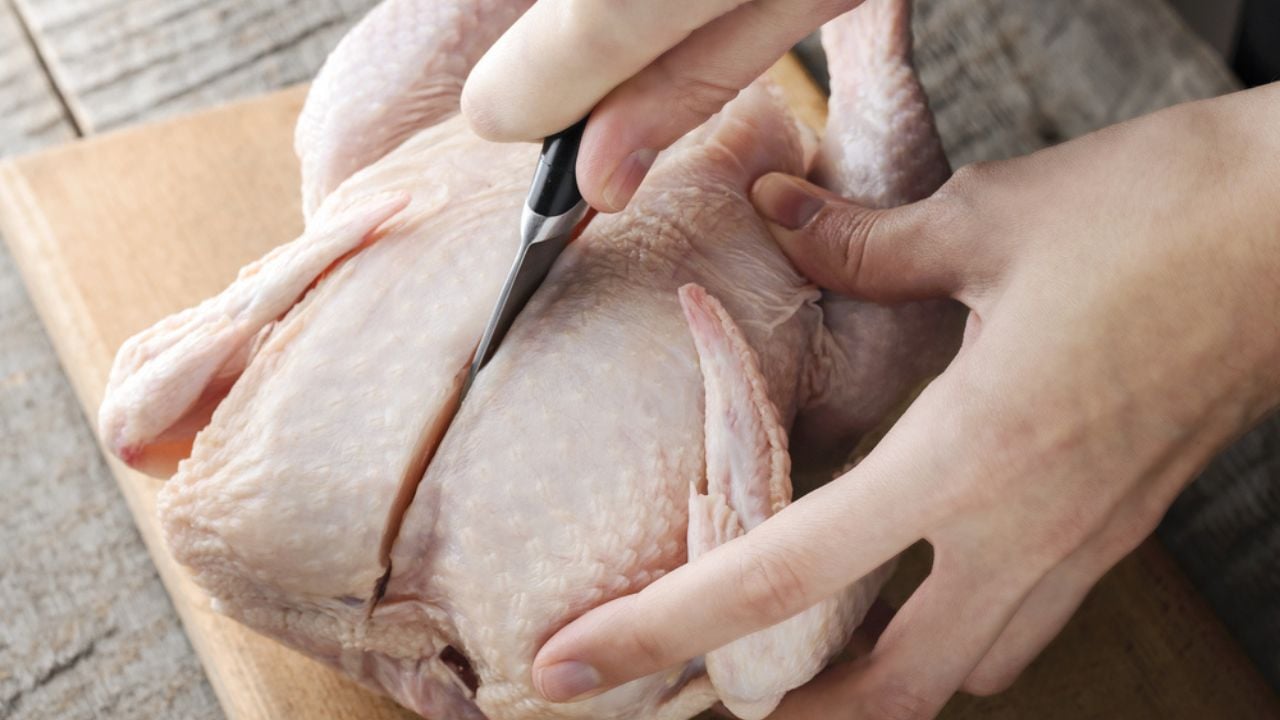
Wood is a porous material that can trap microscopic debris and bacteria deep within its grain. When you dice raw chicken on a wooden board and then slice tomatoes for a salad on the same surface, you are allowing dangerous bacteria like Salmonella to seep into your ready-to-eat ingredients.
While you might try to disinfect a wooden board with harsh bleach, this can damage, warp, and dry out the material, making it even more susceptible to cracks where bacteria can hide.
How to fix it: Use at least two separate cutting boards. Purchase a non-porous plastic or glass board to be used exclusively for raw meat, poultry, and seafood. Reserve your wooden board strictly for fruits, vegetables, and bread to prevent cross-contamination entirely.
12. Letting Trash Bag Leaks Go Unchecked

Even the most durable garbage bags can develop tiny tears or punctures, allowing rancid liquids from raw meat packages or old produce to pool at the bottom of the bin. These sticky, acidic puddles generate foul odors and attract pests, all while breeding massive colonies of bacteria.
Dropping a fresh bag over the mess just hides the problem, creating a dark, moist environment where mold can grow undisturbed.
How to fix it: Inspect the bottom of the plastic bin every time you take the garbage out. If any liquid or residue is present, take the container outside and scrub it down with hot water, strong detergent, and a disinfectant. Let it dry completely before putting it in a new bag.
13. Reusing Damp Dish Towels Indefinitely

Cloth towels are constantly absorbing water from freshly washed hands and countertops. When these fabrics stay damp for hours, they become a perfect breeding ground for bacteria, leading to a musty, “sour” scent.
Wiping a clean plate or your hands with a sour towel deposits a fresh layer of germs right back onto the surface, completely undermining your cleaning efforts.
How to fix it: Treat your dish towels like single-use items within a day. Toss damp hand towels and dishcloths into the laundry basket at the end of every single day. Keep a steady rotation of fresh cotton cloths available to maintain a truly hygienic cooking space.
14. Ignoring the Microwave Interior
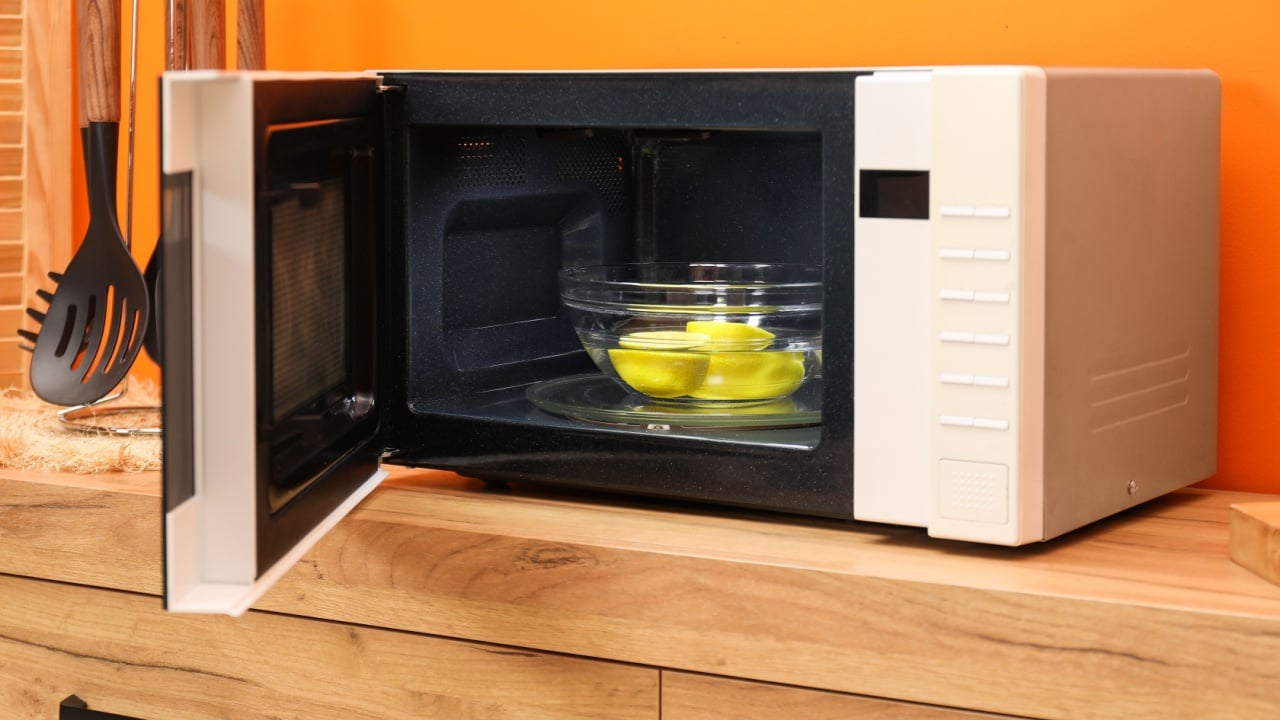
Splattered sauce, soup explosions, and greasy residue bake onto the interior walls of the microwave during every use. These hardened food remnants become breeding grounds for bacteria when left in the warm, enclosed appliance.
Furthermore, the constant reheating of old, burnt-on food particles can create unpleasant odors that alter the flavor of your fresh meals.
How to fix it: Heat a microwave-safe bowl filled with water and a few lemon slices for three minutes. The heavy steam will soften the hardened splatters. Let it sit for another five minutes with the door closed, then easily wipe the interior clean with a damp paper towel.
15. Stacking Wet Dishes Tightly Together
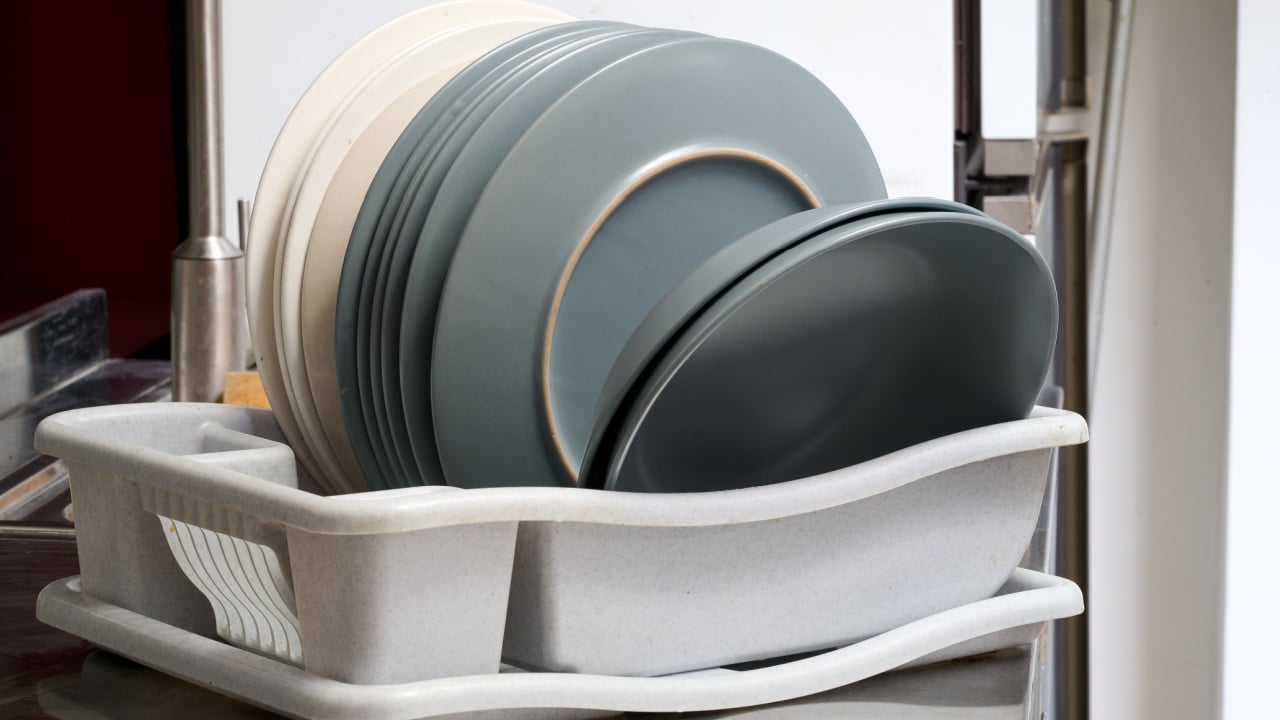
Putting away plates, bowls, and glasses while they are still slightly wet traps moisture between the surfaces. Pathogens and mold spores thrive in dark, damp cabinets. Stacking damp bowls creates a sealed, humid environment where bacteria can multiply rapidly out of sight.
This can lead to musty odors in your cupboards and a potential health risk when you next use the dishes.
How to fix it: Allow your dishes to air dry completely. Space items out on a drying rack so that air can circulate around each piece. If you must towel dry, use a clean, dry cloth. Wait until every drop of moisture has evaporated before placing bowls, cups, and plates back into the cupboard.
Small Changes Make All the Difference
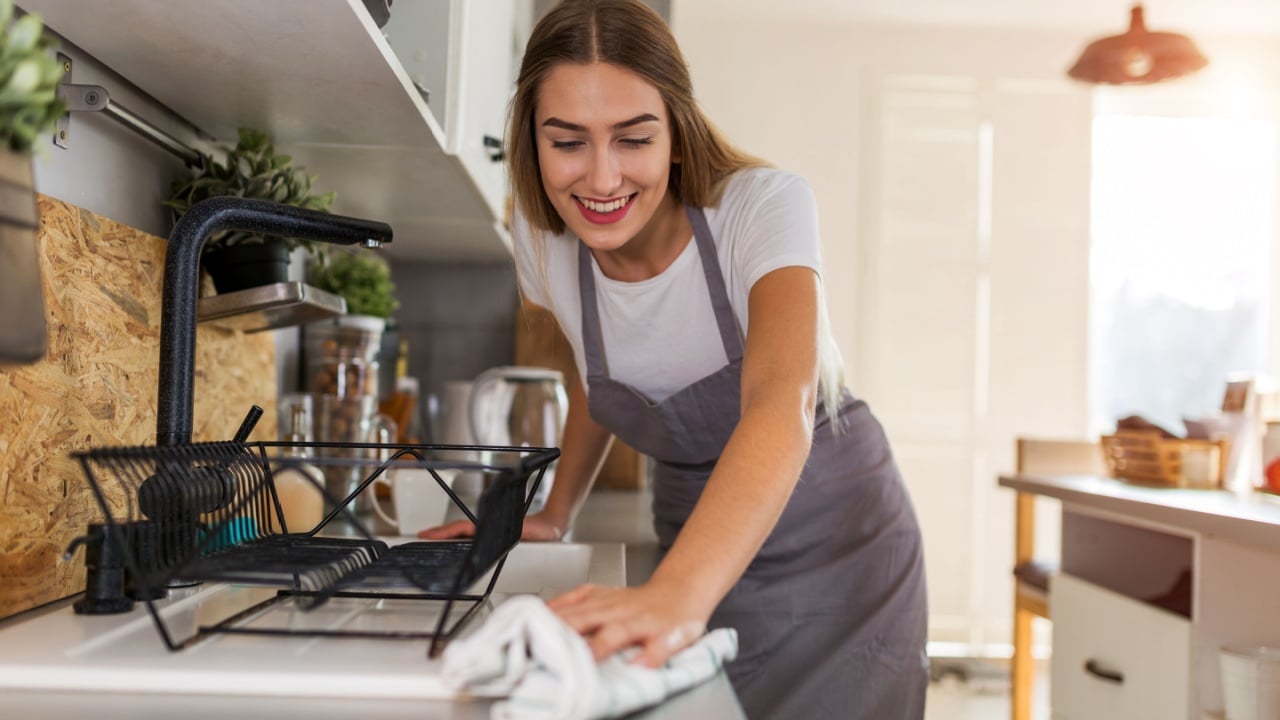
Upgrading your kitchen cleaning habits is a small effort that protects your household from unseen germs. Replacing old sponges, preventing cross-contamination, and letting things dry properly are the key habits that ensure your cooking space isn’t just tidy, but truly hygienic.
Read More:
5 Kitchen Cleaning Mistakes Professionals Want You to Stop Making