
11 Foods to Never Chop on a Wooden Board
Whether you are putting together a full dinner or just slicing something late at night, the surface you use matters more than it seems. Wooden boards are a favorite because they look good and are gentle on knives, but they also soak things up. Their natural fibers act like a sponge, meaning a quick rinse is often insufficient to keep them truly clean.
Experts note that the density of the wood and its ability to absorb moisture can impact both hygiene and durability. Certain liquids and raw proteins can sink into the grain, raising the risk of bacteria and causing issues like warping over time. Knowing these limits helps you avoid damage and keep your kitchen safer.
Here is a list of a few ingredients that are better kept off wooden boards, along with simple alternatives like plastic or glass for messier prep. Small changes like this go a long way in protecting both your tools and your food.
1. Raw Poultry
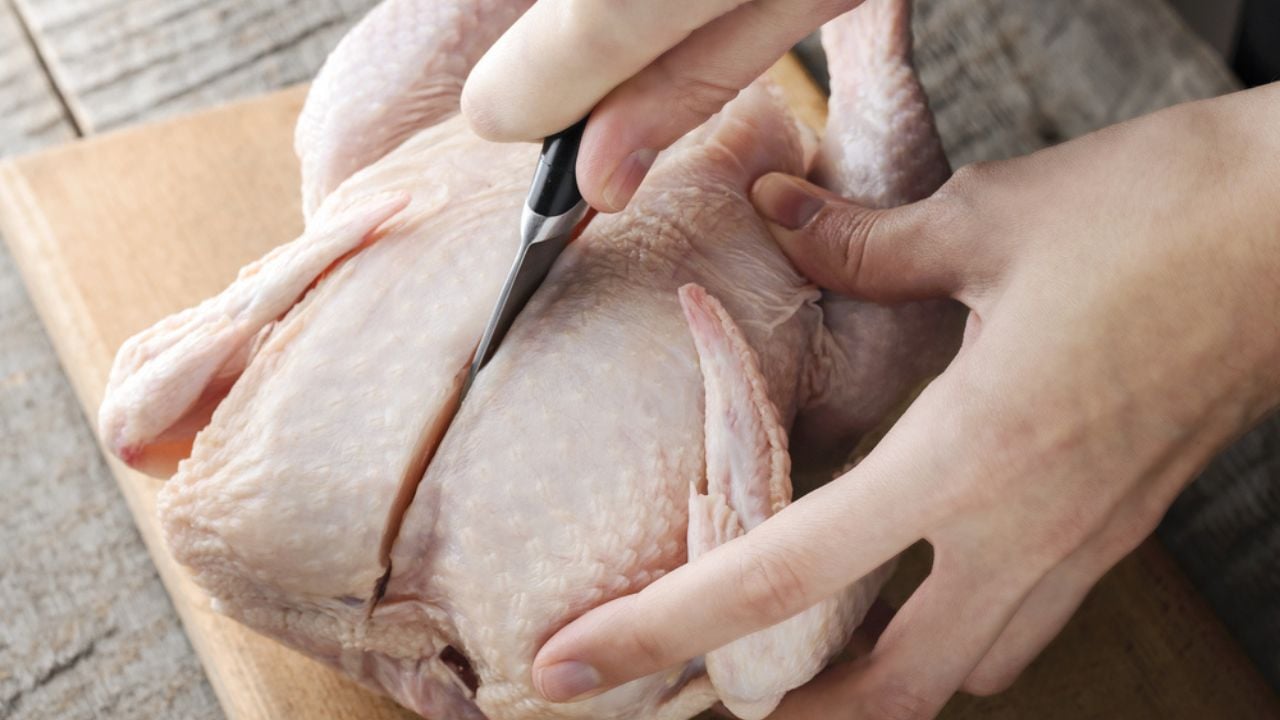
Raw chicken and turkey are the biggest “no-nos” for timber. Because wood is naturally porous, those microscopic gaps in the grain act like tiny caves for salmonella and campylobacter. Once these bacteria-laden juices settle deep into the fibers, a quick scrub with a sponge isn’t going to cut it; you’re basically leaving a biological hazard behind for your next salad.
Instead, grab a non-porous plastic or composite board for your bird prep. These materials can handle the high-heat cycles of a dishwasher and the heavy-duty sanitizers that would cause a wooden board to warp or split. A great tip is to use a color-coded system. Reserve a yellow plastic board specifically for poultry so there’s never a mix-up in the heat of cooking.
2. Raw Fish and Seafood
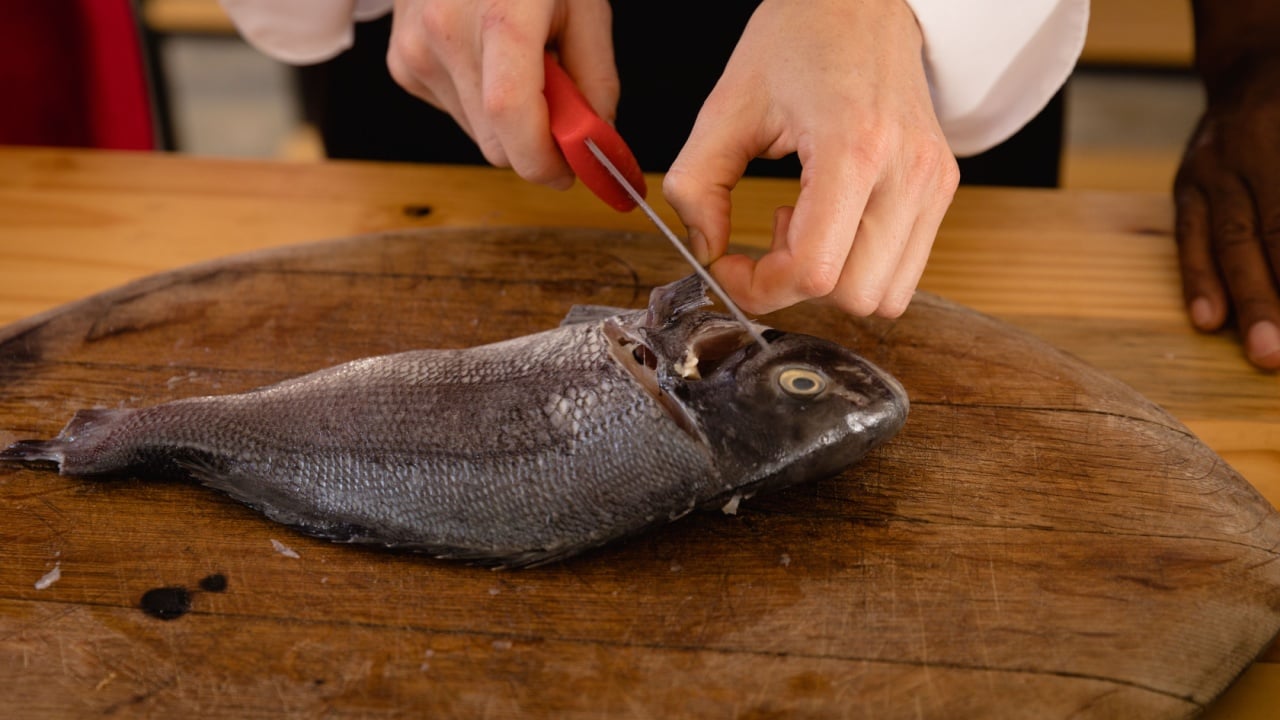
Seafood brings two main problems to wood: oily residues and a very persistent “oceanic” odor. The fats in fish seep into the wood grain, and once they’re in there, that smell is hard to evict without taking a sander to the surface. Plus, raw seafood can carry Vibrio bacteria, which love the damp, cozy environment of a wooden interior.
A glass or heavy-duty rubber mat is your best friend for filleting. These surfaces won’t soak up odors and offer a bit more “grip,” so your fish isn’t sliding around while you work. If you’ve just finished with seafood, always rinse your prep area with cold water first; hot water can actually “cook” the fish proteins onto the surface, making them even harder to scrub away.
3. Raw Red Meat
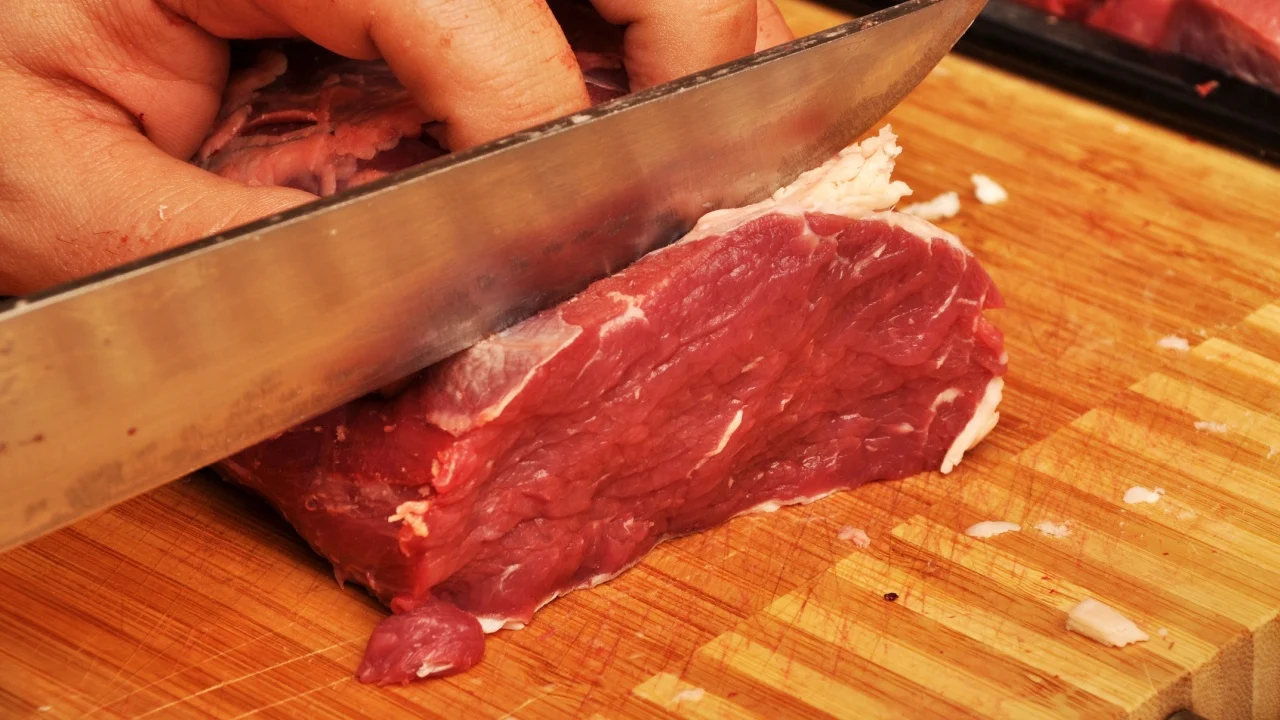
Red meat, such as beef or lamb, releases a significant amount of moisture during cutting. This liquid seeps into the wood grain and settles into small grooves created by repeated knife use. This buildup can lead to unpleasant smells and create an environment where bacteria can grow if the board is not dried properly.
Play it safe by keeping a separate, dishwasher-safe board for red meat tasks. This prevents your wood from becoming a breeding ground for spoilage organisms that cause “off” flavors. If you do accidentally prep a steak on your wooden board, don’t panic, scrub it immediately with a paste of baking soda and vinegar to help lift the moisture out of the grain.
4. Beets and Deeply Pigmented Roots
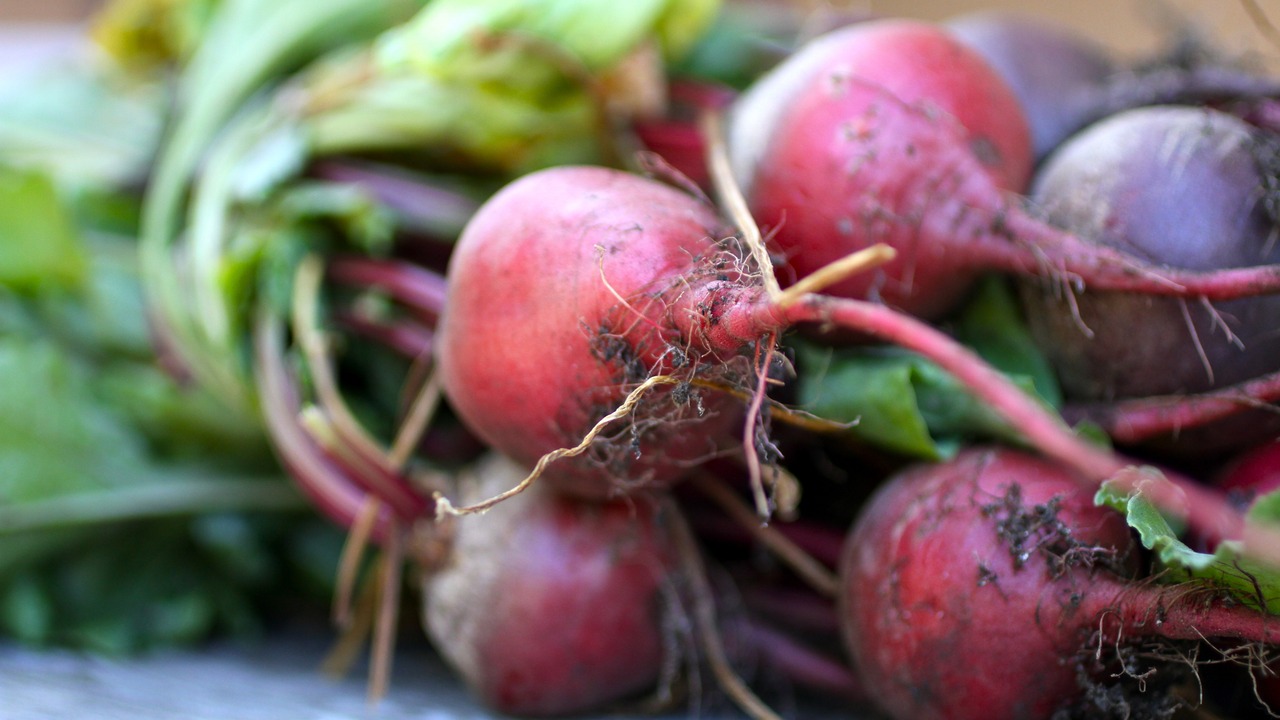
Beets are known for their deep, vibrant color, which easily transfers onto surfaces during cutting. When used on a wooden board, the pigment quickly seeps into the fibers and leaves behind stubborn stains. These stains are often difficult to remove and can permanently affect the appearance of the board.
Since the color penetrates below the surface, simple washing does not fully restore the wood. A plastic board or a protective silicone mat is a better option when working with such ingredients. Preventing the stain in the first place is much easier than trying to fix it afterward.
5. Raw Garlic and Onions
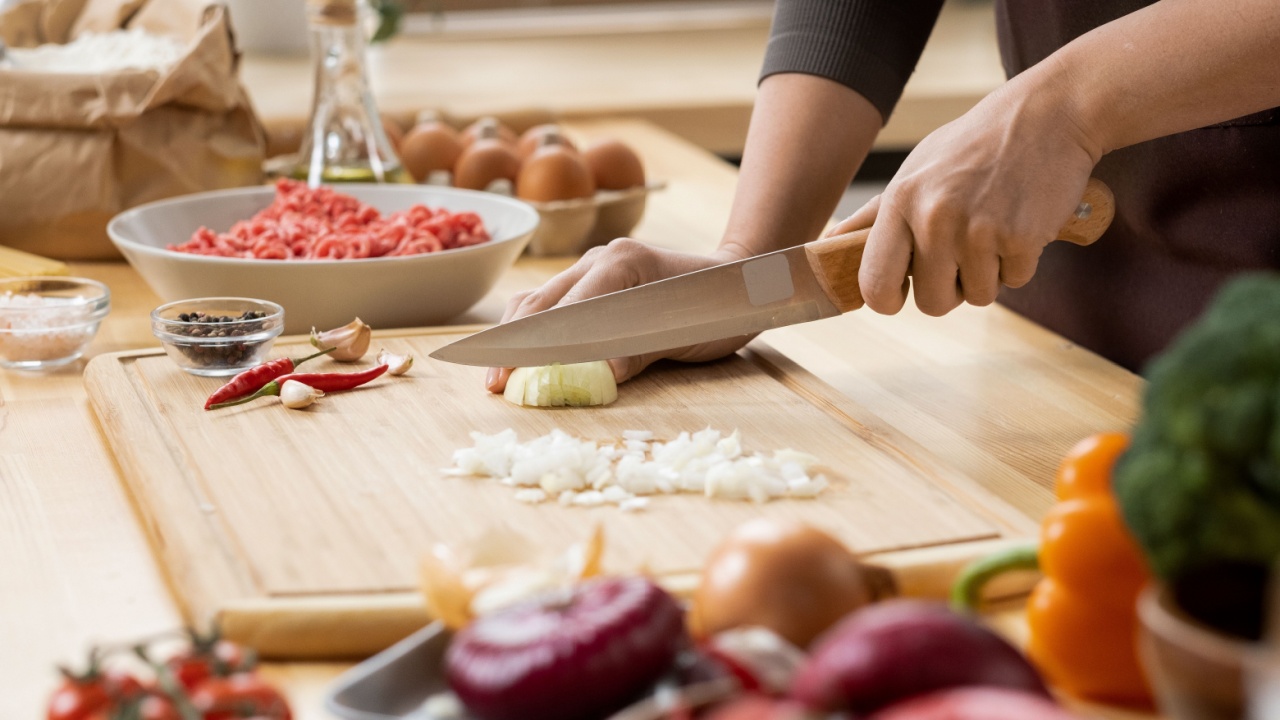
We all love the smell of sautéing onions, but nobody wants their morning sliced apple to taste like last night’s stir-fry. The sulfur compounds in garlic and onions are incredibly oily and clingy. They penetrate the wood so effectively that the scent can linger for days, transferring its pungent flavor to everything else you chop.
A small ceramic or stainless steel prep surface is a total game-changer for aromatics. Stainless steel is especially cool because it actually neutralizes sulfur molecules on contact (that’s why “steel soap” bars exist). If your board is already smelling a bit “oniony,” a wipe down with a very diluted bleach solution or a specialized wood soap will help break down those stubborn oils.
6. Soft and Pungent Cheeses
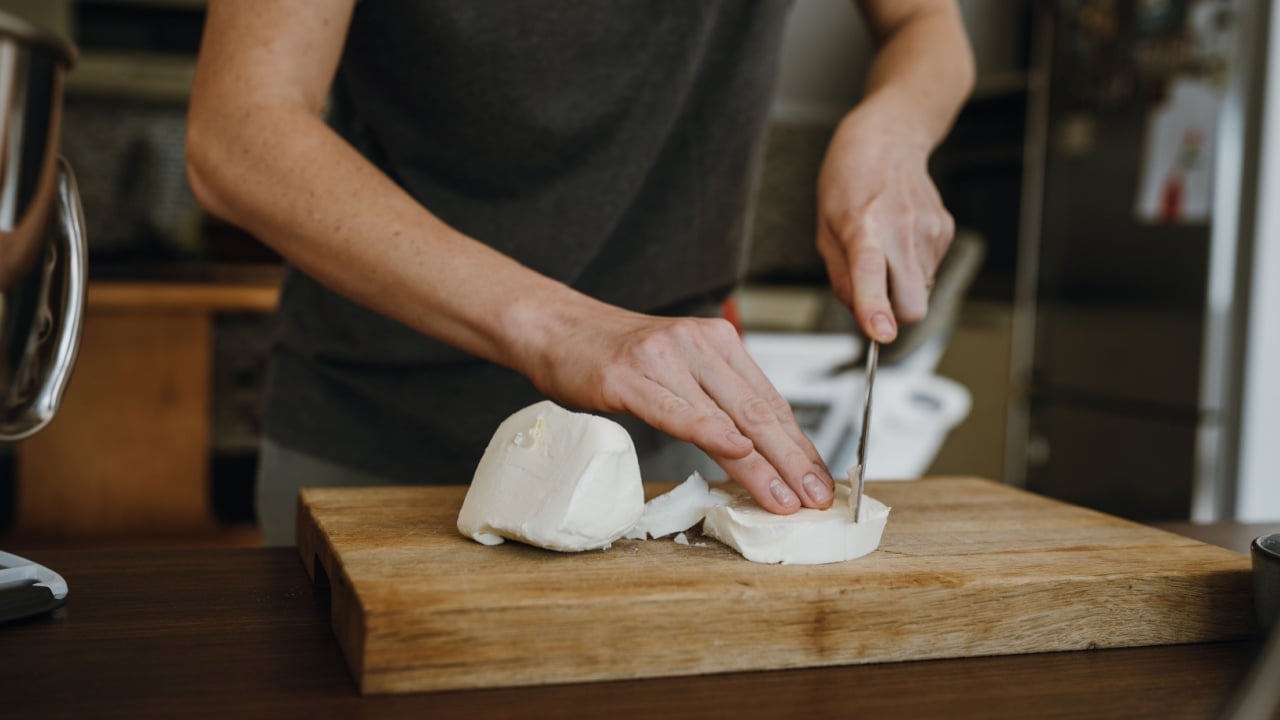
Soft cheeses like Brie or blue cheese contain high levels of fat and active cultures. When placed on a wooden board, these fats can enter the grain and remain trapped inside. They may turn rancid and create an unpleasant smell that is difficult to remove.
In addition, the soft texture of these cheeses makes them harder to clean out of small grooves. Serving them on marble, slate, or ceramic surfaces is a better option. These materials stay cooler and can be wiped clean easily, making them more suitable for delicate foods.
7. Hot Cooked Meats
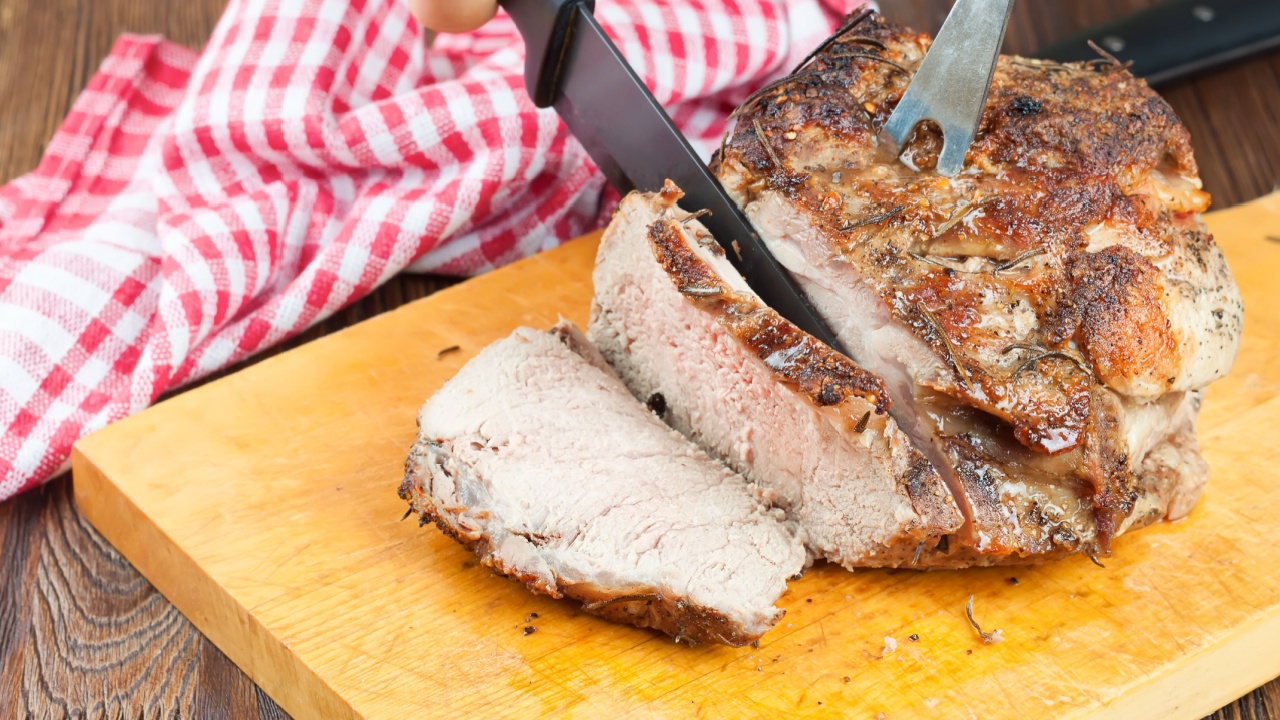
It’s tempting to carve a roast right on your beautiful wooden board, but extreme heat is a board-killer. Placing a hot-off-the-grill steak on wood causes the fibers to expand rapidly. As it cools and contracts, you’re looking at a recipe for warping and cracking. Plus, the steam can actually push meat juices deeper into the grain than if the meat were cold.
Let your proteins rest on a lipped stainless steel tray or a rimmed ceramic platter first. This catches all those delicious juices for your gravy and keeps the heat stress away from your wood. Once the meat has had a few minutes to cool down, move it to a well-oiled wooden board for the final carving.
8. Fermented Foods and Kimchi
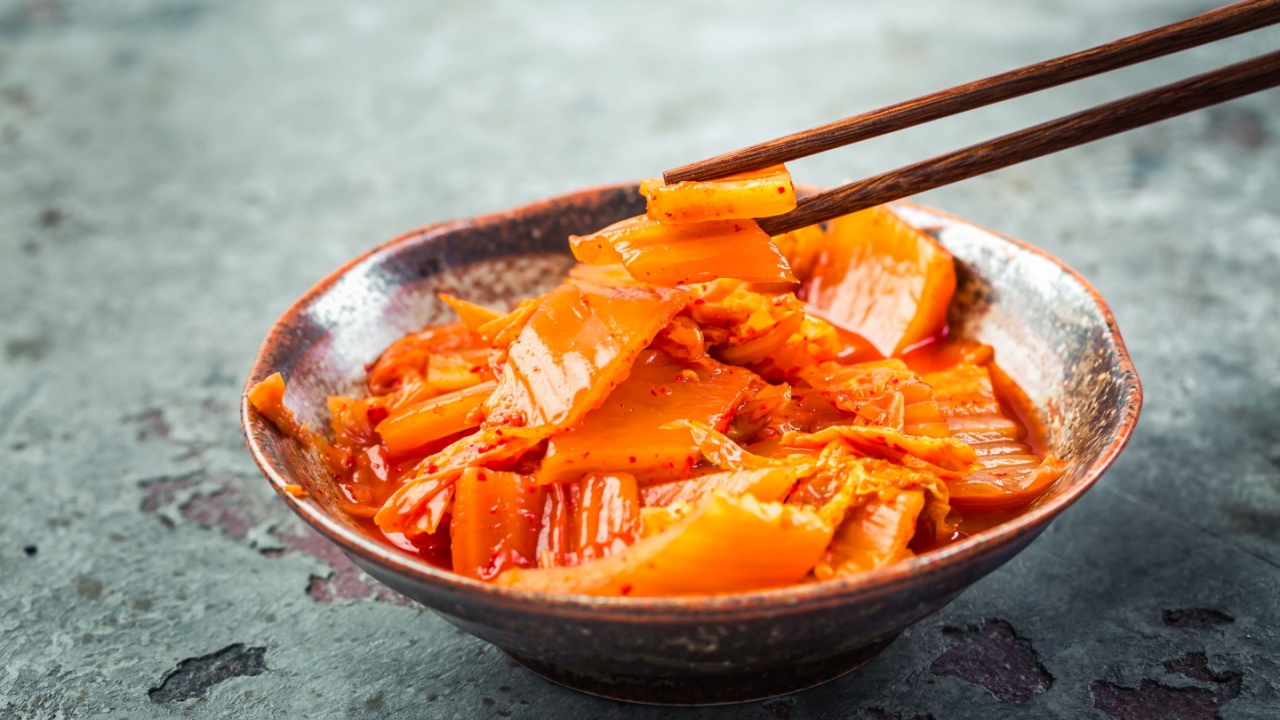
Fermented foods are often acidic and contain active cultures that can affect wooden surfaces. The acid can strip away the protective oils from the board, leaving it dry and more prone to cracking. Over time, this weakens the structure and reduces its lifespan.
Items like kimchi also carry strong colors and odors that can stain the wood. Using glass or plastic surfaces for these foods is a safer choice. It helps prevent both staining and damage while keeping your wooden board in good condition.
9. Chili Peppers
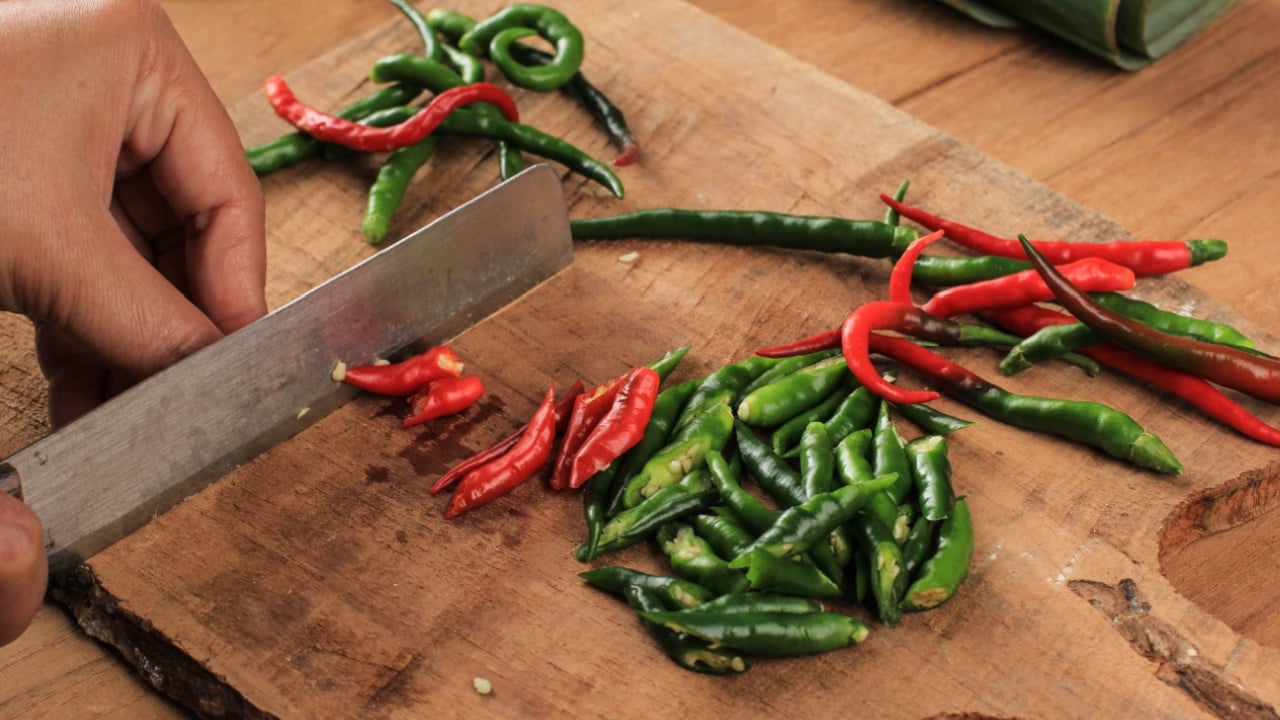
Chili peppers contain capsaicin, an oily compound that gives them their heat. This oil sticks easily to wood and can remain even after washing. If the board is used again, the heat can transfer to other foods, which may not be desirable.
This can lead to unexpected flavors or even irritation. A plastic cutting board is a better option since it can be cleaned more thoroughly. Proper washing helps remove all traces of capsaicin and keeps your prep work consistent.
10. Raw Dough
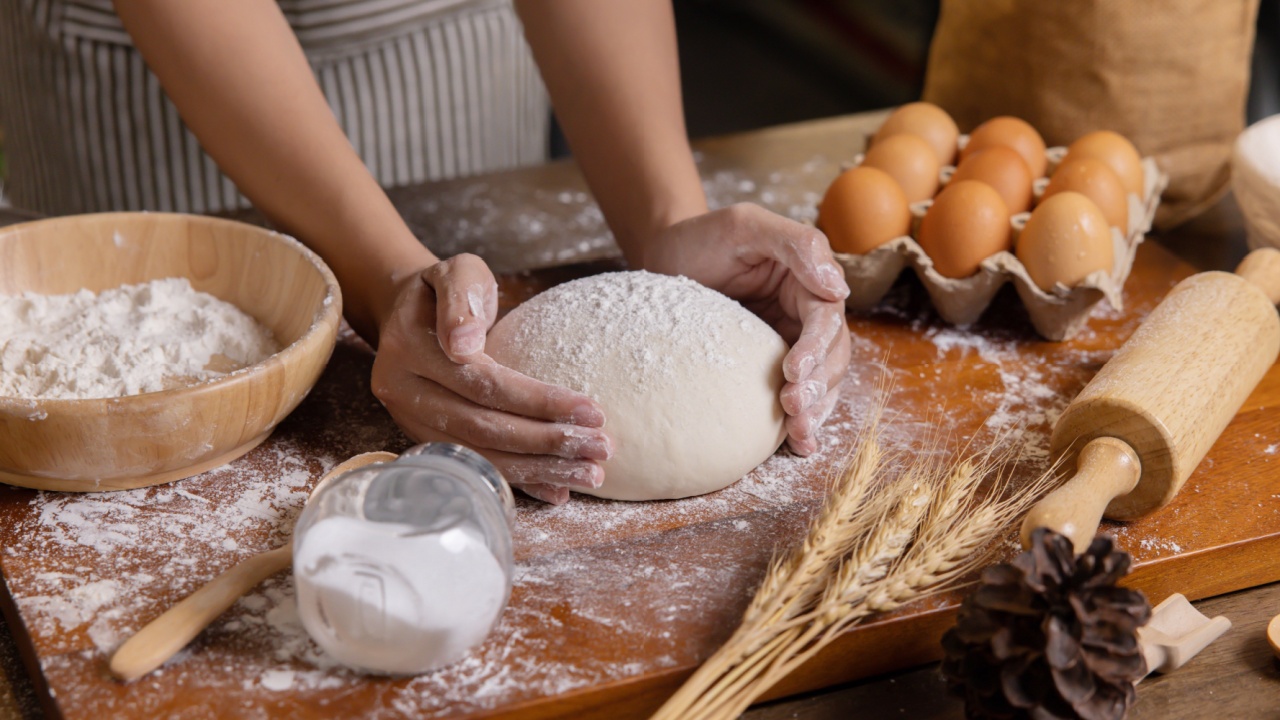
Working dough on a wooden board may seem traditional, but it often leads to residue buildup. The mixture of flour and water forms a paste that gets pressed into small cuts and pores in the wood. If not cleaned and dried properly, this residue can encourage mold growth.
Frequent kneading can also wear down the protective layer of the board. A silicone mat or marble surface is easier to manage and clean. These options prevent buildup and make the process more efficient overall.
11. Berries and Stone Fruits
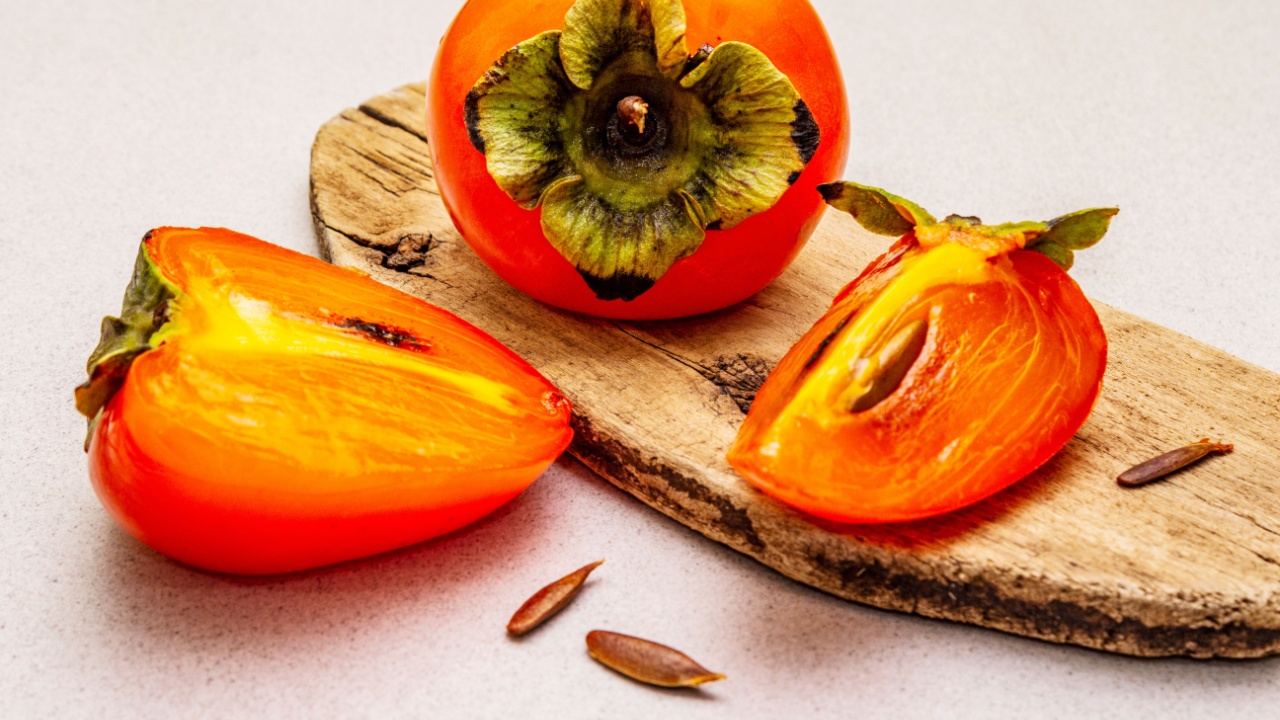
Berries and fruits like cherries contain strong natural pigments that stain easily. Their juices seep into wooden surfaces and can leave behind dark or uneven marks. These stains often become permanent and affect the overall look of the board.
The sugars in these fruits can also become sticky and harder to clean over time. Using a non-porous board helps prevent both staining and residue buildup. A quick rinse after use keeps any surface clean, but avoiding wood for these items is the better choice.
Keep Your Kitchen Tools Working Like New
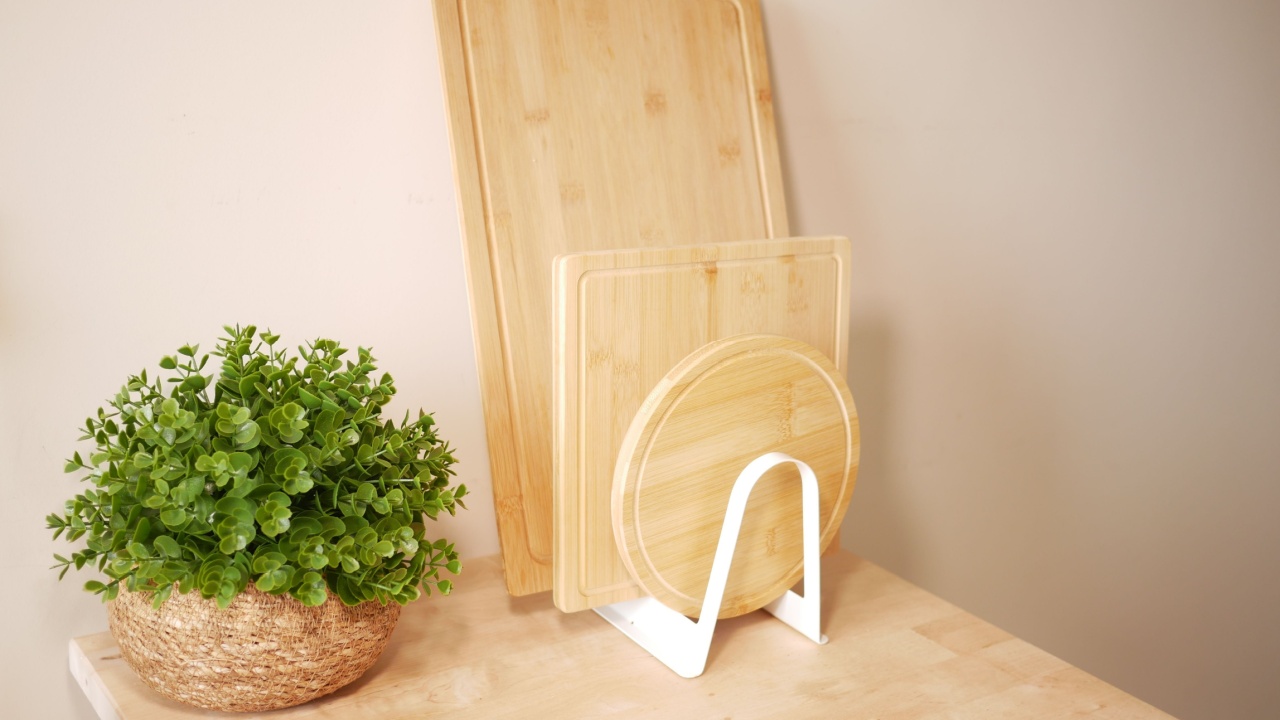
Taking care of your kitchen tools goes a long way in keeping both your food and workspace safe. Using different boards for different tasks helps prevent cross-contamination and keeps your wooden boards in good shape.
It’s a good idea to use plastic boards for raw proteins and surfaces like marble for dough or pastry work. Regularly treating wooden boards with food-grade mineral oil also helps protect them from damage and extends their life.
Read More: