These 14 Kitchen Items Are Filthier Than Your Toilet Seat
Your kitchen should feel like a cozy and safe gathering space. It’s where you make meals for your family and pour your morning coffee. You wipe crumbs off the counter, scrub the sink, and assume that if it looks clean, it must be sanitary.
But beneath that shiny surface, a microscopic world is thriving. Microbiologists often call the kitchen the germiest room in the house, even more so than the bathroom. Surprisingly, the tools you use to clean, such as sponges and dish towels, are often the biggest culprits for spreading bacteria.
Studies have found nasty germs like E. coli, Salmonella, and Listeria in everyday kitchens. These germs love the warm, damp spots left behind from your daily cooking. Learning where these hidden hotspots are is the first step to making your kitchen truly clean, not just “surface clean.”
Here are 14 kitchen items that need more than a quick rinse. From your stove knobs to the rubber seal in your blender, you’ll learn why these places attract germs and how to keep them spotless.
1. Kitchen Sponges
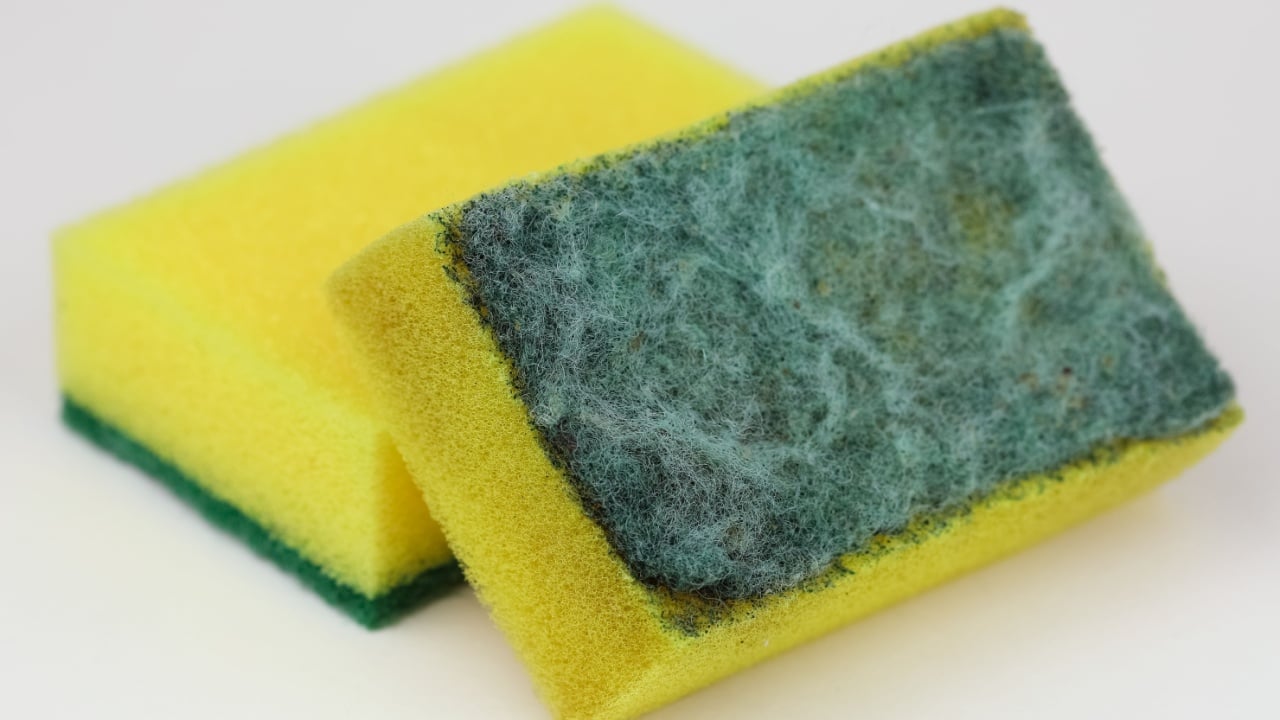
The humble kitchen sponge is statistically the most contaminated object in your home. Because it is porous, soft, and almost always damp, it serves as a luxury hotel for bacteria. A single sponge can host hundreds of millions of microbes, vastly outnumbering those found on a toilet seat.
The problem is the sponge’s structure. It traps food and moisture, creating the perfect place for bacteria to grow. Every time you wipe a counter with that old sponge, you might just be spreading a layer of germs.
What to do: Replace your sponge every week. You can also sanitize it by microwaving it (while damp) for a minute or running it through the dishwasher. Even better, switch to silicone scrubbers or quick-drying dishcloths that don’t give bacteria a place to thrive.
2. Dish Towels

Dish towels are a major source of cross-contamination because they are the “multitaskers” of the kitchen. We use them for everything: drying hands, wiping spills, and polishing clean dishes. This makes them a breeding ground for germs like Salmonella, especially when they’re left crumpled and damp.
The fabric is designed to absorb water, which is just what bacteria need to multiply. If a towel touches raw meat juice and then sits around, it becomes a germ factory. Using it later to “clean” a dish just spreads those germs around.
What to do: Make it a habit to use a fresh towel every single day. Wash your used towels in hot water with a touch of bleach or a high-heat laundry setting to kill lingering pathogens.
3. Cutting Boards
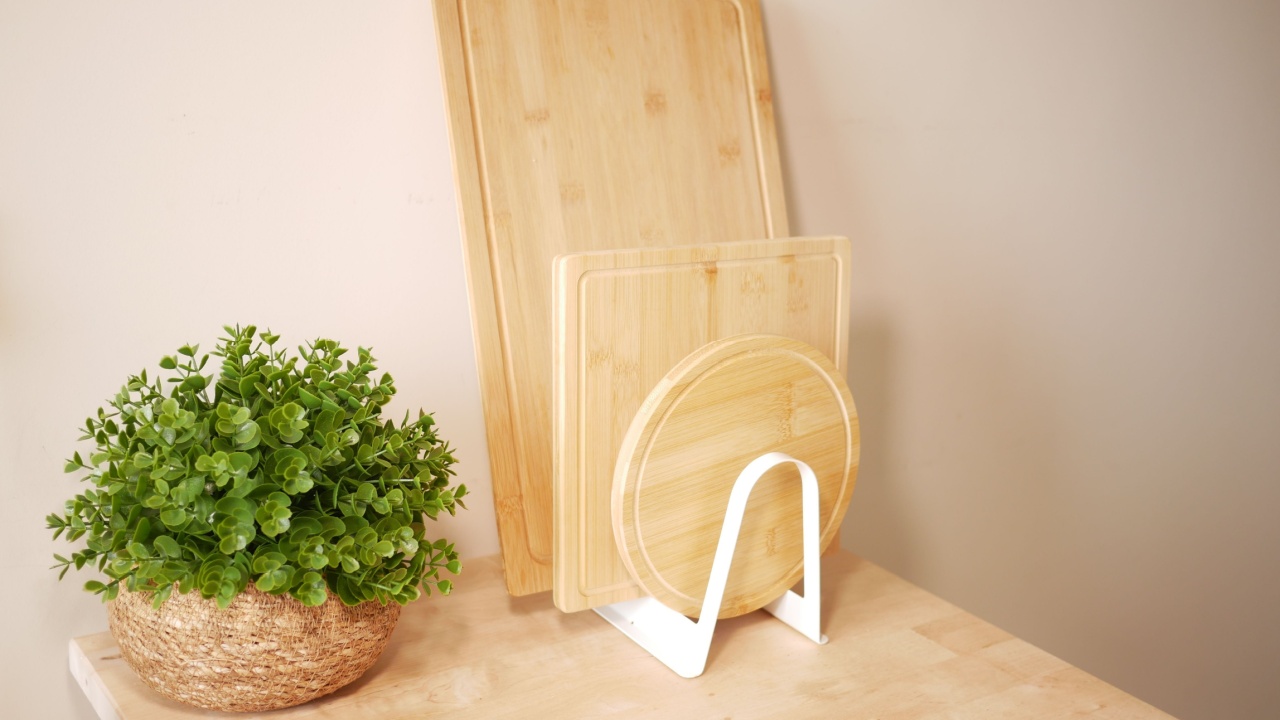
Whether they are made of wood or plastic, cutting boards are a primary hotspot for hidden germs. Every time your knife slices through a vegetable or a piece of chicken, it leaves behind a tiny groove.
Gradually, these boards become a map of microscopic canyons where food particles and bacteria settle. A quick rinse won’t get into these scratches. Germs like E. coli can get trapped and wait to contaminate the next food you chop.
What to do: Use separate boards for raw meat and produce (color-coded ones are great for this). Scrub your boards with a brush and hot, soapy water right after use. Plastic boards can go in the dishwasher, while wooden ones can be sanitized with a spray of vinegar or hydrogen peroxide.
4. The Kitchen Sink
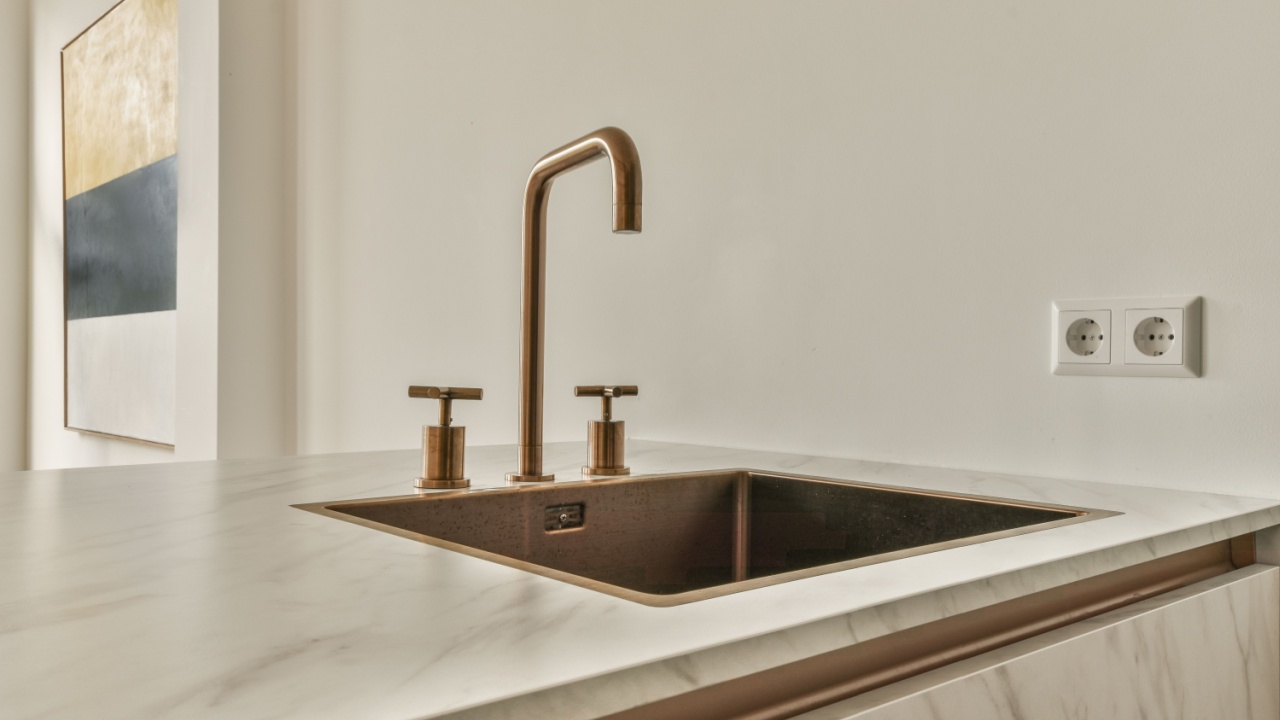
Many people assume the sink is clean because it is constantly being flooded with soap and water. In reality, the sink is a reservoir for everything you’ve rinsed away: meat runoff, dirt from produce, and old food scraps. This creates a slimy, invisible layer of bacteria called “biofilm” in the basin and drain.
The sink often tests positive for nasty germs because it’s always moist and full of tiny food scraps. If you drop food in the sink and pick it up, you’re picking up those germs, too.
What to do: Sanitize your sink daily with a disinfecting cleaner or a scrub of baking soda and vinegar. Pay special attention to the faucet base and the drain opening, where slime tends to accumulate.
5. Faucet Handles
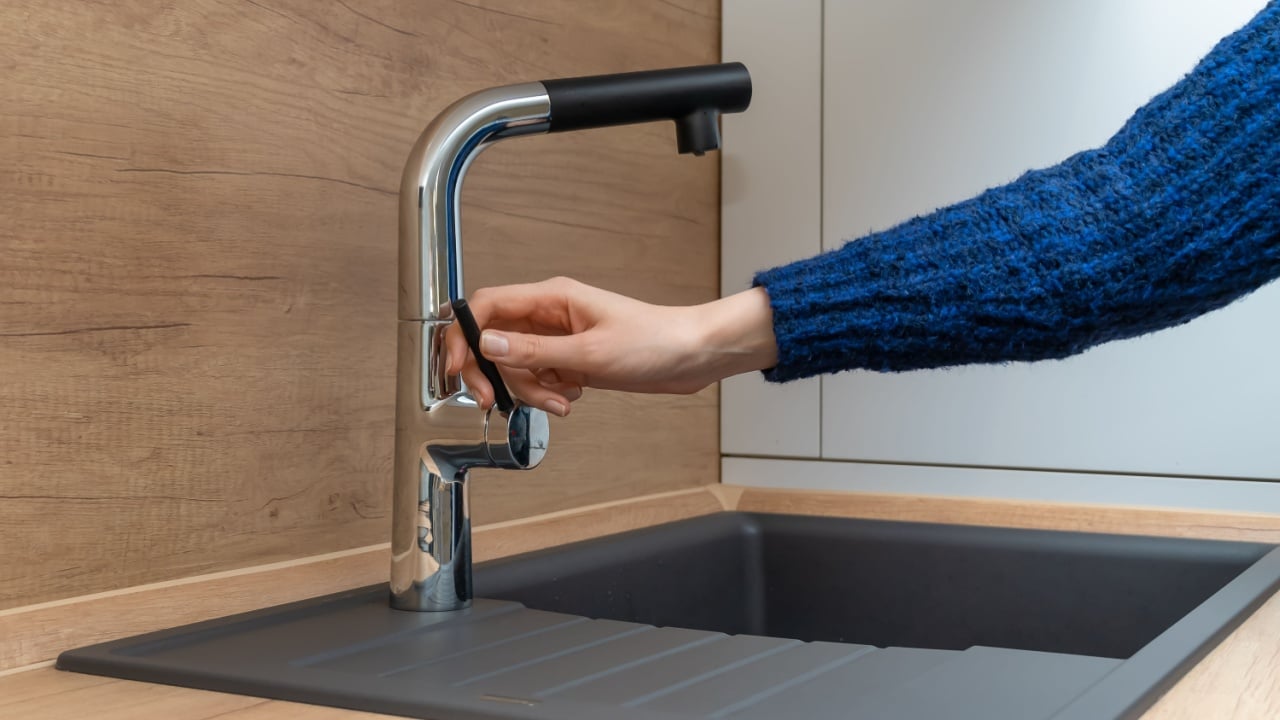
Think about the last time you handled raw chicken: your first move was likely to turn on the faucet to wash your hands. In that split second, you transferred bacteria from your hands directly onto the handle. Because everyone touches the handles throughout the day, they become a high-traffic exchange for germs.
The hardware surfaces are often missed during a general kitchen wipe-down. So even after you wash your hands, you might get them dirty again just by turning off the water.
What to do: Wipe down your faucet handles with a disinfectant or a soapy cloth every time you finish preparing a meal. For a high-tech fix, a touchless faucet eliminates the problem permanently.
6. Refrigerator Crisper Drawers
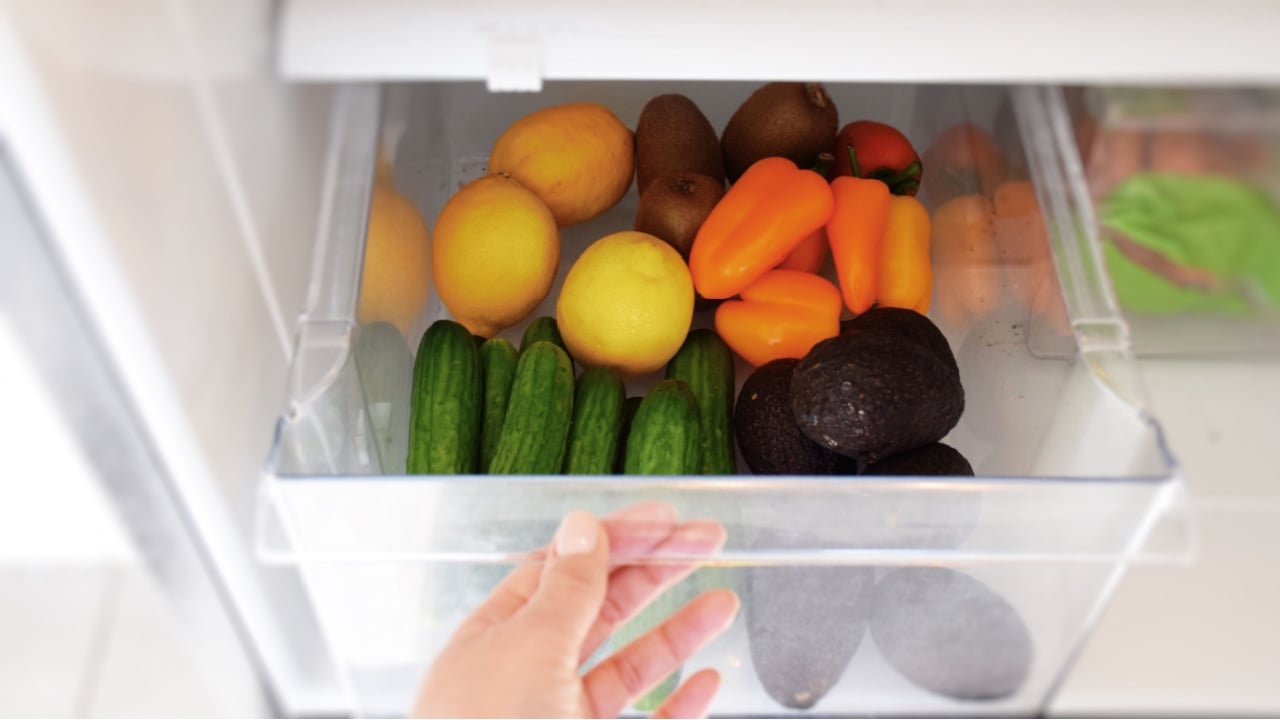
The crisper drawer is meant to keep your veggies fresh, but it often becomes a dark, damp corner for mold and yeast. Produce often goes into these drawers unwashed, carrying soil and bacteria from the farm. If a piece of fruit rots or meat leaks from the shelf above, the drawer becomes a stagnant pool of contamination.
Listeria is the biggest concern in the fridge because it is one of the few bacteria that can actually grow in cold temperatures. If you don’t clean the drawer regularly, that “fresh” spinach or celery is sitting in a reservoir of old juices and pathogens.
What to do: Take the drawers out once a month and give them a thorough scrub with warm, soapy water. Make sure they are completely dry before you slide them back in to prevent new mold from growing. Lining the drawers with a clean paper towel can help absorb excess moisture.
7. Refrigerator Door Seals
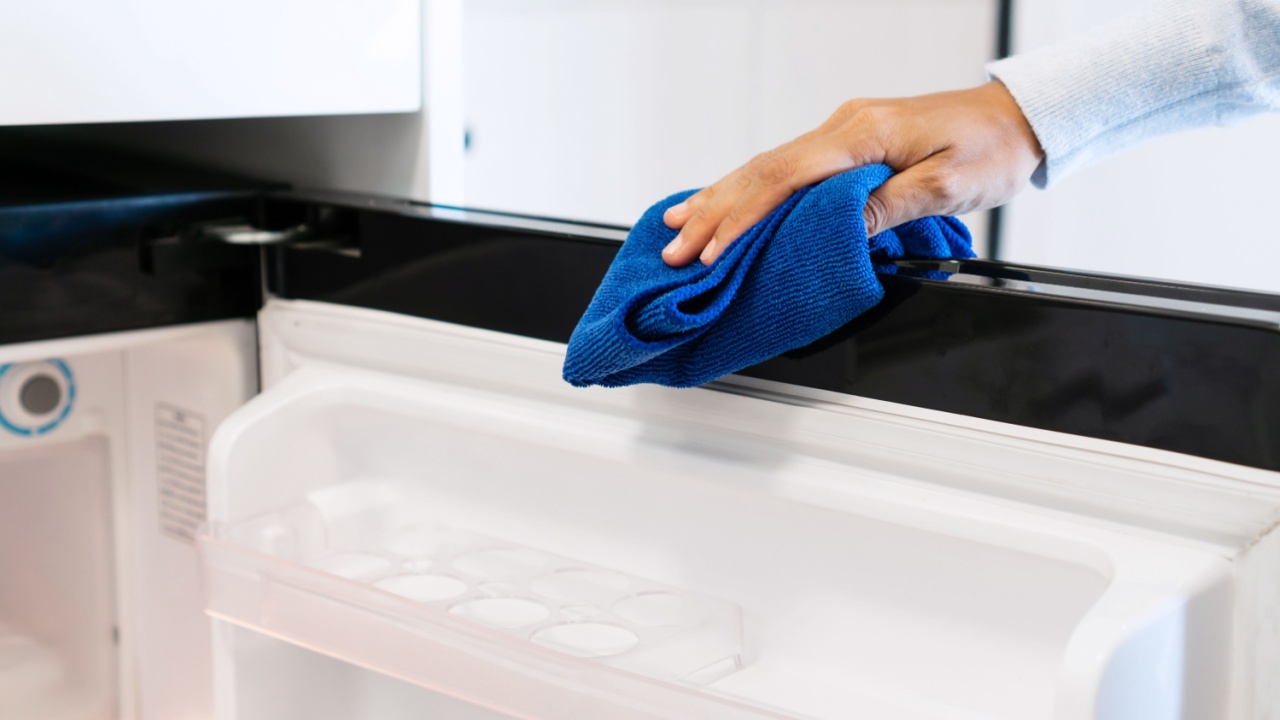
The rubber gaskets that keep your fridge airtight are a magnet for crumbs and spills. Every time you open the door, tiny food particles can fall into the folds of the seal. Because these areas are rarely cleaned and stay slightly damp from condensation, they are a prime location for black mold growth.
If mold grows on the seal, spores can get into the air (and onto your food) every time you open the door. Grime can also stop the door from sealing properly, making your fridge less efficient.
What to do: Clean the seals at least once a season with a soft brush and a mixture of water and vinegar. This kills mold spores without drying out the rubber. A tiny dab of petroleum jelly along the seal can help keep the rubber flexible, ensuring a tight lock that keeps the cold in and the germs out.
8. Coffee Reservoirs
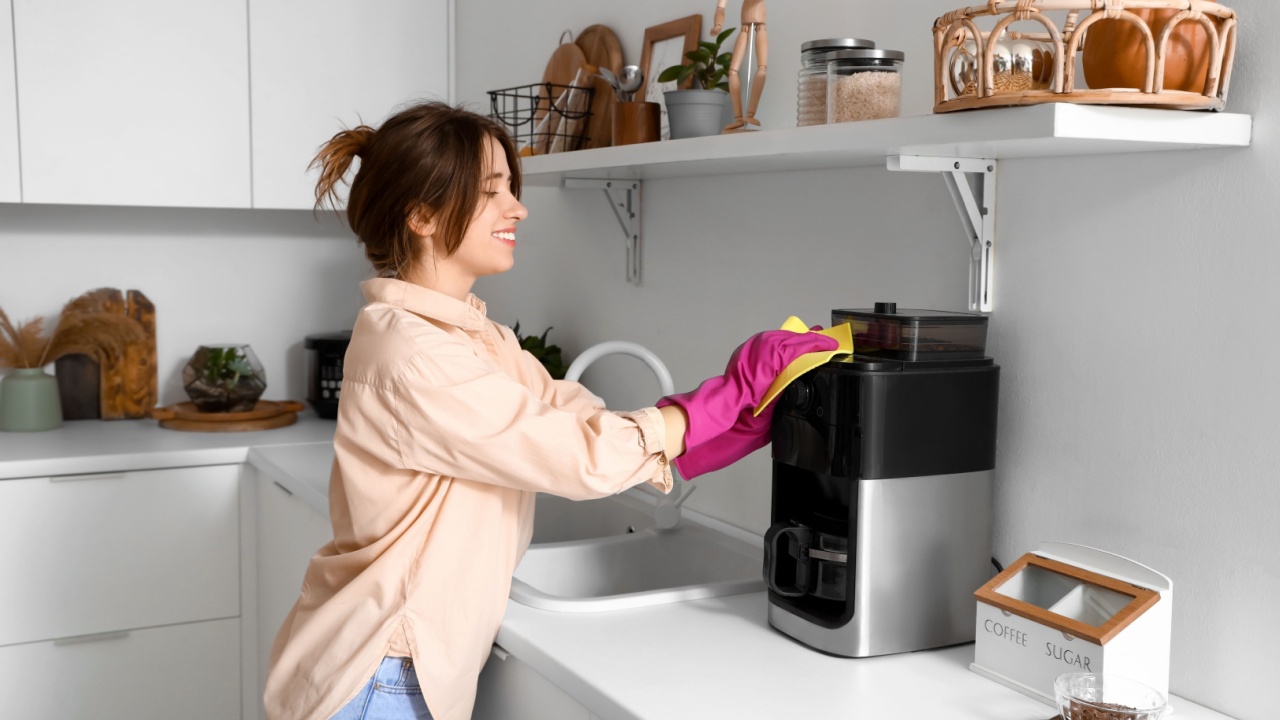
If you only ever add fresh water to your coffee maker’s tank, it’s probably dirtier than you think. The dark, warm, and damp interior of a water reservoir is a paradise for mold and mineral scale. Many people never actually scrub the inside of the tank, leading to a buildup of “bio-slime” that can affect the taste of your brew and your health.
Stagnant water in the machine can harbor various bacteria and fungal spores. The machine doesn’t always get hot enough to kill all the germs hiding in the tank and tubes
What to do: Once a month, run a cleaning cycle using equal parts white vinegar and water. This “descales” the machine, removing mineral buildup and killing internal mold. After the cycle, leave the reservoir lid open so the interior can air dry completely—bacteria hate a dry environment.
9. Blender Gaskets

Most people rinse their blender jar after a smoothie, but they often forget the most important part: the rubber gasket at the base. This small ring prevents leaks, but it also creates a tiny gap where liquid and food particles get trapped. If you don’t take the blender apart, that trapped food will eventually rot.
This hidden seal is a major source of contamination. You can’t see the mold growing, but when you turn the blender on, those old, gross particles can get mixed right into your fresh smoothie.
What to do: Fully disassemble your blender after every single use. Wash the blades, the jar, and the rubber gasket separately in hot, soapy water. Ensure the gasket is bone-dry before you put the unit back together, as any trapped moisture will immediately start the growth of new colonies.
10. Can Openers

The blade of a can opener is a “silent spreader” of bacteria. It touches the liquid inside a can, and then it’s usually tossed back into a dark drawer without being washed. The dried residue becomes a concentrated crust of old food and bacteria.
The cutting wheel is where the gunk builds up. If the blade gets rusty, it’s even worse. The next time you open a can, the dirty blade can transfer those germs directly into your food.
What to do: Treat your can opener like any other piece of cutlery and wash it after every use. Most modern can openers are dishwasher-safe, which is the easiest way to sanitize the gears. If yours is hand-wash only, use a small brush (like a clean toothbrush) to scrub the narrow areas around the blade to keep it shining and safe.
11. Stove Knobs
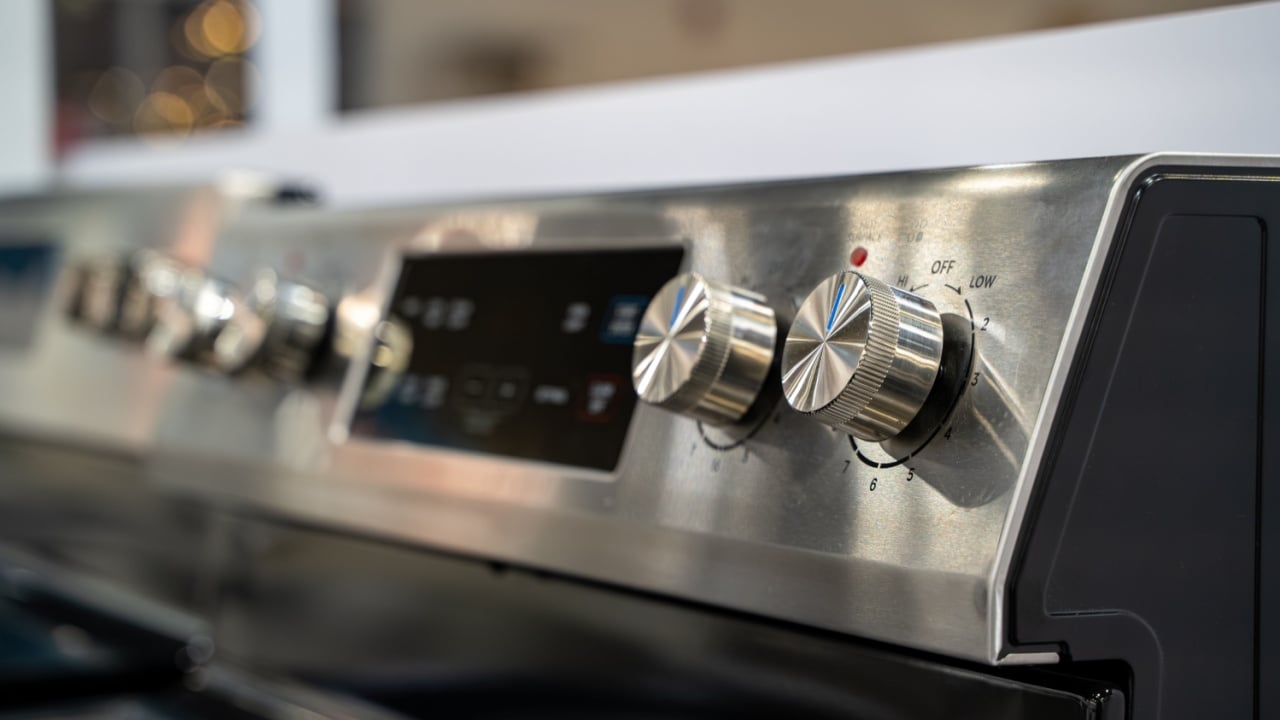
Stove knobs are one of the most-handled items in the kitchen, but they are rarely included in a daily wipe-down.
We turn them on with hands that are messy from prepping raw ingredients, and we turn them off with grease-covered fingers. This leads to a thick, sticky film of oils and germs. Grease and food can get behind the knobs, creating a hidden feast for bacteria that grows undisturbed.
What to do: Remove your stove knobs once a week and soak them in warm, soapy water (if removable). While the knobs are off, use a disinfectant to wipe the control panel where they usually sit. This simple habit removes the greasy “glue” that holds bacteria in place and keeps your cooking station truly sanitary.
12. Reusable Grocery Bags
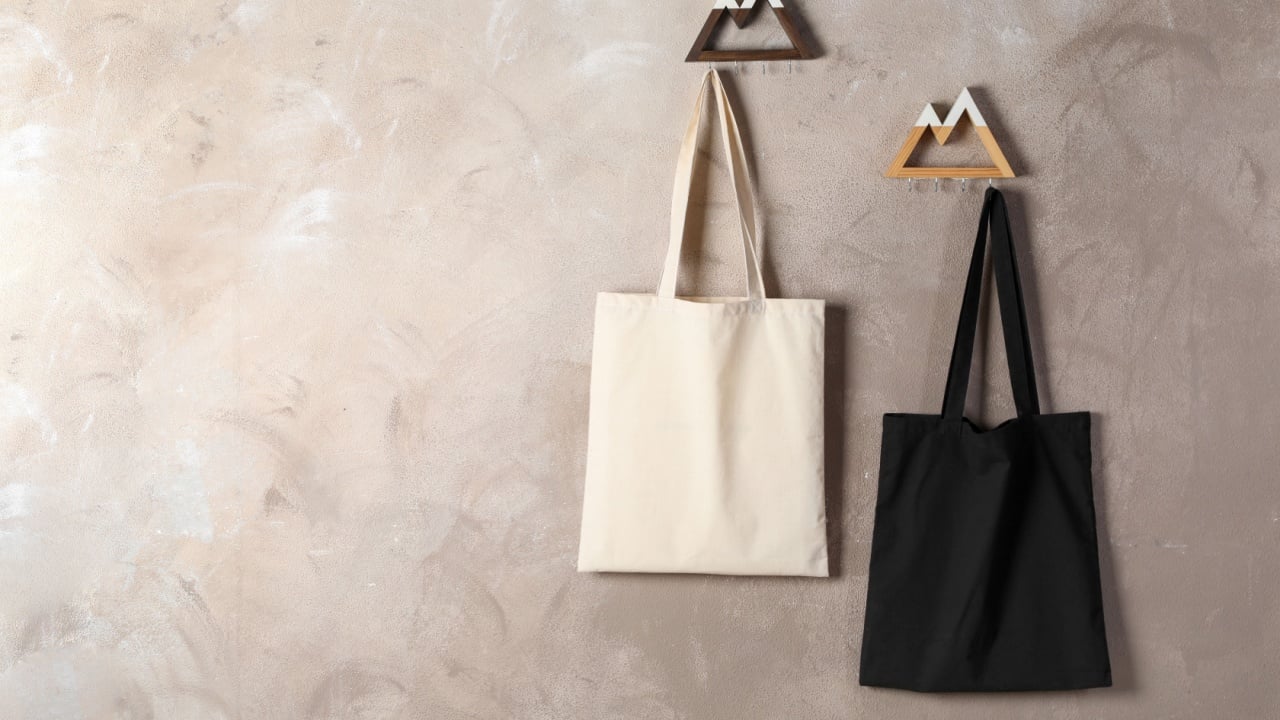
Going green is great, but reusable bags can become a portable biohazard if not handled correctly. They often carry “leaky” meat packages, unwashed produce, and items from the bottom of a dirty grocery cart. If you store these bags in a warm car trunk, you are essentially creating a portable incubator for E. coli.
The biggest risk is cross-contamination. If a bag held raw chicken one day and you put apples in it the next, you’re transferring germs.
What to do: Wash your fabric grocery bags in the laundry on a hot cycle at least once a month. For plastic-lined bags, spray the inside with a disinfectant and let them air dry completely. Designate specific bags for “meat only” to keep those juices far away from your fresh produce.
13. Salt and Pepper Shakers
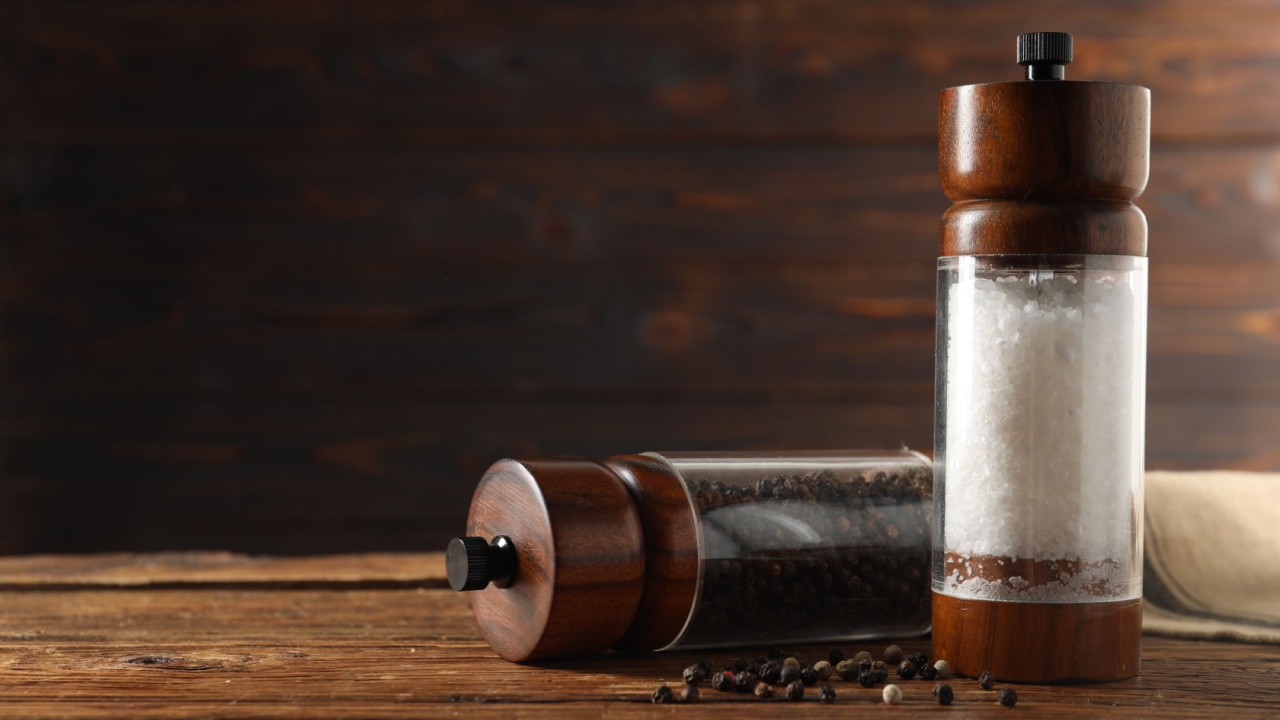
Salt and pepper shakers are some of the most-touched items in the house, yet they are rarely cleaned. They are handled by the cook during food prep and then passed around the table by everyone during the meal. Studies show they are one of the primary ways that viruses like the flu or the common cold spread through a household.
The outside surface collects fingerprints, oils, and food bits. We usually only think to clean them when they’re empty.
What to do: Wipe down your shakers with a disinfectant wipe or a damp, soapy cloth every time you finish a meal. When it’s time to refill them, put the empty containers through the dishwasher for a deep, high-heat sanitization. This keeps the outside of the shakers as fresh as the spices inside.
14. Remote Controls and Tablets

In the modern kitchen, many of us use tablets for recipes or keep a TV remote nearby while we eat. These electronics are magnets for fingerprints and food splatter, but because they are “fragile,” we often avoid cleaning them. This makes them a major source of bacteria that travels from the kitchen to the rest of the house.
The touchscreens and buttons are the primary contact points. If you’re following a recipe and touching a tablet with “chicken hands,” you are leaving behind a microscopic trail that can survive for days on the glass.
What to do: Use a screen-safe disinfectant wipe to clean your electronics daily. Be sure to get into the edges where the screen meets the frame, as that’s where grime loves to hide. Keeping your tablet on a stand rather than flat on the counter also helps reduce the amount of direct splatter and contamination it receives.
Keeping Your Kitchen Actually Clean
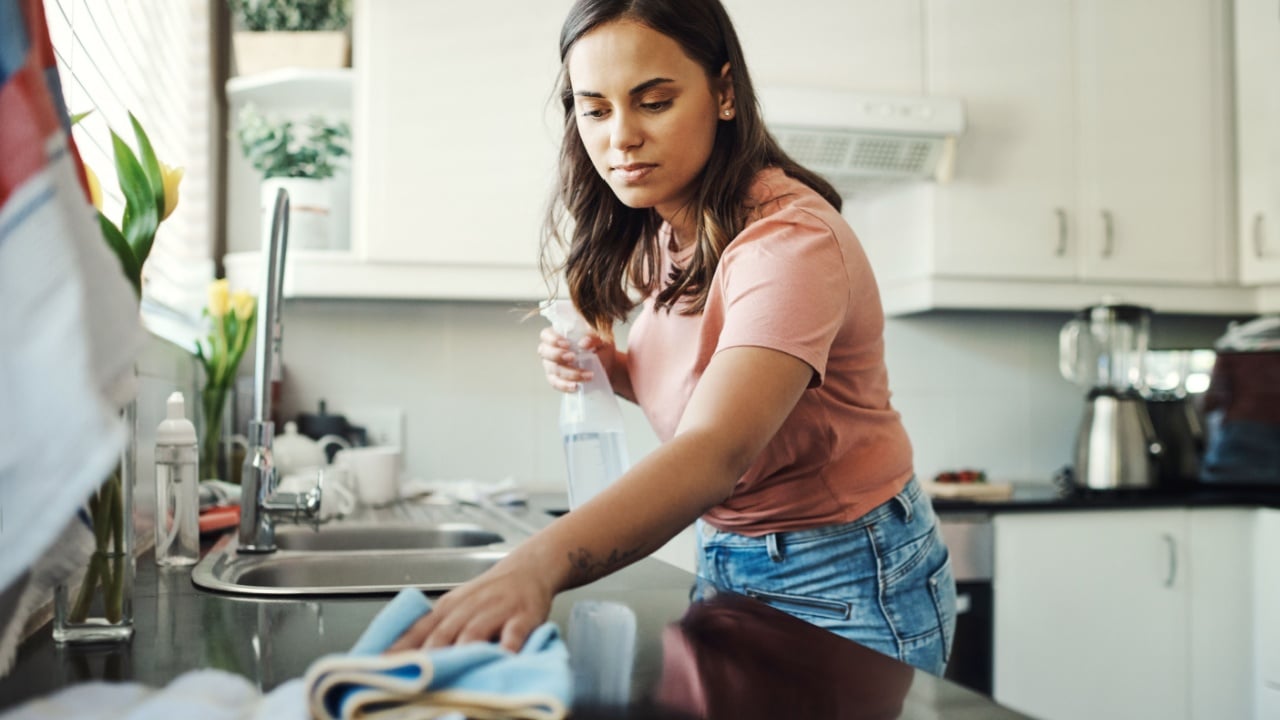
A truly clean kitchen goes beyond just wiping counters and washing dishes. The secret is knowing where germs, moisture, and food bits love to hide. Think about the things you touch all the time, and porous surfaces, which need the most attention to stop illnesses from spreading.
Get into a routine of taking apart tools like blenders for a deep clean and setting a schedule to wash reusable bags and sanitize sinks. These simple habits can turn your kitchen into a safe and hygienic space for everyone.