12 Storage Mistakes Suffocating Your Berries (and How to Save Them)
Finding a container of fresh berries covered in fuzzy mold just a few days after buying them is a major disappointment. These fruits are delicious, packed with nutrients, and quite expensive, so throwing them away feels like a sad waste of money.
Most of the time, this quick spoilage happens because of small mistakes made right after you get home from the grocery store. The reason these fruits spoil so quickly comes down to how they are built. They have thin skins and contain a lot of water, which makes them a perfect target for tiny mold spores in the air.
When the storage conditions in your kitchen are not right, these invisible spores activate and quickly ruin the fruit.
Fixing these common mistakes can help your fruit stay fresh, firm, and flavorful for much longer. Let’s find out the exact habits that cause mold and how to correct them easily.
1. Rinsing the Fruit Before Refrigeration
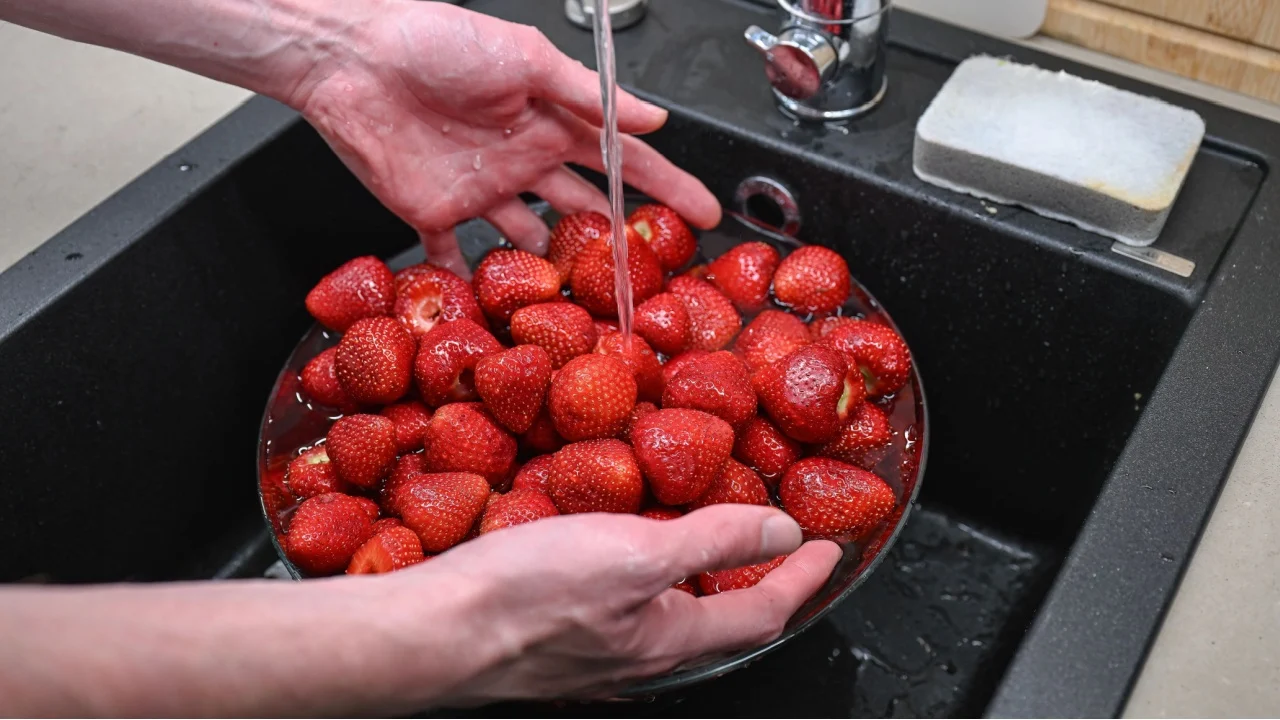
Washing your fruit before putting it away in the refrigerator adds extra moisture that mold loves. Soft fruits have tiny pores that trap water droplets, which soften the skin and help mold spores grow. Because these fruits are already full of water, adding more moisture to the outside makes them break down much faster.
Food safety studies show that wet skin is the main reason fresh produce spoils early. Mold spores stay quiet on the skin until water allows them to break through and ruin the fruit. Waiting to wash your fruit until right before you eat it keeps the natural protective layer intact.
If you really prefer to wash your fruit ahead of time, you can use a quick vinegar bath to help clean it safely. Mixing one part white vinegar with three parts water creates a solution that kills mold cells on contact. Just make sure to let the fruit dry completely on a clean towel before putting it into a container.
2. Neglecting to Use an Absorbent Liner

Storing fruit directly on hard plastic lets moisture collect at the bottom of the container. As the temperature changes inside your refrigerator, water droplets pool around the bottom layer of fruit. Without something to soak up this liquid, the bottom pieces will get soggy and moldy first.
Adding a simple paper towel to the container catches the extra moisture and keeps the fruit dry. This simple barrier stops the delicate skin from sitting in puddles of water.
To get the best results, you can place a paper towel at both the bottom and the top of the container. Checking the paper towel every few days lets you swap it out if it gets too damp. This quick habit keeps the air inside dry and helps the fruit stay firm.
3. Pre-slicing the Fruit Ahead of Time
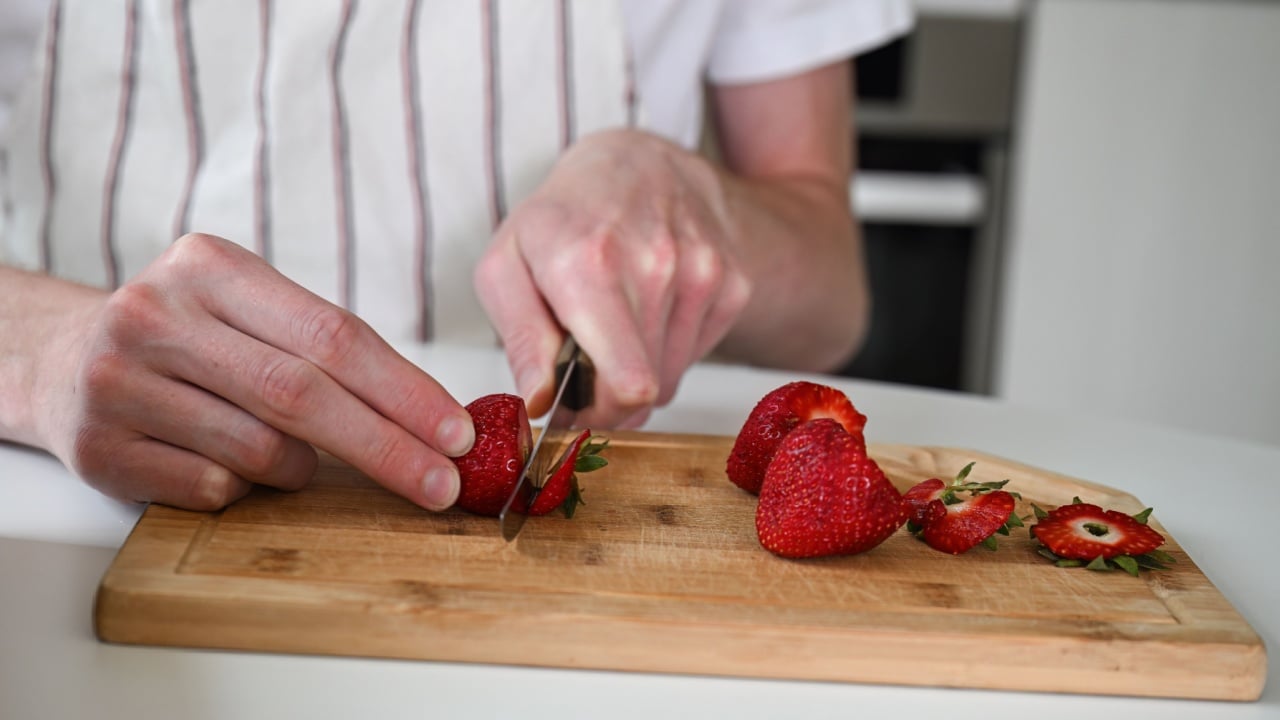
Cutting fruit open ahead of time exposes the sweet inside flesh to air and bacteria. When you break the outer skin, the fruit starts to soften and lose its structure. This opening makes it very easy for mold spores to land on the pieces and start growing.
Cut fruits release natural sugars that act as food for tiny organisms. Keeping each piece fully intact helps the fruit use its own natural defenses to stay fresh.
If you need to slice fruit early for quick snacks, you need to store it carefully. Put the cut pieces into a tightly sealed container and try to eat them within two days. For general storage, leave the stems and skins alone until you are ready to serve them.
4. Skipping the Freezing Process for Surplus Quantities
Leaving too much fruit in the refrigerator when you cannot eat it all fast enough leads to mold. Refrigerators can slow down spoilage, but they cannot stop the natural aging process forever. When you have more fruit than you can finish in a few days, the extra pieces will eventually go to waste.
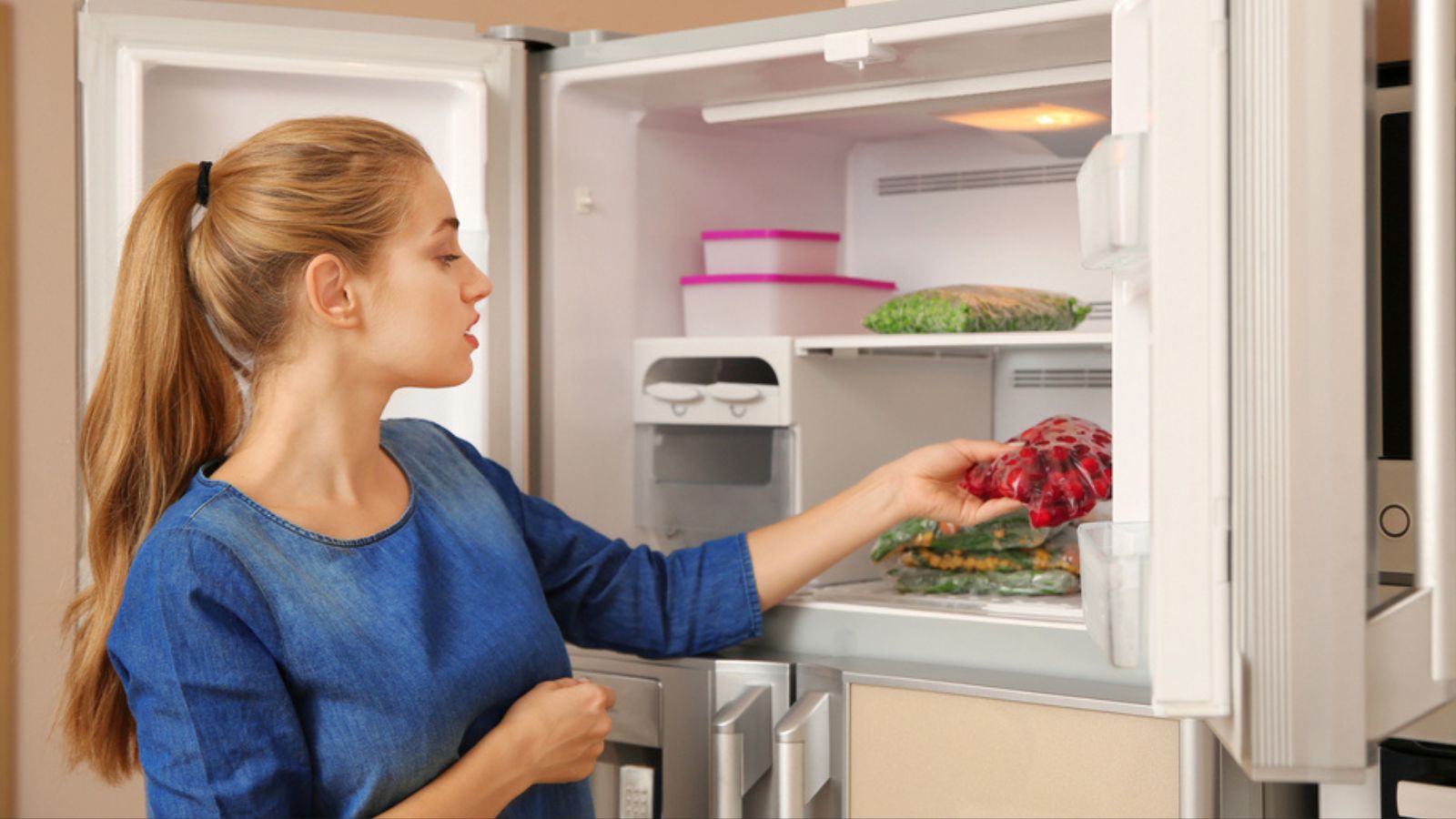
Freezing is a great way to save your extra fruit when it is perfectly ripe. Cold freezer temperatures stop mold growth completely and lock in all the good vitamins. This method lets you turn a quick-spoiling snack into a handy supply that lasts for months.
To freeze them correctly, spread the individual pieces out on a flat tray so they do not touch. Put the tray in the freezer until the pieces are totally solid. After that, move the frozen fruit into a storage bag so you can easily scoop out exactly what you need later.
5. Using Airtight Containers
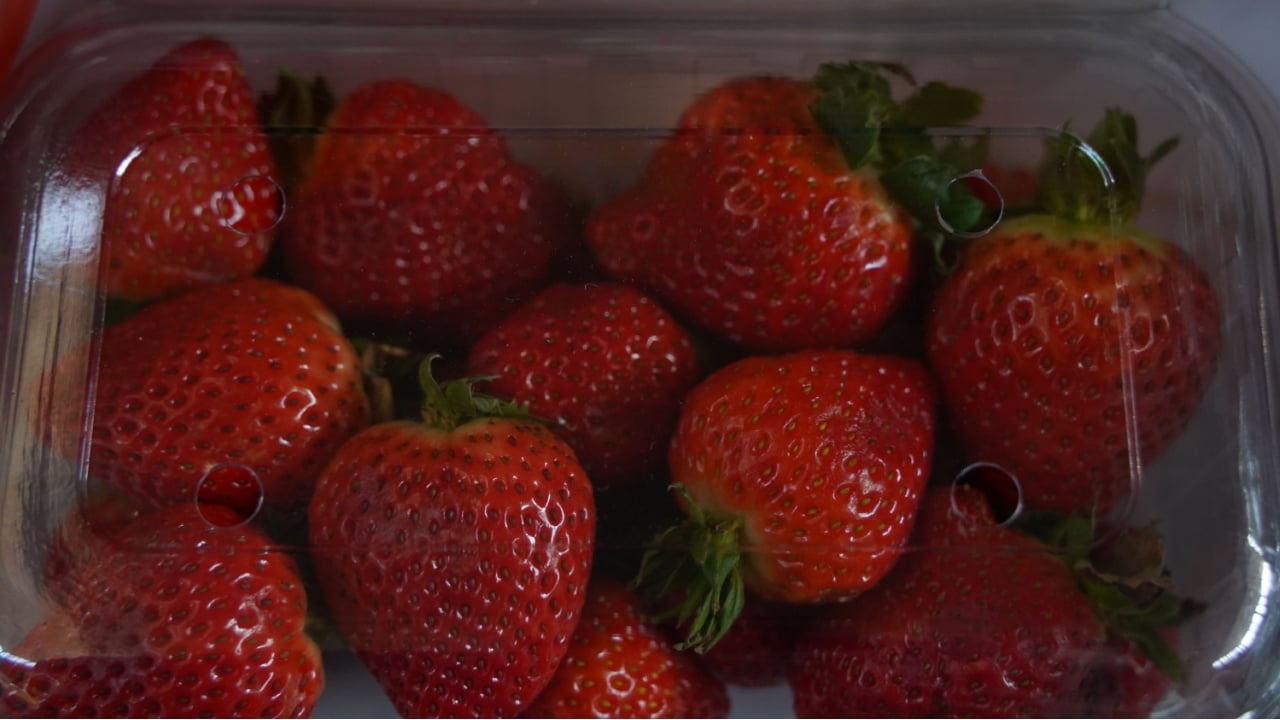
Putting fresh fruit into a sealed plastic container traps the moisture that the fruit naturally breathes out. Even after being picked, fruit breathes in oxygen and releases water vapor. In a closed container, this vapor turns into water droplets on the walls and drips back down onto the fruit.
When air cannot move, it creates a damp space where mold multiplies very quickly. Mold thrives in trapped, wet air where moisture has no way to escape.
You can use containers with small vent holes or raised grids at the bottom to help air move around. The plastic containers from the grocery store often have these built-in slots for this exact reason. Keeping these vents clear lets the extra moisture escape into the refrigerator naturally.
6. Allowing a Single Spoiled Piece to Remain in the Batch
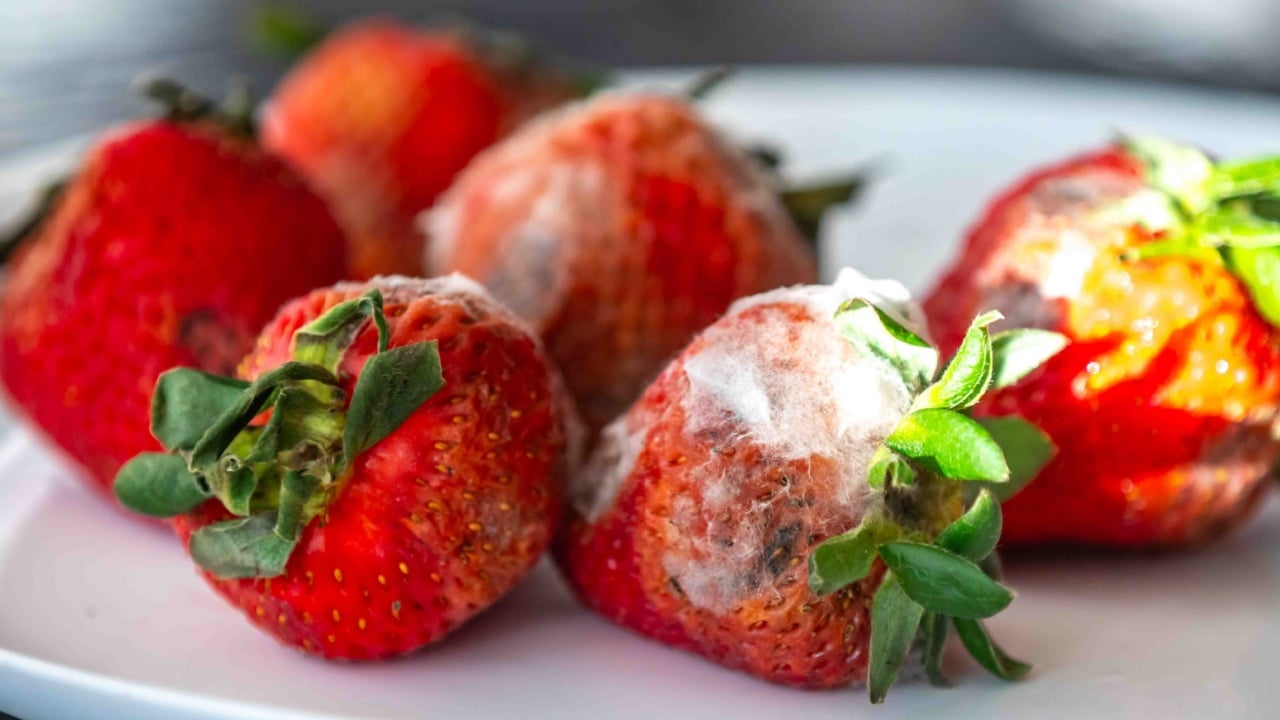
Leaving a moldy or bruised piece of fruit inside the container will quickly ruin the rest of the batch. Mold spreads by releasing tiny spores that travel easily to nearby surfaces. When healthy fruit touches a decaying piece, the mold can jump to the clean skin almost instantly.
Physical contact is the fastest way for mold to move from one piece of fruit to another. The thin skins of neighboring fruits offer very little protection against an active patch of mold. Taking out any bad pieces immediately helps save the rest of your grocery investment.
Sort through your fruit as soon as you get home from the store to separate any damaged pieces. A quick daily check helps you catch early signs of fuzz before it can spread through the container. If a large section of the batch is already moldy, it is safest to discard that group.
7. Overlooking the Cleanliness of Refrigerator Surfaces
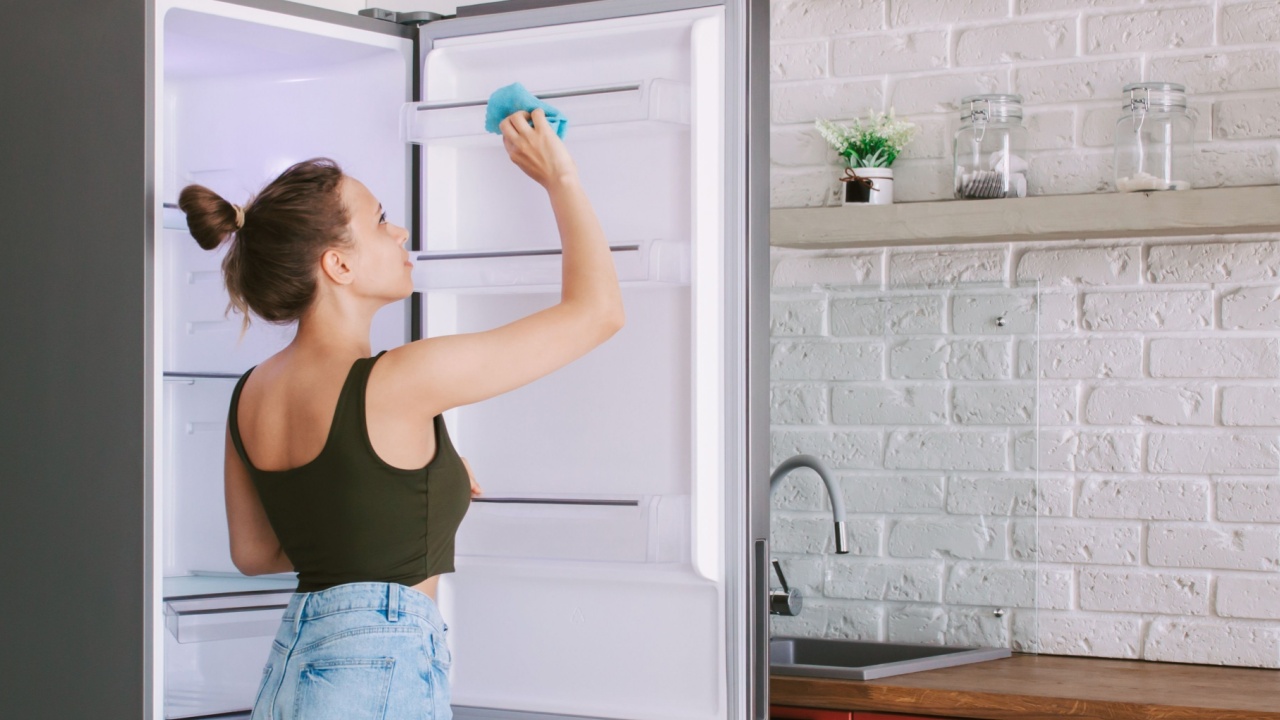
Mold spores can build up on the shelves and inside the drawers of your refrigerator over time. When old food spills or spoils in a dark corner, millions of invisible mold particles stay behind. These spores float through the air inside the fridge and land on your fresh groceries.
Cooling appliances can easily hide mold along the rubber door seals and under the plastic bins. Some types of mold can live in cold temperatures and wait for fresh food to land on. Keeping the inside of your refrigerator clean directly helps your fresh produce last longer.
Wiping down the inside of your fridge with warm water and baking soda helps remove these hidden threats. Cleaning the shelves every month removes old food sticky spots and clears out lingering spores. Making sure the shelves dry completely before putting food back stops new mold from growing.
8. Co-mingling Distinct Varieties in a Single Vessel
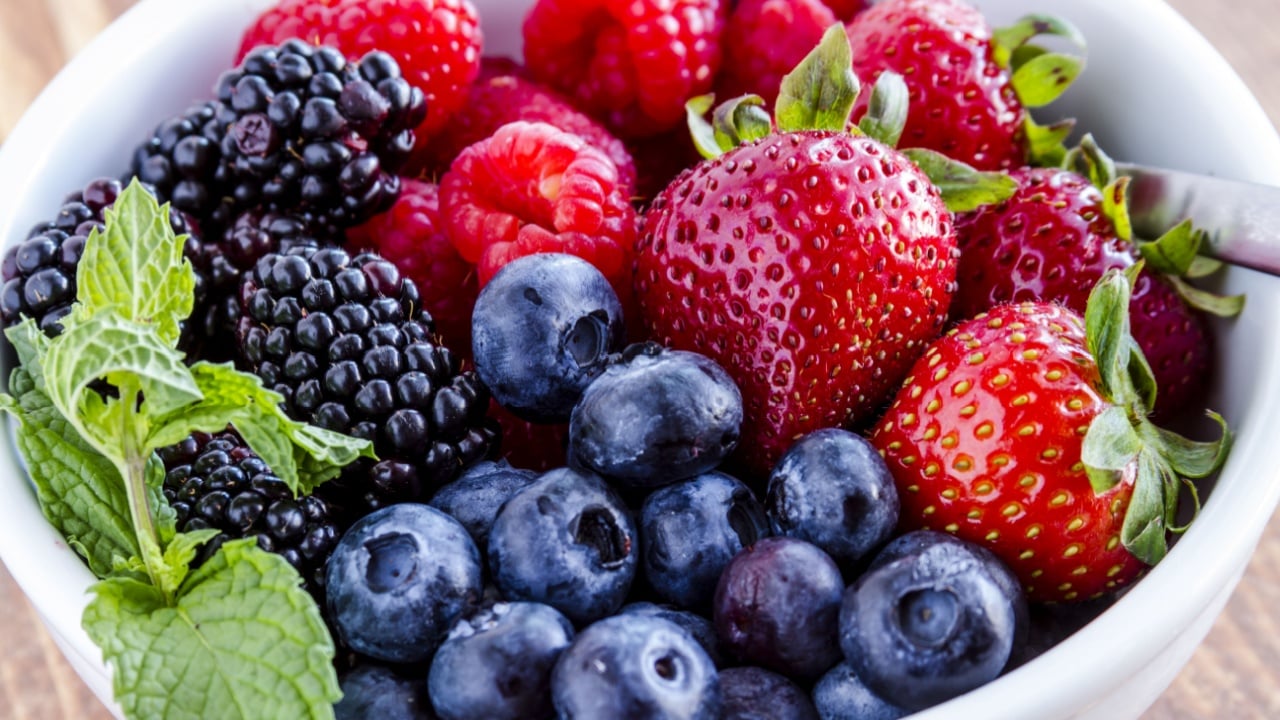
Mixing different types of fruit in one container ignores the fact that they spoil at different speeds. Blackberries break down very fast because of their soft shape, while blueberries stay fresh longer because of their tougher skin. Putting them together forces sturdier fruits to share space with varieties that go bad quickly.
Different fruits release different amounts of moisture and ripening gases as they sit. The high moisture from a spoiling blackberry can cause a nearby blueberry to soften much faster than usual. Keeping the types separate lets each fruit follow its own natural timeline.
Give each kind of fruit its own separate container inside the refrigerator. This separation means that a problem with a delicate fruit will not ruin a tougher variety. You can always mix the different flavors in a bowl right before you eat them.
9. Leaving Containers Out on the Kitchen Counter
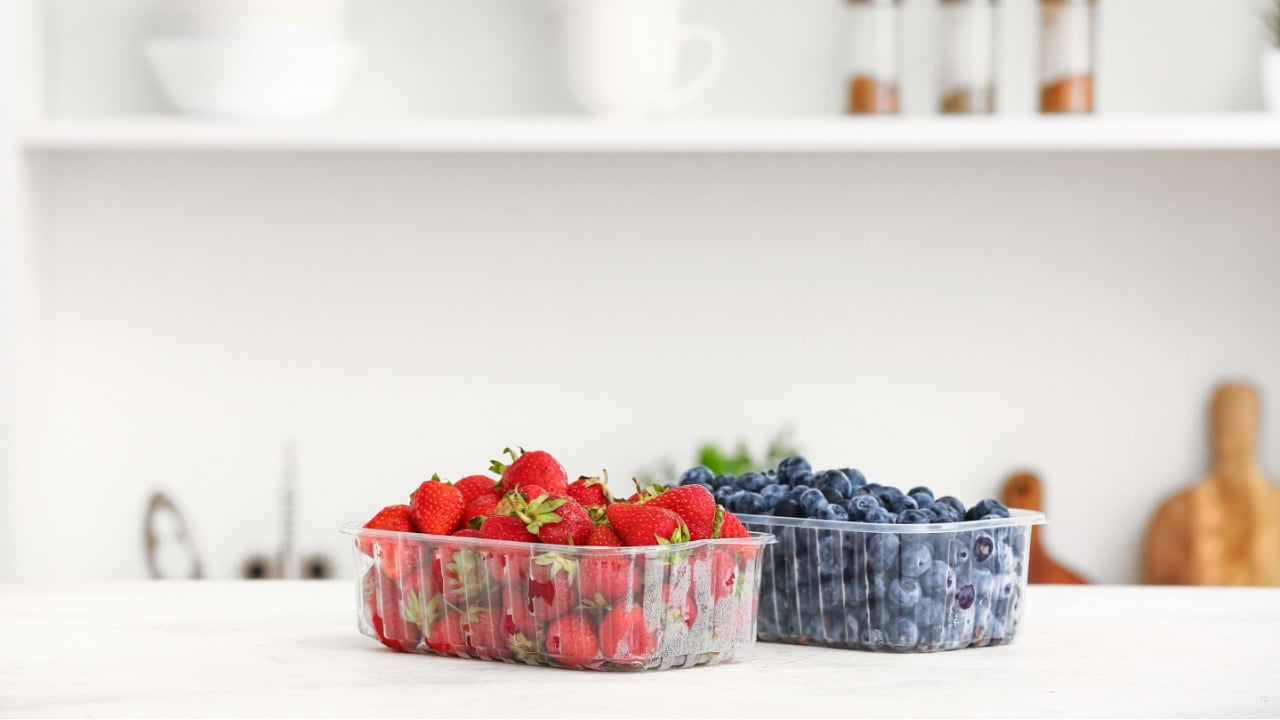
Leaving delicate fruits on a warm kitchen counter causes them to age and spoil much faster. Warm rooms speed up the internal processes that cause fruit to get soft and lose its flavor. Mold also grows much faster in warm areas than it does in a cold refrigerator.
Fruit breaks down several times faster at room temperature than it does in cold storage. Warmth and normal room humidity can cause mold spores to develop into visible fuzz in just a few hours.
Always keep your fruit inside the refrigerator unless you plan to eat the whole portion that afternoon. If you prefer your fruit at room temperature, just pull out the amount you want about fifteen minutes before snack time. This habit protects the rest of the supply from unnecessary warmth.
10. Failing to Utilize Low-humidity Appliance Settings
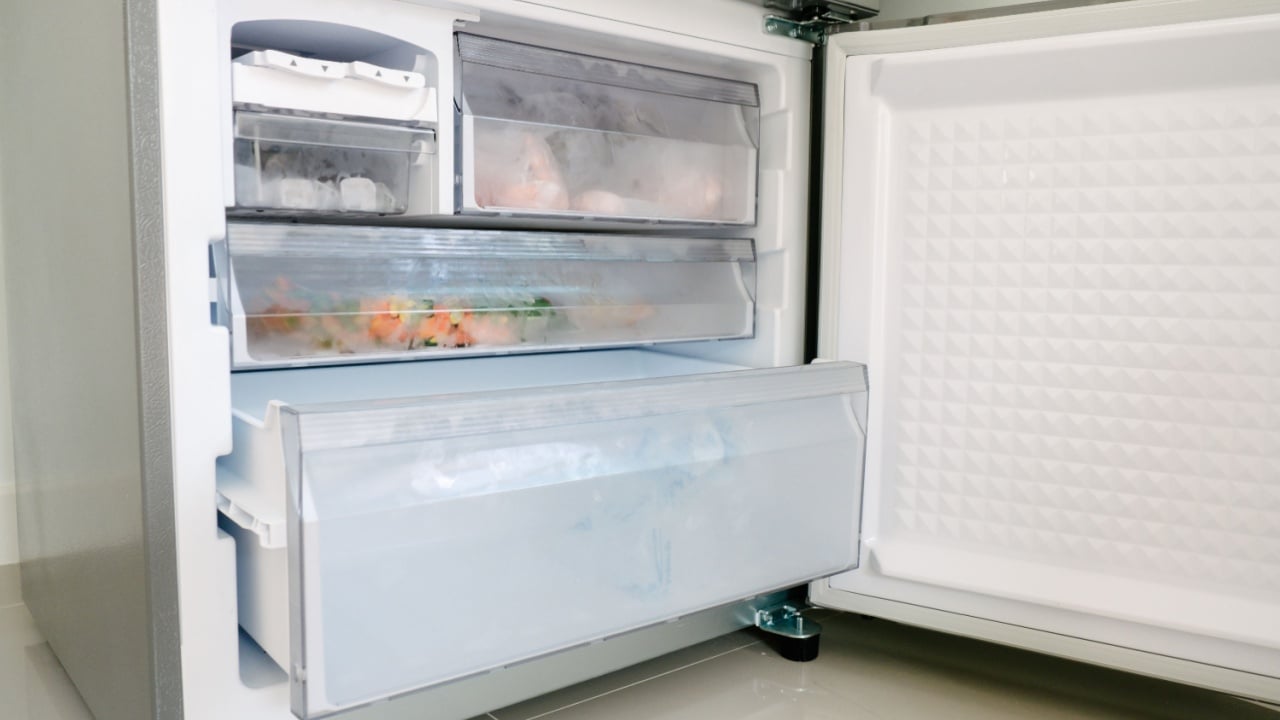
Putting moisture-sensitive fruits into a high-humidity drawer traps too much wet air around the skins. Many refrigerators have adjustable drawers with sliders to control air and moisture. Setting these drawers incorrectly creates a damp environment that helps mold grow instead of keeping food fresh.
Fruit stays freshest when air can move freely to clear away extra moisture. High-humidity settings are meant for leafy vegetables that need to stay wet so they do not wilt. For thin-skinned fruits, a low-humidity setting opens up the vents so damp air can escape.
Move the slider on your produce drawer to the low-humidity position to open the internal vents. This setting lets the moisture from the fruit escape into the main part of the fridge instead of pooling in the drawer. If your fridge does not have these sliders, keeping the fruit on a main shelf works well too.
11. Storing Items in Close Proximity to Ethylene Producers

Placing your fruit near items that give off ripening gas causes them to break down early. Some fruits produce a natural gas called ethylene as they ripen, which tells nearby plants to soften and age.
Delicate fruits are very sensitive to this gas, which quickly weakens their skin structure. As the skin gets soft and weak, mold spores can enter the fruit much more easily.
Keep your fruit containers far away from high-gas producers like bananas, apples, avocados, and tomatoes. Do not mix them in the same drawer or place them right next to each other on a shelf. Creating separate zones for these items protects your fruit from getting an early ripening signal.
12. Packing the Items Too Densely Inside the Container
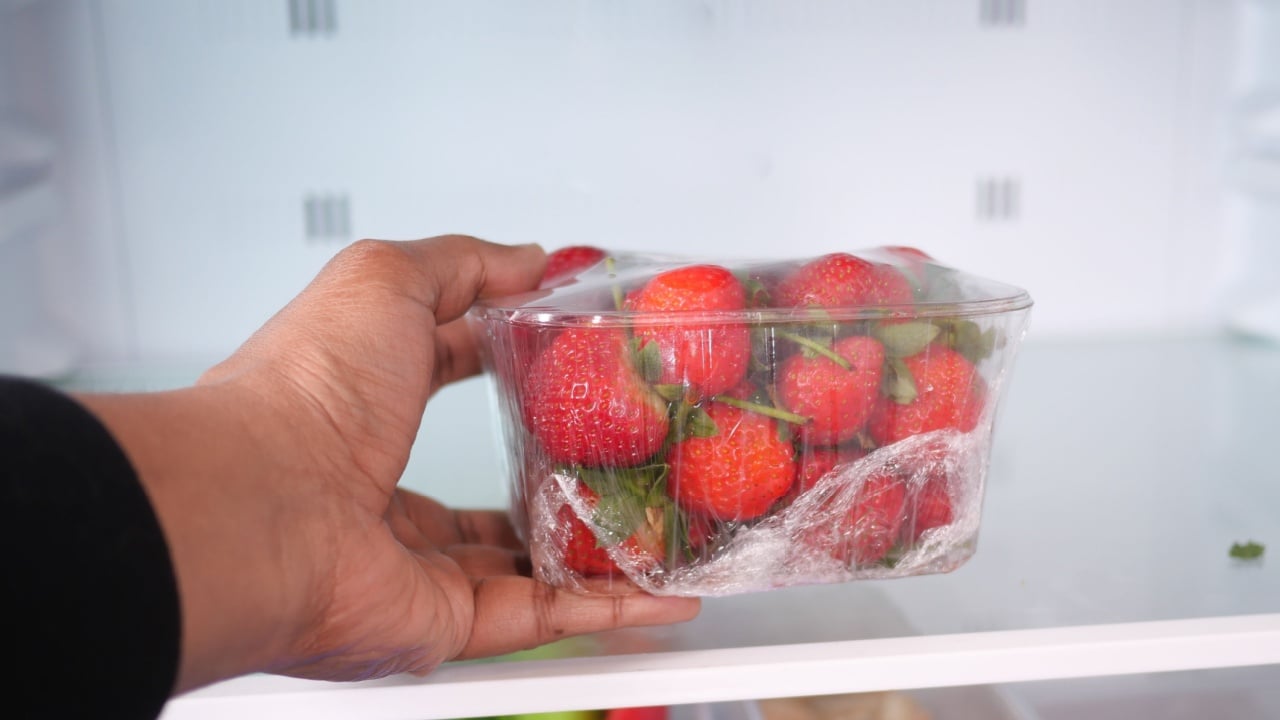
Squeezing too many pieces of fruit into a tight container creates pressure that damages the skin. The weight of the top layers squishes the fruit at the bottom, causing small tears and releasing juice. This sweet juice coats the surrounding fruit and gives mold spores an instant food source.
Crowding the fruit also blocks airflow and creates warm, damp pockets in the middle of the pile. Air needs to move between the pieces to carry away moisture and keep the temperature even.
Spread your fruit out into wide, shallow containers so they only sit one or two layers deep. This setup reduces the weight on the bottom pieces and makes sure every piece gets enough air. Giving each piece some breathing room keeps the skin dry and prevents bruising.
Quick Fixes for Longer-Lasting Fruit
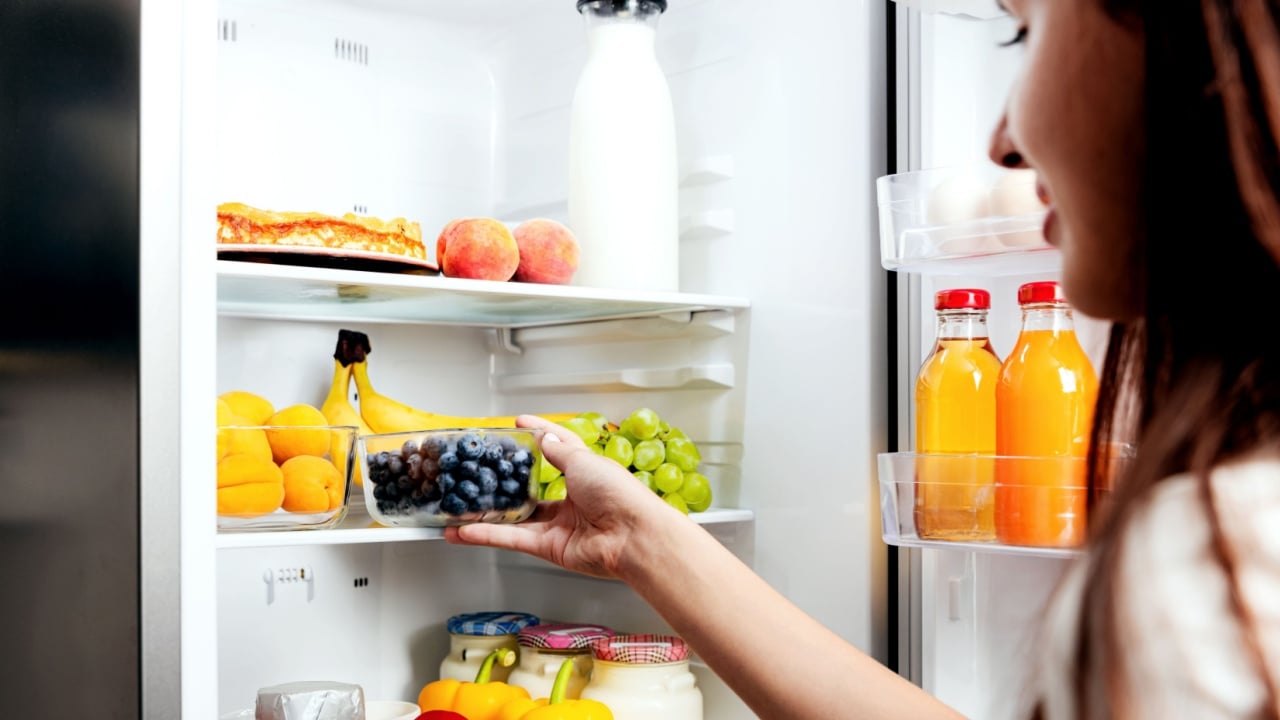
Turning these tips into a daily habit takes just a few quick adjustments to your kitchen routine. Check your storage containers to make sure they allow enough airflow and that your refrigerator drawers are set to low humidity.
Grab a roll of paper towels to line your containers before your next grocery trip. Making these small changes creates a great setup that protects your fruit and keeps mold away.