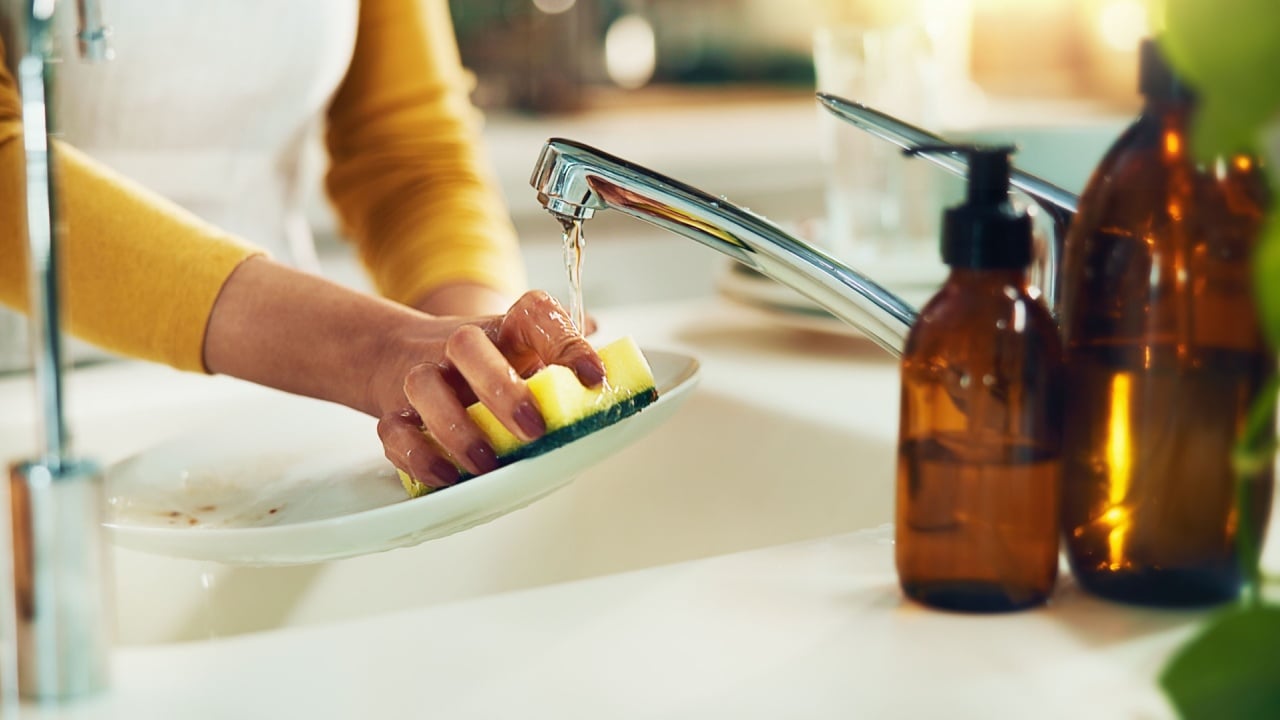
5 Kitchen Cleaning Mistakes Professionals Want You to Stop Making
That feeling of a pristine kitchen can be fleeting. You turn your back for one second, and suddenly there’s a new constellation of crumbs and a mysterious sticky spot on the counter. While your dedication to daily scrubbing is commendable, what if we told you some of your habits are actually working against you?
We scoured the internet for pro advice, since they’ve seen it all. From germ-spreading tools to neglected nooks, here are five common cleaning mistakes you’re probably making and how to fix them for a truly spotless kitchen.
1. Using a Single Sponge for Every Task
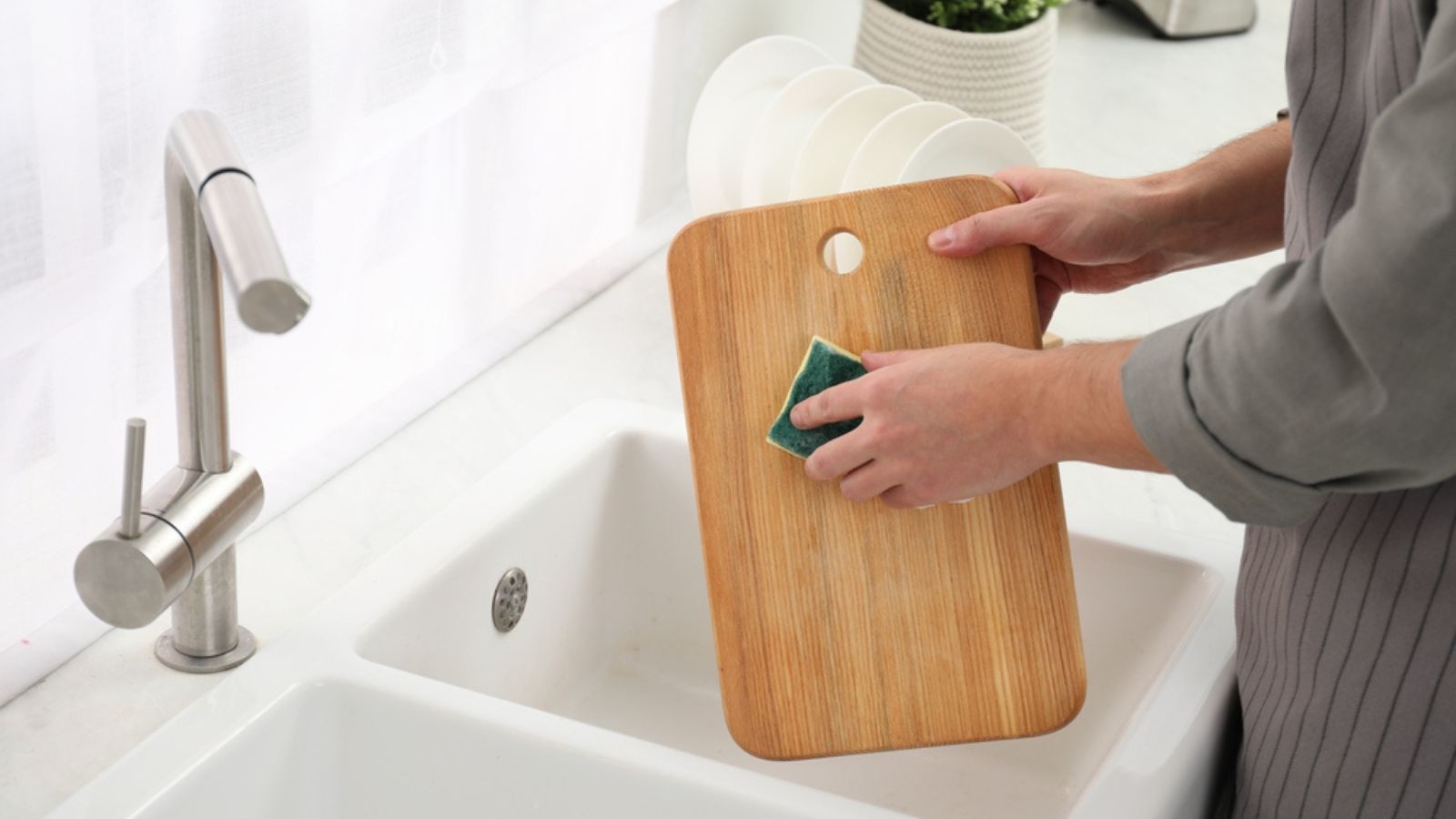
Cross-contamination remains a primary concern in kitchen hygiene. Using a single sponge to scrub a raw chicken, cutting board, and then wiping down countertops spreads harmful bacteria across food preparation zones.
Experts recommend “zoning” cleaning tools by assigning specific scrubbers to distinct tasks. A heavy-duty scrubbing pad works best for cast-iron pans, while Swedish dishcloths handle countertops effectively.
Color-coding sponges helps distinguish between heavy-duty cookware scrubbers and lighter dish-washing tools, keeping germs contained and surfaces safe.
2. Ignoring Odors From the Garbage Disposal
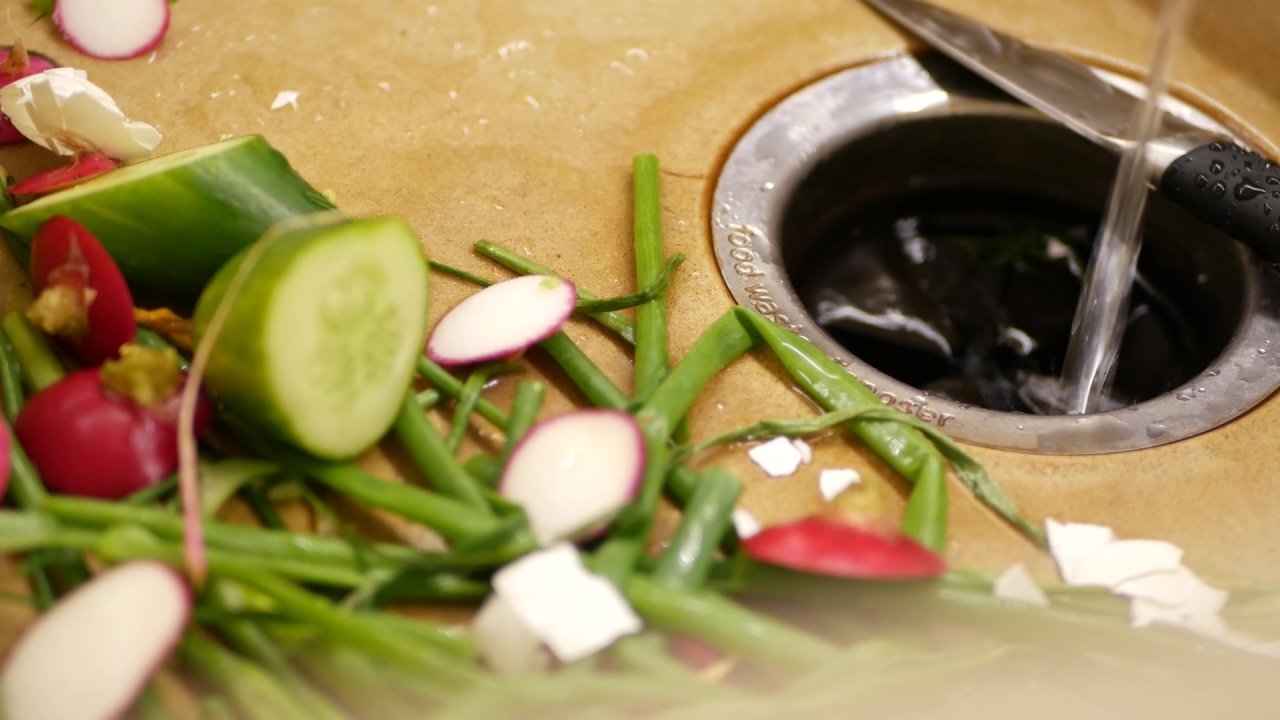
Unpleasant kitchen smells often originate from the garbage disposal, a frequently neglected appliance. Food particles accumulate in the grinding chamber and drain pipe, creating a breeding ground for bacteria and odors. Simply running water does not suffice to remove this buildup.
To combat this, dropping lemon peels and ice cubes down the disposal while running water proves effective. The ice sharpens the blades while the citrus oils break down residue. Alternatively, specialized foaming cleaner tablets can reach deep into the mechanism to remove grime and leave a fresh scent.
3. Believing the Dishwasher Cleans Itself

It is a common misconception that a machine designed to wash dishes cleans itself during the cycle. In reality, food debris, grease, and soap scum build up in filters and spray arms, reducing efficiency and leading to odors.
Regular maintenance involves scrubbing the filter and running a cycle with a dedicated dishwasher cleaner. Keeping these internal components free of buildup guarantees that plates and glasses emerge sparkling rather than cloudy or spotted.
4. Neglecting to Wash Cleaning Tools

Even the tools used to clean need cleaning. Sponges and brushes harbor moisture and food scraps, making them ideal hosts for bacterial growth. Chefs advise cleaning sponges every couple of days or replacing them frequently.
Many modern dish brushes feature dishwasher-safe materials, allowing for easy sanitization alongside dinnerware. For items that cannot go in the dishwasher, soaking them in vinegar or baking soda helps neutralize germs. Allowing these tools to dry completely between uses prevents mold and keeps them effective for longer.
5. Overlooking the Refrigerator Air Filter

Deep cleaning the refrigerator involves more than just wiping down shelves and throwing away expired produce. Air circulation plays a massive role in keeping food fresh and preventing odor transfer between items. Many modern fridges contain air filters that require regular replacement, yet this task often goes unnoticed.
Replacing an old air filter or adding a dedicated deodorizer, such as a baking soda pack or a charcoal filter, actively traps smells. This simple step keeps the appliance smelling fresh and protects the flavor integrity of stored ingredients.
Keep Your Kitchen Sparkling

Achieving a professional-level clean requires working smarter with the right strategies. By addressing these often-overlooked areas, the kitchen becomes a safer and more hygienic space for culinary creativity.
Implementing these changes does not require changing everything at once; simply swapping out a sponge or cleaning a filter makes a significant difference.