How to Store Herbs so They Don’t Wilt
Fresh herbs are one of those kitchen staples that seem simple until they turn to mush in the back of the fridge. A bundle of parsley or a handful of thyme can go from vibrant to limp in just a couple of days without proper care.
The difference between herbs that last and herbs that don’t almost always comes down to storage. Tender herbs like cilantro and mint have different needs than hardy herbs like rosemary and sage. Lumping them together in the same drawer, wrapped in the same plastic bag, is a fast route to wilted, sad-looking herbs.
Temperature, moisture, and airflow are the three factors that matter most when it comes to herb storage. Too much moisture causes rot. Too little causes them to dry out. Too much warmth speeds up the breakdown of delicate leaves.
Getting the balance right for each herb type means they last longer and taste better. This article walks through the most effective methods for storing both tender and hardy herbs.
First, Sort Herbs Before Storage
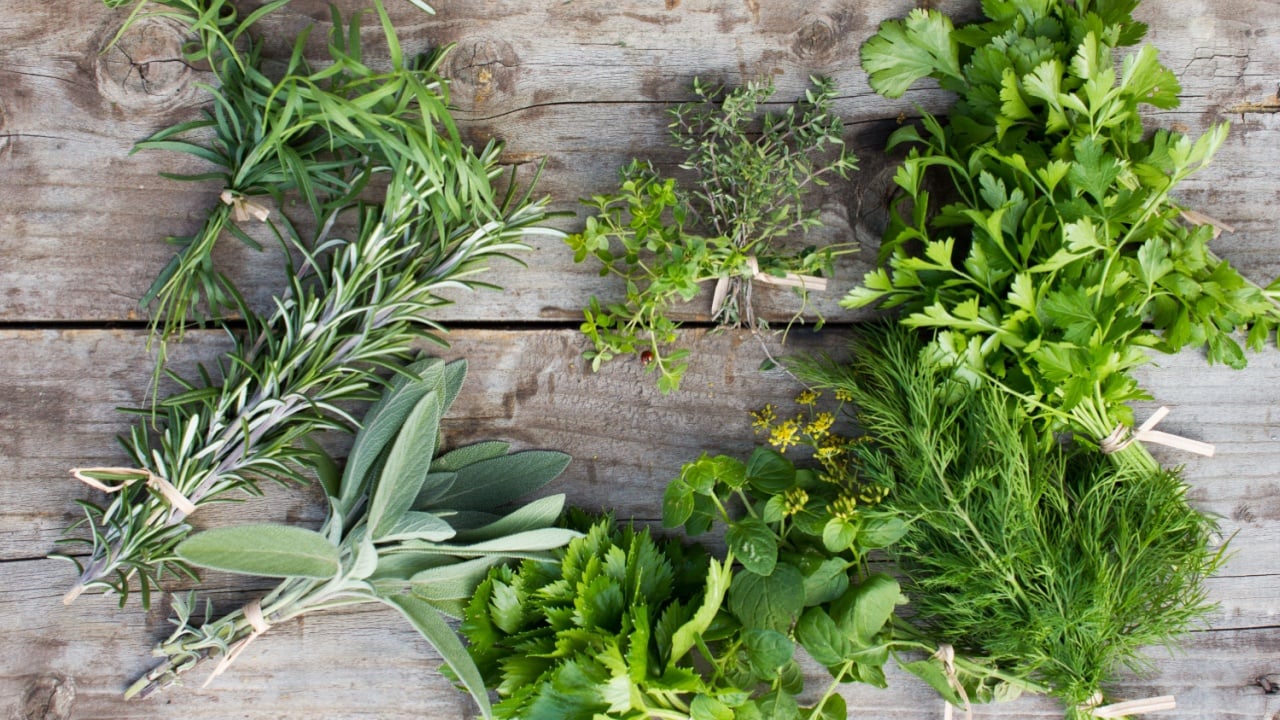
Before anything goes into the fridge or a jar of water, it pays to sort herbs into two categories: tender and hardy. Tender herbs, sometimes called soft herbs, include parsley, cilantro, dill, mint, and basil.
Hardy herbs include rosemary, thyme, oregano, sage, and chives. Each group behaves differently after harvest, and each requires a different storage approach.
Sorting also means removing any damaged or wilting leaves before storage begins.
One soft, browning leaf left in a bunch can speed up the deterioration of the surrounding leaves, and a small amount of moisture from a damaged stem can create the kind of damp environment where rot spreads quickly.
Try the Bouquet Method for Tender Herbs
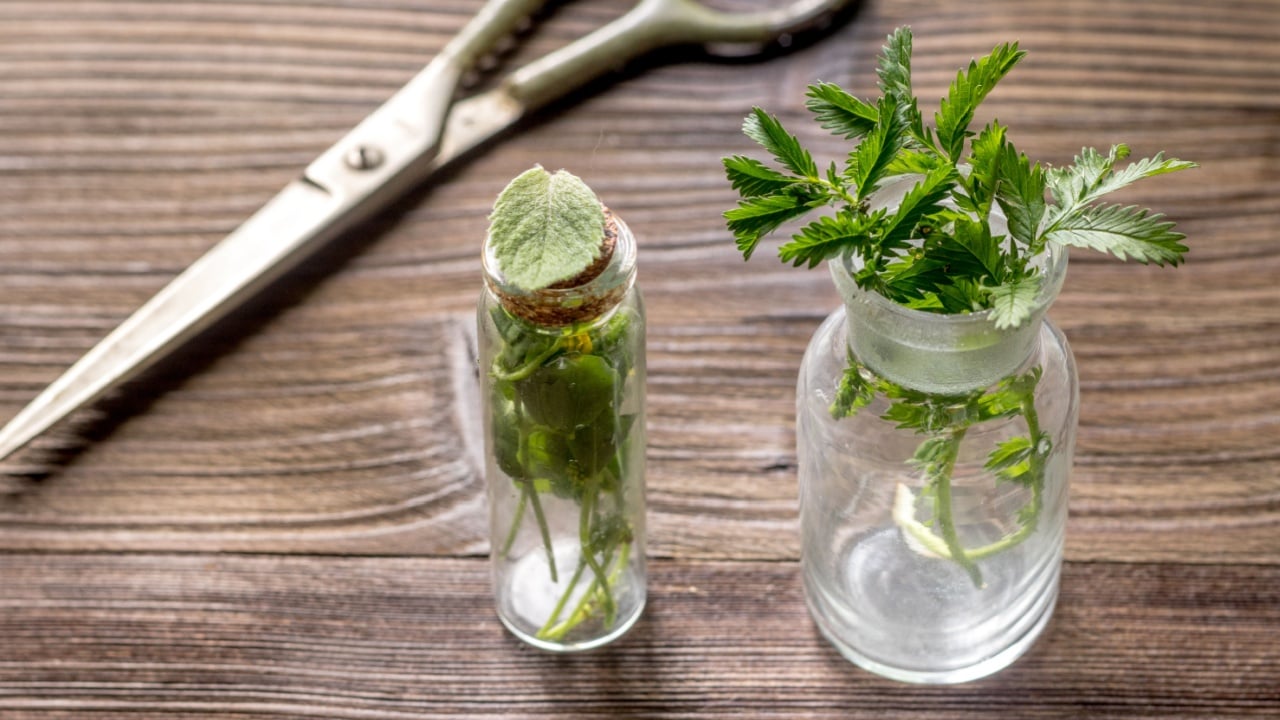
The bouquet method works well for tender herbs like parsley, cilantro, dill, and mint because it mimics the conditions these plants prefer.
After a rinse and a thorough dry, the stems get trimmed slightly and placed upright in a jar with about an inch of water at the bottom. A loose plastic bag draped over the top helps retain moisture without suffocating the herbs.
Once in the fridge, the water in the jar should be changed every two to three days to keep it fresh and free of bacteria. Herbs stored this way can stay vibrant for up to two weeks, sometimes longer if the jar is kept away from strong-smelling foods and the water stays clean.
The most common misstep with this method is skipping the drying step after rinsing, which leaves too much surface moisture on the leaves and encourages early decay.
Pro Insight: Why Basil Stays at Room Temperature
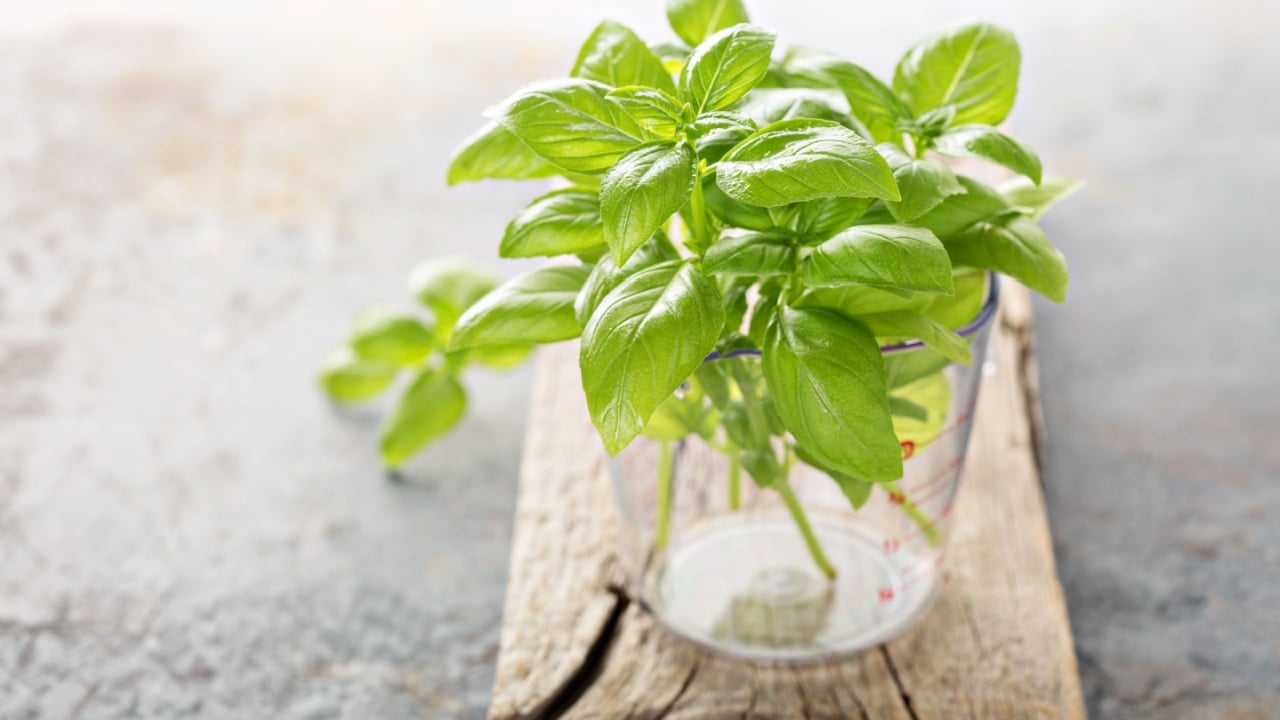
Basil is the one herb that refuses to thrive in the refrigerator, and there’s a clear reason for that. Cold temperatures cause basil leaves to turn black and limp within hours due to a process called chilling injury, where the cellular structure of the leaf breaks down in response to low temperatures.
For basil, room temperature storage using the bouquet method in a jar of water is the right approach.
The jar should sit on the counter away from direct sunlight and away from drafts, with the stems in water and the leaves exposed to open air.
A loose bag over the top is optional for basil at room temperature, but the water should still be refreshed every couple of days. Storing basil near ripening fruit can also shorten its life due to ethylene gas production, so placement in the kitchen matters.
Try the Damp Paper Towel Method for Hardy Herbs
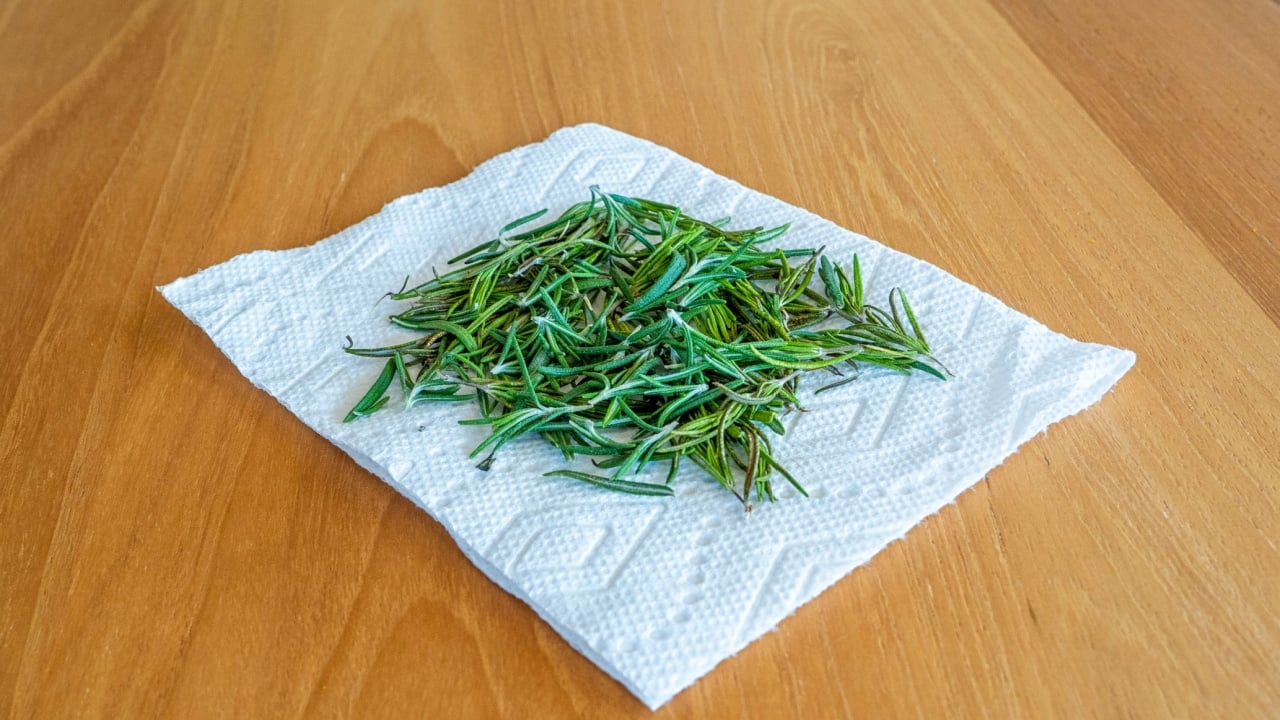
Hardy herbs like rosemary, thyme, oregano, and sage do not do well in water jars. Their woody stems and low moisture needs mean they hold up best when stored dry and cold, with just enough dampness to prevent them from desiccating.
The damp paper towel method addresses this perfectly by providing controlled, gentle moisture without waterlogging the herbs.
To use this method, rinse the herbs and spread them on a clean towel to dry completely. Then wrap them loosely in a slightly damp paper towel and place the bundle in a sealed bag or airtight container in the vegetable drawer of the fridge.
If the paper towel dries out before the herbs are used, re-dampening it is easy and effective. Hardy herbs stored this way can last up to two weeks, and their flavor often intensifies slightly as they dry out a little toward the end of their storage life.
Freezing Hardy Herbs When You Don’t Use Them Fast Enough
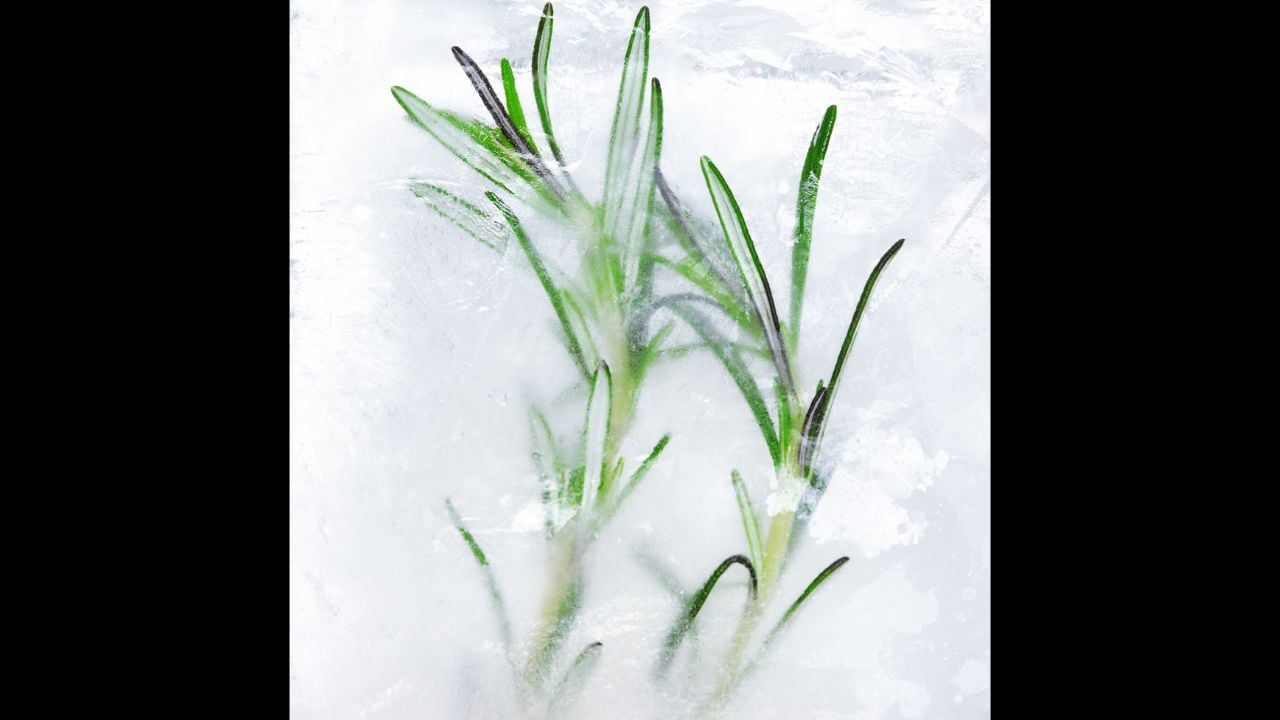
Freezing is a practical option for hardy herbs because their robust structure holds up well in the freezer without significant texture loss.
Herbs like rosemary, thyme, and sage should be washed, dried thoroughly, and then laid flat in a freezer-safe bag with as much air removed as possible before sealing.
This prevents freezer burn and keeps the herbs from clumping into a solid mass. Frozen hardy herbs work best added directly to cooked dishes like soups, roasted vegetables, and braised meats, since the freezing process softens them too much for use as a fresh garnish.
One useful tip is to freeze herbs in small portions so that only the needed amount gets pulled out at a time. Pulling the bag in and out of the freezer repeatedly introduces moisture and can degrade the quality more quickly.
Freezing Soft Herbs in Oil
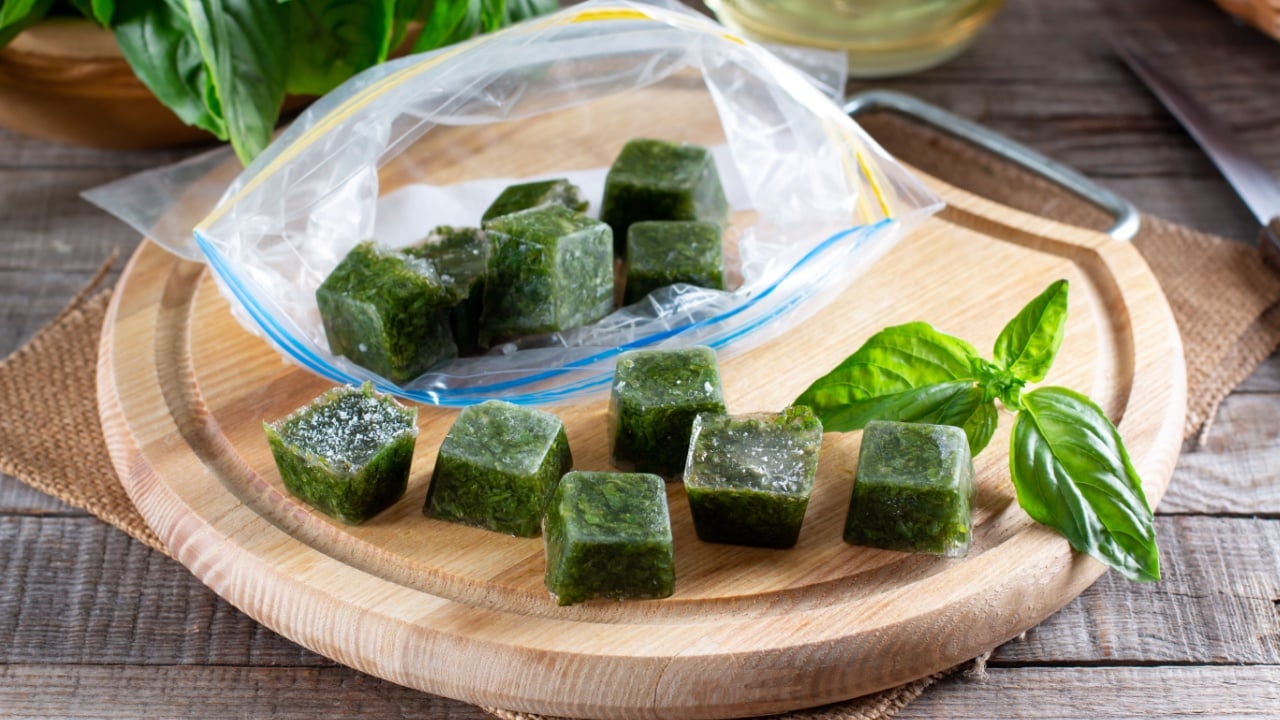
Soft herbs like parsley, cilantro, dill, and mint can be frozen effectively, but the method differs from that of hardy herbs. Because tender herbs have a higher water content, they tend to turn mushy and brown when frozen on their own.
The solution is to chop them finely, fill an ice cube tray with the chopped herbs, and pour olive oil over the top to cover.
Once frozen solid, the herb cubes can be transferred to a labeled freezer bag for longer storage. These cubes drop directly into soups, stews, sauces, and sautéed dishes without any prep work, which makes them a reliable way to preserve summer herb harvests.
The oil protects the herbs from oxidation during freezing and adds flavor when the cube melts into a hot pan.
Drying Herbs for Long-Term Storage
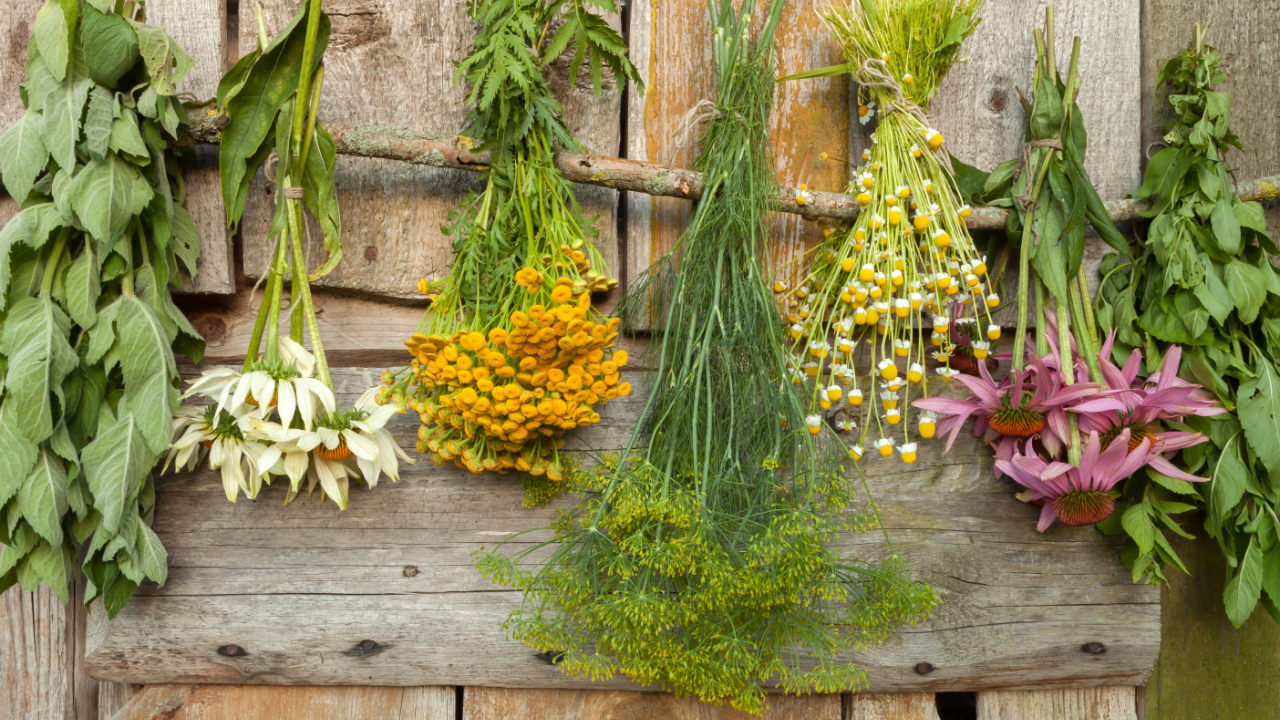
Drying herbs is the oldest method of preserving herbs, and it remains one of the most effective for long-term storage. Hardy herbs like rosemary, oregano, thyme, and sage are the best candidates for drying, since their lower moisture content means they dry evenly without developing mold.
Wilted or damaged leaves should be removed first, and only healthy, clean leaves should go into the drying process.
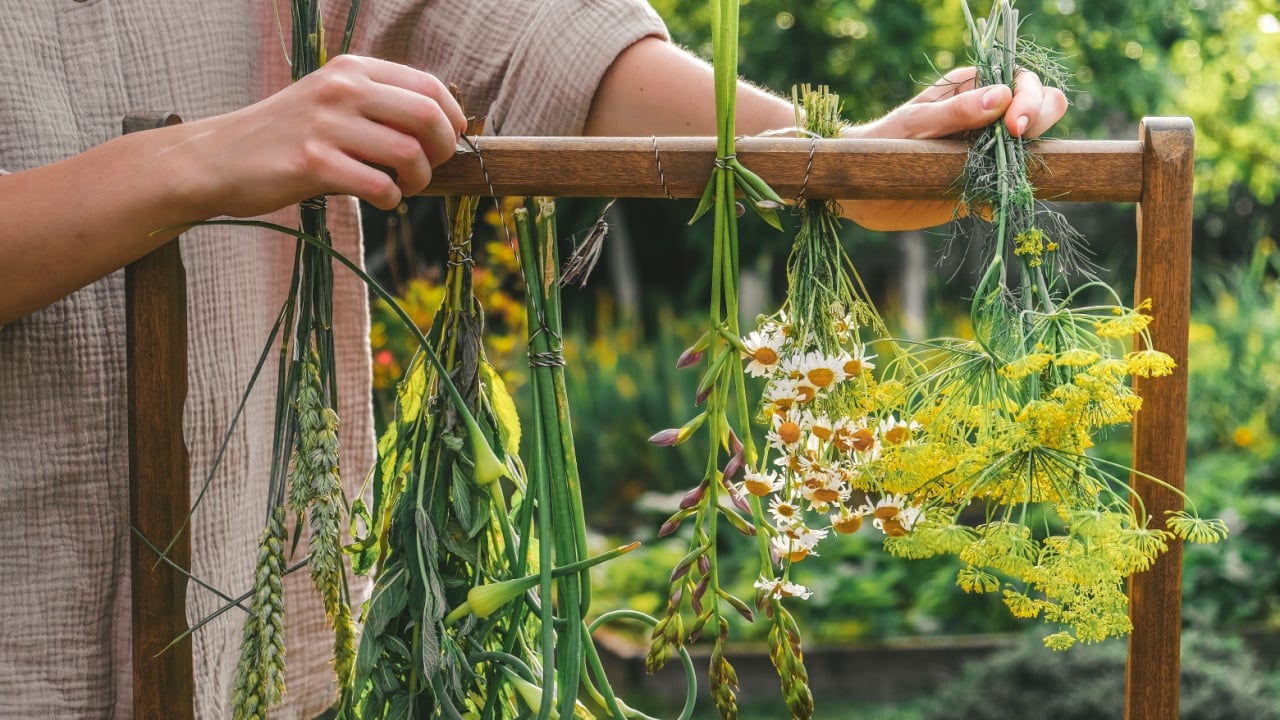
The most reliable approach is to tie small bundles of herbs together and hang them upside down in a cool, dark, well-ventilated space for one to two weeks. Once the leaves feel papery and crumble easily between the fingers, they are ready.
From there, the dried leaves can be crushed and stored in airtight glass containers away from heat and light. Dried herbs stored in these conditions hold their flavor for up to a year, though the potency begins to fade after six months.
A Few Last Things Worth Knowing
Storage method and herb type are the two biggest factors in how long fresh herbs last, but a few other details deserve attention. The age of the herbs at purchase matters too.
Herbs that have already sat in a store for several days will not last as long at home, regardless of the method used, so buying the freshest available bunches gives any storage approach a better foundation.
Labeling frozen or dried herbs with the date is a small habit that prevents waste. Herb quality degrades gradually, so it’s easy to lose track of what was stored and when. A quick label on a freezer bag or a jar lid takes seconds and prevents the guesswork of wondering how old a batch of dried oregano really is.