12 House Cleaning Mistakes Wasting Time and Money
Cleaning your home should make it feel organized and provide peace of mind, not be more problematic. Unfortunately, many well-intentioned cleaning habits can actually damage surfaces, spread germs, or create safety hazards.
“Some cleaning products can lead to health risks (like Asthma) and ineffective sanitation,” warns the CDC in its guidelines for safe cleaning and disinfection. “Always follow label instructions.”
Here are 12 cleaning errors that can cost you money in repairs or replacements (or simply wasted time). Whether you’re tackling a quick tidy-up or a deep clean, avoiding these mistakes will help you achieve better results with less effort.
Where We Got This Data
The cleaning advice in this article is based on guidance from trusted public health organizations, university extension programs, and expert-reviewed hygiene resources. We consulted sources such as the Centers for Disease Control and Prevention (CDC) to verify safety protocols, product usage, and surface care recommendations.
1. Mixing Cleaning Products
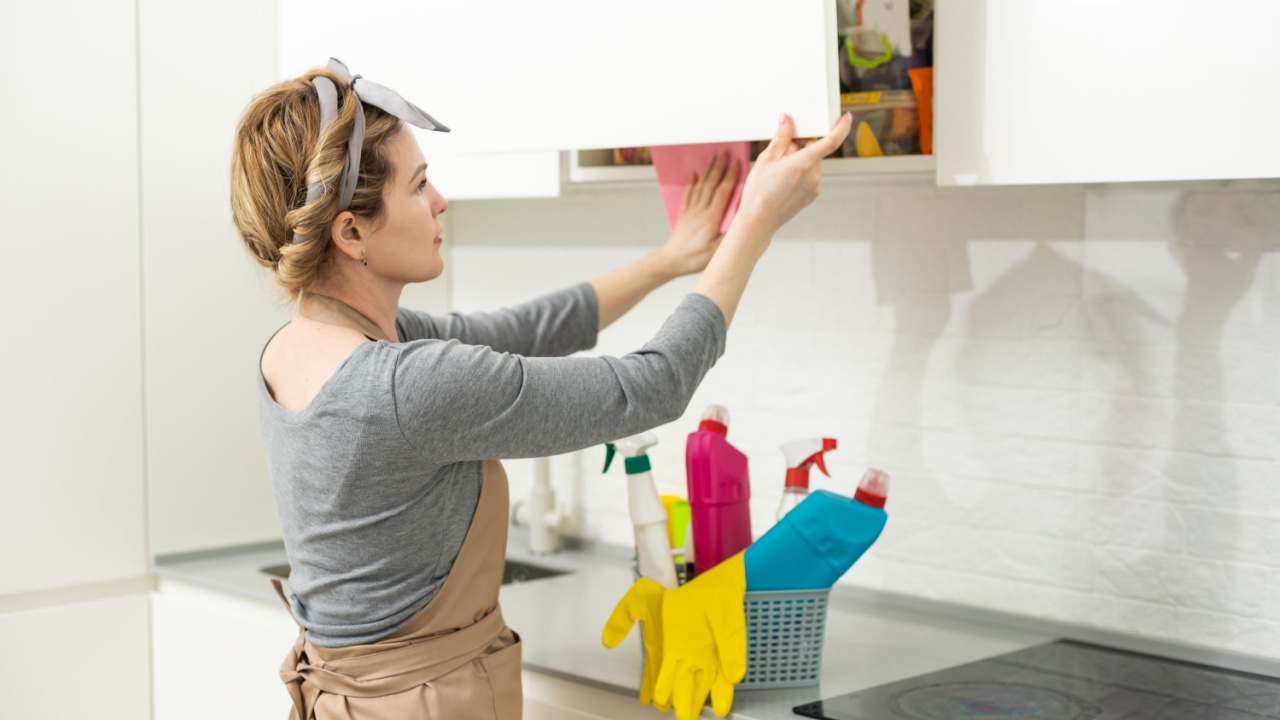
Mixing cleaning products might seem like a good idea, but it’s dangerous. Combining bleach with other cleaners creates toxic fumes that can harm your health.
It can also damage surfaces by causing discoloration or corrosion. Chemical reactions between cleaners are unpredictable, so stick to one product at a time and follow the instructions. If switching, rinse the surface with water first. For a safer option, use natural all-purpose cleaners. Stay safe and clean smarter!
What You Should Do:
- Never combine bleach with vinegar, ammonia, or other cleaners
- Rinse surfaces completely before switching products
- Stick to natural or single-purpose cleaners when possible
2. Over-Saturating With Cleaning Products
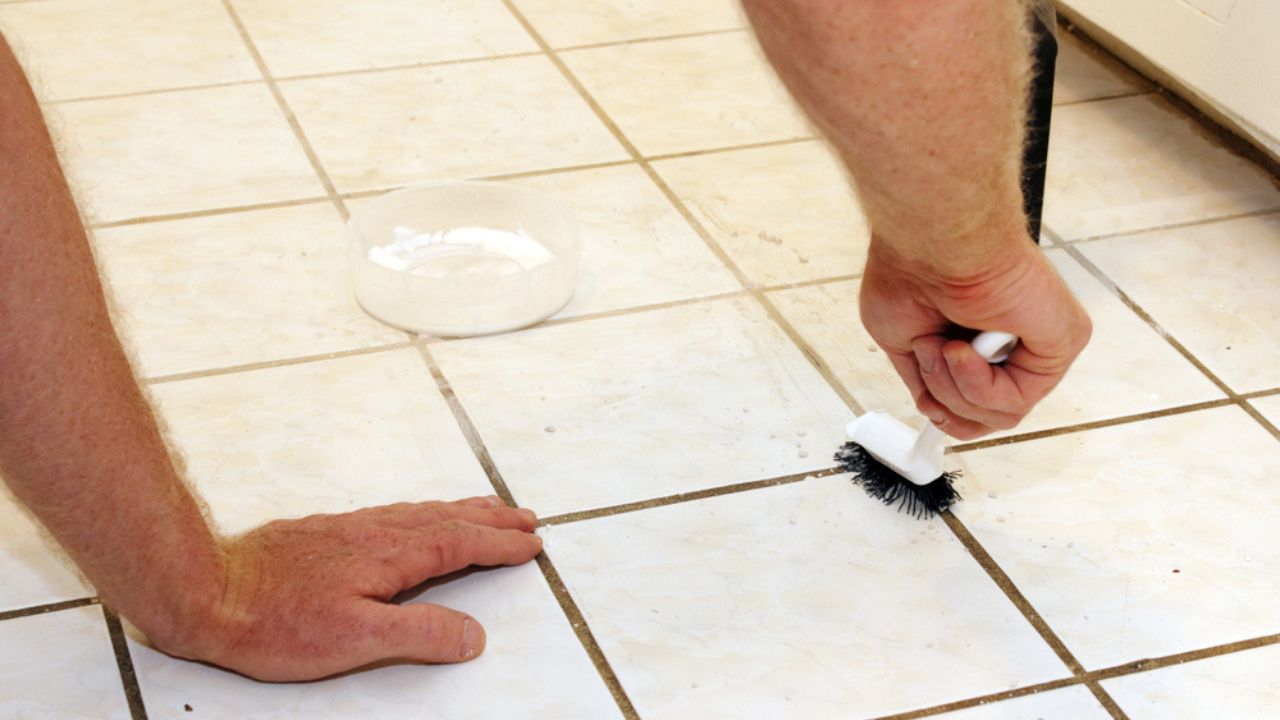
Using too much cleaner creates more problems than it solves. Excessive amounts of cleaning solution leave behind sticky residue that actually attracts more dirt and dust, meaning you’ll need to clean again sooner.
Over-saturation can also damage wood finishes, dull countertops, warp floors, and cause discoloration on various surfaces. Plus, you’ll burn through your cleaning supplies faster, wasting money in the process. Most cleaning products are highly concentrated and designed to work effectively in small amounts. A little truly goes a long way.
What You Should Do:
- Follow product label instructions for proper amounts
- Dilute concentrated cleaners according to directions
- Less product often delivers better, residue-free results
3. Skipping the Dry Prep Step

Spraying cleaner onto dusty or crumb-covered surfaces creates a muddy mess that spreads grime around rather than removing it. This mistake is especially problematic when mopping. If you haven’t vacuumed or swept first, you’re essentially pushing dirt, hair, and food particles around your floors in dirty water.
The result is streaky surfaces and wasted effort, as you’ll likely need to clean the same area multiple times. Always remove dry debris before introducing any liquid cleaners.
What You Should Do:
- Remove dry debris with a microfiber cloth or vacuum first
- Always work from top to bottom to avoid cleaning twice
- Save liquid cleaners for stuck-on grime only
4. Using Abrasive Materials on Delicate Surfaces
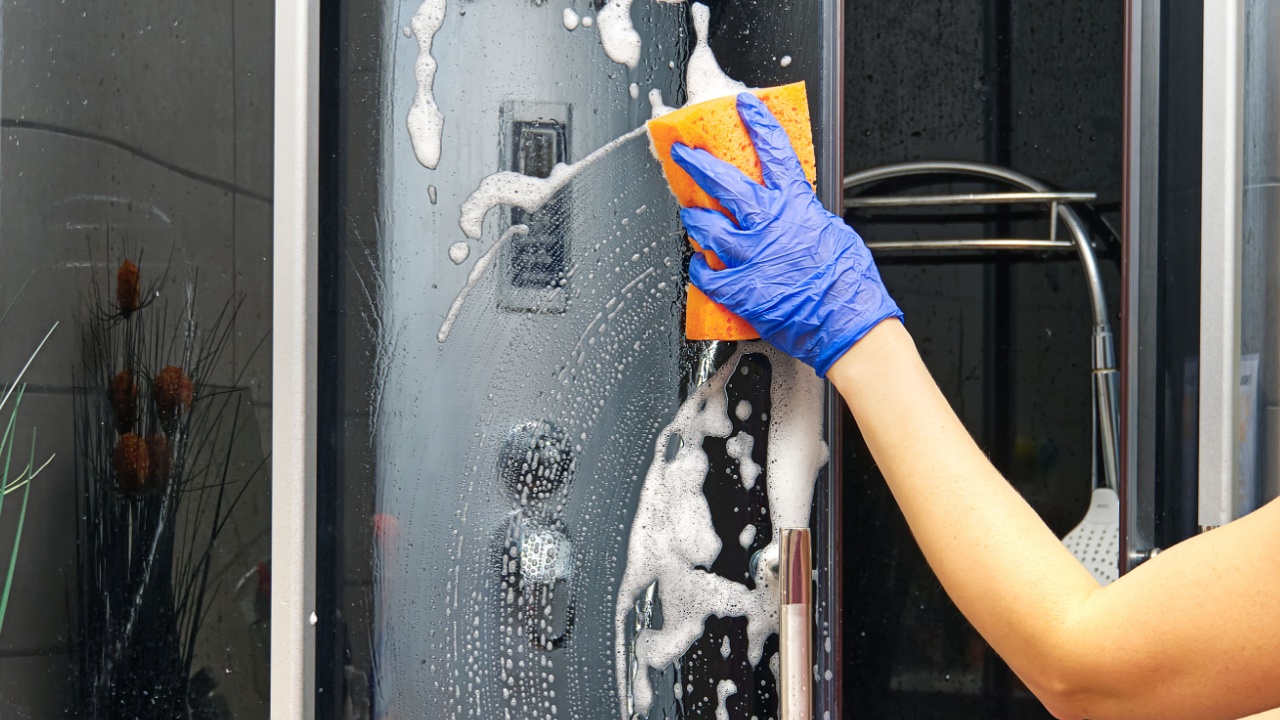
Steel wool, rough scrubbing pads, and harsh brushes can permanently scratch and damage delicate surfaces like glass, mirrors, stainless steel, marble, granite, and wood. These scratches look unsightly and create tiny grooves where dirt and bacteria can accumulate, making future cleaning even more difficult.
Some cleaning chemicals are equally problematic, as they can strip protective sealants from natural stone and wood finishes.
The key is matching your cleaning tools and products to the surface you’re treating.
What You Should Do:
- Use microfiber cloths and soft sponges on delicate surfaces
- Match cleaners to specific materials (wood, stone, glass, etc.)
- Test new products in hidden areas before full application
5. Ignoring Product Instructions

It’s tempting to skip reading the fine print on cleaning products, but this oversight can lead to ineffective cleaning, damaged surfaces, or even dangerous situations.
Product labels contain crucial information about proper dilution ratios, surface compatibility, dwell time, safety precautions, and disposal methods. Ignoring these instructions might result in using too much product, applying it to incompatible materials, or exposing yourself to unnecessary health risks.
Take a few minutes to read the entire label before using any cleaning product for the first time.
What You Should Do:
- Read all warnings and instructions before using products
- Note recommended dwell times for effective cleaning
- Keep original containers with intact labels
6. Wiping or Rinsing Too Soon
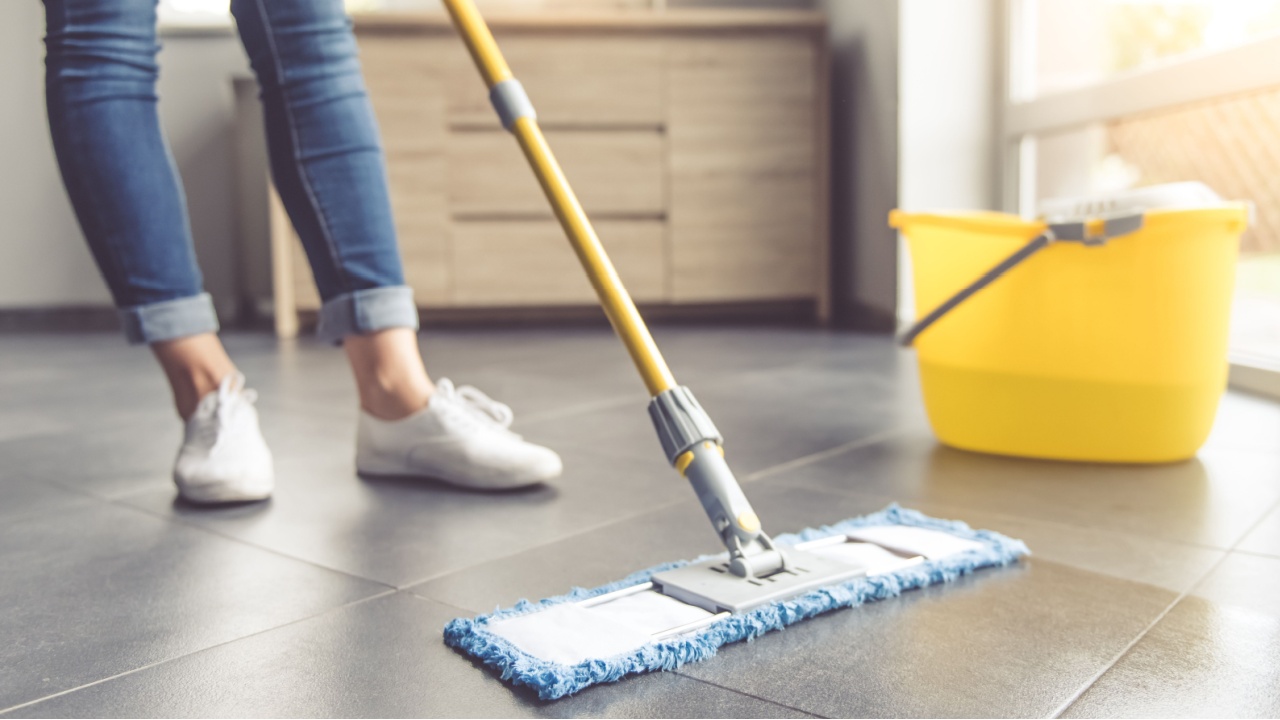
Cleaning products need time to break down grease, soap scum, bacteria, and other grime through chemical action. When you wipe immediately after spraying, you’re essentially just moving dirt around rather than dissolving it. This means you’ll end up spraying and scrubbing repeatedly, wasting both product and effort.
What You Should Do:
- Let cleaners sit for 30 seconds to several minutes before wiping
- Check product labels for specific dwell time recommendations
- Don’t let products dry completely, as this can cause streaking
7. Cleaning Glass and Mirrors in Direct Sunlight
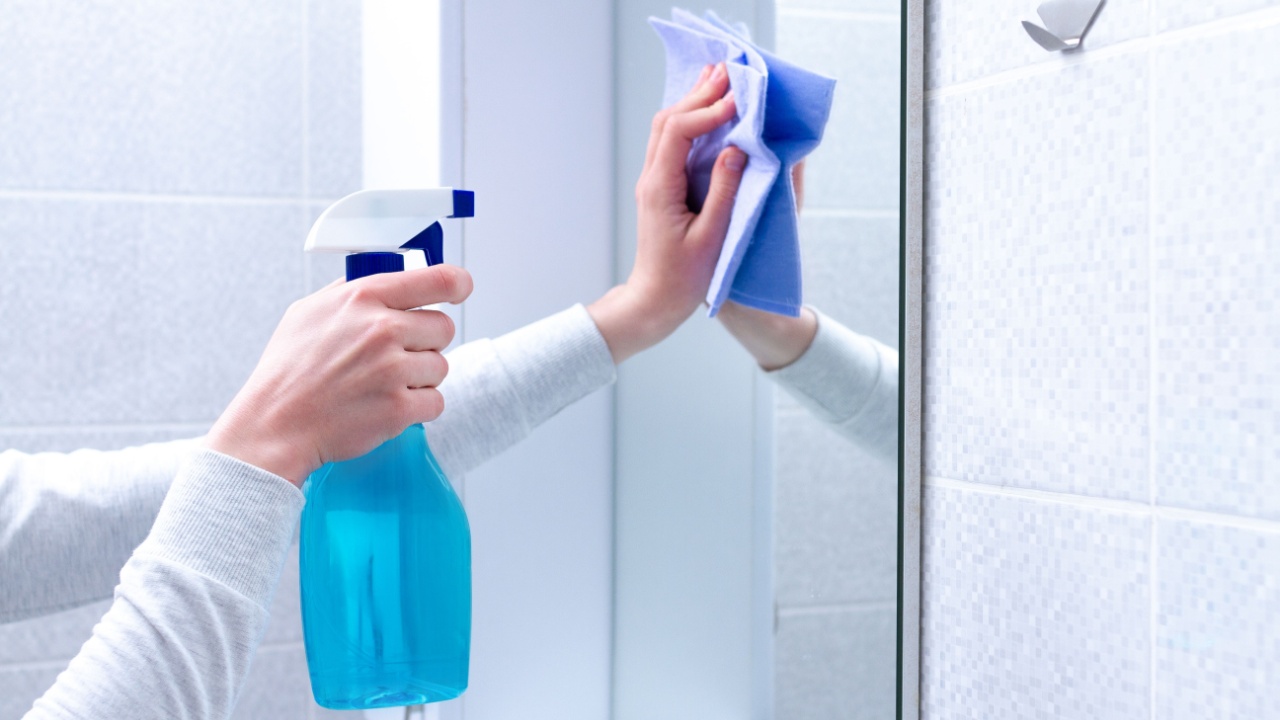
Sunlight streaming through your windows might illuminate dust and streaks, making it seem like the perfect time to clean, but direct sun actually works against you.
When cleaning glass in bright sunlight, the heat causes the cleaner to evaporate too quickly, leaving behind streaks and residue before you can wipe them away. This creates a frustrating cycle of spraying and wiping without achieving that crystal-clear shine you’re after.
What You Should Do:
- Clean glass in the early morning, evening, or when shaded
- Use microfiber cloths and wipe in consistent directions
- Avoid cleaning windows during peak sunlight hours
8. Neglecting to Clean Your Cleaning Tools
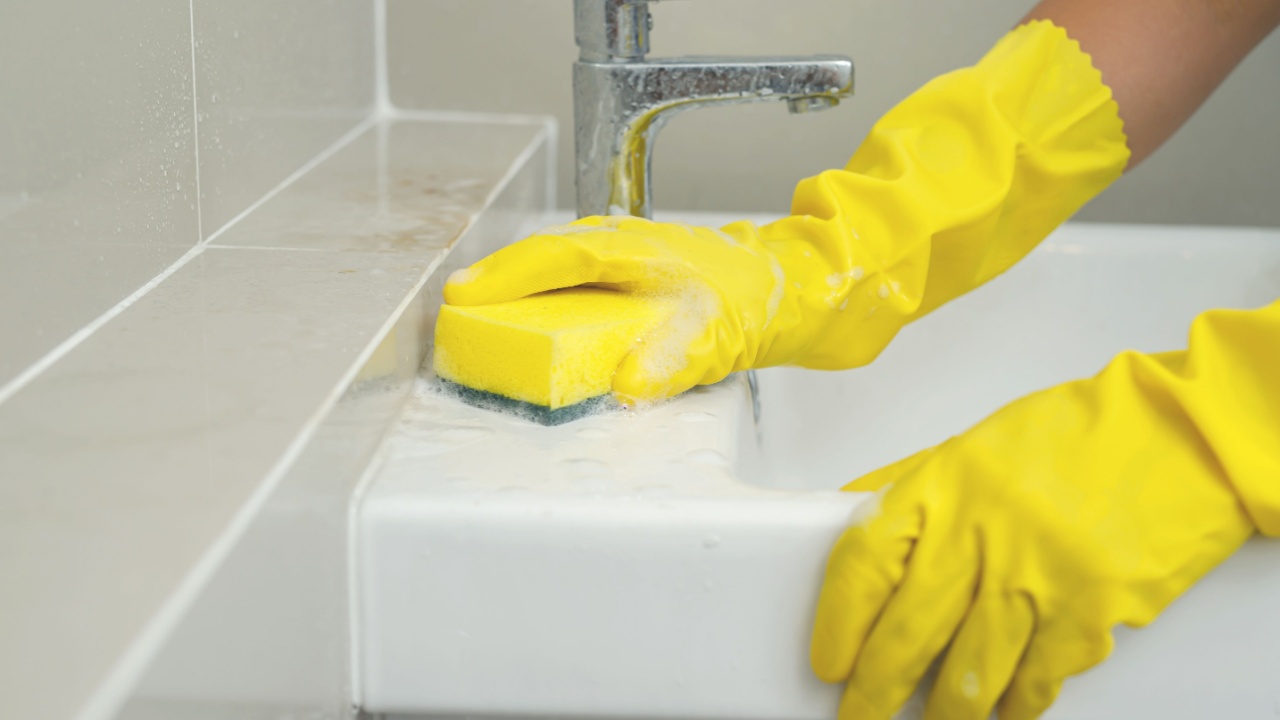
Your cleaning tools can become breeding grounds for bacteria, mold, and mildew if not properly maintained. Dirty sponges, grimy mop heads, and clogged vacuum filters are ineffective and also spread germs and dirt around your home.
A contaminated sponge can harbor millions of bacteria, while a dirty mop essentially paints your floors with dirty water. Neglected vacuum filters reduce suction power and can even release allergens back into the air.
What You Should Do:
- Wash microfiber cloths in hot water after every use
- Replace sponges weekly and sanitize between uses
- Clean vacuum filters and mop heads regularly
9. Reusing Dirty Mop Water
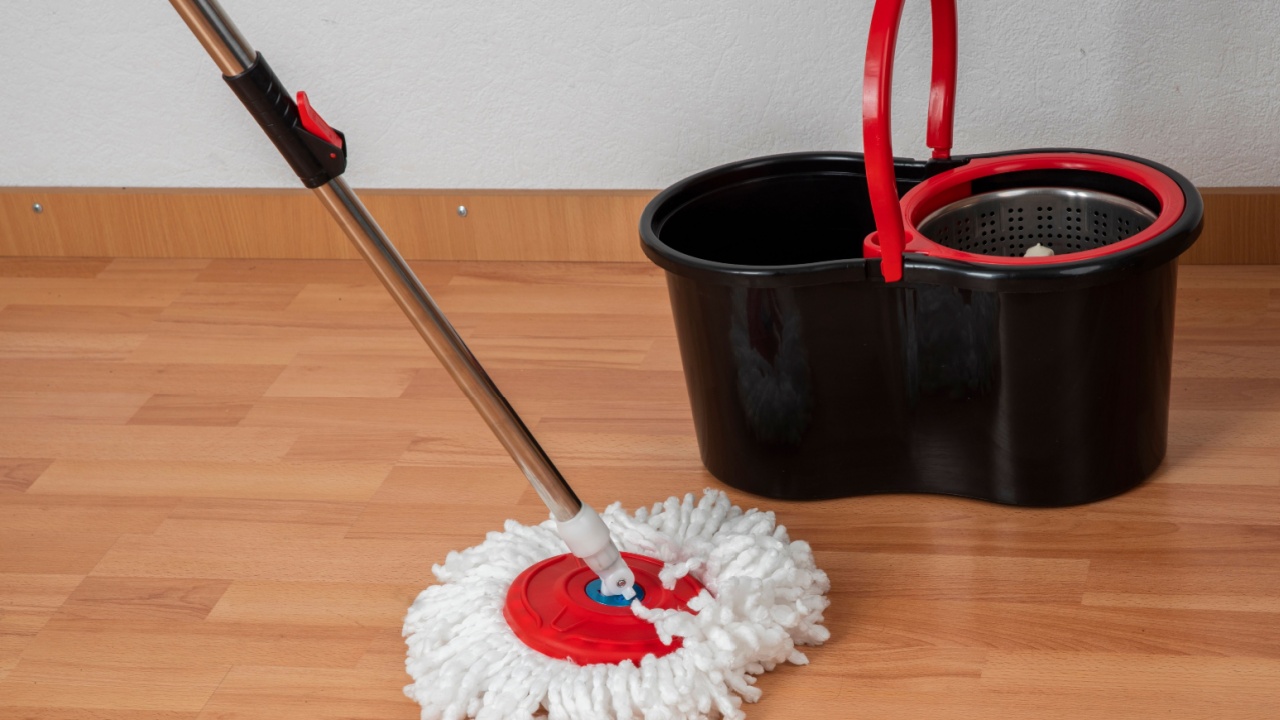
Mopping your entire home with the same bucket of increasingly dirty water defeats the purpose of cleaning. As you mop, dirt, grime, and bacteria from your floors accumulate in the bucket, and each subsequent pass spreads that contamination to other areas.
What You Should Do:
- Use the two-bucket system: one for cleaning solution, one for rinsing
- Change rinse water when it becomes visibly dirty
- Finish with a clean, damp pass to remove residue
10. Overlooking Safety Protocols
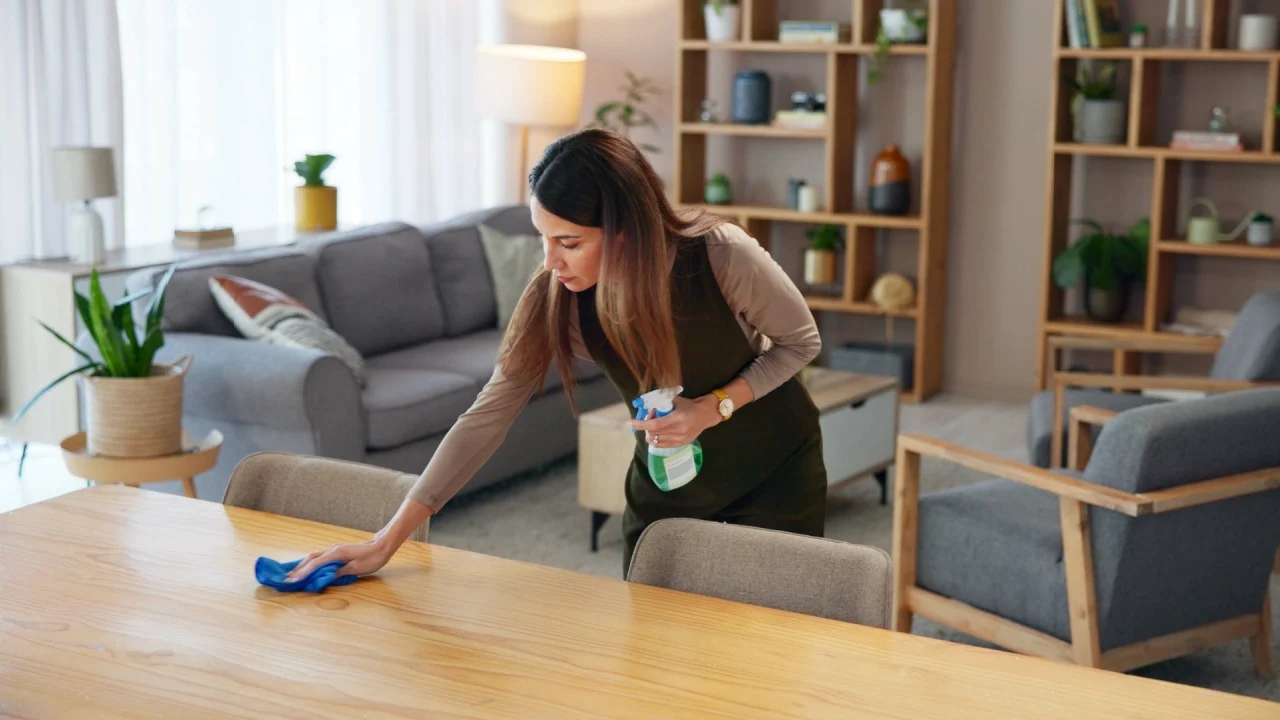
Many cleaning products release fumes that cause headaches, dizziness, and irritation, especially in small spaces. They can also harm your skin and eyes.
Always ventilate: open windows, turn on fans! Wear gloves and an N95 mask. If you have sensitivities, choose natural products. Never clean in enclosed spaces with strong chemicals. Feel unwell? Get fresh air immediately!
What You Should Do:
- Always clean with windows open and fans running
- Wear gloves and masks when using strong cleaners
- Choose natural alternatives if you have sensitivities
11. Cleaning Only When Things Look Dirty

Waiting until surfaces visibly appear dirty makes cleaning significantly harder and can lead to permanent stains, discoloration, or damage.
Many of the germiest spots in your home light switches, door handles, remote controls, and phone screens, rarely look dirty even when they’re teeming with bacteria. By the time buildup becomes visible, it’s often set in and requires harsh chemicals or aggressive scrubbing that could damage the surface.
What You Should Do:
- Create a regular cleaning schedule with daily, weekly, and monthly tasks
- Don’t wait for visible dirt; bacteria build up before you can see them
- Include high-touch surfaces like switches and handles in routine cleaning
12. Using All-Purpose Cleaners on Every Surface

All-purpose cleaners are convenient but not suitable for every surface. Using the wrong product can damage finishes, void warranties, and create more work.
For example, acidic cleaners can damage natural stone, while ammonia-based ones can harm wood finishes.
What You Should Do:
- Match cleaners to specific surfaces (stone, wood, glass, etc.)
- Avoid acidic cleaners on natural stone and harsh chemicals on wood
- Check manufacturer recommendations for specialty surfaces
Your Path to a Truly Clean and Cost-Efficient Home
Avoiding these common cleaning mistakes will save you time (and time is money!), protect your home’s surfaces from needing costly repairs or replacements, and create a healthier living environment for you and your family.
Start by evaluating your current cleaning routine and identifying which of these mistakes you might be making. Then, gradually implement better practices, beginning with the changes that will make the biggest difference in your home. Stock up on quality microfiber cloths, establish a regular cleaning schedule, and take time to read product labels before use.