6 Reasons to Never Wrap Leftovers in Foil
After a satisfying home-cooked meal, it’s easy to grab some aluminum foil, wrap up the leftovers, and call it a day. But did you know this quick fix could actually be ruining your food? From altering flavors to raising food safety risks, there are good reasons to ditch the foil habit for good.
Here are six surprising reasons why aluminum foil isn’t the best choice for storing leftovers. Plus, we’ll share smarter, safer alternatives to keep your meals fresh, tasty, and safe to enjoy later. Let’s rethink how we store our favorite dishes!
How We Got This Info
This article is based on guidance from food safety experts, university extension publications, and peer‑reviewed research. We reviewed trusted sources in nutrition and public health to ensure the information is accurate, balanced, and easy to apply at home.
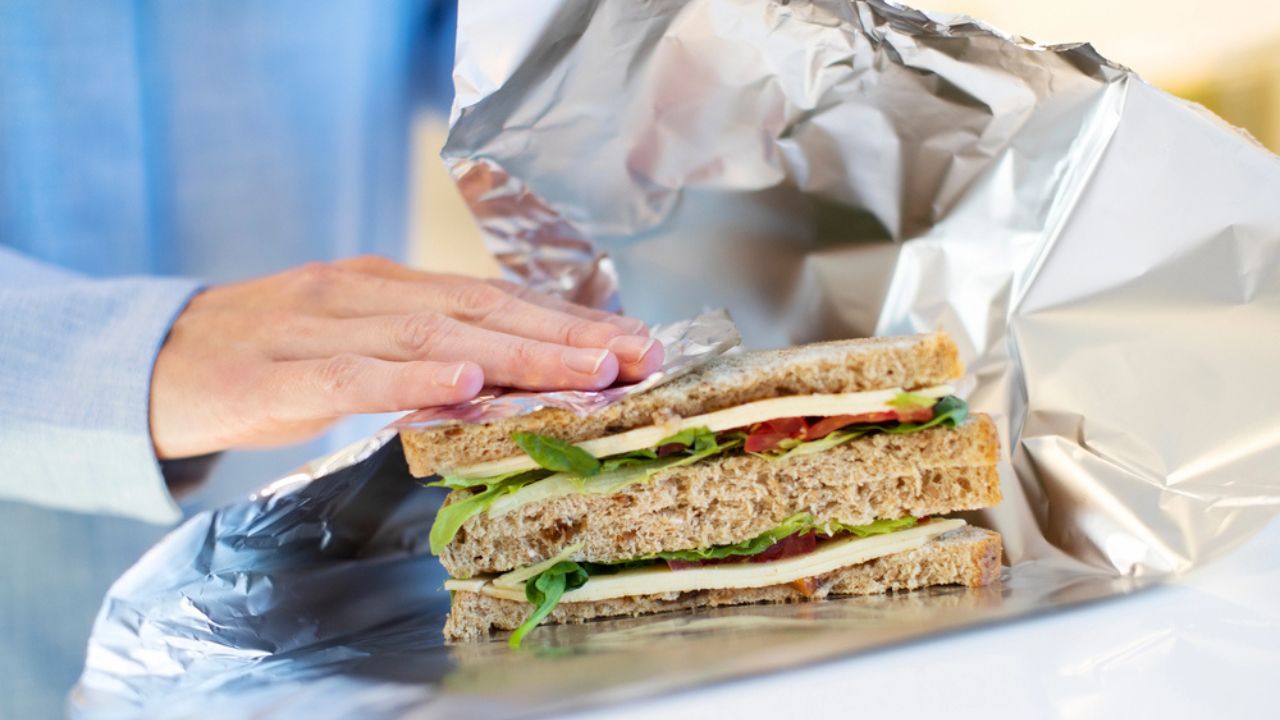
1. It Doesn’t Create an Airtight Seal
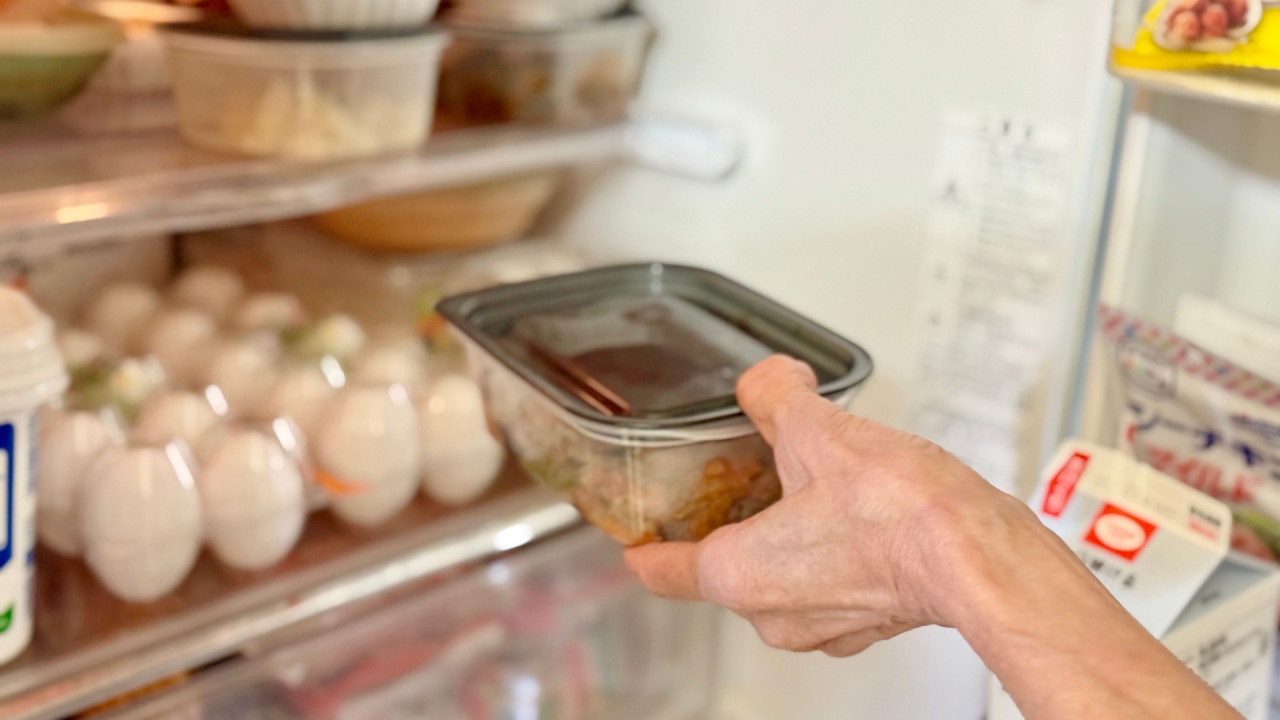
Leftovers need airtight storage to stay fresh, but aluminum foil can’t provide that. No matter how tightly it’s wrapped, small gaps let air in, speeding up spoilage and odor absorption.
For a truly airtight seal, transfer your leftovers into glass or BPA-free plastic containers with locking lids. These are specifically designed to keep air out and freshness in.
2. It Can Lead to Bacterial Growth
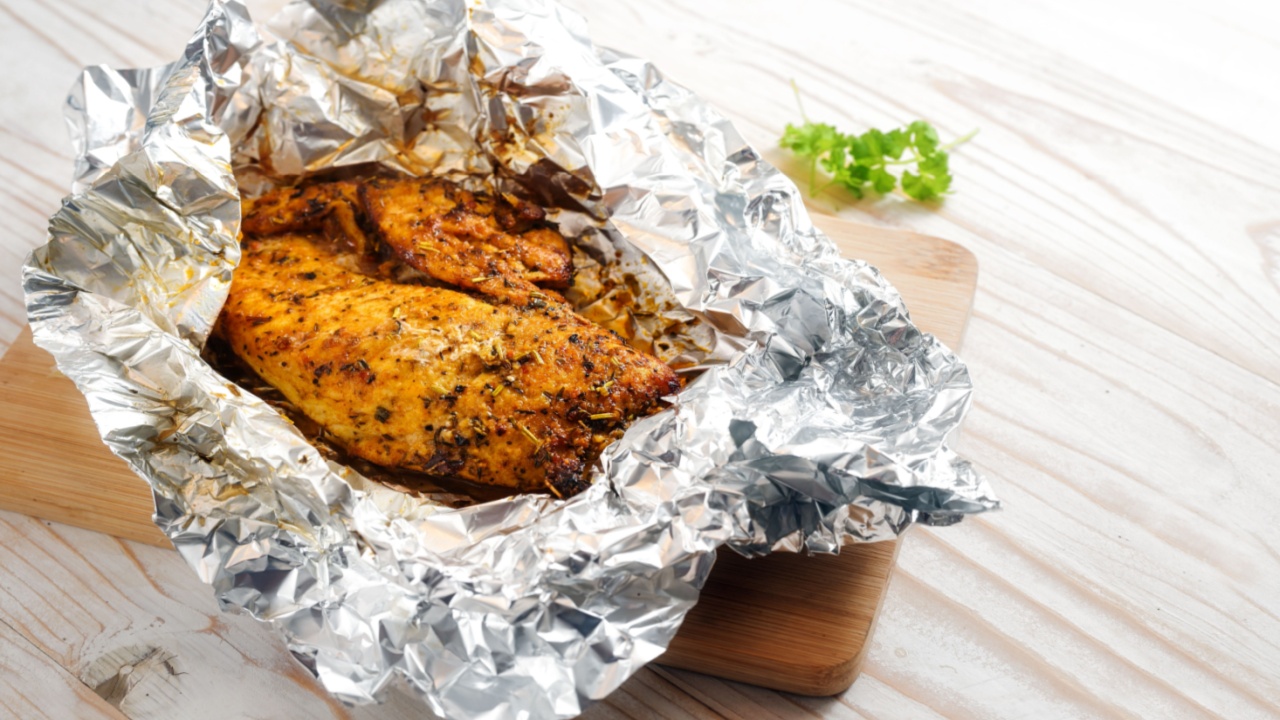
Aluminum foil doesn’t create an airtight seal, allowing bacteria like Staphylococcus aureus and Bacillus cereus to grow. Staph can produce heat-resistant toxins, making leftovers unsafe even after reheating. To keep food safe, avoid leaving it in the “danger zone” (40°F–140°F) for over two hours, and use proper storage methods instead of foil.
To minimize bacterial growth, cool leftovers quickly before storing them. Divide large portions into smaller, shallow containers to help them cool down faster.
3. Aluminum Can Leach Into Your Food
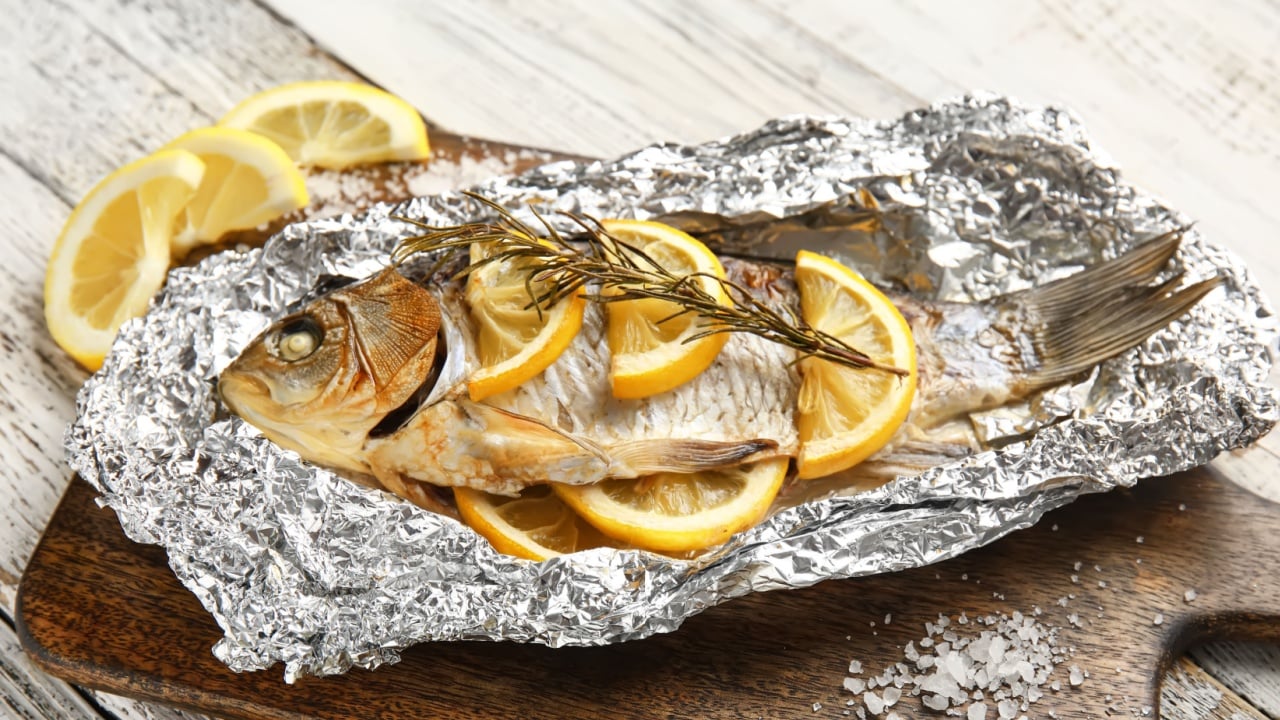
Have you ever noticed a metallic taste in your leftovers? It might be coming from the foil. Aluminum can react with acidic or salty foods, causing small amounts of it to leach into your leftovers.
This reaction can leave your food with an unappetizing metallic taste. While small amounts of aluminum aren’t a major health risk, long-term exposure has been linked to health concerns.
If you must use foil for cooking acidic foods, create a barrier with parchment paper first. Place the parchment paper between the food and the foil to prevent direct contact.
4. It Makes It Hard to See What You’ve Stored
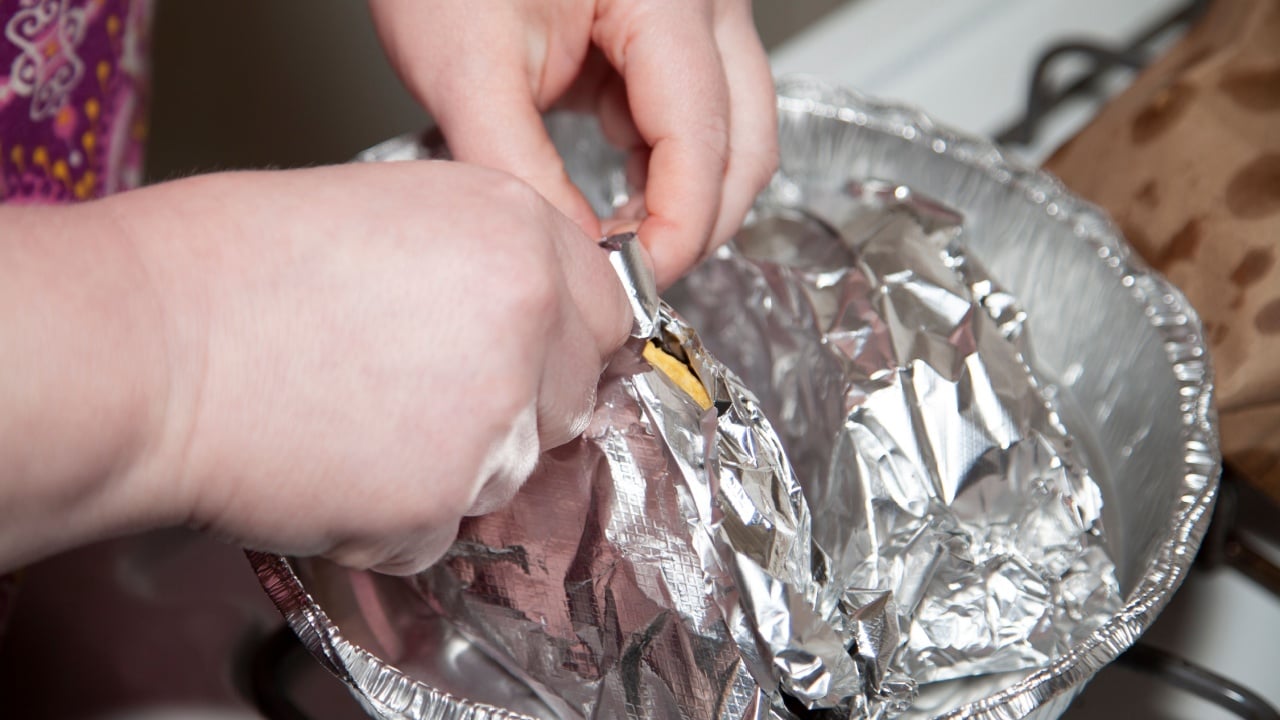
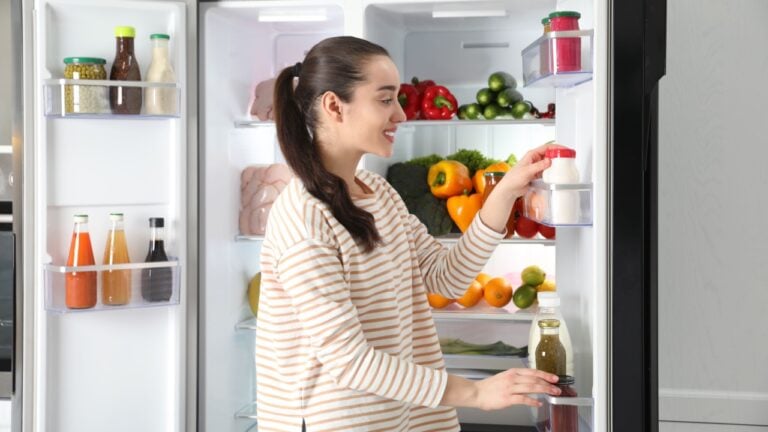
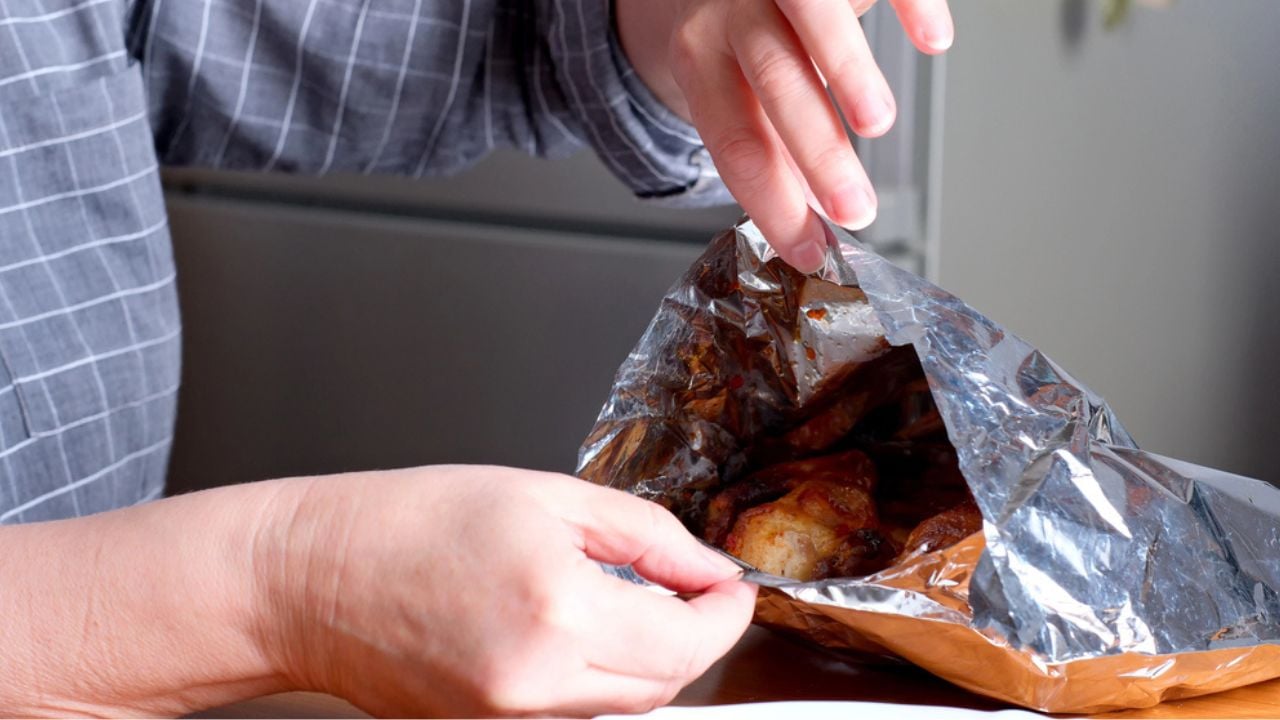
We’ve all been there: digging through the fridge, unwrapping countless foil-covered “mystery meals” only to find something that has long since gone bad. Because you can’t see through aluminum foil, it’s easy to forget what you’ve stored. This often leads to food waste, as perfectly good leftovers get pushed to the back of the fridge and forgotten.
Using transparent containers allows you to see exactly what you have at a glance, making you more likely to eat your leftovers before they spoil.
5. It Isn’t Great for Reheating
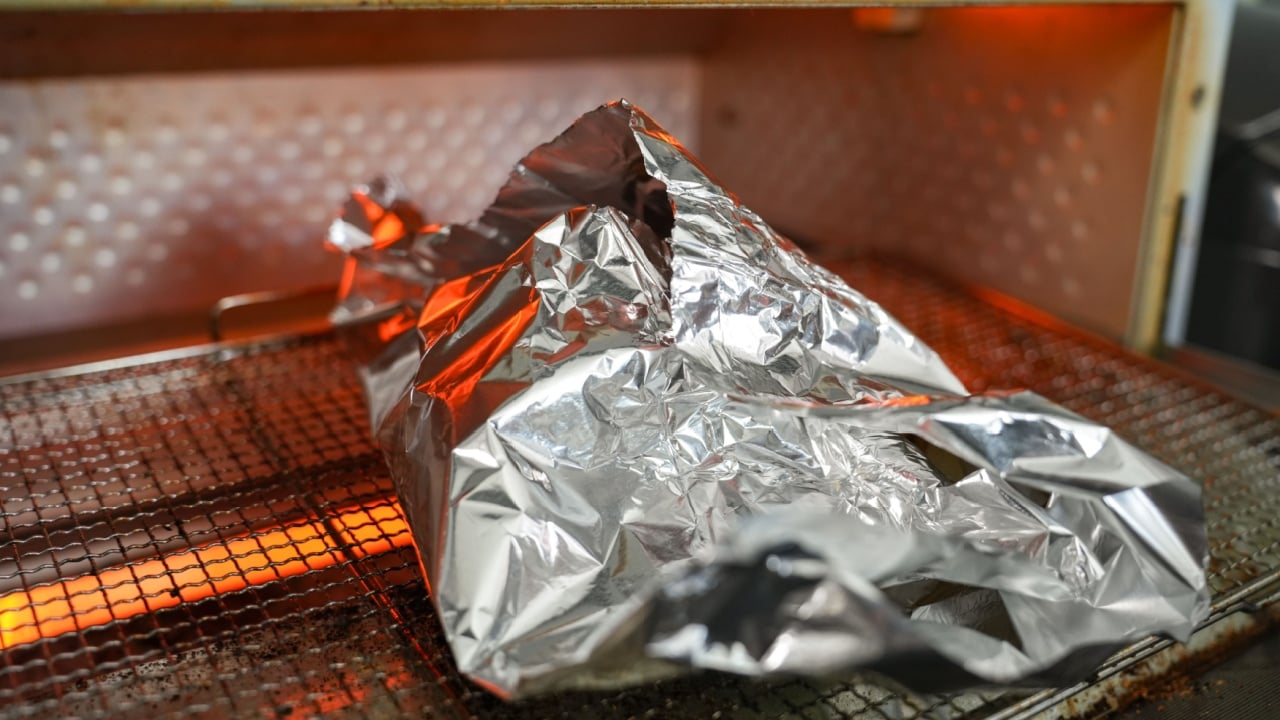
Foil is oven-safe but not ideal for reheating leftovers. It can’t be used in microwaves and can cause uneven heating in ovens, leaving food hot outside but cold inside. Reaching 165°F is crucial to kill bacteria, which uneven heating can make hard to achieve.
Glass containers are an excellent choice for reheating because they can typically go from the fridge directly to the microwave or oven (just be sure to check the manufacturer’s instructions to avoid thermal shock).
How to Keep Leftovers Fresh and Safe
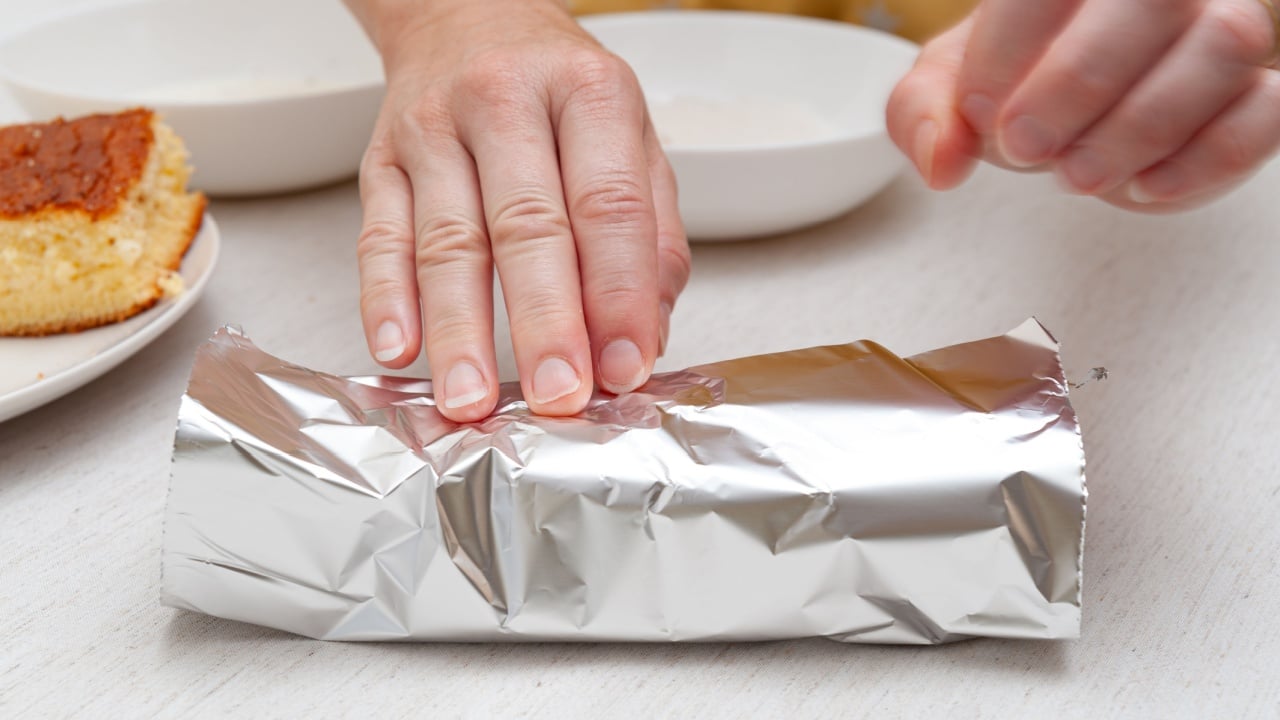
By making a few simple changes to your food storage habits, you can keep your leftovers tasting great and ensure they’re safe for you and your family to enjoy. Start by investing in a good set of airtight containers; it’s a small step that makes a big difference in reducing food waste and protecting your health.