4 Cardinal Rules for Watering Houseplants in Winter
When winter rolls in, do you ever notice your houseplants acting a little… different? If they seem less thirsty than they were in summer, you’re not imagining things. Shorter days and cooler temps are a signal for most indoor plants to take a well-deserved nap. Their growth slows to a crawl, which means their water needs plummet.
Overwatering during this dormant period is the #1 killer of houseplants. But don’t worry, we’re here to make sure your green companions don’t just survive winter, but actually thrive.
Here are four cardinal rules to keep your plants happy, healthy, and rot-free until spring returns.
Where We Got This Info
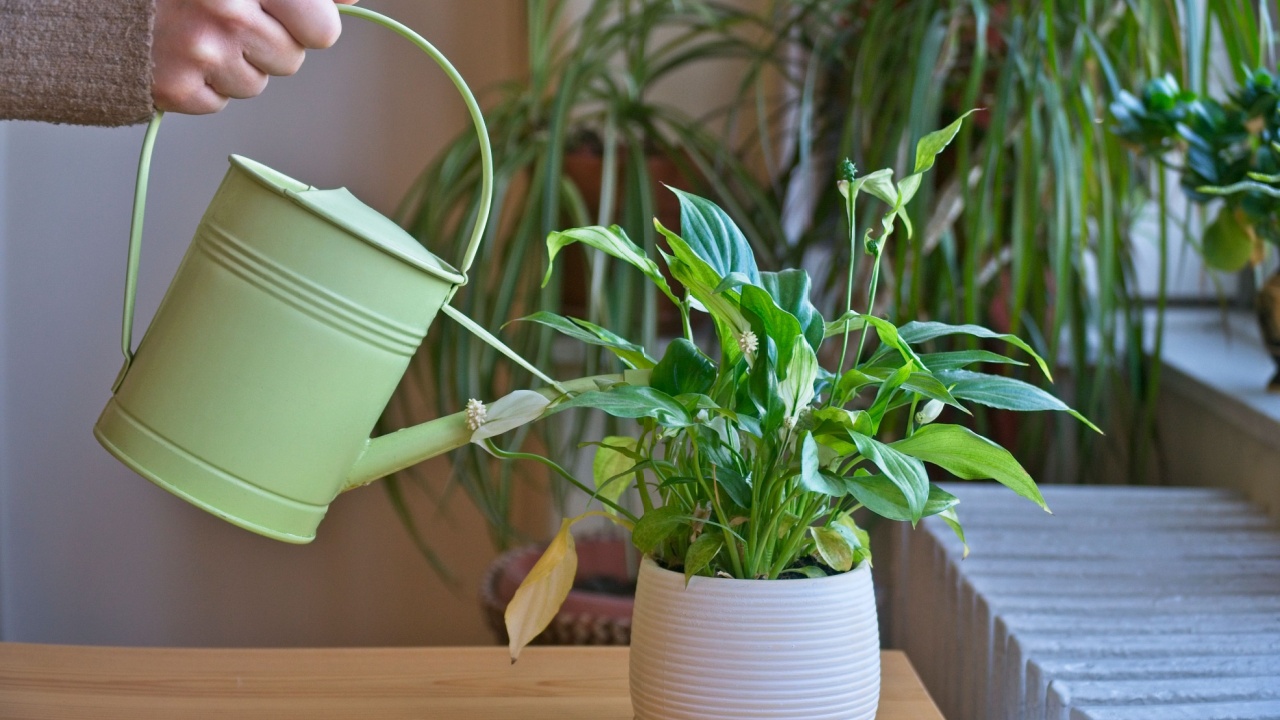
The guidance in this article comes from trusted horticultural resources, including university extension programs, plant science experts, and professional gardening forums. These sources emphasize evidence‑based practices for keeping houseplants healthy through seasonal changes.
1. Water Less Frequently
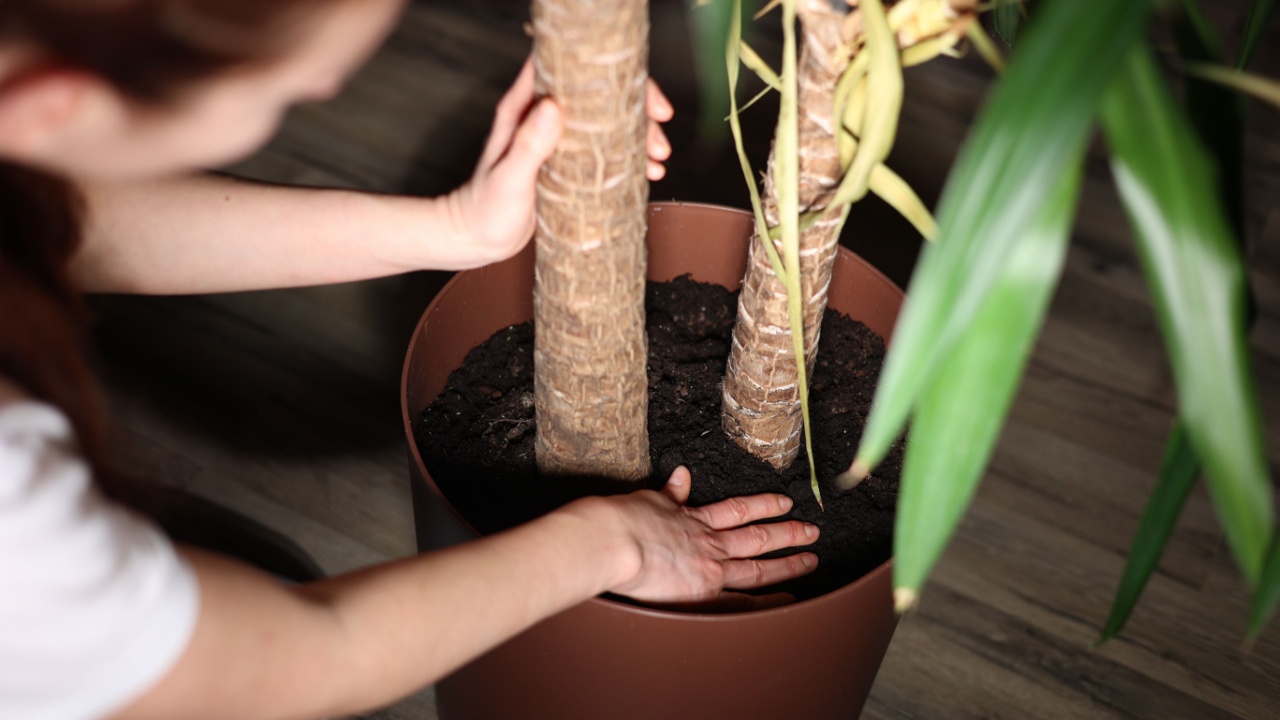
Here’s a key tip for winter plant care: less water! With cooler temps and less light, most houseplants slow down or go dormant, so they don’t need as much hydration. Overwatering is one of the fastest ways to harm your plants, especially in winter. It can lead to root rot, and that’s tough to fix.
Instead of sticking to a watering schedule, check the soil first. For most plants like pothos or monstera, let the top 1-2 inches dry out. For succulents and cacti, wait until the soil is completely dry. Do the finger test; if it feels moist, wait a few more days. Your plants will thank you!
Quick Tips:
- Ditch the schedule: Water based on the plant’s needs, not the calendar.
- Check the soil: Insert your finger two inches deep. If it feels dry, it’s time to water.
- Know your plants: Cacti and succulents need far less water than tropical plants like ferns.
2. Water Thoroughly, Not Sparingly

When you water, drench the soil completely. Don’t just give your plant a few sips; this leads to weak, shallow roots. Deep watering encourages strong root growth and makes sure the whole root ball gets a drink.
Pour water over the soil until it runs out of the drainage holes. This is how you know it’s had enough. Let it drain for about 15 minutes before putting it back in its saucer. Never let a plant sit in water, as this can cause root rot.
Quick Tips:
- Saturate the soil: Water until you see it drain from the bottom.
- Drain excess water: Always empty the saucer or cache pot after watering.
- Bottom watering works too: Place the pot in a basin with a few inches of water and let it soak up moisture for about 30 minutes, or until the top of the soil is damp.
3. Consider Temperature and Humidity
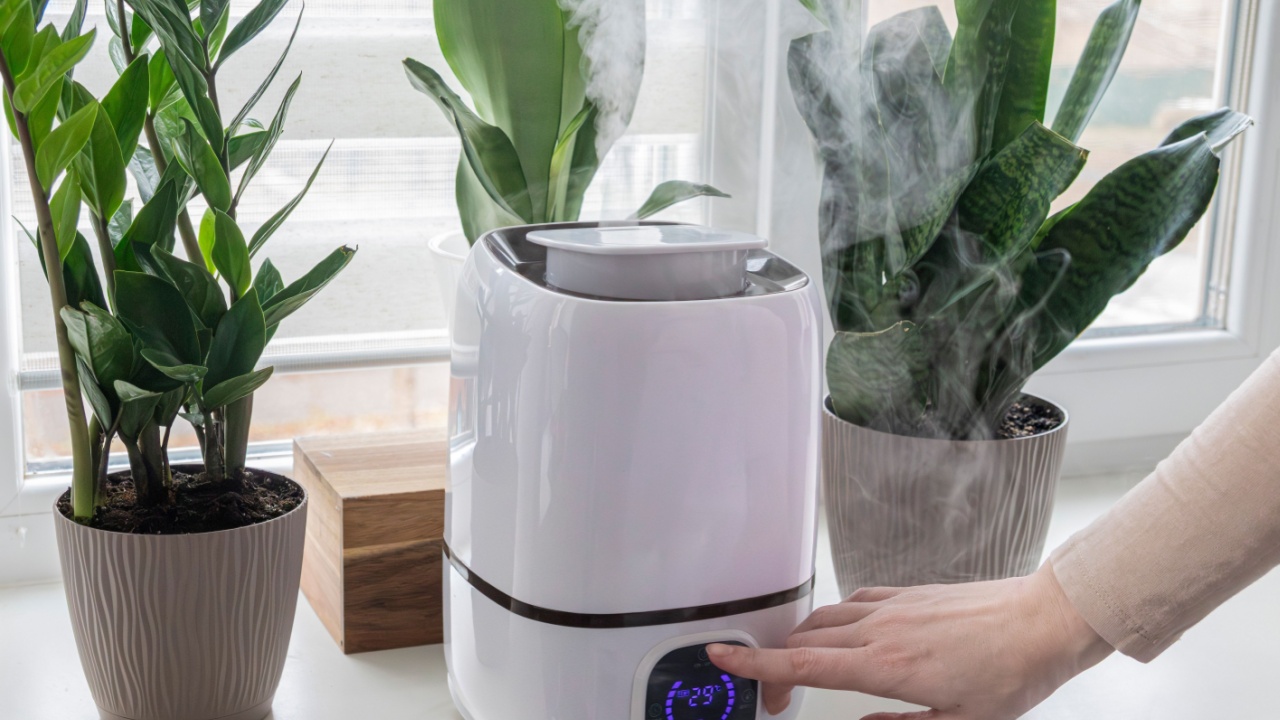
Winter air is dry, and many tropical houseplants thrive in humidity. Dry air can cause brown tips, curling, or wilting leaves. To boost humidity, group plants together, use a small humidifier, or try a pebble tray. Fill a tray with water and pebbles, placing the pot on top (but not touching the water). These simple steps help keep your plants happy and healthy.
Quick Tips:
- Group plants together: Create a humid micro-environment.
- Use a humidifier: The most effective way to combat dry winter air.
- Try a pebble tray: A simple, low-cost solution for individual plants.
- Avoid drafts: Keep plants away from heating vents, radiators, and drafty windows, as these can cause rapid temperature fluctuations and dry them out.
4. Skip the Fertilizer
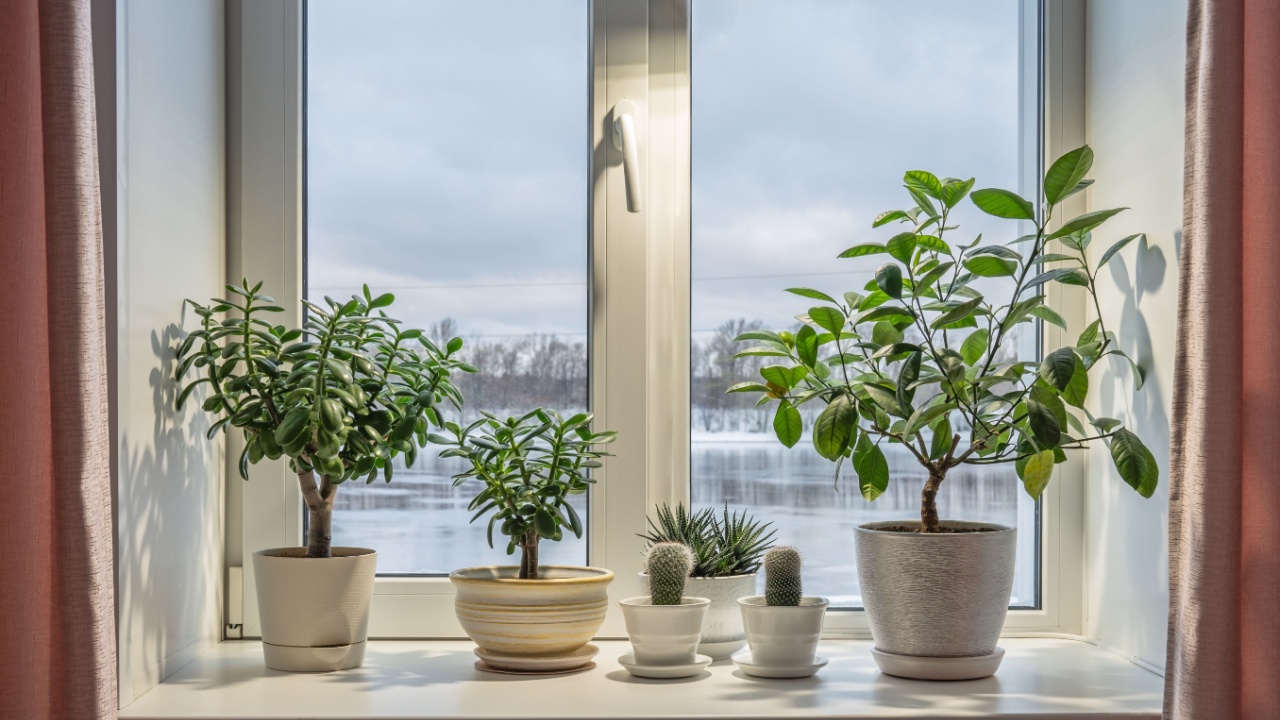
Fertilizing fuels active growth, but since most houseplants are resting in the winter, they don’t need it. Feeding dormant plants can cause mineral salts to build up in the soil and burn the roots.
As a rule, stop fertilizing your houseplants in the fall and resume in the spring when you spot new growth. When you start again, use a diluted, half-strength solution to gently ease your plants back into their growing season.
Quick Tips:
- Pause fertilizing in fall: Stop feeding your plants as daylight decreases.
- Watch for new growth: Don’t resume fertilizing until you see signs of life in the spring.
- Dilute your fertilizer: When you start again, use a half-strength mixture for the first few feedings.
Keep Your Plants Thriving This Winter
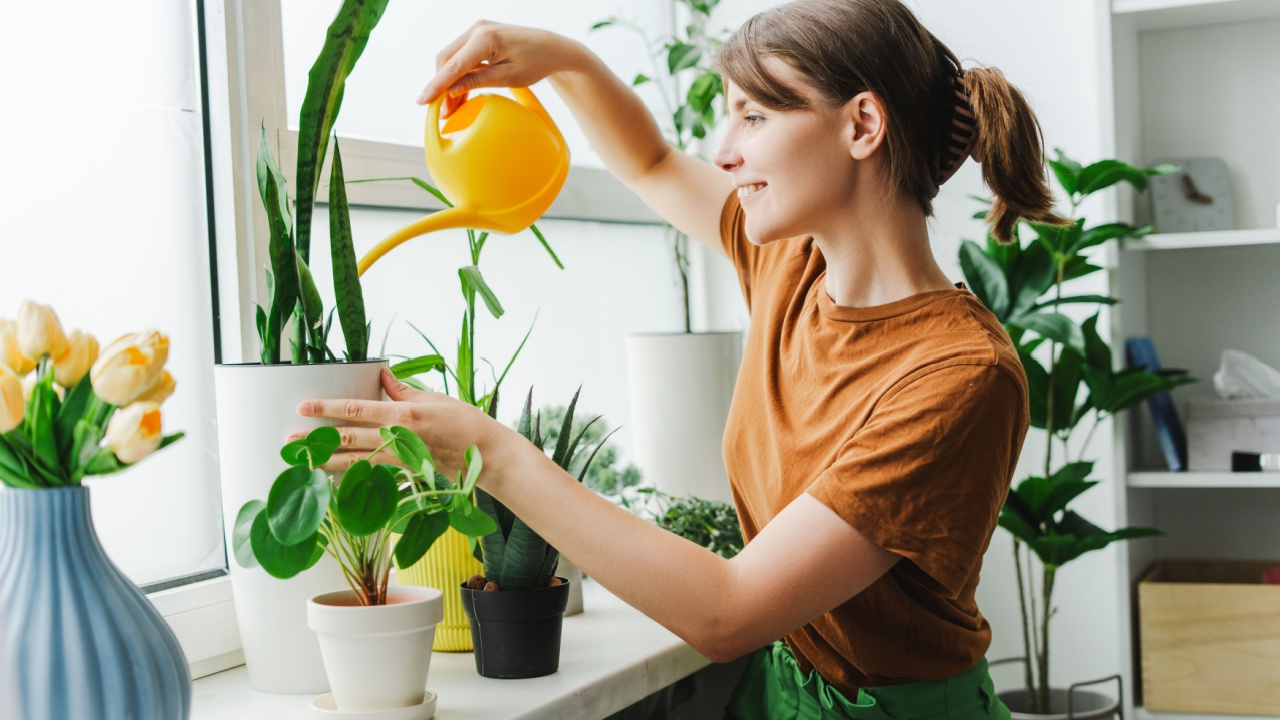
By following these four rules, you can help your indoor garden navigate the winter months with ease. A little extra attention now will pay off with lush, healthy plants ready for a burst of growth when spring arrives.