
The ‘Healthy’ Foods Experts Say We May Be Overdoing
For years, healthy eating advice seemed relatively straightforward: eat more greens, choose whole foods, cut back on processed junk, and your body would thank you for it.
But nutrition experts say there’s a growing problem hiding inside many “healthy” diets — and it has less to do with eating badly than eating too much of the right things.
Because somewhere along the way, certain foods earned what experts sometimes call a “health halo.” Once a product gets labeled healthy, many people stop paying attention to portion sizes, sugar content, calories, or frequency. The assumption becomes simple: if it’s good for you, more must be better.
Contrarily, some wellness staples can quietly become nutritional blind spots when consumed excessively. In some cases, they may contribute to weight gain, digestive issues, blood sugar spikes, or simply crowd out more balanced eating habits. The tricky part is that most people don’t realize they’re overdoing them at all.
1. Protein Smoothies

They look healthy — and often are — but smoothies can become calorie bombs surprisingly fast. Once fruit juice, sweetened yogurt, nut butter, protein powder, and extras are blended, the sugar and calorie content can climb quickly.
As wellness platform VeryWellHealth points out, drinking calories also tends to feel less filling than eating whole foods. Therefore, substituting high-quality whole foods for smoothies is best done in moderation.
2. Granola
-
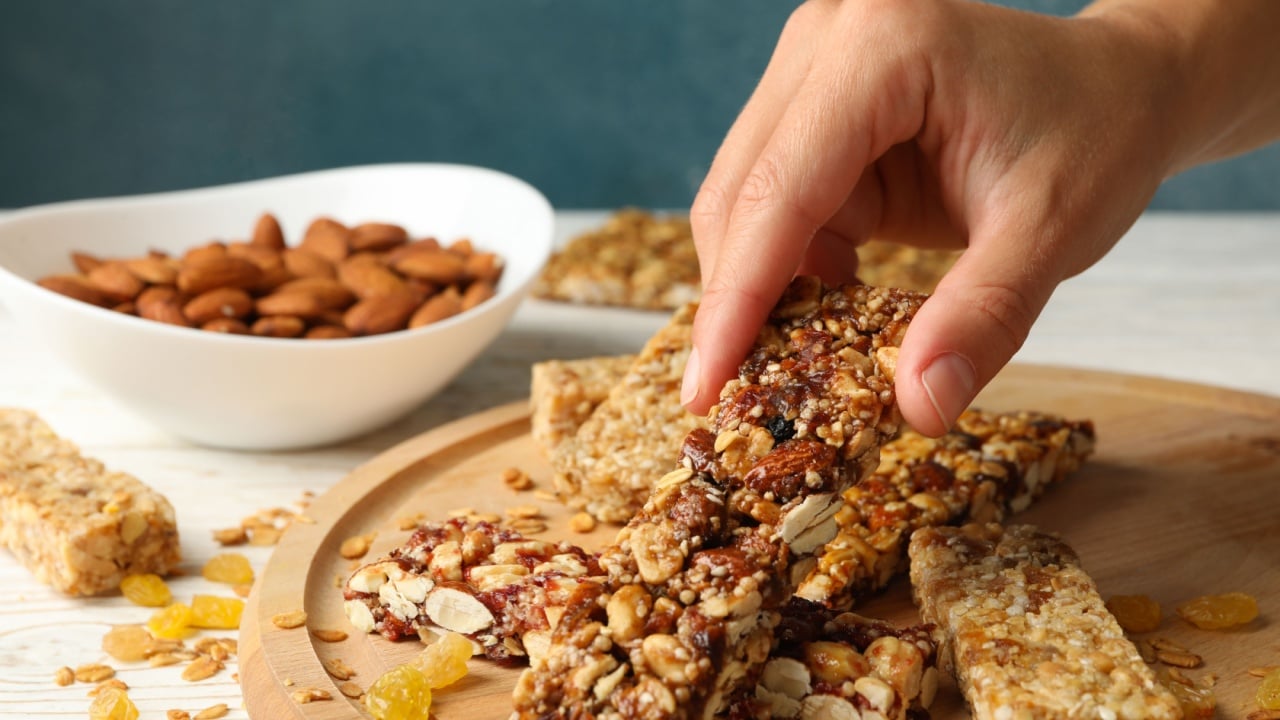
Image Credit: Shutterstock.
Granola has long enjoyed a health-food reputation, but many store-bought versions are packed with added sugar and oils. According to the American Heart Association, added sugars can accumulate quickly in foods marketed as wholesome or natural.
A small serving of granola can contain far more calories than people realize — especially when portions creep upward. Therefore, natural nuts and dried fruits should provide the energy needed at a far lower calorie count.
3. Protein Bars
-

Image Credit: Shutterstock.
Nothing beats the convenience of a protein bar. Yet, some protein bars are closer to confectionery than health foods. Dr. Eric Berg posted on Facebook once how “protein bars are worse than candy bars.”
The issue lies in the process. Sadly, many heavily processed “fitness foods” can create the illusion of healthy eating while delivering high amounts of sugar, saturated fat, or sodium. Protein bars are useful for those trying to gain muscle, but researching the ingredients is key, and they should never double as a regular snack choice.
4. Avocados
-
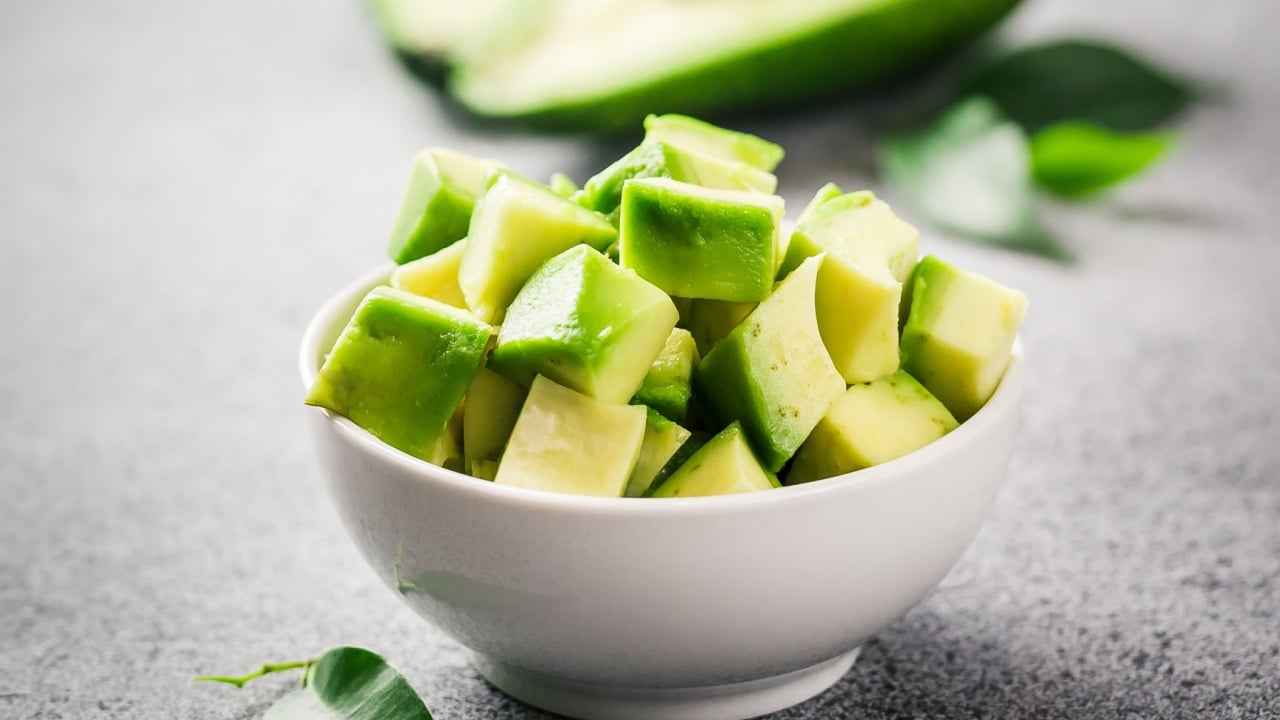
Image Credit: Shutterstock.
Avocados are rich in healthy fats, fiber, and nutrients. But they’re also calorie-dense, according to Harvard Health Publishing. A review of avocado pros and cons argues that “half of a medium avocado has as much fat as a tablespoon of olive oil.”
Sadly, those healthy fats are still fats — meaning portions matter. Adding avocado to multiple meals a day can quietly increase overall calorie intake more than many people expect. Guacamole every day may not be conducive to a fat-shredding regimen.
5. Trail Mix
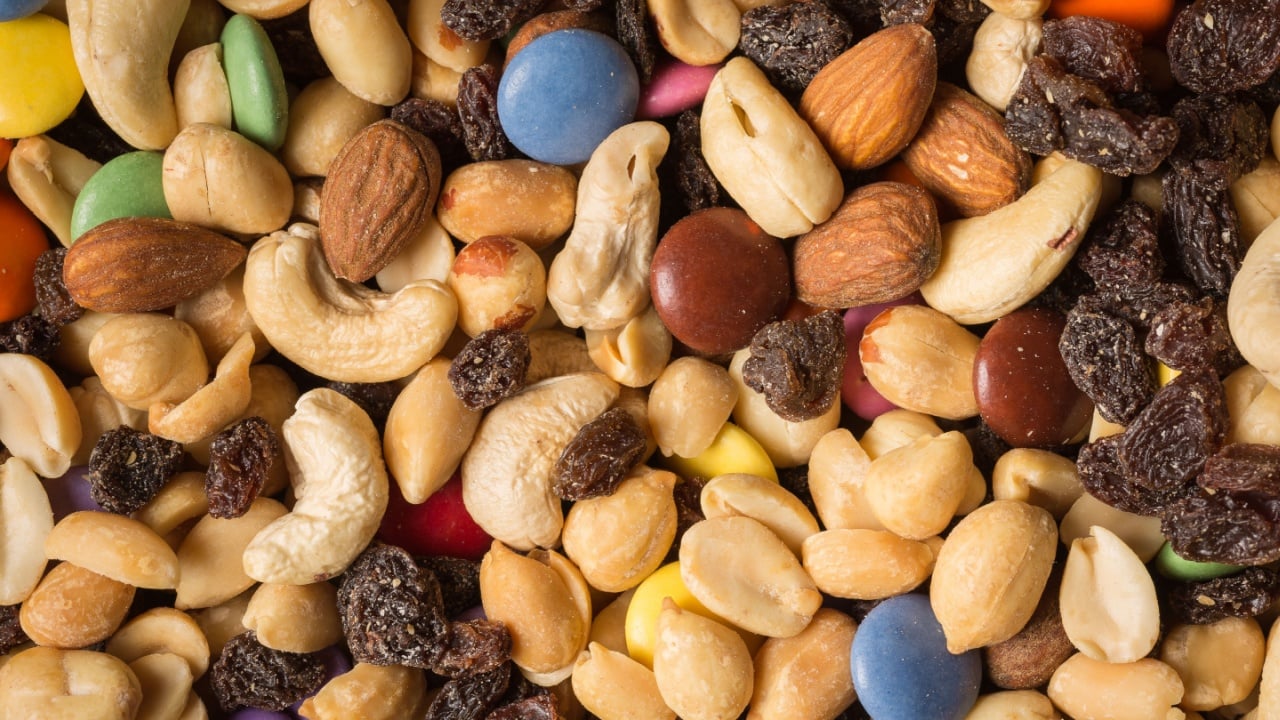
It sounds harmless: nuts, dried fruit, maybe a few seeds. Some people — like me, for example — even justify to ourselves that the chocolate version makes eating M&Ms somehow nutritious.
The problem is that trail mix is incredibly easy to overeat. Nuts are nutrient-rich, but also calorie-dense, while dried fruit can contain concentrated sugars. Moreover, because trail mix is often eaten mindlessly, portions can spiral fast.
6. Sushi
-

Image Credit: Shutterstock.
Sushi has a clean, healthy image — but some rolls hide surprisingly high amounts of refined carbs, sauces, and sodium. Put simply, not all sushi can be as healthy as one might think.
Tempura ingredients, spicy mayo, cream cheese, and oversized portions can quickly turn a light meal into something far heavier than intended. Of course, most sushi is good for you, but there is a difference between supermarket trays and your local, authentic Japanese spot.
7. Greek Yogurt
-

Image Credit: Deposit Photos.
Greek yogurt is high in protein and often recommended by nutritionists; yet, flavored varieties can contain significant amounts of added sugar. It isn’t hard to work out: natural yogurt should have an acidic, tart flavor. To this, we can add natural sweetness in the form of honey, dates, or other dried fruit.
“Added sugars include sweeteners, sugars from syrups and honey, and sugars from concentrated fruit or vegetable drinks,” states the Centers for Disease Control (CDC). “Added sugars do not include naturally occurring sugars in milk, vegetables, and fruits.”
8. Nut Butters

Peanut butter and almond butter are packed with nutrients, but portion sizes matter — a lot. A spoonful can easily become several, especially when eaten straight from the jar or added to smoothies and snacks throughout the day. Healthy fats are beneficial, but they still add up quickly.
For illustration, just one tablespoonful of store-bought peanut butter can pack on up to 95 calories, according to Calorie King’s research. Such an amount would take 26 minutes of walking, eight minutes of swimming, 15 minutes of cycling, and 11 minutes of jogging to burn off.
9. Fruit Juice
-

Image Credit: Shutterstock.
Many people view fruit juice as interchangeable with whole fruit, but nutritionally, it’s not quite the same. Juicing removes much of the fiber that helps regulate blood sugar and fullness. As a result, it’s possible to consume the sugar equivalent of several pieces of fruit in just one glass.
We can all agree that pulverizing the fruit into a juice is a headache-free method for fruit intake, yet one with hidden nutritional risks. Taking it even further, pre-cut fruit in the produce section can also be rife with bacteria if not stored correctly.
10. Dark Chocolate
-

Image Credit: Deposit Photos.
Dark chocolate contains antioxidants and has been linked to several potential health benefits, but one must be discerning with the product. People often treat “healthy” versions of indulgent foods as unlimited snacks, overlooking the calories and sugar they still contain.
Moreover, dark chocolate might contain some ingredients that harm our bodies. For example, WebMD cites data that found heavy metals in some popular branded dark chocolate.
11. Plant-Based Meat Alternatives

Most of us will remember the “Impossible” line of fake meat products offered by Plant-based food manufacturers. Even chain restaurants like Burger King and McDonald’s tried pushing the plant-based burger alternatives.
Unfortunately, some meat substitutes contain high levels of sodium, additives, and saturated fats. It makes sense to be checking labels carefully instead of assuming all plant-based products are inherently healthier.
12. Salad
-

Image Credit: Shutterstock.
Yes: even salad can be too much of a good thing. The vegetables themselves aren’t the issue; the problem is what often gets added: creamy dressings, bacon bits, cheese, croutons, and oversized portions.
Frankly, a salad can quickly become more calorie-dense than the meal it was supposed to replace. If you think you are doing your body a favor by choosing chopped salad for lunch, don’t be too quick to pat yourself on the back. That huge dollop of ranch dressing just made the salad into the equivalent of eating a dessert.
Read More