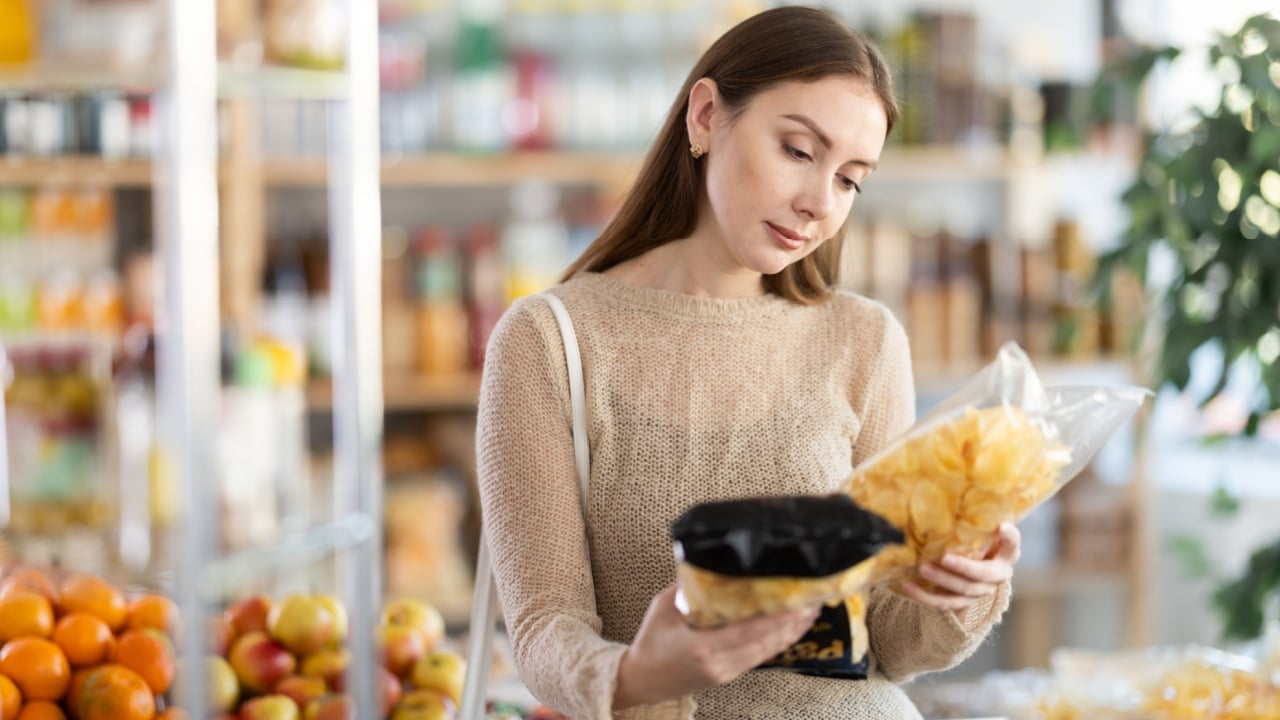
12 Ingredients the U.S. Has Thankfully Banned from Food
Ever look at an old recipe and wonder what happened to some of the ingredients? Culinary history is full of fascinating twists and turns, and what was once a staple on the dinner table might now be considered unsafe or just plain strange. As our understanding of food science and health evolves, so do the regulations that govern what we can and cannot eat (thank goodness).
This is not to scare anyone, but to see how far we’ve come. Let’s explore 12 ingredients that were once common in cooking but are now banned or heavily restricted, and uncover the science behind why they disappeared from our plates.
Where We Got This Data
This article is based on publicly available information from government health agencies, international food safety authorities, toxicology databases, peer-reviewed scientific studies, and historical records. All claims about ingredient bans, health risks, and regulatory actions are supported by expert consensus and documented findings from reputable sources.
1. Artificial Trans Fats
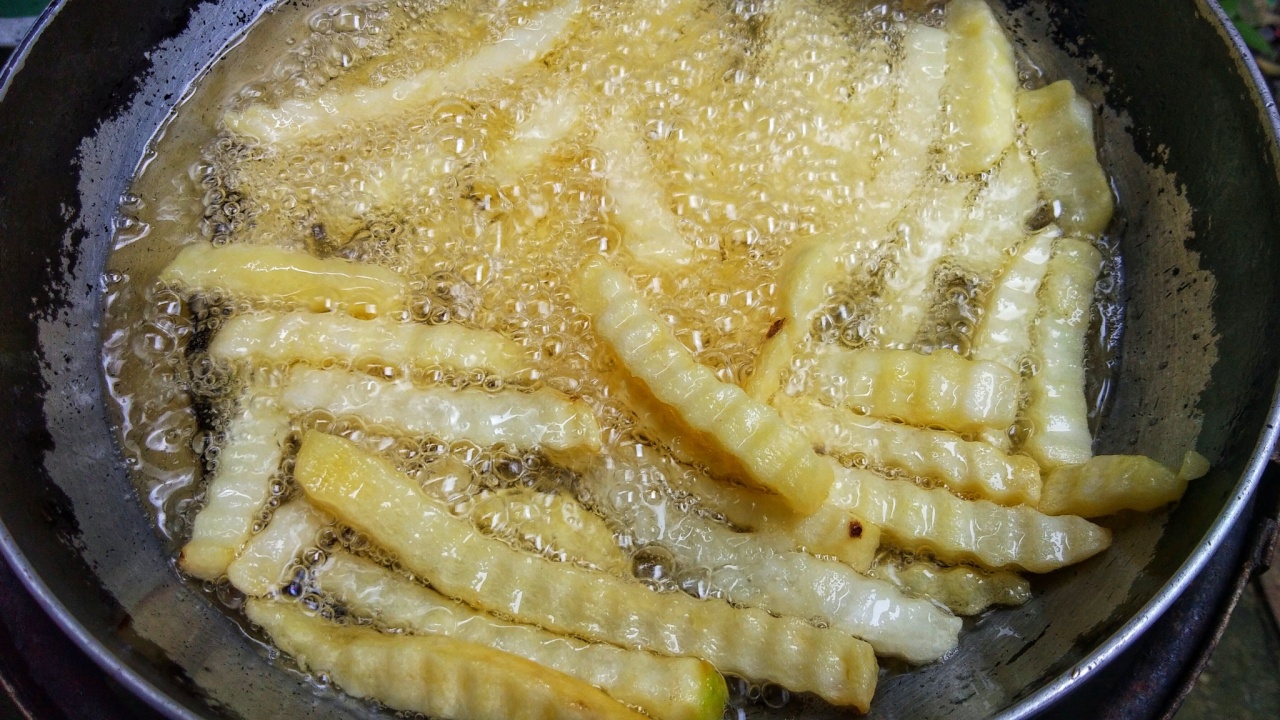
Partially hydrogenated oils, the main source of artificial trans fats, used to be a dream ingredient for food manufacturers. They gave everything from crackers and cookies to fast food a stable texture and a longer shelf life. For years, these fats were a staple in processed foods.
But then, research revealed their dark side: they raised “bad” LDL cholesterol while lowering “good” HDL cholesterol, which increases the risk of heart disease. As a result, in 2015, the FDA declared them no longer “Generally Recognized as Safe” (GRAS) and banned their use in foods.
- Why it was used: To improve the texture, stability, and shelf life of processed foods.
- Why it was banned: Strong links to increased risk of heart disease, stroke, and type 2 diabetes.
- What to know: While artificial trans fats are gone, small amounts of naturally occurring trans fats can be found in some meat and dairy products. Reading labels for “partially hydrogenated oil” is still a good practice, especially on older or imported products.
2. Sassafras Oil (Safrole)
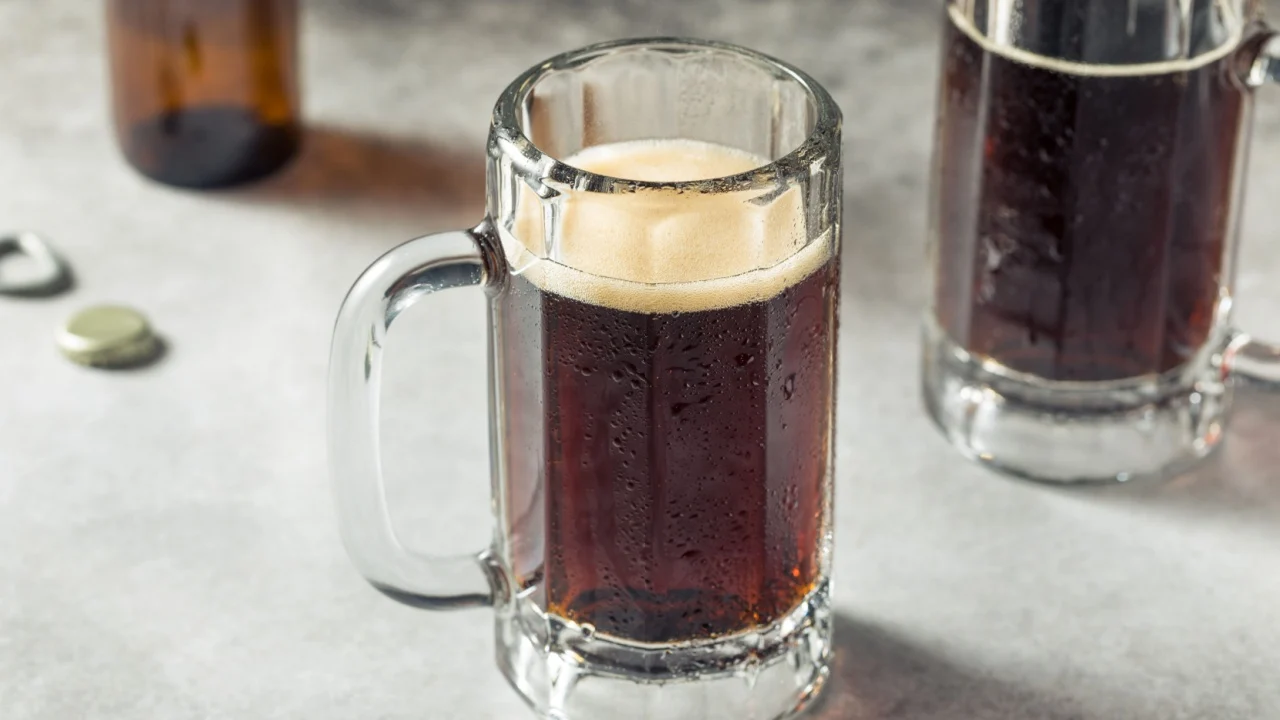
Traditional root beer got its unique flavor from sassafras oil, which contains a compound called safrole. It was super popular in drinks, candies, and teas for its sweet and spicy kick.
But in the 1960s, studies showed safrole could cause liver damage and cancer in lab animals. This led the FDA to ban it as a food additive. Today, root beer gets its flavor from artificial ingredients or safrole-free sassafras extract.
- Why it was used: As a primary flavoring for root beer and other sweet treats.
- Why it was banned: The main compound, safrole, was identified as a potential carcinogen and found to cause liver damage.
- What to know: You can still buy safrole-free sassafras extract for culinary use, but the original, potent oil is off-limits for consumption.
3. Red Dye No. 2 (Amaranth)

In the mid-20th century, Red Dye No. 2 (amaranth) was one of the most widely used food colorings in the United States. It gave a vibrant red hue to many items such as ice cream, soft drinks, hot dogs, and candies.
However, a Soviet study suggested a possible link between the dye and cancer in female rats. Although the results were debated by scientists, the FDA decided to act out of an abundance of caution. In 1976, it was banned as a food additive in the U.S. Since then, American food manufacturers have turned to other coloring agents, like Red Dye No. 40 (although food activists have concerns about links to hyperactivity with this coloring).
- Why it was used: To add a bright red color to a vast array of processed foods and drinks.
- Why it was banned: Concerns over a potential link to cancer, leading to a precautionary ban in the U.S.
- What to know: This ban highlights the “precautionary principle” in food safety. Many other synthetic dyes remain in use, but the debate over their safety continues.
4. Potassium Bromate (Outside the U.S. Only)

This additive was a baker’s secret weapon, used in flour to strengthen dough. It helped bread rise higher and gave it a uniform, soft, white texture. However, studies showed that residual amounts of potassium bromate, a possible human carcinogen, could remain after baking. As a result, it is banned in the EU, UK, Canada, and China, but it remains legal in the United States.
- Why it was used: As a dough conditioner to improve the texture and volume of bread.
- Why it was banned: Classified as a possible carcinogen, with risks associated with residual amounts left in food after baking.
- What to know: In the U.S., products containing potassium bromate must include a warning label in some states, like California. Many bakeries and brands have voluntarily stopped using it.
5. Olestra (Olean)
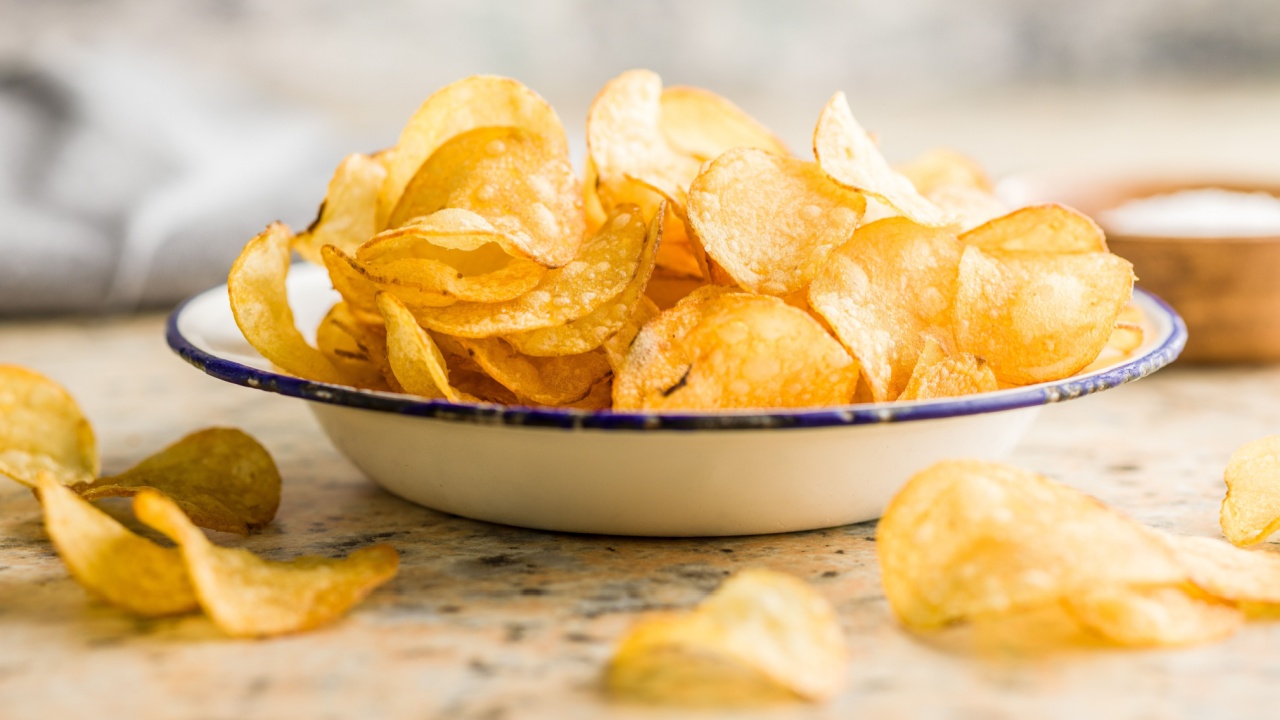
In the 1990s, Olestra, marketed as Olean, was hailed as a miracle fat substitute with zero calories and fat, allowing for “fat-free” snacks like chips. The catch? Olestra wasn’t absorbed by the body and passed through the digestive system, causing unpleasant side effects like cramping, bloating, and “anal leakage.”
It also blocked the absorption of vitamins A, D, E, and K. While not banned in the U.S., consumer complaints led to its decline, and it remains banned in countries like Canada and the UK.
- Why it was used: A zero-calorie fat substitute for making “fat-free” snacks.
- Why it was banned: It caused severe gastrointestinal side effects and blocked vitamin absorption. It was restricted and largely abandoned by manufacturers.
- What to know: The story of Olestra is a classic example of a “too good to be true” food innovation. Today, food manufacturers focus on healthier fats or different cooking methods to reduce fat content.
6. Brominated Vegetable Oil (BVO)
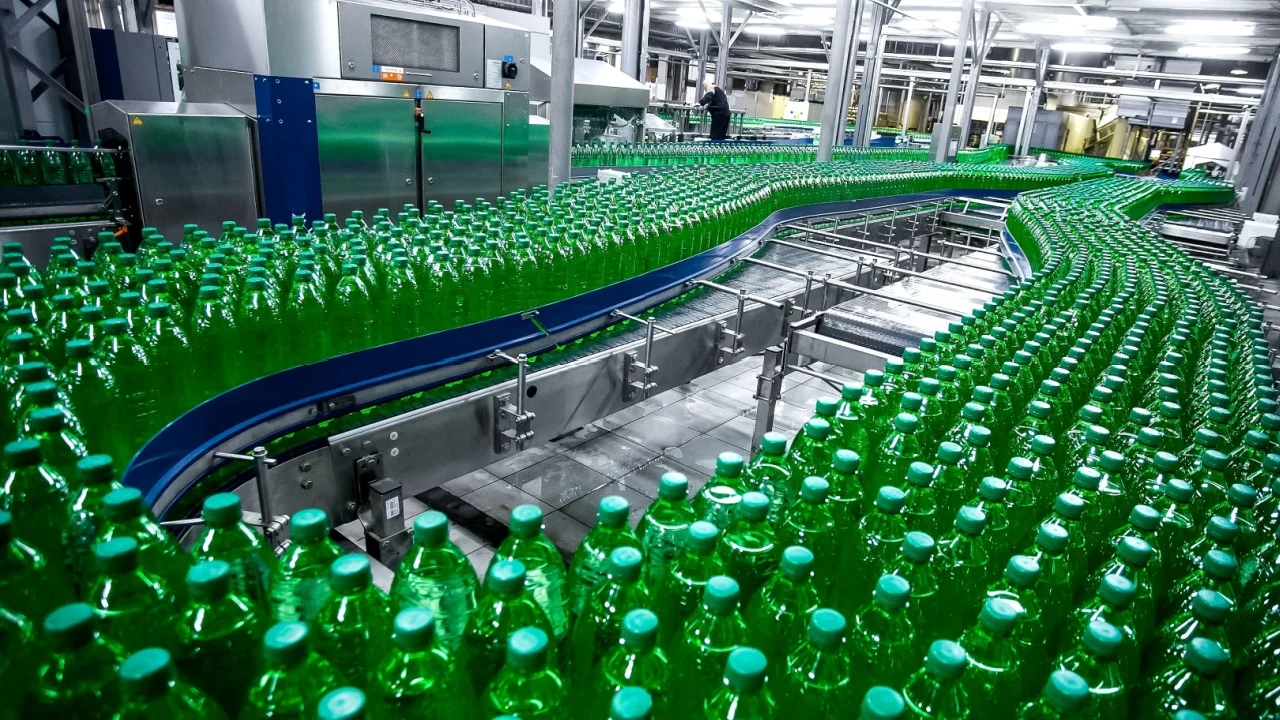
Citrus sodas like Mountain Dew once relied on Brominated Vegetable Oil (BVO) to keep their fruity flavors from separating. However, bromine, also used in flame retardants, raised health concerns due to its potential to accumulate in the body and cause issues like neurological problems and memory loss.
Banned in Europe and Japan, BVO faced public backlash, leading major beverage companies to phase it out. In 2024, the FDA proposed revoking its authorization in the U.S.
- Why it was used: As an emulsifier in citrus-flavored soft drinks to prevent flavor separation.
- Why it was banned: The main component, bromine, can build up in the body and has been linked to potential neurological and organ damage.
- What to know: Most major soda brands in the U.S. have voluntarily removed BVO from their products, but it can still be found in some smaller, regional brands.
7. Azodicarbonamide (ADA)

Azodicarbonamide (ADA) is a chemical whitening agent used in bread dough to make it stronger, more elastic, and fluffier. It’s also used to bleach flour. What’s unsettling is its other industrial use: producing foamed plastics like yoga mats and shoe soles.
This dual-use raised health concerns about its potential to cause respiratory issues and allergies. While the FDA considers it safe in small amounts, it’s banned in the EU and Australia. Following public outcry, many American fast-food chains and bakeries have voluntarily removed it from their products.
- Why it was used: A dough conditioner and bleaching agent for bread.
- Why it was banned: Banned in many countries due to concerns about its industrial uses and potential to cause respiratory problems.
- What to know: Its nickname, the “yoga mat chemical,” helped fuel the public campaign that led to its voluntary removal from many popular food products in the U.S.
8. Borax (Sodium Borate)
Borax: once a food preservative for meats and fish, and a texturizer for noodles. Now known as a toxic cleaning agent. Ingesting it can cause severe nausea, vomiting, kidney damage, and even be fatal. The U.S. banned its use in food in the early 20th century, and it’s now prohibited worldwide.
- Why it was used: As a food preservative and to improve the texture of noodles.
- Why it was banned: Highly toxic when ingested, with severe effects on the liver and kidneys.
- What to know: Despite being banned, illegal use of borax in food still occasionally occurs in some parts of the world, highlighting the need for continued food safety enforcement.
9. Coumarin (from Tonka Beans)

Tonka beans, with their vanilla-like scent, were once prized for flavoring desserts. The compound responsible, coumarin, was found to be toxic to the liver and kidneys in high concentrations during animal studies. Consequently, the FDA banned tonka beans and pure coumarin as food additives in the U.S. in 1954. A related compound, warfarin (derived from coumarin), is now used as a prescription blood thinner.
- Why it was used: To impart a rich, vanilla-like flavor to desserts.
- Why it was banned: The primary compound, coumarin, was found to be toxic to the liver and kidneys in high doses.
- What to know: While tonka beans are banned for culinary use in the U.S., they are still used by some high-end chefs who manage to acquire them. A much safer source of coumarin is cassia cinnamon, though it contains far lower levels.
10. Rhodamine B
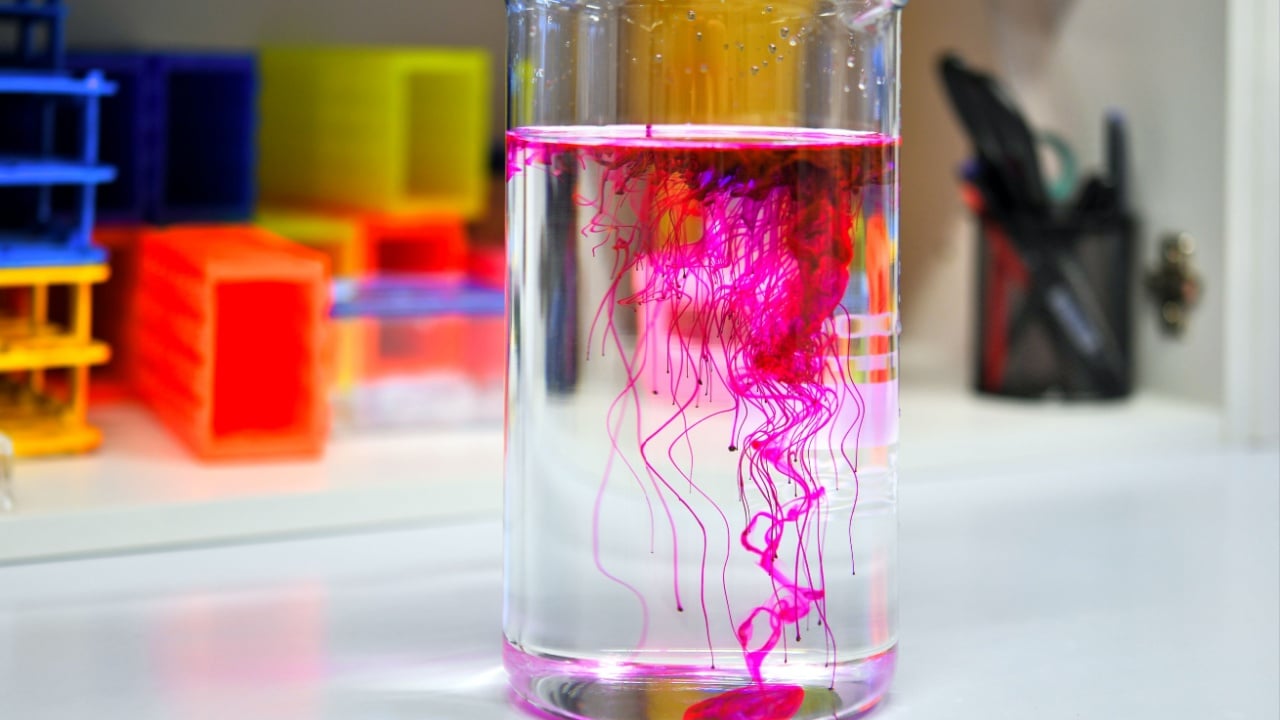
Rhodamine B is a vibrant pinkish-red fluorescent dye with industrial uses, such as a tracing agent in water. Unscrupulous vendors would illegally add it to chili powder, sweets, and sauces to give them an unnaturally bright color.
The problem is that Rhodamine B is neurotoxic and a potential carcinogen, causing damage to the liver and kidneys. Its use in food is strictly banned in the U.S., India, and Europe.
- Why it was used: Illegally used to give a bright pink-red color to spices and candies.
- Why it was banned: It’s a toxic chemical that is harmful to the nervous system and a suspected carcinogen.
- What to know: This is a clear case of a dangerous industrial chemical being illegally substituted for a safe food dye to cut costs. Food safety agencies regularly test for its presence in imported goods.
11. Lead-Based Additives
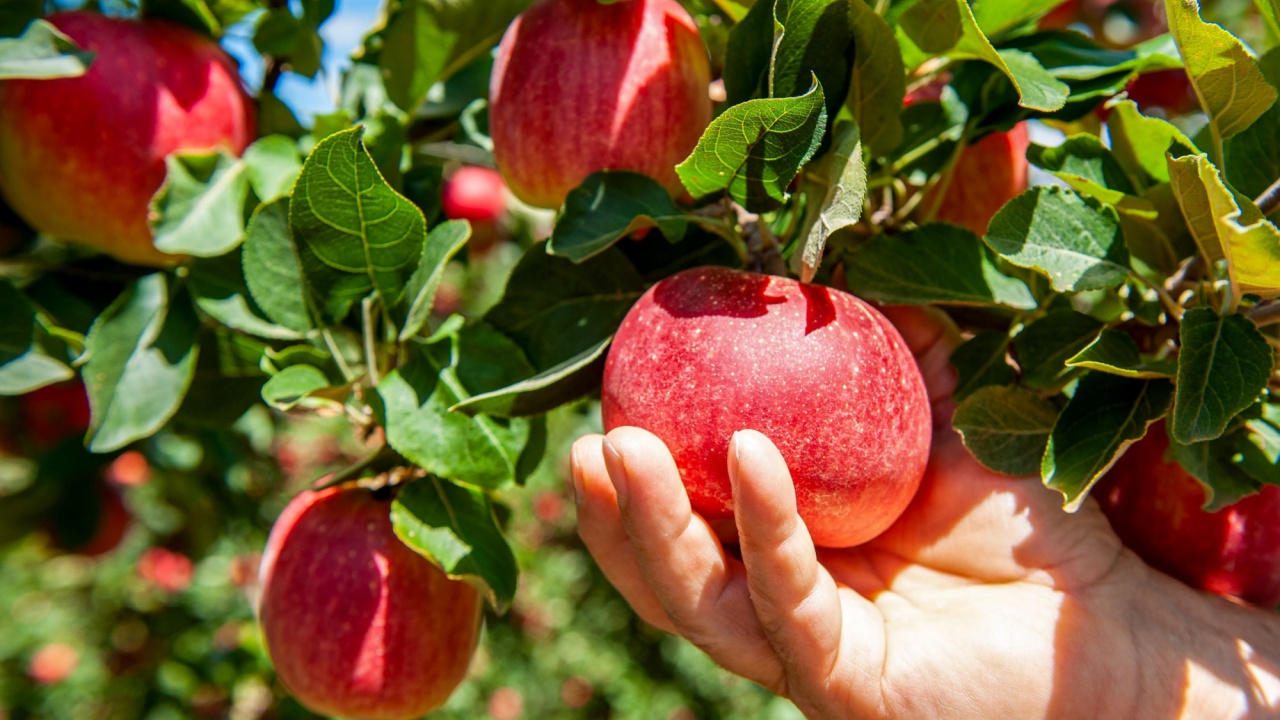
Ancient Rome used “sapa,” a sweetener made by boiling grape juice in lead pots, creating toxic lead acetate. Roman aristocrats sweetened food and wine, unknowingly poisoning themselves. This lead poisoning likely contributed to their health issues. More recently, historically, arsenic compounds like Paris Green and lead arsenate were widely used as insecticides and herbicides from the late 19th to early 20th centuries, leading to raised health concerns. Today, adding lead to food is unthinkable and strictly banned, preventing accidental contamination.
- Why it was used: As a sweetener in ancient Rome and pesticides in the early 20th century (particularly for apple orchards)
- Why it was banned: Lead is a potent neurotoxin that causes severe, irreversible health damage.
- What to know: This historical example is a stark reminder of how far food safety has come and the dangers of consuming things without understanding their chemical properties.
12. Melamine

Melamine is an industrial chemical used in plastics and flame retardants, not food. However, it can be illegally added to milk and protein-based foods to fake higher protein content in tests.
In the 2008 Chinese milk scandal, melamine in infant formula caused six infant deaths and hospitalized over 50,000 with severe kidney damage. This sparked global outrage and led to strict bans and monitoring of melamine in food.
- Why it was used: Illegally added to milk products to fake a higher protein content.
- Why it was banned: It is not a food and is highly toxic, causing kidney failure and death, especially in children.
- What to know: The melamine scandal serves as a powerful lesson in food fraud and the critical importance of a transparent and regulated global food supply chain.
How Our Evolving Pantry Keeps Us Safe
The evolution of our pantry reflects our growing knowledge about health and safety. It’s alarming that these ingredients were ever in our food, but their removal shows that our food system is learning and adapting to protect us.
The next time you check a food label, you can be a little more appreciative of the science and regulation that keep our food safe to eat.
Read more
15 Foods the U.S. Doesn’t Allow — and Why
Time to Grow Your Own? 17 Foods Banned in Europe That Are Still in American Stores