21 Reasons a Backyard Pool Might Not Be Worth It
The idea of a backyard pool often conjures images of sunny days, happy kids, and refreshing dips on a hot afternoon. It seems like the ultimate backyard upgrade, a personal oasis just steps from your door.
But before you dive into this major home improvement project, it’s wise to look past the sparkling water and consider the full picture. A pool is more than just a place to swim; it’s a significant commitment of time, money, and yard space that can bring a surprising number of challenges.
From hidden installation costs and relentless maintenance to unexpected impacts on your garden and local ecosystem, the realities of pool ownership can be overwhelming. We’ll explore the 21 biggest drawbacks you need to consider from home and pool experts.
This guide will help you weigh the pros and cons, so you can decide if a pool is truly the right addition to your home and garden.
1. The Shocking Installation Cost

Installing a pool is a massive financial undertaking. The initial price tag often causes sticker shock, with in-ground pools costing an average of $65,000 or more. This figure can climb rapidly depending on size, materials like fiberglass or concrete, and custom features. Even a more budget-friendly above-ground pool can set you back several thousand dollars for the unit and installation, which is a significant investment for most families.
What to consider:
- Cost: The average in-ground pool installation is over $65,000. Above-ground pools range from $800 to over $5,000.
- Why it’s a concern: This is a major expense that requires careful budgeting. Without proper financial planning, it can strain your household finances for years.
- Next Steps: Get at least three detailed quotes from reputable pool installers. Ask for a complete breakdown of costs to understand what is and isn’t included.
2. The Never-Ending Hidden Costs

The price on your installation quote is just the beginning. The total cost often balloons with necessary extras that aren’t included up front. You’ll need to factor in landscaping to integrate the pool into your yard, decking, or a concrete patio for safety and aesthetics, and potentially a retaining wall if your yard has a slope. Then there are the “fun” accessories like diving boards, slides, and lighting, all of which add up quickly.
What to consider:
- Cost: Fencing, decking, landscaping, and accessories can add thousands or even tens of thousands to your total bill.
- Why it’s a concern: These “hidden” costs can easily double your initial budget if you’re not prepared for them.
- Next Steps: Create a comprehensive budget that includes all potential add-ons. List your must-haves and nice-to-haves to prioritize spending.
3. Expensive Ongoing Maintenance

Your pool’s expenses don’t stop once the construction crew leaves. Monthly maintenance is a constant drain on your wallet. Hiring a professional service can cost over $100 per month. If you choose the DIY route, you’ll still need to buy a steady supply of chemicals, test kits, filters, a pool vacuum, and a skimmer. These supplies can add up to hundreds of dollars each season.
What to consider:
- Cost: Professional maintenance averages $115/month. DIY supply costs can easily reach $500+ per year.
- Why it’s a concern: Maintenance is a recurring cost that you must budget for as long as you own the pool.
- Next Steps: Research the cost of DIY supplies versus a local pool service. Decide which approach fits your budget and lifestyle better before committing.
4. Time-Consuming Upkeep

What you don’t pay for in professional service fees, you’ll pay for with your time. Maintaining a pool is a serious commitment. You can expect to spend five to ten hours every week skimming leaves, brushing the walls, emptying skimmer baskets, testing the water chemistry, and adjusting chemicals. Neglecting these tasks for even a short time can lead to algae blooms and other problems that are even more time-consuming to fix.
What to consider:
- Time: Expect 5-10 hours of weekly maintenance during the swim season.
- Why it’s a concern: This is time you could be spending with family, gardening, or simply relaxing. Consider if you’re willing to become a part-time pool technician.
- Next Steps: Talk to current pool owners to get a realistic sense of the time commitment. Consider investing in an automatic pool cleaner to reduce your manual labor.
5. The Constant Threat of Costly Repairs
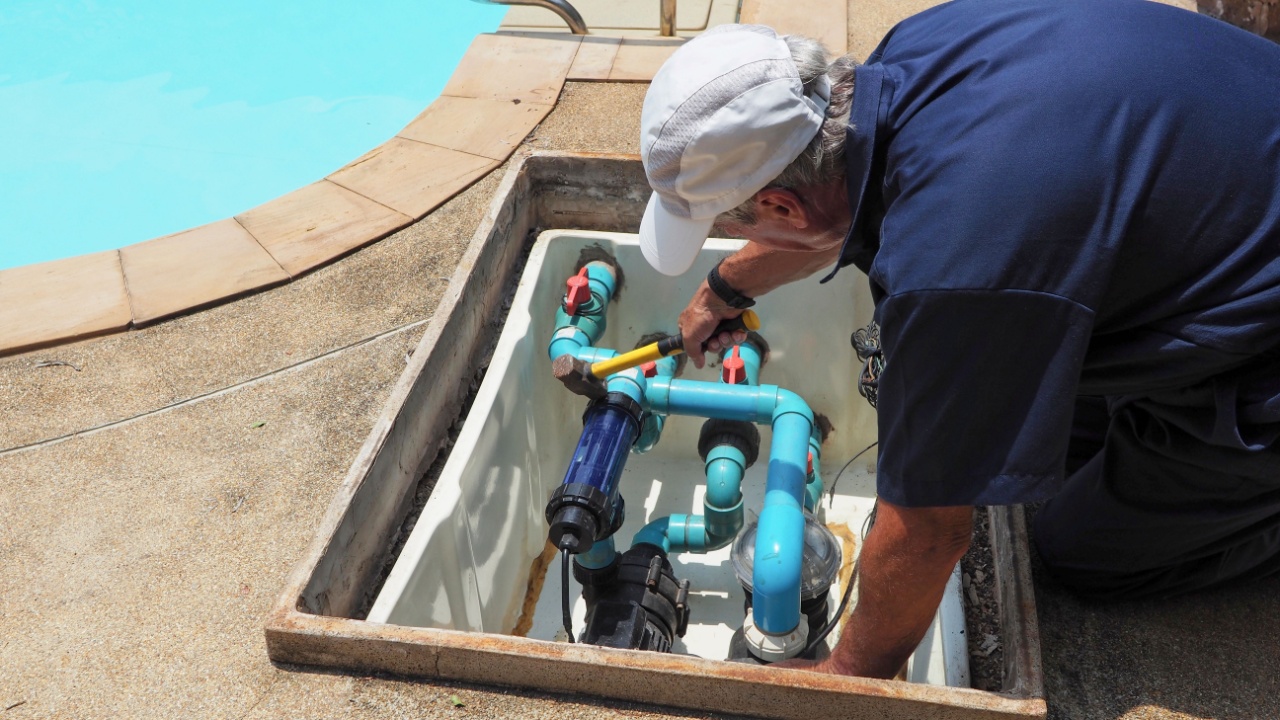
Beyond routine maintenance, unexpected repairs can deliver a major blow to your budget. A broken pump motor can cost hundreds of dollars to fix or nearly a thousand to replace. Resurfacing a concrete pool that’s leaking can run $6,000 or more, while replacing a torn vinyl liner starts at around $2,000 and can easily get to $7,500. These aren’t small, incidental expenses; they are major financial hits.
What to consider:
- Cost: Repairs can range from a few hundred dollars for a pump to over $10,000 to fix major leaks or structural issues.
- Why it’s a concern: A single unexpected repair can be as expensive as a family vacation, and you have no choice but to fix it.
- Next Steps: Set up a dedicated emergency fund for pool repairs. Aim to save at least 1-2% of the pool’s initial cost annually for future repair needs.
6. Serious Safety and Liability Risks

A backyard pool is statistically one of the most dangerous features you can add to your home. Drowning is a leading cause of accidental death for young children, and most of these tragedies occur in backyard pools. Even with diligent supervision, accidents can happen in an instant. This “attractive nuisance” makes you legally liable for any injury or death that occurs in your pool, even if the person is an uninvited guest.
What to consider:
- Risk: Drowning is the leading cause of injury-related death in children ages 1-4.
- Why it’s a concern: The risk of a tragic accident is a heavy emotional and legal burden for any homeowner.
- Next Steps: Invest in layers of protection: a non-climbable fence with a self-latching gate, a pool safety cover, and door/gate alarms. Ensure all family members learn to swim and know CPR.
7. The Expense of Safety Measures

Because of the inherent risks, most municipalities and home insurance companies require specific safety measures, and they aren’t cheap. A proper pool fence is a must, and installation can cost over $1,000. For families with children, a pool alarm that detects motion in the water or an open gate is another critical investment, costing anywhere from $50 to $500. These are non-negotiable costs for responsible pool ownership.
What to consider:
- Cost: Pool fences start at over $1,000, and alarms can add several hundred dollars more.
- Why it’s a concern: Safety is paramount, but it adds another significant expense to your pool project.
- Next Steps: Check your local building codes and your homeowner’s insurance policy for specific fence and safety requirements before you begin installation.
8. Increased Insurance Premiums

The liability associated with a pool means your homeowner’s insurance will go up. Most insurance experts recommend increasing your liability coverage to at least $100,000-$500,000. Many pool owners opt for an umbrella policy, which provides an extra $1 million or more in liability protection. This additional coverage can add a few hundred dollars to your annual insurance premium.
What to consider:
- Cost: Expect an increase of roughly $300 per year for an umbrella policy.
- Why it’s a concern: It’s another recurring cost that adds to the total expense of owning a pool.
- Next Steps: Contact your insurance agent before you decide to install a pool to get a quote for the increased coverage.
9. You’ll Need More Structural Insurance, Too

Your liability isn’t the only thing that needs more coverage. An in-ground pool is a valuable structure on your property, and you need to insure it against damage. You may need to increase your policy’s “other structures” coverage to ensure your pool is protected from things like falling trees or storm damage. While an above-ground pool might be covered under personal property, you should always check for specific policy limits.
What to consider:
- Cost: Every $1,000 of additional structural coverage can slightly increase your premium.
- Why it’s a concern: Without adequate coverage, you could be left paying out-of-pocket to repair or replace a damaged pool.
- Next Steps: Review your current homeowner’s policy with your agent to ensure your pool structure itself is adequately covered.
10. Pools Can Hurt Your Home’s Resale Value

You might assume a pool is a feature that will make your home easier to sell, but that’s not always true. Many potential buyers see a pool not as a luxury, but as a liability, an expense, and a safety hazard. Families with young children, people who travel frequently, or those who simply don’t want the work will be immediately turned off. In some cases, having a pool can shrink your pool of potential buyers.
What to consider:
- Impact: A pool can be a polarizing feature that deters as many buyers as it attracts.
- Why it’s a concern: It may take longer to sell your home, or you may have to appeal to a smaller niche of buyers.
- Next Steps: Talk to a local real estate agent to understand the demand for homes with pools in your specific market before you install one.
11. You Won’t Recoup the Investment

Unlike a kitchen or bathroom remodel, a pool rarely provides a good return on investment. In most climates, you can expect to recoup only a fraction of the installation cost when you sell your home. An above-ground pool, which many buyers consider an eyesore, may add no value at all or even detract from it if the buyer wants it removed. The only exception is in very warm climates where a pool is a standard feature.
What to consider:
- ROI: You’ll likely only get back a small percentage of your initial investment. An above-ground pool often has a negative ROI.
- Why it’s a concern: If you’re looking for a home improvement project that adds value to your property, a pool is usually a poor choice.
- Next Steps: View a pool as an investment in your lifestyle, not your home’s financial value.
12. It Becomes a Haven for Critters
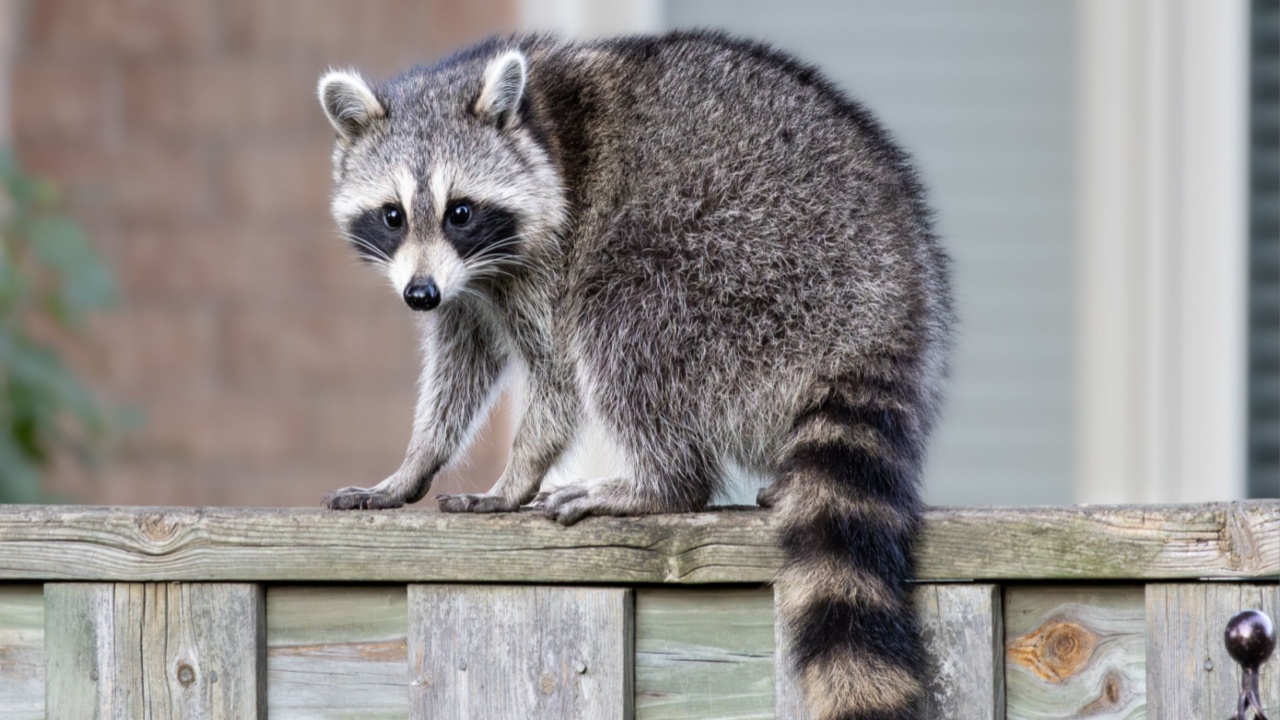
Your sparkling blue pool is an open invitation to local wildlife. Frogs, snakes, ducks, and mice will see it as their personal water source. While some visitors are harmless, others are not. Raccoons can carry parasites that are dangerous to humans, and in southern regions, alligators have been known to take up residence. You’ll spend a lot of time fishing out unwanted guests, both living and dead.
What to consider:
- Nuisance: You will constantly be dealing with animals in your pool.
- Why it’s a concern: It’s an unpleasant and sometimes hazardous part of pool ownership.
- Next Steps: Keep a high-quality pool cover on when the pool is not in use. Consider animal-deterrent fencing if certain critters become a recurring problem.
13. Your Electricity Bill Will Skyrocket

The pool pump is one of the most energy-hungry appliances in your home. Running it for the required 8-12 hours a day can add a significant amount to your monthly electricity bill. A standard efficient single-speed pump can easily add over $300 to your annual energy costs, but a heating system can mean that you pay that much extra a month! While more efficient variable-speed pumps are available, they come with a much higher upfront price tag.
What to consider:
- Cost: Expect your electricity bill to increase by $30-$50 per month during the swimming season.
- Why it’s a concern: This increased utility cost further inflates the total cost of ownership.
- Next Steps: Run your pump during off-peak electricity hours if possible. Invest in a variable-speed pump to reduce long-term energy consumption.
14. Your Water Bill Will Also Increase

Filling a pool for the first time requires thousands of gallons of water. An average-sized pool can hold 15,000 gallons or more, which can cause a massive one-time spike in your water bill. You’ll also lose hundreds of gallons each week to evaporation and splashing, meaning you’ll be constantly topping it off. This continuous water use will lead to a permanently higher water bill for an average of $40 to $80 per month.
What to consider:
- Cost: Your water bill can double or triple during the month you fill the pool, with ongoing costs for top-offs.
- Why it’s a concern: In areas with water restrictions or high water rates, this can be a major and costly issue.
- Next Steps: Use a pool cover whenever the pool isn’t in use to dramatically reduce water loss from evaporation.
15. It’s Not an Eco-Friendly Choice

If you strive to live a green lifestyle, a pool is a step in the wrong direction. The increased electricity use for pumping and heating contributes to a larger carbon footprint. The high water consumption is a strain on local resources, especially in dry climates. Furthermore, the chemicals used to keep the water clean, like chlorine, can be harmful to the environment if not handled properly.
What to consider:
- Impact: Pools consume significant energy and water resources.
- Why it’s a concern: It contradicts efforts to create a sustainable and environmentally friendly home and garden.
- Next Steps: Look into eco-friendlier options like saltwater systems (which reduce chlorine use) or solar pool heaters to minimize the environmental impact.
16. The Swimming Season Is Surprisingly Short

Unless you live in a year-round warm climate like Florida or Arizona, your swimming season is limited. For much of the country, a pool is only usable for about three to five months of the year, from late May to early September. That means you’ll be paying for installation, maintenance, and insurance on a feature you can only enjoy for a fraction of the year.
What to consider:
- Use: In most regions, you’ll only get 3-5 months of use out of your pool.
- Why it’s a concern: The cost-per-swim can be astronomically high when you factor in the limited use.
- Next Steps: Consider investing in a pool heater to extend your swimming season by a few weeks in the spring and fall, but be prepared for the extra energy costs.
17. Your HOA Might Not Allow It
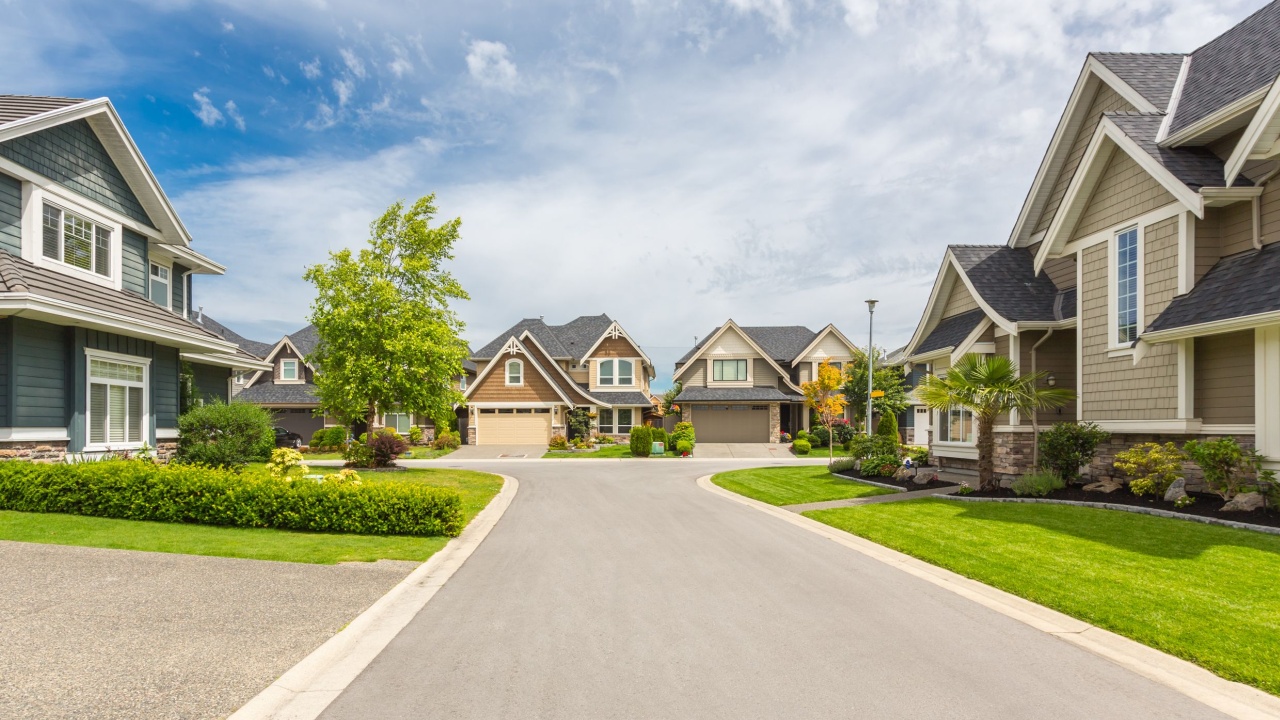
If you live in a neighborhood with a Homeowners Association (HOA), you need to check the bylaws before you even start dreaming of a pool. Many HOAs outright ban above-ground pools. Even for in-ground pools, they may have strict rules about size, placement, fencing materials, and construction noise. Getting approval can be a long and frustrating process.
What to consider:
- Rules: Your HOA has the power to deny your pool project.
- Why it’s a concern: Ignoring HOA rules can result in hefty fines and legal orders to remove the pool at your own expense.
- Next Steps: Submit your pool plans to your HOA for written approval before signing any contracts with a pool installer.
18. It Consumes Valuable Yard Space

A pool doesn’t just take up the space where the water is; it dominates your entire backyard. The smallest in-ground pools are around 10-by-20 feet, and that doesn’t include the required decking and fencing. This can eat up most of a small or medium-sized yard, leaving little room for a garden, a playset for kids, or a grassy area for pets to run.
What to consider:
- Space: A pool and its surrounding infrastructure will consume a large portion of your yard.
- Why it’s a concern: You may have to sacrifice other beloved backyard activities and green space.
- Next Steps: Use stakes and string to mark out the full footprint of the pool, deck, and fence in your yard. This will give you a clear visual of how much space will be left.
19. It Can Make You and Your Guests Sick

Even a well-maintained private pool can harbor germs. The CDC reports that diarrhea is the most common recreational water illness, caused by germs that can survive in properly chlorinated water for days. Other common issues include skin rashes and ear and respiratory infections. Your backyard oasis can quickly become a source of sickness for your family and friends.
What to consider:
- Health Risk: Germs like Crypto can survive in pool water and cause illness.
- Why it’s a concern: You are responsible for maintaining a sanitary environment to prevent your loved ones from getting sick.
- Next Steps: Maintain proper chlorine and pH levels at all times. Shock the pool regularly, especially after heavy use, and encourage swimmers to shower before entering the water.
20. You May Attract Unwanted Human Guests

Once you have a pool, your house can become the default neighborhood hangout. While planned pool parties are fun, you might also find friends, family, and neighbors showing up unannounced, expecting a swim. This can lead to awkward social situations and make you feel like you have to be “on” all the time. Your private retreat may not feel so private anymore.
What to consider:
- Social Pressure: Your pool can become a public amenity if you don’t set boundaries.
- Why it’s a concern: Constant uninvited guests can be an invasion of your privacy and a strain on your hospitality.
- Next Steps: Set clear ground rules with friends and neighbors from the beginning. A simple “please call before you come over” can prevent most awkward drop-ins.
21. Damage to Your Garden and Lawn
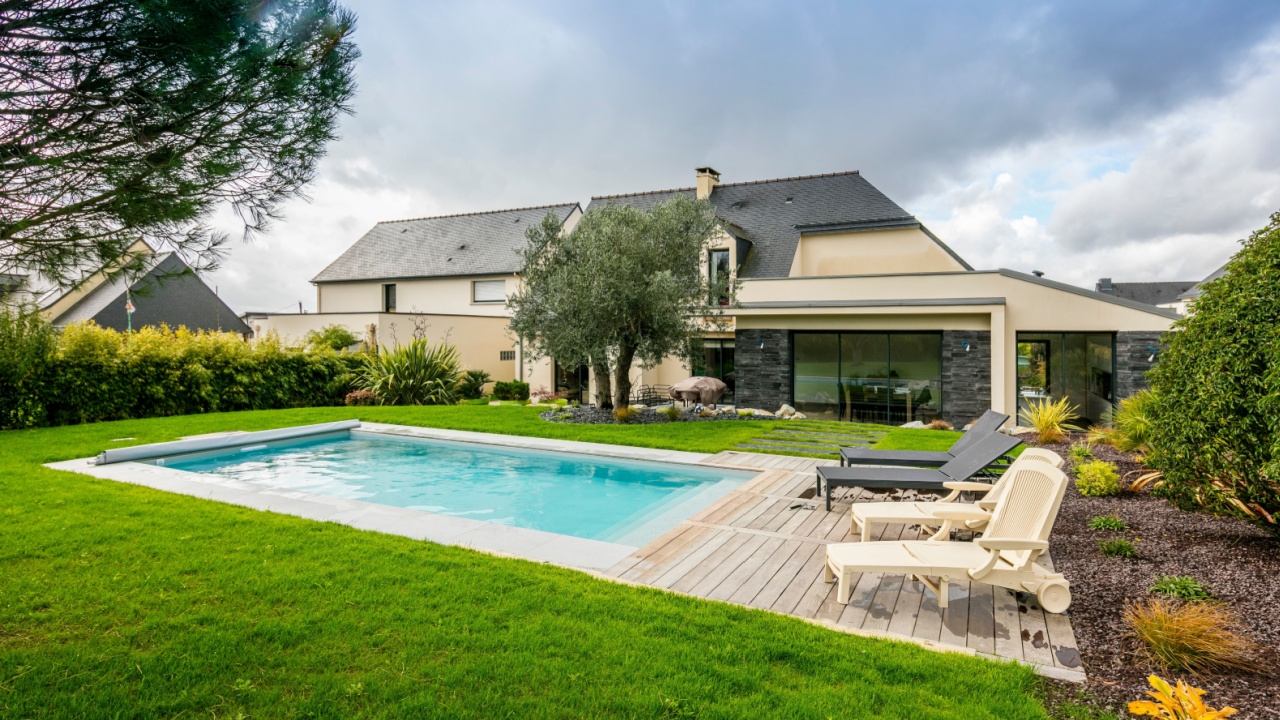
Pool construction is a messy, destructive process. Heavy machinery will tear up your lawn, and there’s a risk of damage to existing garden beds, sprinkler systems, and mature trees. Even after the pool is in, the surrounding area is affected. Chlorine-splashed water can kill nearby plants and grass, creating a “dead zone” around the pool deck that’s difficult to landscape.
What to consider:
- Garden Impact: Construction and ongoing use can destroy your existing landscape.
- Why it’s a concern: For a garden lover, watching years of hard work get ruined can be heartbreaking and expensive to restore.
- Next Steps: Plan for a wide, non-porous deck or patio around the pool to contain splashes. Choose salt-tolerant plants for any landscaping near the pool area.
Is a Pool Still Right for You?
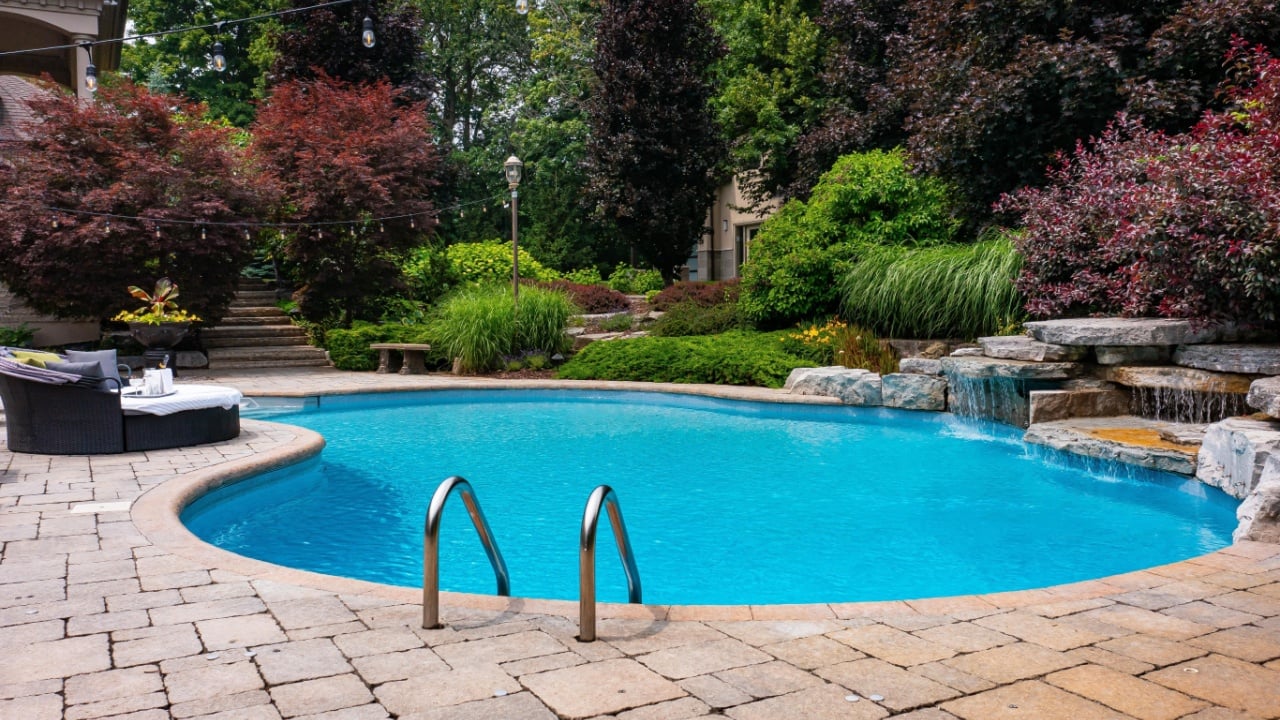
After weighing these drawbacks, you may decide that the convenience of a neighborhood pool or a fun sprinkler in the yard is a much better fit for your family. The dream of a backyard pool is wonderful, but the reality involves significant costs, time, and responsibilities that aren’t for everyone.
If you’re still determined to move forward, your next step is to start your research. Create a detailed budget that accounts for all the potential costs we’ve outlined. Talk to local real estate agents and pool owners to get a realistic perspective. By going in with your eyes wide open, you can ensure your backyard oasis doesn’t turn into a source of stress and regret.
Read more
6 Intriguing Benefits of Installing a Natural Swimming Pool
Breathing Around The Pool: How Water Chemistry Can Affect Lung Comfort At Home