21 Yard Projects That Are Illegal Without a Permit
Creating your dream yard often means adding features that enhance functionality and style. However, before you add certain structures or items, it’s important to know that some could require permits. These permits exist to ensure safety, regulate environmental impact, and maintain neighborhood standards.
Here are 21 items for your yard that might need a permit, with tips to help you maintain compliance and create an inviting outdoor space.
Note: Laws and regulations will vary with each city, state, and neighborhood. Please consult your local authorities for advice.
1. Large Storage Sheds
Why Permits Are Needed
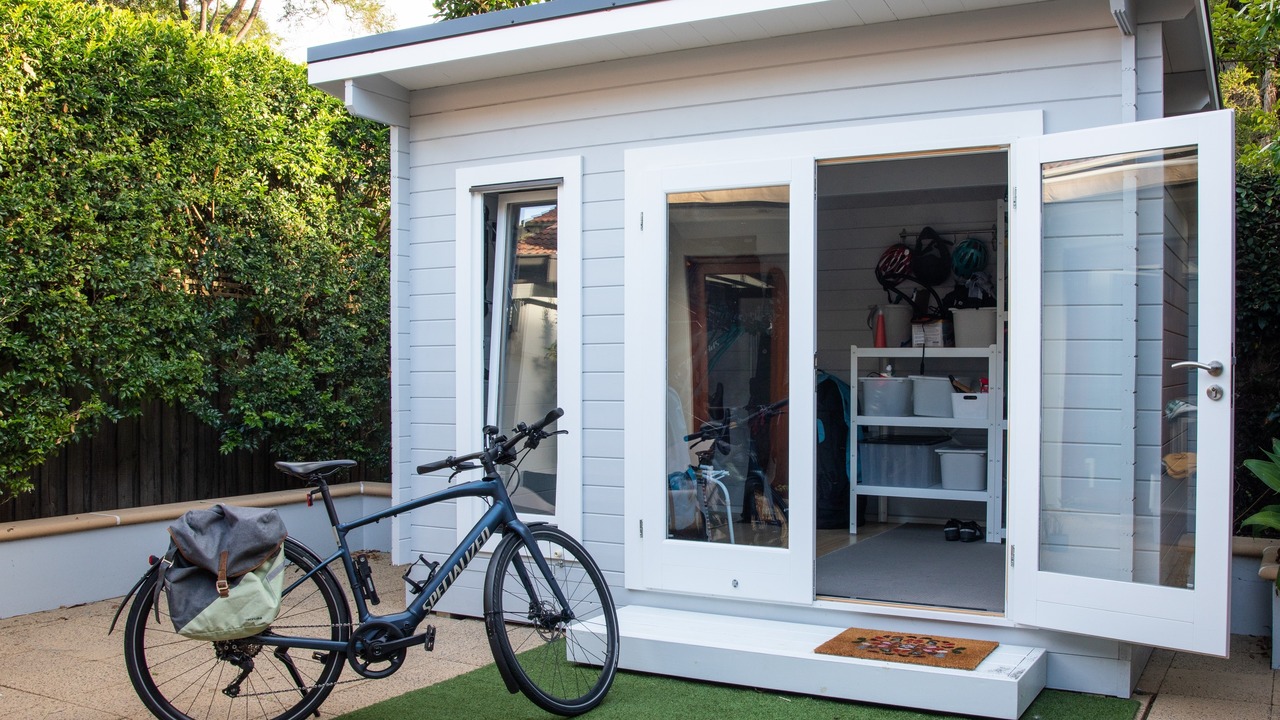
Sheds over a certain size (typically 120 square feet) often require permits to ensure they’re safely anchored and comply with zoning restrictions. Ignoring these rules might lead to costly fines or even structure removal.
Tips for Compliance
- Check property line setbacks before installation.
- For smaller storage needs, opt for modular garden cabinets or vertical tool storage, which may not require a permit.
2. Tall Fences
Why Permits Are Needed
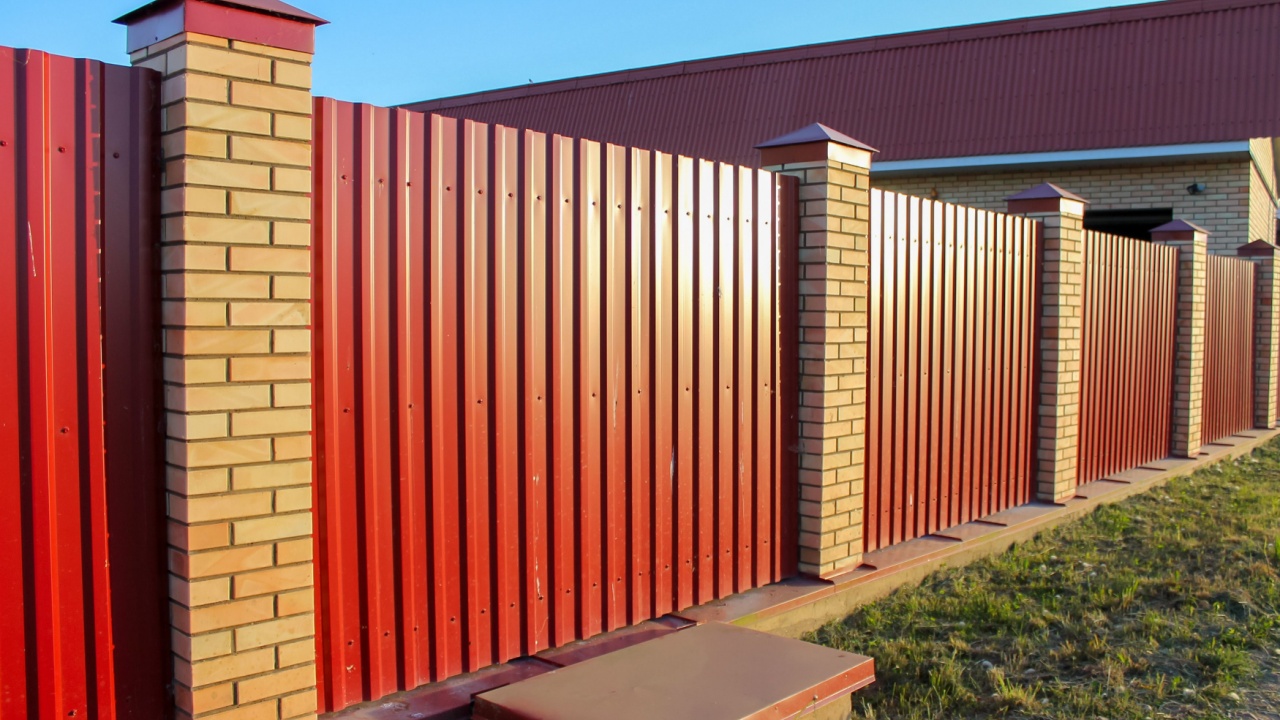
Many local laws restrict fence heights, usually capping them at 6 feet in backyards and 3-4 feet in front yards. Permits ensure your fence doesn’t block sightlines or violate community aesthetics.
Tips for Compliance
- Use landscaping like shrubs and ornamental grasses for privacy without height restrictions.
- Always verify property boundaries to avoid disputes.
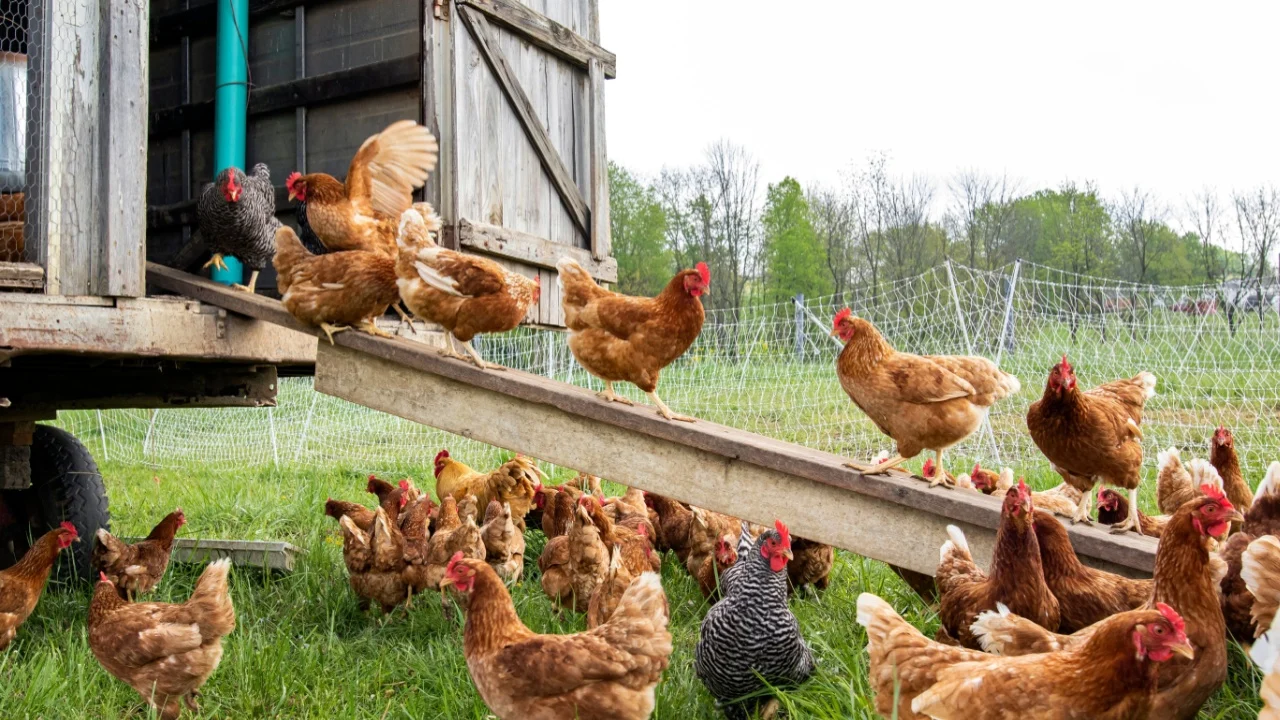
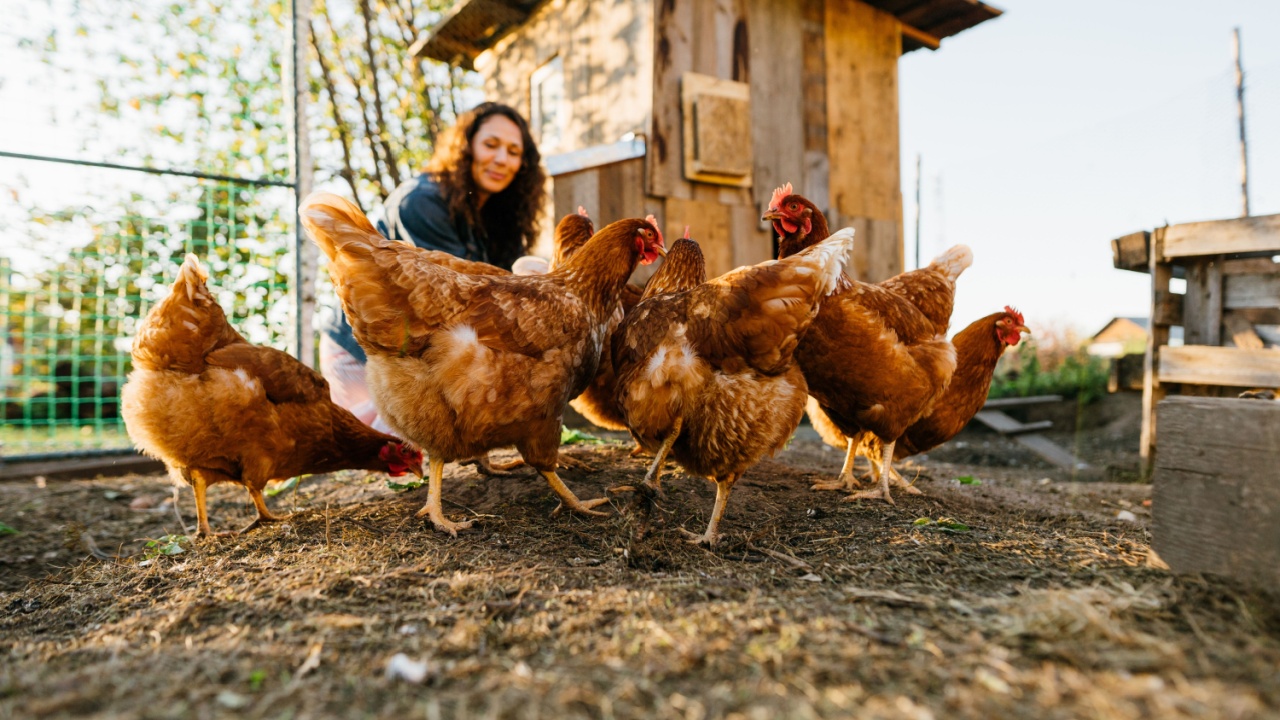
3. Backyard Chickens
Why Permits Are Needed
Keeping chickens within city limits is often regulated, with rules that limit flock size, mandate coop placement, and prohibit roosters to minimize noise.
Tips for Compliance
- Research permit requirements for small urban flocks (typically 3-5 hens).
- Join a community egg-sharing program if the permits are too complicated.
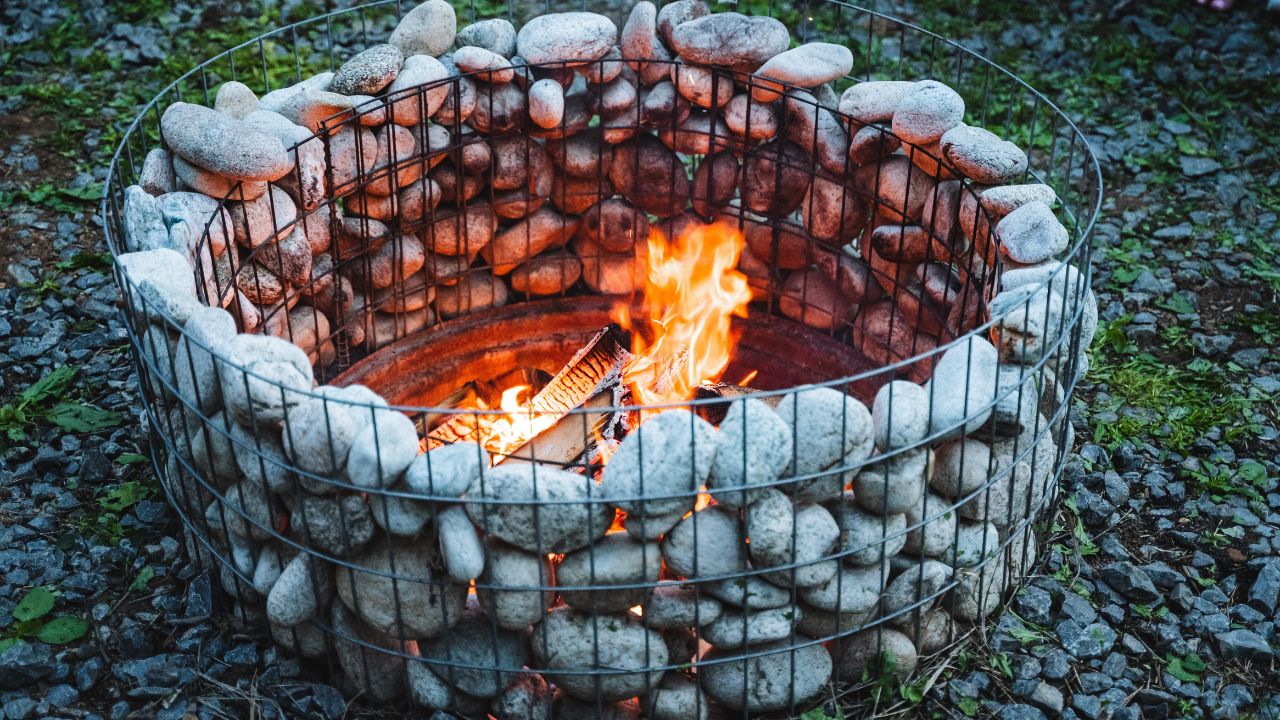
4. Permanent Fire Pits or Outdoor Fireplaces
Why Permits Are Needed
Permanent fire pits require permits to maintain safety standards, like ensuring they are a safe distance from structures and flammable areas.
Tips for Compliance
- Use a portable propane fire table as a hassle-free alternative.
- Incorporate safety screens to minimize stray sparks.
5. Home Business Structures

Why Permits Are Needed
Garages or sheds converted for commercial use require permits to confirm compliance with zoning, ventilation, and accessibility regulations.
Tips for Compliance
- Check with local authorities before upgrading your property for business purposes.
- Choose portable office pods if you need a flexible workspace.
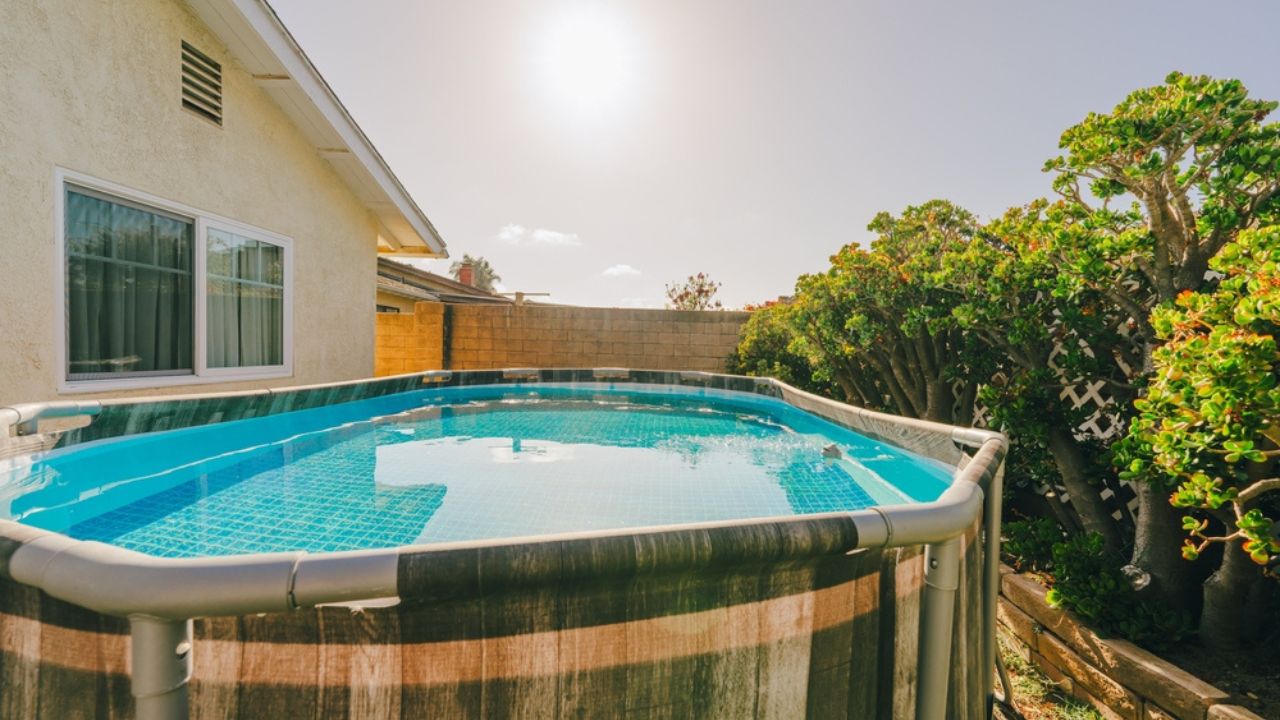
6. Above-Ground Swimming Pools
Why Permits Are Needed
Even temporary pools often require permits to ensure proper safety barriers, setbacks, and drainage aren’t overlooked.
Tips for Compliance
- If a pool isn’t feasible, consider a well-designed splash pad or reflecting pond as a legal alternative.
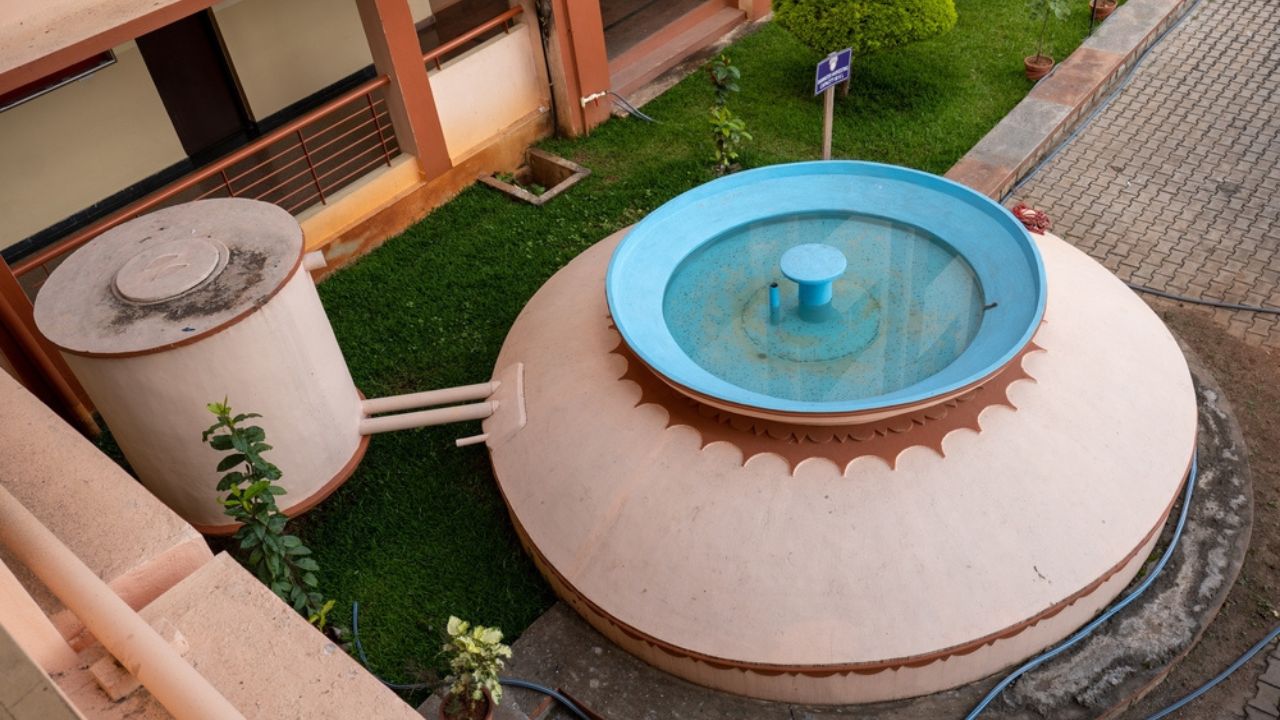
7. Rainwater Harvesting Systems
Why Permits Are Needed
Larger rainwater collection setups (over 500 gallons) often need permits to ensure safe installation and prevent neighborhood drainage issues.
Tips for Compliance
- Start small with covered rain barrels, which typically don’t require permits.
- Install mosquito screens to keep the system pest-free.
8. Beehives

Why Permits Are Needed
Urban beekeeping regulations often set limits on hive numbers, require proper placement, and dictate management practices.
Tips for Compliance
- Set up solitary bee houses for pollination without the complexities of hive permits.
- Provide nearby water sources to keep bees away from neighbors’ pools.
9. Livestock Animals

Why Permits Are Needed
Housing livestock like goats or pigs typically requires zoning approval and waste management plans to minimize odors and noise.
Tips for Compliance
- Look into community agriculture programs to gain experience with livestock care.
- For smaller yards, consider pet rabbits or quail as easier, permit-free alternatives.
10. Recreational Vehicles or Boats
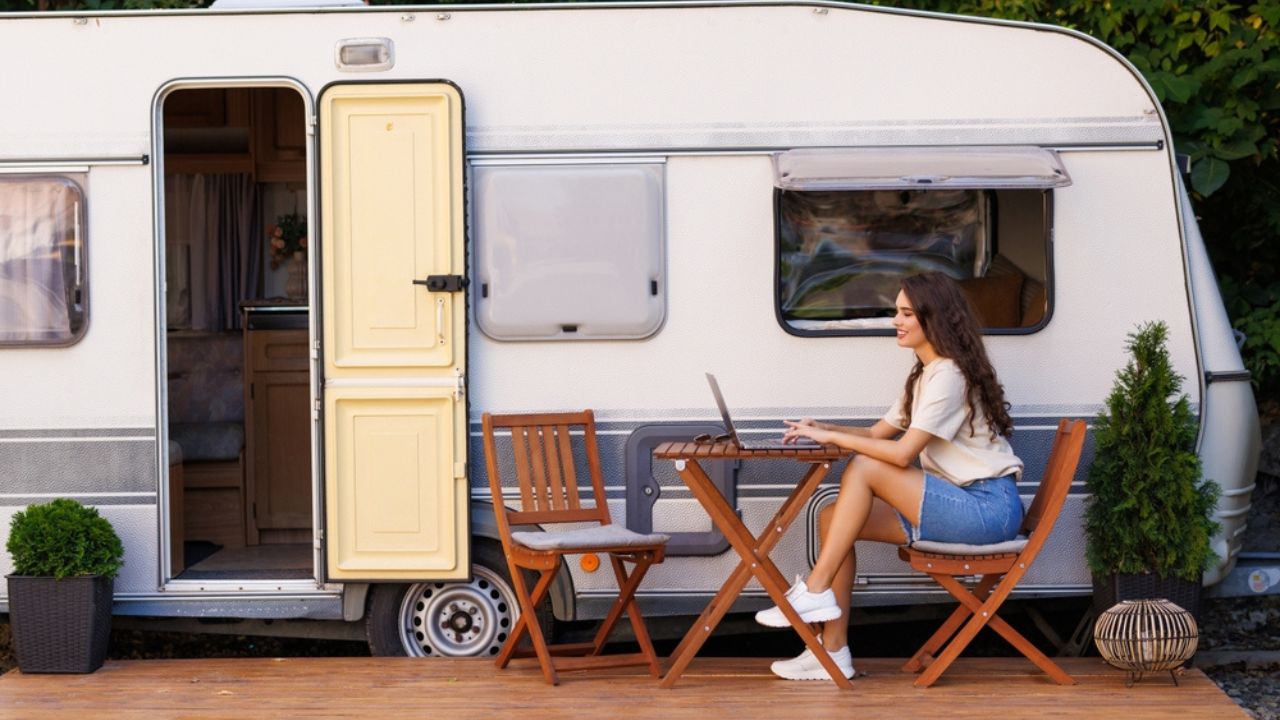
Why Permits Are Needed
Extended storage of RVs or boats in residential yards may require permits or violations of zoning laws. HOAs often have strict rules regarding these vehicles.
Tips for Compliance
- Store vehicles at off-site facilities to avoid conflicts with neighbors and legal complications.
11. Tree Removal
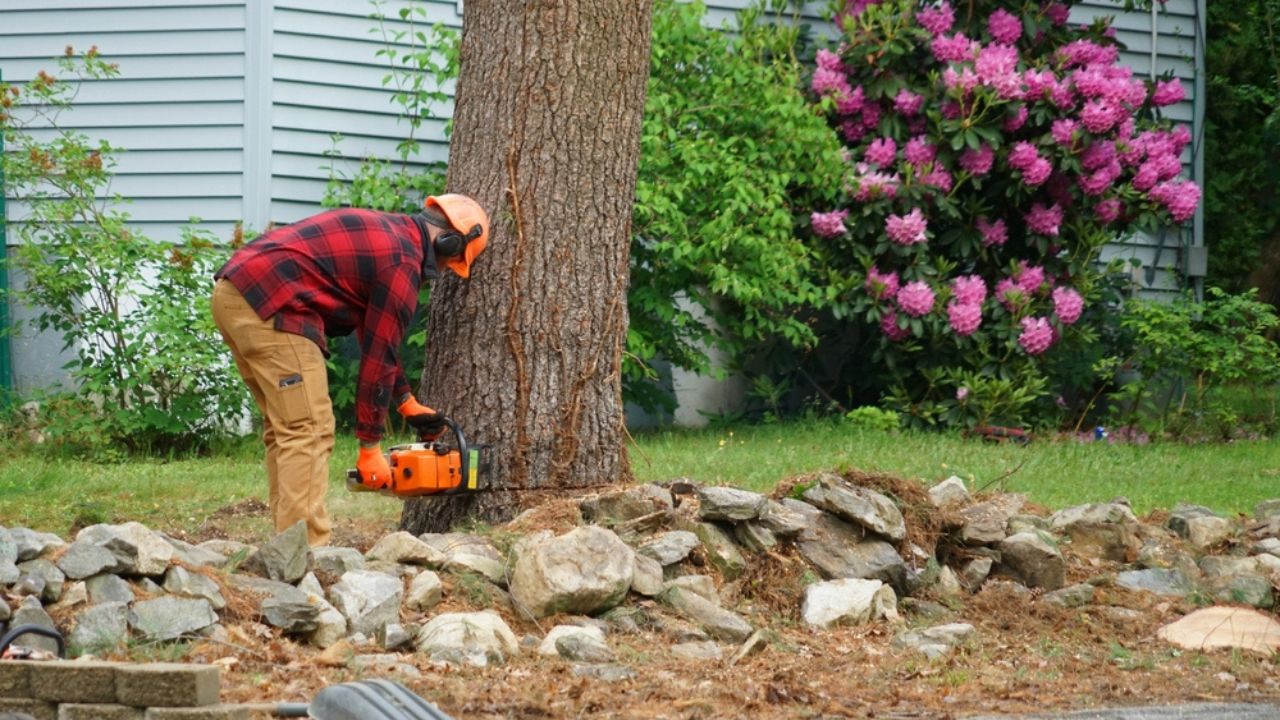
Why Permits Are Needed
Local laws may regulate tree removal to protect native species, maintain canopy coverage, or prevent erosion.
Tips for Compliance
- Prioritize pruning instead of removal to address safety concerns.
- Plant a new tree nearby if removal is unavoidable to maintain natural balance.
12. Large Satellite Dishes
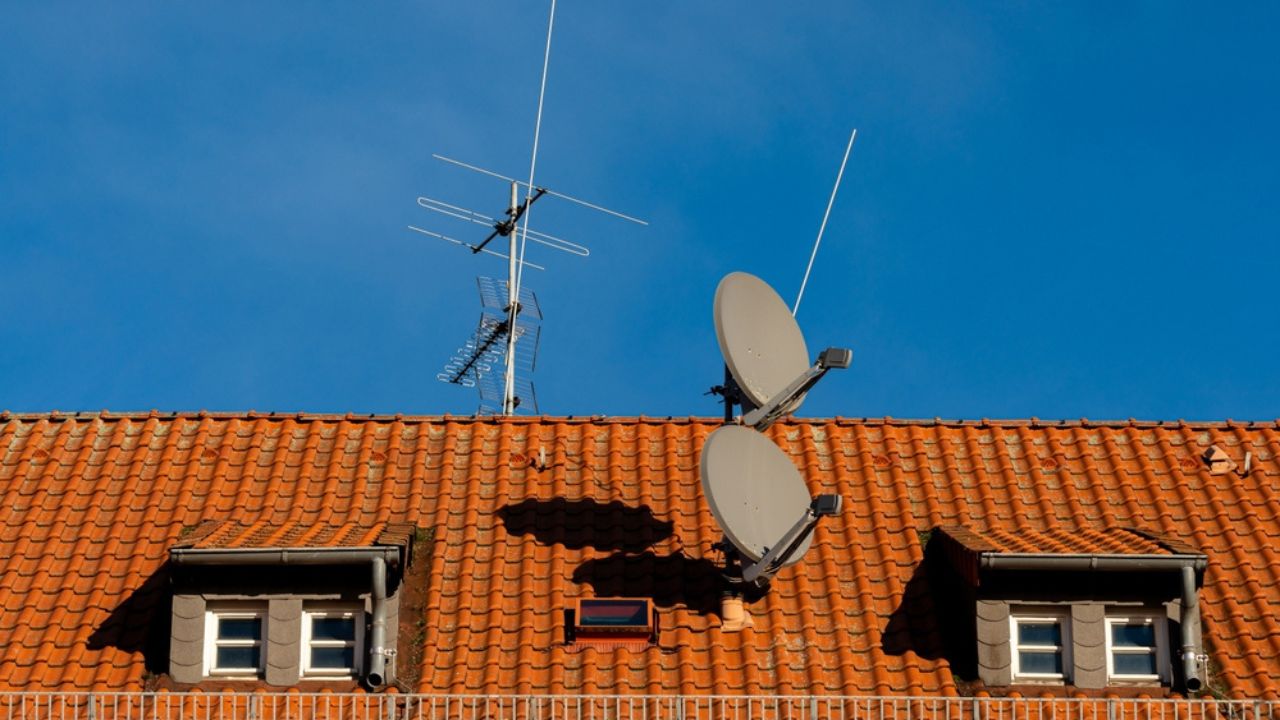
Why Permits Are Needed
Satellite dishes larger than 39 inches typically require permits, as they can impact neighborhood aesthetics and structural safety.
Tips for Compliance
- Opt for compact satellite dishes or streaming services that avoid such restrictions.
13. Extensive Hardscaping
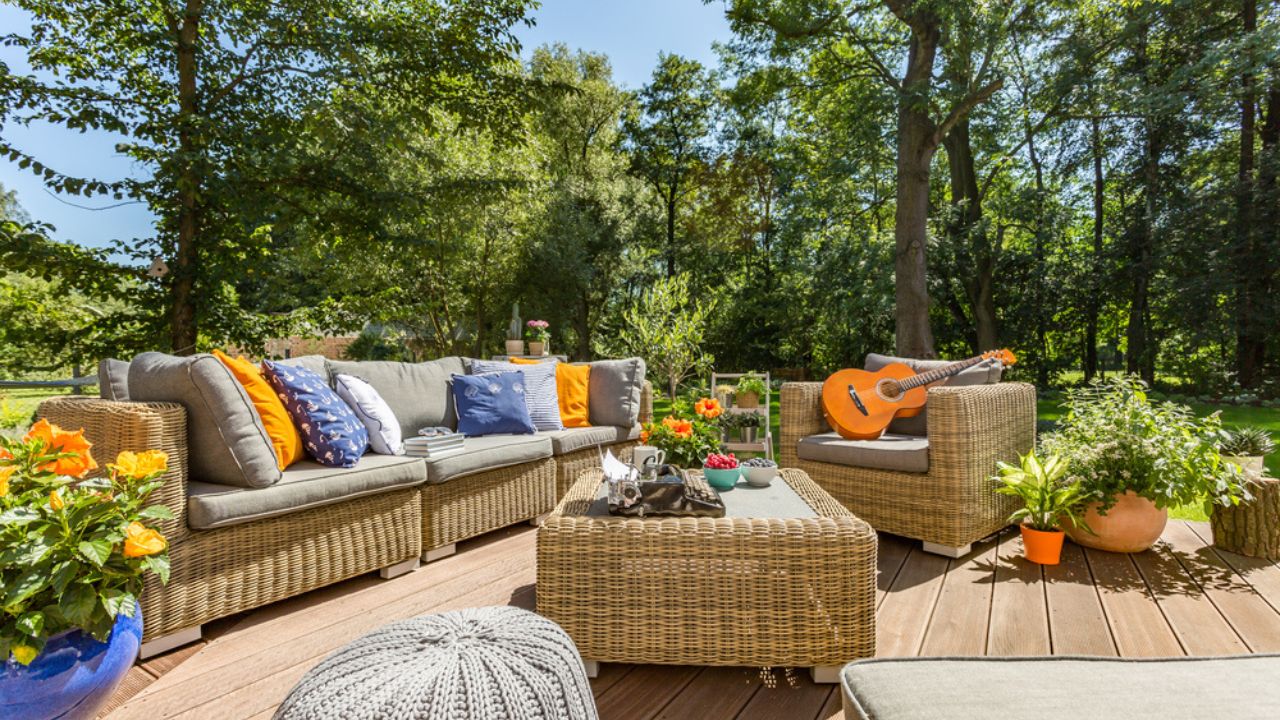
Why Permits Are Needed
Patios, retaining walls, and large hardscape areas need permits to ensure safe construction and proper drainage.
Tips for Compliance
- Stick to small, modular installations that fall under size thresholds and require less oversight.
14. Graywater Irrigation Systems
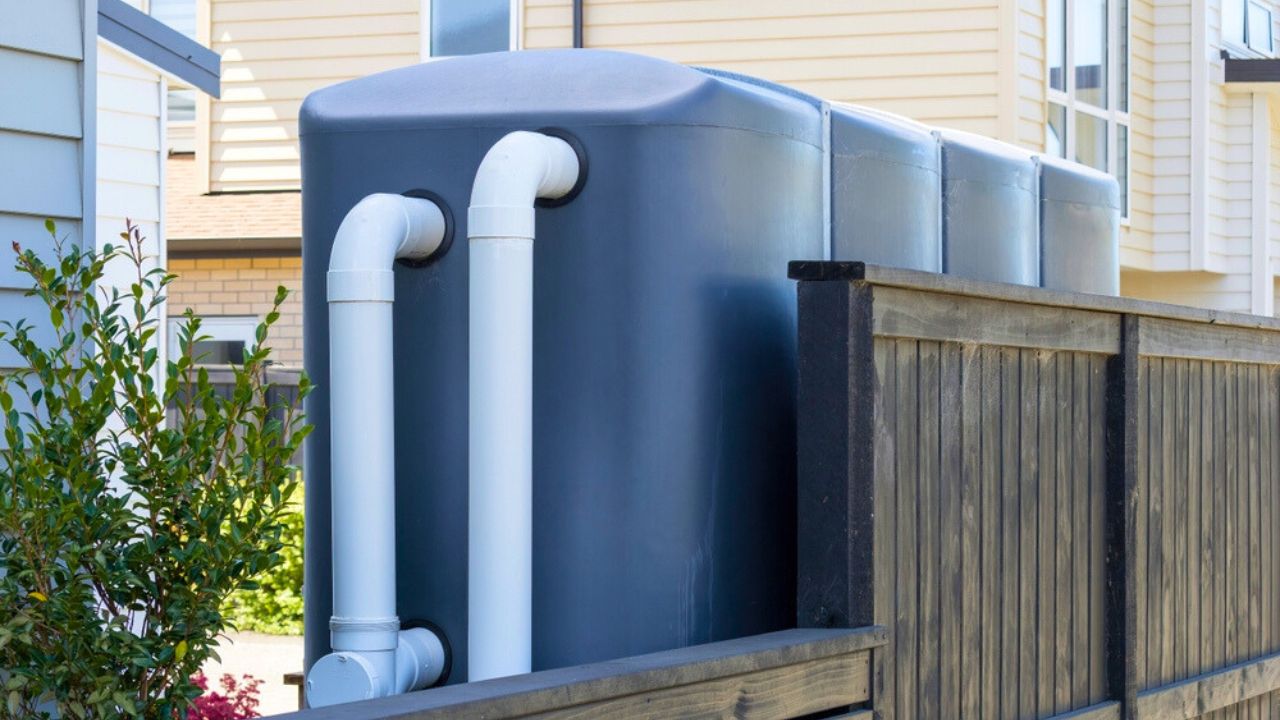
Why Permits Are Needed
Graywater systems must meet health department standards to prevent harmful bacteria from contaminating your yard or neighborhood water supply.
Tips for Compliance
- Use simpler options like washing-machine diversion systems for small-scale irrigation.
15. Food-Producing Aquaponics Systems

Why Permits Are Needed
Large aquaponics systems require permits for water management, electrical safety, and compliance with food production laws. This typically only applies a large commercial operation, not a home tank for personal use.
Tips for Compliance
- Try out a countertop aquaponics setup to test the concept before scaling up.
16. Composting Toilets
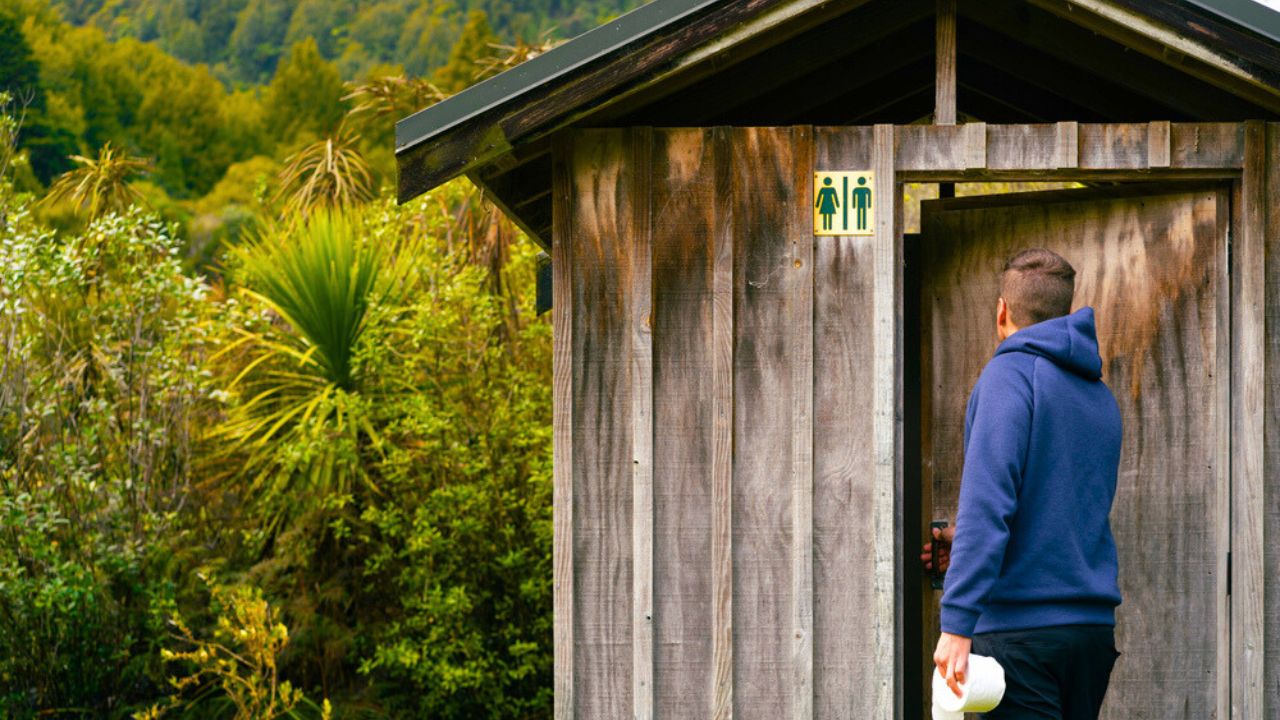
Why Permits Are Needed
These eco-friendly toilets need permits to ensure sanitary waste management and prevent contamination.
Tips for Compliance
- For occasional camping trips, opt for portable chemical toilets instead.
17. Firewood Storage Piles
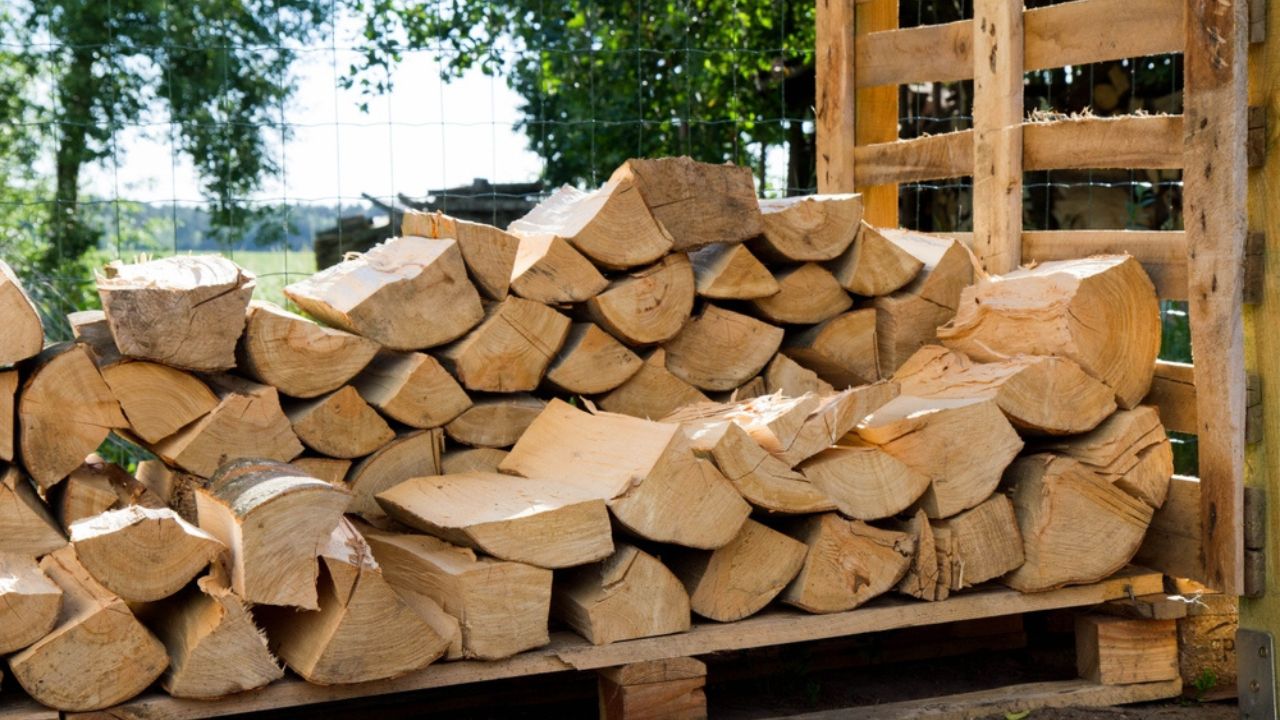
Why Permits Are Needed
Extensive firewood storage may require permits in areas prone to wildfires or with strict pest management rules.
Tips for Compliance
- Keep piles small and at least 30 feet from structures.
- Use a covered firewood rack to protect logs and reduce pest issues.
18. Decorative Ponds with Fish

Why Permits Are Needed
Ponds with koi or other fish may require permits to address water use, filtration systems, and environmental impact. Small setups might be exempt.
Tips for Compliance
- Use small, easy-to-maintain ponds that fall below regulatory thresholds.
- Add floating plants like water lilies to provide natural shade for the fish.
19. Extensive Outdoor Lighting Systems

Why Permits Are Needed
Dark sky ordinances and safety rules regulate large outdoor lighting setups.
Tips for Compliance
- Choose solar lights for pathways and flower beds to limit your environmental footprint and avoid extra permits.
20. Large Temporary Event Tents
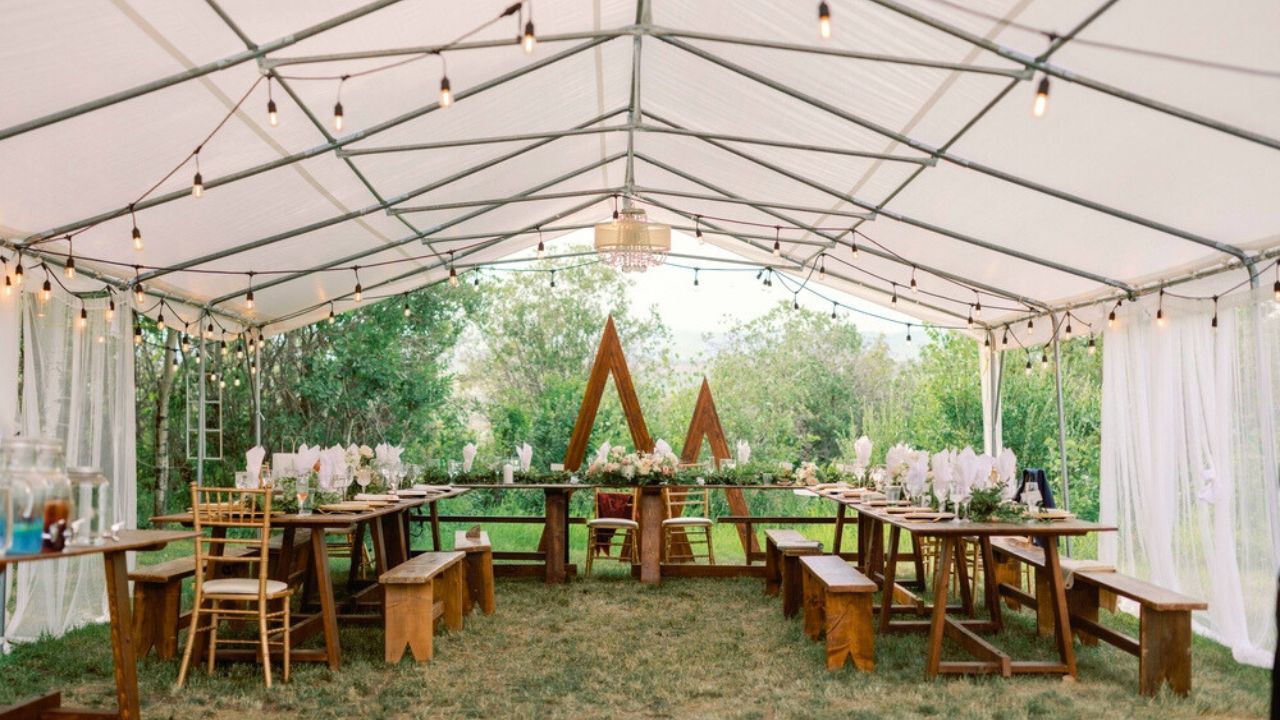
Why Permits Are Needed
Event tents over a specific size require permits to ensure anchoring and fire safety.
Tips for Compliance
- Rent equipment through professional vendors who handle the permitting process for you.
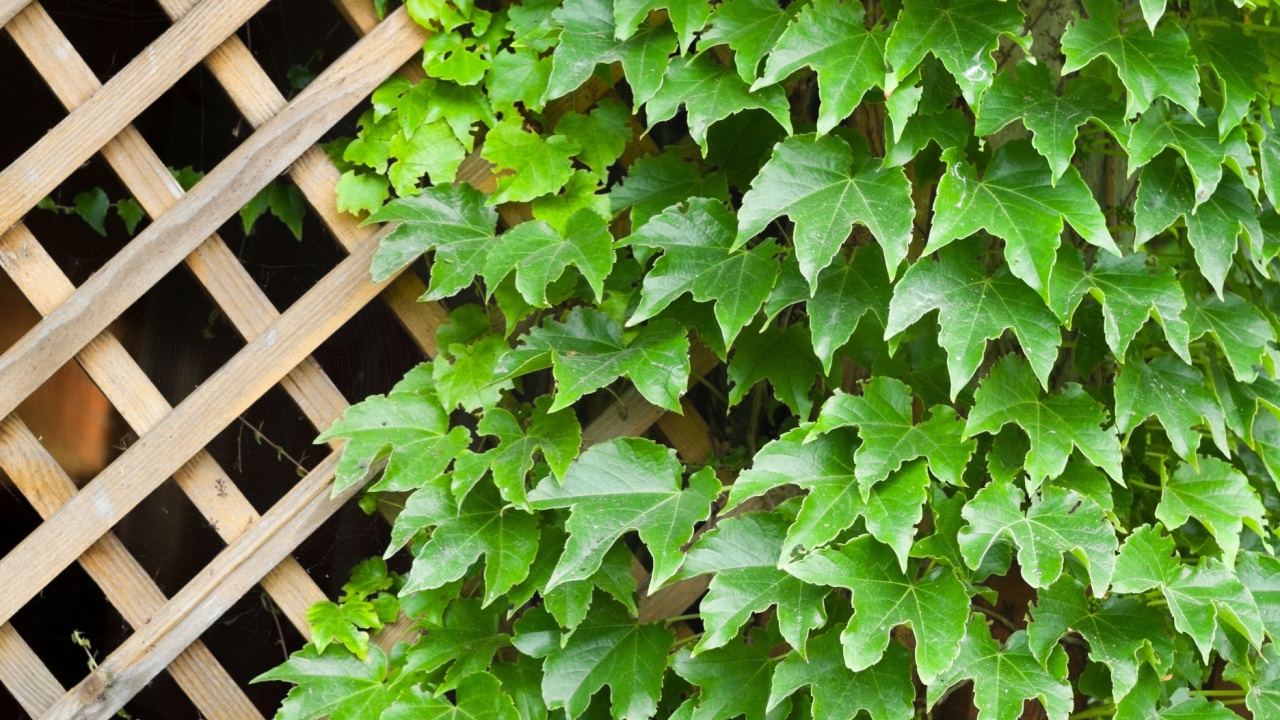
21. Garden Trellises Over 8 Feet
Why Permits Are Needed
Taller trellises may require permits to ensure they’re safely anchored and compliant with zoning codes.
Tips for Compliance
- Opt for shorter, decorative trellises for climbing plants like tomatoes or roses.
- Anchor any taller structures securely and keep them away from property lines to avoid disputes.
Be Thoughtful and Safe with Your Space

Creating your ideal outdoor space within the bounds of local regulations can save headaches and prevent unexpected fines. When in doubt, consult your local zoning office—they’re there to help ensure your space is functional, safe, and beautiful.