10 Options for Keeping a Dog Safely Contained in the Yard
Giving your dog the freedom to enjoy your backyard is one of the great joys of pet ownership. It provides them with a space to play, explore, and get fresh air without the constraints of a leash. However, ensuring their safety within your property lines is a top priority.
A secure yard prevents them from wandering into traffic, encountering aggressive animals, or getting lost.
This guide will explore ten effective methods for keeping your dog safely contained in your yard. We will cover a range of options, from traditional fences to training techniques and creative landscaping solutions.
By understanding the pros and cons of each, you can choose the perfect method for your dog, your property, and your budget, creating a safe and enjoyable outdoor space for your furry family member.
1. Install a Physical Fence
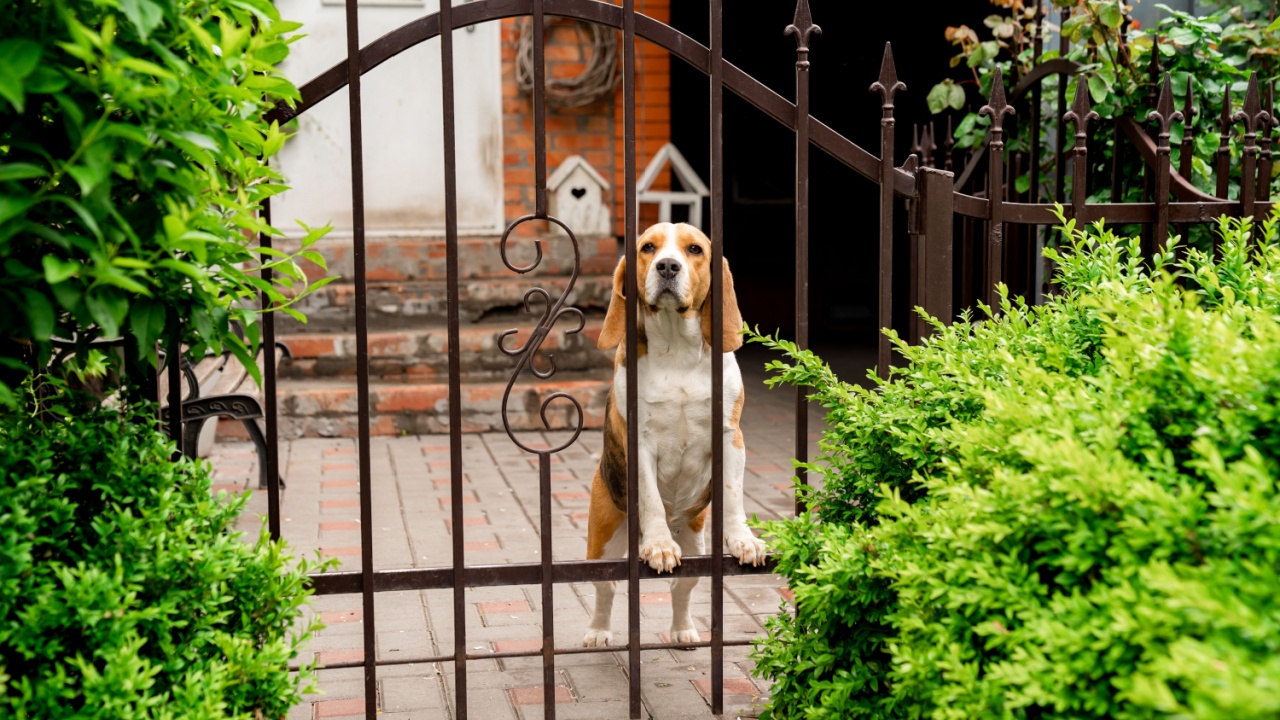
A classic physical fence is often the most reliable way to contain a dog. Fences create a clear, visible barrier that keeps your pet in and potential dangers out. They come in various materials and styles, allowing you to match your home’s aesthetic while meeting your dog’s needs. This is a great option because it offers a permanent, sturdy solution that requires minimal active management once installed. It’s particularly effective for large, energetic dogs or known escape artists. A solid fence can also provide privacy and reduce your dog’s reactivity to passersby, such as other dogs or people.
Next Steps & Care Tips:
- Choose the Right Material: Wood, vinyl, chain-link, and aluminum are popular choices. Consider your climate, budget, and desired maintenance level. Wood requires regular staining or sealing, while vinyl is low-maintenance but can be more expensive upfront.
- Consider the Height: A small, calm dog might only need a 4-foot fence, but a large, athletic breed could easily clear that. A 6-foot fence is a safer bet for jumpers.
- Secure the Bottom: If your dog is a digger, you’ll need to reinforce the base. Burying chicken wire a foot deep along the fenceline or pouring a concrete footer can prevent them from tunneling out.
- Regular Maintenance: Routinely inspect your fence for loose boards, holes, or signs of wear and tear that could become an escape route.
2. Use an Invisible or Electric Fence
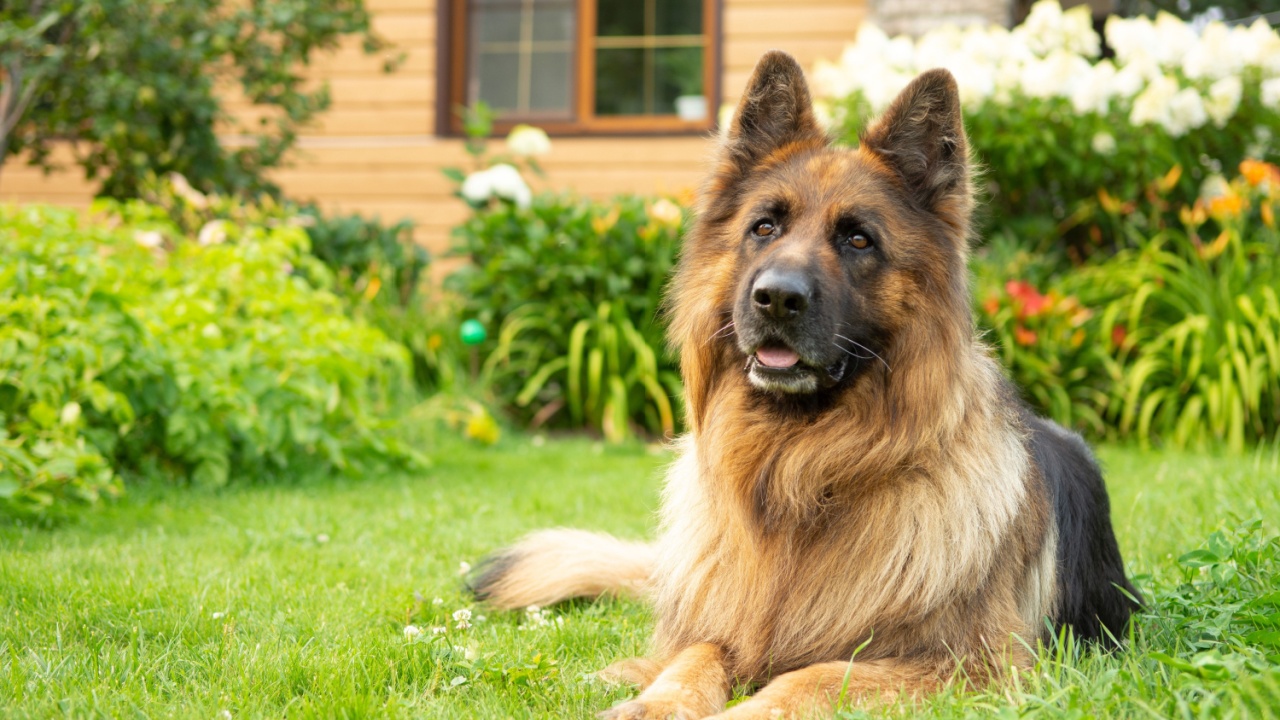
An invisible fence system uses a buried wire to create a perimeter. Your dog wears a special collar that emits a warning sound as they approach the boundary. If they continue, the collar delivers a mild static correction. GPS-based systems are also available, which work without a wire and are great for large properties. This solution is ideal for homeowners who cannot install a physical fence due to HOA rules or aesthetic preferences. It preserves an open view of your landscape and is often more affordable than traditional fencing.
Next Steps & Care Tips:
- Proper Training is Crucial: You cannot simply activate the fence and let your dog figure it out. Follow the manufacturer’s training protocol, which involves using flags to mark the boundary and teaching your dog to retreat when they hear the warning beep, using positive reinforcement.
- Check the Collar: Ensure the collar fits correctly, snug enough to make contact but not so tight that it’s uncomfortable. Check the battery life regularly to ensure the system is always active.
- Understand the Limitations: An invisible fence keeps your dog in, but does not keep other animals or people out. This method is best for supervised playtime in a relatively safe neighborhood.
3. Set Up Tie-Outs, Tethers, or Trolleys

A tie-out system consists of a cable anchored to a fixed point in the ground or a mobile trolley line that runs between two points. Your dog is attached to the cable via a harness, giving them a defined area to roam. Tie-outs are an inexpensive and easy-to-install option for temporary or supervised outdoor time. A trolley system can give your dog a much larger area to run and play in compared to a single-point stake.
Next Steps & Care Tips:
- Always Supervise: Never leave your dog unattended on a tie-out. They can become tangled, which is a serious safety hazard.
- Use a Harness, Not a Collar: Attaching a tether to a collar can cause severe neck injuries if your dog runs to the end of the line. A well-fitting harness distributes the force across the chest and back.
- Inspect the Equipment: Regularly check the cable, stake, and clasps for rust or wear. Ensure the anchor point is secure and cannot be pulled out of the ground.
4. Master Boundary Training
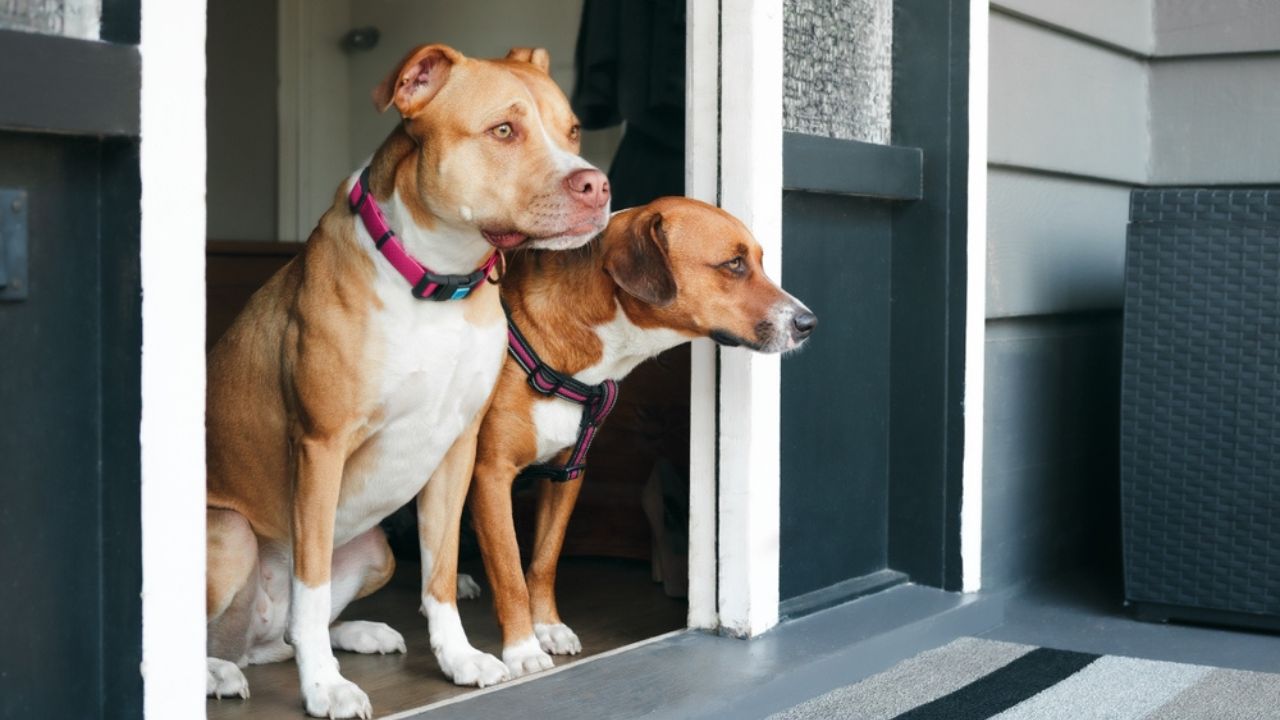
Boundary training is a force-free method that teaches your dog their yard’s limits through positive reinforcement. It involves using visual cues, like flags or a garden hose, and rewarding your dog for staying within the designated area. This is a fantastic option for owners who want to build a strong bond with their dog and prefer training-based solutions. It’s free, relies on trust, and is perfect for well-behaved dogs who are not prone to chasing after squirrels or other distractions.
Next Steps & Care Tips:
- Start on a Leash: Begin by walking your dog on a leash around the perimeter. Reward them with praise and high-value treats whenever they stay inside the boundary.
- Practice Consistently: Dedicate short, frequent training sessions to reinforcing the boundaries. Gradually increase the distance between you and your dog, eventually practicing while you are outside the boundary and they are inside.
- Use as a Supervised Solution: Even a well-trained dog can be tempted by a passing cat or a friendly neighbor. Do not rely on boundary training alone for unsupervised yard time.
5. Utilize a Long Line

A long line is essentially a very long leash, often 20 to 50 feet, that you hold while your dog explores the yard. It gives them a sense of freedom while ensuring you maintain control. This is a simple, low-cost tool that is excellent for training, exercise, and supervised playtime. It’s especially useful when you’re first introducing a new dog to your yard or practicing recall commands in a large, unfenced space.
Next Steps & Care Tips:
- Stay Alert: Pay attention to where your dog is going to prevent the line from getting tangled around trees, patio furniture, or yourself.
- Wear Gloves: A long line can cause rope burn if a dog takes off suddenly. Wearing a pair of gardening gloves can protect your hands.
- Choose the Right Material: Biothane or nylon lines are durable and easy to clean. Avoid heavy ropes that could weigh your dog down.
6. Build a DIY Fence
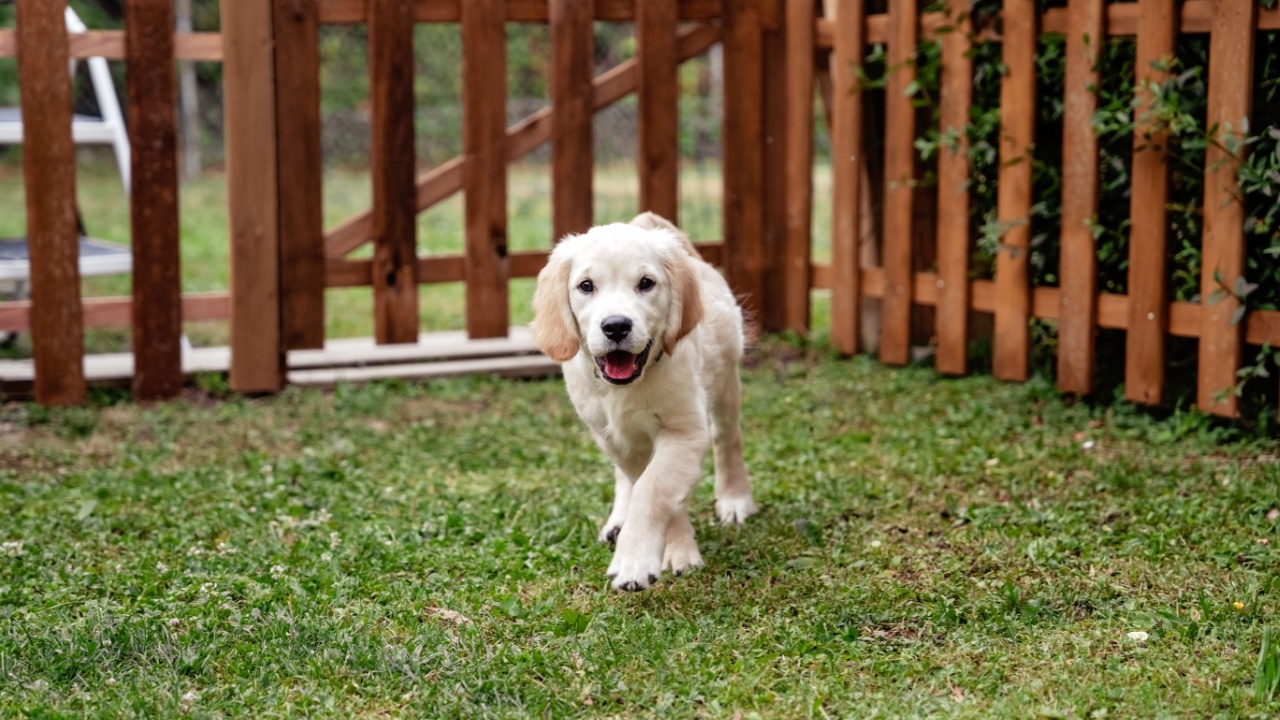
If a professionally installed fence is out of your budget, a DIY fence can be a cost-effective alternative. Options range from simple wire or mesh fencing attached to t-posts to more elaborate designs using pallets or reclaimed wood. Building your own fence allows you to customize it to your exact needs and save a significant amount of money. It’s a rewarding project for any handy homeowner looking to secure their yard on a budget.
Next Steps & Care Tips:
- Choose a Realistic Plan: Assess your skills and the tools you have available. Simple designs, like a welded wire fence with metal posts, are easier for beginners than complex wood fences.
- Prioritize Safety and Durability: Use materials that are strong enough to contain your dog and free of sharp edges. Ensure posts are set deep enough in the ground to be sturdy.
- Check Local Regulations: Before you start building, check with your city or HOA for any rules regarding fence height, materials, or placement.
7. Plant Hedges or Natural Barriers
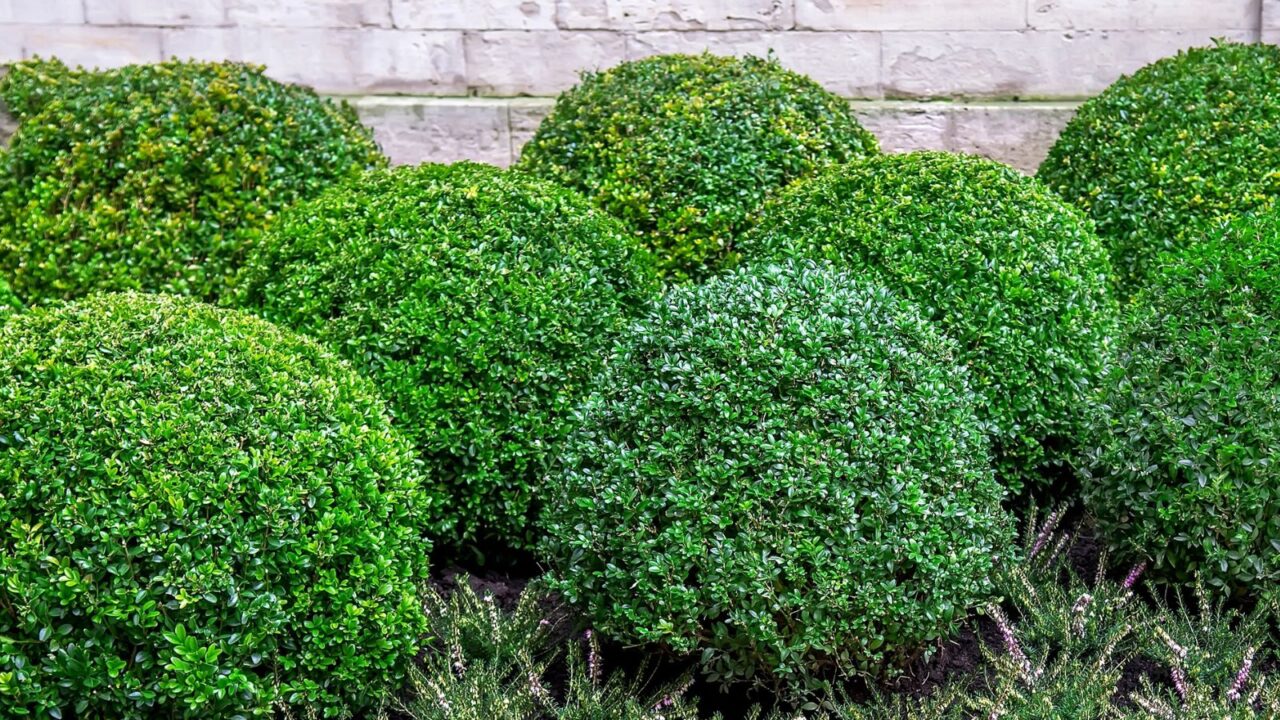
For a beautiful and functional boundary, consider planting dense hedges or shrubs. Plants like Boxwood, Arborvitae, or Privet can be grown into a thick, living wall that most dogs will not try to push through. This is an excellent choice for garden lovers who want a solution that enhances their landscape’s natural beauty. It’s an eco-friendly option that can also add privacy and reduce noise.
Next Steps & Care Tips:
- Choose Dog-Safe Plants: Before you buy, confirm that your chosen plants are not toxic to dogs. Avoid plants like Yew, Holly, or Oleander.
- Be Patient: A natural fence takes time to grow and fill in. You may need to use temporary fencing in the meantime.
- Maintain Your Hedge: Regular pruning will encourage dense growth and keep your living fence healthy and strong. Ensure there are no gaps near the bottom where a small dog could squeeze through.
8. Create Dog-Friendly Landscaping Zones
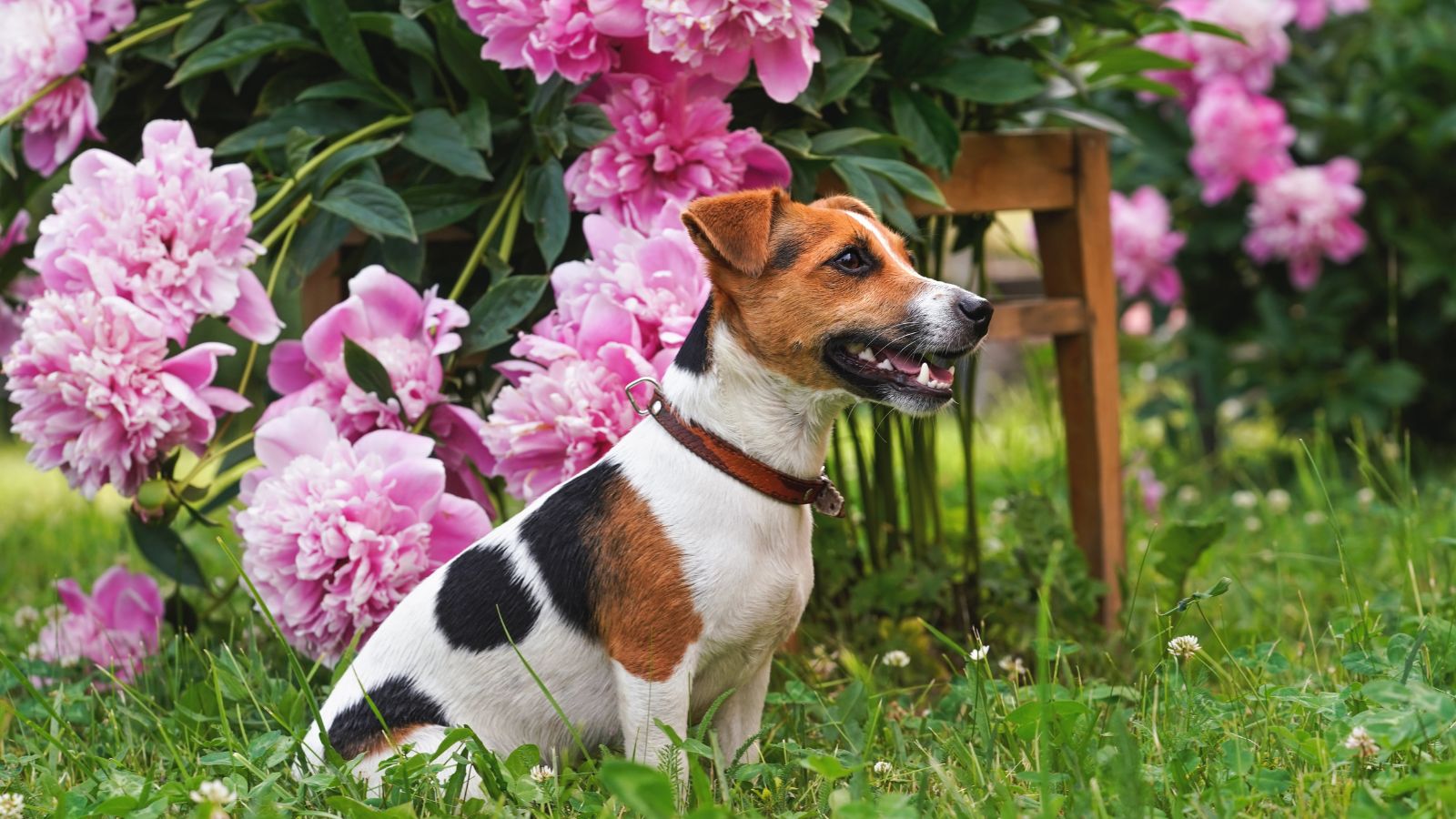
Instead of fencing the entire yard, you can use strategic landscaping to create designated “dog zones.” Use raised garden beds, decorative rocks, or low-lying landscape fencing to subtly guide your dog away from delicate flower beds or property lines. This method works well for calm, well-behaved dogs who respect visual boundaries. It integrates seamlessly into your garden design and allows you to protect certain areas without installing a full perimeter fence.
Next Steps & Care Tips:
- Use Clear Visual Cues: Create distinct paths with mulch or pavers and use low borders around “no-go” zones.
- Provide an Attractive Alternative: Make the dog’s designated area extra appealing with their favorite toys, a shady spot to rest, and perhaps even a small sandbox for digging.
- Combine with Training: Use boundary training techniques to teach your dog which parts of the yard are for them and which are off-limits.
9. Assemble an Outdoor Dog Kennel or Run
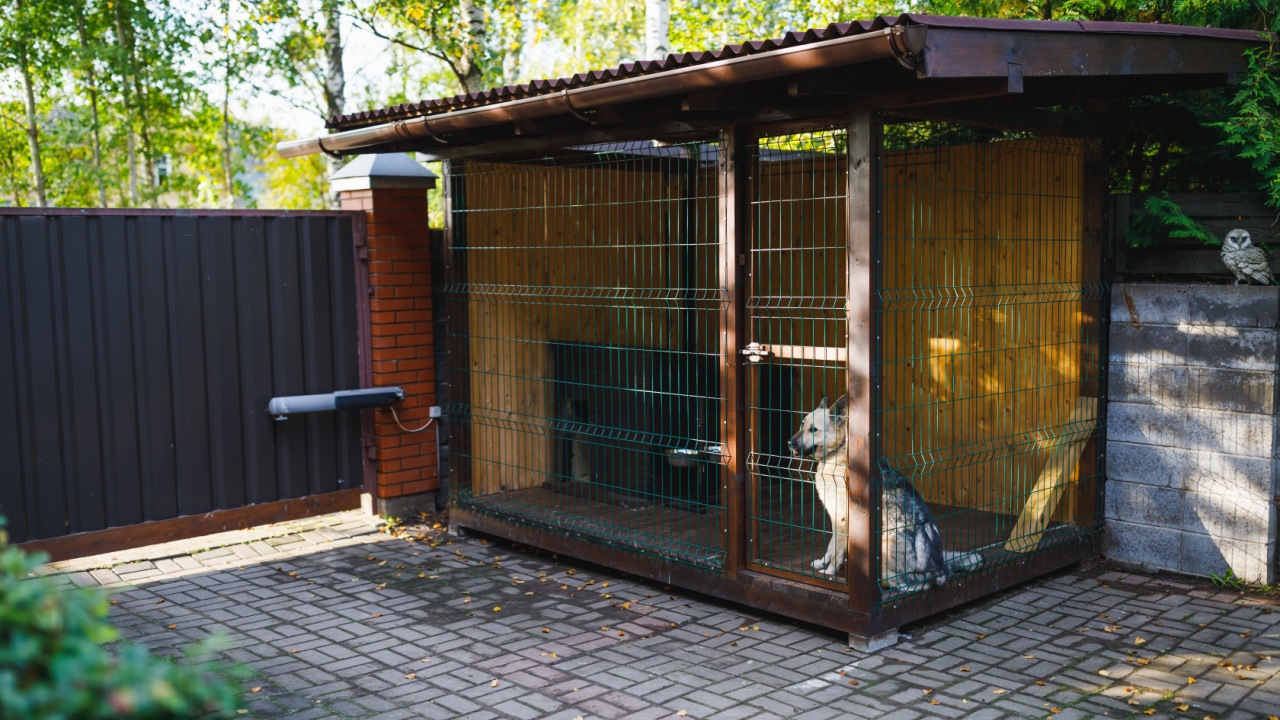
An outdoor dog kennel or run provides a secure, enclosed space for your dog without fencing your entire yard. These are typically made of chain-link or welded wire panels and can be set up on a patio, lawn, or concrete slab. This is a great option if you need a highly secure area for unsupervised outdoor time but can’t fence the whole property. It’s also a good solution for dogs who are prone to digging or climbing.
Next Steps & Care Tips:
- Provide a Proper Surface: Place the kennel on a surface that’s easy to clean and comfortable for your dog’s paws, like pavers or artificial turf. Avoid leaving it on bare dirt, which can turn to mud.
- Ensure Shade and Water: The kennel must have protection from the sun and elements. A roof or tarp cover is essential, as is constant access to fresh water.
- Don’t Use it as a Permanent Home: A kennel is for temporary, safe confinement. Your dog still needs plenty of time outside the run to exercise, play, and interact with you.
10. Install Modular Fencing
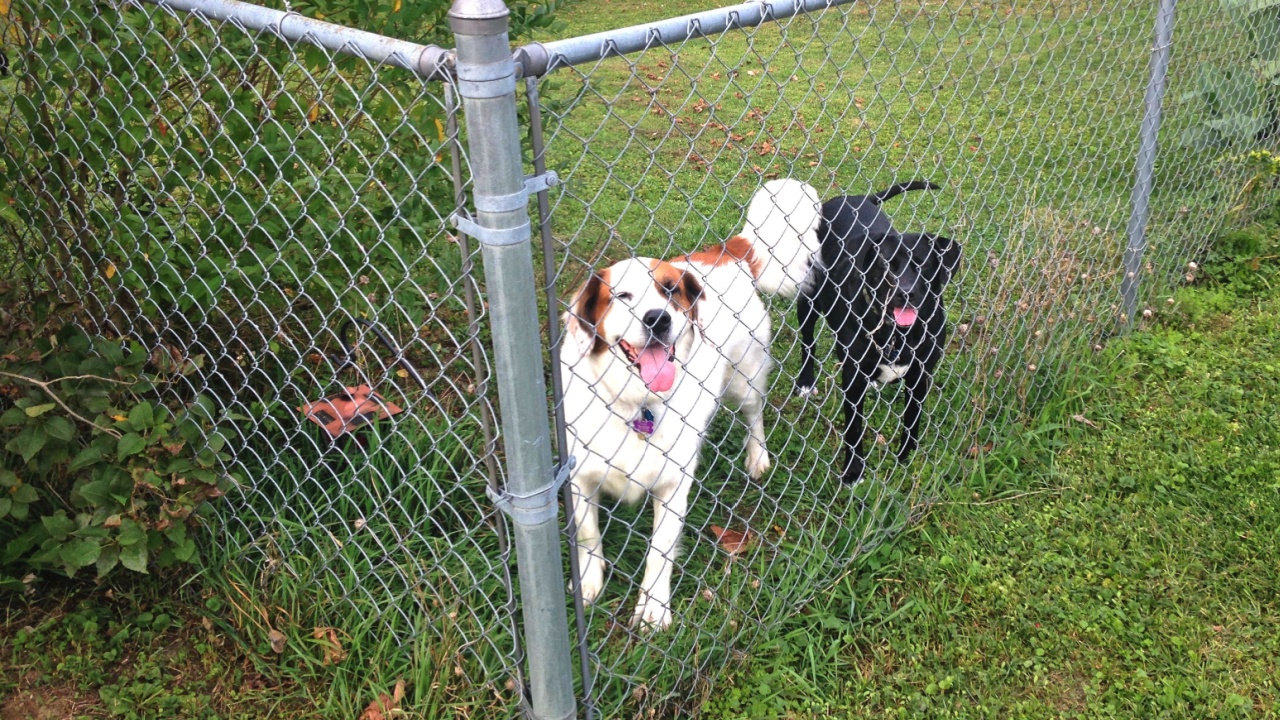
Modular or temporary fencing consists of interlocking panels that can be configured in various shapes and sizes. It’s less permanent than a traditional fence but more substantial than an exercise pen. This is a versatile solution that’s perfect for renters, people who need a temporary enclosure, or for sectioning off a part of a larger yard. The panels can be easily moved and reassembled as your needs change.
Next Steps & Care Tips:
- Secure the Panels: Ensure all panels are firmly connected and that the entire structure is stable. For larger dogs, you may need to stake the panels to the ground for added security.
- Check for Gaps: Make sure there are no gaps between panels or underneath the fence where your dog could escape.
- Choose Appropriate Height: Just like with a permanent fence, select a panel height that your dog cannot easily jump over.
Building a Safer Yard for Your Furry Friend
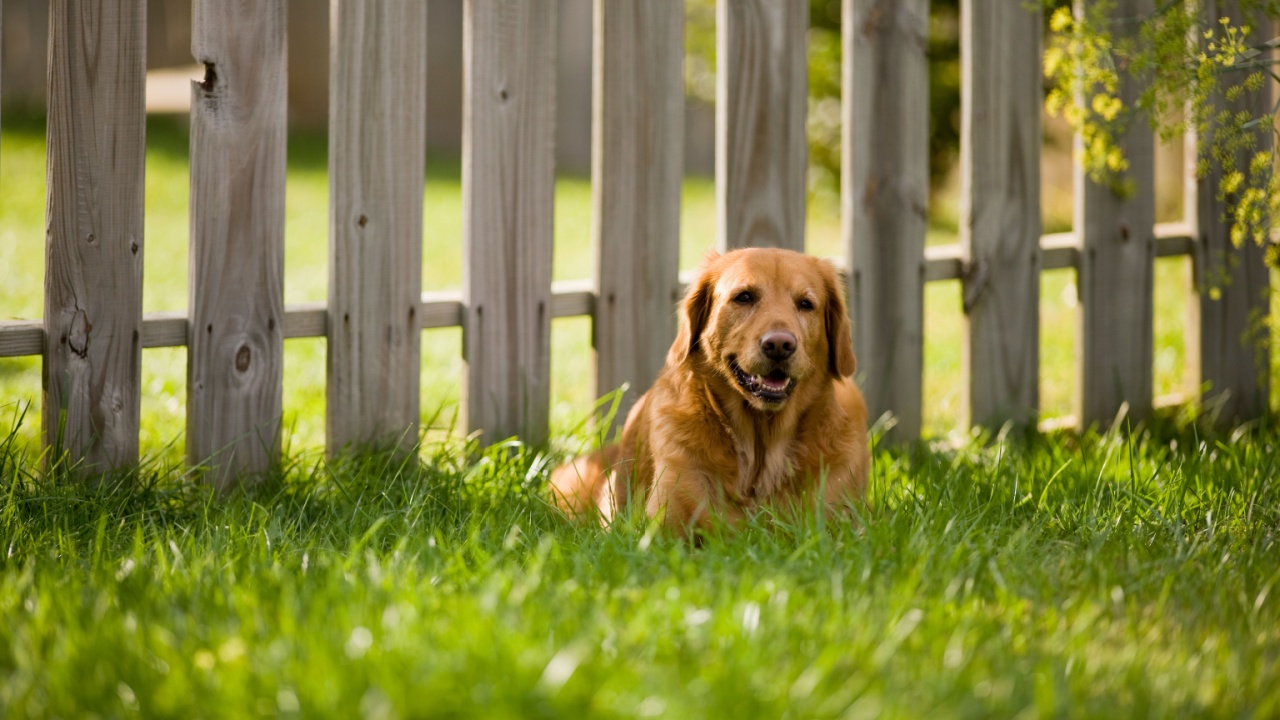
Keeping your dog safely in your yard gives both of you peace of mind. To choose the best method, start by evaluating your dog’s size, temperament, and energy level. An escape artist will need a more secure solution than a calm senior dog. Next, consider your property’s layout, your budget, and any local restrictions.
You might even find that a combination of methods like boundary training paired with dog-friendly landscaping is the perfect fit. By taking thoughtful action now, you can create a beautiful and secure backyard oasis for you and your best friend to enjoy for years to come.
Read more:
10 Emotions Your Dog is Dealing with After a Big Move
13 Common Garden Plants to Never Grow If You Have a Dog or Cat