13 Home Renovations That Make Selling It Feel Impossible
There’s something satisfying about fixing up your home, whether it’s just a small change or an extensive renovation project. A fresh coat of paint, new cabinets, or trendy appliances make it feel like a new place.
But if you plan to sell soon, beware: not all upgrades were created equal. Some renovations might make you love the aesthetic of your house more, but they won’t impress potential buyers… at all.
In the world of home improvement, adding value is the name of the game (if you’re planning to sell in the near future, that is). Sure, some projects are essential, like fixing structural problems. But if you’re focused on maximizing your return on investment (ROI), knowing which projects will likely leave you with empty pockets is crucial.
Let’s expose 13 “upgrades” that could backfire when it’s time to sell and explore where you should spend your renovation dollars instead. We based our advice on advice from the home experts (such as Zillow and Home Light), and buyers, after all, what is selling is something that speaks louder than any piece of insight.
1. Overly Personalized Décor – Your Taste Isn’t Universal
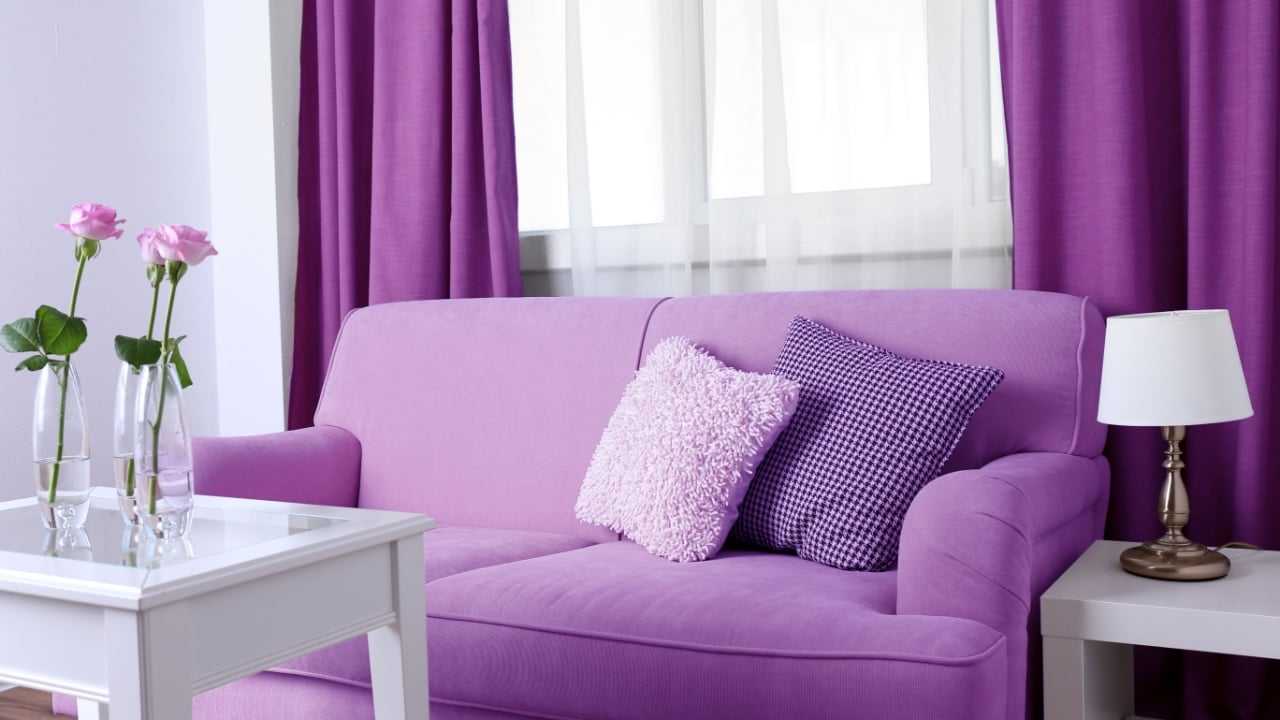
Bold wallpaper showcasing your favorite sports team’s logo, that bright purple accent wall…it might spark joy for you, but it’s a potential turn-off for buyers. Neutral, broad appeal is key when considering resale value. You want potential buyers to envision themselves in the space, not be overwhelmed by your quirky tastes.
Focus on creating a clean, blank canvas. Fresh, neutral paint throughout instantly makes the home feel brighter and more spacious. This allows buyers to visualize the space with their own furniture and belongings.
2. Removing Closets for a Bigger Room
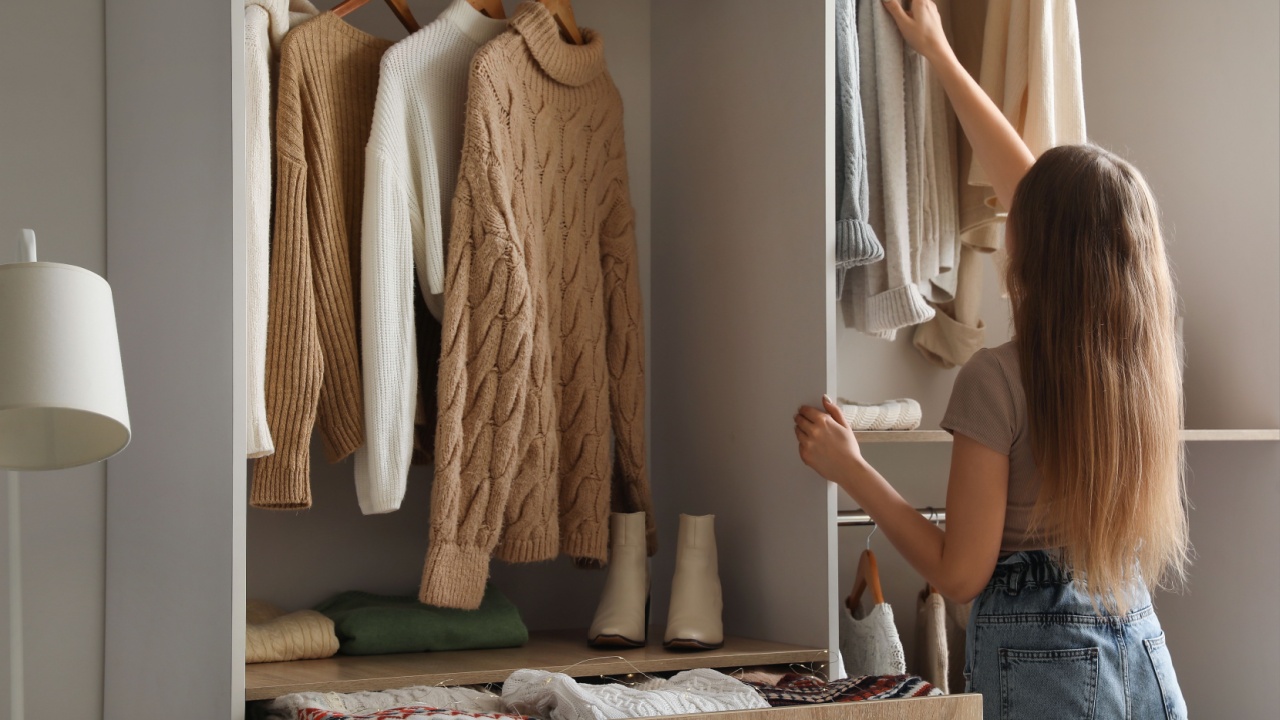
Many older homes have small closets, and it’s tempting to knock one out to enlarge a bedroom. However, this is rarely a wise move. Storage is incredibly important to buyers. Even a modest walk-in closet adds far more value and functionality to a room, and the lack of storage space will become a major red flag come appraisal time.
If you absolutely must gain space, explore creative storage solutions over sacrificing the closet entirely. Built-in shelving, furniture with hidden compartments, and clever under-bed storage can work wonders, improving the room’s functionality.
3. Converting the Garage Into Living Space
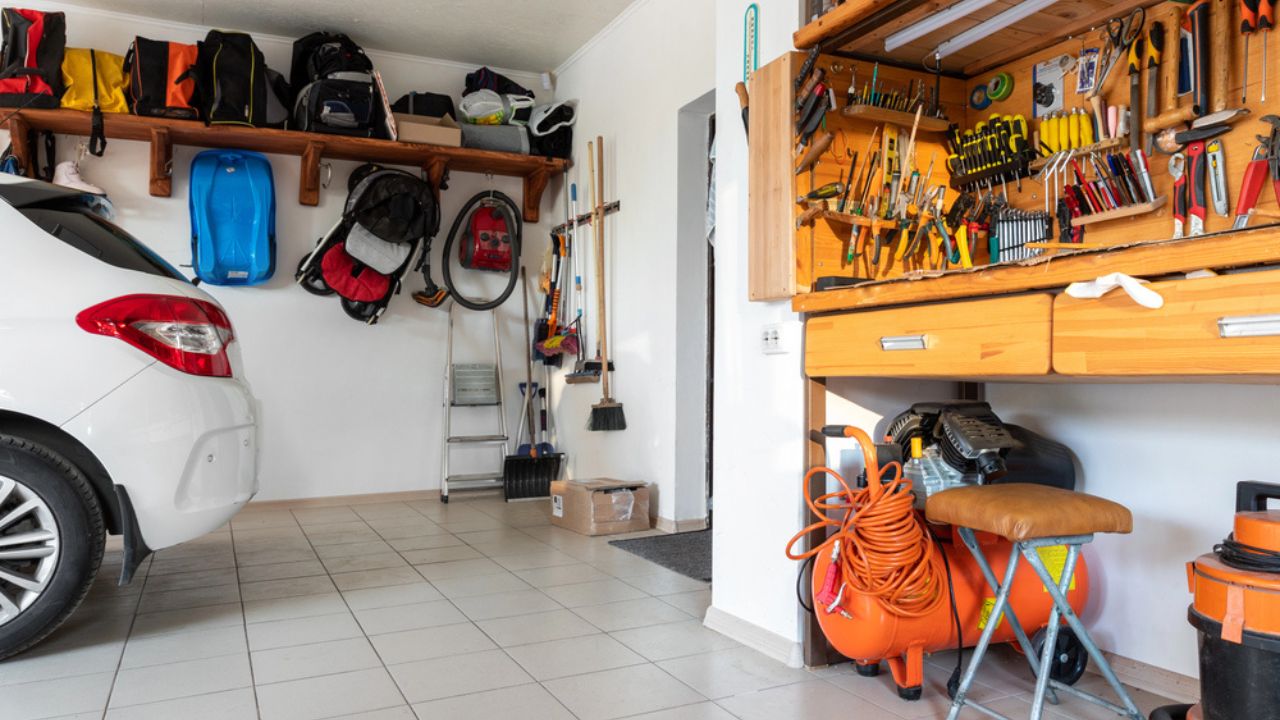
Yes, adding square footage sounds appealing on paper, but in most areas, losing a garage significantly devalues homes. Buyers value covered parking and extra storage space. Plus, conversions are notoriously tricky to get permitted properly, which could lead to major headaches down the line for potential buyers.
Enhancing your garage rather than eliminating it can still add value. Simple upgrades like fresh paint, epoxy flooring, or built-in storage systems make it more functional, appealing to buyers, even if it remains used as a traditional garage.
4. Luxury Finishes That Don’t Match the Neighborhood
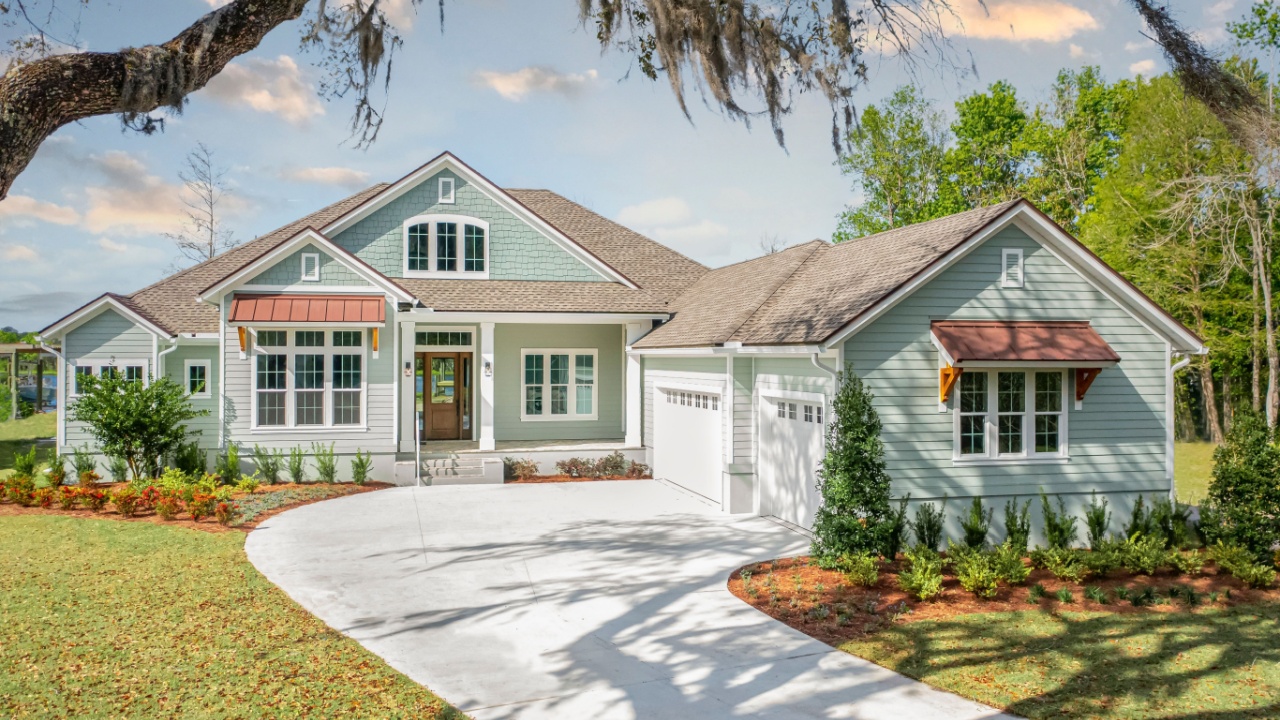
Installing gold-plated faucets and marble floors in a modest neighborhood creates a major mismatch. Potential buyers in that area aren’t looking for high-end finishes, and most likely won’t pay a premium simply because you installed them. Overly luxurious upgrades in a less affluent area can also make the rest of the home feel shabby by comparison.
Focus on quality within the context of the neighborhood. Updated finishes that elevate the feel of the home without going wildly beyond the neighborhood norms will still provide a return on investment by making it more competitive with similar homes in the area.
5. Elaborate Landscaping That’s Fussy to Maintain
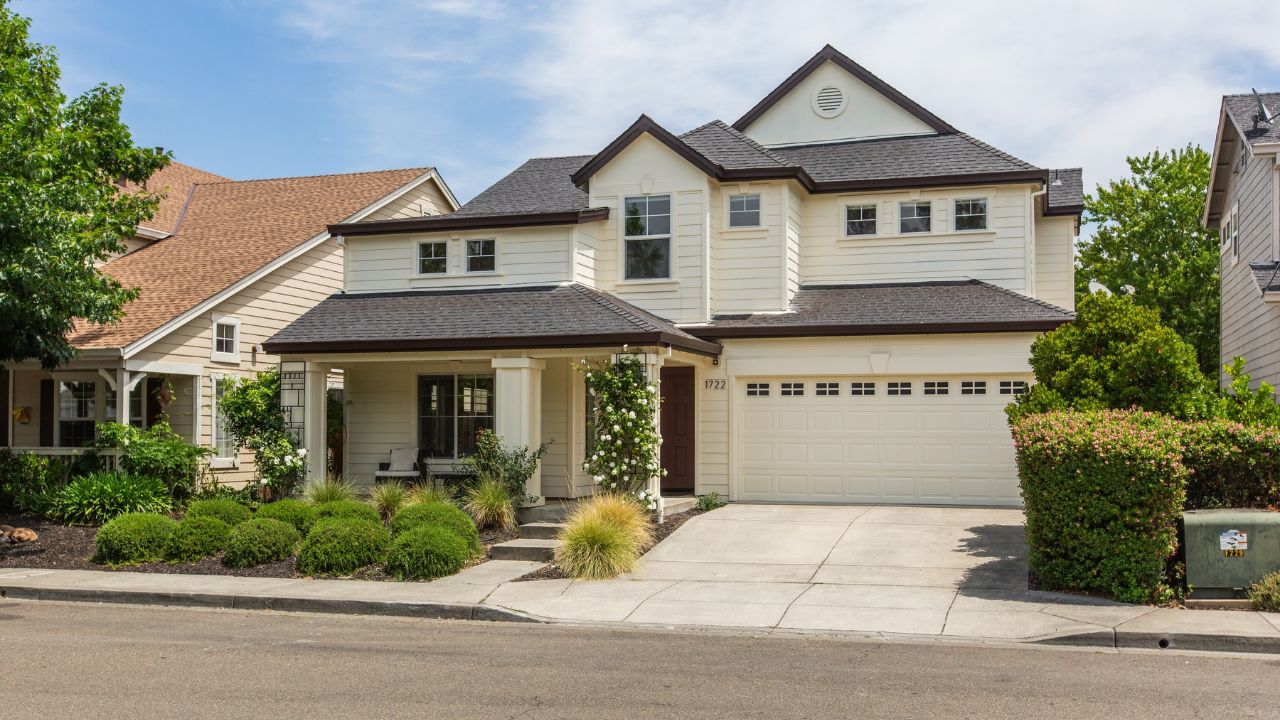
Yes, curb appeal matters, but manicured formal gardens or koi ponds require constant upkeep. Most buyers want something attractive but low maintenance. Overly elaborate or unusual landscaping can make them worry about the time and cost commitment involved.
Choose low-maintenance, drought-resistant plants native to your region. A neatly mulched bed with pops of color creates visual interest without the constant upkeep. Consider hardscaping elements like a stone path or a small seating area to add dimension.
6. Highly Specialized Rooms
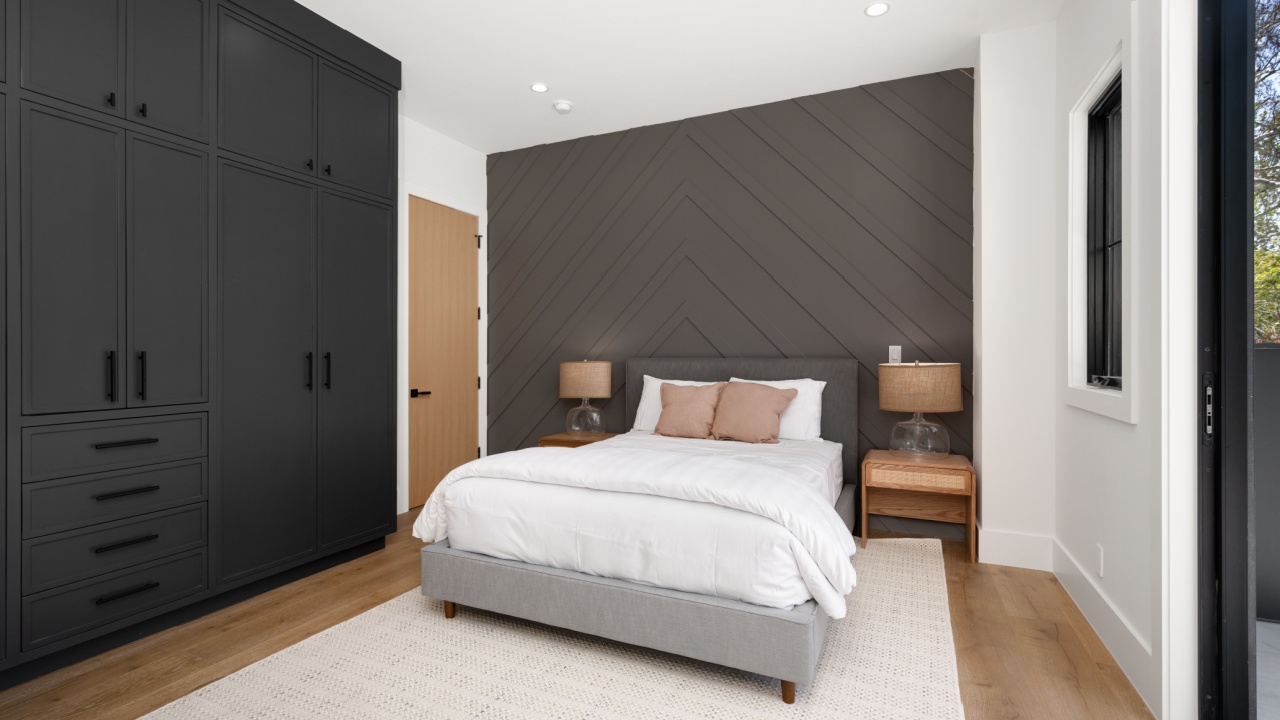
That home theater with stadium seating or a dedicated craft room with extensive built-ins might be your dream, but it significantly limits the home’s appeal. Buyers want flexible spaces that they can adapt to their own needs. Converting a bedroom into something highly specialized hurts resale value.
Maintain the potential for multi-use rooms. If you enjoy activities requiring specialty setups, look for ways to create that functionality less permanently. For example, a portable projector and screen for movie nights can turn any room into a temporary theater.
7. Combining Bedrooms to Create Massive Suites

The giant primary suite trend is tempting, but most buyers prioritize the total bedroom count over any one specific room being oversized. Sacrificing a bedroom for a larger suite can make your home less desirable, especially for families with children.
Sometimes a bit of reconfiguration is wiser than outright combining bedrooms. “Borrowing” square footage for a larger closet or more spacious en-suite bathroom attached to the current primary bedroom often adds more value than creating a mega-suite.
8. Wallpaper (Especially Hard-to-Remove Ones)
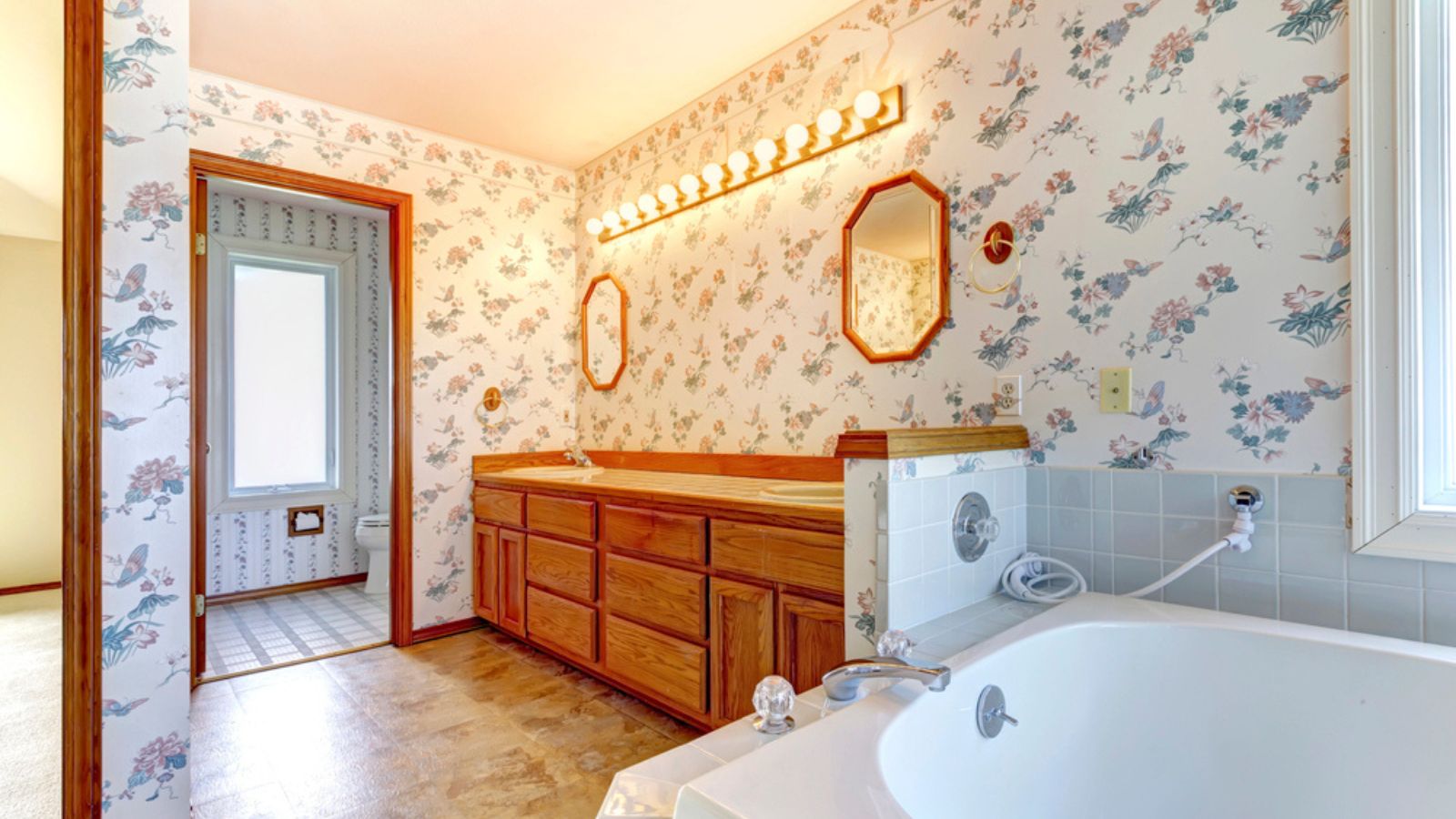
Wallpaper has made a bit of a comeback, but think very carefully before committing. Bold patterns and textured papers that are notoriously difficult to remove will make buyers cringe, thinking about the labor involved. When in doubt, fresh, neutral paint is always a safe and cost-effective bet.
If you must use wallpaper, choose removable varieties or consider using it as an accent in a powder room rather than throughout large living spaces. This minimizes buyer worry about removal in the future.
9. Smart Home Overload

While smart features can be a selling point, going overboard can backfire. Buyers get wary of tech that’s overly complex, unfamiliar, or might soon become outdated. Prioritize a few key smart features (like doorbell cameras, a smart thermostat, or voice-controlled lighting) over wiring every light switch and faucet in the house.
Choose a widely used smart home tech with a reputation for easy integration. Focus on features that offer genuine convenience or energy-saving benefits – those are easier for buyers to justify.
10. Wall-to-Wall Carpeting
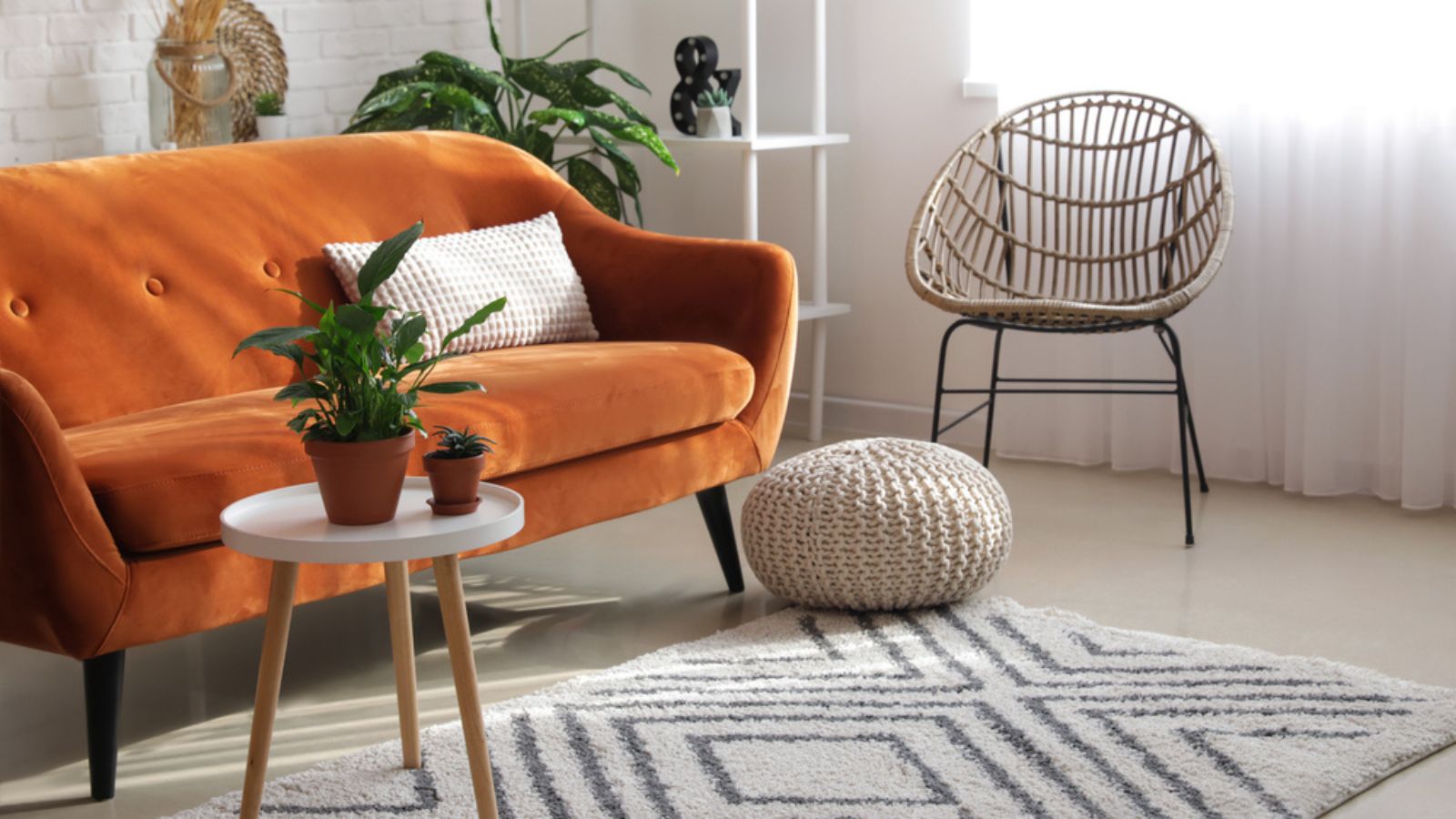
Carpet trends change quickly, and even if brand new, it can look dated or off-putting to buyers depending on its style. Hardwood floors (or refinishing what’s underneath old carpet) offer broader appeal and are easier for buyers to envision with their own rugs and décor.
Consider hardwood or luxury vinyl plank (LVP) for main living areas. They are durable, stylish, and in high demand. For bedrooms, buyers often want carpet for comfort, so if replacing it, choose a neutral color and mid-range pile that appeals to the widest array of tastes.
11. Invisible Improvements

Yes, a new HVAC system or roof is vital, but it offers little ‘wow’ factor to buyers. While necessary for the home’s function, don’t expect these big-ticket necessities to boost your asking price significantly. They’re considered part of basic home maintenance rather than exciting upgrades.
While you won’t get a dollar-for-dollar return on these behind-the-scenes improvements, keeping up with them is crucial. Buyers will have a home inspected, and neglected systems or a roof near the end-of-life create bargaining power for them, decreasing your profit.
12. Converting to an “Open Concept” at All Costs

Open layouts are popular, but knocking down walls willy-nilly isn’t always a win. Some buyers value defined spaces, and homes that lose distinct living or dining rooms due to overzealous renovations may feel less functional to them.
Open up sightlines and create a flow between rooms while retaining some architectural definition. Instead of removing an entire wall, consider widening doorways, adding archways, or creating pass-throughs for a less drastic yet effective update.
13. Ultra-Trendy Choices That Could Date Quickly

That accent wall in the ‘it’ color of the moment, those chevron-patterned floors—they might be hot on Pinterest now, but buyers worry about things looking outdated and unappealing far too quickly. Timeless choices offer broader appeal when it’s time to sell.
If you love trends, incorporate them in less permanent ways. Trendy throw pillows, artwork, or furniture can be easily swapped out, keeping the ‘bones’ of your home classic and neutral.
Read more:
10 Home Renovations That People Always Regret
Homeowners Plan to Spend More on Renovations in 2026, Despite Rising Costs