New Home, New Regrets? 14 Reasons Buyer’s Remorse is All Too Real
You’ve finally done it. You’ve signed the papers, grabbed the keys, and are standing in the doorway of your new home. Buying a house is a huge milestone, often the biggest purchase you’ll ever make. You’ve spent months hunting, dreaming of backyard barbecues, and picking out paint colors.
But then, the novelty wears off. The moving boxes are gone, the first mortgage payment hits, and that new house smell starts to fade. You’re no longer just a homeowner, but also the property manager, landscaper, and financier.
If you start feeling a knot of “what did I just do?” in your stomach, you’re not alone. A surprising number of buyers feel some regret after the initial excitement wears off. It’s usually not the house itself but the unexpected realities, surprise repairs, a longer-than-expected commute, or the sheer weight of the mortgage.
Here are the 14 most common reasons homeowners experience buyer’s remorse. By breaking down these stressors, we can help you recognize the pitfalls before you sign on the dotted line.
1. Underestimating Maintenance Costs

Many buyers get so focused on the mortgage that they forget to budget for repairs. And that’s a big mistake. A home needs constant upkeep, from lawn care to fixing the HVAC system. These costs add up.
The real shocker? When something big and unexpected breaks, like the water heater in winter or the roof during a storm. These surprise bills can wreck your budget and lead to serious regret.
A good rule of thumb is to set aside 1-4% of your home’s purchase price each year for maintenance. So, for a $400,000 house, that’s $4,000 a year. Having a home repair emergency fund can turn a crisis into a simple inconvenience.
2. Buying a Home That is Too Small
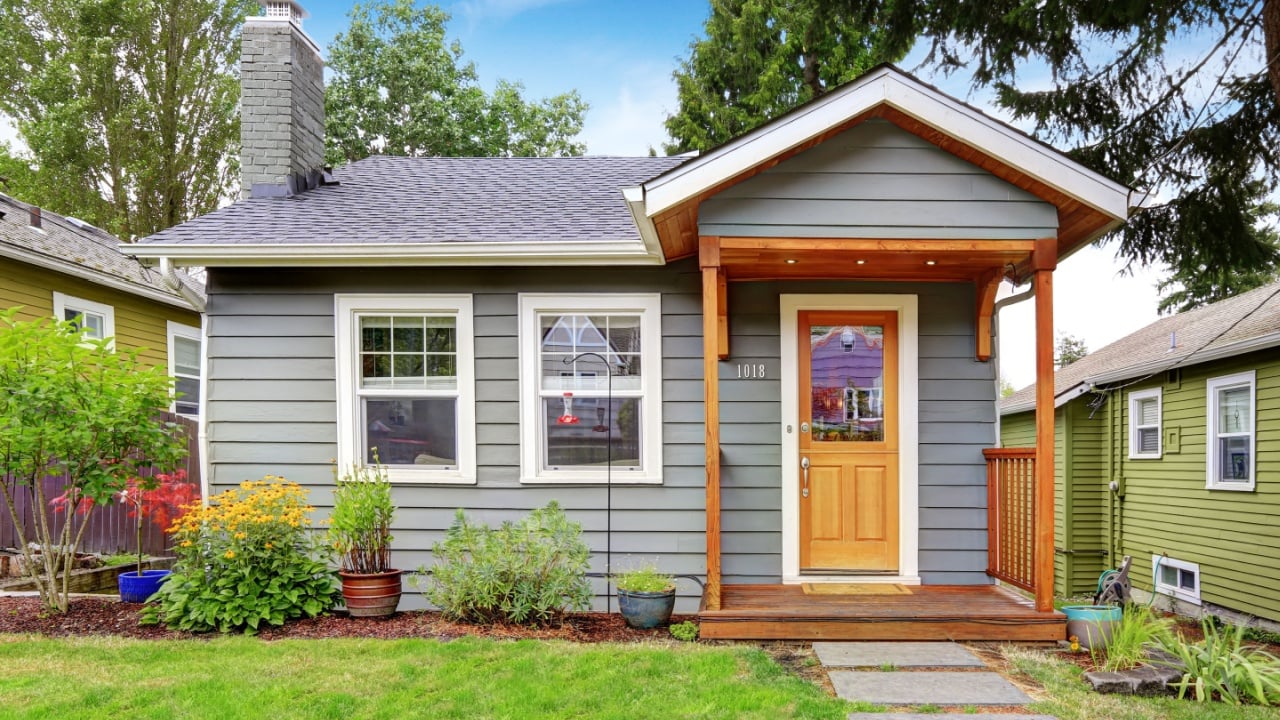
To save a buck or get into a great neighborhood, it’s tempting to buy a smaller house. You might think, “We can make it work!” with some smart decluttering and maybe a minimalist mindset.
But that small space can start to feel really cramped, really fast. It’s a daily headache, especially if your family gets bigger, you start working from home, or you need room for your hobbies. Without enough storage, your home becomes a cluttered, disorganized mess, and it just isn’t comfortable.
The fix? Think about your life five to seven years down the road before you buy. Be realistic about how much space you’ll actually need. A little planning now can save you the massive expense and stress of having to move again in just a couple of years.
3. Disliking the Neighborhood

Your dream house might tick all the boxes, but if the neighborhood isn’t right, you won’t be happy. It’s easy to get caught up in the excitement of buying and forget to really check out the area.
After you move in, you might discover things you can’t ignore, like noisy neighbors, no sidewalks for your daily walks, crazy traffic, or a crime rate that makes you uneasy. A neighborhood that isn’t friendly can make you feel isolated and miserable.
To avoid this, spend some real time there before you buy. Visit on different days and at different times. A drive through on a Friday night will tell you a lot about noise and parking. Hang out at a local park or coffee shop to get a feel for the people and the overall vibe.
4. Misjudging the Commute

Thinking you’ve found a bigger, cheaper house farther from the city? It’s tempting to think a long commute is worth it for a huge backyard.
But that daily grind can be a real killer. Two hours in traffic every day drains your energy, eats into your free time, and messes with your work-life balance. Plus, all the money you spend on gas, car repairs, and tolls can wipe out what you thought you were saving on the house.
Before you make a move, try driving the commute during rush hour. See what it’s really like. Do the math on how much that drive will cost you in gas and car maintenance. Then you’ll know if that bigger house is truly worth it.
5. Settling for a Bad Layout
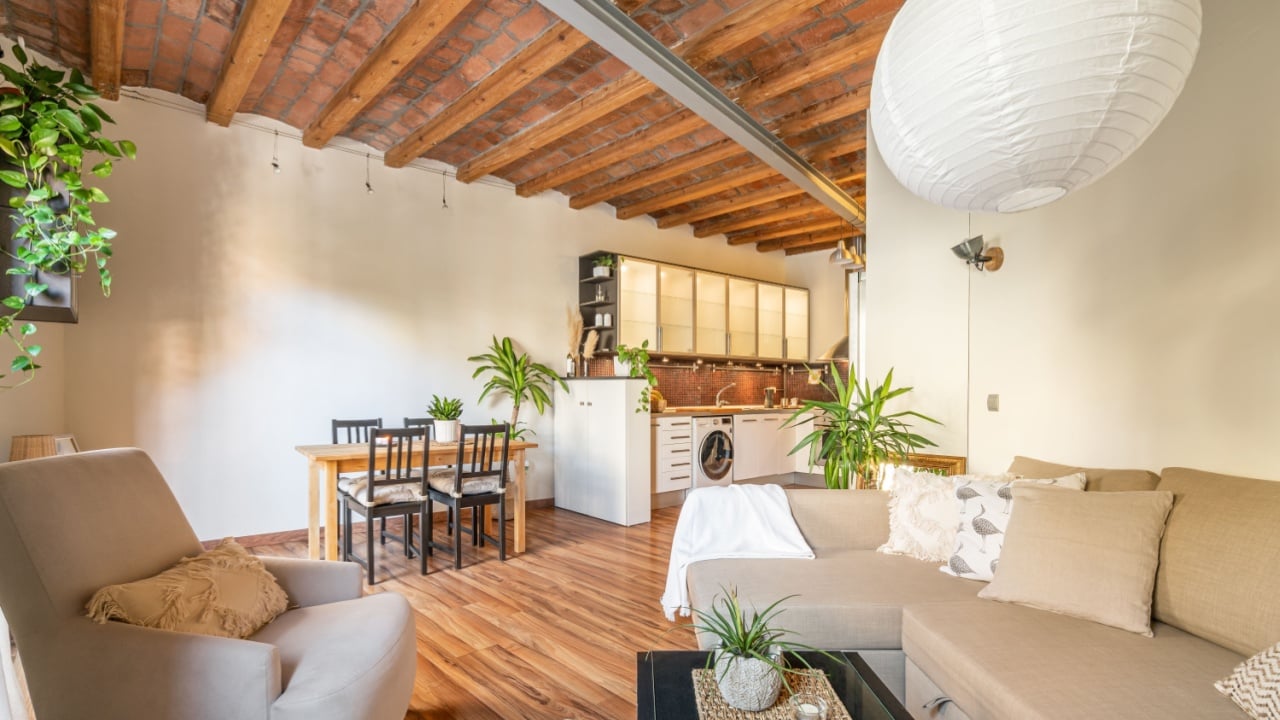
It’s easy to fall in love with a home’s fancy finishes, great location, or amazing view and ignore an awkward floor plan. You might think you can get used to a weird layout or one that doesn’t quite fit your life.
But a bad layout can make daily life a pain. Imagine the kitchen being miles from the dining room, the only bathroom being on a different floor from the bedrooms, or having no natural light where you spend most of your time. Simple tasks become a chore, and even arranging furniture can be a headache.
Before you make an offer, do a mental walkthrough of your daily routine. Think about everything from bringing in groceries to getting ready in the morning. A functional floor plan that works for you is way more important than cosmetic touches and will save you a lot of money and frustration down the road.
6. Overpaying for the Property

Bidding wars in a hot market can drive prices way up. It’s easy to get swept up in the excitement and offer more than a home is really worth.
But this can cause big problems down the line. Overpaying means higher mortgage payments and a tougher time building equity. If the market cools, you could end up “underwater” on your loan, owing more than your house is worth. That’s a tough spot to be in.
So, how do you avoid it? Work with a real estate agent who knows their stuff and can give you a solid market analysis based on data. Set a firm budget and don’t let your emotions take over during negotiations. This will help protect your finances in the long run.
7. Missing Major Repairs
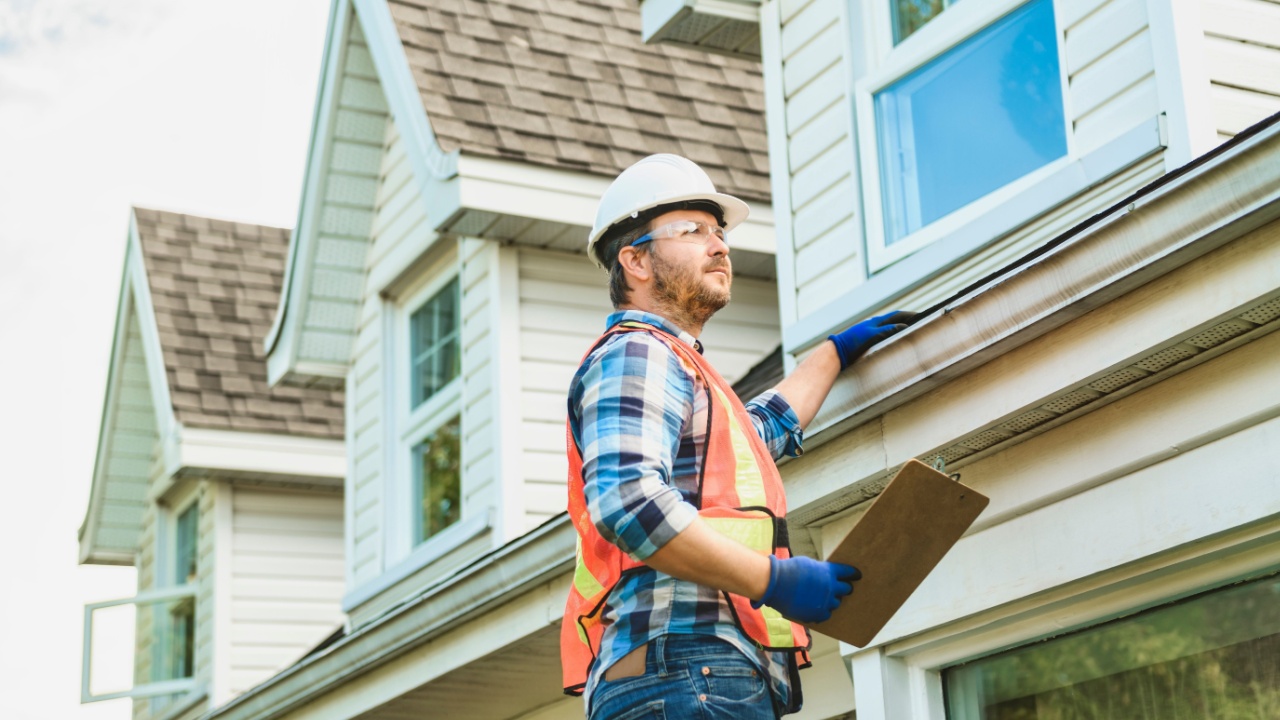
Thinking about skipping the home inspection to make your offer more appealing? This is a popular tactic in a competitive market, but it’s a huge gamble.
By waiving inspections, you’re essentially flying blind. You could be buying a house with major problems hiding beneath the surface, such as a bad foundation, outdated wiring, or serious plumbing issues. These problems can cost a fortune to fix and turn your dream home into a total nightmare.
No matter what, always get a professional inspection. It’s a crucial step that gives you a clear picture of what you’re buying. This knowledge allows you to either negotiate repairs, plan for future costs, or walk away from a deal that could drain your bank account.
8. Buying the Wrong Style of House
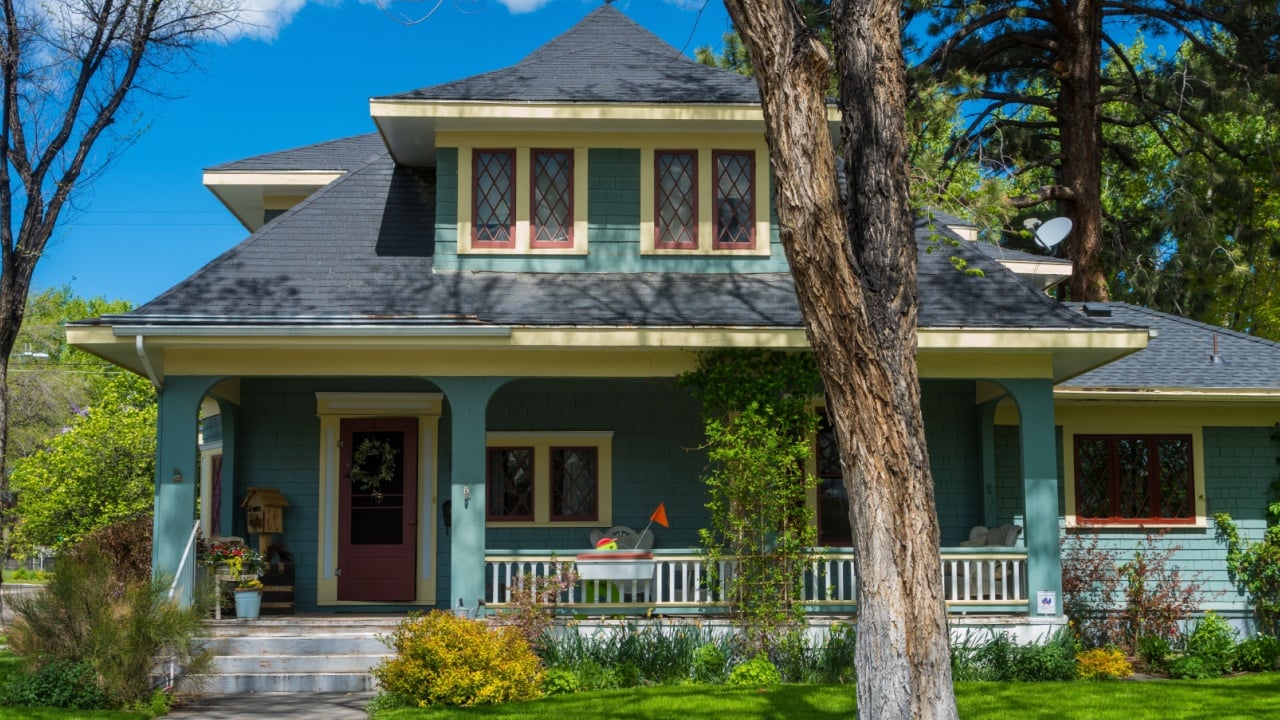
Some people fall for the charm of an old house without thinking about the work it needs. Others go for a new build and then find they miss the character of an older home.
For example, a historic house might have drafty windows and need constant weekend repairs. On the other hand, new builds can feel a bit generic and lack personality.
A good idea is to rent a similar style of home for a short trip to see what you like. This can help you figure out what you can handle. Being honest about how much DIY you’re willing to do will help you find the right kind of home for you.
9. High Property Taxes

When you’re figuring out your budget, it’s easy to focus on the mortgage payment and forget about property taxes. But these taxes can be a big deal, and they vary a lot depending on the county, city, or even school district. A high tax rate can add a surprising amount to your monthly payment.
Property taxes can also go up over time. An annual reassessment could add hundreds or thousands to what you owe each year, which might mean cutting back elsewhere or dipping into your savings.
Before you make an offer, do a little digging into the property tax history for that specific home and the neighborhood. If you account for potential tax increases from the start, you’ll save yourself from some nasty financial surprises later on.
10. Lack of Yard Space
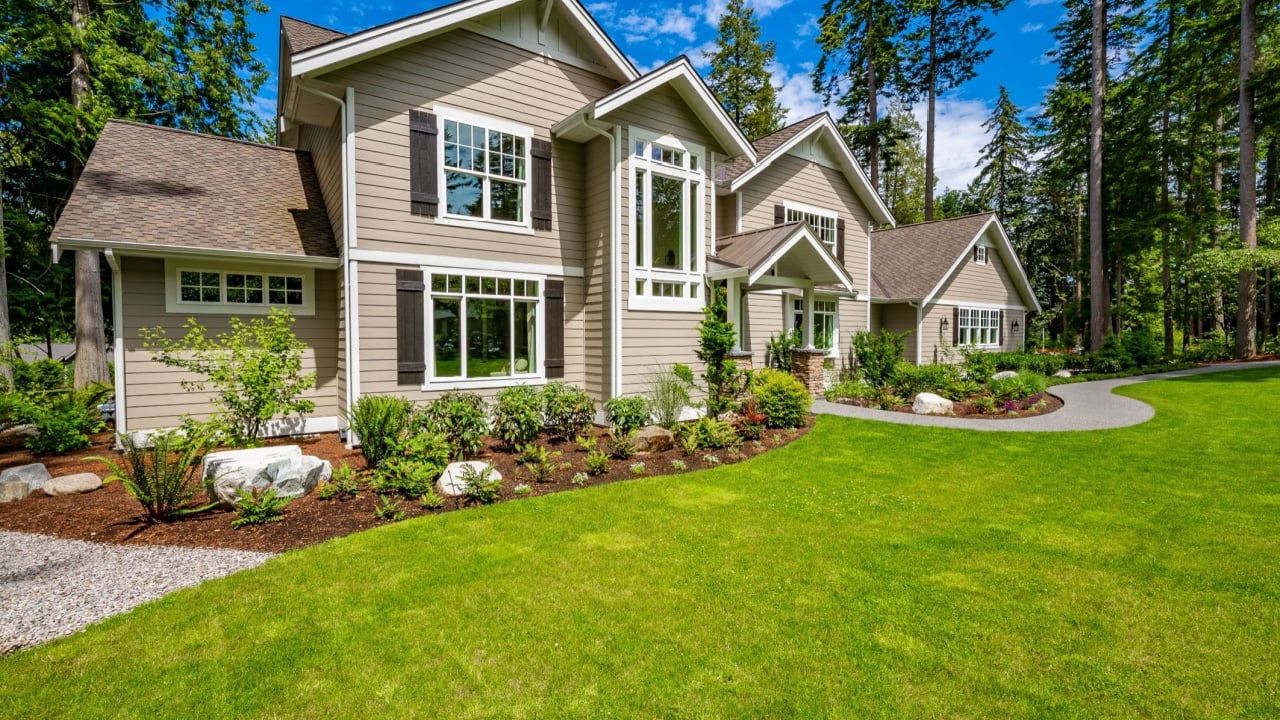
Buying a home with a tiny yard (or no yard at all) might sound great at first. Less mowing, less yard work, what’s not to love? You might focus on getting more space inside and tell yourself you won’t miss having a backyard.
But life changes. You might get a dog, have kids, or want to start hosting barbecues for friends and family. Suddenly, that small yard feels like a big problem. Being crammed next to your neighbors can also mean less privacy and more noise.
When you’re looking for a house, think about your outdoor needs as much as you think about the number of bedrooms. A home with a good balance of indoor and outdoor space will better fit your life now and in the future.
11. Proximity to Busy Roads

Living near a major road or train tracks might seem like a good way to save money on a house. That lower price tag can be tempting, allowing you to get a larger home for less.
But the reality of constant noise can be a deal-breaker. Imagine trying to sleep with traffic zooming by or not being able to enjoy your backyard because of the constant rumble. It can be stressful, and the extra dust and pollution add another layer.
Before you commit, visit the house during rush hour. See what the noise is really like. Choosing a home on a quieter street can make a huge difference in your day-to-day happiness and might even help with resale value later on.
12. Poor School Districts

Even if you don’t have kids, a bad school district can be a red flag. It might seem like a smart way to find a cheaper house, but it can backfire when it’s time to sell.
Homes in areas with poor school ratings often don’t increase in value as quickly. Plus, when you’re ready to move, you’ll have a smaller pool of buyers, since families will likely steer clear.
So, even if kids aren’t in your future, buying in a good school district is a wise move. It protects your investment and makes it easier to sell down the road.
13. Difficult Homeowners Associations (HOAs)

Thinking of buying in a place with a Homeowners Association (HOA)? Be careful. These governing boards set rules for the neighborhood, and they can be a real headache. It’s easy to glance at the HOA rules and think they won’t be enforced, but that’s a risky assumption.
A strict or badly run HOA can make life difficult. You could be fined for small things, like leaving your garbage can out, painting your front door the “wrong” color, or not keeping your yard up to their exact standards. On top of that, the monthly fees can be high and can go up unexpectedly.
Before you buy, read all the HOA documents carefully. It’s also a good idea to chat with people who already live there to get the real scoop on what it’s like. This will help you figure out if the community is really the right place for you.
14. Buying Too Quickly

In a hot market, it’s easy to feel rushed. Rising interest rates and low inventory can make you want to jump on the first decent house you find. You might end up skipping important steps, like checking out different neighborhoods or considering other types of homes.
Making a snap decision can lead to buyer’s remorse. You might feel disconnected from your new home and always wonder if you could have found something better by just waiting a little longer or looking at a few more places.
The key is to take your time. Looking at several homes gives you a better feel for the market, what your money can buy, and what you really can’t live without. A little patience usually pays off, leading to a purchase you feel great about for years to come.
Making a Smart Move Forward

Avoiding buyer’s remorse requires patience, research, and a clear understanding of personal finances. Recognizing these common pitfalls helps future buyers navigate the real estate market successfully.
Review your budget today and connect with a local real estate professional to outline a stress-free home-buying strategy.
Read More:
14 New Home Nightmares That Will Have You Dreaming of Renting
The 12 Biggest Regrets Homeowners Have After Buying a Property