
14 Home‑Buying Mistakes That Can Cost You Big
Buying a home often ranks as one of the most significant (and stressful) financial decisions in a person’s life. Yet, with the excitement and commotion of finding the perfect abode, it’s easy to overlook big mistakes that could lead to expensive fixes down the line.
Regrets can stem from a variety of factors, including overspending, ignoring hidden costs, or settling for a property that doesn’t truly meet your needs. Avoiding these errors requires careful planning, meticulous research, and a clear understanding of the potential risks involved.
This article aims to arm prospective homebuyers with the knowledge needed to navigate the complex landscape of real estate. By compiling 14 common mistakes to consider, we hope to empower you to make informed decisions and avoid costly errors that could haunt you for years to come.
1. Skipping the Pre-Approval Process

In the rush to find your dream home, it’s easy to overlook the importance of financial preparation. However, diving headfirst into house hunting without knowing your budget is a recipe for disappointment and potential overspending.
Getting pre-approved for a mortgage is a crucial first step. It not only gives you a realistic understanding of your purchasing power but also strengthens your position as a serious buyer when you make an offer.
2. Not Researching the Neighborhood

While a house may appear perfect on paper and during a showing, the surrounding neighborhood plays a significant role in your overall satisfaction and the property’s potential resale value. Neglecting to research the neighborhood can lead to unpleasant surprises and buyer’s remorse.
Take the time to explore the area thoroughly. Research schools, commute times, local amenities, and property values. Talk to residents, visit at different times of day, and check crime statistics to get a comprehensive picture of the neighborhood’s character and potential drawbacks.
3. Overlooking Hidden Costs

It’s easy to get fixated on the purchase price of a home, but numerous hidden costs can catch unsuspecting buyers off guard. Closing costs, property taxes, insurance premiums, homeowners association (HOA) fees, and potential renovations can significantly inflate the overall cost of ownership.
Failing to account for these expenses can strain your budget and lead to financial stress. Before making an offer, create a comprehensive budget that includes all anticipated costs associated with homeownership.
4. Waiving the Home Inspection

In a competitive market, some buyers may be tempted to waive the home inspection to make their offer more appealing. However, this seemingly small concession can have dire consequences. A professional home inspection can uncover hidden problems, such as structural damage, faulty wiring, or pest infestations, that could cost you thousands of dollars in repairs down the line.
Always insist on a thorough home inspection before finalizing the purchase. If the inspection reveals any issues, negotiate with the seller to have them fixed or request a price reduction to compensate for the necessary repairs.
5. Not Shopping Around for a Mortgage

Securing a mortgage is a significant financial commitment, often spanning decades. Different lenders offer varying interest rates, terms, and fees, so it’s crucial to shop around to find the best deal that aligns with your financial goals.
Obtain quotes from multiple lenders and compare their offers carefully. Consider factors like interest rates, closing costs, loan terms, and prepayment penalties. You may also want to consult with a mortgage broker who can help you navigate the complex world of mortgage options.
6. Buying More House Than You Need

The allure of a sprawling mansion with ample space can be enticing, but it’s crucial to resist the temptation to overextend yourself financially. Remember, a larger home comes with larger responsibilities and expenses.
Higher mortgage payments, property taxes, insurance premiums, utility bills, and maintenance costs can quickly become a financial burden. Assess your needs realistically, considering your family size, lifestyle, and future plans. Prioritize functionality and comfort over excessive square footage to ensure your home remains a source of joy rather than financial stress.
7. Letting Emotions Take Over

The emotional rollercoaster of house hunting can easily lead to impulsive decisions. Falling in love with a property can cloud your judgment, causing you to overlook potential red flags or overbid in a competitive market.
It’s essential to approach the home-buying process with a level head and focus on objective factors like location, condition, and price. Consult with trusted advisors, such as your real estate agent or financial advisor, to gain unbiased perspectives and make rational decisions.
8. Not Considering Resale Value

While your primary focus may be on finding a home you love, it’s wise to consider its potential resale value. Factors like location, school district, property condition, and market trends can significantly impact a home’s resale potential.
Research the local real estate market and consult with your real estate agent to understand which factors contribute to higher resale values in your area. Choose a home that is likely to appreciate in value over time, ensuring a solid return on your investment should you decide to sell in the future.
9. Underestimating the Importance of Location
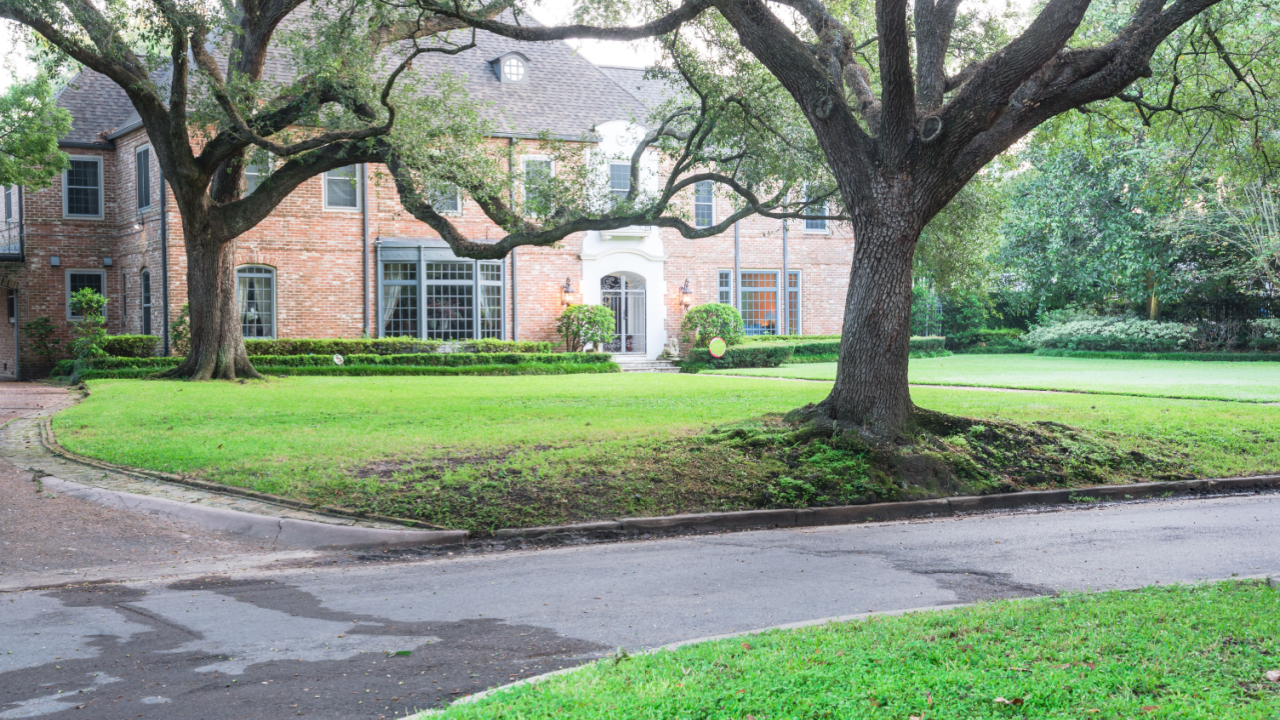
The adage “location, location, location” holds true in real estate. A home’s location can significantly impact your quality of life, commute time, access to amenities, and property value. Choosing the wrong location can lead to regret and financial losses.
Consider factors like proximity to work, schools, shopping centers, parks, and public transportation when evaluating a property’s location. Research the neighborhood’s safety, demographics, and future development plans to ensure it aligns with your lifestyle and preferences.
10. Not Hiring a Real Estate Agent

Navigating the complexities of the real estate market can be daunting, especially for first-time buyers. While it may seem tempting to go it alone to save on commission fees, not hiring a real estate agent can be a costly mistake.
A knowledgeable real estate agent can guide you through the entire process, from finding suitable properties to negotiating offers and closing the deal. They have access to market data, industry expertise, and a network of professionals who can help streamline the transaction and protect your interests.
11. Not Considering Future Needs

Your needs and preferences may change over time. A starter home that suits you now might not accommodate a growing family or a home-based business in the future. Failing to anticipate your evolving needs can lead to costly renovations or the need to sell and buy again sooner than expected.
Think long-term when choosing a home. Consider factors like potential family expansion, career changes, or lifestyle shifts that could impact your housing requirements in the years to come.
12. Neglecting to Check for Environmental Hazards

Certain environmental hazards, such as radon, lead-based paint, or mold, can pose serious health risks and decrease a home’s value. Failing to check for these hazards before buying can lead to costly remediation efforts or even legal liabilities.
Request environmental testing as part of the home inspection process. If any hazards are discovered, negotiate with the seller to have them mitigated or factor the cost of remediation into your offer price.
13. Focusing Only on Cosmetic Appeal

While a fresh coat of paint or updated fixtures can make a house more appealing, it’s important not to be swayed solely by cosmetic features. Underlying issues, such as structural problems or outdated electrical systems, can be costly to repair and can pose safety risks.
Look beyond the surface when evaluating a home. Prioritize structural integrity, functional systems, and energy efficiency over cosmetic enhancements. Remember, it’s easier and more cost-effective to update a home’s appearance than to fix fundamental flaws.
14. Making a Lowball Offer in a Competitive Market

In a hot real estate market, lowball offers are unlikely to be successful (how hot your market is right now depends on the geographical area). While it’s important to negotiate, making an offer that’s significantly below the asking price can offend the seller and lead to your offer being rejected outright.
Research recent sales data in the neighborhood to determine a fair and competitive offer. Consider offering a larger earnest money deposit or waiving contingencies to make your offer more attractive to the seller.