The 12 Biggest Regrets Homeowners Have After Buying a Property
Buying a home is often framed as the ultimate financial milestone. Yet surveys consistently show that many buyers second-guess their decision after moving in. Some research suggests roughly 75% of homeowners report at least one regret about their purchase.
These regrets typically emerge after the excitement of closing fades and everyday realities take over. Sadly, the most common complaints homeowners have come after they have already signed the paperwork.
Some of these doubts stem from avoidable mistakes, though many are just the result of not knowing what is coming. In any event, it pays to have perspective from real-life home buyers.
1. Underestimating Maintenance and Repair Costs
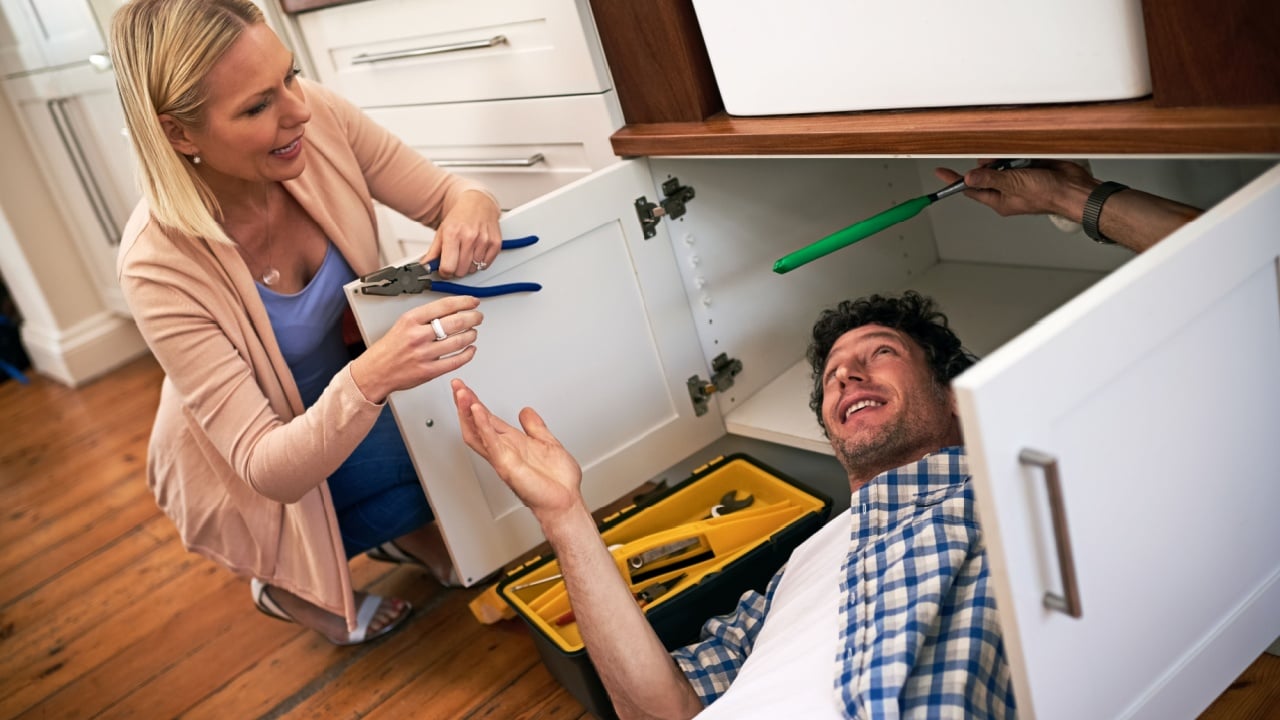
Maintenance is the regret homeowners mention most frequently. Bankrate’s 2025 Homeowner Regrets Survey found that maintenance and hidden expenses were the top regret for 42% of homeowners.
Repairs such as roofing issues, plumbing failures, and appliance replacements often appear within the first few years. Top of the costs list, fittingly, is “roof repair and maintenance.”
Many first-time buyers say the biggest shock was realizing that, unlike with renting, there’s no landlord to absorb those costs. When major systems fail unexpectedly, homeowners quickly learn that owning a house also means maintaining it.
2. Hidden Costs That Go Far Beyond the Mortgage

Many buyers focus on mortgage payments but overlook the broader costs of ownership. According to housing research, homeowners often underestimate expenses such as property taxes, insurance, utilities, landscaping, and repairs.
The National Association of Realtors (NAR) notes that first-time buyers frequently overlook recurring costs that appear after closing, particularly maintenance and insurance.
Homeowner John Santa Orta spoke to Business Insider about his new home hidden fee nightmare. “If I had known about the additional costs, I probably would’ve never bought a house,” he explained in an interview. “I would’ve kept my money in my bank account, kept renting, and kept enjoying life.
3. Buying a House That’s Too Small

Ironically, the tiny house movement is getting bigger by the day. Yet, in reality, most people struggle to contain their lives within the four walls they occupy. Space limitations become a common regret once families settle into daily routines.
What’s more, people forget about the social implications. Having guests over, getting privacy, or finding storage space might all prove a long-term bug to bear.
One such story comes from Business Insider from writer Haley Paskalides, who moved from Brooklyn to a small house near the beach. “Honestly, I don’t feel like I’m saving more since moving. We just spend differently,” she writes.
4. Paying Too Much During a Competitive Market

Housing shortages and bidding wars have caused many buyers to exceed their planned budgets. Market data shows competitive conditions often push buyers into higher offers than they originally intended.
A Motley Fool homeowner survey indicates that 11% of buyers regret paying too much for their home when markets were highly competitive and properties sold quickly. This regret tends to appear after the excitement of winning a bidding war fades and homeowners reassess the long-term financial impact of their purchase.
6. Choosing the Wrong Location

Location mistakes often become obvious only after homeowners settle into daily routines. Commute times, school districts, and neighborhood activity can significantly affect long-term satisfaction with a property. Buyer’s remorse might stem from location hangups such as commute distance and neighborhood quality.
The 2022 Homelight Buyer and Seller Insights Report reveals, “Over one in five bought a home sight-unseen.” Such a stat illustrates why getting a feel for the neighborhood is important.
8. Buying a Fixer-Upper That Needed Too Much Work

Buying something run-down to breathe life into can have a romantic pull. Yet, a Hippo study argues that 20% of America’s fixer-upper buyers display some form of regret after taking the plunge. Fixer-uppers can look appealing because they often cost less upfront.
However, repair costs frequently grow once homeowners begin renovations, and time soon drains away, leaving the fixer feeling more down than anything. Unexpected structural issues, outdated systems, or major renovation needs can quickly transform a seemingly affordable purchase into an expensive long-term project.
9. Rushing Into a Purchase Out of Fear of Missing Out

We live in a highly saturated world, controlled by screens and information, exposing us to all kinds of temptation. This fast-moving life reflects how housing markets often push buyers to make quick decisions. However, rising interest rates and limited inventory can create urgency that discourages careful research.
Housing analysts for CNBC note that many buyers who rushed to purchase during competitive markets later reported regrets related to various factors. It can be a game of cat and mouse with market volatility and fluctuating mortgage rates. Blinking at the wrong time can have serious consequences later on.
11. Ignoring Future Property Taxes

The Tax Foundation has a map of America’s heaviest property taxes. While Western and Eastern states tend to force homeowners to part with a percentage of their assets’ value each year, other states have none.
Property taxes can increase significantly after a home purchase if the property is reassessed at a higher value. Buyers who only consider the current tax bill may underestimate their long-term costs. Because these costs are tied to local assessments and home values, increases can add substantial monthly expenses.
12. Overlooking Noise and Neighborhood Lifestyle

If you move into a home, only to discover the neighborhood comes “alive” at nighttime, it can cause anxiety. Neighborhood conditions can strongly influence homeowner satisfaction. Traffic noise, nearby businesses, or local activity patterns may not be obvious during a short home tour.
A Home Sweet Home (HSH) report shows some homeowners regret factors such as neighbors, school districts, or neighborhood conditions. The survey showed that “25 percent of homebuyers wished they had researched their new neighborhood or neighbors.”
Spending time in a neighborhood at different hours, especially on evenings and weekends, can help buyers evaluate whether the environment matches their expectations.