14 New Home Nightmares That Will Have You Dreaming of Renting
Swapping your monthly rent check for a mortgage can feel like the final step into adulthood. As you sign the closing papers, you’re probably picturing perfectly painted walls and a manicured lawn. But the dream of homeownership often collides with the reality of burst pipes and a rapidly shrinking bank account. Going from a quick call to your landlord to becoming a weekend warrior who has to fix everything yourself is a jarring transition.
It’s no surprise that real estate platforms report a high number of recent buyers who feel remorse within the first few years. This regret usually comes from the hidden costs and surprise maintenance disasters that simply don’t exist when you’re renting. Online forums are filled with horror stories of financial strain and projects that never seem to end. The costs go far beyond just the mortgage and property taxes.
Here are 14 homeownership nightmares that might have you longing for the simplicity of renting, along with some practical advice on how to handle or avoid them.
1. The Relentless Battle Against Mother Nature

When you’re renting, you probably don’t think much about how extreme weather affects a building; that’s what the property manager is for. But for homeowners, heavy rains, freezing temperatures, and strong winds become a personal threat. Winter ice dams can burst your pipes, while summer storms can tear off shingles and flood your basement. A simple downpour can become a source of anxiety as you watch water pool around your foundation.
To fight back against Mother Nature, you need to be proactive and have a solid emergency fund. This means cleaning your gutters twice a year, grading your yard to direct water away from the house, and getting your roof inspected annually to catch small problems before they become big leaks. Paying attention to the weather forecast also gives you time to prepare before a storm hits.
2. Devastating Condo Special Assessments

Buying a condo can feel like a happy medium between renting and owning a house. But that dream can quickly turn into a nightmare when the condo board slaps you with a huge special assessment to cover a major budget shortfall. Suddenly, your reasonable monthly fee might triple to pay for a new roof for the whole complex or urgent structural repairs. For owners on a fixed income, these mandatory upgrades can price them right out of their own homes.
Before you even think about closing, you have to dig into the condo association’s financial health. Ask for the latest reserve study and read through the last year of board meeting minutes. This will help you spot any red flags about upcoming repairs. A healthy reserve fund shows the association is ready for big expenses without hitting up residents for emergency cash. It’s also smart to have an attorney review the building’s financial documents to protect yourself from a future financial mess.
3. Invisible Hard Water Destroying Appliances

Even a brand-new house can have a hidden problem: hard water. The high levels of calcium and magnesium in hard water can build up inside your appliances, like dishwashers, washing machines, and water heaters, causing them to fail prematurely. You might first notice scale on your kettle or showerhead, but by then, the damage could be spreading. Replacing major appliances every few years is a huge expense that renters don’t have to worry about.
To avoid this costly issue, test your water as soon as you move in. A whole-house water softening system can filter out these damaging minerals before they ever reach your plumbing. With regular maintenance, you can extend the life of your appliances and keep smaller fixtures flowing smoothly.
4. The Harsh Reality of DIY Renovations

Don’t let home renovation shows fool you; remodeling is rarely as quick or easy as it looks on TV. For someone juggling a full-time job, what starts as a weekend bathroom remodel can quickly become a stressful nightmare. Inexperienced homeowners often make costly mistakes that end up requiring a professional to fix anyway. Living in a constant construction zone is mentally draining and can ruin the joy of having your own place.
Stick to smaller, more manageable projects. Painting a room or swapping out cabinet hardware can provide instant gratification without affecting your home’s structure. For anything involving plumbing, electrical work, or major structural changes, it’s always best to hire a licensed professional.
5. Catastrophic Heating and Cooling Failures
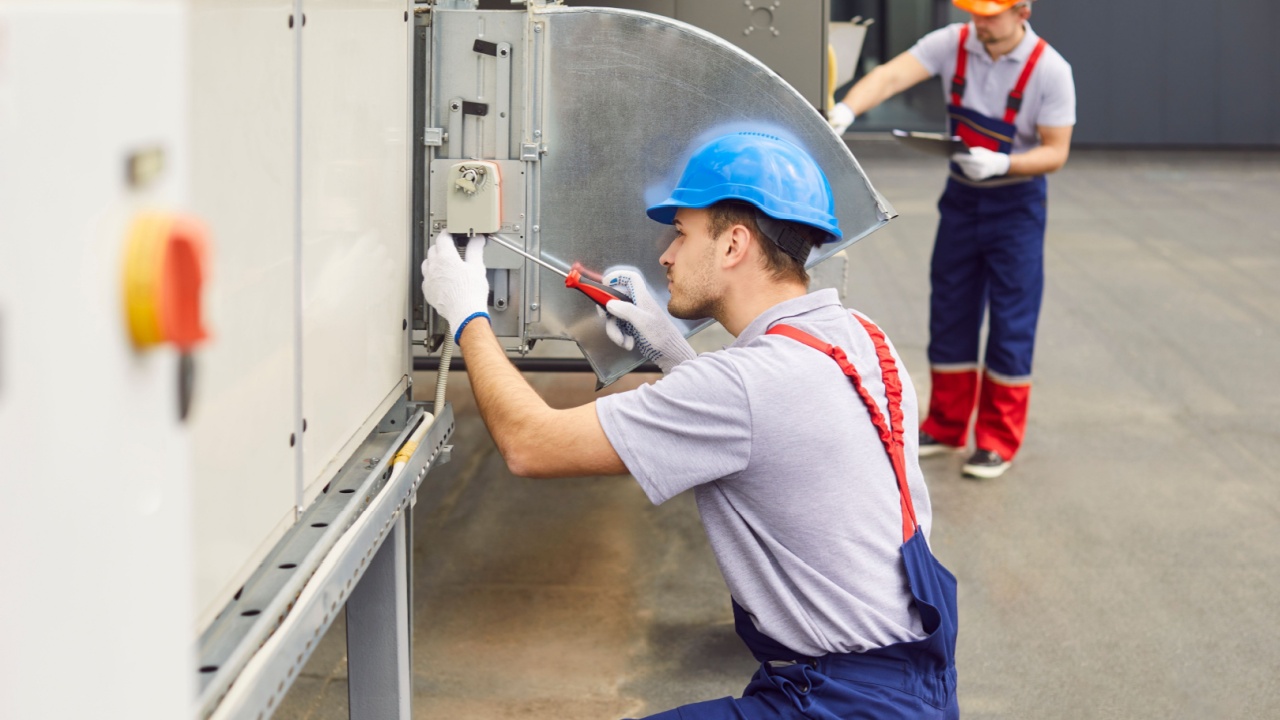
Waking up to a freezing house in the middle of winter is a special kind of panic. Renters can just make a phone call, but for homeowners, the cost of replacing a dead furnace or failing water heater is all on them. These systems always seem to break down at the worst possible times, and emergency repairs come with a premium price tag that can destroy a monthly budget.
To avoid this, schedule regular preventative maintenance. An HVAC technician can spot potential problems, like a failing capacitor or a cracked heat exchanger, long before the whole unit gives up. It’s also smart to set aside a dedicated fund for appliance replacements. That way, when a major system finally bites the dust, the financial hit won’t be quite as painful. Finally, always check your warranty requirements to keep your coverage active for unexpected breakdowns.
6. Flaws Missed by Glowing Home Inspections
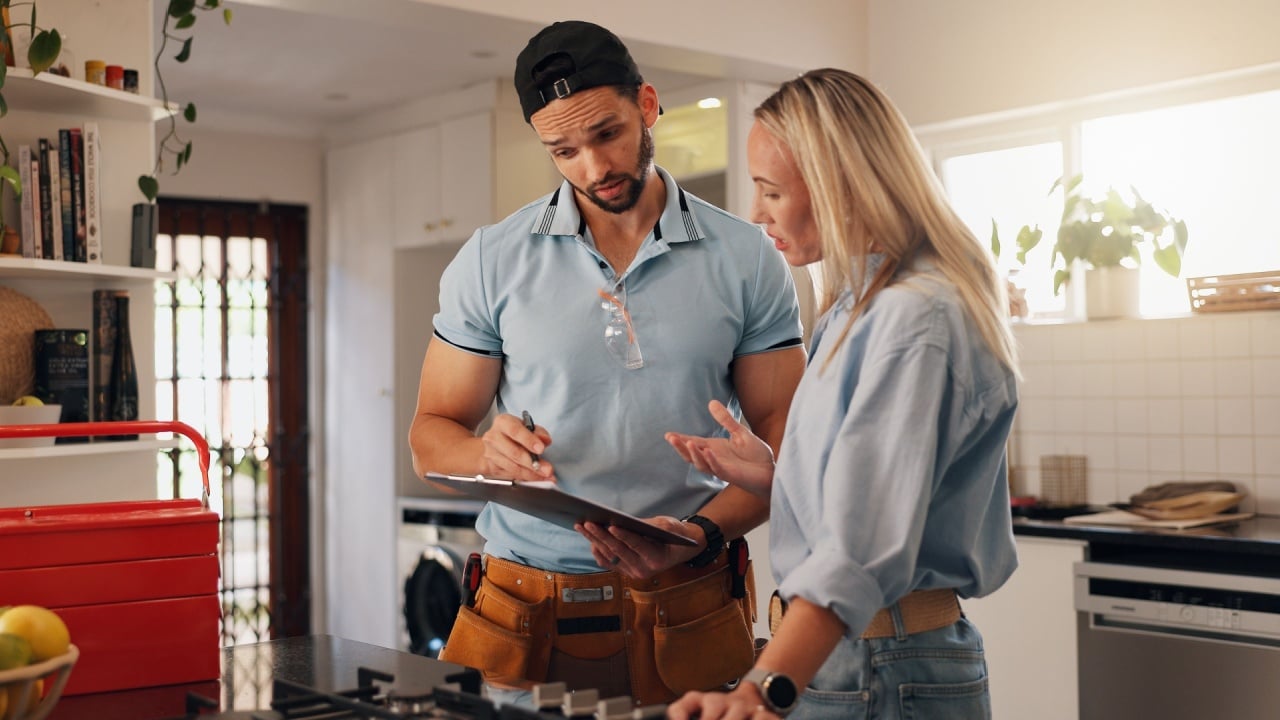
Relying entirely on a standard home inspection report gives many buyers a false sense of security. Inspectors routinely miss hidden water damage, failing dishwasher seals, and dangerous electrical splices tucked away in the attic. Discovering a leaking shower pan just weeks after closing forces new owners to rip out brand-new flooring. The realization that the inspection provided absolutely no guarantee leaves buyers feeling completely abandoned.
Accompanying the inspector during the walkthrough provides a firsthand look at potential trouble spots. Requesting specialized inspections for pest control, sewer lines, and structural engineering uncovers hidden disasters standard reports ignore. Asking detailed questions regarding the remaining lifespan of the roof and major systems sets realistic financial expectations. Budgeting an extra ten percent of the purchase price specifically for post-close surprises prevents immediate panic.
7. The Nightmare of Unvetted Contractors

Hiring the first (and likely cheapest) contractor you find is a big mistake. It can lead to bad work or projects that never get finished. A common horror story is when a worker asks for a large deposit and then disappears, leaving your house a mess. Solo homeowners sometimes face rude attitudes and high quotes from contractors who think they can take advantage of them. Fighting to get your money back can be a long and stressful process.
Always research contractors before hiring them. Make sure they have a license, read reviews, and ask for references. For big projects, get at least three quotes to see what a fair price is. Always have a clear contract that outlines the work and a payment plan. This keeps the project on track and protects your money. And most importantly, never pay for the whole job upfront. Wait until you’ve checked the work and are happy with it before making the final payment.
8. Financial Ruin from Sudden Market Shifts

Medical emergencies or sudden job changes can force you to move unexpectedly. If you have to sell your house during a housing slump, you might have to lower your asking price and lose a lot of money. Renting it out might seem like a good idea, but it can lead to its own problems, like property management fees and bad tenants. Being stuck with a mortgage that’s more than the house is worth can ruin your finances and limit your future options.
Buy a house for less than the maximum loan you’re approved for. This creates a financial cushion for unexpected events. Making a larger down payment builds equity and stops your mortgage from going “underwater” if the market dips slightly. It’s also smart to have an emergency fund that can cover at least six months of mortgage payments in case you lose your job. Finally, research the area’s property value history to make a smart and safe investment.
9. Previous Owners Masking Severe Damage

Sellers sometimes use clever tricks to hide costly issues from buyers. For instance, a new layer of paint could be hiding toxic mold caused by a slow leak in the plumbing. After a few months, the paint starts to bubble, and the mold becomes visible. Unfortunately, standard insurance often doesn’t cover long-term mold issues, so the new owner is left with a huge bill for repairs.
To protect yourself, pay close attention to the seller’s disclosure forms; this can give you legal options if the seller lied. Be wary of strong air fresheners or dehumidifiers during viewings, as they might be hiding moisture problems. It’s also a good idea to hire a specialist to check for mold before you buy. Fixing small leaks right away can prevent major mold growth that could damage the house’s structure.
10. Hostile Neighbors and Restrictive Associations

A beautiful house quickly transforms into a prison when surrounded by difficult people. As a renter, you can leave when your lease is up if you have bad neighbors. As a homeowner, you’re stuck next to people who might be noisy or difficult. Homeowner associations (HOAs) can also be a pain, telling you what color you can paint your house or what kind of mailbox you can have.
Before you buy, visit the neighborhood at different times to see what it’s like. Talk to potential neighbors to get a feel for the community. Also, be sure to read all the HOA rules to see if you can live with them.
11. The True Cost of Utilities

When you live in an apartment, utilities like sewer and trash (sometimes even water and electricity) are included in your rent or are predictable. When you own a house, these bills can be much higher and change with the seasons. Watering a large lawn in the summer, for example, can lead to a huge water bill. These hidden costs can surprise new buyers.
Ask the seller for copies of past utility bills to get a clear idea of the monthly costs. To save money, you can replace your lawn with drought-resistant plants and install water-saving toilets and showerheads. Checking for drafts and adding insulation can also lower your heating and cooling bills.
12. Foundation Problems
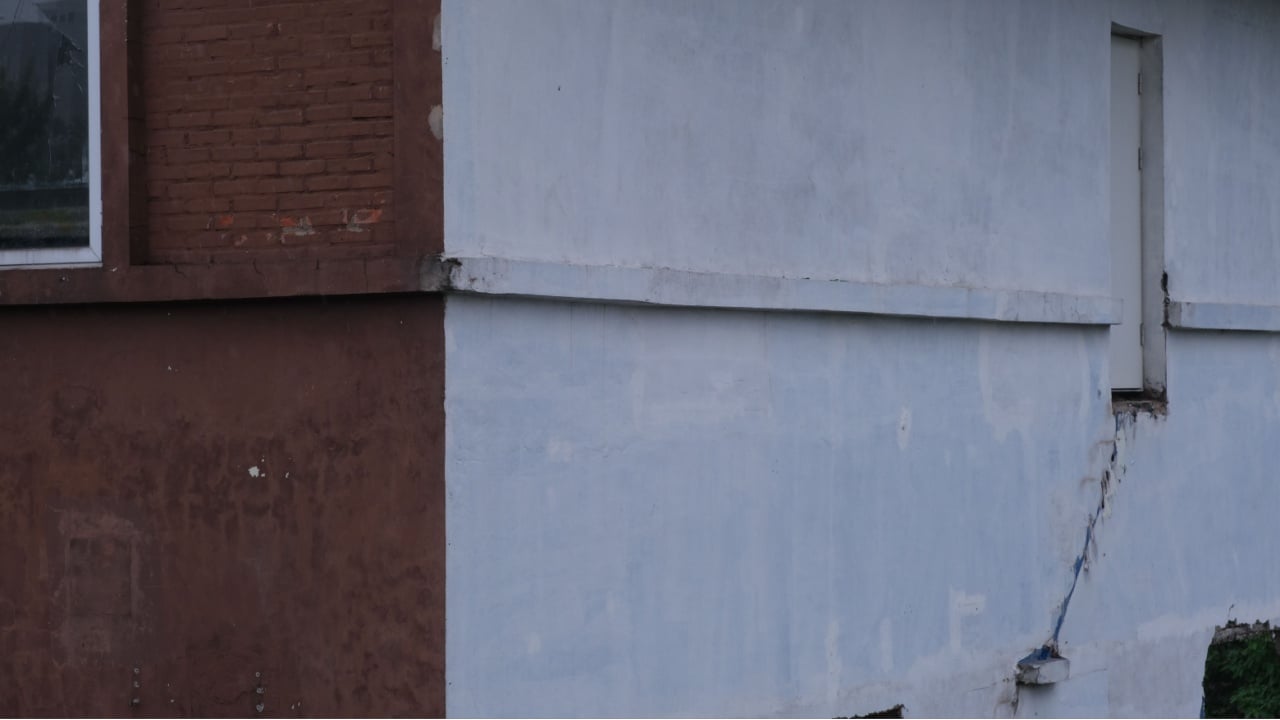
A house is only as good as its foundation. Over time, the ground can shift, causing cracks in the foundation. This can lead to the house sinking, doors that won’t close, and large cracks in the walls. Foundation repairs are extremely expensive and one of the worst financial hits a homeowner can take.
Look for diagonal cracks on the outside and inside of the house, as these are early warning signs. It’s a good idea to hire a structural engineer to check an older home’s foundation before you buy. Making sure water drains away from the house can also help prevent soil from shifting.
13. Pest Invasions

Finding mice or ants in your home is no fun. In an apartment, you can just call the landlord to take care of pests. As a homeowner, you have to deal with them yourself, whether it’s termites eating your home’s frame or raccoons in the attic. Paying for pest control is another added expense.
To keep pests out, seal any cracks on the outside of your house. Trim tree branches that touch your roof. Keep your food in airtight containers and your kitchen clean. An annual pest inspection can also help you catch problems early before they cause major damage.
14. Roof Replacements

A leaking roof is a homeowner’s nightmare that renters don’t have to worry about. Old shingles can lead to water damage in your attic, which can ruin insulation and cause mold. A full roof replacement can cost as much as a new car and needs to be done quickly to prevent more damage. Waiting will only make repairs more expensive.
Check your roof for missing or damaged shingles a couple of times a year. This helps you plan for a replacement ahead of time. Keep your gutters clean to prevent water from collecting and causing rot. It’s also smart to have a separate savings account just for home maintenance to help cover the cost when your roof finally needs to be replaced.
Trading Your Lease for a Deed? Be Prepared for the Unexpected

Swapping a lease for a deed means taking on a whole new set of financial responsibilities and never-ending home maintenance. Dealing with broken appliances, difficult neighbors, and surprise structural problems can test anyone’s patience.
Knowing these expensive problems can pop up helps you build a solid emergency fund and find the right pros before a small issue turns into a disaster. Sign up for our weekly real estate newsletter for more expert tips on protecting your investment and keeping your home’s value up.
Read More: