10 Plants That Quietly Destroy Wildlife Problems Before Summer Hits
Wildlife damage is more expensive than most gardeners realize.
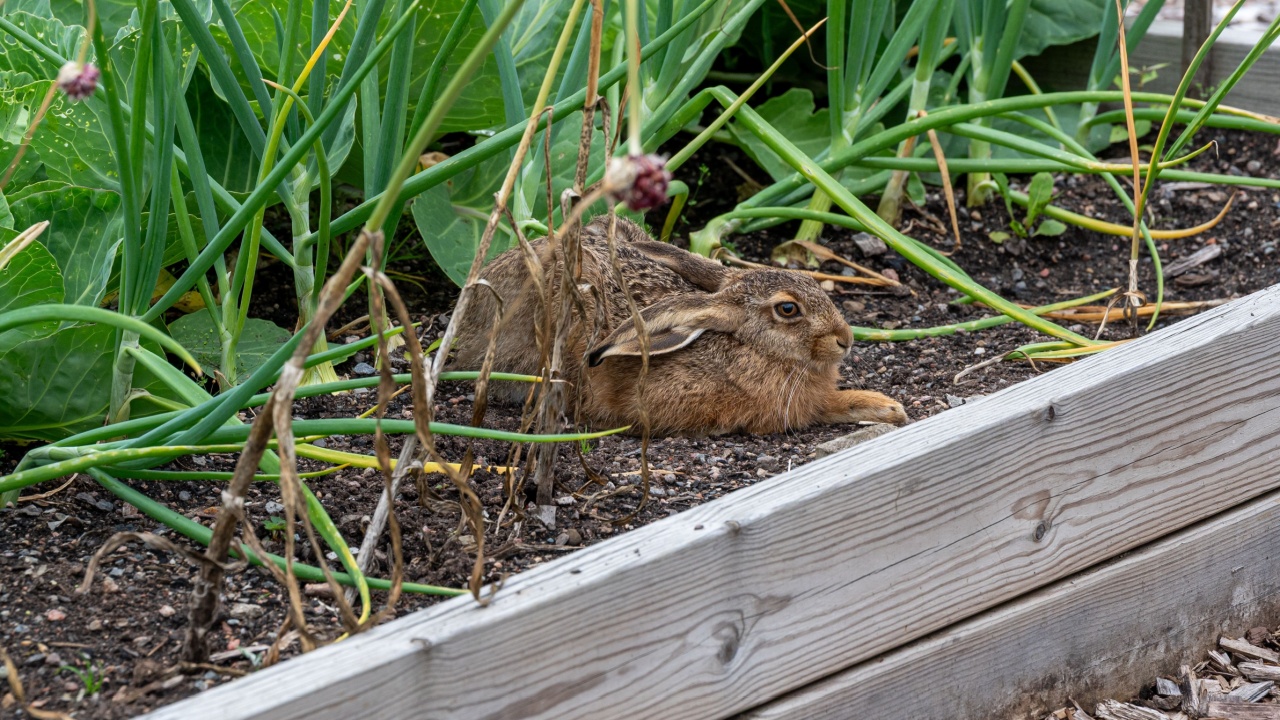
According to Gardening Know How, mice alone destroy countless spring bulbs each fall and winter, and most gardeners blame moles or squirrels, never solving the actual problem. Add deer browse and rabbit nibbling, and the average home garden loses $200 to $400 worth of plants and purchased repellents in a single season. That is money leaving your pocket every year for a problem that the right planting strategy can largely eliminate.
Now is also the best possible time to act. In spring, wildlife pressure has not yet peaked, and newly planted deterrents have time to establish before summer browsers arrive in force. Gardeners who have been at this for decades know that building a living barrier now means far less heartbreak later, and far less money spent at the garden center replacing what was eaten.
What follows is a list of 10 plants that work on multiple pests at once: deer, rabbits, and, in many cases, mice too. Some are herbs you can cook with. Some have been working in American gardens since your grandmother’s time. All of them cost a fraction of what you’d spend on a season’s worth of spray.
1. Lavender
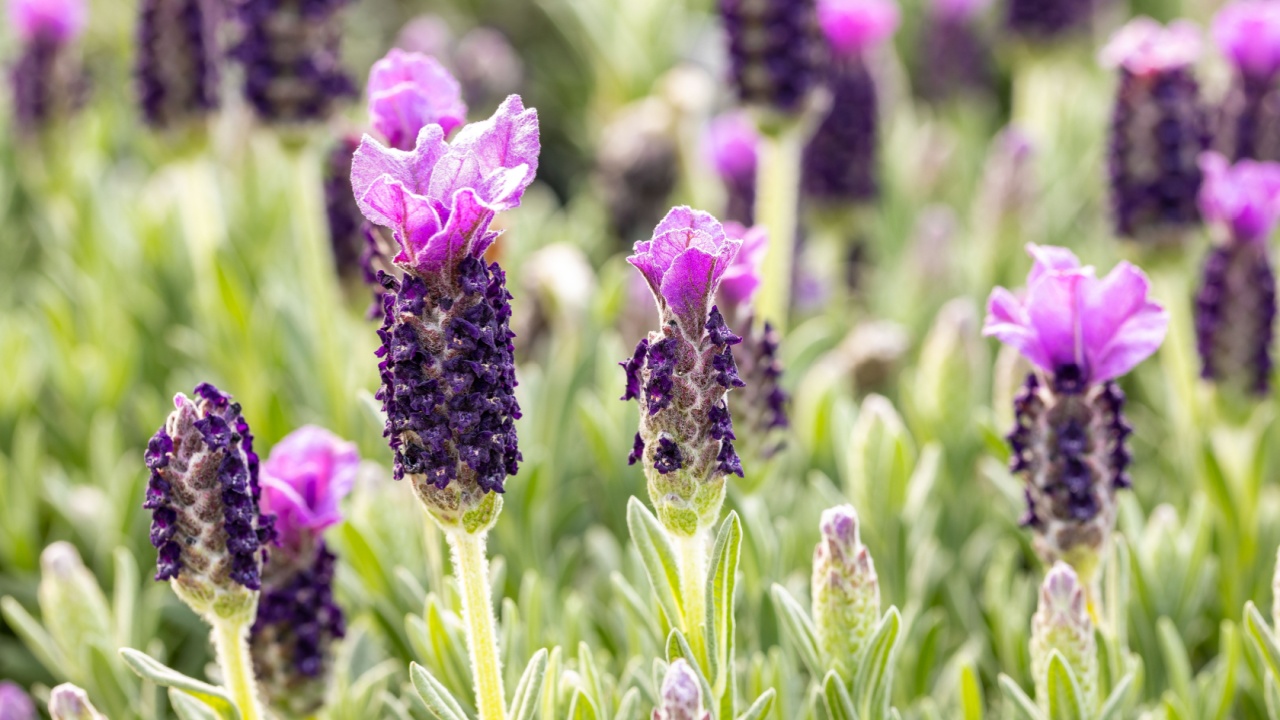
Lavender’s fragrant oils are pleasant to humans but deeply off-putting to deer, rabbits, and rodents alike.
According to KG Landscape, both deer and rabbits consistently avoid fragrant herbs, and lavender ranks among the most reliable. As a bonus, it repels moths and can be harvested, dried, and tucked into drawers or tool sheds to keep mice from nesting in winter storage.
Plant it once in a sunny, well-drained spot, and it will return year after year.
2. Catmint
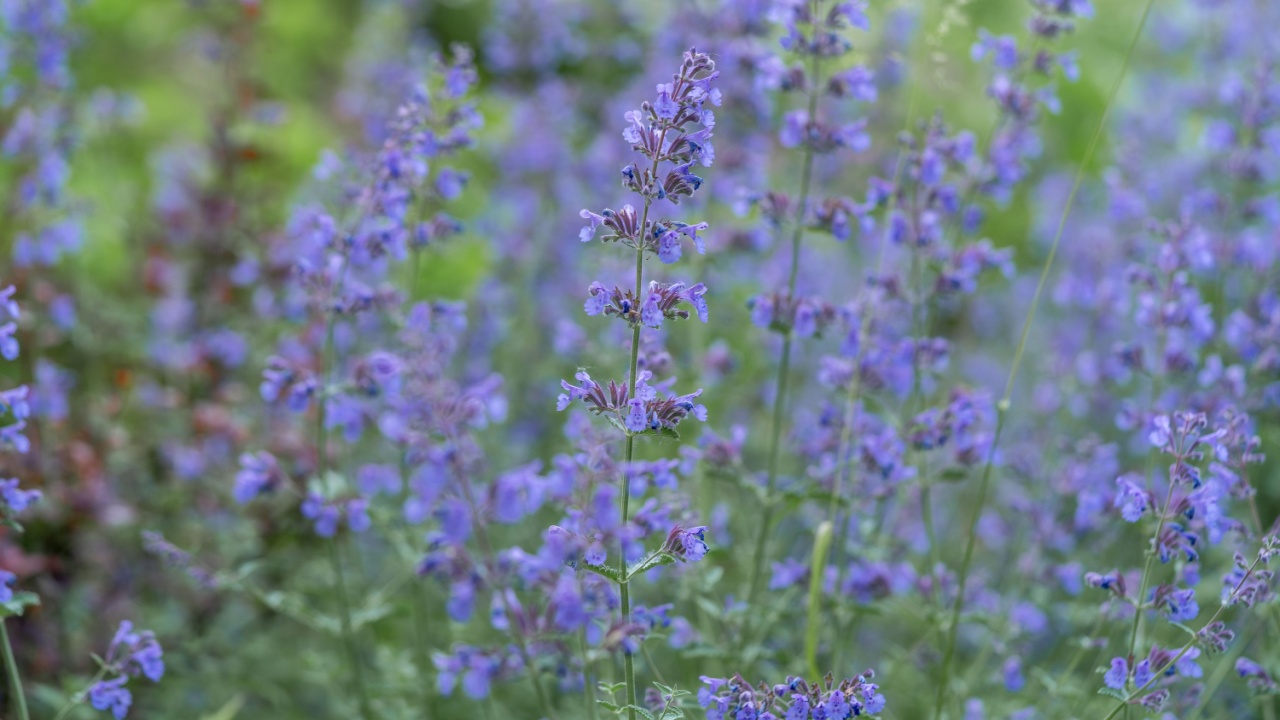
Catmint may be the most underrated deterrent plant in American gardens.
Catmint’s nepetalactone compound deters deer, rabbits, and mice while attracting beneficial pollinators. According to Walters Gardens, catmint is rated among the most deer and rabbit-resistant perennials available, thriving in zones 3 through 8 with minimal care.
One pleasant side effect is that neighborhood cats drawn by the scent leave their own scent markers, which rabbits actively avoid.
3. Garlic
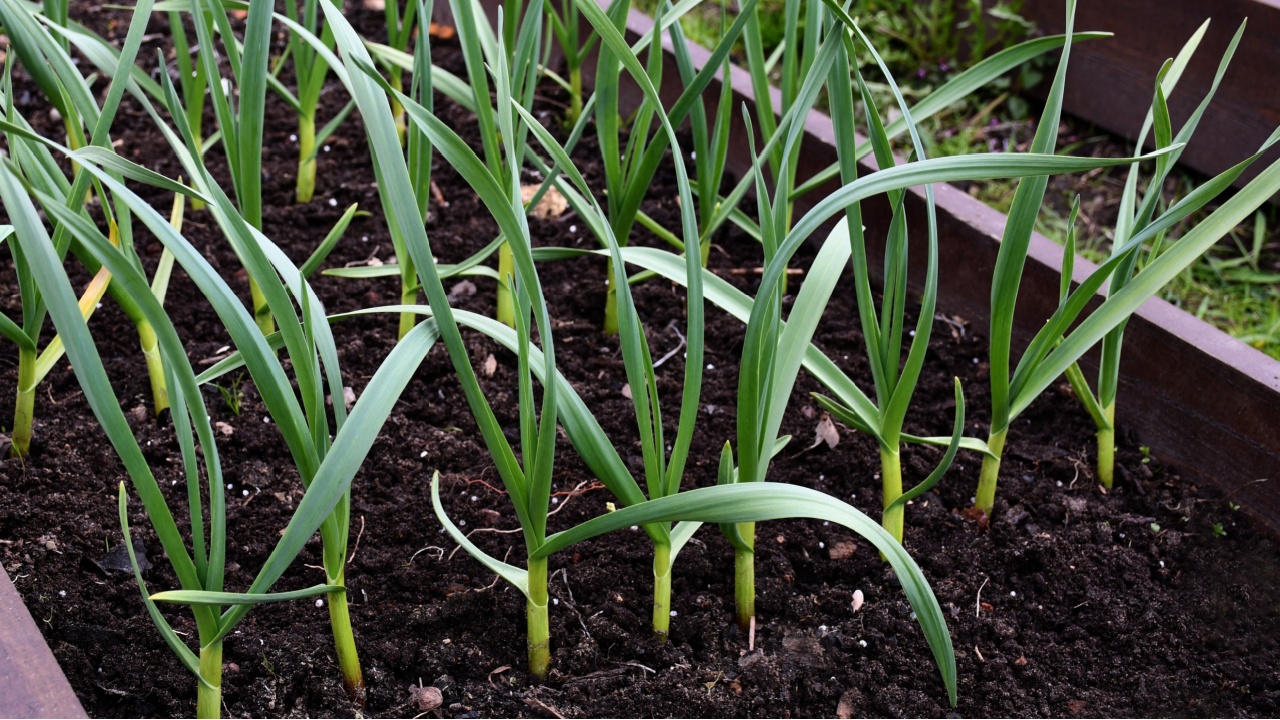
Your grandmother planted garlic at the base of her roses for a reason.
The sulfur compounds in garlic repel deer, rabbits, aphids, and rodents all at once. According to Tom’s Guide, mice and rats find the smell of garlic intensely repulsive. Plant it around the perimeter of your vegetable beds in fall, harvest it in summer, and replace it the following season. The cost is negligible; the protection is substantial.
4. Marigolds
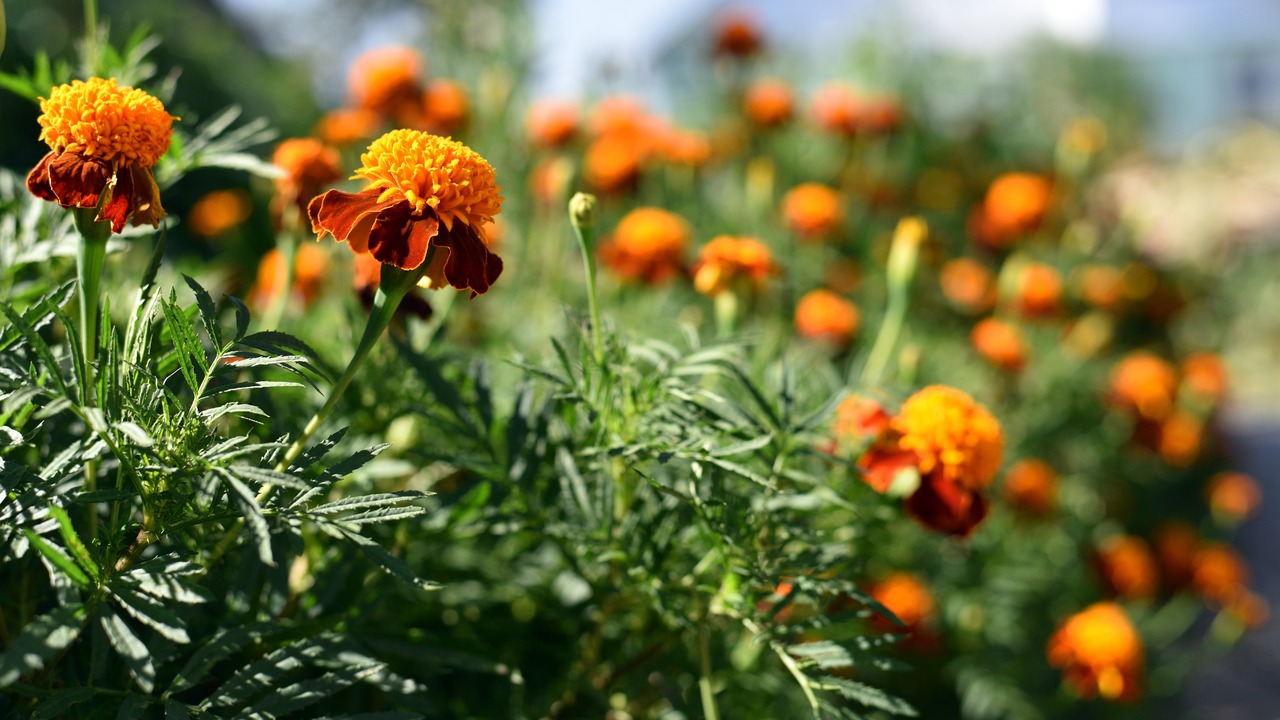
Marigolds have been a staple of American kitchen gardens for over a century, and not just for their color. Their distinctive pungent scent deters deer, rabbits, and rodents, and certain varieties, particularly Tagetes lucida, produce compounds that also repel insects.
According to Rural Sprout, marigolds planted in window boxes outside basement windows can help deter mice from entering the home. Plant them along garden edges and around entry points to structures for maximum effect.
5. Daffodils
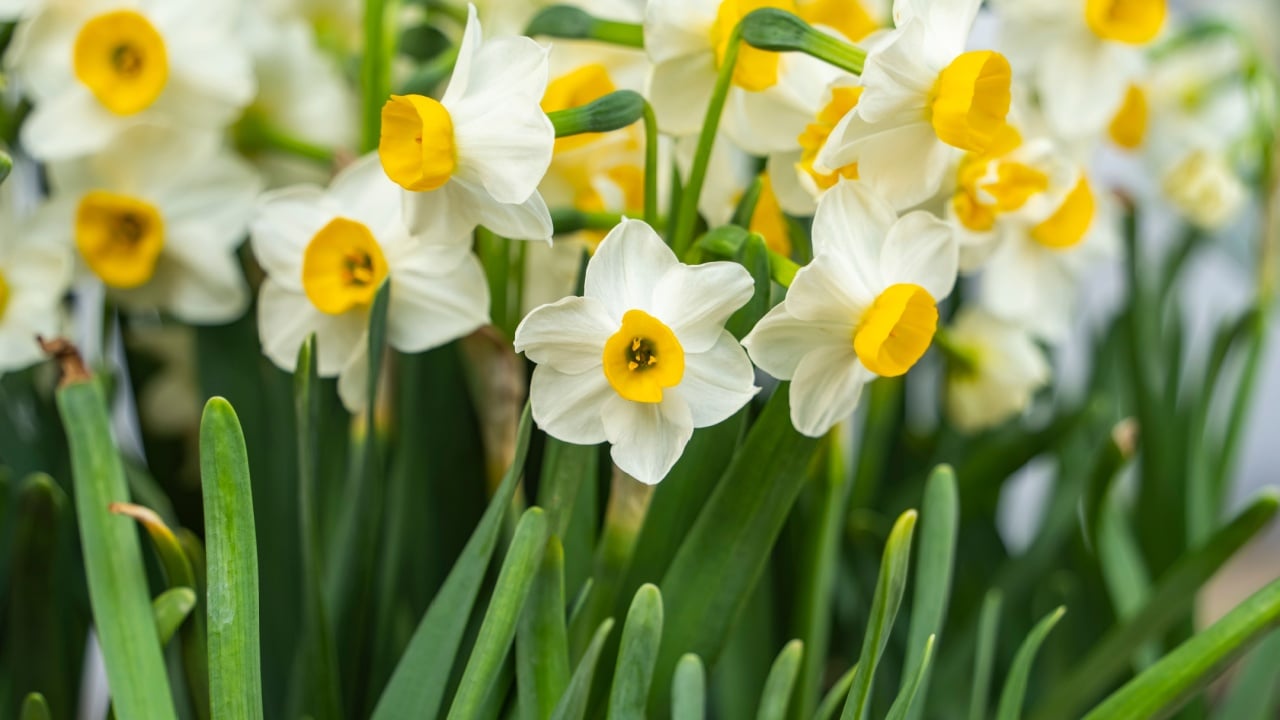
Daffodil bulbs contain lycorine and other alkaloids that make the entire plant toxic to rodents, deer, and rabbits.
According to Backyard Boss, planting daffodil bulbs around or even beneath other bulbs like tulips and crocuses creates an underground barrier that mice will not cross. They cost roughly $10 to $15 for a bag of 50 bulbs and protect your garden through the winter months when other deterrent plants are dormant.
Daffodil bulbs are also toxic to dogs and cats, so keep them away from areas where pets dig.
6. Rosemary
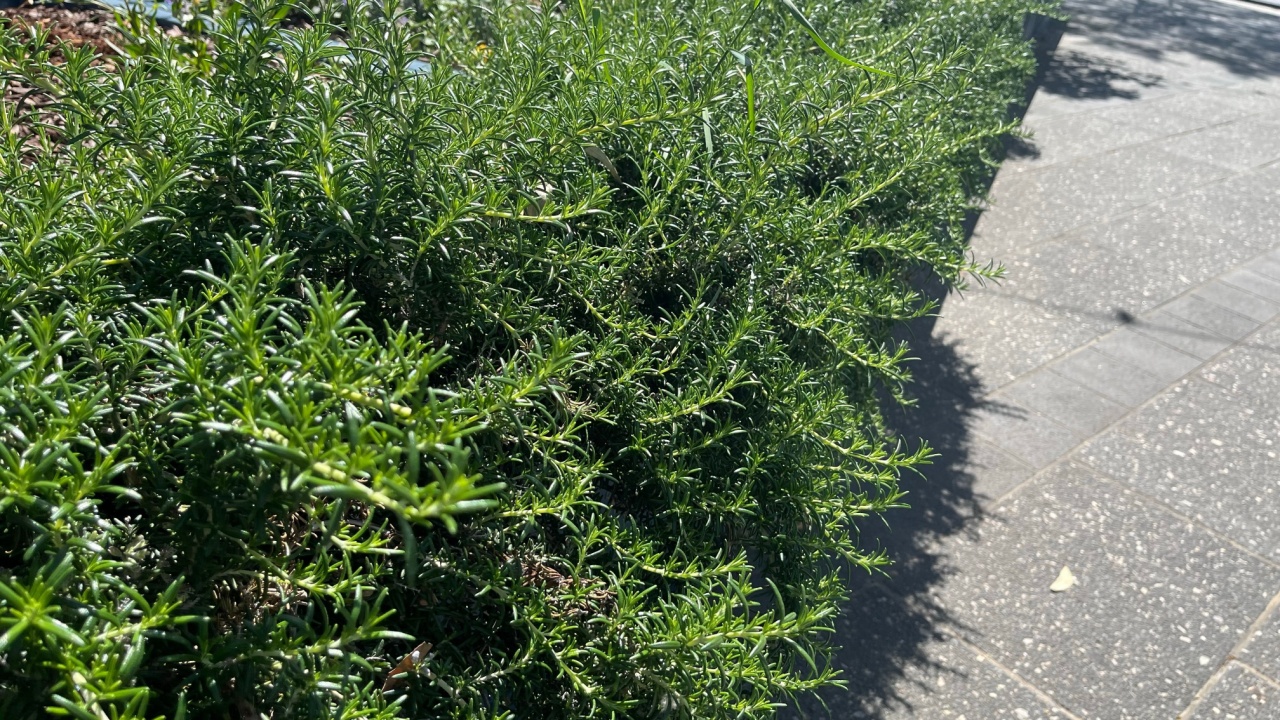
Rosemary is a workhorse repellent that most gardeners underestimate.
According to Spectrum Pest Control, rosemary’s essential oils deter rodents, mosquitoes, spiders, and insects, and the plant can be boiled into a homemade repellent spray as a free, chemical-free alternative to store-bought products.
Plant it near doorways and sheds, and trim it regularly to keep the scent active. It grows well in containers, making it easy to move where protection is needed most.
7. Sage
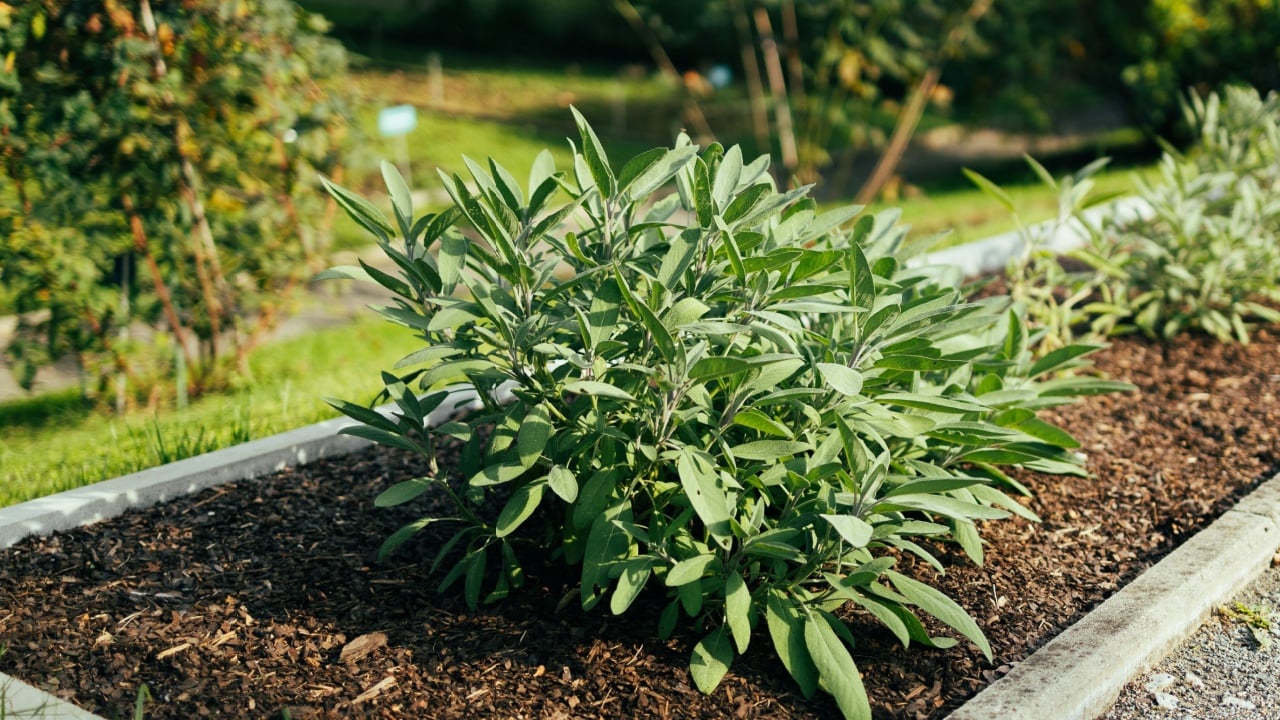
Sage is one of the few herbs that deters both deer and mice with equal effectiveness. Tom’s Guide notes that rats and mice find both green and white sage varieties strongly repulsive.
For gardeners who have suffered through a season of deer browse, a border of sage along the property edge costs a few dollars at any garden center and provides a continuous, rain-resistant deterrent that no spray can match. It also means fresh sage for your kitchen all season long.
8. Allium
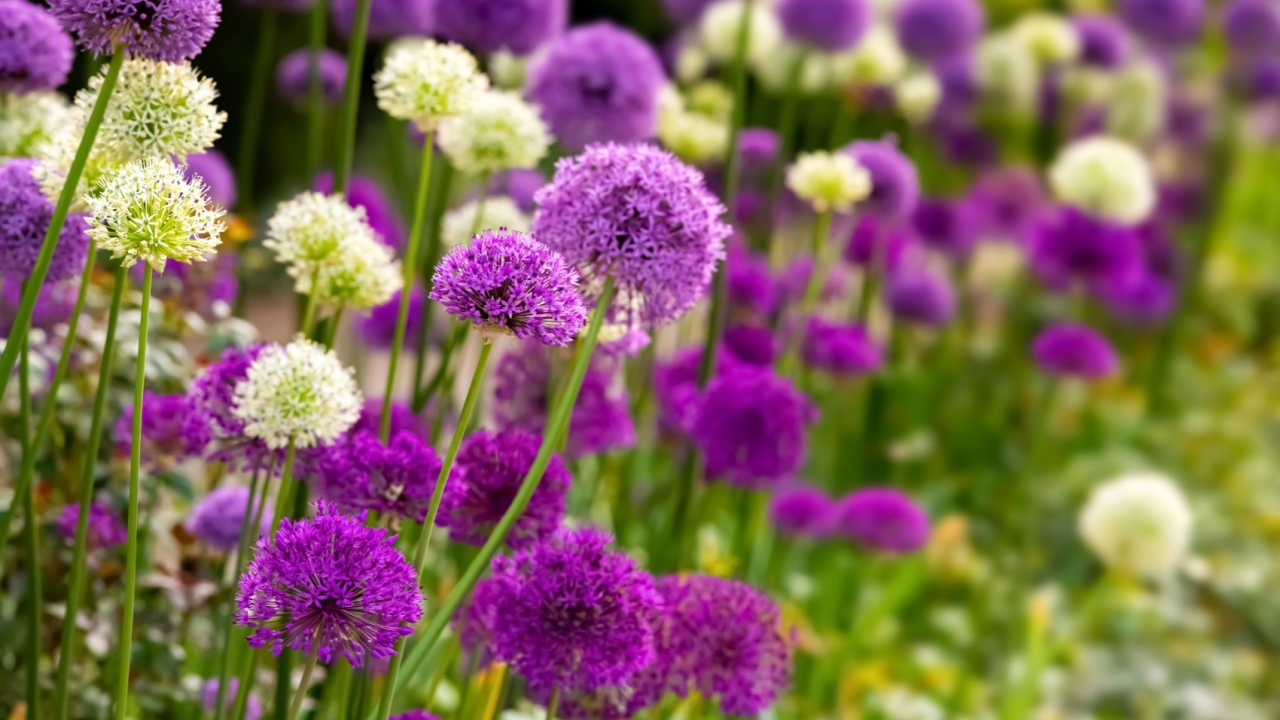
Alliums produce the same sulfur-based compounds as garlic and onions, which deer and rabbits actively avoid. Walters Gardens notes that ornamental onions will only be touched by deer as an absolute last resort, making them one of the most reliable deterrents available.
Their globe-shaped blooms attract pollinators while their scent guards neighboring plants, making them an ideal choice for ringing a vegetable garden or a bed of plants deer would otherwise target.
9. Mint
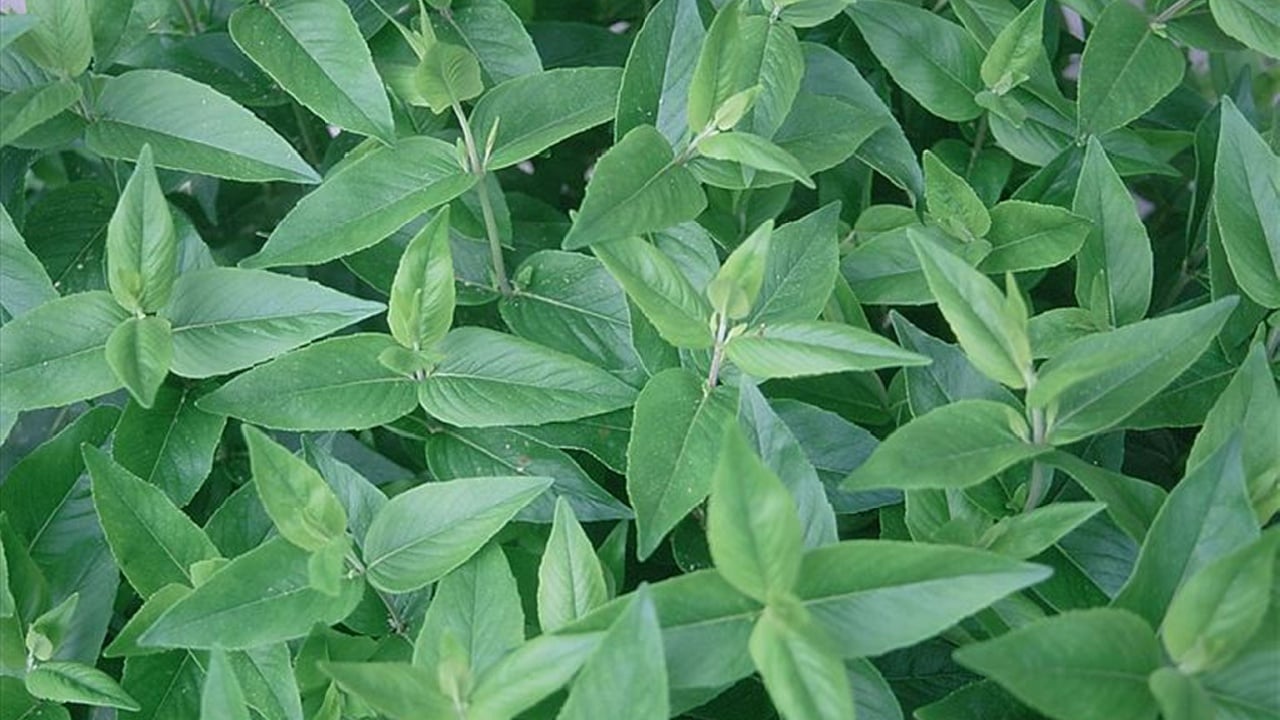
Peppermint and spearmint are among the most effective rodent deterrents in the plant world. According to Backyard Boss, mice find the menthol scent in mint genuinely repulsive.
The critical caveat, and the mistake most gardeners make, is planting mint directly in the ground, where it becomes invasive within a single season. Always grow mint in containers and place them strategically: near shed entries, along foundation plantings, and at garden perimeter corners. Containers can be moved indoors in late fall, extending the deterrent effect right through the months when mice seek shelter most aggressively.
10. Foxglove
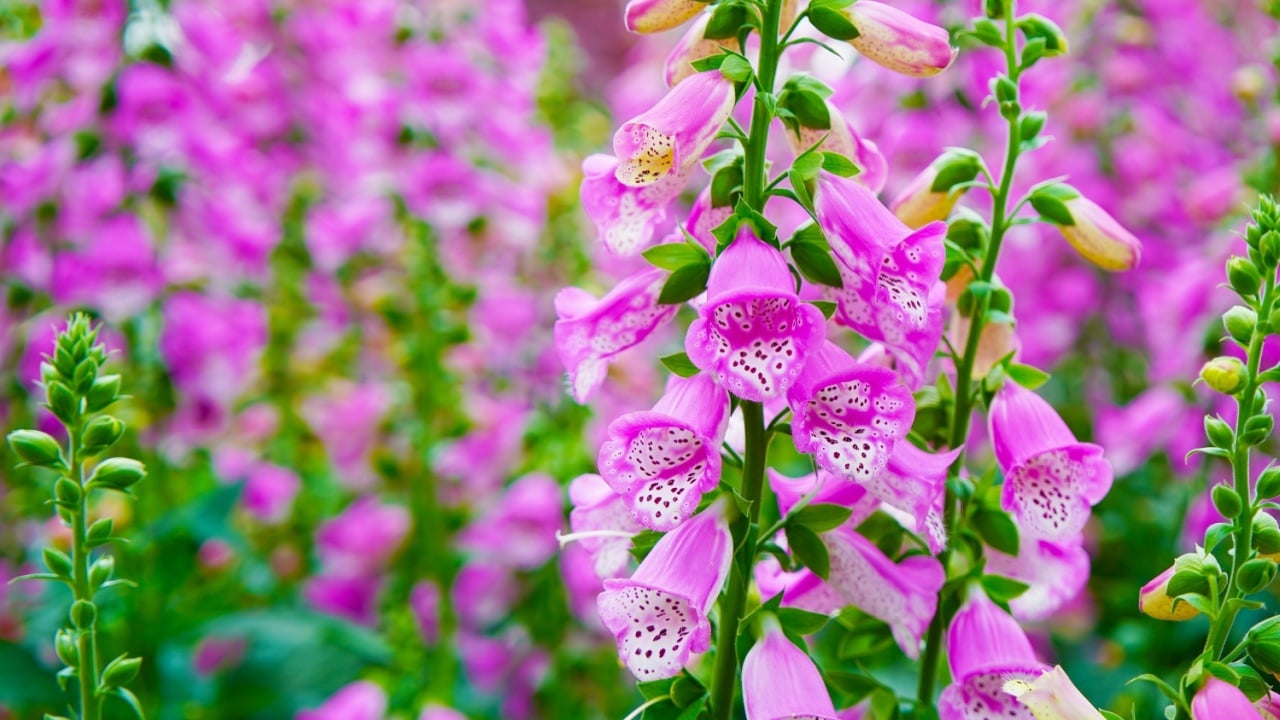
Foxglove is one of the most striking flowering perennials you can grow, and deer and rabbits will not touch it. The entire plant is toxic to wildlife, which means it functions as both a beautiful garden feature and an effective perimeter deterrent.
According to Walters Gardens, foxglove earns a strong deer and rabbit resistance rating across zones 4 through 9. Keep it away from pets and young children, but planted in a back border or raised bed, it is one of the most powerful deterrents on this list.
How to Build a Deterrent Border for Under $30
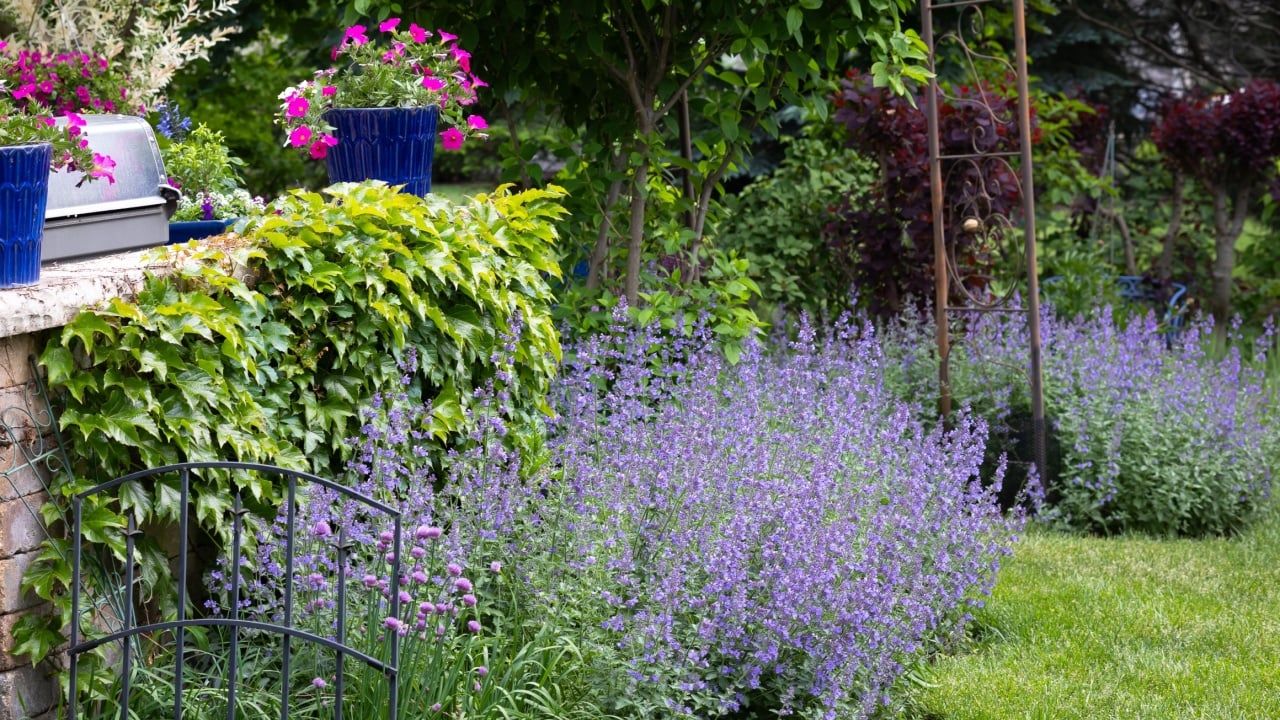
The most effective wildlife deterrence uses a layered approach, and it does not require a large budget.
A starter combination consists of one flat of marigolds ($8 to $12) planted along the outer edge, three catmint plugs ($12 to $15) at mid-border, and a bag of daffodil bulbs ($10 to $15) pressed into the soil each fall for underground rodent protection.
The total investment is under $40 for a full season of coverage across a standard garden bed. Many of these are perennials, which means the second and third years cost almost nothing at all.
The Smarter Path Forward
You do not need a fence. You do not need expensive repellents. What you need is the same thing experienced gardeners figured out generations ago: a thoughtful mix of plants that wildlife simply will not go near.
Start with one or two items from this list this spring, establish them before the summer browser pressure peaks, and pay attention to where your wildlife problems actually concentrate. The beauty of a living deterrent is that it compounds over time, each year more established, each year more effective, and each year costing you less than the bottle of spray you used to reach for automatically.
Read more:
7 perennial planting mistakes to stop making right now
How to Grow Zucchini Vertically: 7 Steps That Save Space and Double Your Harvest