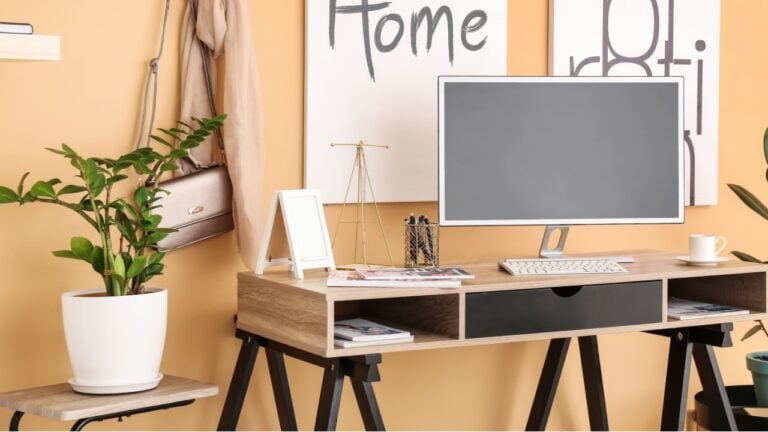
6 Items That Aren’t Worth Keeping in a Small Space
Living in a compact environment requires a ruthless commitment to editing. When square footage is limited, every object fights for territory. You simply cannot afford to harbor items that do not serve a specific, frequent purpose. Holding onto clutter creates physical obstacles and mental fatigue.
Small‑space living also forces you to rethink how your home functions day to day. Instead of letting belongings accumulate out of habit, you start evaluating whether each item genuinely earns its place. This mindset shift creates a home that feels lighter, more intentional, and far easier to maintain.
By clearing out the excess, you also make room for the things that truly support your routines. Storage becomes simpler, surfaces stay open, and your home begins to work with you instead of against you. These six categories are the quickest wins for reclaiming space and restoring a sense of calm.
This article identifies six specific categories of household items ripe for removal.
1. The Army of Duplicate Kitchen Gadgets
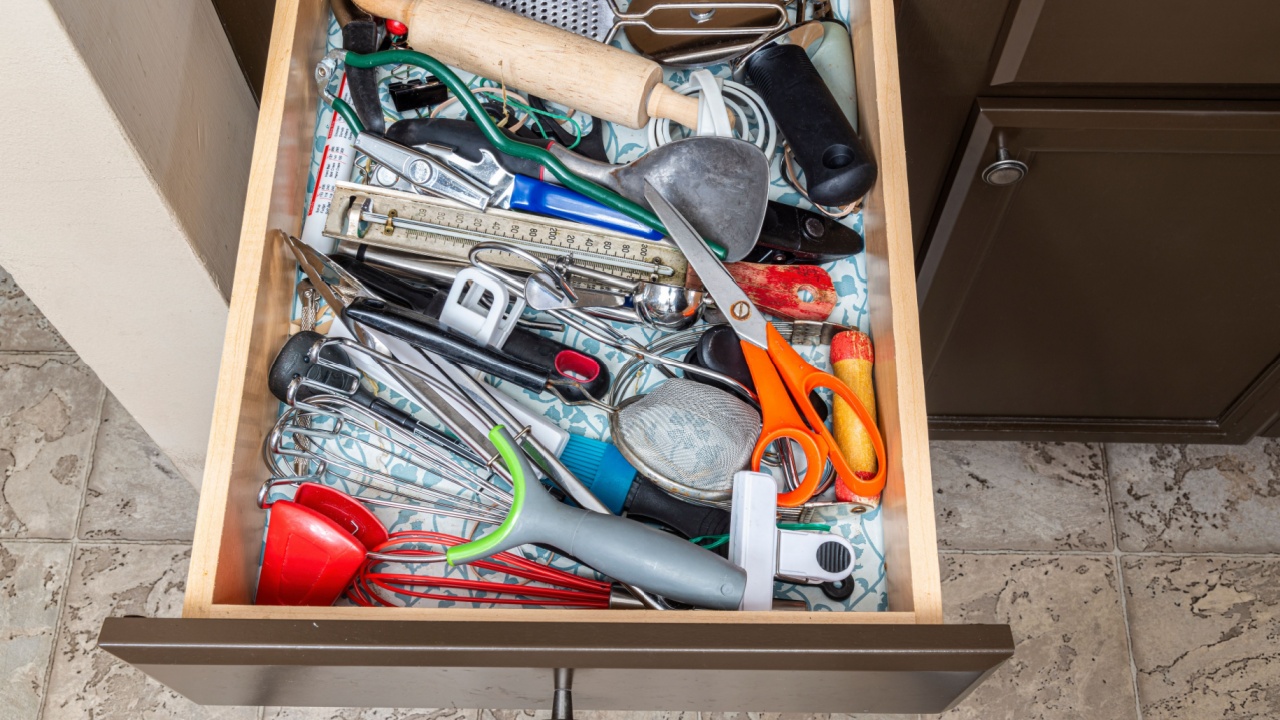
Kitchen drawers tend to collect redundant tools. You likely own three spatulas, two can openers, and a collection of whisks, yet you reach for the same single favorite every time. In a small kitchen, drawer space is precious currency. Storing multiple versions of the same tool wastes inches that could house something necessary.
Keep the best version of each utensil and donate the rest. If a gadget performs only one obscure task, like an avocado slicer or a strawberry huller, and you possess a knife that does the same job, the specialized tool should go. A streamlined drawer allows you to find what you need without wrestling a tangled metal knot of utensils.
2. The Museum of Expired Pantry Goods

Pantries in small homes often become graveyards for forgotten ingredients. Spices lose potency after a year, yet many jars sit on shelves for half a decade. Canned goods and baking supplies also have expiration dates that quietly pass while hidden behind newer purchases.
Holding onto these items creates a false sense of abundance. You perceive a full pantry, but much of it is unusable. Remove everything from the shelves and check the dates. Toss anything expired or stale. If you purchased a specialty ingredient for a recipe two years ago and never used it again, it needs to leave. This process frees up shelf space for food you actually eat and prevents you from buying duplicates of items you already have but cannot see.
3. Bulky Packaging and Paper Waste
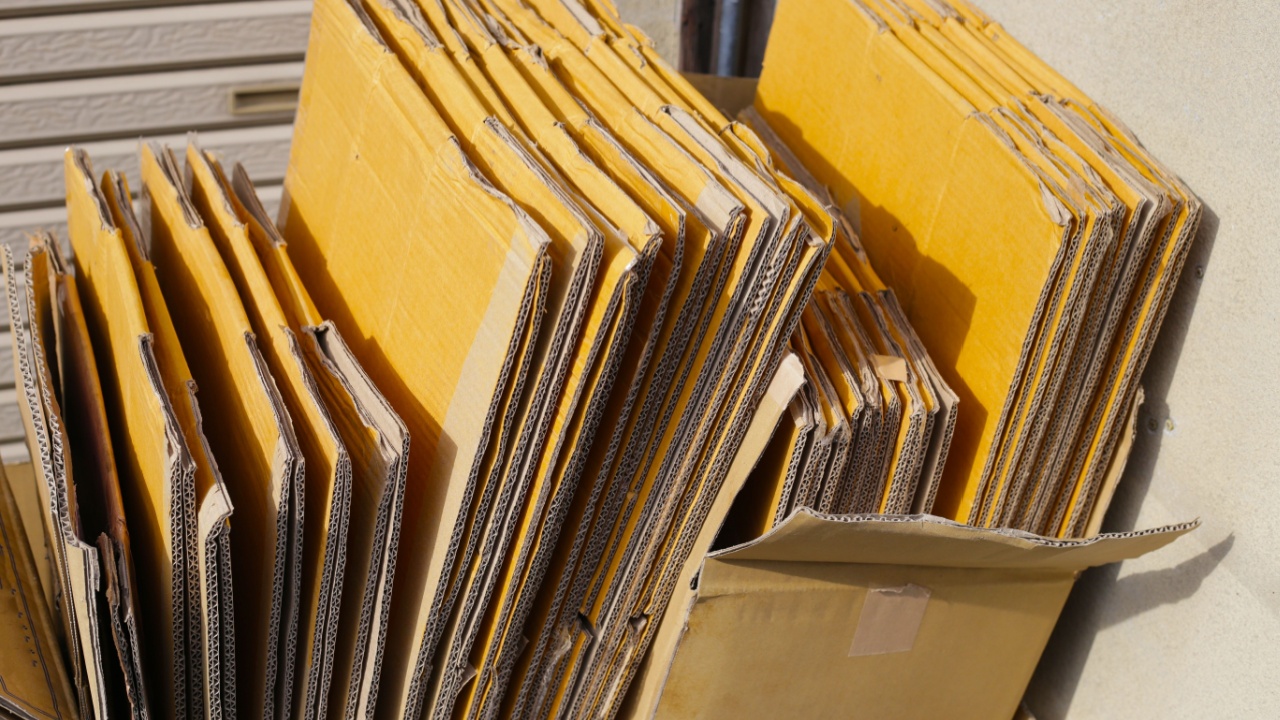
Retail packaging is designed to grab attention on a store shelf, not to maximize efficiency in your cupboard. Boxes for cereal, crackers, and electronics contain mostly air. In a small home, storing air is an inefficient use of capacity. Cardboard boxes and plastic wrappers take up significantly more room than the items they contain.
Decant dry goods into square, stackable containers that fit flush against one another. Recycle boxes from electronics immediately; you do not need the box to validate the warranty. Similarly, tackle the pile of junk mail, old magazines, and receipts. Paper clutter spreads quickly on flat surfaces. If a document is not legally vital, recycle it. Go paperless; digital copies suffice for most records today.
4. The Graveyard of Cleaning Supplies

Under the sink often lurks a collection of half-empty spray bottles and specialized cleaners purchased for a single tough stain. You might have five different surface cleaners, a specific grout scrubber used once, and a dusty bottle of floor wax. Most household cleaning tasks require only a reliable all-purpose cleaner, a glass cleaner, and a disinfectant.
Identify the products you actually reach for weekly. If a bottle has gathered dust or separated into weird layers, dispose of it properly. Limiting your arsenal to three or four versatile products clears space for essentials like trash bags or a sponge caddy, making the cabinet functional rather than frightening. Carefully dispose of any cleaning product that is expired, or you haven’t touched in months.
5. The Linen Closet Overflow
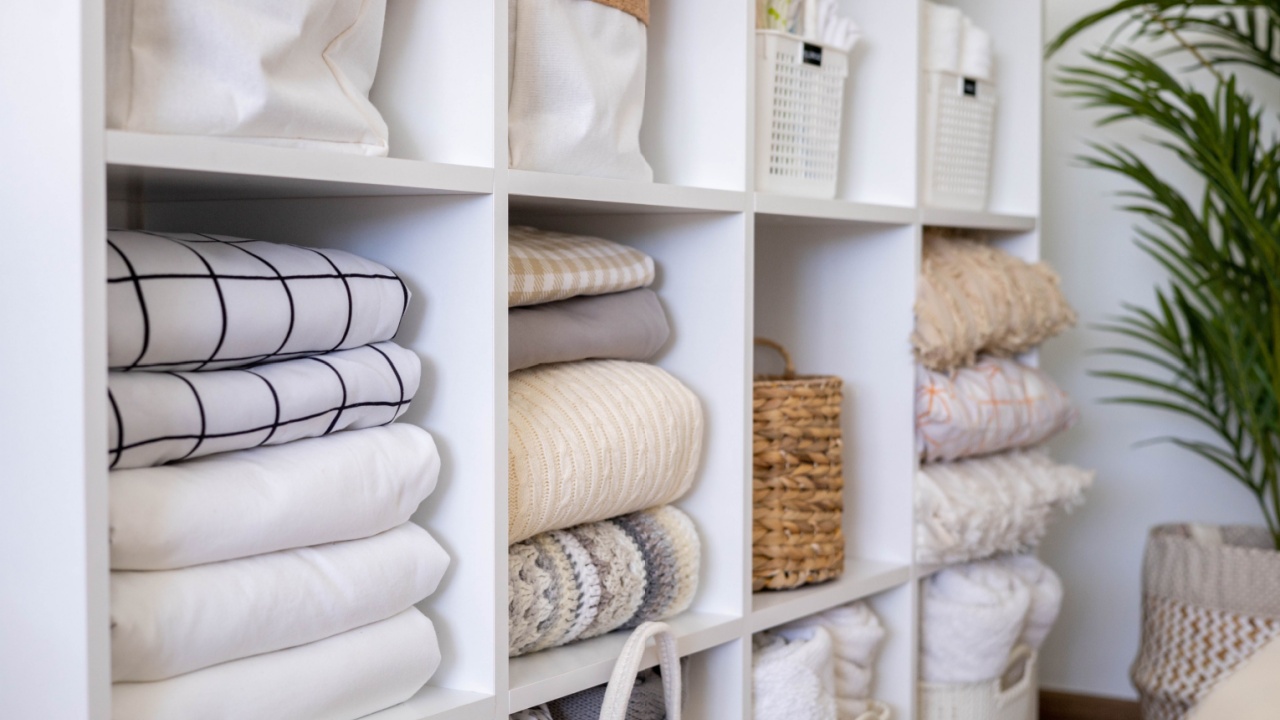
Towels and bedsheets often accumulate without anyone noticing. You might keep old, frayed towels “just in case” of a spill, or hold onto unmatched sheets from a bed size you no longer own. In a small apartment, a linen closet, if one exists at all, cannot handle this excess.
Be realistic regarding your needs. Two sets of sheets per bed are sufficient: one on the mattress and one in the wash. Similarly, calculate how many towels you use between laundry days and add two for guests. Anything beyond that number contributes to the stuffing and jamming required to close the closet door. Animal shelters often accept donations of old towels, giving those worn-out linens a useful second life outside your cramped shelves.
6. The Tangle of Obsolete Tech
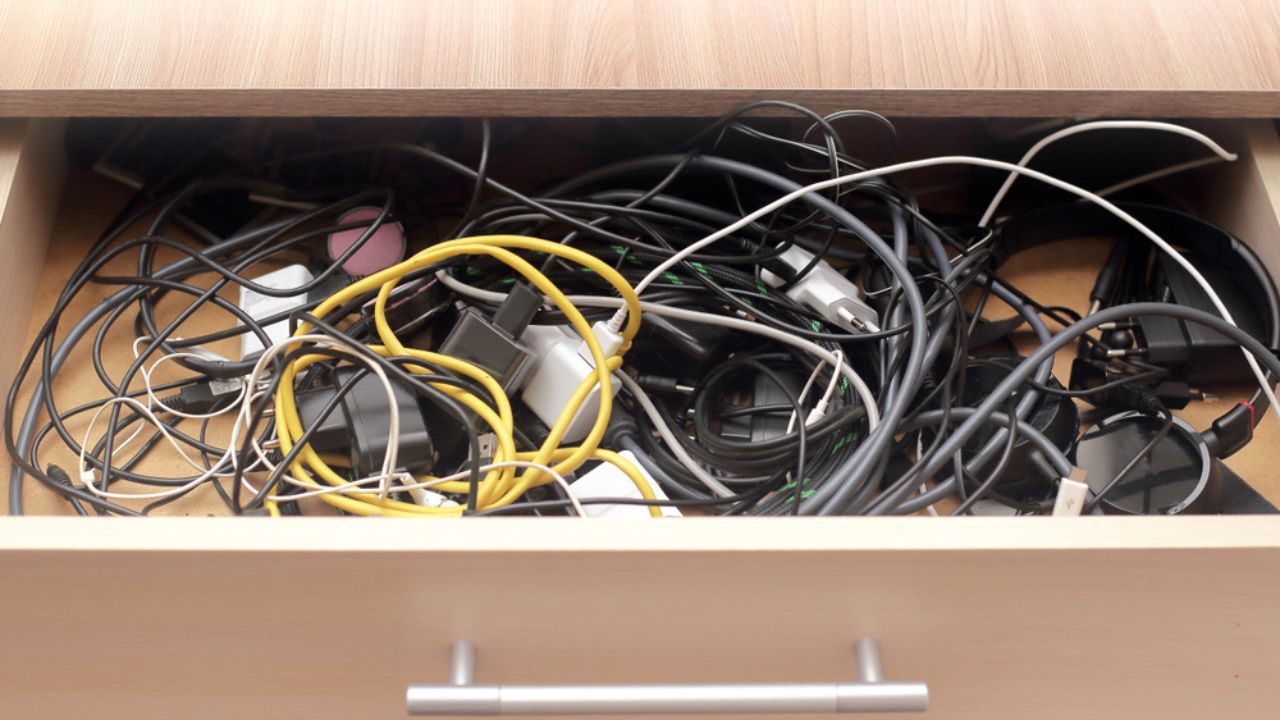
We hold onto cables and chargers with a strange optimism, believing that one day we might need that specific cord for a device we recycled three years ago. Drawers fill up with mystery cables, broken headphones, and phones from several generations back.
These items are dead weight. Test every cable. If you cannot identify which device a charger serves, or if the device is long gone, the cord serves no purpose. Old phones and laptops contain hazardous materials and should not sit in a drawer; take them to a proper e-waste recycling facility. Clearing this technological debris eliminates the frustration of digging through a rat’s nest of wires to find the one phone charger that actually works.
Making the Change Stick
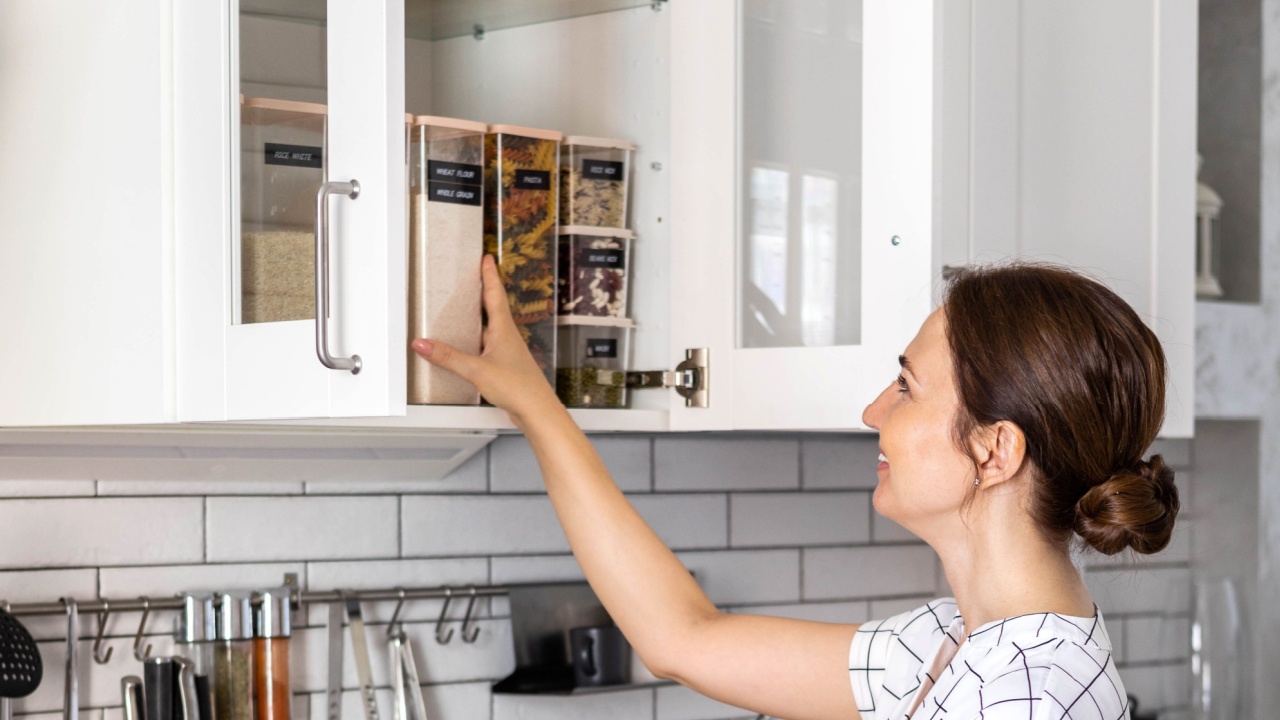
Clearing these six categories creates immediate breathing room. However, maintaining that space requires vigilance. Adopt a “one in, one out” policy for every new item you bring into your home. Before purchasing a new kitchen tool or set of sheets, identify exactly what will leave to make room for it. Schedule a quick scan of these trouble zones, pantry, drawers, and linen closet, once a month, to catch clutter before it solidifies. Your small space functions best when it contains only what you use and enjoy.
Read more
Maximizing Small Spaces: Tips for Apartments and Compact Homes