4 Things Glass Cleaner Can Ruin at Home
That trusted blue or clear liquid in the spray bottle feels like a universal problem-solver. A quick spritz, a wipe, and suddenly the world looks clearer. It’s tempting to reach for it whenever a surface looks smudged, dusty, or just plain sad. But this go-to cleaner has a specialized formula, and its very chemistry can cause irreversible damage to many common household items.
Before you go on a cleaning spree, it’s worth knowing where its power to clean ends and its power to ruin begins. Understanding what not to spray can save you from costly replacement and the frustration of a cleaning attempt gone wrong.
Here are four surfaces that can be ruined by glass cleaner:
1. Natural Stone Surfaces
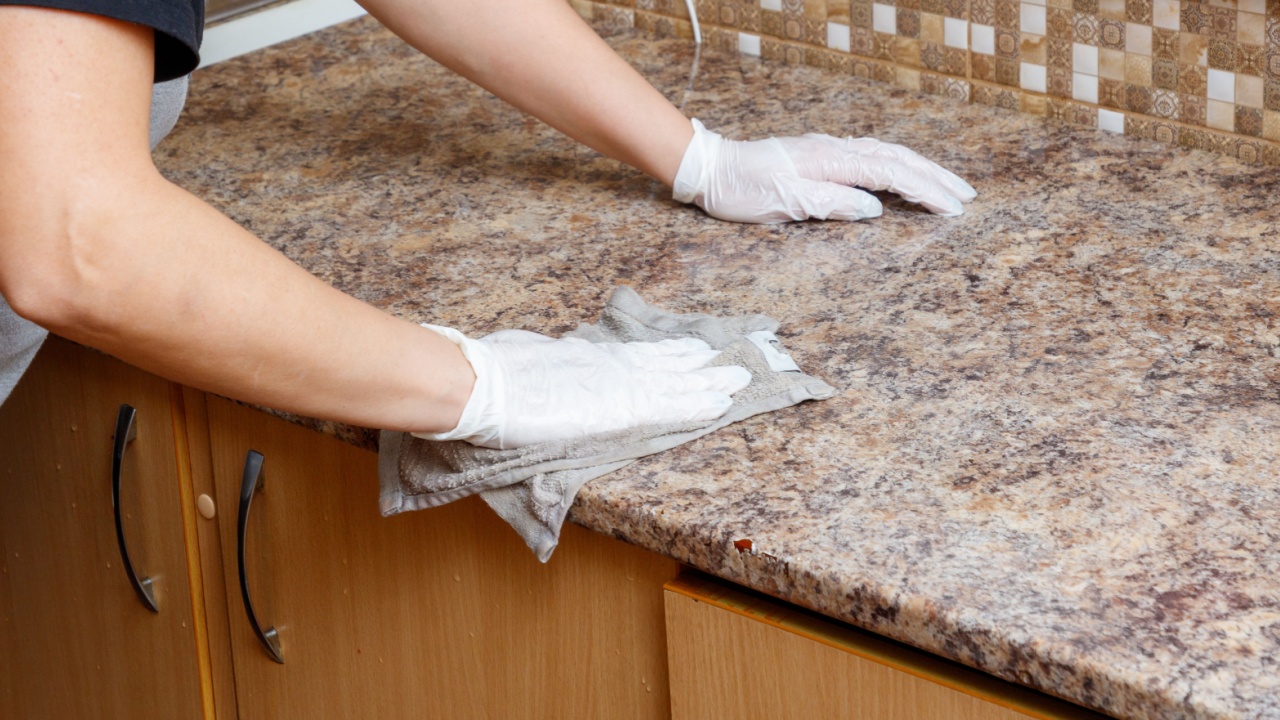
Many modern kitchens and bathrooms feature beautiful natural stone like granite, marble, or quartz. These materials bring an elegant, earthy feel to a home, but they are also quite sensitive. The acidic or alkaline ingredients found in most glass cleaners, including ammonia, are the primary culprits. These harsh chemicals can react with the minerals in the stone, leading to dulling, etching, and a breakdown of the protective sealant that keeps the stone from staining. Once that sealant is compromised, the porous stone is left vulnerable to absorbing liquids, which can cause permanent discoloration.
Instead of reaching for the glass cleaner, opt for a pH-neutral cleaner specifically designed for stone. You can also use a simple mixture of warm water and a few drops of gentle dish soap. The method is just as important as the cleaner; always use a soft microfiber cloth to wash and another to dry the surface completely. This prevents water spots and protects the stone’s natural luster. Regular sealing, typically once a year, is also fundamental to keeping your countertops looking pristine.
2. Wood Furniture and Floors
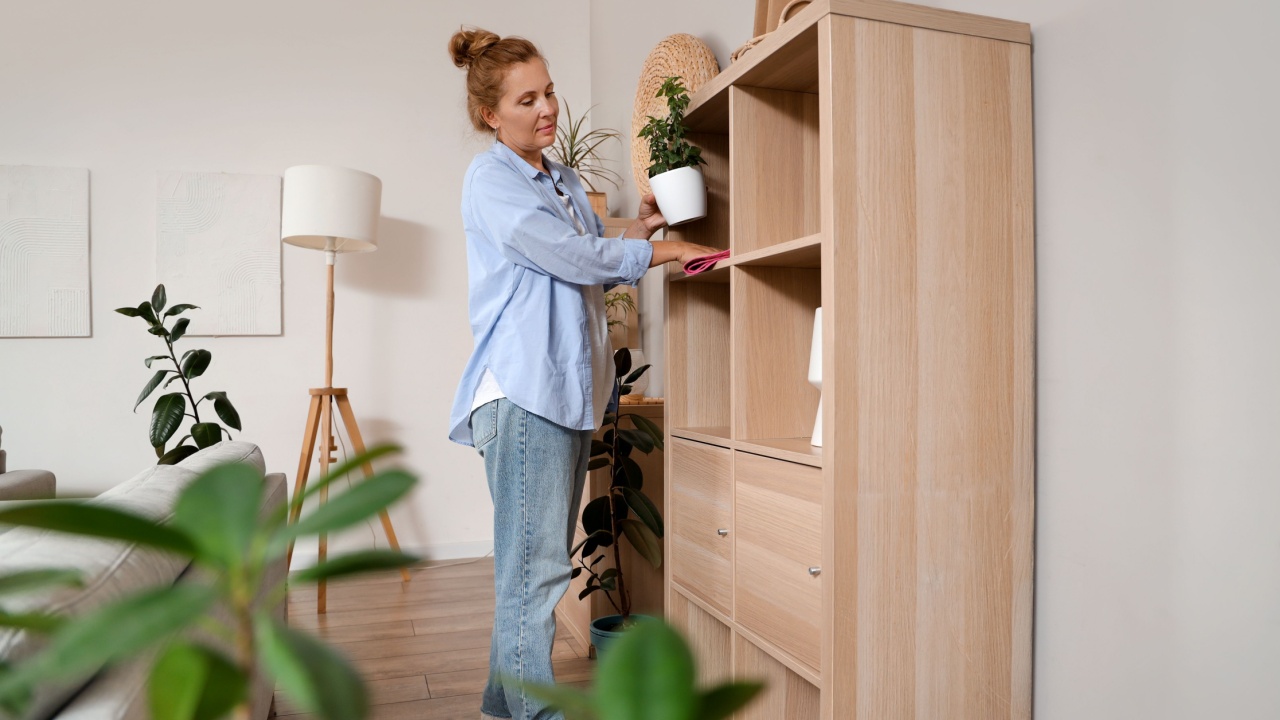
Wood surfaces, be they your great-aunt’s antique dresser or your newly installed hardwood floors, require specific care. They are often protected by a layer of varnish, wax, or polyurethane. Glass cleaners, especially those containing ammonia, can soften and strip away these protective finishes. This leaves the wood exposed to moisture, scratches, and fading.
To keep your wood looking beautiful for years, stick to products made for it. A simple dusting with a dry microfiber cloth is often enough for routine maintenance. For a deeper clean, use a wood-specific cleaner or a highly diluted solution of water and a mild soap. When cleaning wood floors, be certain the mop or cloth is damp, not soaking wet, as excess water can cause the wood to swell and warp. Polishing wood furniture once or twice a year with a quality wood polish will also help nourish the material and restore its protective barrier.
3. Screens on Electronic Devices

The screen on your flat-screen TV, laptop, or computer monitor is not made of simple glass. These screens have delicate anti-glare coatings and other sensitive layers that can be permanently damaged by the chemicals in standard glass cleaners. Using an ammonia-based cleaner can cause streaking, clouding that won’t wipe away, or even create patches where the anti-glare coating is completely stripped off. This can make the screen difficult to view and is unfortunately not something that can be repaired.
The safest way to clean these screens is with a dry, soft microfiber cloth to gently wipe away dust and fingerprints. For more stubborn smudges, lightly dampen the cloth with distilled water; tap water can leave mineral deposits behind. Never spray any liquid directly onto the screen, as it can drip down into the bezel and damage the internal electronics. There are also cleaning solutions specifically formulated for electronic screens, which are a safe bet if water alone does not do the job.
4. Acrylic and Plexiglass
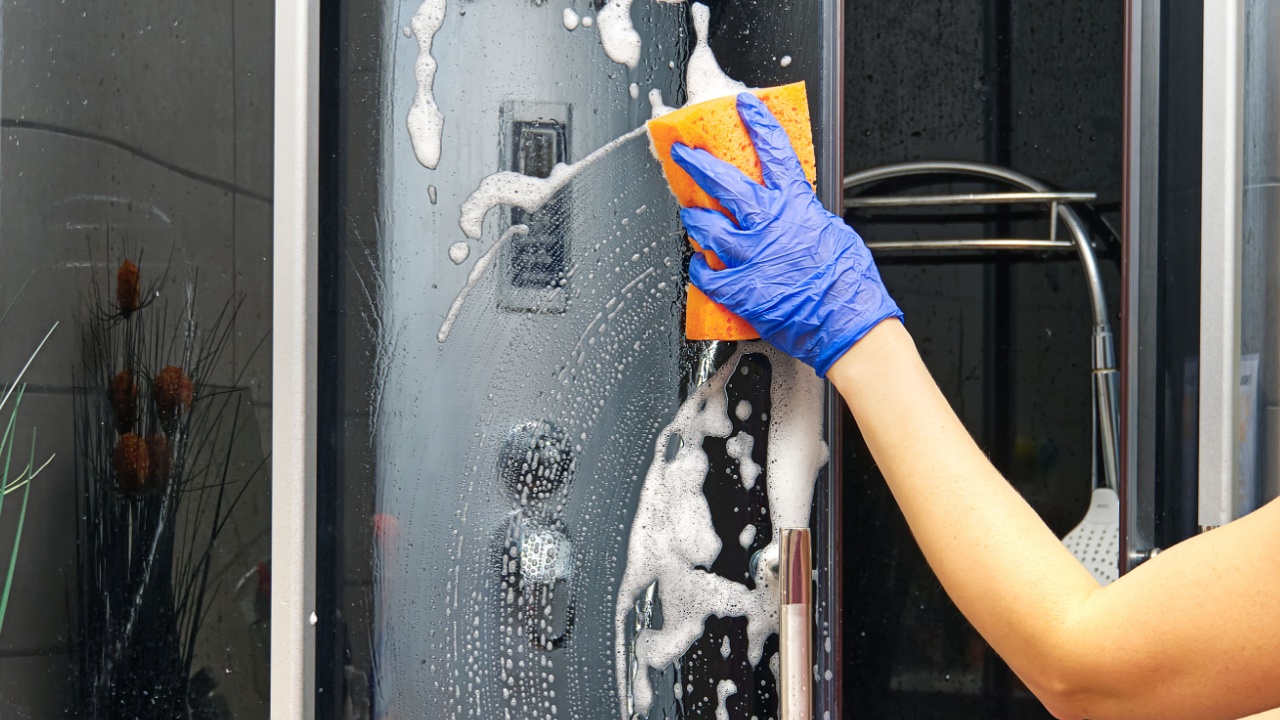
Acrylic and plexiglass are popular glass alternatives used for everything from picture frames to shower doors and protective barriers. While they look like glass, they are much softer and more susceptible to damage. The solvents in glass cleaner, particularly ammonia, can cause a reaction called “crazing.” This appears as a network of fine cracks within the material, creating a hazy or fractured look that ruins its transparency. The damage is chemical and cannot be buffed out or fixed. Additionally, using paper towels with glass cleaner on these surfaces can create countless tiny scratches.
To clean acrylic or plexiglass properly, use a soft, lint-free cloth, like microfiber. If you need more than a dry dusting, a simple solution of mild soap and water is the most effective and safest option. Gently wash the surface, then rinse it with clean water before blotting it dry with another soft cloth to prevent water spots. Special plastic and acrylic cleaners are also available and work well to remove static, which can attract more dust.
Consider What You’re Cleaning
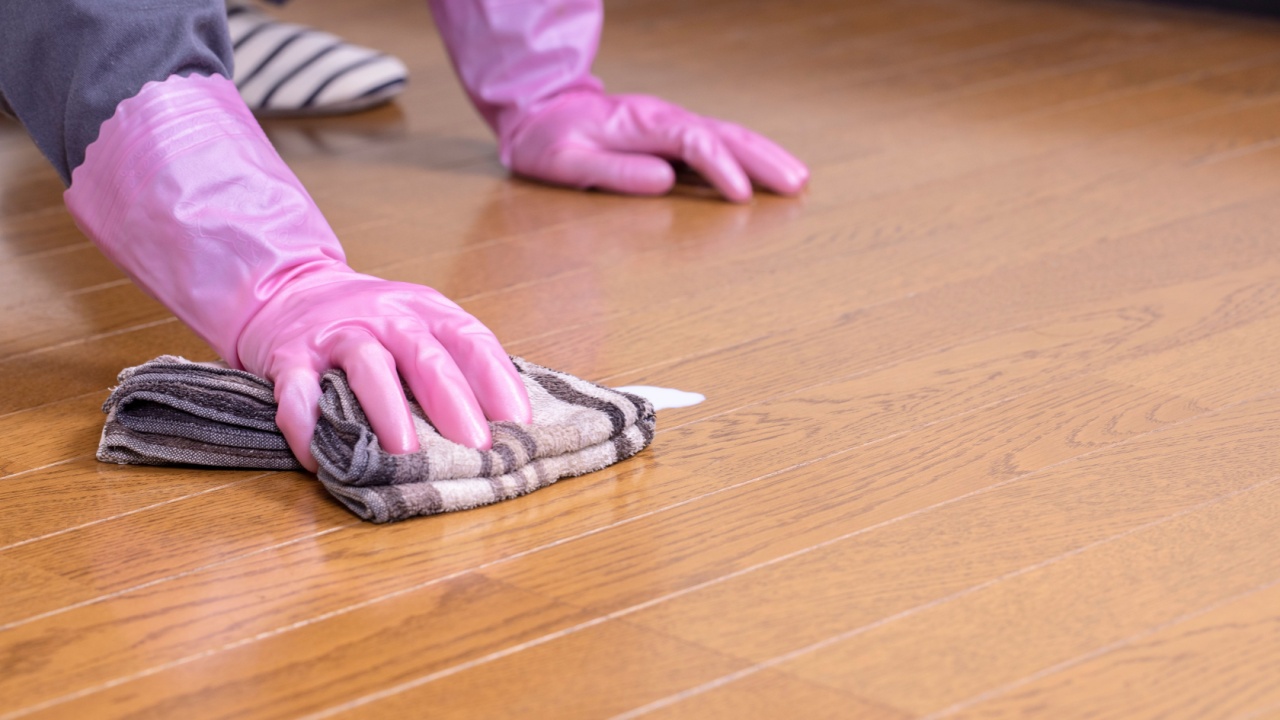
That powerful glass cleaner definitely has its place, but its place is limited. Taking a moment to use the right cleaner for the right job does more than just make things look good; it protects your belongings and saves you money and headaches in the long run. A good approach is to assemble a small, dedicated cleaning kit for different materials in your home.
Keep your pH-neutral stone cleaner under the sink, your wood polish in the hall closet, and a microfiber cloth near your electronics. By treating your surfaces with the specific care they need, you will preserve their beauty and function for years to come.