Don’t Like Gardening But Do It Anyways? You’re Not Alone. Real People Share Why They Keep Going
Picture spending a full weekend weeding, planting, and hauling heavy pots from one end of the yard to the other. Strangers stop on the sidewalk to compliment your garden. Your neighbors treat you like the local expert. And the whole time, you’re quietly waiting for it to be over.
A Reddit thread started by a near-master gardener asked a question many people have never said out loud. Does anyone garden without actually enjoying it? The responses came from people who grow for beauty, family, savings, and a simple routine. The gap between loving a garden and loving gardening turned out to be enormous.
Her former colleague paints a specific picture of what a gardener looks like. They’re knee-deep in soil and smiling, and call it “dirt therapy.” For some people, that image is genuine. For others, like the OP, the work is hot, sweaty, and thankless, and the only part they actually enjoy is when it’s done.
This article gathers the real reasons real people keep showing up in their yards without any passion for the work. None of them are pretending to love it. All of them keep going anyway. If that sounds familiar, you’re in good company.
They Love the Look, Not the Labor
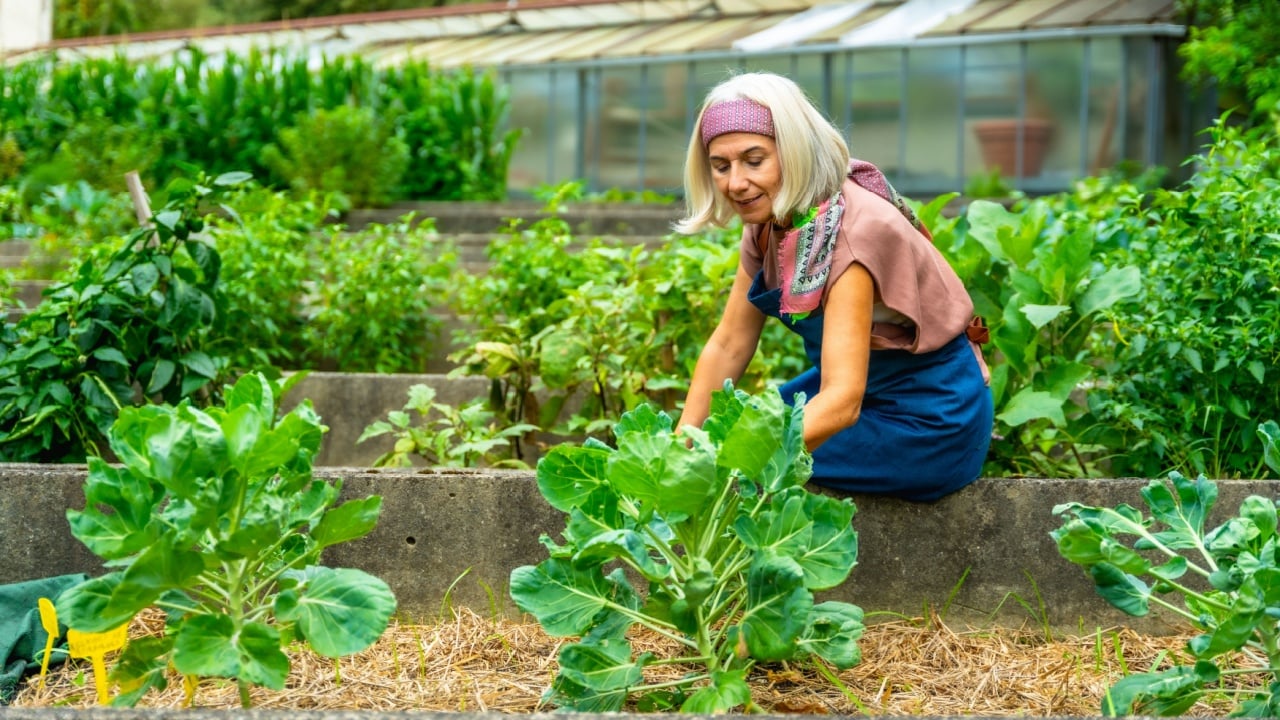
The woman who started the Reddit thread is an almost master gardener (self-described). She had a front yard pollinator garden, backyard raised beds, patio fountains, and trees she’d planted herself.
Strangers regularly stopped to admire the property. “The work is just a means to an end,” she wrote, making no apology for it.
One commenter added a line they had carried from a novel for years. The character’s wife, they recalled, “enjoyed being in a garden, and enjoyed the effect of having had gardened, but not so much the actual act of gardening.”
That framing resonated with many people in the thread. Loving a result and loving the process that created it are two entirely separate things.
They’re Doing It for Someone Else
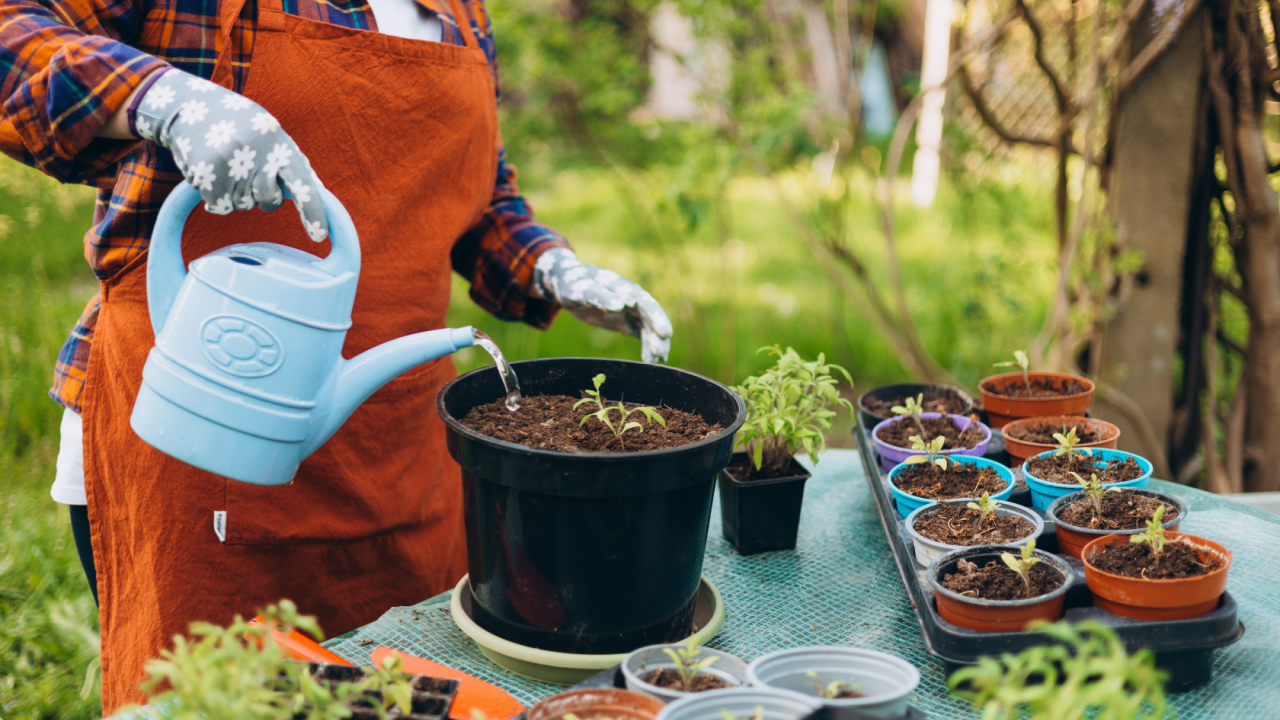
Not every garden is grown for the person doing the planting. One commenter shared that they grow things they’re allergic to and wouldn’t eat themselves.
Their parents love tomatoes, so the tomatoes keep growing. “I can’t eat tomatoes, but they are so much fun to grow,” they wrote, “and my parents love tomatoes.”
That same commenter was unbothered by wildlife eating part of the harvest. “I’ve got plenty for the groundhogs and squirrels,” they wrote. When the garden is for others, personal enjoyment becomes far less important. The act of providing something gives the work a reason to continue.
It Gets You Out of Bed
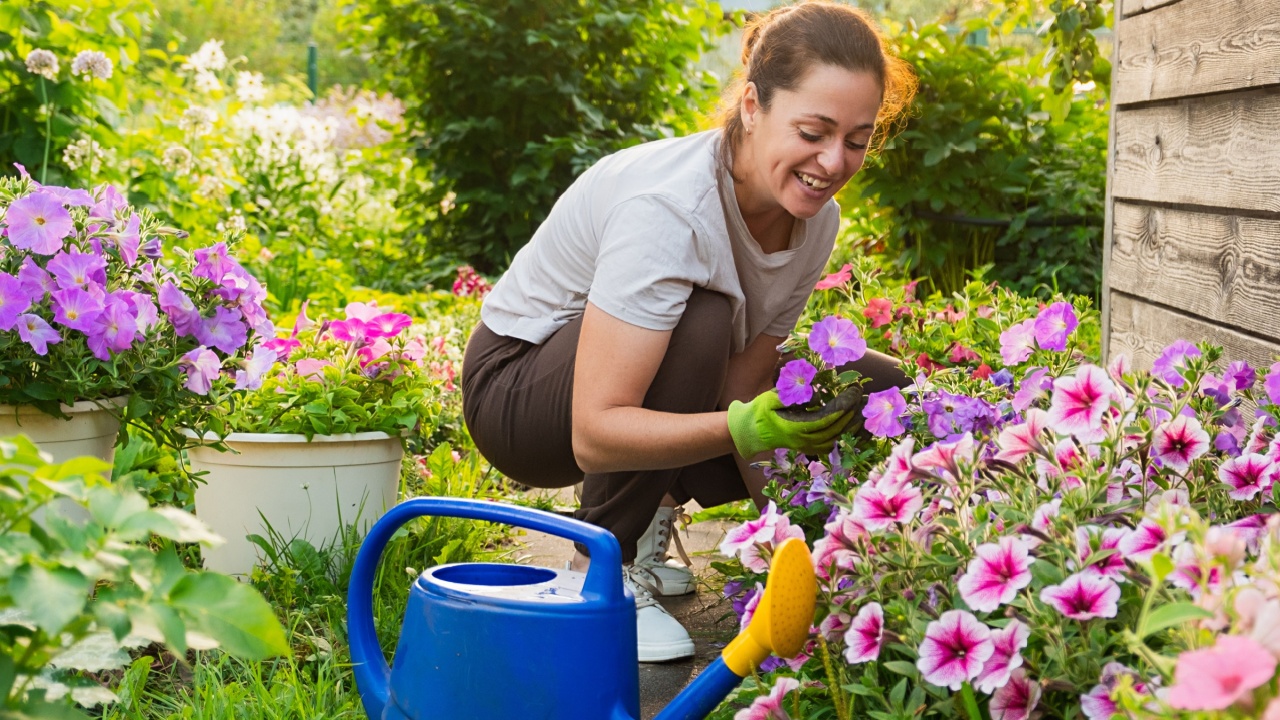
Gardening has many benefits; some people keep a garden because it provides a daily structure. One commenter was honest about not enjoying the daily watering or weeding at all.
What they value is having a reason to get up early, something outside themselves that makes the decision for them. “Otherwise I would sleep until 2 pm every day,” they wrote.
A garden is unmoved by your motivation. It needs water on schedule. The weeds grow regardless of how you feel that morning. For people who struggle to build their own routines, that quiet external pressure is worth more than they’d expect.
The Budget Made the Decision
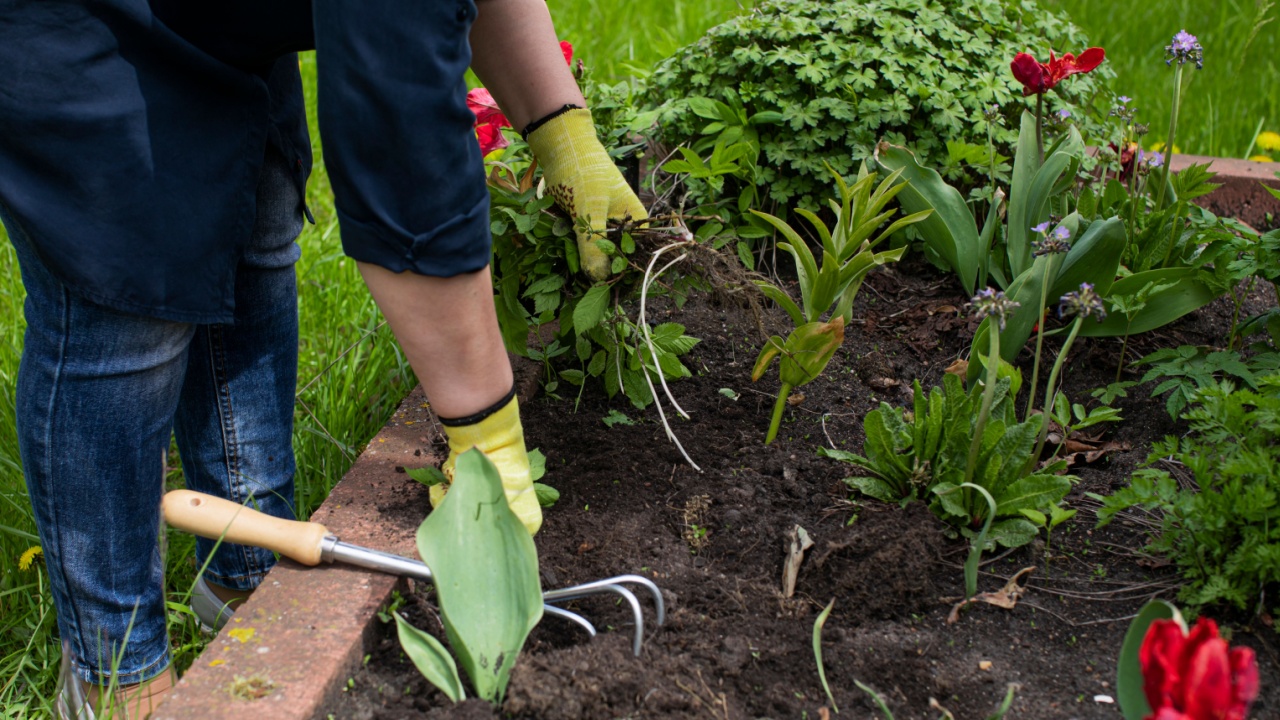
Financial reality drives more garden work than people publicly acknowledge. The original poster described herself as frugal.
She and her husband don’t have the money to hire outside help for any of their projects. So they do it themselves, producing a yard that draws compliments from strangers, built on necessity rather than enthusiasm.
Landscaping services cost real money. Hiring someone for regular maintenance, seasonal planting, and bed cleanup adds up quickly.
For many homeowners, doing the work themselves is simply the smarter financial choice. The result is the same either way, regardless of the feelings behind it.
They’ve Found a Rhythm, If Not a Passion
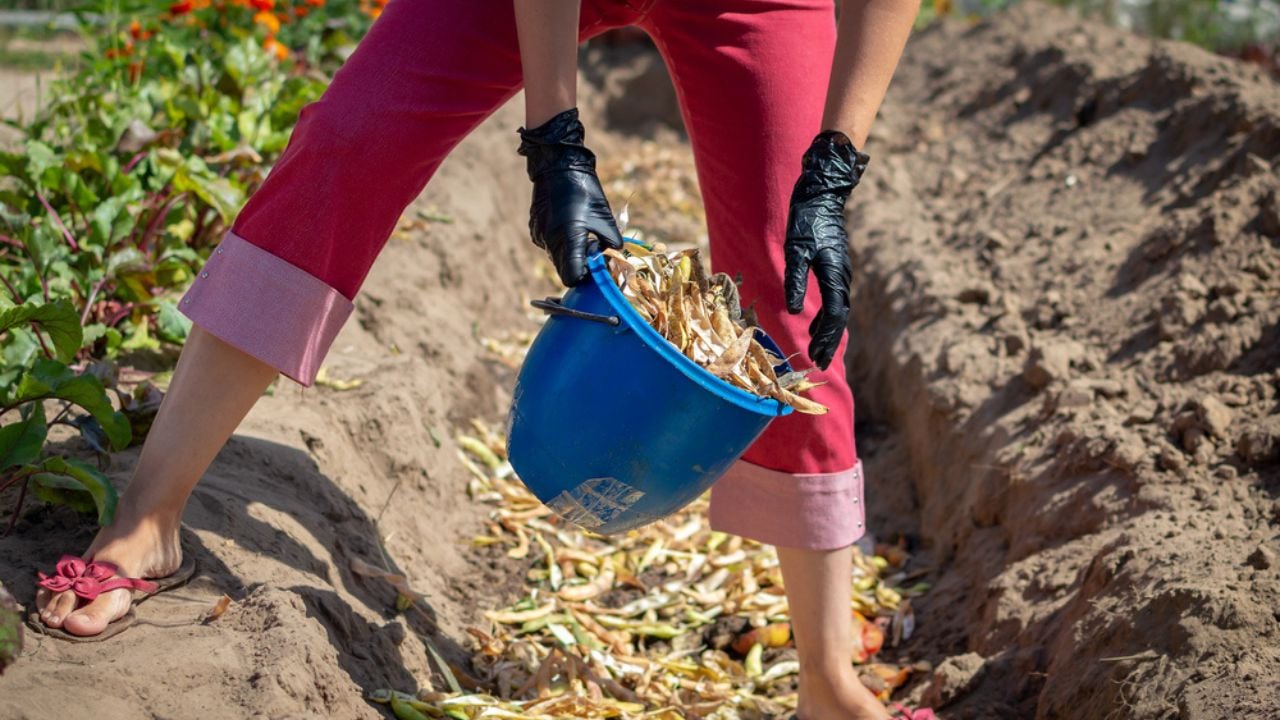
A few commenters described something quieter than passion. One spoke of finding “a system and rhythm that is suitable for man and nature.”
Even their composting had become a kind of meditation on acceptance, embracing entropy rather than fighting it. Rhythm and systems reduce the friction of any task.
When you know what needs doing and in what order, the decisions become smaller. You move through a familiar sequence instead of dreading an undefined chore. A gardener with a reliable routine can often outperform one who waits to feel inspired.
The Satisfaction Comes After the Work
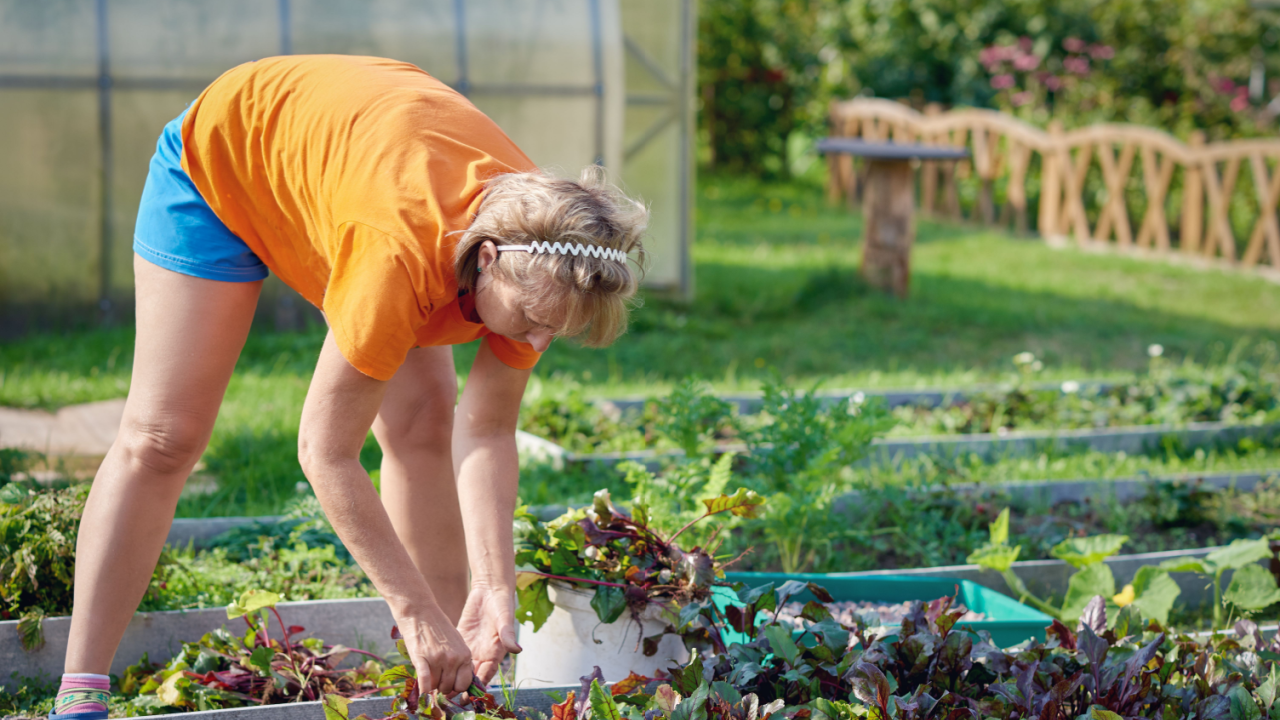
Not all satisfaction lives inside the work itself. One commenter admitted to hating weeding every time, without exception. “There is satisfaction when it’s done,” they wrote, “but while I am doing it, I am low-key annoyed.”
That after-the-fact reward is a real reason to keep showing up.
Psychology agrees that many worthwhile activities work this way. The pleasure isn’t in the doing, but in the dopamine we get after having done.
A clean bed, a full harvest basket, a yard that makes people pause on the sidewalk, these are real things. The garden doesn’t ask if the work was pleasant, only that it was done.
Reluctant Gardeners Are Still Gardeners
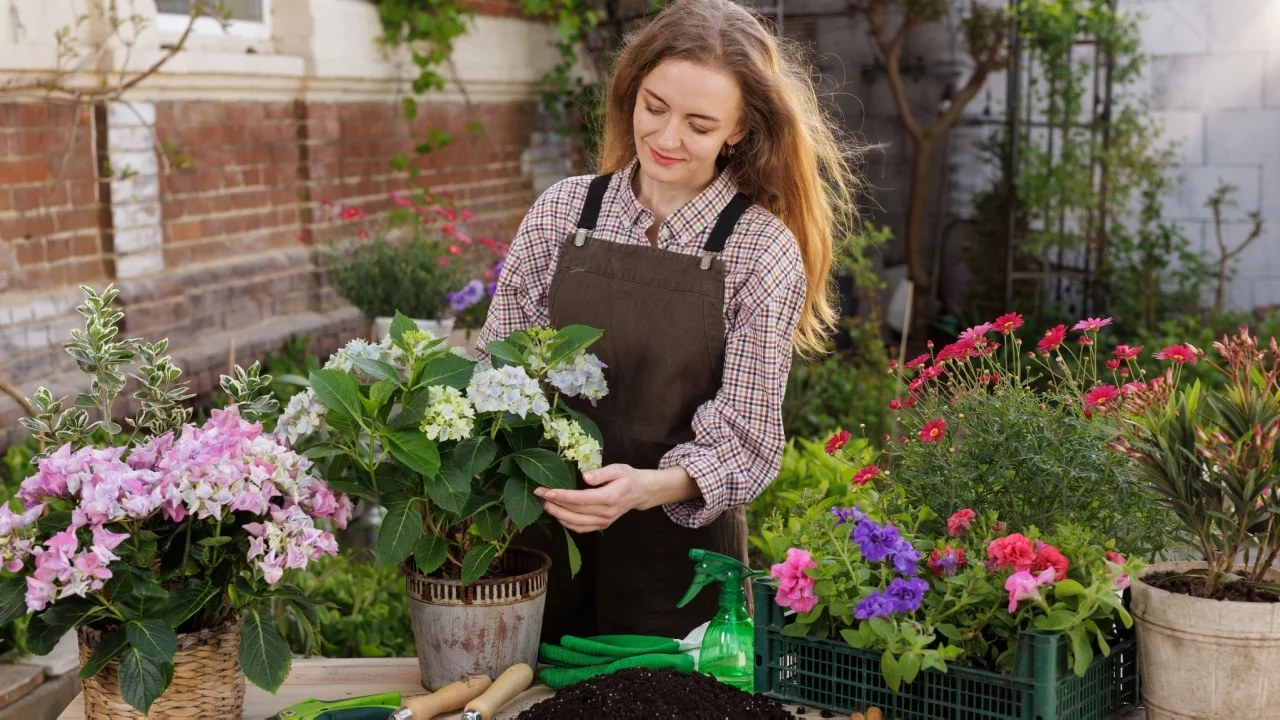
Gardening has a reputation for being a joyful, restorative hobby. For some people, that reputation is well-earned. For just as many others, it’s a job they didn’t choose but do anyway.
Those gardens are just as beautiful, and the people tending them are no less capable. If you garden without loving it, nothing is missing in you.
Some people are pulled forward by a vision of what the yard could become. Others are pushed forward by family, finances, or the simple need for a morning routine. All of those reasons are real, and all of them are enough.
Read More:
14 Common-Sense Gardening Tips for Beginners to Avoid Disaster