14 Telltale Signs a Snake is Hiding in Your Yard
Finding a snake in your yard can be a bit of a shock. These reptiles are masters of stealth, moving so silently through grass and tight spaces that you’ll rarely see them directly. So, how can you tell if one has made a home near yours? The trick is to stop looking for the snake itself and start looking for the clues it leaves behind while searching for warmth, shelter, and its next meal.
Herpetologists and pest control experts rely on specific signs to track snake activity, much of which we’ve learned from observing common species like garter snakes and rat snakes.
Your garden might be the perfect snake paradise without you even realizing it. Mulch piles offer cozy insulation, dense bushes provide cover from predators like hawks, and a small pond can attract tasty frogs and insects.
Ready to become a snake detective? Here are the key signs that a snake might be your new neighbor. We’ve combined biological facts with expert tracking tips to help you spot everything from the obvious clues to the subtle hints most people miss.
1. You Find a Shed Skin
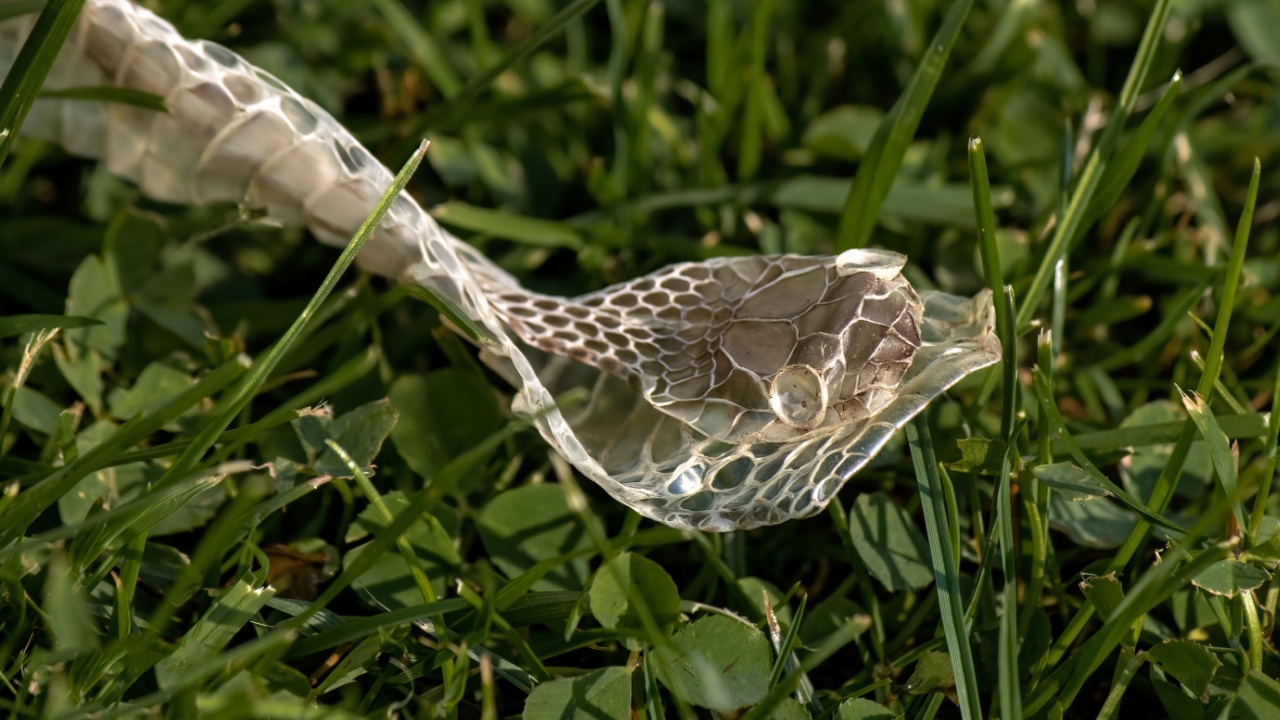
As snakes grow, their skin doesn’t, so they have to shed the old layer to make way for the new. This process, known as “ecdysis,” leaves behind a perfect, translucent map of the snake’s body. Finding one of these papery tubes is the clearest sign you have a snake living nearby.
Snakes often use rough surfaces like rocks, bricks, or the edge of a porch to help them wiggle out of their old skin. The shed skin usually looks longer than the snake itself because it stretches during the process. If you look closely, you might even see the scale pattern, which can help you identify what kind of slithery guest you have.
If the skin is soft and flexible, it means the snake was there recently. If it’s brittle and yellowed, it could be weeks old. Snakes are vulnerable while shedding, so they tend to do it near their favorite hiding spots. If you find multiple skins in the same area, you’ve likely found the snake’s go-to “safe house.”
2. You See S-Shaped Tracks
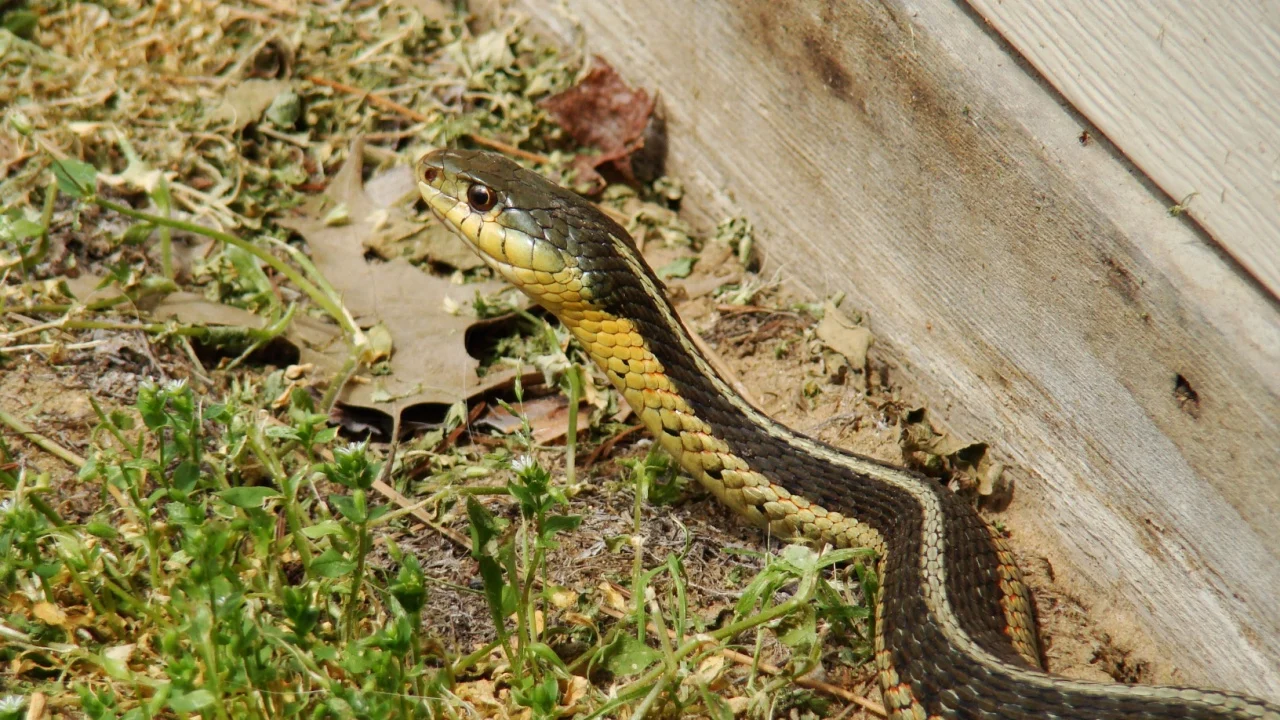
Since snakes don’t have legs, they move by pushing their bodies against the ground, which leaves behind a distinctive “S”-shaped trail. These winding paths are easiest to spot in soft materials like sand, garden mulch, or a dusty garage floor. Unlike the jumbled tracks of a squirrel or bird, snake tracks are rhythmic and continuous.
A wide, heavy track likely belongs to a thicker snake, like a Bull snake, while a thin, faint line suggests a slender Garter snake or Racer. These trails often act as a roadmap, showing you exactly where the snake likes to sunbathe or where it retreats to sleep.
Want to know if a snake is still active? Try smoothing out a patch of dirt or mulch in the evening. If a fresh winding trail appears by morning, you know your visitor is on a regular schedule.
3. You Spot Piles of Droppings
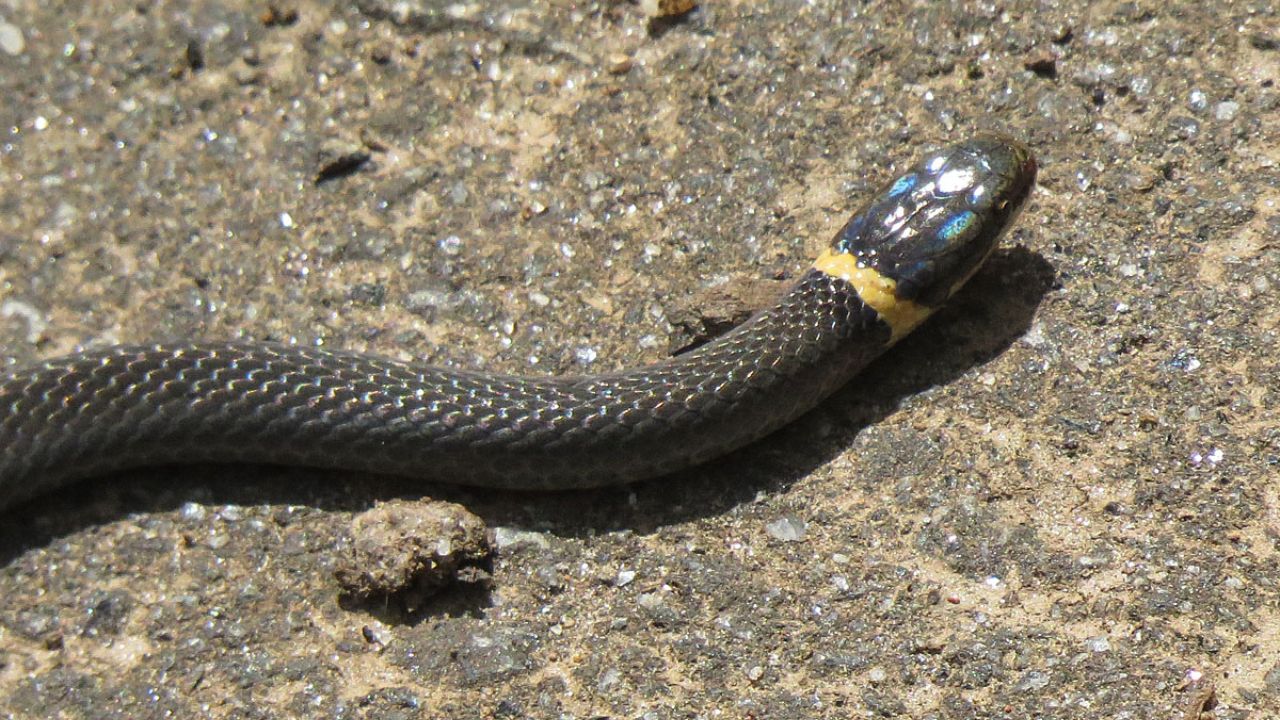
Snake droppings are pretty unique. They’re typically dark and tubular, but they come with a chalky, white substance called urates. Because snakes are such efficient eaters, you might even see tiny bits of fur or bone mixed in.
Snakes often leave their waste near the edges of their territory or close to where they rest after a big meal. The presence of white urates is a dead giveaway that a reptile has been there. If you find these deposits under your deck or near a crawl space, it’s a strong sign you have a settled resident.
While it’s not the most glamorous detective work, the size of the droppings can give you a clue about the snake’s size; larger droppings mean a larger snake is patrolling your yard. Just remember to wear gloves if you’re cleaning up!
4. You Smell Something Musky

Ever catch a whiff of something that smells like a weird mix of rotting cucumber and skunk spray? You might be smelling a snake. Many species, like Water snakes and Rat snakes, release a thick, pungent musk from glands when they feel threatened or are marking their territory. This scent can linger in enclosed spaces like sheds, basements, or crawl spaces.
This odor is a defense mechanism designed to make the snake less appealing to predators. If you notice a persistent, heavy smell that gets stronger when you move a woodpile or open a storage bin, you’ve likely stumbled upon a snake’s home base.
To get rid of the smell, you first have to encourage your “tenant” to move out. Improving ventilation and clearing out damp debris will help the scent fade and make the area less attractive to snakes.
5. Your Rodent Problem Disappears
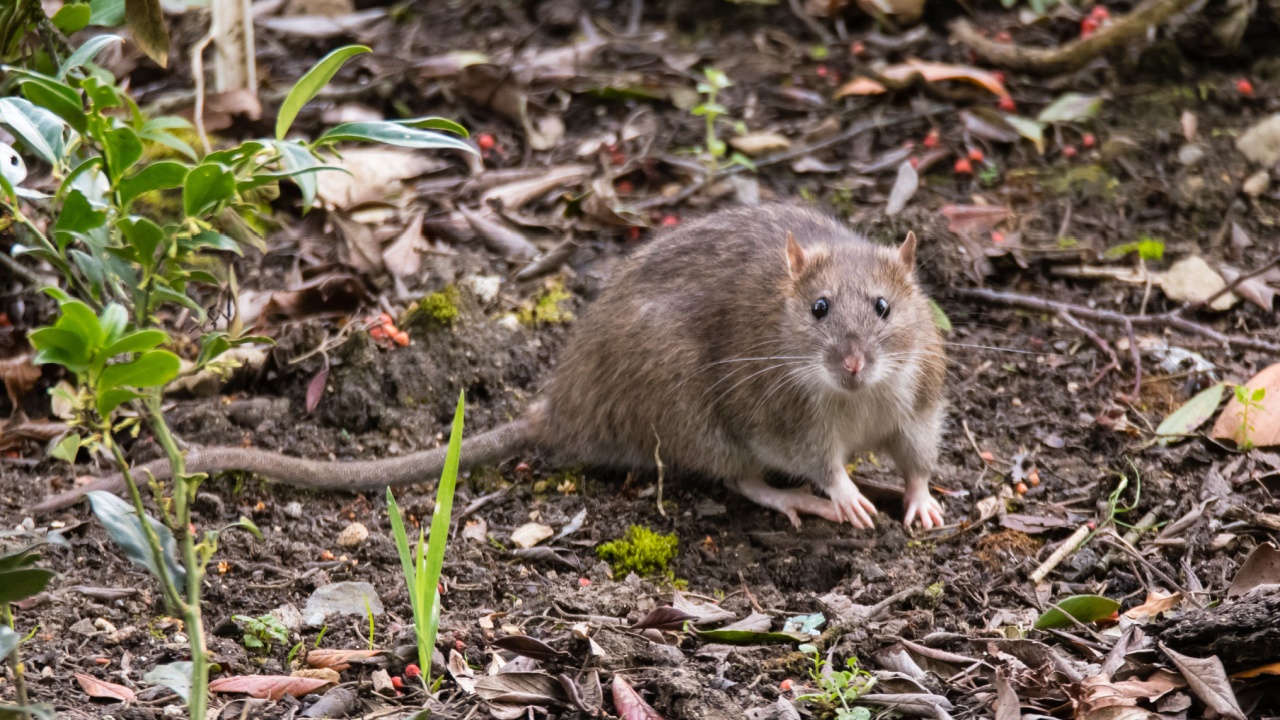
Sometimes, one of the biggest signs of a snake is something you don’t see anymore: rodents. Snakes are master hunters that can slip into mouse and vole burrows where other predators can’t go. If your yard was recently overrun with chipmunks or mice and has suddenly gone silent, a snake may have taken up residence.
Check the usual spots where you used to see rodent activity. If the mouse holes in your garden look abandoned and are covered in cobwebs, the local food chain has likely shifted. While having fewer rodents might feel like a win, it’s a clear sign that a higher-level predator is on patrol.
Rodents are smart; if they sense a snake is in the area, they’ll often pack up and move to a different yard. Keeping your grass short makes it harder for both rodents and snakes to hide, which can encourage the snake to find a new hunting ground.
6. Birds Are Acting Agitated
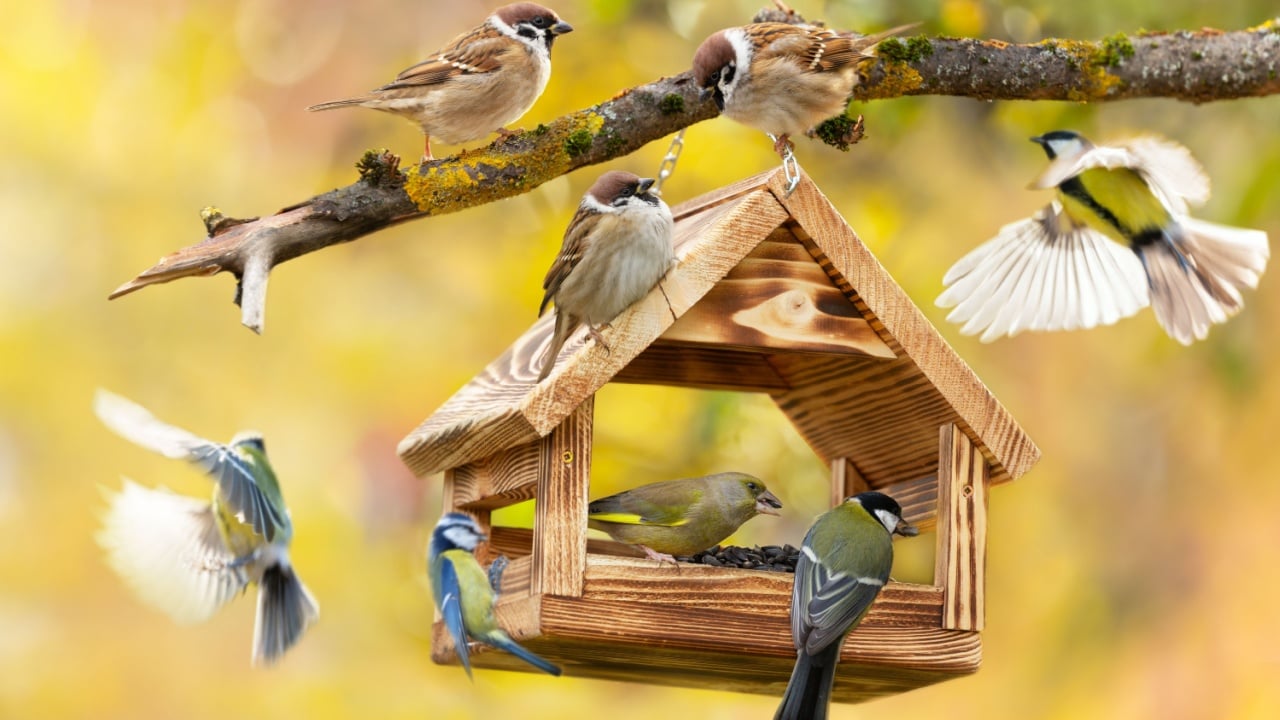
Birds are the neighborhood watch of the animal kingdom. If you hear a group of jays, robins, or crows making a frantic, repetitive “alarm call,” they’ve probably spotted a snake. Birds will often “mob” a snake by dive-bombing it or gathering in a nearby tree to squawk loudly, trying to drive the predator away from their nests.
Listen for sharp, frantic chirping that doesn’t seem to stop. The birds will often perch just out of reach, fluttering their wings and staring intently at one spot on the ground. If you follow their gaze, you’ll likely find a well-camouflaged snake trying to wait out the commotion.
This behavior is most common in spring and summer when birds are protecting their eggs or fledglings. Some snakes are excellent climbers and will raid birdhouses, so if you see this kind of drama, it’s a good idea to check that your birdhouses are properly protected.
7. Mulch or Ground Cover Looks Disturbed
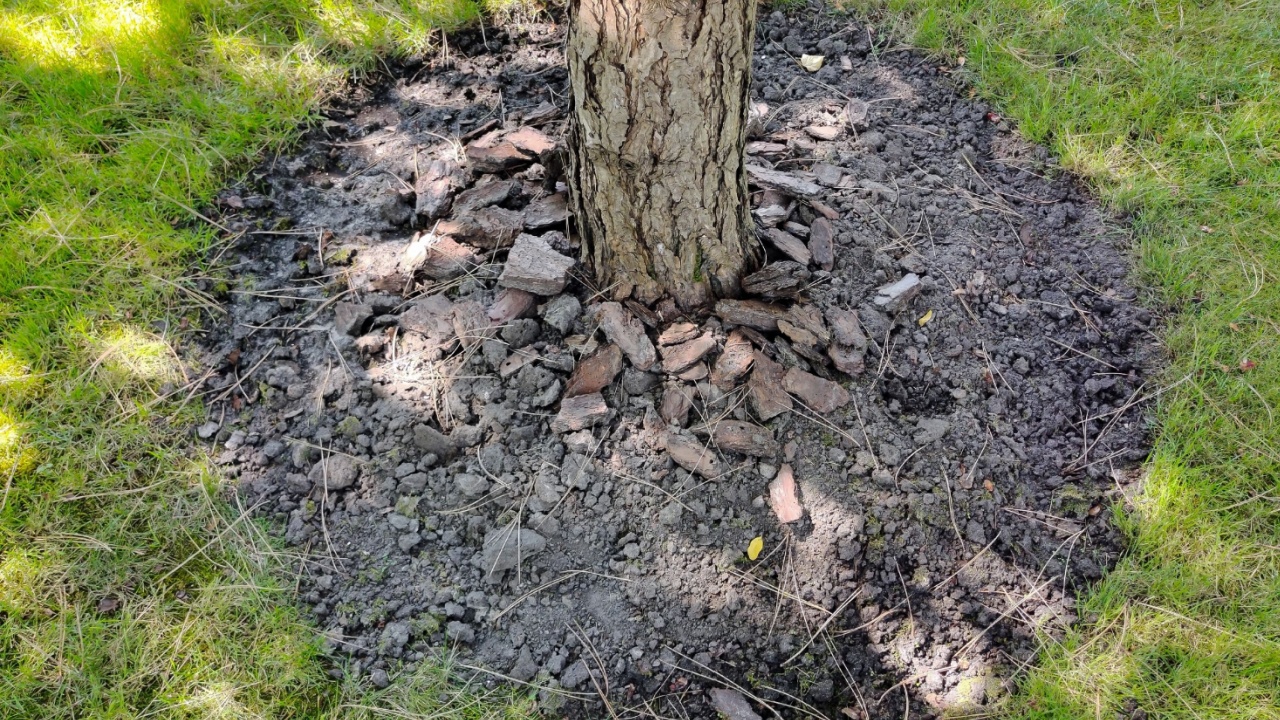
Snakes often use the same “highways” to travel through your yard. Over time, their movement can create subtle tunnels or paths through light materials like mulch, ivy, or pine needles. It might look like a slight, continuous parting of the leaves that creates a linear trail.
Look for areas where ground cover seems flattened or pushed aside in a long, narrow line. These “transit corridors” usually lead from a safe hiding spot, like a stone wall, to a sunny patch where the snake goes to warm up.
If you suspect a path is being used, try smoothing out the mulch in that area. If the trail reappears the next morning, you’ve confirmed that something is moving through regularly. Identifying these paths helps you understand where your slithery guest is spending its time.
8. You Notice Unexplained Holes
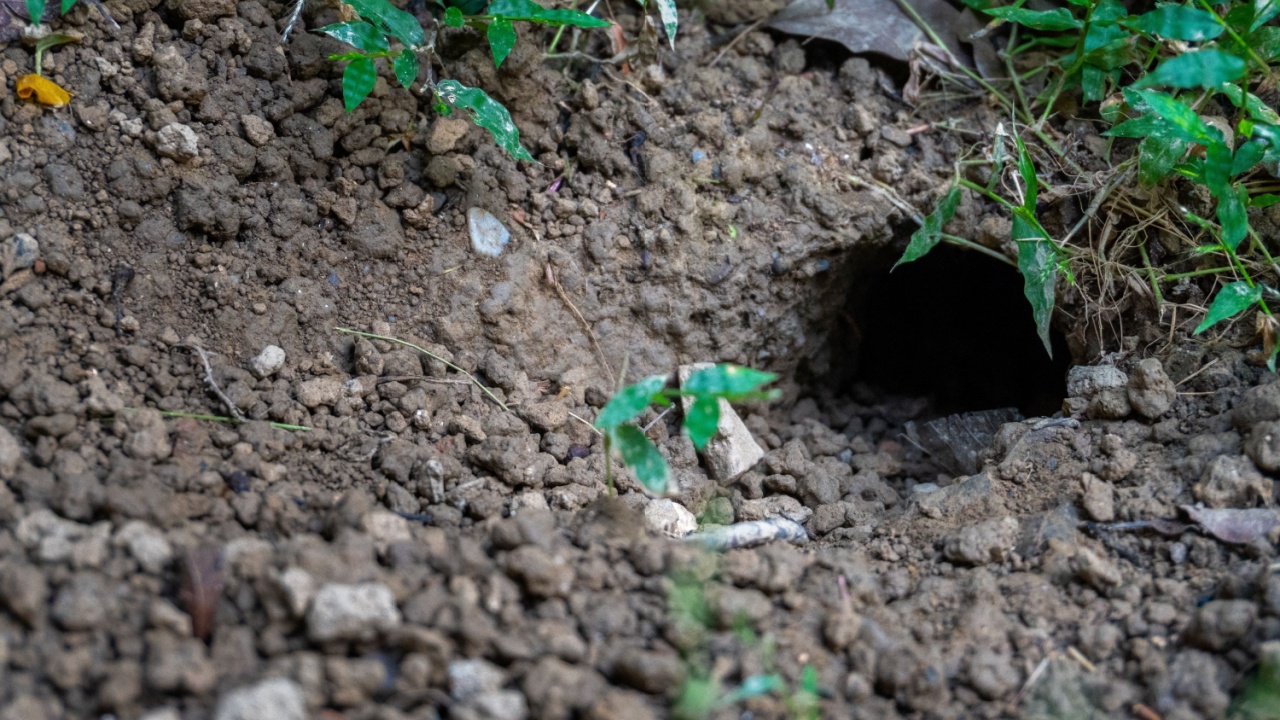
Snakes are the ultimate renters; they rarely dig their own burrows but love moving into abandoned ones. If you see a hole that used to belong to a chipmunk or vole that now looks clean and smooth around the edges, a snake may have moved in. They look for circular openings, often about the width of a garden hose.
You can often tell a snake hole is occupied if the entrance looks polished and free of debris. As the snake slides in and out, its scales buff the dirt, creating a smooth opening. These burrows provide a perfect, temperature-controlled retreat from the midday sun or cold night air.
Never stick your hands or a tool into an unknown hole. Instead, you can test it by lightly filling the entrance with loose dirt or a crumpled leaf. If it’s pushed out from the inside a few hours later, you’ve got a resident.
9. You Hear Strange Sounds in the Walls

Some snakes, especially Rat snakes, are incredible climbers and can find their way into attics, basements, or the spaces between walls. Unlike the frantic scratching of a mouse, a snake makes a slow, rhythmic slithering sound. It’s a faint, dragging noise that you’re most likely to hear in the quiet of the night.
You’ll typically hear this in the “dead space” between walls or up in the attic. Snakes are drawn to these spots because they are warm and often home to insects or mice. The sound is steady and lacks the quick “pitter-patter” of a mammal, making it distinct once you know what you’re listening for.
If you hear this, inspect the outside of your house for any gaps near the roofline or overhanging tree branches. Snakes can squeeze through a hole as small as a quarter, so sealing up entry points is key.
10. You Find Empty Eggshells
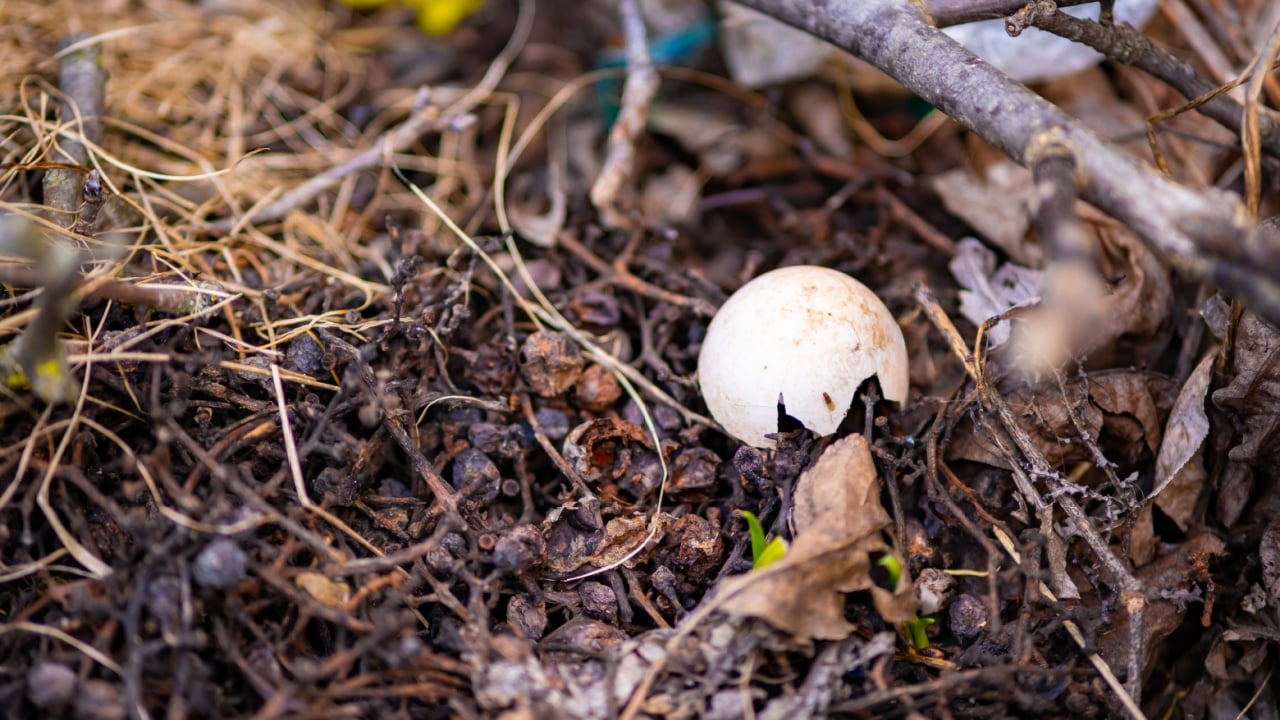
If a snake has raided a bird’s nest, it leaves behind specific clues. Unlike a raccoon that might crush a shell, a snake often swallows an egg whole and spits out the crushed casing later.
You might also find snake eggs, which are soft, leathery, and oblong—very different from hard, oval bird eggs. Finding a cluster of these leathery shells under a log or in a compost pile means a group of baby snakes has recently hatched in your yard.
Finding these shells is a good reminder to secure any birdhouses with baffles. If the shells are from a hatched snake clutch, you can expect to see small, pencil-sized juveniles in the yard for a few weeks. They are usually harmless and will disperse on their own.
11. You Discover Partially Eaten Prey
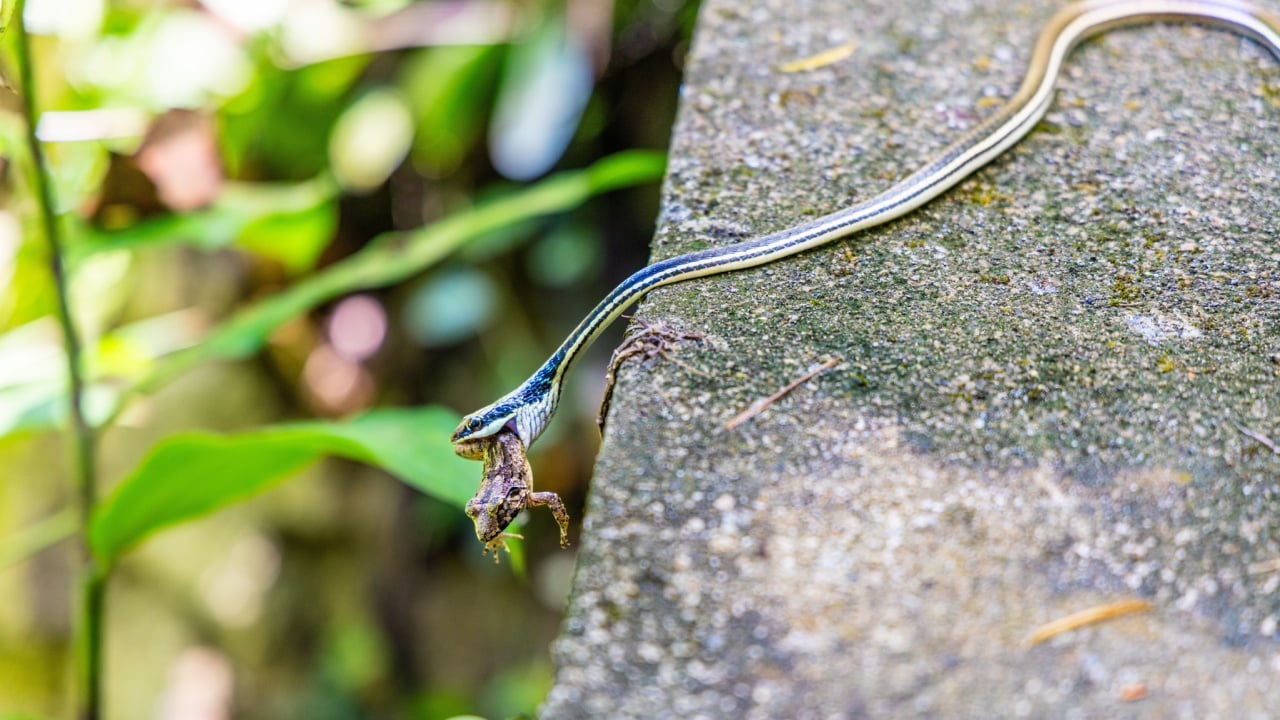
Snakes are efficient, but they’re also easily startled. If a snake is in the middle of a meal and feels threatened, it might regurgitate its prey to make a quicker getaway. Finding a partially dissolved frog, toad, or mouse is a clear, if grisly, sign that a snake was interrupted recently.
These remains often look wet and may be found near ponds, puddles, or other damp areas where snakes like to hunt. Finding a half-eaten toad is a classic sign of a Garter or Hognose snake. It’s nature’s way of showing you that a local predator is on the prowl.
To keep your yard tidy, it’s best to remove any remains so they don’t attract flies or other scavengers.
12. Your Compost Pile is Disturbed
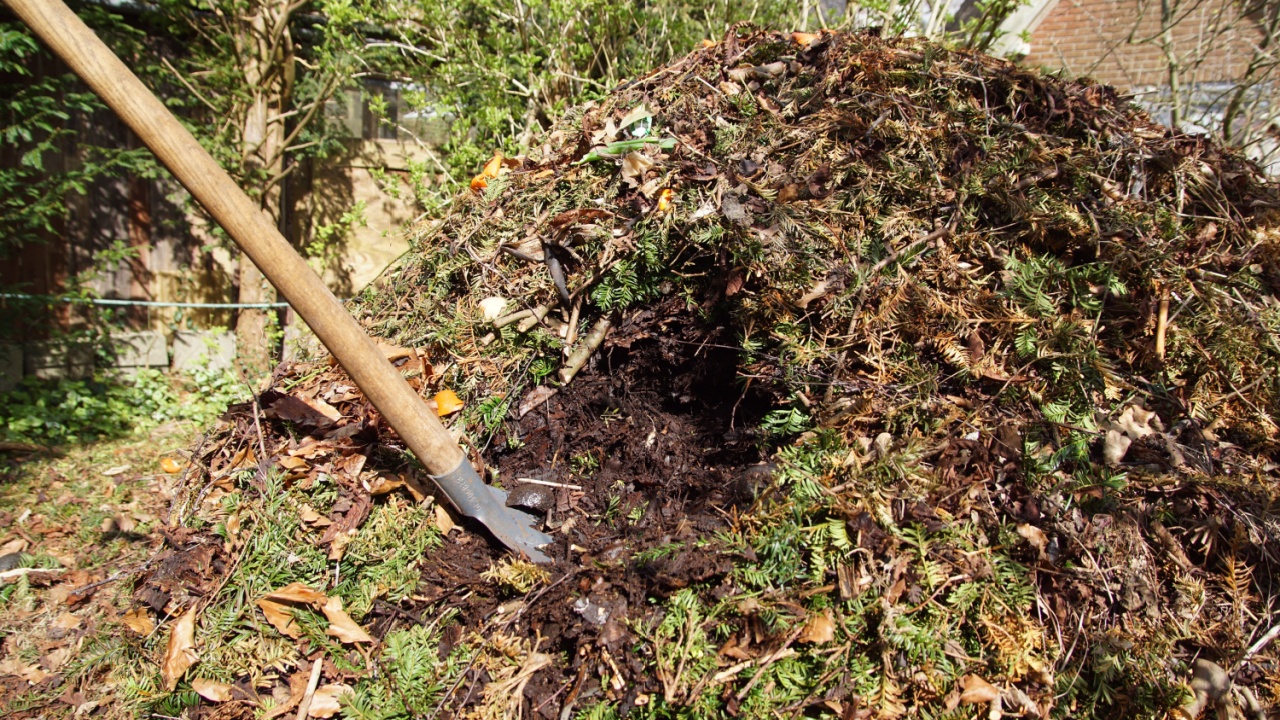
While snakes don’t care about your leftover vegetables, they love the heat that a compost pile generates. As organic matter breaks down, it creates a warm, humid environment that’s perfect for a cold-blooded snake. It’s also a magnet for the rodents that snakes love to eat.
Look for unusual tunnels or flattened spots in your compost heap. Snakes especially love laying their eggs in compost because the consistent warmth acts as a natural incubator.
To make your compost less inviting, turn it regularly with a long-handled pitchfork. The constant disturbance will make a snake feel exposed and unsafe. Using a sealed compost bin is the best way to keep both rodents and snakes out.
13. You See More Predators Nearby
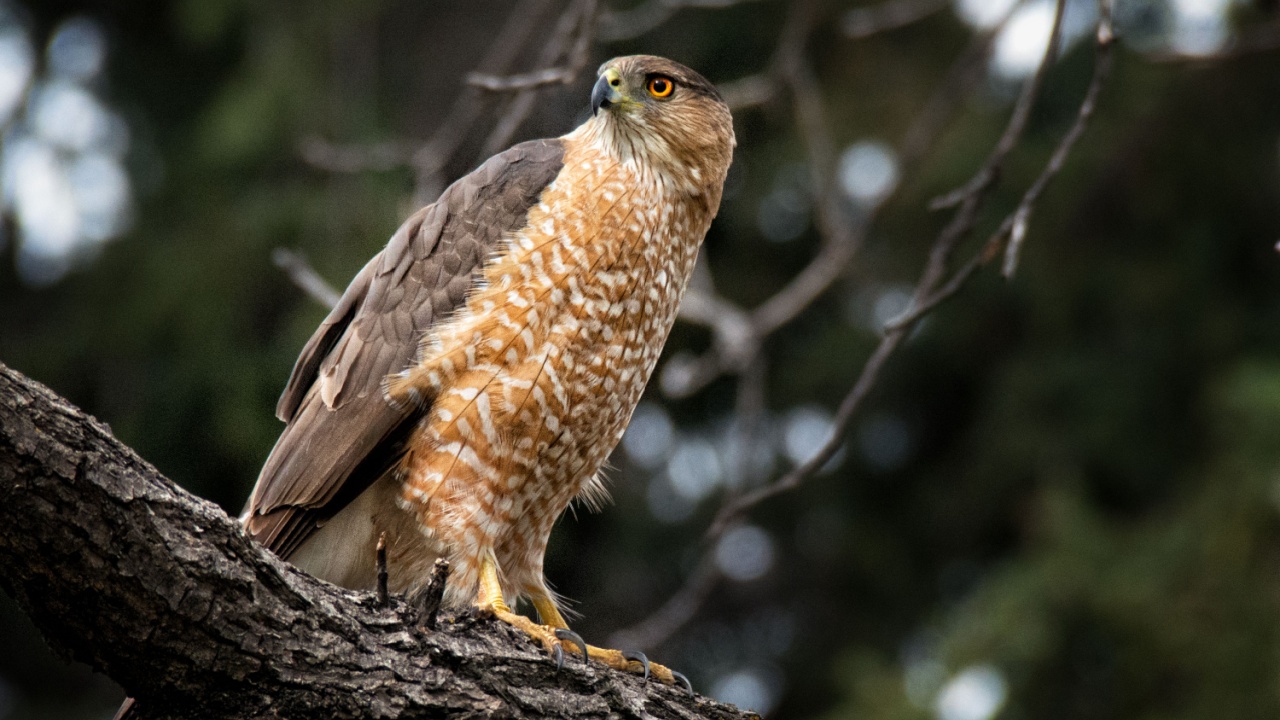
Sometimes the best way to spot a snake is to watch the animals that eat them. If you regularly see a hawk or an owl perched on your fence, staring intently at a specific patch of grass, they’ve likely spotted a reptile. These predators have incredible eyesight and can spot a camouflaged snake from hundreds of feet away.
If you notice a hawk circling or diving into a corner of your yard, you’re witnessing the food chain in action. While it might be a bit dramatic, it’s a sign of a healthy ecosystem. The presence of these birds is actually a good thing, as they provide free, natural pest control.
You can encourage these natural “security guards” by giving them high perches, like a tall fence post or a dead tree limb. When snakes know they’re being watched from above, they’re less likely to hang out in the open.
14. Your Pet is Acting Strange
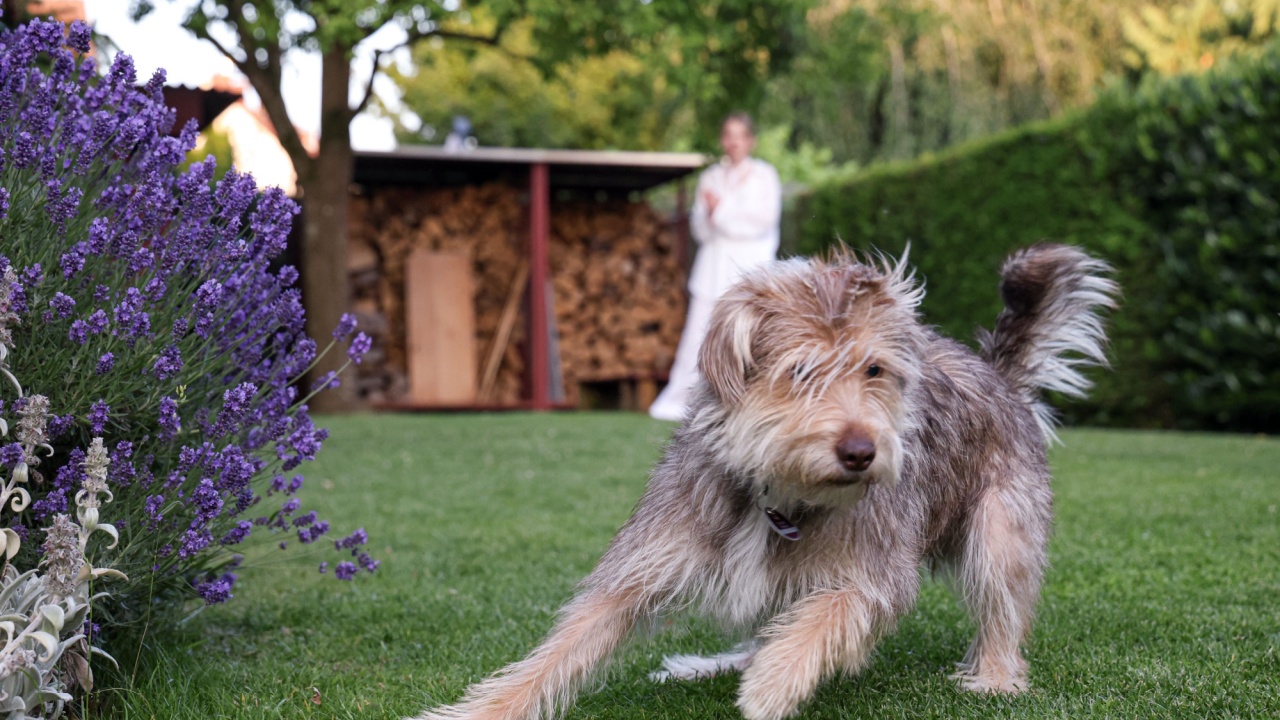
Your dog or cat will almost always know there’s a snake in the yard before you do. Their keen senses can pick up the low-frequency vibrations of a snake’s movement and its musky scent long before a human can. If your pet is suddenly obsessed with a corner of the porch or barking at “nothing” in the grass, pay attention.
Watch your pet’s body language. A dog might “point,” whimper, or circle a spot, while a cat might sit perfectly still and stare intensely at a gap under the deck.
Just be careful not to let your pet get too close until you’ve checked the area. Even though most garden snakes are not venomous, they can still deliver a defensive bite if cornered. Training your pet to “leave it” is the best way to keep both your furry friend and the local wildlife safe.
A Balanced Backyard Strategy
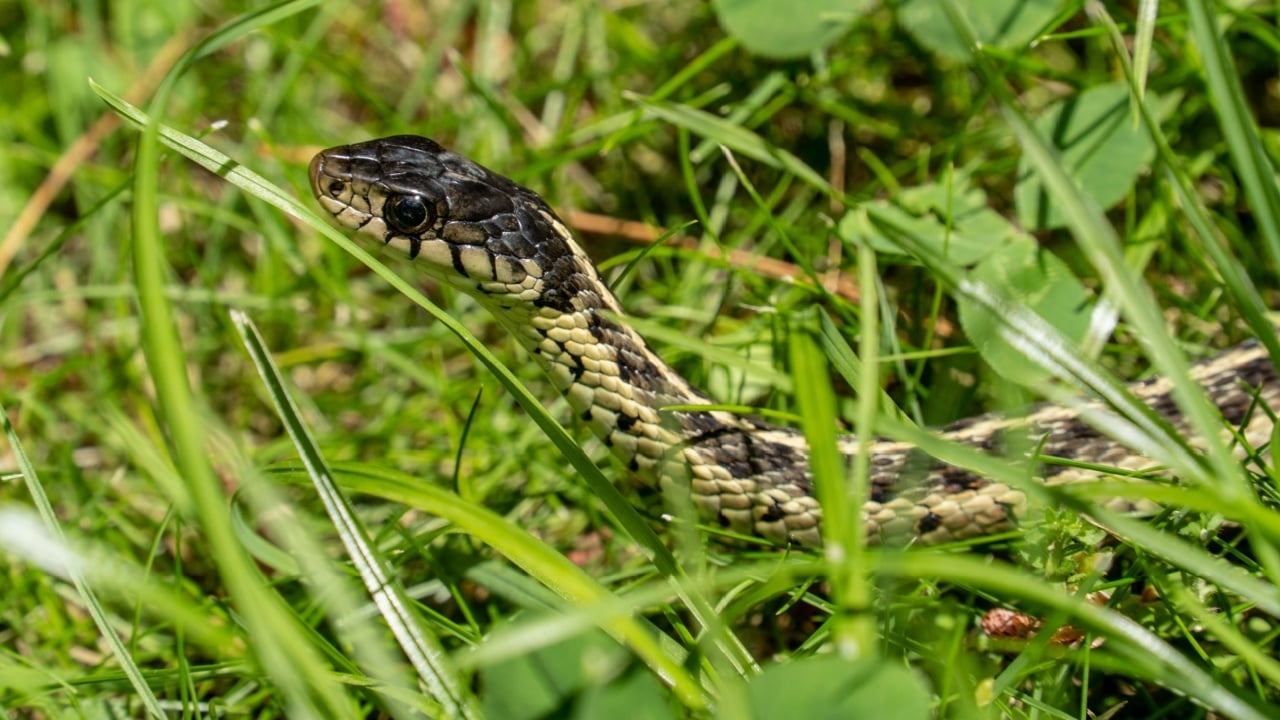
Discovering that a snake lives nearby doesn’t have to be a cause for alarm. Most backyard species are non-venomous and provide excellent services by keeping rodent and insect populations in check.
Managing the habitat rather than the animal. Keeping the grass mowed short removes the cover they need to feel safe. Clearing away piles of rocks, wood, or debris eliminates their favorite hiding spots. If the snake is in a dangerous location or appears venomous, contacting a professional wildlife relocation service is the safest way to handle the situation.