14 Common-Sense Gardening Tips for Beginners to Avoid Disaster
Getting your hands in the dirt for the first time is a rush that leads to buying every seed packet and ceramic pot in sight. It feels like a simple equation where water plus sun equals a backyard harvest. However, the reality of outdoor spaces involves a learning curve that can be a bit steep if you try to do everything at once.
Veteran gardeners have spent years making mistakes, so you don’t have to. These tips, drawn from the collective wisdom of professionals, focus on practical, low-pressure moves that keep plants alive and gardeners happy.
The following list breaks down fourteen common-sense strategies to help you navigate your first season. Expect a mix of planning advice, soil secrets, and maintenance habits that prevent the most frequent beginner blunders.
By focusing on these basics, you can build a solid foundation without feeling overwhelmed by technical jargon.
1. Start with a Manageable Plot Size
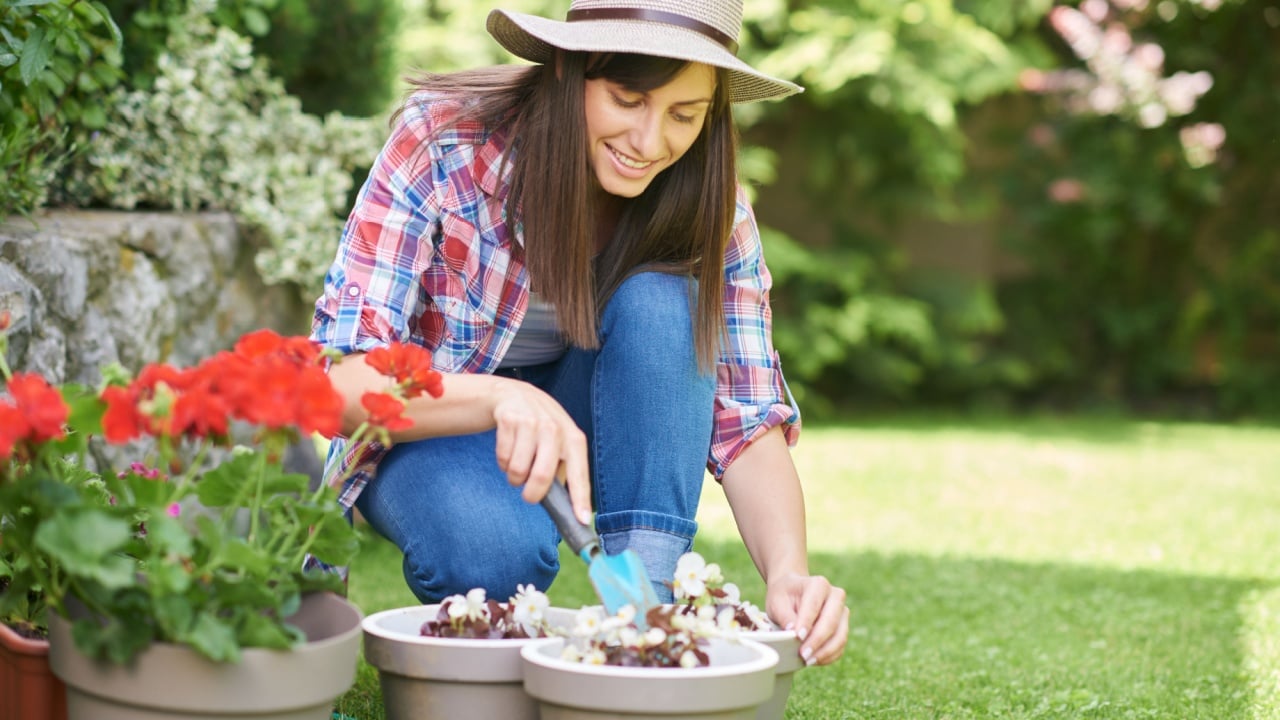
Many people jump into the hobby by digging up their entire backyard, only to realize that every square inch requires maintenance. A massive garden is a full-time commitment that can quickly become a chore instead of a relaxing escape. Keeping the initial footprint small allows for better attention to detail and less physical exhaustion.
Starting with just a few containers or a single raised bed is a smart move. This setup makes it easier to monitor moisture levels and spot pests before they take over. If these few plants thrive, expanding the following year is a much simpler task than trying to scale back a weed-filled field.
2. Observe the Sun’s Patterns Daily

Sunlight is the primary fuel for your plants, but it moves across your yard in ways that might surprise you. A spot that looks bright at noon might be in total shade by two in the afternoon because of a neighbor’s tree or your own roofline.
Most vegetables need at least six hours of direct light to produce a decent crop.
Spend a few days watching where the shadows fall at different times. Taking notes or photos of the yard at 9 AM, noon, and 4 PM will reveal the true light capacity of your space. This data helps you place sun lovers like tomatoes in the brightest spots while saving the dappled areas for leafy greens.
3. Invest in Quality Soil and Compost
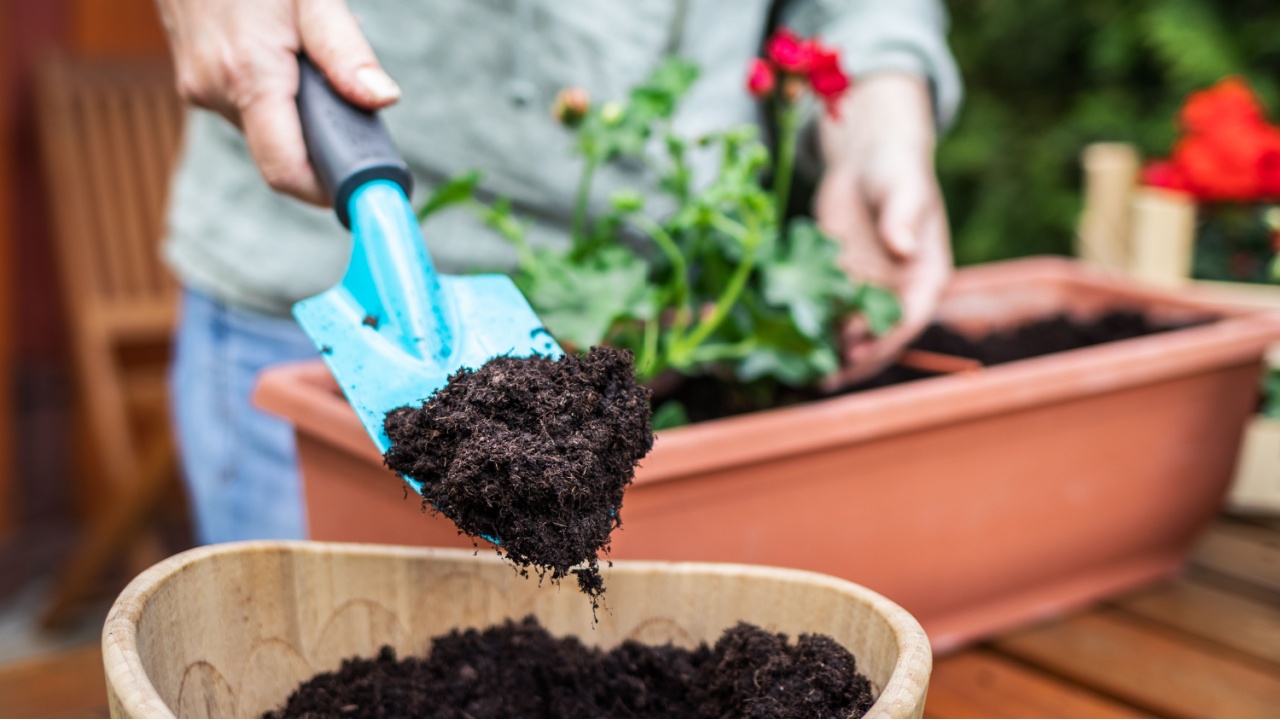
Plants get some of their nutrients from the ground, so starting with poor, compacted dirt is like trying to run a marathon without eating. Local soil can often be heavy in clay or too sandy, which makes it hard for roots to breathe or find water.
Adding organic matter is the most effective way to fix these structural issues.
Mix in several inches of finished compost or high-quality potting mix before putting anything in the ground. This creates a loose environment that holds onto moisture while allowing excess water to drain away. Healthy soil also supports beneficial microbes that help protect your plants from diseases.
4. Learn Your Local Hardiness Zone
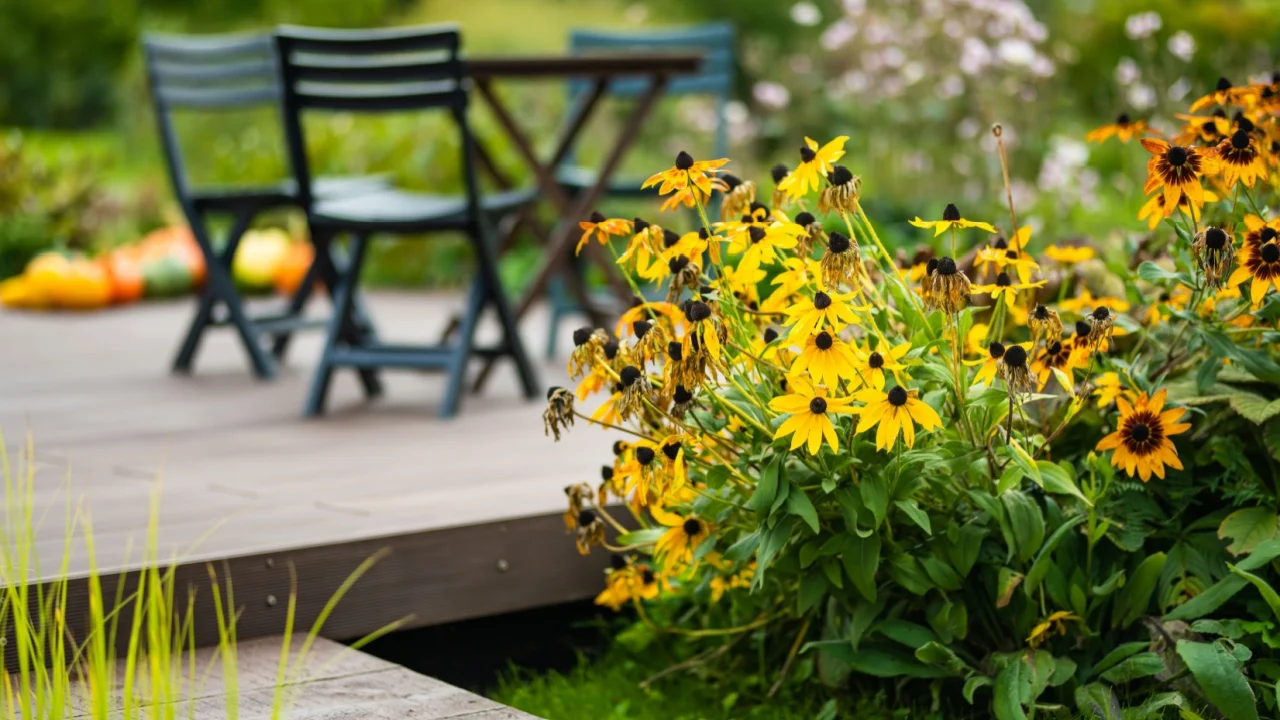
Plants are sensitive to temperature extremes and the length of the growing season in your specific area. A flower that thrives in a tropical climate will not survive a frost in a northern region. Knowing your zone helps you filter out choices at the nursery that are doomed to fail in your backyard.
Look up your zip code on a hardiness zone map to see which plants are rated for your climate. This information tells you when it is safe to plant outdoors and which perennials can survive the winter. It saves a lot of money and heartbreak by preventing the purchase of “annuals” that were meant to be “perennials” elsewhere.
5. Label Everything Immediately
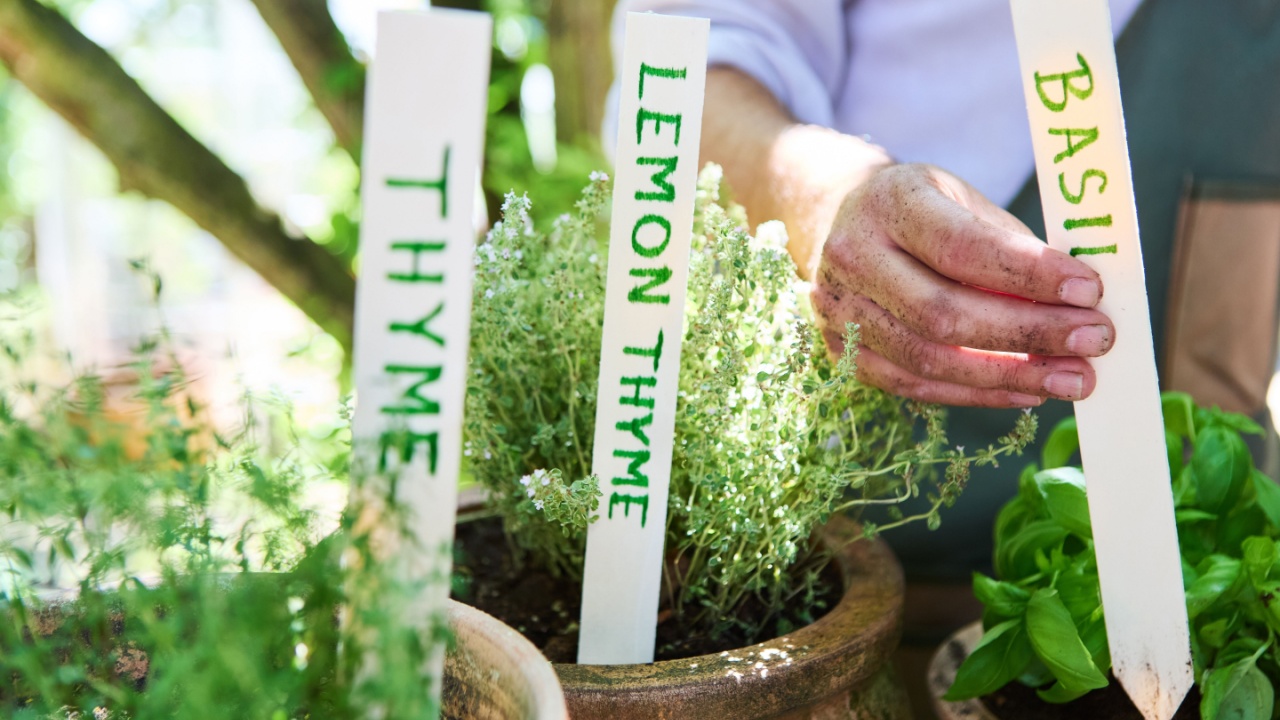
It is easy to assume you will remember which sprout is a cucumber and which is a melon, but tiny seedlings look remarkably similar. Once a few weeks pass, and the garden fills out, those identical green leaves become a mystery.
Knowing what is growing where is necessary for proper care and harvesting.
Use waterproof markers and sturdy stakes to identify every row or pot as soon as you plant. Include the variety name and the date you put it in the dirt. This record-keeping helps you track which specific types of plants did well so you can buy them again next year.
6. Water at the Base of the Plant
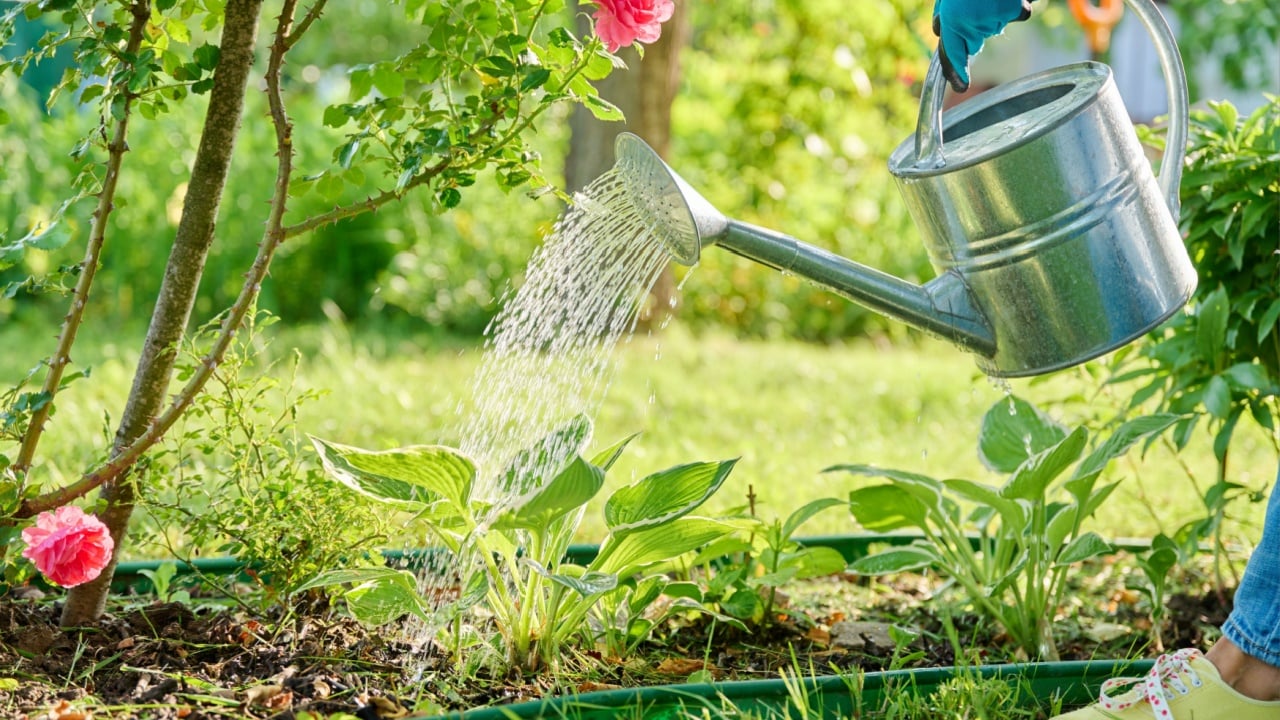
Dumping water over the top of your plants can lead to fungal diseases and wasted resources. Wet leaves in the midday sun can sometimes burn, and moisture sitting on foliage overnight encourages mold.
The roots are what actually need the hydration, not the stems or flowers.
Aim your hose or watering can directly at the soil around the main stem. This ensures the water goes exactly where it is needed and reduces evaporation. Deep, infrequent watering is generally better than shallow daily sprinkles because it encourages roots to grow deeper into the earth.
7. Give Plants Plenty of Breathing Room
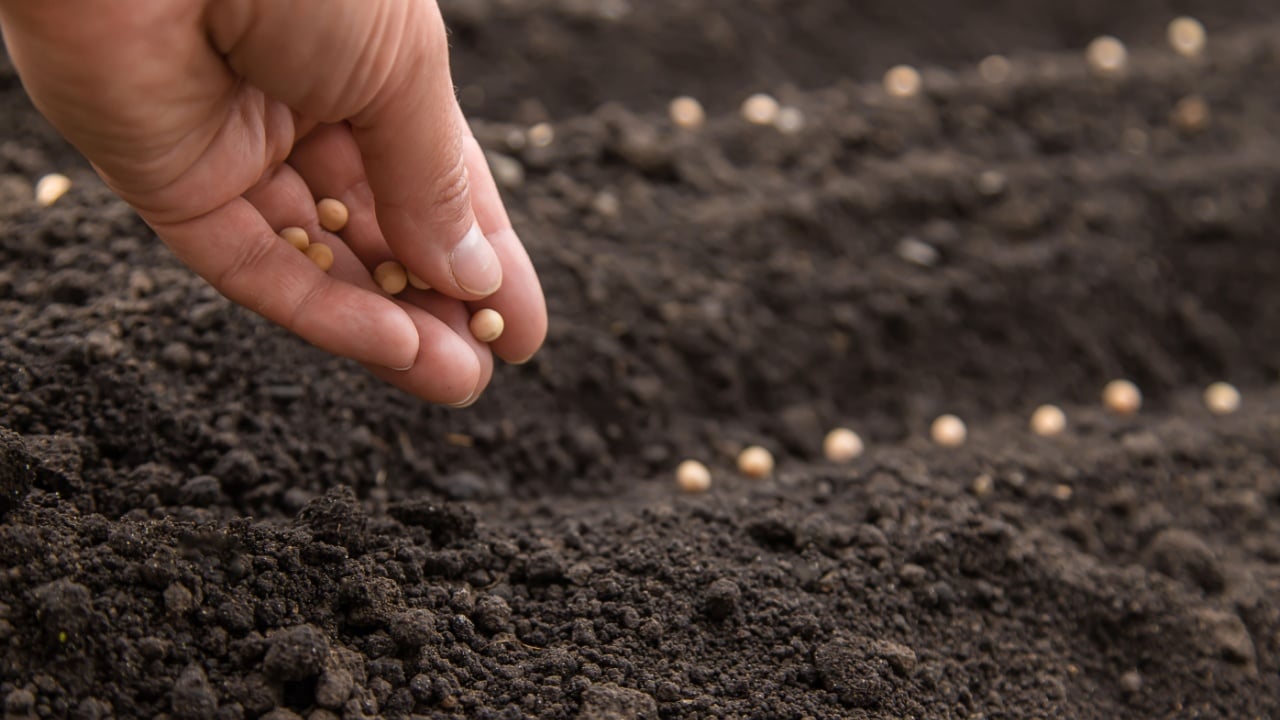
Seedlings at the store look small and cute, but they grow much larger than most beginners realize. Crowding plants together leads to competition for nutrients and poor air circulation.
When plants are packed too tightly, pests find it easier to hide, and diseases spread like wildfire.
Check the back of the seed packet or the plant tag for spacing requirements. It might look sparse at first, but following these guidelines allows each plant to reach its full potential. If things get too crowded, don’t be afraid to pull out a few “extra” plants to save the rest.
8. Weed While They Are Small

Waiting until weeds are tall enough to trip over makes the job ten times harder and more stressful. Large weeds have deep roots that can disturb your desired plants when you finally pull them. They also steal water and nutrients that should be going to your vegetables or flowers.
Spend ten minutes every few days scanning the soil for tiny green dots that don’t belong.
Stirring the top inch of soil with a light hoe can kill thousands of weed seedlings before they even emerge. Staying on top of this small task prevents a weekend-long battle with an overgrown jungle.
9. Research Before You Plant

Some plants are beautiful but incredibly aggressive, like mint or certain types of ivy.
If you put these in the ground without a plan, they will take over your entire yard in a single season. Other plants might have specific needs, like acidic soil, that your garden doesn’t naturally provide.
Take five minutes to look up a plant’s habits before buying it. If a plant is known to spread rapidly, keep it in a container to prevent it from escaping. Understanding the mature size and behavior of your choices helps you avoid planting a “monster” that ruins the rest of your landscape.
10. Mulch to Protect the Surface
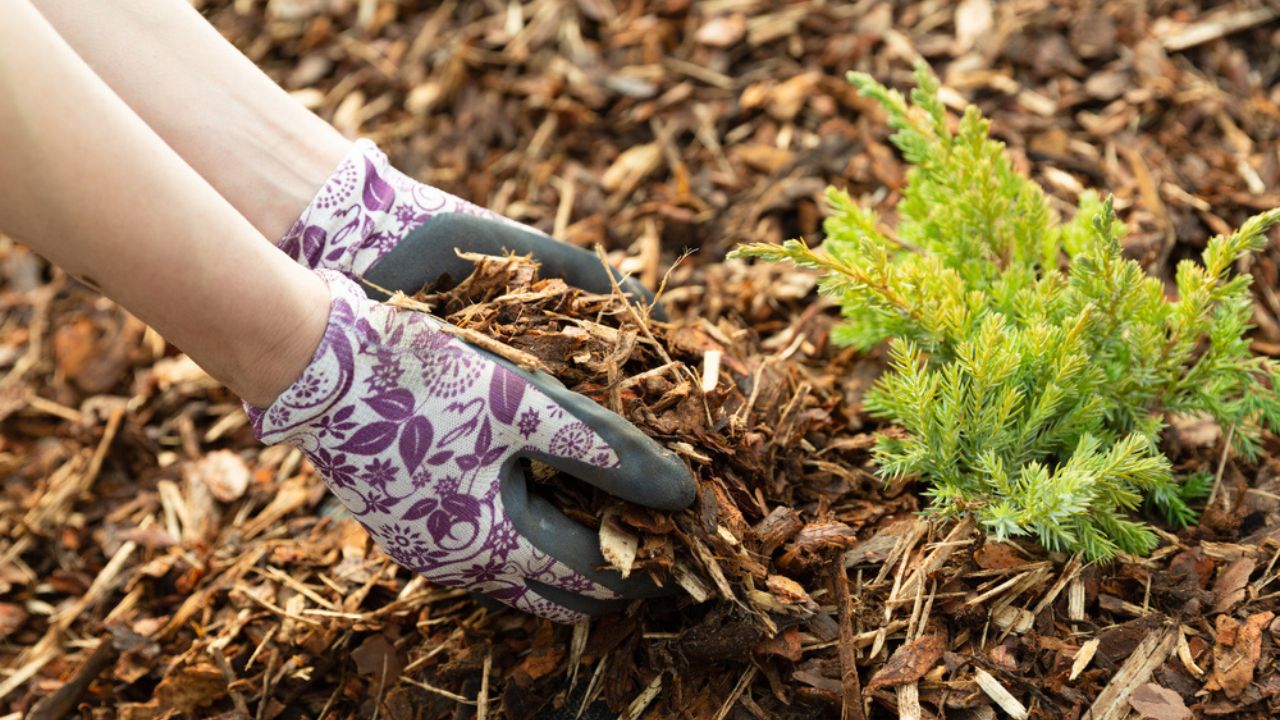
Leaving bare soil exposed to the elements leads to erosion, fast-growing weeds, and rapid moisture loss. The sun bakes the top layer of dirt, making it hard and inhospitable for roots.
A layer of mulch acts like a protective blanket for your garden beds.
Spread two to three inches of straw, wood chips, or shredded leaves around your plants. This layer keeps the soil cool, holds in moisture, and slowly breaks down to add nutrients back into the earth. It also makes the garden look finished and tidy with very little effort.
11. Accept That Some Things Will Die
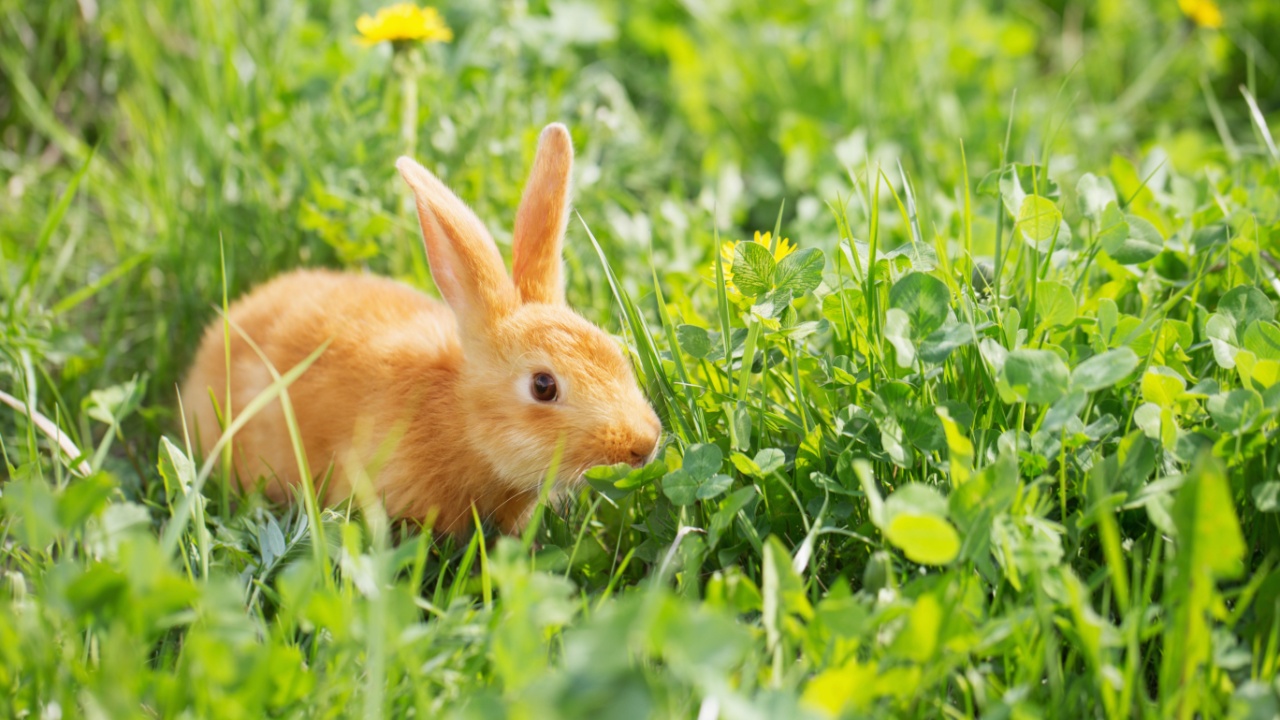
Gardening involves dealing with nature, and nature is unpredictable. Even the most experienced experts lose plants to unexpected frosts, hungry rabbits, or invisible diseases.
Seeing a dead plant as a failure can quickly drain the fun out of the process.
Treat every lost plant as a data point rather than a disaster. If a specific flower died in a certain corner, it might mean that spot is too wet or too dark. Swapping it out for something different is just part of the ongoing experiment that makes gardening interesting.
12. Grow What You Actually Like to Eat
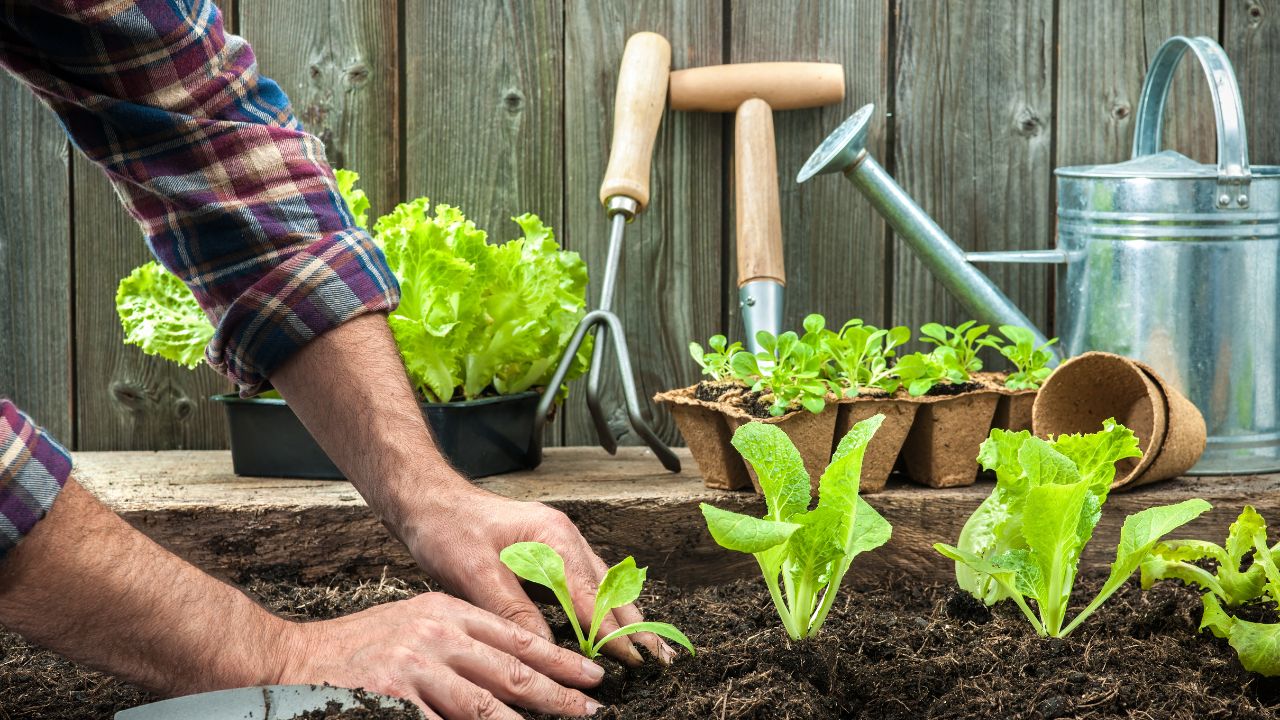
It is tempting to plant whatever is on sale or what looks “easy,” but if you hate radishes, you shouldn’t grow three rows of them. A garden full of food you don’t enjoy feels like a burden when harvest time rolls around.
You are much more likely to pull weeds for a crop you are excited to cook.
Make a list of the vegetables and herbs you buy most often at the grocery store. Focus your energy on those items first because the flavor of home-grown produce is significantly better than the store-bought versions. Starting with your favorites keeps your motivation high throughout the season.
13. Test Your Soil for Specific Needs
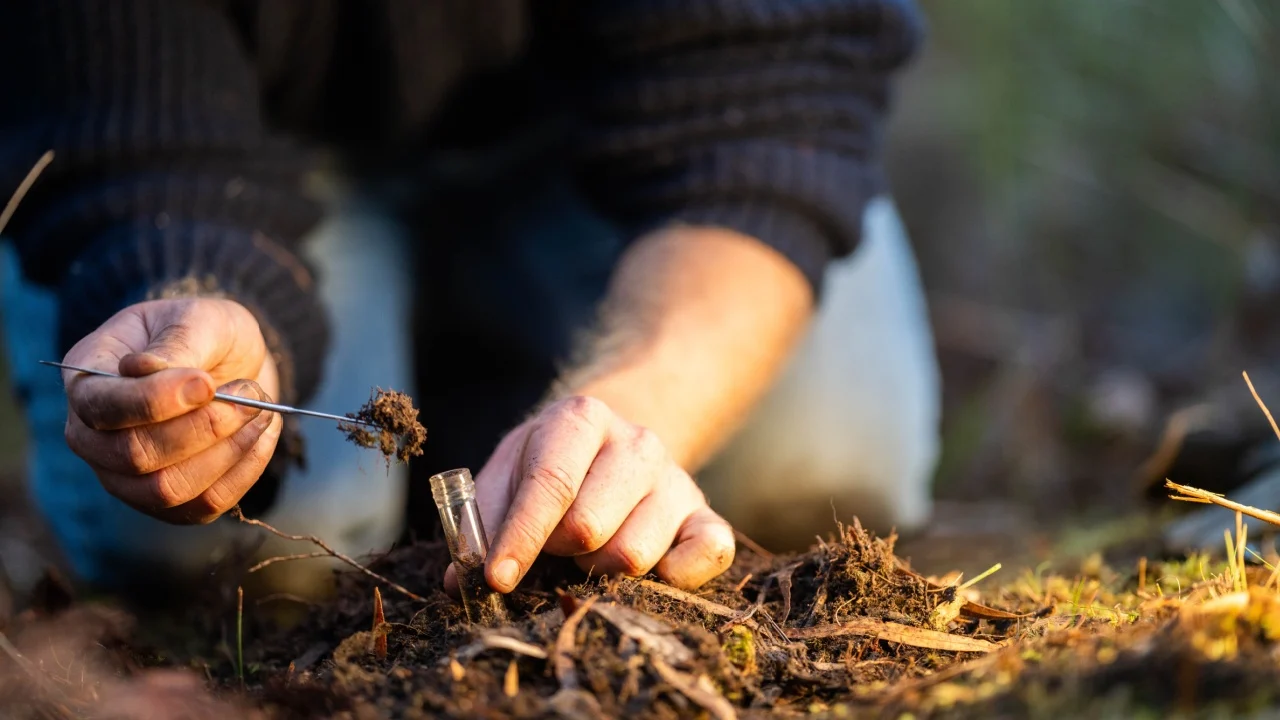
Adding fertilizer blindly can sometimes do more harm than good by creating an imbalance in the dirt. Some plants need more nitrogen for leaves, while others need phosphorus for flowers and fruit.
A simple test takes the guesswork out of how to feed your garden.
Pick up a basic soil testing kit or send a sample to a local university extension office. This will tell you exactly what nutrients are missing and if your soil is too acidic or alkaline.
Knowing these numbers allows you to buy the right amendments rather than wasting money on generic products.
14. Keep a Simple Garden Journal
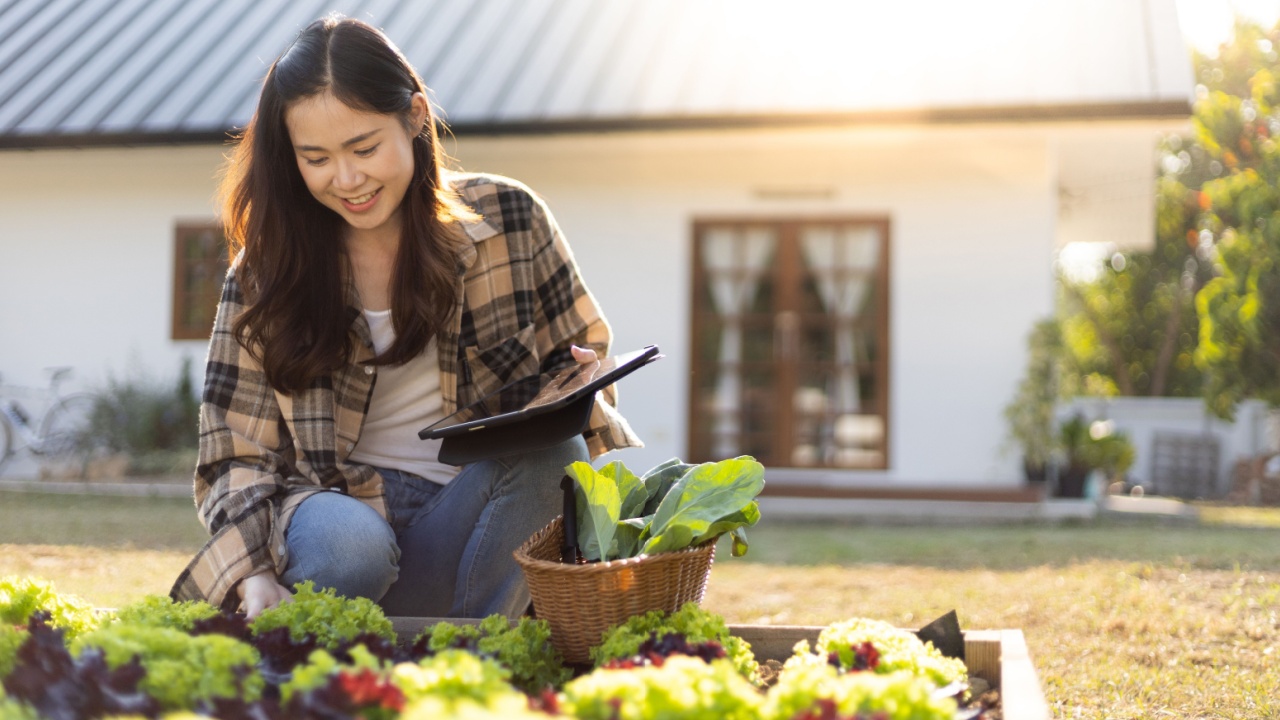
Memory is a fickle thing when it comes to the timing of the last frost or when the first tomato ripened. Small details like which pest showed up in July or which fertilizer brand worked best are easily forgotten by the following spring.
A journal turns your experiences into a customized guidebook.
Jot down a few sentences once a week about what is happening in the beds. Note the weather patterns, any problems you encountered, and which plants were the biggest successes. This record becomes an invaluable tool that helps you make better decisions every single year.
Where Patience Takes Root and Gardens Learn to Grow
Developing a green thumb is less about having a natural gift and more about paying attention to the environment around you. Start small and focus on soil health and proper light, and you eliminate most of the common reasons gardens fail.
Also, observe how your specific space reacts to the seasons and adjust your habits accordingly. Every year provides a new chance to try a different variety or expand your layout.
Read More: