Top Garden Tips That Save You Serious Time and Money, According to Experts
Most gardeners are quietly draining their budgets every spring on things that expert horticulturalists say you never needed in the first place.
Expensive nursery transplants, the custom-raised bed frames, and the bagged compost at $18 a bag start to add up. The gap between a money-saving garden and a money-draining one almost always comes down to a handful of habits — and most of them are things to stop, not start.
If you have been gardening for a few seasons and still feel like the costs outpace the harvests, now is the right moment to make a change. For gardeners over 50, especially, the shift from working harder to working smarter can transform the whole experience.
These expert-backed strategies will not just save you money by the end of this season; several of them will keep paying you back for years.
Stop Buying Expensive Transplants And Start from Seed Instead
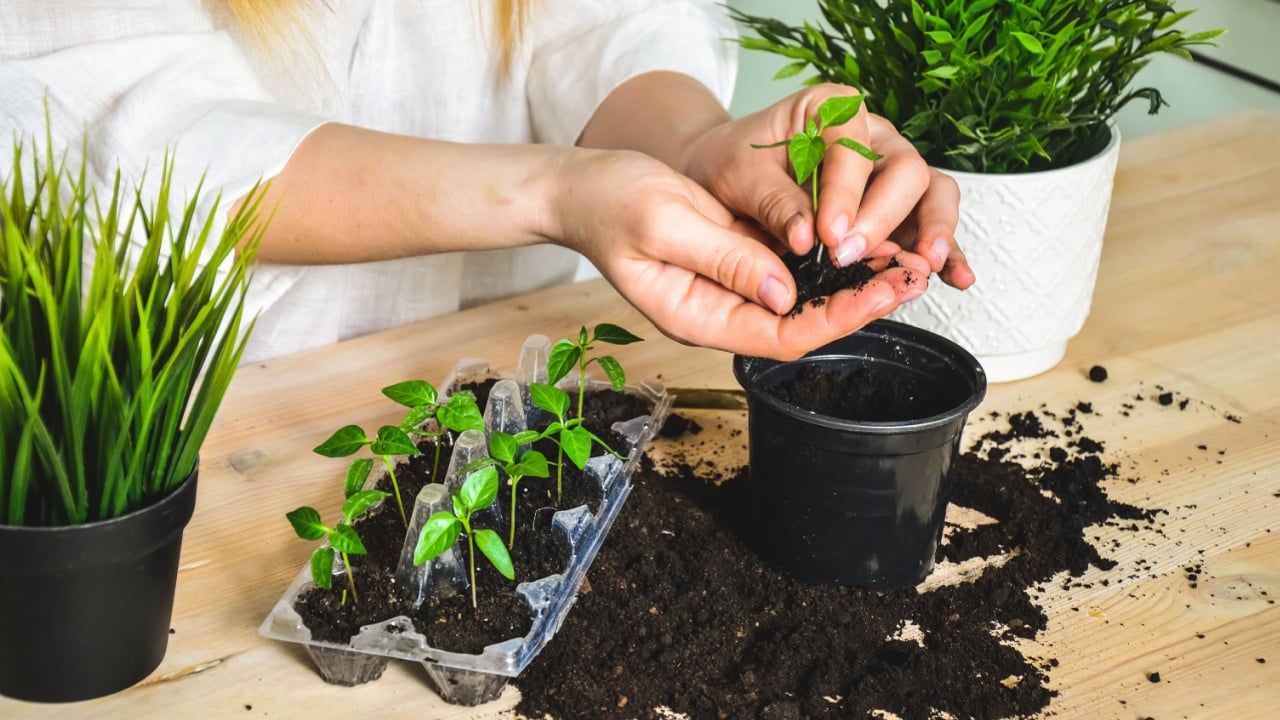
The most reliable way to cut your garden budget in half starts before you ever set foot in a nursery. A single packet of seeds, which typically runs from $3 to $5, can yield anywhere from 25 to 100 plants. A nursery transplant costs roughly the same amount for one single plant.
Better Homes & Gardens puts the math plainly: a single packet of seeds can give you loads of annuals for under $5, while a nursery flat of plants may cost four times as much. The disparity is even more dramatic with vegetables. Bush beans have been spotted at $19.98 for four plants at big-box stores, yet a full packet of bean seeds costs less and will produce dozens of plants.
The key is choosing crops that are easy to direct sow: squash, lettuce, beans, zucchini, cosmos, and zinnia all go directly in the ground with minimal fuss. For crops that need a longer season, start seeds indoors now so that the transplants are ready when the soil warms.
Once you have seed-starting supplies, the system becomes nearly self-sufficient, especially if you save seeds at the end of each season from open-pollinated varieties.
Never Pay Full Price for Soil or Compost Again
Filling a raised bed or amending garden soil is where many gardeners spend far more than necessary.
A raised bed filled with high-quality compost can cost $200 or more per bed, but an ancient technique called hugelkultur dramatically reduces that number. The method, practiced in Europe for centuries, involves lining the base of a bed or container with logs, twigs, and straw before adding a layer of compost and soil on top. As the wood decomposes, it feeds the soil from below, reducing how much compost you need to purchase.
Beyond that, free compost and mulch are far more available than most gardeners realize. Many municipalities offer free stockpiles of wood chips and shredded yard debris for residents. Local tree service companies will often drop shredded chips directly to your home at no charge. End-of-season bags with rips or tears at garden centers are frequently sold at a discount, and bulk orders from landscaping companies cost significantly less per cubic yard than bagged material.
The Fertilizer Aisle Is a Trap, According to Extension Experts
Synthetic fertilizers sold in brightly colored packaging are one of the biggest unnecessary expenses in the home garden, and university extension horticulturalists across the country have been saying so for years.
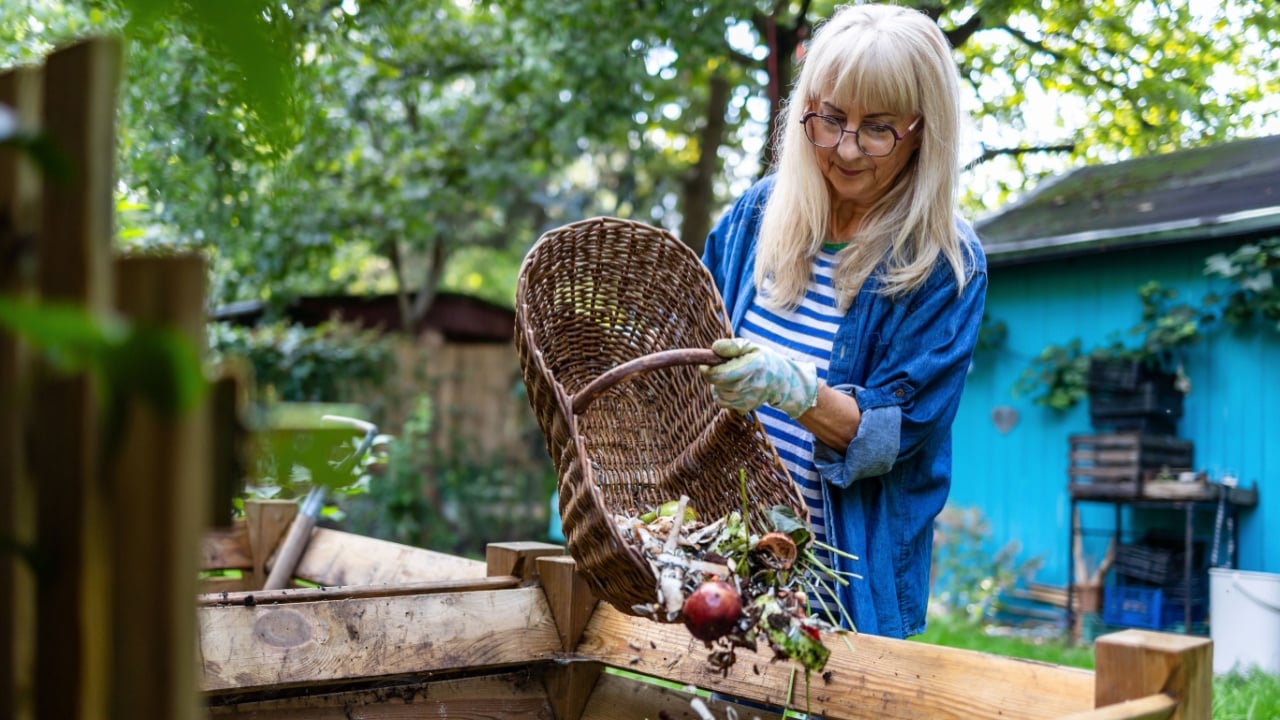
Annette Cormany, a Master Gardener Coordinator with the University of Maryland Extension, puts it directly: “Make your own compost. Toss in leaves, grass, straw, food scraps, and other organic materials, all free.” The nutrients a home vegetable garden needs are almost entirely available through compost made from materials you already generate, such as kitchen scraps, coffee grounds, grass clippings, and autumn leaves.
Your grandmother’s generation understood this intuitively. Before the rise of the garden retail industry, most home gardeners fed their soil with what they had on hand: compost, leaf mold, and livestock manure. Land-grant university programs nationwide confirm that a quarter inch of compost applied annually is sufficient for most vegetable beds. If you are currently spending $30 to $50 per season on synthetic fertilizer, that is money you can redirect to seeds or perennials that will pay dividends for years.
Ditch the Raised Bed Frames, Unless You Actually Need Them
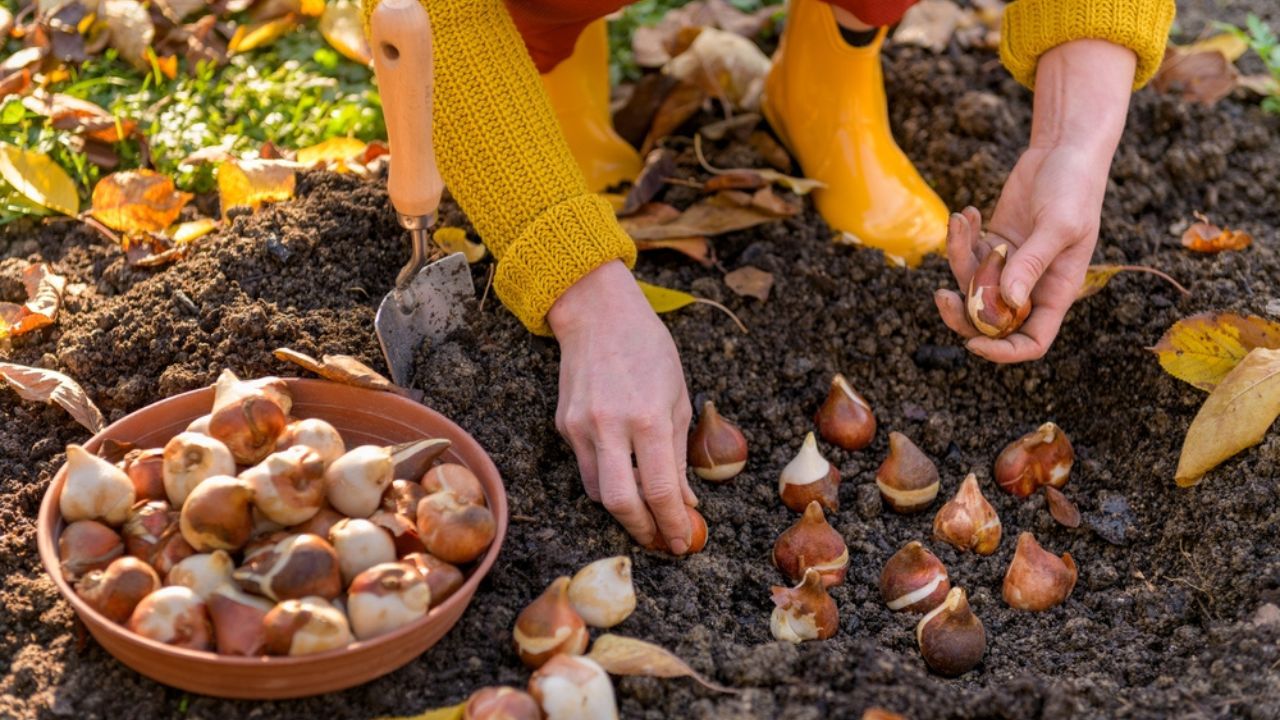
Raised beds have been aggressively marketed to home gardeners as a prerequisite for a productive garden, but extension horticulturalists at Virginia Tech push back on this assumption. Shawn Jadrnicek, a Virginia Cooperative Extension agent, is direct on the matter: “Wooden or metal raised beds are not necessary. You can build a raised bed with mounded soil. If your site is well-drained, raised beds are not even necessary. You can plant right in the ground.”
A mounded soil bed, or soil piled into a low berm and covered with mulch, achieves the same improved drainage and root depth as a framed, raised bed, at zero cost. If you are committed to a contained bed, the UF/IFAS Extension program at the University of Florida recommends using repurposed materials: old window screens as vole barriers, salvaged wood, reclaimed bricks, or large repurposed containers. The point is not to skip good soil preparation; it is to stop spending hundreds on frames when the frame itself is the least important part.
Stop Hand-Watering And Install a Soaker Hose This Weekend
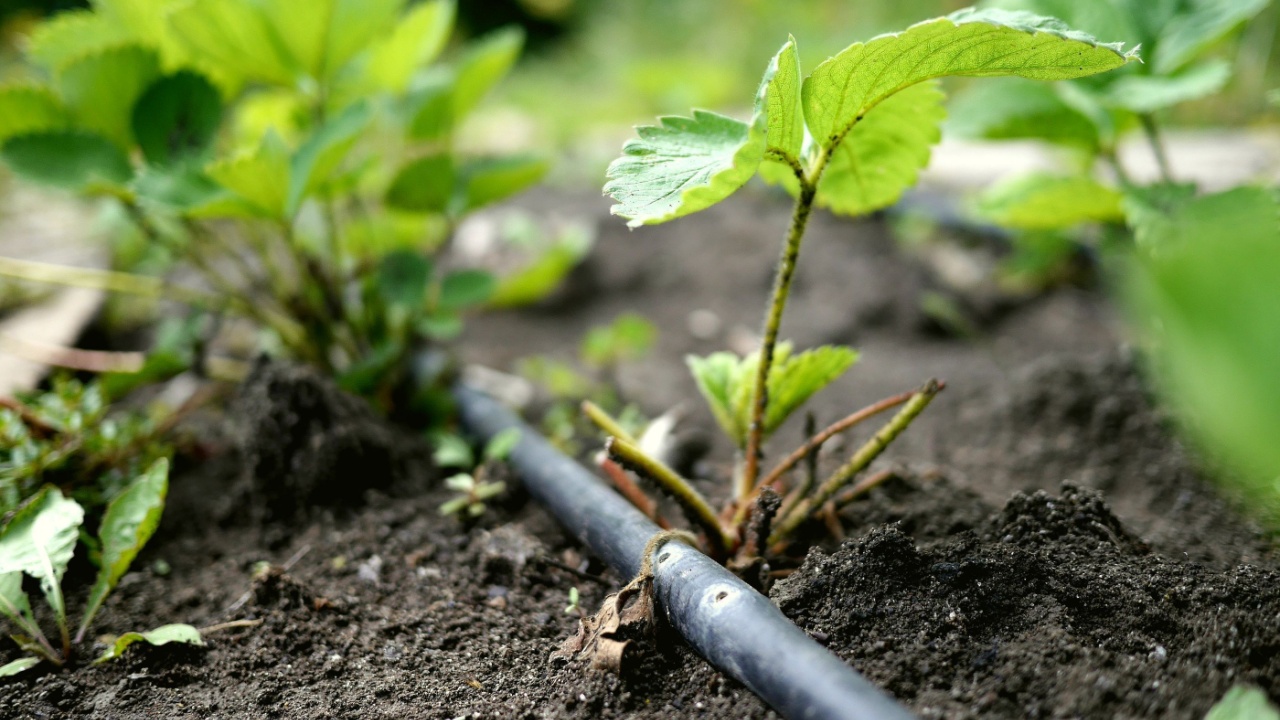
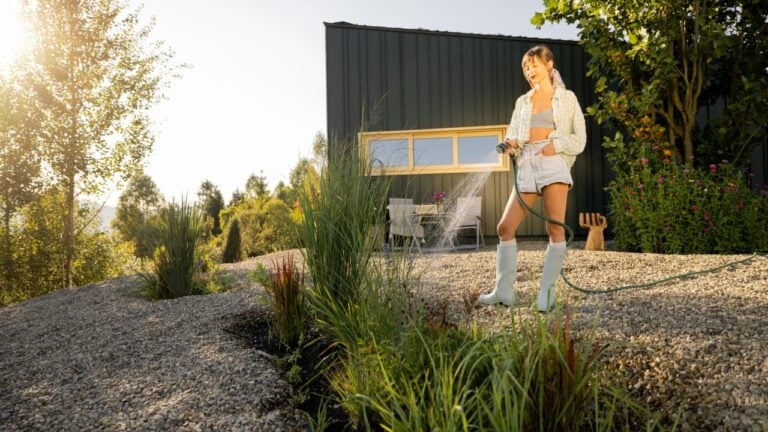
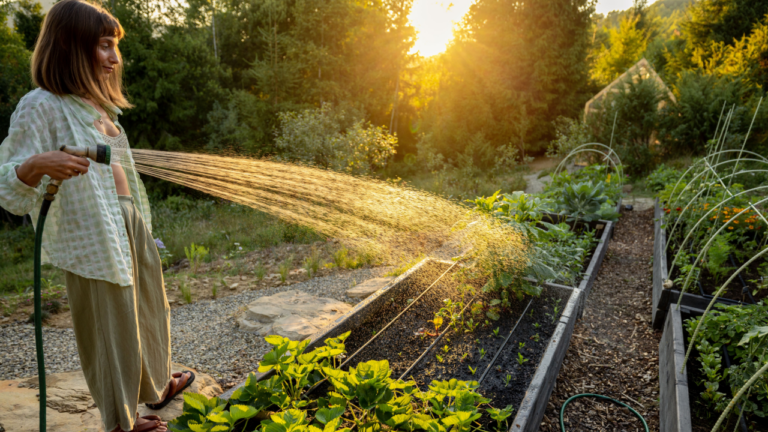
Hand-watering is the single most time-consuming watering method available, and it consistently under-delivers. Jadrnicek of Virginia Cooperative Extension explains the consequence clearly: “Giving the plants the right amount of water by hand can take a lot of time, and growers who hand-water typically don’t give enough. If you do not water enough, you are not going to maximize yields, and if a plant is stressed by lack of water, you are going to have more pest and disease problems.”
Soaker hoses solve both problems simultaneously. They deep water slowly at the soil surface, directing moisture directly to the root zone, eliminating runoff and reducing evaporation. Overhead watering, by contrast, keeps foliage wet, which promotes fungal diseases like powdery mildew. Gardeners who make the switch commonly report water bills dropping by 30 to 50 percent in the first season alone. Jadrnicek goes further: “If you must prioritize, spend your money on an automated drip-irrigation system rather than a raised bed.”
What Expert Gardeners Know About Getting Plants for Free
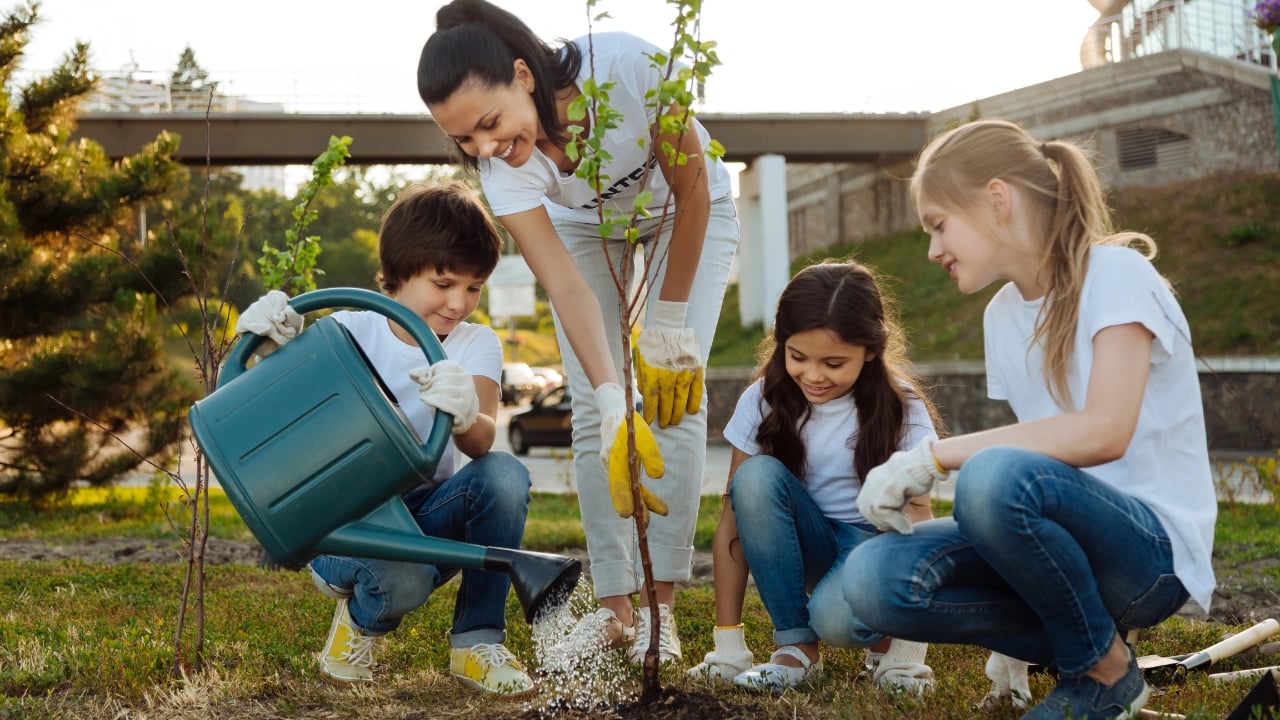
The neighbor with the most productive garden in your neighborhood almost certainly is not buying new plants every spring. Division, propagation, and community exchanges are the foundational strategies of experienced growers everywhere. Most perennials and bulbs benefit from being divided every three years; those divisions become free plants to spread around your own garden or trade with others. Hostas, daylilies, ornamental grasses, and most herbs divide easily in spring.
Propagating from cuttings is equally effective. Rosemary, basil, mint, geraniums, and most woody-stemmed herbs root readily in a glass of water on a sunny windowsill. The University of Maryland Extension’s Annette Cormany calls this simply good gardener behavior: “Gardeners are generous souls. We love to share seeds, cuttings, divisions, and more. So tap your gardening friends to see what you can snag or swap.”
Seed swaps, which take place throughout the year through Master Gardener groups and community organizations, are another source that experienced gardeners use regularly, but beginners rarely discover.
The Plants You Should Stop Buying Every Spring
The single most liberating financial shift in gardening is transitioning from annual purchases to perennial plantings. Annuals must be repurchased every year; perennials return season after season with minimal intervention. The University of Florida’s IFAS Extension notes that once perennials mature, they are “great low-maintenance options” that cover ground, suppress weeds, and eliminate the need for filler plants you would otherwise buy.
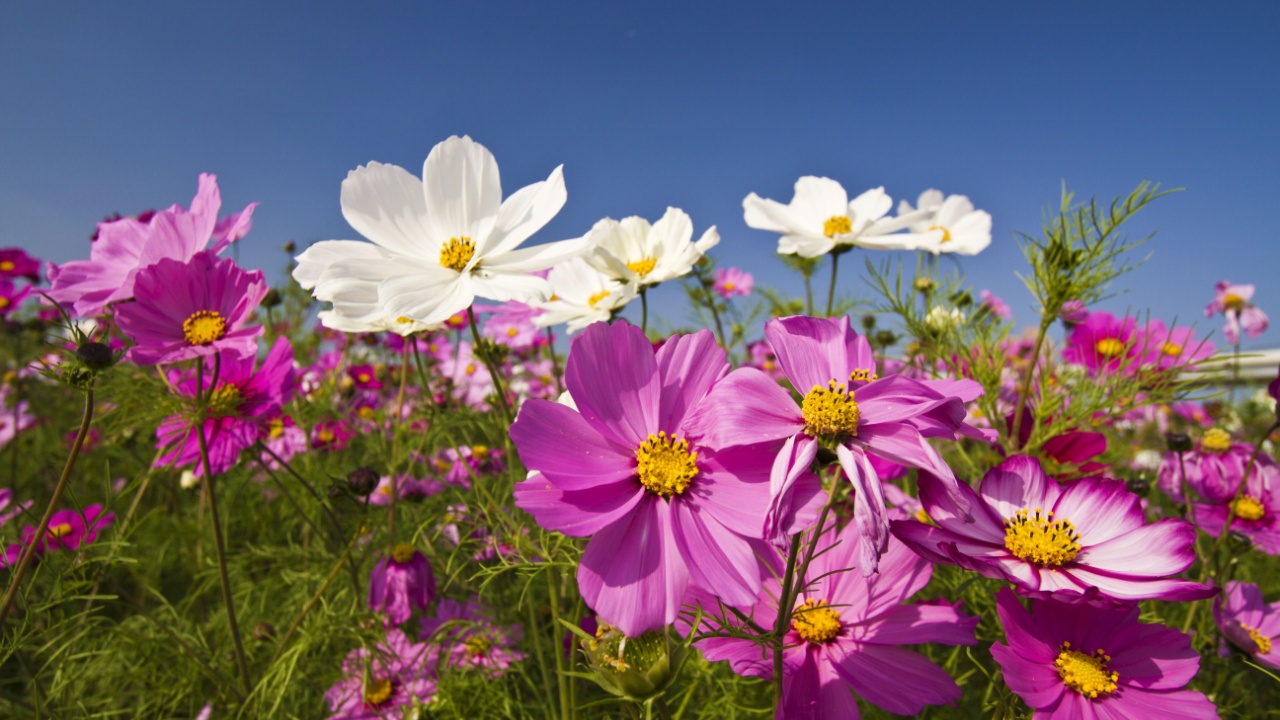
Self-seeding annuals bridge the gap. Plant bachelor’s buttons, calendula, cosmos, larkspur, or zinnia once, allow them to go to seed at the end of the season, and they return the following year without any additional purchase.;
Native plants represent perhaps the largest long-term savings of all: research cited by conservation advocates suggests that switching to native plantings can save homeowners up to $2,750 over 10 years, while conserving over a million gallons of water.
For spring shopping, timing is everything: big-box retailers commonly discount trees and shrubs by 50 percent in June, and perennials reach their deepest discounts in late summer. Buying a plant at peak bloom in April is the most expensive time to buy it.
Never Weed in Dry Soil Again

Experienced gardeners rarely share the simple mechanics of efficient maintenance, but these habits compound over a season into dozens of hours saved. Weeding after rain or after a watering session, when the soil is moist, makes it dramatically easier to remove the full root. Fine Gardening recommends timing this consistently: weeds surrender much more easily when the soil is moist, and even persistent weeds will eventually exhaust their root reserves if you keep removing new growth. Short, frequent weeding sessions also outperform marathon days: 30 minutes three times per week keeps pace with the garden’s growth far more effectively than exhausting weekend pushes that leave the garden unattended for two weeks at a time.
Mulch is the most powerful passive tool for weed suppression in the garden. A 2- to 3-inch layer of wood chips, straw, or shredded leaves laid between rows suppresses weed germination, retains soil moisture, and reduces watering frequency. A pre-emergent herbicide (corn gluten is the organic option) applied in early spring prevents weed seeds from germinating at all, cutting the season’s weeding load by half.
Seed Saving Is The One Habit That Pays You Back Every Single Year

Saving seeds from open-pollinated and heirloom plants is one of the oldest gardening practices in the world, and one of the most financially rewarding. Beans, peas, okra, tomatoes, watermelon, squash, and most herbs produce seeds that can be dried, stored, and replanted the following season at zero cost.
Many experienced gardeners report not purchasing seeds for core crops in years.
Start A Garden Journal

Recording what works each season is the habit that separates consistently productive gardeners from those who repeat the same expensive mistakes year after year. Track what you planted, when, and how it performed.
Note pest problems, variety winners, and watering patterns. That record becomes a resource worth more than any gardening book.
Get To Know Your Extension Agents
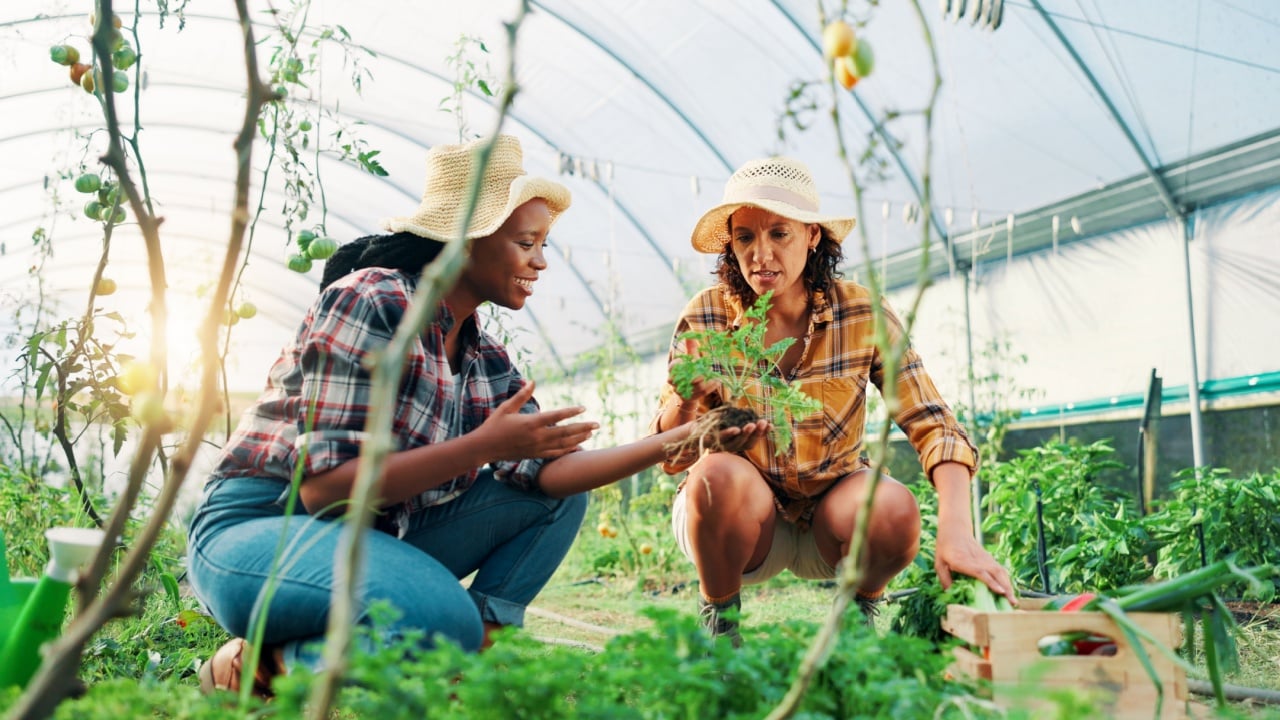
One resource most home gardeners never use is the local cooperative extension office connected to their state’s land-grant university. Soil tests, plant identification, pest diagnosis, and free consultation are all available, usually at no charge.
The University of Maryland’s Annette Cormany puts it simply: “Need free gardening advice? Call or email your local Extension office.”
Smart Gardening Saves Time and Money
Whether you are starting your very first garden or rethinking an established one, these strategies all point in the same direction: buy less, grow smarter, and let the garden’s natural systems do more of the work.
The gardeners who spend the least and harvest the most are rarely the ones with the fanciest setups. They are the ones who learned, often after a few expensive seasons, that the best things in the garden — compost, divisions, seeds, and free advice — have always been within reach.
Read More
Washing Your Lettuce Won’t Remove Cyclosporiasis, But Growing Your Own Will
Your Grandmother Stored These 8 Foods All Winter Without Canning a Single Jar