8 Plants Sold as ‘Bee-Friendly’ That Are Actually Killing Them
Most gardeners trying to help bees are accidentally harming them.
Before you plant another bee-friendly border or pick up another flat of flowering perennials from the garden center, there are nine plants worth knowing about (and one hidden danger hiding in plain sight that has nothing to do with the species itself).
Bee populations across North America have been declining for decades, and while habitat loss and pesticides tend to get the headlines, the plants in your own backyard deserve a harder look. Some are naturally toxic to honey bees, while others have been pre-treated with systemic insecticides at the nursery level, meaning the bloom you plant to help pollinators may already be loaded with chemicals capable of killing them before they ever reach your garden.
A 2014 report by Friends of the Earth US and the Pesticide Research Institute found that 51 percent of so-called “bee-friendly” plants purchased from major retailers contained neonicotinoid pesticides; some at concentrations high enough to kill bees outright.
If you’ve been gardening for more than a season or two, you already know that not every plant earns its place. In spring, when bees are emerging and foraging hard after a long winter, the plants blooming in your yard right now may be doing more harm than good. That’s worth fixing, and most of these swaps cost you nothing.
The #1 Hidden Threat: Nursery Plants Pre-Treated With Neonicotinoids
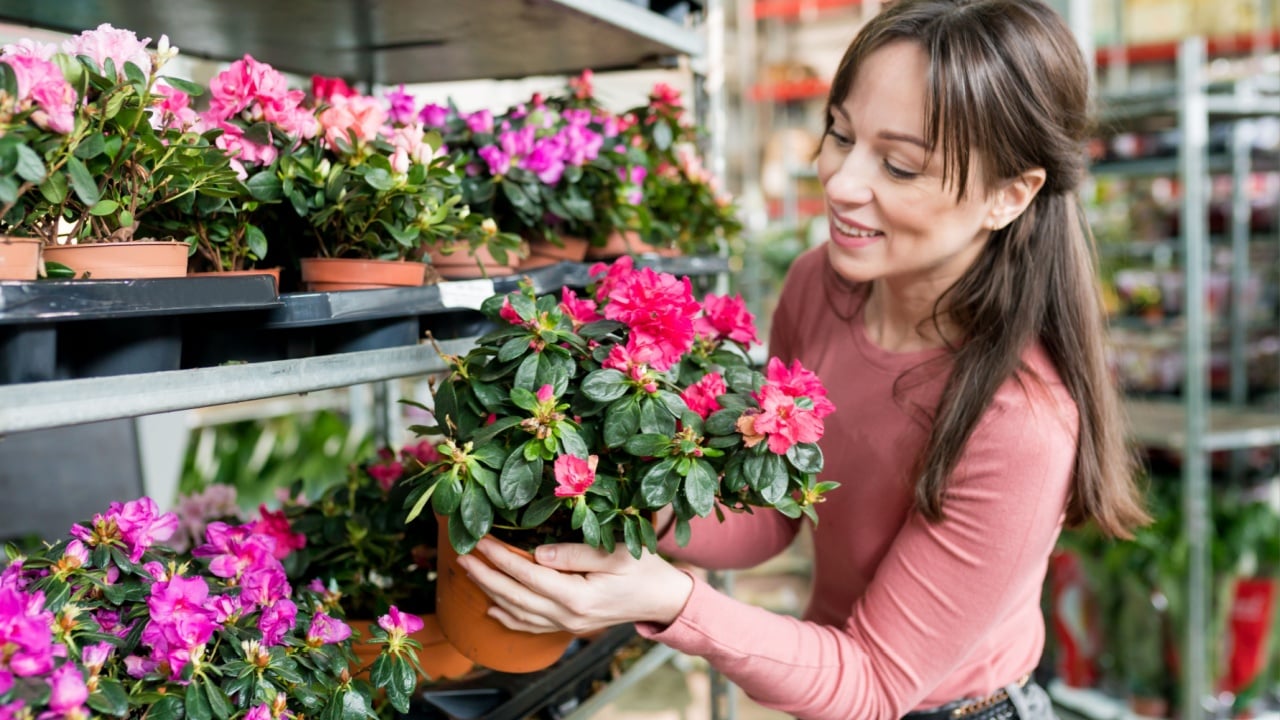
This is the villain most gardeners never see coming. Walk into any big-box garden center in the spring and you’ll find racks of blooming annuals and perennials marketed as pollinator-friendly. Some of those plants are hazardous to bees, not because of what they are, but because of what was done to them before they arrived on the shelf.
Neonicotinoids (commonly called neonics) are systemic insecticides that get absorbed into every part of a treated plant, including its nectar and pollen. Bees can’t detect them and can’t avoid them. According to the Xerces Society, clothianidin, dinotefuran, imidacloprid, and thiamethoxam — the most common neonics used on nursery plants — are all highly toxic to honey bees by direct contact and ingestion. Residues can persist inside plant tissue for months to years. In 2023, the EPA confirmed that neonics are driving more than 200 threatened or endangered species toward extinction.
Nursery professionals know this, but it’s rarely advertised at the point of sale. The fix is simple and costs nothing extra: ask before you buy, look for certified organic starts, or choose untreated seeds you start yourself. The label “attracts pollinators” means nothing if the plant has been treated.
Aside from plants treated with neonicotinoids, here are the plants most likely to hurt the bees visiting your garden, along with what you can do instead.
1. Rhododendron and Azalea
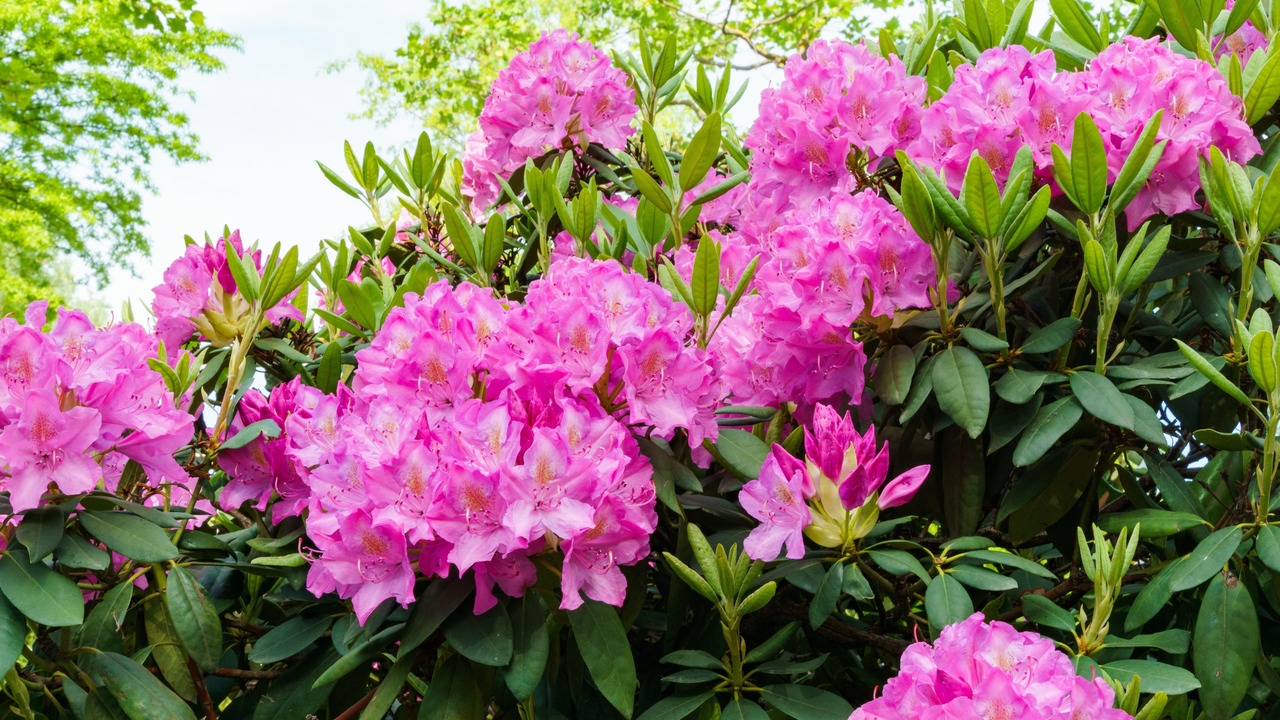
These spring-blooming showstoppers are among the most planted shrubs in American gardens, and among the most dangerous for honey bees. Their nectar contains grayanotoxins, compounds that can disorient, weaken, and kill bees that feed on it in quantity.
The resulting honey, historically called “mad honey,” has sickened humans for centuries; there are documented cases dating back to ancient Greece. Kew Gardens researchers found that honey bees fed nectar containing natural grayanotoxin levels died within hours.
If you already have rhododendrons, you don’t need to rip them out, but avoid planting more near active hives or in bee-heavy areas.
2. Mountain Laurel (Kalmia latifolia)
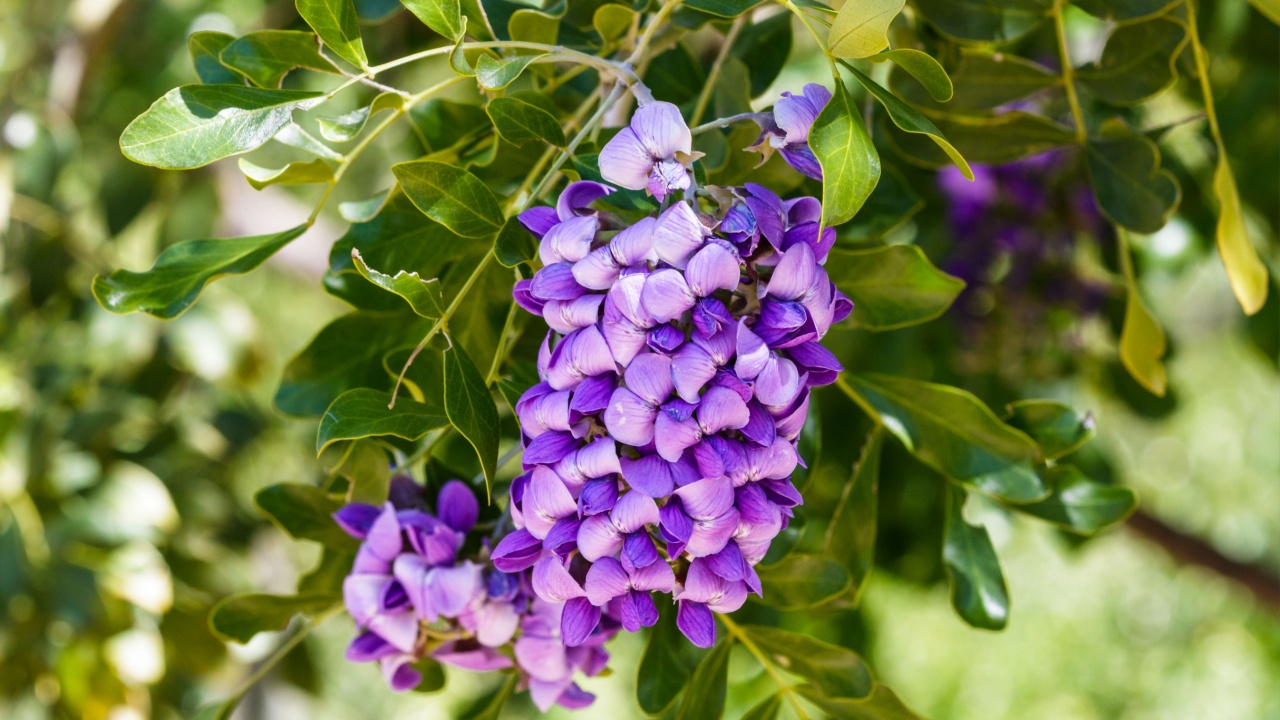
A native shrub beloved across the eastern United States, mountain laurel carries the same grayanotoxin risk as rhododendron and azalea (all three belong to the Ericaceae family). Its toxic honey has been documented in North Carolina and Canada.
Beekeepers and gardeners alike often overlook mountain laurel as a hazard because it’s native and visually beautiful. The risk is highest when few other plants are blooming, and bees have limited forage alternatives.
3. Yellow Jessamine / Carolina Jessamine (Gelsemium sempervirens)
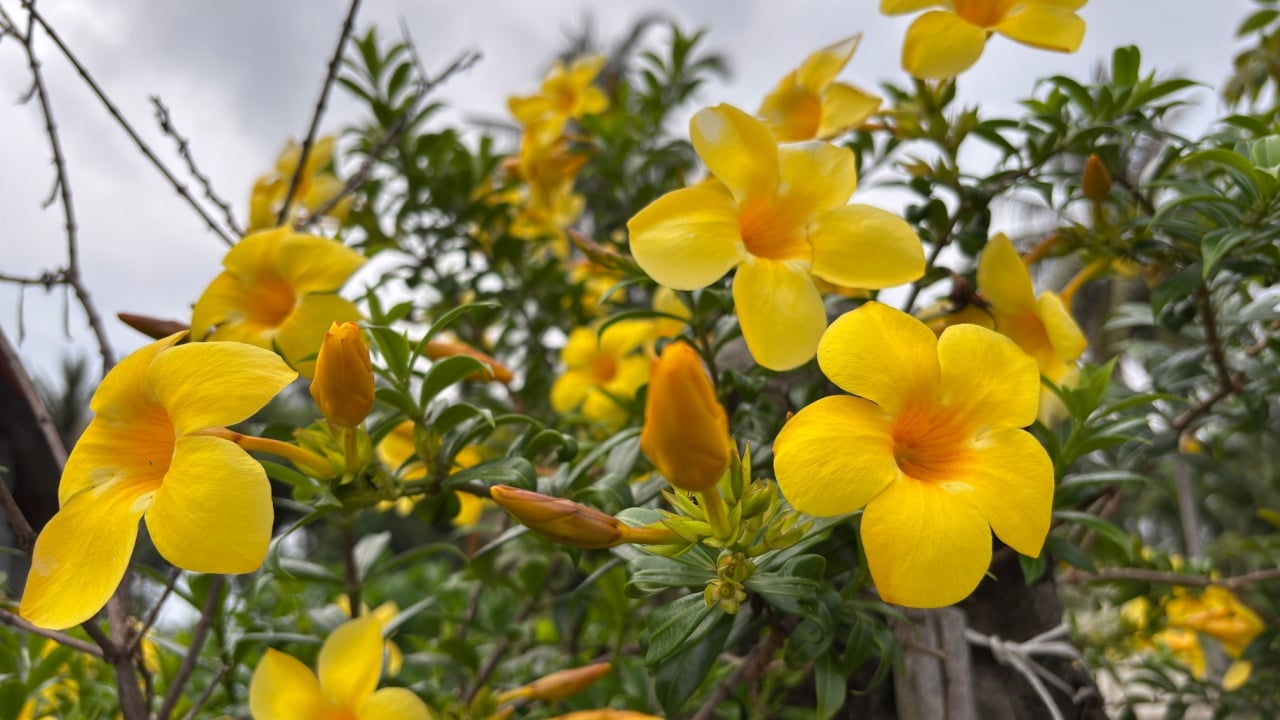
This fragrant yellow vine is a Southern garden staple, but beekeepers have documented its toxicity to honey bees since at least the 1870s.
Dr. J.P.H. Brown, writing in the American Bee Journal in 1879, described bees dying by the hundreds near jessamine blooms, exhibiting symptoms of intoxication and loss of muscle control before expiring. According to the Lady Bird Johnson Wildflower Center, the nectar is toxic to honey bees specifically, though large native bees like carpenter bees and bumblebees may feed without harm. A bee exposed to Carolina jessamine nectar can die within 24 hours.
4. California Buckeye (Aesculus californica)
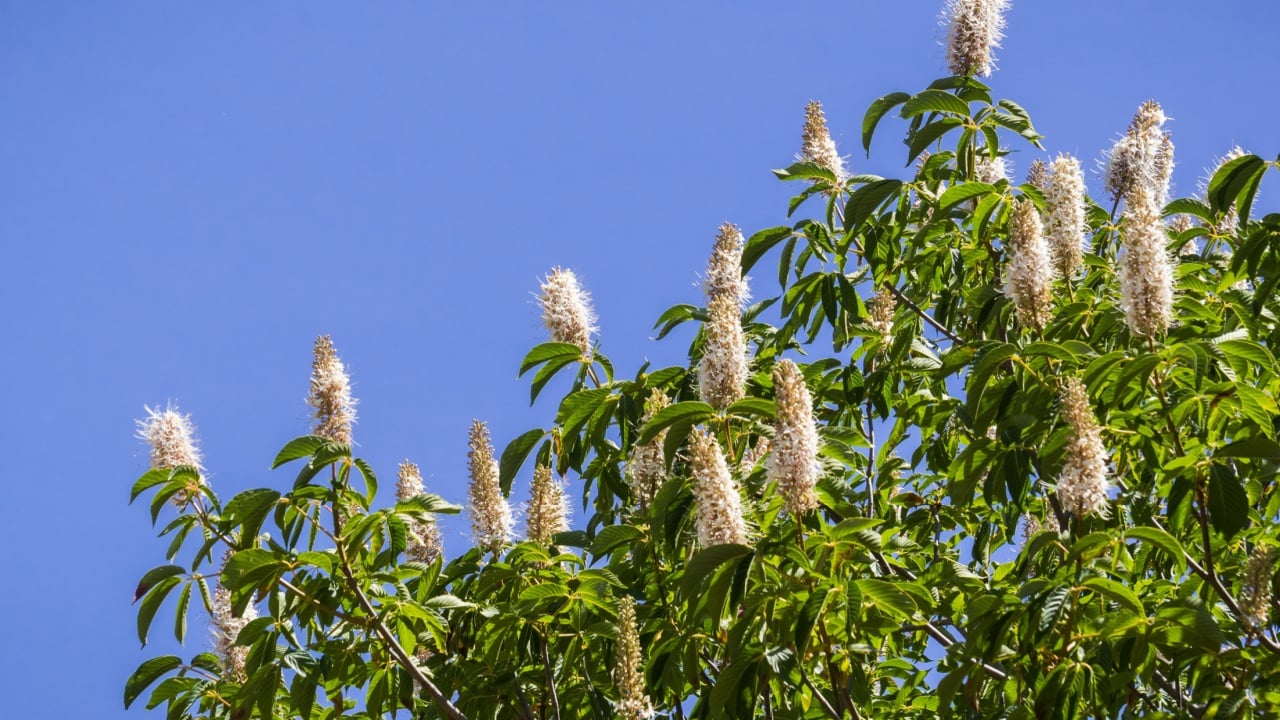
This is the most significant bee-toxic tree in western North America, and it’s also a common landscaping choice in California. The pollen, not just the nectar, is hazardous to honey bees.
Professor Robbin Thorp, emeritus entomologist at UC Davis, documented the effects clearly: larvae die in large numbers, surviving bees hatch with crippled wings or malformed legs, and queens may stop laying entirely. Beekeepers use the term “buckeyed bees” to describe the resulting colony damage. The UC Master Gardener Program of Sonoma County advises that no honey bee hive should ever be placed near a stand of California buckeye in bloom.
5. Summer Titi / Swamp Titi (Cyrilla racemiflora)
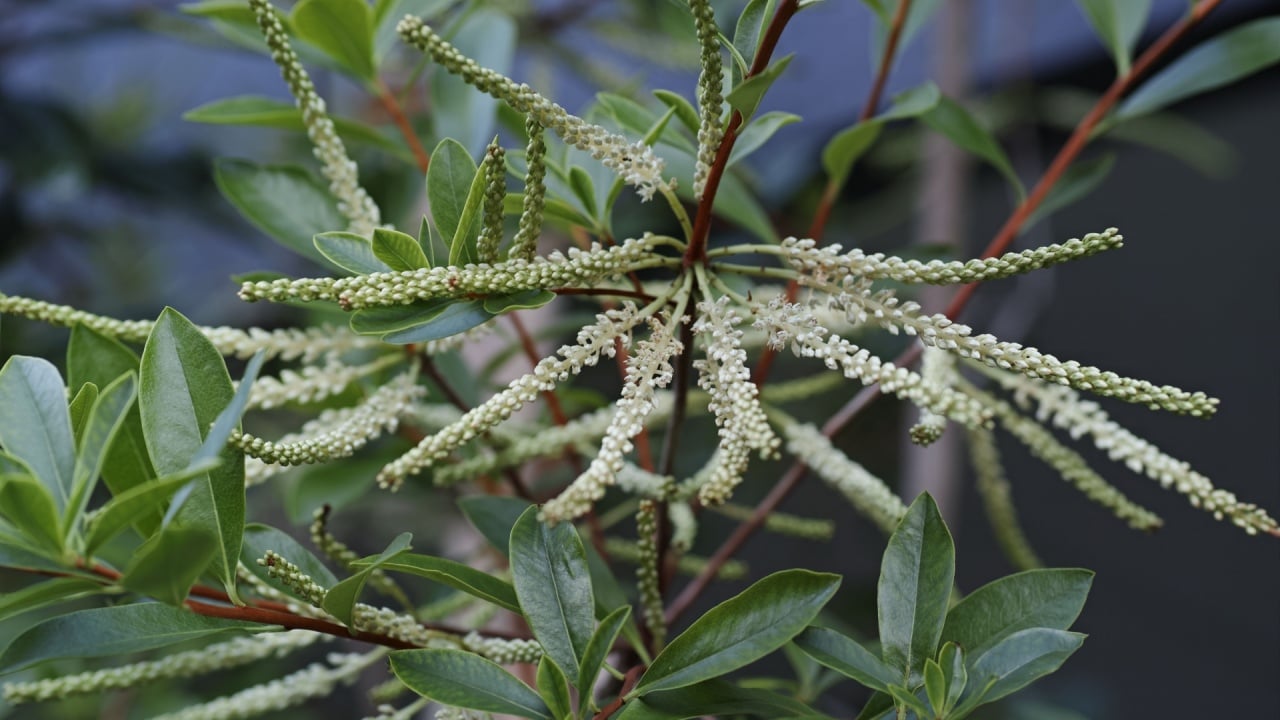
Found in the Deep South from Florida to the Carolinas, this native shrub produces small, fragrant flowers that are highly attractive to honey bees, with devastating results.
The nectar causes a condition called “purple brood,” in which bee larvae turn dark blue or purple and die before hatching. Beekeepers in affected regions have learned to recognize this plant by its damage.
If you’re gardening in the Southeast and considering native shrubs, this one is best replaced with something safer.
6. Certain Linden and Basswood Trees (Tilia species)

Not all lindens are created equal. Several species in the Tilia genus, including weeping silver lime, Caucasian lime, silver linden, and Chinese lime, are toxic to bumblebees, producing a narcotic effect that can be fatal.
According to Gardening Know How, safe species include small-leaved and large-leaved lime. Documented bee kills have also been caused by neonicotinoid applications to linden trees weeks or months before bees arrived to forage. If you’re planting a shade tree and pollinators matter to you, the species selection matters more than you’d think.
7. Wormwood (Artemisia absinthium)
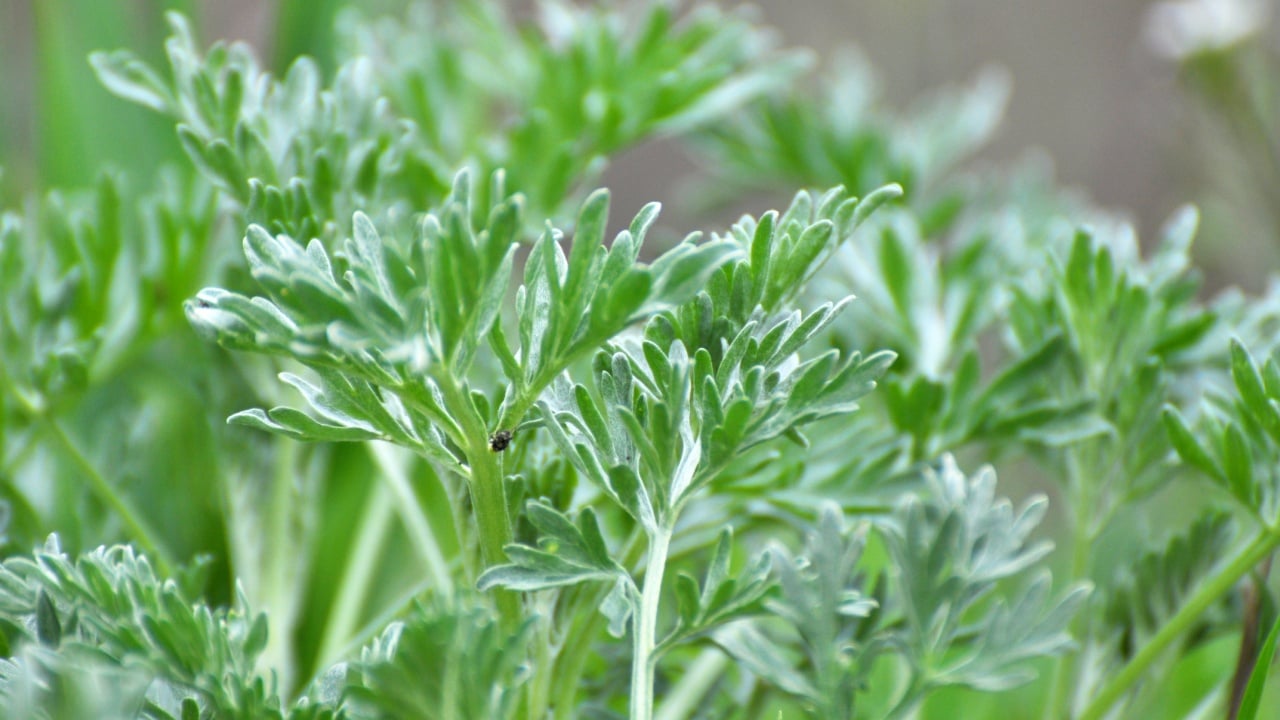
Wormwood contains absinthe, a compound toxic to insects, and its pungent scent tends to repel rather than attract bees. It’s sometimes planted intentionally for pest control, but it can interfere with pollinators in the surrounding area.
More importantly, wormwood releases allelopathic chemicals that inhibit the growth of neighboring plants, including those that might otherwise feed your bees. If you’re growing wormwood near a pollinator garden, reconsider the placement.
8. Geraniums (Pelargonium species)

Common geraniums don’t kill bees outright, but they offer very little value to them. The flowers contain minimal pollen and nectar, and bees can’t see red well, making red geraniums essentially invisible to them. Every geranium in your garden is a missed opportunity: that square footage could support lavender, catmint, or echinacea, all of which provide abundant forage.
For gardeners who are rethinking which plants earn their place, geraniums are a prime candidate for replacement, especially if you’re trying to build a productive, low-maintenance pollinator border.
The Garden You Build This Month Matters
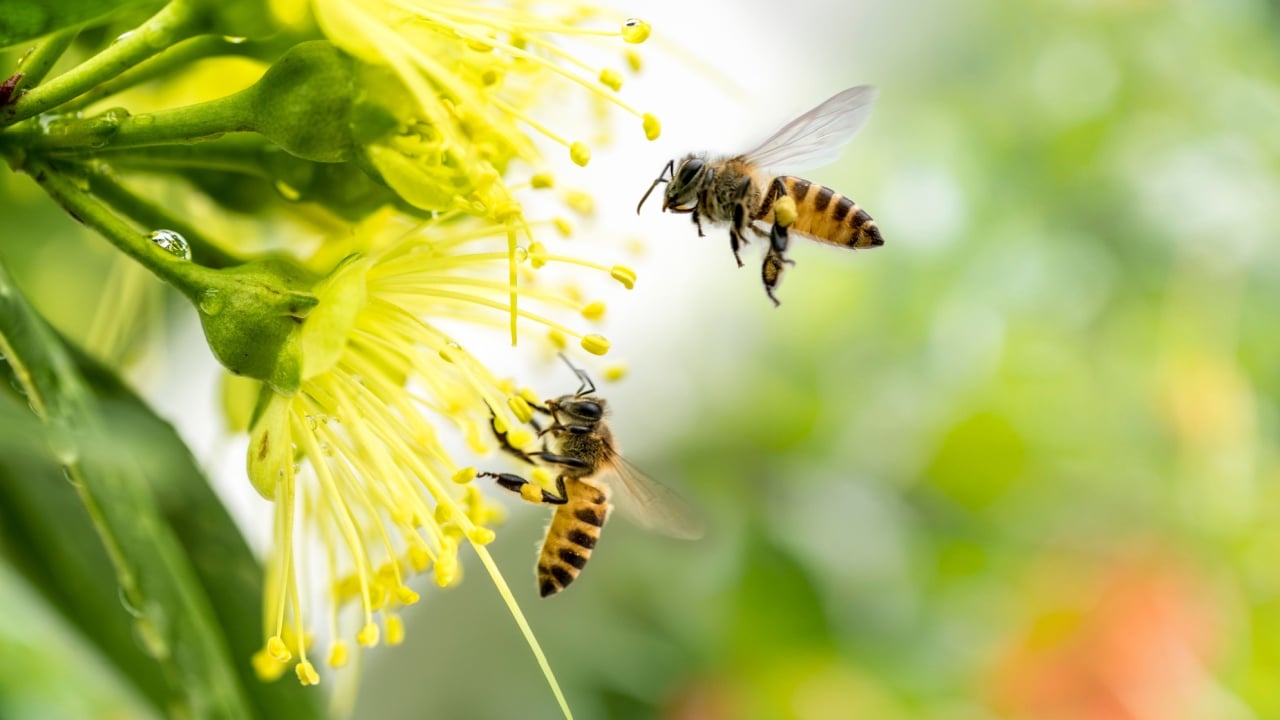
Bees don’t have the luxury of waiting. In the spring, they’re foraging hard to build colony strength after winter, and the food sources available right now shape whether their colonies thrive or collapse by summer. The plants blooming in your yard this month are actively influencing the bee populations in your neighborhood.
You don’t need a perfect garden to make a difference. You need a few good choices: buy clean plants, skip the species known to harm honey bees, and give that space to something that genuinely feeds the pollinators you’re trying to support. A single patch of lavender or a row of native asters costs less than $20 to establish and will outperform a season’s worth of ornamental annuals for every bee that finds it.
The villain in this story isn’t any one plant. It’s the assumption that anything sold as “bee-friendly” actually is. Your garden can do better than that.
Read More
Washing Your Lettuce Won’t Remove Cyclosporiasis, But Growing Your Own Will
Your Grandmother Stored These 8 Foods All Winter Without Canning a Single Jar