What Buddhist Monks Knew About Zen Garden Design That Most People Never Learn
Most people assume a Zen garden is about rocks and raked gravel — a tidy, minimalist space that looks vaguely Japanese. And that’s exactly why most Zen garden attempts fall flat.
The real thing is built on something far older and more interesting: a seven-part philosophy of restraint, mystery, and deliberate imperfection that Japanese Buddhist monks refined over fifteen centuries.
Understanding these seven principles won’t just help you design a better garden; it will change the way you see outdoor space entirely.
What a Zen Garden Actually Is
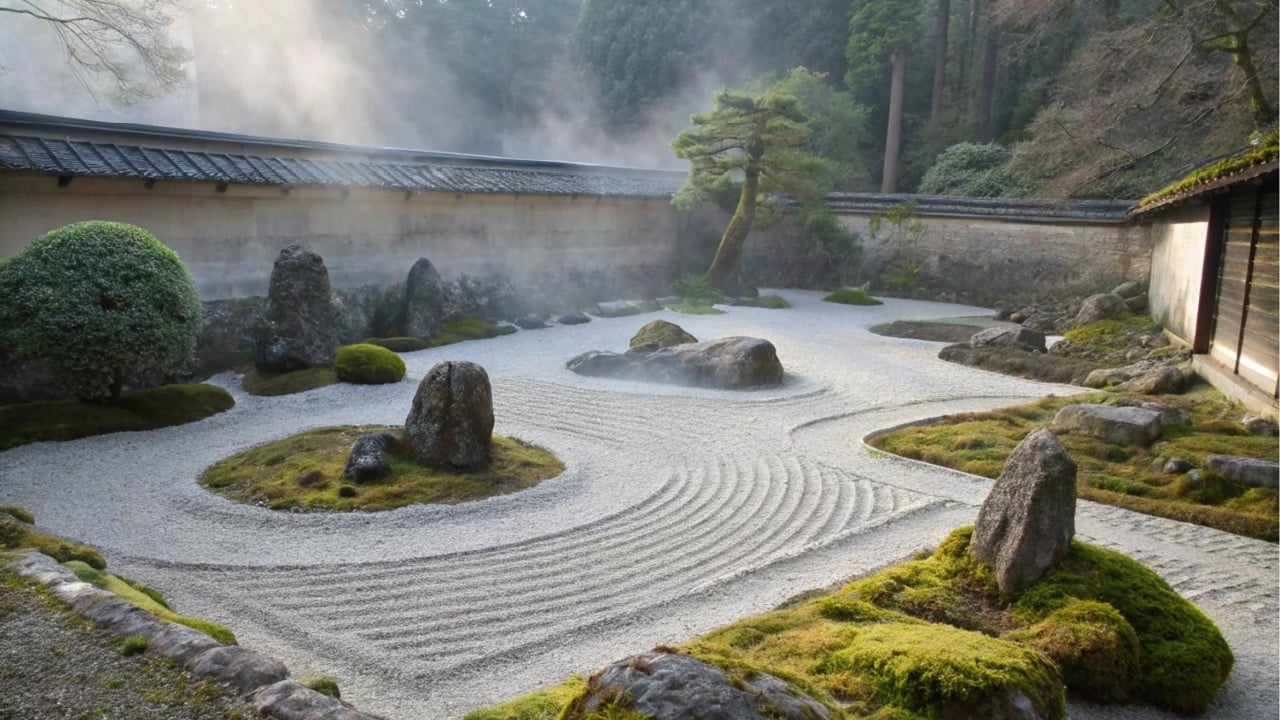
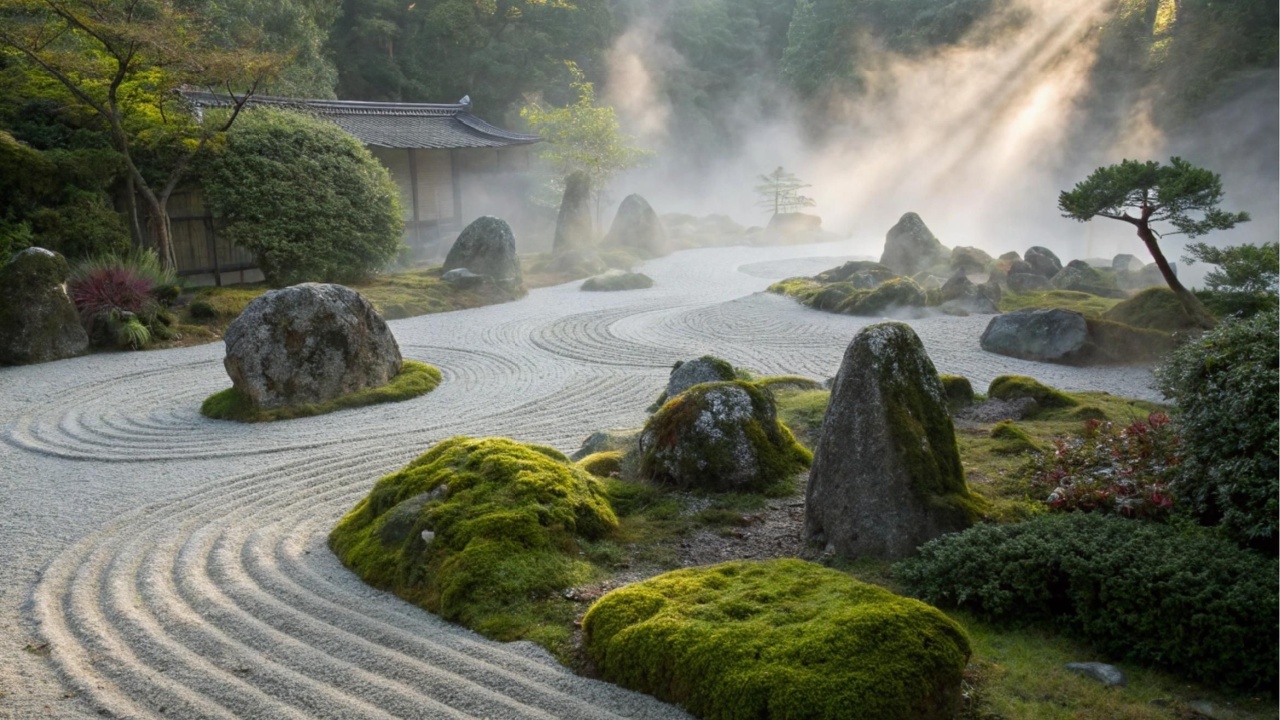
The formal name for a traditional Zen garden is karesansui, which translates roughly as “dry landscape.” No water, and very few plants. Instead, it consists of carefully chosen rocks, raked gravel or sand, and a great deal of empty space that is doing more work than it appears. The garden is not meant to be walked through; it’s meant to be viewed from a fixed vantage point, often a veranda or a low bench, the way you’d contemplate a painting.
This is a very different thing from a Japanese tea garden, a stroll garden, or a hillside garden, which are separate traditions often confused with Zen design.
Here’s the fact that stops most people mid-sentence when they hear it: the most famous Zen garden in the world, Ryōanji in Kyoto, contains 15 rocks arranged so precisely that no matter where you stand within the garden’s viewing area, only 14 are ever visible at once. The 15th is always hidden. This is not an accident or a quirk of installation. It is the principle of Yugen made physical, the deliberate withholding of completeness as a design act.
Interestingly, the term “Zen garden” wasn’t widely used until the 1930s. The concept is ancient; the label is surprisingly modern.
The Seven Principles of Zen Garden Design
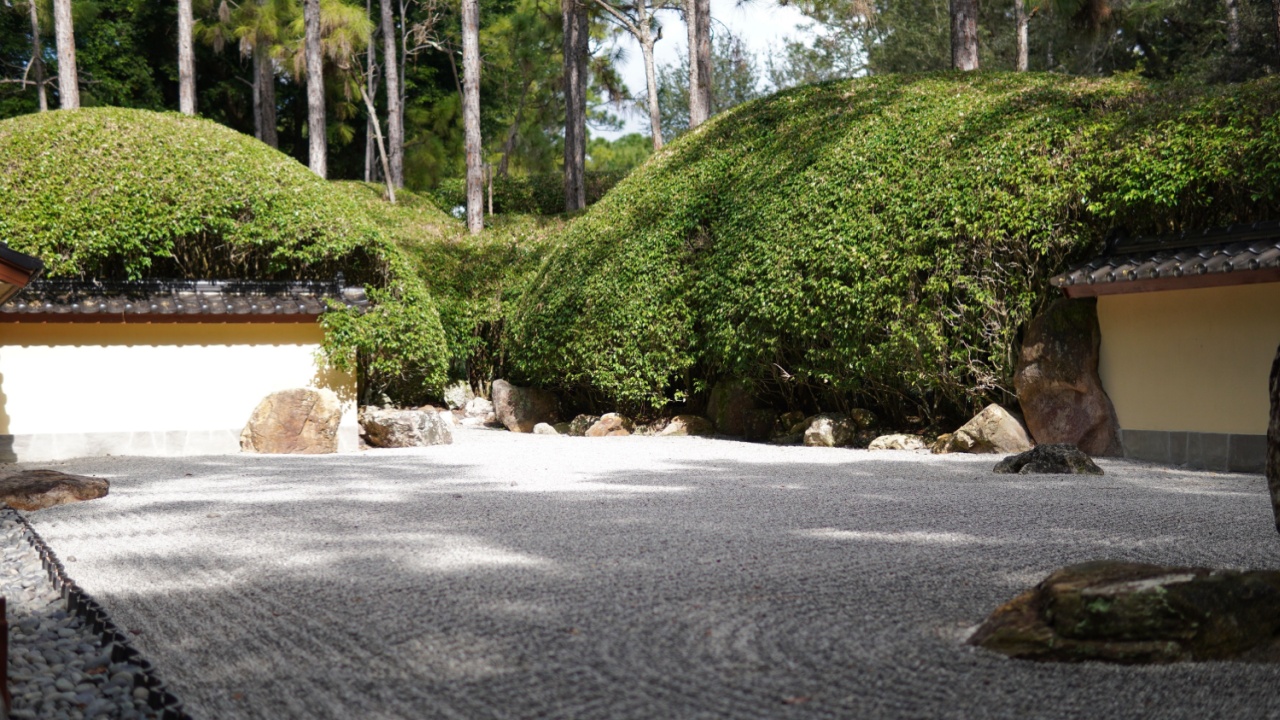
The philosophy behind Zen gardens was formalized by Japanese Zen Buddhist scholar Shinichi Hisamatsu, who identified seven aesthetic principles governing not just garden design but Zen art as a whole. As Hisamatsu wrote, these principles are not simply ways of appreciating or engaging in artistic pursuits, but at a deeper level constitute a way of being. Here they are, one by one.
1. Kanso — Simplicity
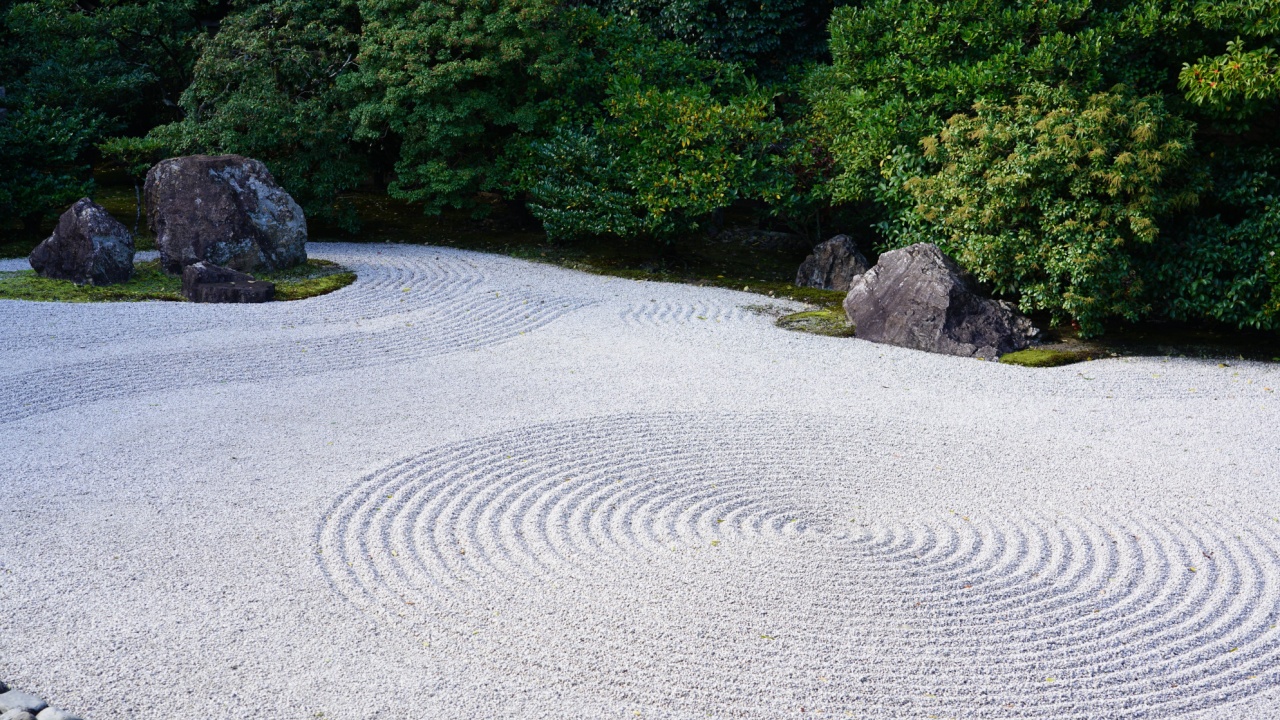
Kanso is the practice of clarity through omission. It asks not “what should I add?” but “what can I remove?” In a Zen garden, this means resisting the impulse to fill every corner, soften every edge, or explain every idea. The beauty comes from what isn’t there.
2. Fukinsei — Asymmetry
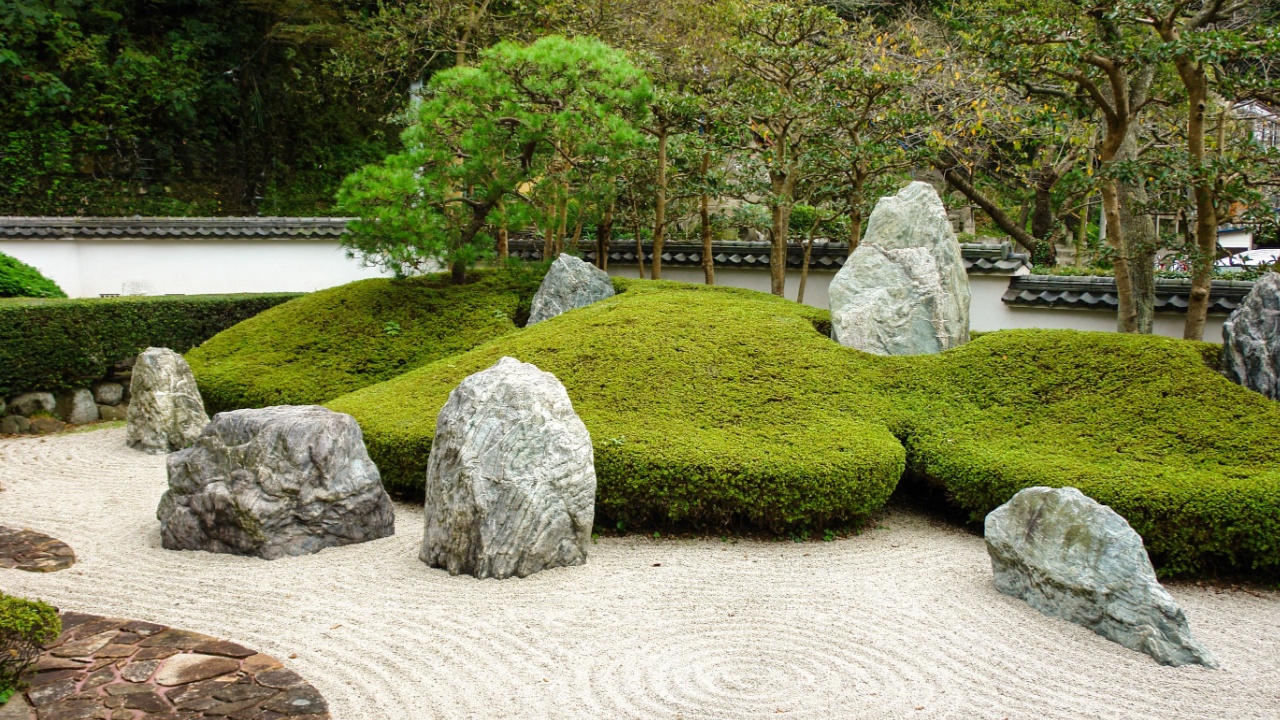
Zen aesthetics reject perfect symmetry not out of casualness, but out of philosophical conviction: nature itself is never symmetrical, and to impose symmetry on a garden is to falsify it. Rock groupings in traditional Zen gardens use odd numbers, 3, 5, or 7, because odd numbers more accurately reflect the irregularity of the natural world. The enso, or Zen circle, is deliberately drawn as an incomplete circle to symbolize the imperfection woven into all existence.
3. Koko / Shibui — Austerity and Understated Beauty
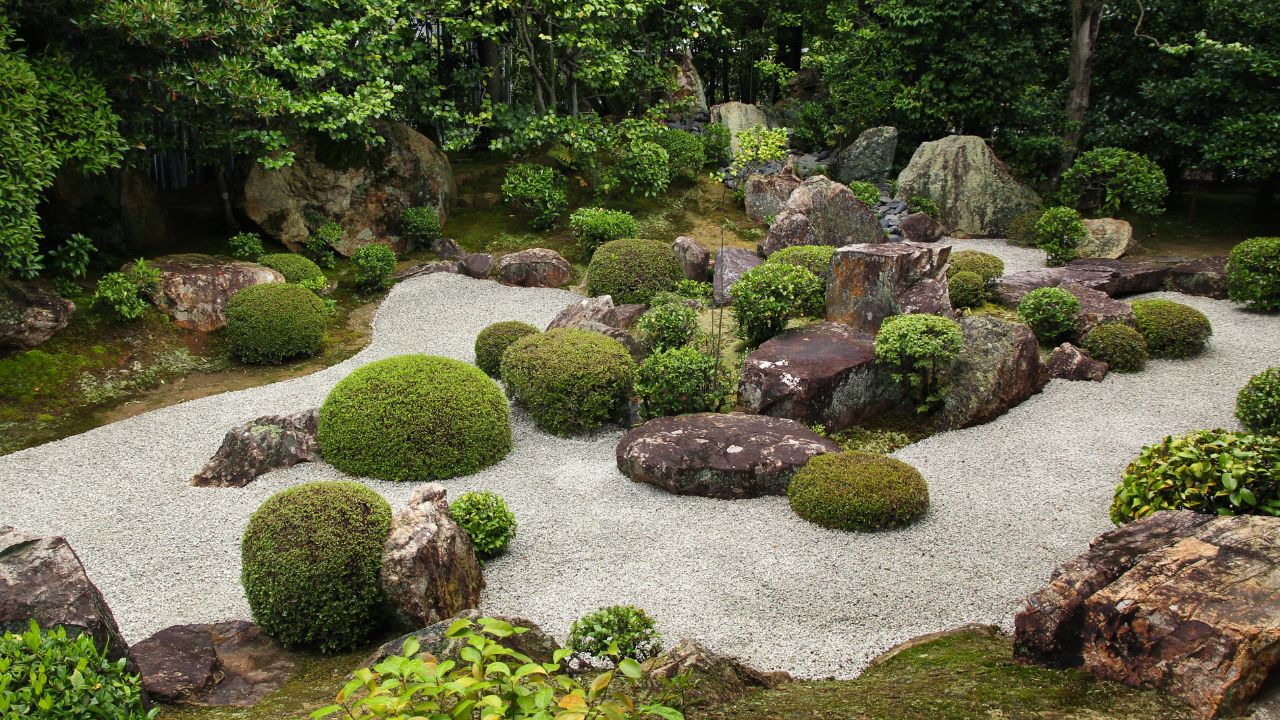
Shibui is sometimes translated as “bittersweet.” It’s the aesthetic of things that are beautiful precisely because they don’t call attention to themselves: a weathered stone lantern, a patch of moss that took years to establish, a rock whose character comes from age and wear rather than from being decorative. This principle pushes back against anything flashy or elaborate.
4. Shizen — Naturalness
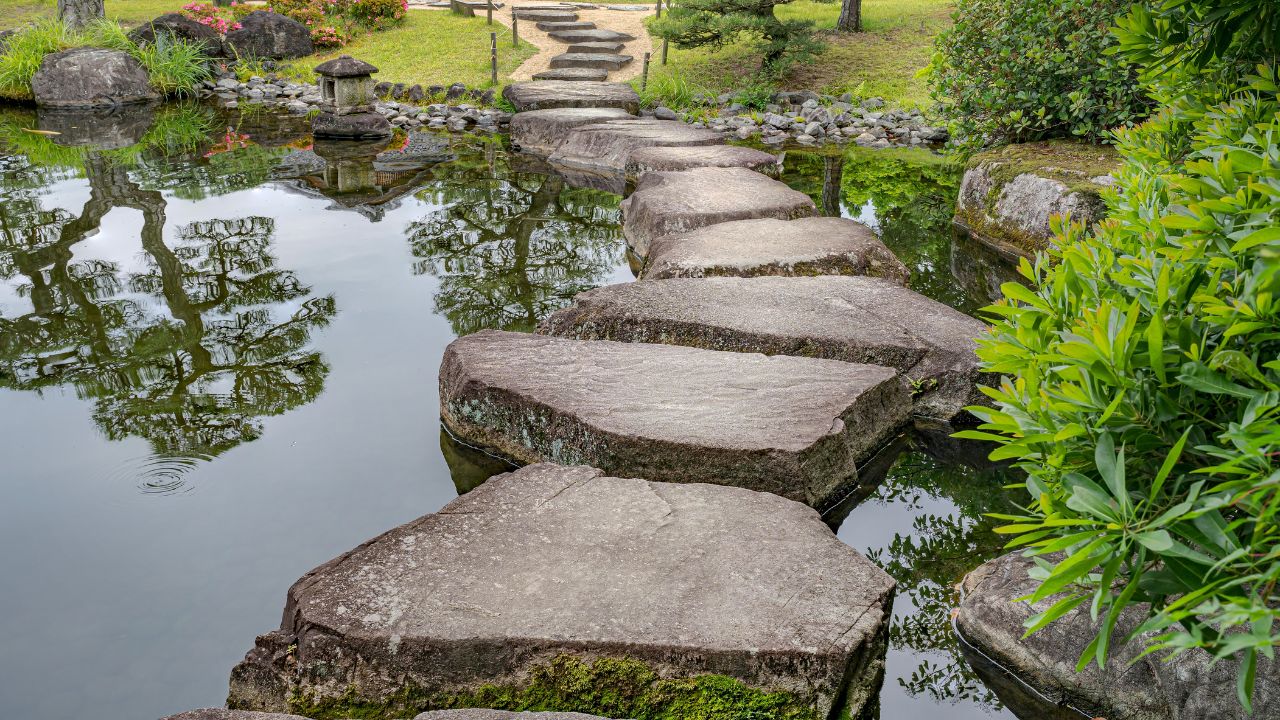
Here is Zen design’s great paradox: the principle of naturalness requires the most intentionality to achieve. A Zen garden is meant to feel spontaneous, unforced, as though the rocks simply came to rest this way. In reality, every placement is deeply deliberate. As YouGoJapan notes in its guide to Zen garden design principles, nothing is forced or imposed in the creation of the garden. The gardener works with the natural terrain rather than against it; the design collaborates with nature rather than overwriting it.
5. Yugen — Mystery and Subtlety
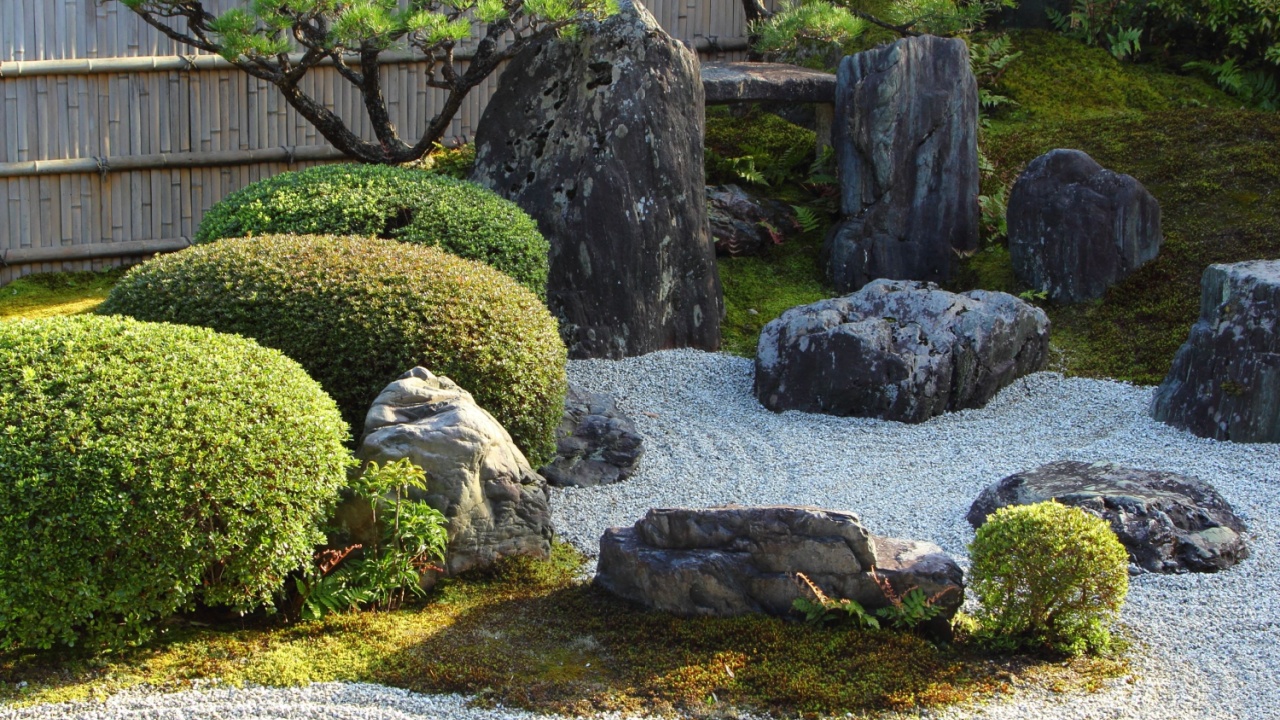
Yugen holds that the invisible is more important than the obvious. In a garden, this means hiding things: a bend in the path that obscures what’s ahead, a window that reveals only a portion of a view, a lantern that suggests depth in the dark. The Ryōanji garden’s hidden 15th rock is the purest expression of this principle in existence. You know it’s there, but you can’t find it. That tension is the whole point.
6. Datsuzoku — Transcendence
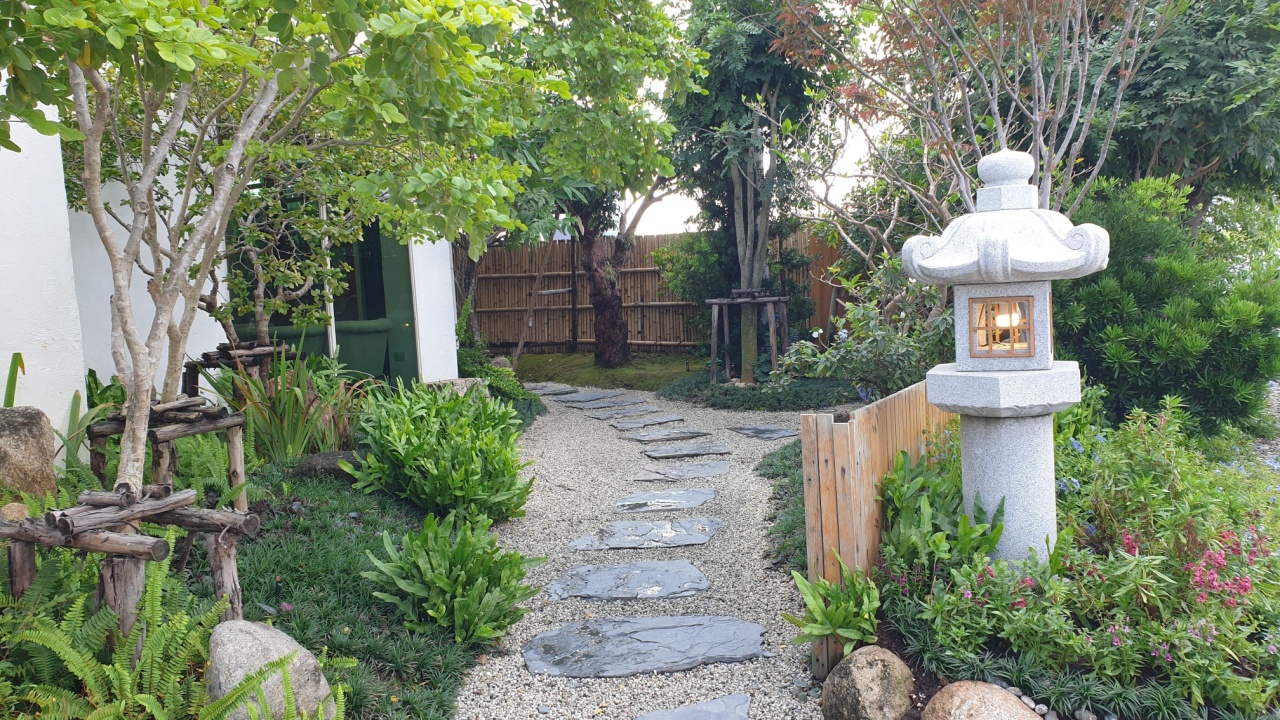
Datsuzoku describes the feeling of surprise and freedom that comes from encountering something genuinely outside ordinary experience. A Zen garden, at its best, produces a moment of genuine astonishment: the realization that raw stone, empty space, and raked gravel have somehow become more evocative than an elaborate garden full of color and bloom. The ordinary materials of the earth, arranged with care, reveal something essential about nature. That revelation is Datsuzoku.
7. Seijaku — Stillness
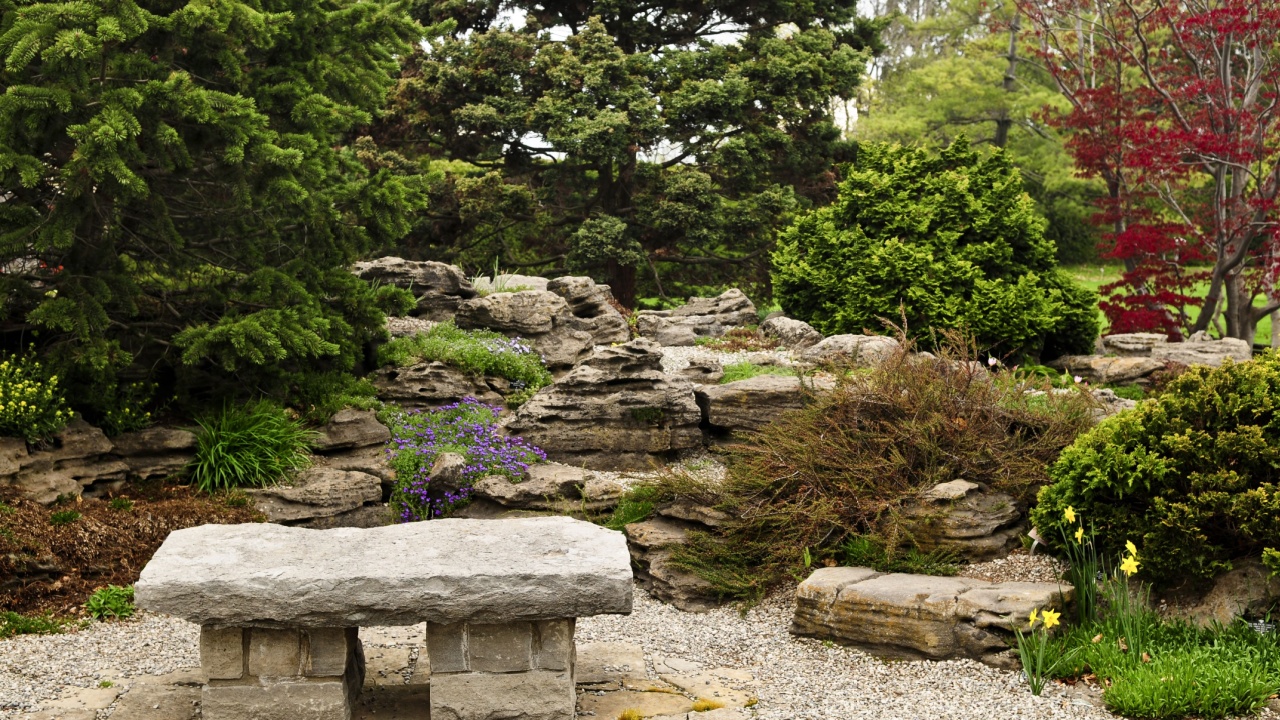
Seijaku is the goal that the other six principles are working toward. But it isn’t passive or empty quiet. Practitioners describe it as “active silence”, an energized, alert, perceptive calm that sharpens rather than dulls attention. This is why raking the gravel isn’t maintenance; it’s meditation. The tending is the practice. The stillness you feel afterward is Seijaku.
You Don’t Need a Temple Garden to Use These Principles
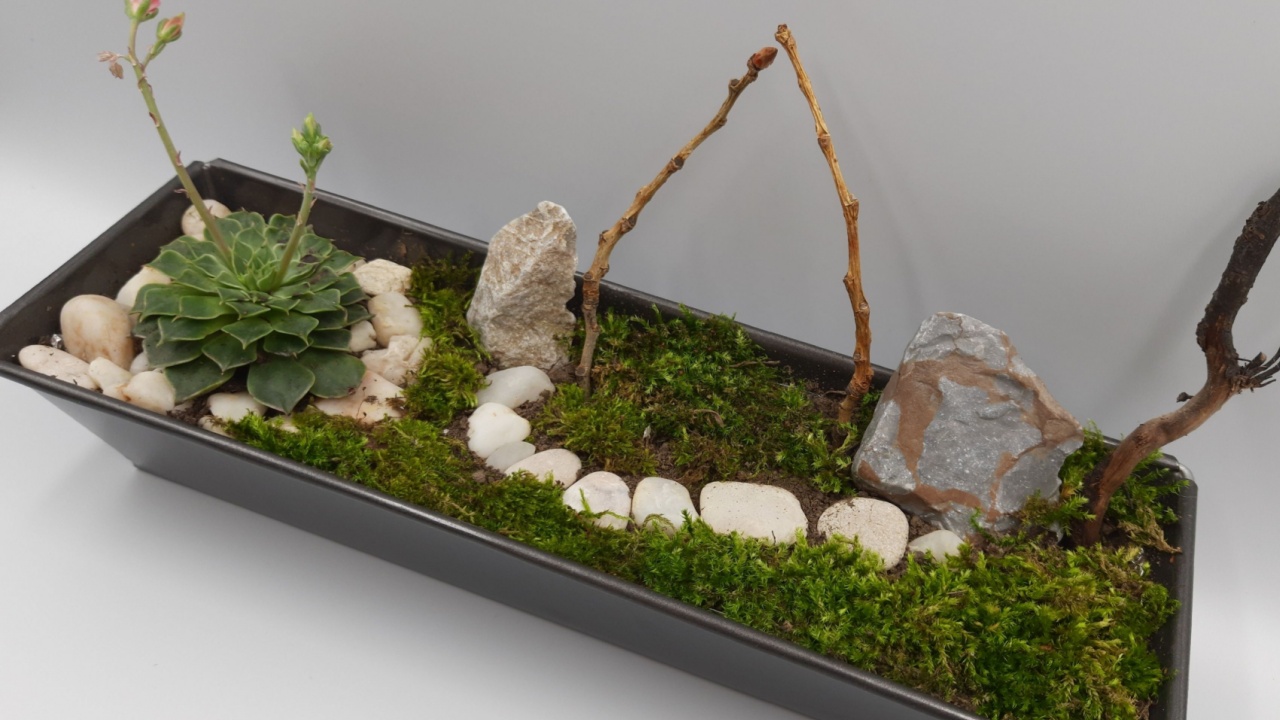
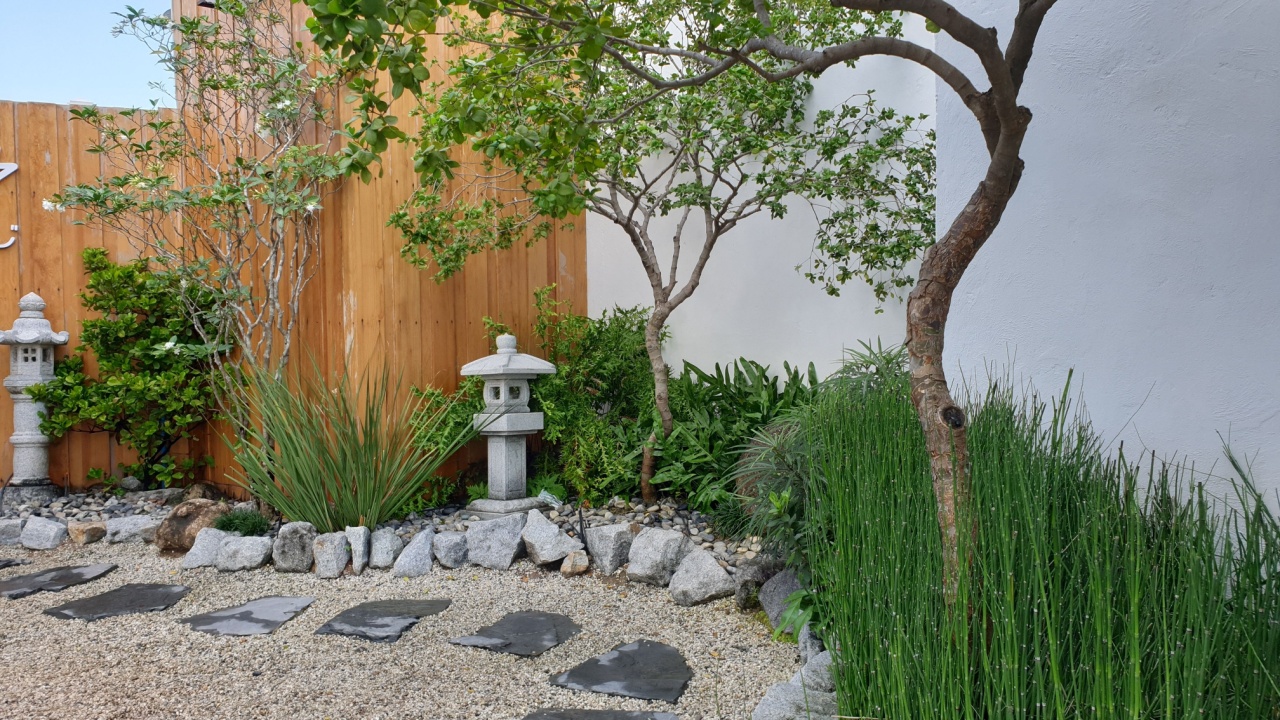
One of the most persistent misconceptions about Zen garden design is that it requires a large dedicated space. Experienced designers and gardeners consistently push back on this. A 4×4-foot corner of a patio, a narrow side yard, a small courtyard, even a desktop sand tray with three well-chosen stones can embody all seven principles authentically. The philosophy scales.
There’s also a concept called shakkei, or “borrowed scenery,” that Zen designers use to make small gardens feel expansive. The idea is to orient your viewing angle toward a beautiful element outside your garden’s boundary: a distant hillside, an old tree in a neighbor’s yard, a roofline softened by ivy. You don’t own it, but you can frame it. Senior Horticulturist Ayse Pogue of the Chicago Botanic Garden puts it this way, in an interview with HGTV: the goal is to have the landscape look like a painting that changes with the seasons.
Of the seven principles, Shizen is widely considered the hardest to achieve. The effortless, spontaneous appearance of a well-made Zen garden is the result of enormous intentionality. That gap between “looks easy” and “is easy” is where most home attempts struggle.
The One Mistake That Undermines Most Zen Garden Attempts
Western garden culture is built around addition: more color, more variety, more interest, more bloom. Zen design is a practice in the opposite direction, and the clash is the most common source of failure.
Gardeners who add too many rock types, too many ornaments, too many plant varieties, or too many focal points end up with something that looks cluttered and culturally vague rather than serene. Every element in a Zen garden must earn its place. If it isn’t contributing to calm, clarity, or symbolic meaning, it doesn’t belong.
A few practical notes from experienced designers: Gravel type matters more than most beginners realize. Fine crushed granite or pea gravel rakes into clean patterns; chunky river rock does not. Rock groupings should use odd numbers. Moss, though often overlooked, is one of the most powerful elements available, adding a sense of age and quiet vitality that no new material can replicate.
As for maintenance, the anxiety many gardeners feel about raking and tending a Zen garden is based on a category error. The raking isn’t a chore to be minimized. It’s the practice itself. Seijaku, the stillness the garden is designed to produce, often arrives not while sitting in front of it, but while tending it.
The Garden Is Already Teaching You Something
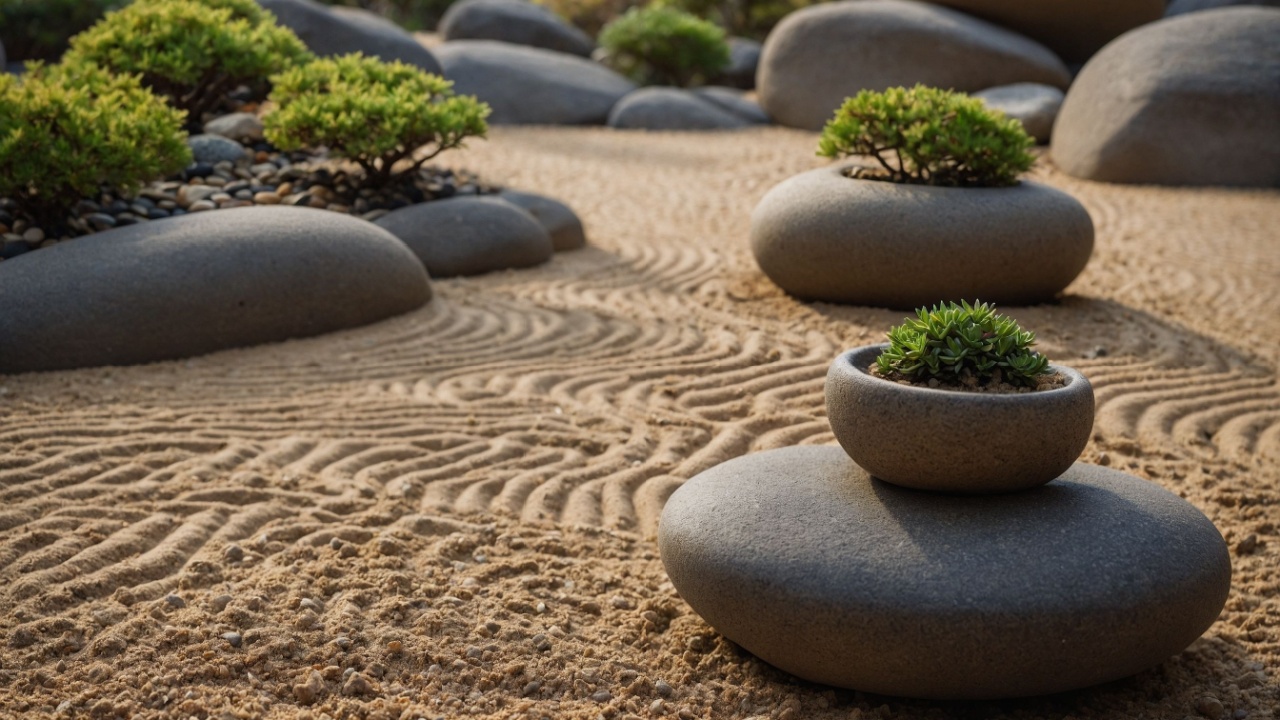
The seven principles of Zen garden design are not a checklist. They are a way of seeing. Once you understand that Kanso asks you to remove rather than add, that Fukinsei finds beauty in imperfection, that Yugen believes the hidden matters more than the visible, you start noticing where these ideas apply everywhere: in the single pot placed deliberately on a bare porch, in the shadow of a fence at dusk, in the corner of your yard you’ve been meaning to “do something with” for years.
You don’t have to build a traditional karesansui garden to be changed by these principles. But if you do build one, remember Fukinsei: it doesn’t have to be perfect. In fact, it shouldn’t be.
Read more:
Direct Sow These 9 Seeds in June Before the Window Closes for Good
June Is National Pollinator Month. Are You Accidentally Harming the Bees You Want to Help?