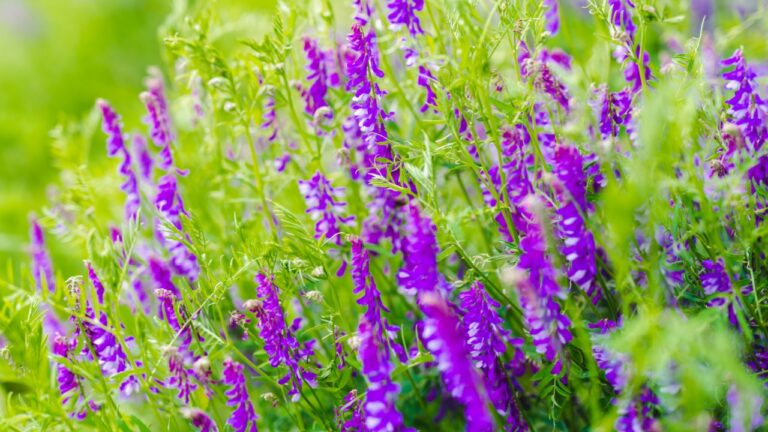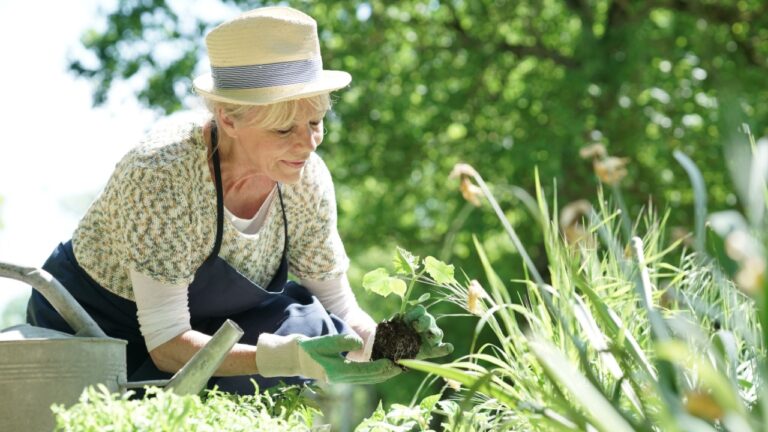
There was a time when a house had flowers in it every single week, not because someone drove to the florist, but because someone walked out the back door with scissors. That tradition quietly disappeared over time, and the cut flower industry is happy you forgot it. The average American can now easily spend anywhere …
Every summer, the same heartbreaking scene plays out in gardens across the country: the lettuce bolts, the spinach turns bitter, and the peas shrivel on the vine, and gardeners conclude that summer is simply not a season for growing food. The real problem isn’t the heat. It’s that most gardeners are trying to grow the …
Every summer, American gardeners collectively pour billions of gallons of water onto their soil, only to lose 30–50% of it to evaporation before it ever touches a root. The answer to this problem was solved over 4,000 years ago. The technique is called olla irrigation, and it is arguably the most water-efficient gardening method ever …
If your lawn is costing you more than your car payment every summer, that’s not maintenance, that’s a money leak hiding in plain sight. The average American household spends between $500 and $1,200 annually on lawn care, with outdoor water use alone accounting for nearly 30% of total household water consumption, according to the U.S. …
Every spring, thousands of rose gardeners do the same things they did last year and wonder why their plants look worse, not better. The damage is rarely dramatic. It’s a watering habit that quietly feeds fungal disease every morning, a fertilizer routine that looks attentive but is slowly burning roots underground, or a single fall …
Most gardeners treat clay soil like a personal insult. They dig, amend, haul in topsoil, spend hundreds of dollars on bagged compost, and still end up with a sticky, rock-hard mess that turns into a swamp in April and cracks by July. The mistake isn’t the clay. It’s the strategy. Clay soil doesn’t need to …
Your tomato plant looks perfect. The leaves are a deep, saturated green. The stems are strong. It’s growing fast, maybe too fast, and you feel like you’re doing everything right. You’re not. The most common tomato disasters don’t announce themselves until the damage is already done: blossoms dropping without setting fruit, a beautiful plant that …
Most home gardeners are spending enormous energy on visible, urgent-feeling tasks while the highest-payoff work gets pushed to ‘later.’ Deadheading, staking, mulching, and a few other quiet chores require one afternoon in May and deliver benefits for the next 16 weeks straight. Skip them, and you’re in for a summer of reactive catch-up that costs …
Every time you drop $4 on a pint of cherry tomatoes or $2.50 on a single red bell pepper, you’re paying for something you could be growing for a fraction of the price. Grocery store produce doesn’t just feel more expensive than it used to; it is. And the vegetables taking the biggest bites out …
If your tomato plants look lush, green, and absolutely thriving this summer but your actual tomatoes are disappointingly small, you are not alone. Most backyard gardeners operate on a “more is more” logic when it comes to tomatoes. More watering, more feeding, and more shoots left to grow. But tomato plants are not like most …