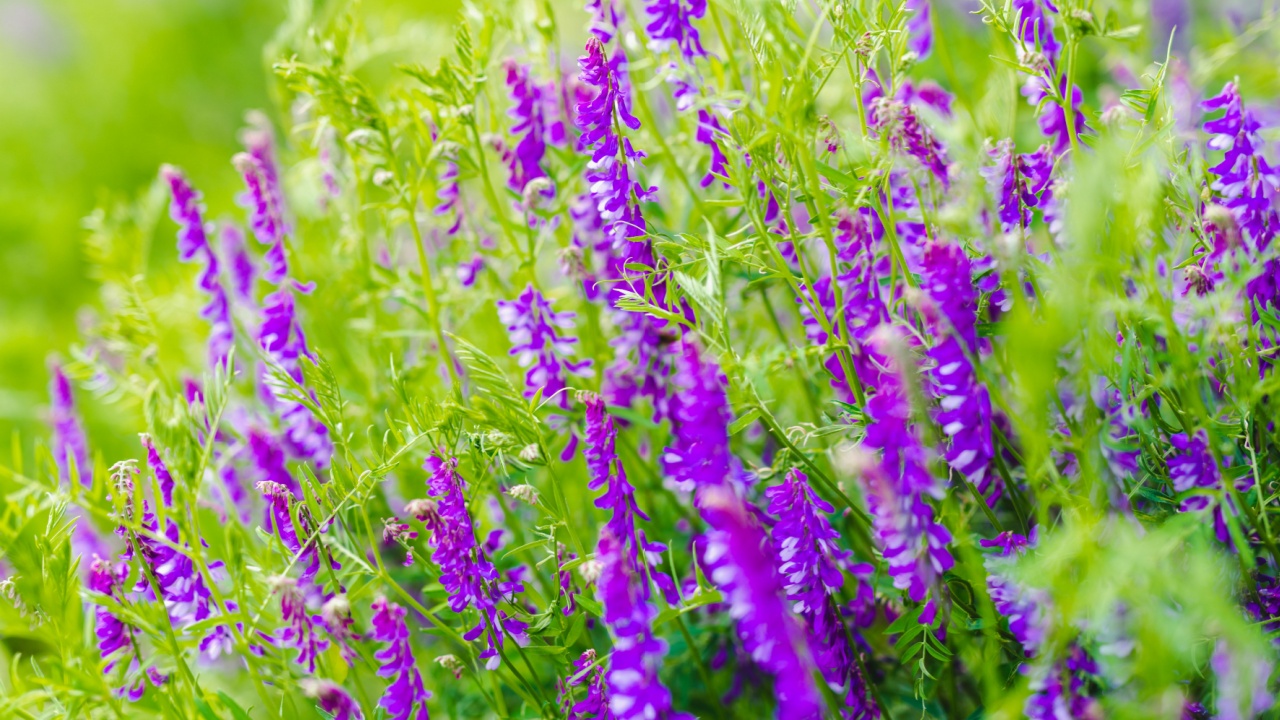
Skip The Expensive Fertilizer and Grow These Five Plants Instead For Better Soil
Americans spend over $10 billion a year on lawn and garden fertilizers, and most backyard gardeners never question whether that money is well spent. But there is something experienced growers have known for generations: some of the most powerful soil builders on the planet cost less than a cup of coffee and do the work entirely on their own.
Your grandmother probably grew clover in her yard on purpose. She may have planted beans not just for eating but to feed the soil for next year’s tomatoes. Whether knowingly or not, she was using a technique that modern soil science has since confirmed works remarkably well, and it starts with understanding which plants actually improve the ground they grow in.
This matters more than ever. Synthetic fertilizer prices have surged in recent years, and overapplication degrades soil structure over time, creating a cycle where you need more product each season just to maintain the same results. Plants that build soil naturally break that cycle. They improve drainage, increase organic matter, support beneficial microbes, and deliver free nitrogen directly to the root zone. Once you understand how it works, you may never look at a bag of fertilizer the same way again.
How Certain Plants Quietly Fertilize Your Garden for Free

The secret lies in a biological partnership that has been operating for roughly 100 million years. Legumes, the plant family that includes clover, peas, beans, and vetch, form a symbiotic relationship with soil bacteria called rhizobia. These bacteria colonize tiny nodules on the plant’s roots and convert atmospheric nitrogen into ammonia, a form plants can absorb directly. According to Penn State Extension, a single season of crimson clover can fix between 70 and 150 pounds of nitrogen per acre; that is the equivalent of spreading several hundred dollars’ worth of commercial fertilizer, delivered free of charge by biology.
The process is elegant in its simplicity. The plant provides the bacteria with sugars from photosynthesis. In return, the bacteria hand over nitrogen that the plant could never access on its own. When the plant dies or is cut down, that nitrogen is released into the soil, ready for whatever crop you plant next. Gardeners who rotate legumes through their beds are effectively running a tiny, self-renewing fertilizer factory in their own backyard.
As Bill Hageman at Grow Organic explains, nitrogen-fixing cover crops form symbiotic relationships with soil bacteria that live in nodules on their roots, together transforming atmospheric nitrogen into ammonia, which plants readily absorb. It is a process that requires no electricity, no factory, and no shipping. Just roots, bacteria, and sunlight.
Here are five plants that improve soil that every gardener should know.
1. Clover

Clover is the gateway plant for most gardeners discovering soil improvement. White clover and crimson clover both fix nitrogen generously, according to the University of Minnesota, and they double as a living mulch that suppresses weeds and protects bare soil from erosion.
A packet of clover seed costs two to four dollars and covers a surprising amount of ground. Experienced gardeners sow it between vegetable rows, under fruit trees, and across any patch of bare earth that would otherwise sit idle.
2. Hairy Vetch
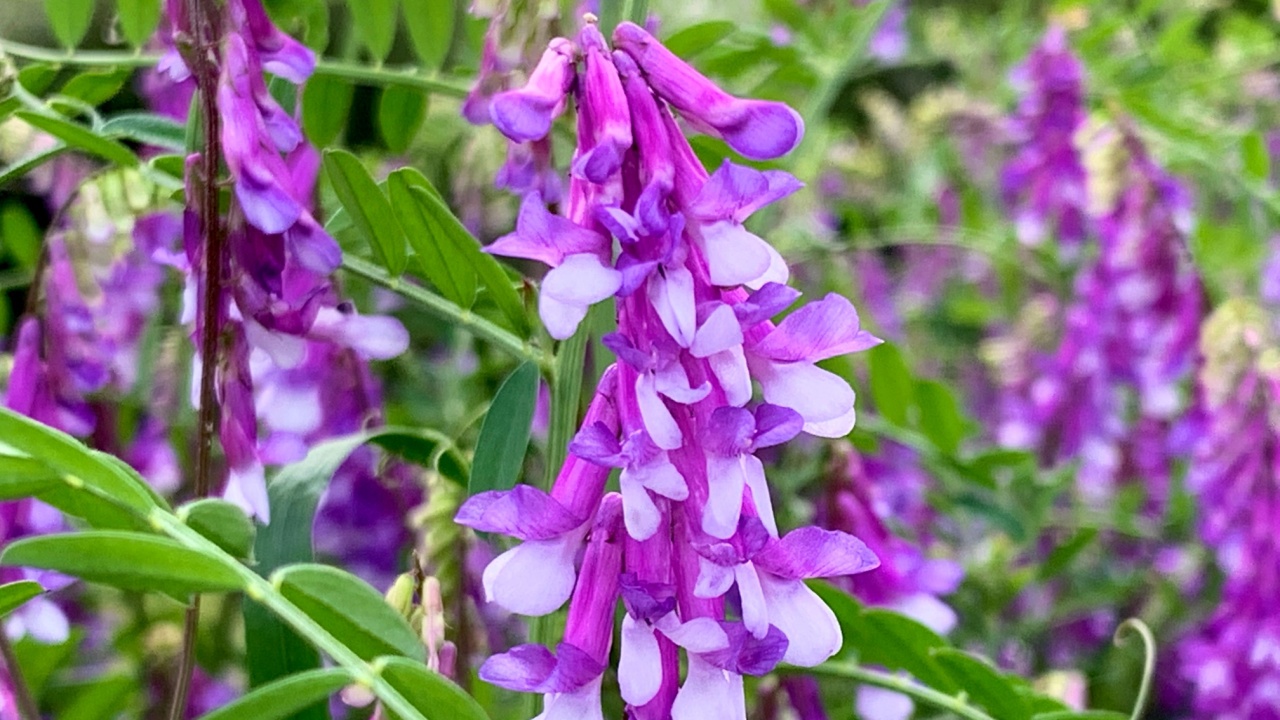
Hairy vetch is a favorite among market gardeners who need to build fertility fast. It tolerates poor soils, establishes quickly in fall, and when turned under in spring, delivers a concentrated dose of nitrogen right when your summer crops need it most.
Michigan State University researchers note that legume cover crops like vetch are among the most cost-effective ways to supply nitrogen without synthetic inputs.
3. Comfrey
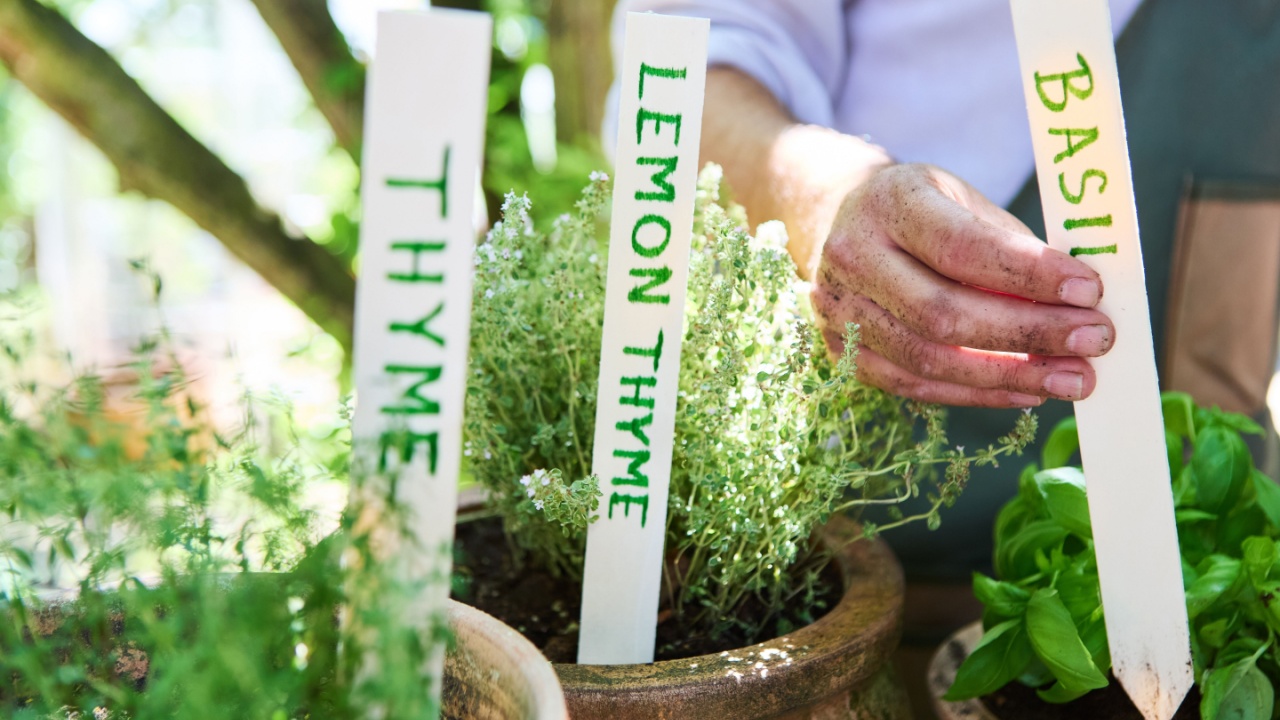
Comfrey is not a legume, but it is a soil-building powerhouse of a different kind. Its deep taproot, which can reach ten feet into the earth, mines potassium, calcium, and phosphorus from layers most garden plants cannot access.
Cut the leaves and lay them on the soil surface as mulch, and those nutrients become available to shallow-rooted crops like lettuce and strawberries, writes Tenth Acre Farm. Permaculture gardeners call comfrey a “nutrient accumulator,” and many consider it the single most useful plant in a productive garden.
4. Field Peas and Fava Beans
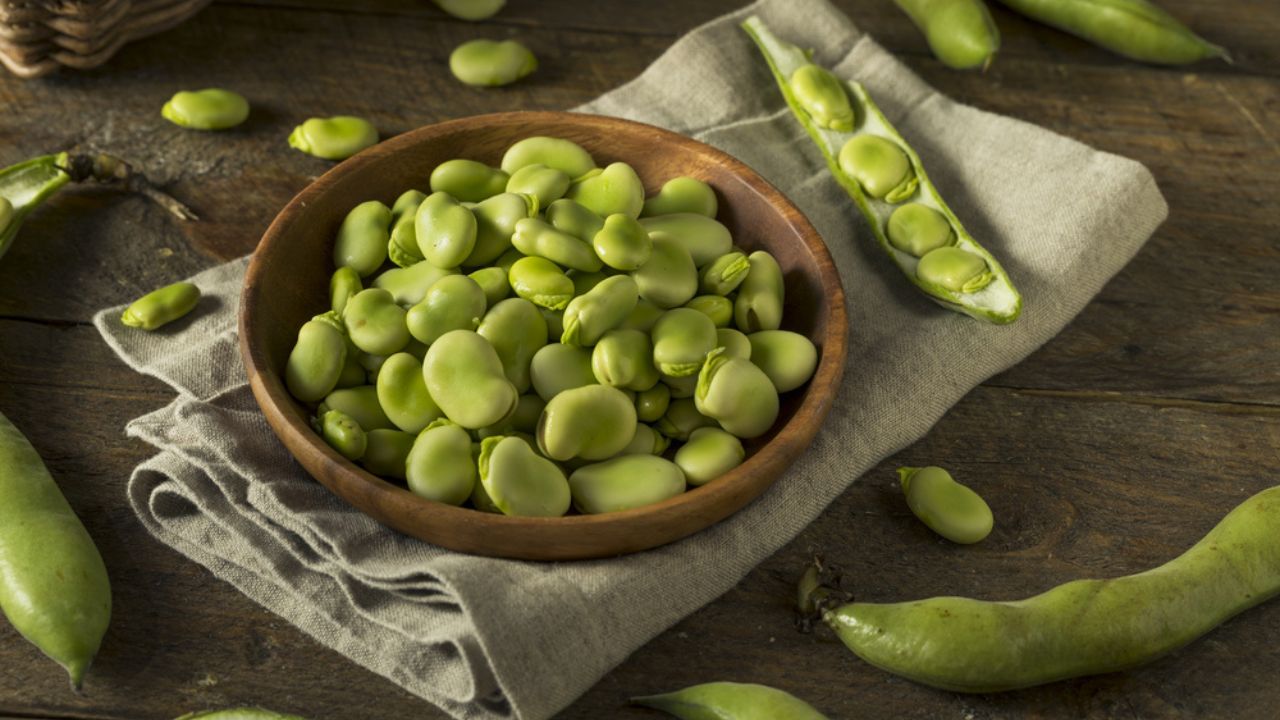
Field peas and fava beans serve double duty. They fix nitrogen like all legumes, and they produce food you can eat while they work, says Angela Judd at Growing in the Garden.
Gardeners in cooler climates plant them as early spring cover crops, harvest a portion of the pods, and then chop the remaining plants into the soil as green manure. It is free fertility and free food from the same planting.
5. Daikon Radish
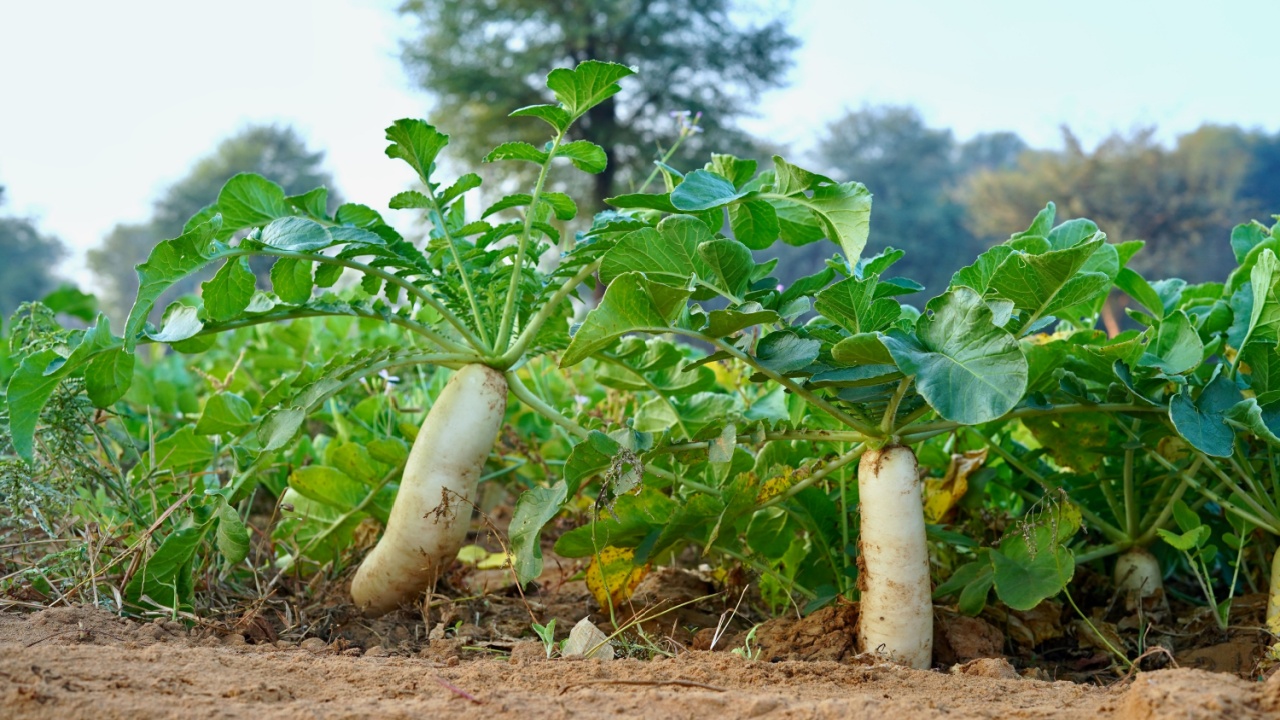
Daikon radish, sometimes called tillage radish, does not fix nitrogen, but it solves a different problem. Its massive taproot punches through compacted subsoil, creating channels that improve drainage and allow air and water to penetrate deep into the ground.
When the radish decomposes over winter, it leaves behind organic matter in exactly the places your soil needs it most.
The Surprisingly Simple Way to Use These Plants in Your Garden
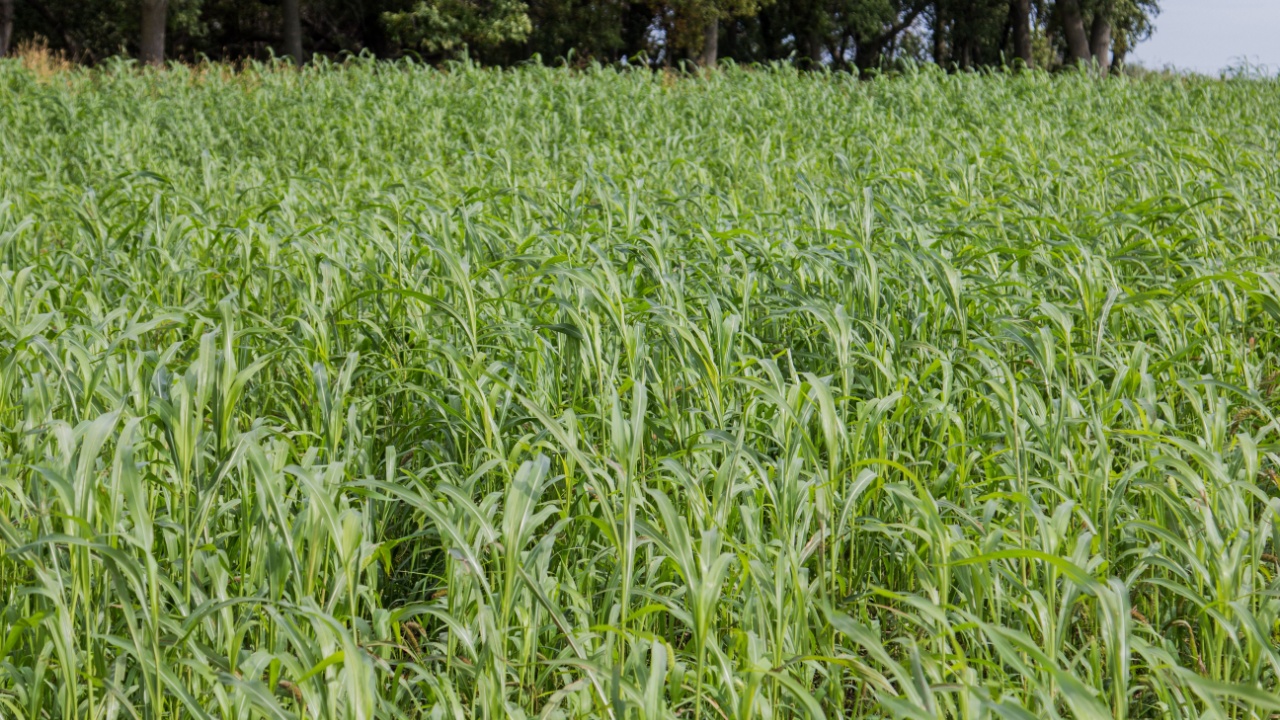
You do not need a farm or a complicated rotation plan to benefit from soil-building plants. The simplest approach is to sow a cover crop in any bed that is not actively growing vegetables. Finished harvesting your spring lettuce in June? Scatter some buckwheat or cowpeas and let them grow through the summer. Pulled your tomato plants in October? Sow crimson clover or winter rye and let it work all winter.
Another strategy that experienced gardeners swear by is interplanting. Grow clover as a living mulch between rows of corn or squash. Plant beans alongside heavy feeders like peppers, where the nitrogen fixation benefits the neighboring plants in real time.
The key insight is that bare soil is wasted soil. Every day your garden sits uncovered, you are losing organic matter, nutrients, and microbial activity to sun, wind, and rain. Covering it with a living plant, especially one that actively improves the ground it grows in, is the single most impactful habit you can develop as a gardener.
Why Your Soil Gets Better Every Year When You Use This Approach

The real magic of soil-building plants is cumulative. The first year you grow a cover crop, you might not notice a dramatic difference. But by the second and third year, the change becomes unmistakable. The soil darkens. It holds moisture longer. It crumbles in your hand instead of clumping. Earthworms appear where there were none before.
Good soil does not happen in a month or even six months. It is a process that rewards patience, but once the cycle is established, it largely sustains itself. You spend less on fertilizer, less on watering, and less on pest control, because healthy soil produces healthy plants that resist disease and drought naturally.
Add a Cover Crop this Year

Your grandmother did not have a soil science degree. But she understood instinctively what researchers are now confirming with data: the best way to build great soil is to keep it covered, keep it planted, and let biology do what it does best. A three-dollar packet of clover seeds is not just a garden purchase. It is an investment in soil that pays dividends for years to come.
Read More
Is Your Garden Hurting You? 9 Tools Doctors Say Could Save Your Joints
Ten Companion Plants Your Peppers Need For A Successful Growing Season