Why Americans Are Ditching Their Time-Wasting Lawns: 6 Low-Maintenance Grass Alternatives
The lawn you’ve dutifully mowed, edged, fertilized, and fretted over for years wasn’t a tradition handed down through generations. It was a postwar marketing invention, and most homeowners have been maintaining it not out of love, but out of obligation.
Kentucky bluegrass, the centerpiece of millions of American yards, is not American at all. It is native to Europe and parts of Asia. So is nearly every other turfgrass species on the market. According to Michael Barnes, a horticulture social scientist at the University of Minnesota, the manicured suburban lawn became the default form of American landscaping only through postwar suburbanization, not through any deep cultural heritage. Before that, lawns were a symbol of European aristocratic wealth, requiring armies of servants or sheep to maintain.
Now, a growing wave of Americans is asking a simple question: What if we got rid of our lawns?
Across the country, front yards are being transformed. Turfgrass is giving way to native meadows, pollinator gardens, edible beds, and drought-tolerant groundcovers that require almost no upkeep. This isn’t a fringe movement anymore.
The New York Times boldly declared “the era of the American lawn is over” in a widely shared 2025 opinion piece, municipalities are loosening grass ordinances, and the Homegrown National Park movement has registered tens of thousands of participants.
If you’ve been on the fence about keeping your lawn, here is everything you need to know.
What Your Lawn Is Actually Costing You
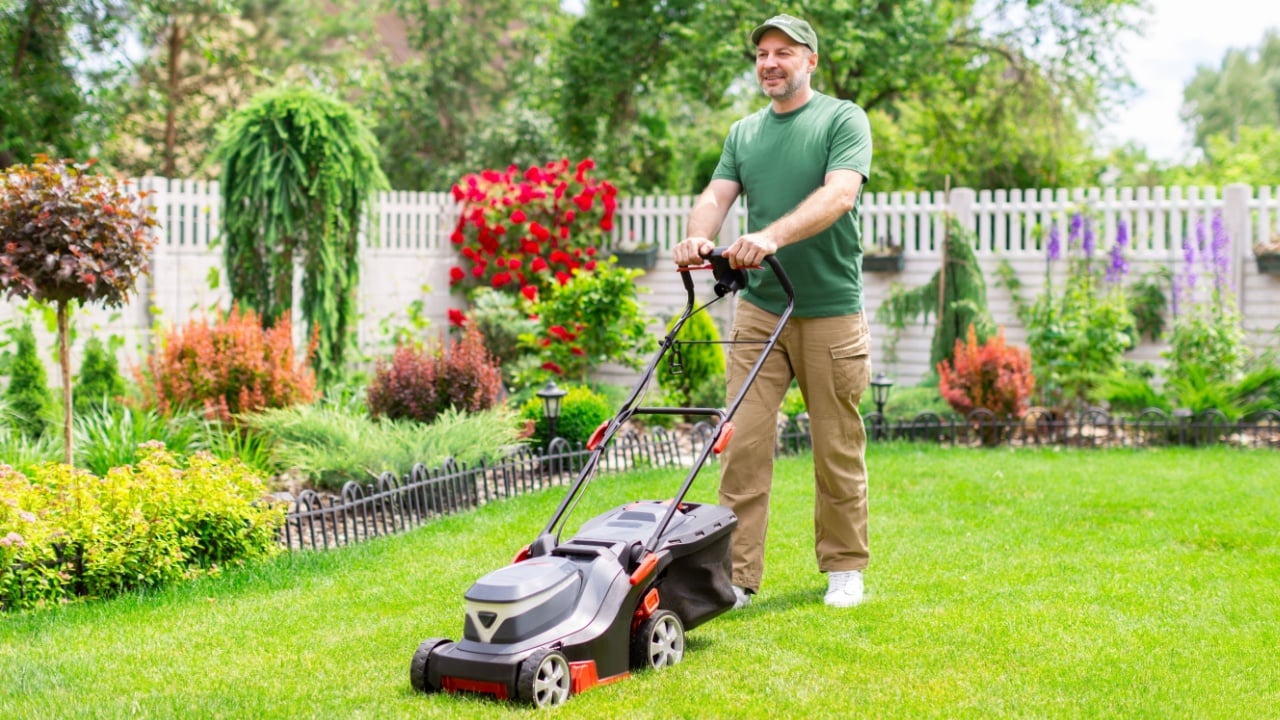
Americans collectively spend more than $40 billion per year on lawn care, according to Maureen Sundberg at the Ecological Landscape Alliance, which is more than the federal government spent on foreign aid in 2017. That figure includes fuel for gas-powered mowers, fertilizers, herbicides, pesticides, and professional services. On a per-household level, the costs add up quietly: the lawn service contract, the bag of weed-and-feed, the water bill spike every June.
The health costs are less visible but just as real. Sundberg writes that Americans apply 30,000 tons of pesticides to lawns every year, per the EPA. The University of Massachusetts found that the typical lawn service applies at least twice as many pesticides per acre as are used on the most pest-intensive crops. Fourteen of the 30 most commonly used lawn pesticides are neurotoxins and known or suspected carcinogens. These are the products being applied to the same grass where children and pets spend their summers.
Many homeowners who have removed even a portion of their lawn report meaningful reductions in their water bills, sometimes 30% to 40% in drier months. And there is a cost that never appears on any statement: the hours spent. Reclaiming your weekends is a benefit that compounds quietly, year after year.
The best lawn replacement isn’t one thing; it’s a mix of plants chosen for your region, your light conditions, and your aesthetic. To find the specific plants best suited to your zip code, the Homegrown National Park ecoregion finder, the National Wildlife Federation’s native plant tool, and the Audubon Society’s native plant database are all free and searchable by location.
Here are six options most frequently embraced by homeowners making the switch.
1. Native wildflower meadows

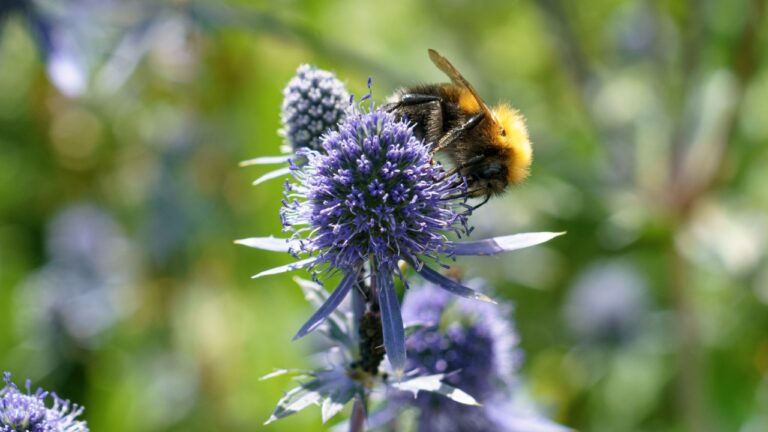
Black-eyed Susans, coneflowers, and milkweed bloom for months and require almost no care once established. They also feed monarch butterflies and dozens of native bee species.
2. Creeping thyme
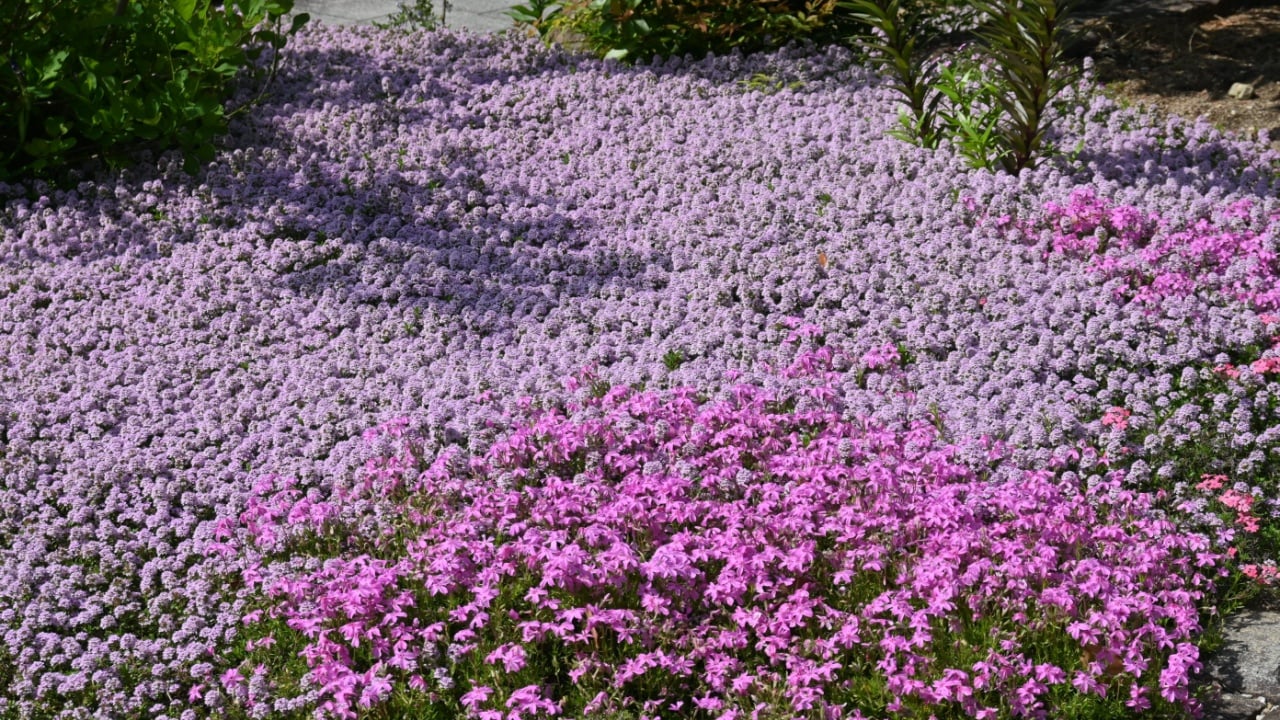
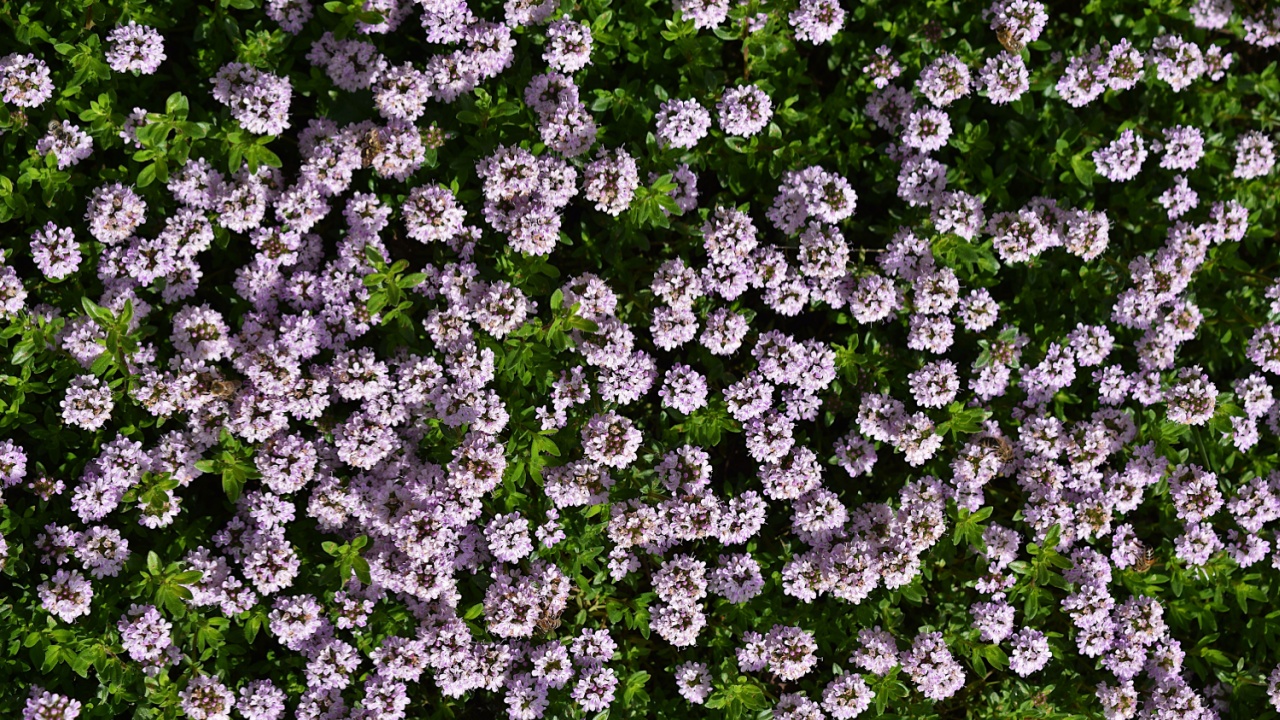
Low, fragrant, and virtually indestructible, creeping thyme fills in like a lawn but flowers in lavender each summer and tolerates foot traffic. It thrives in dry, sunny spots where grass always struggles.
3. Pennsylvania sedge
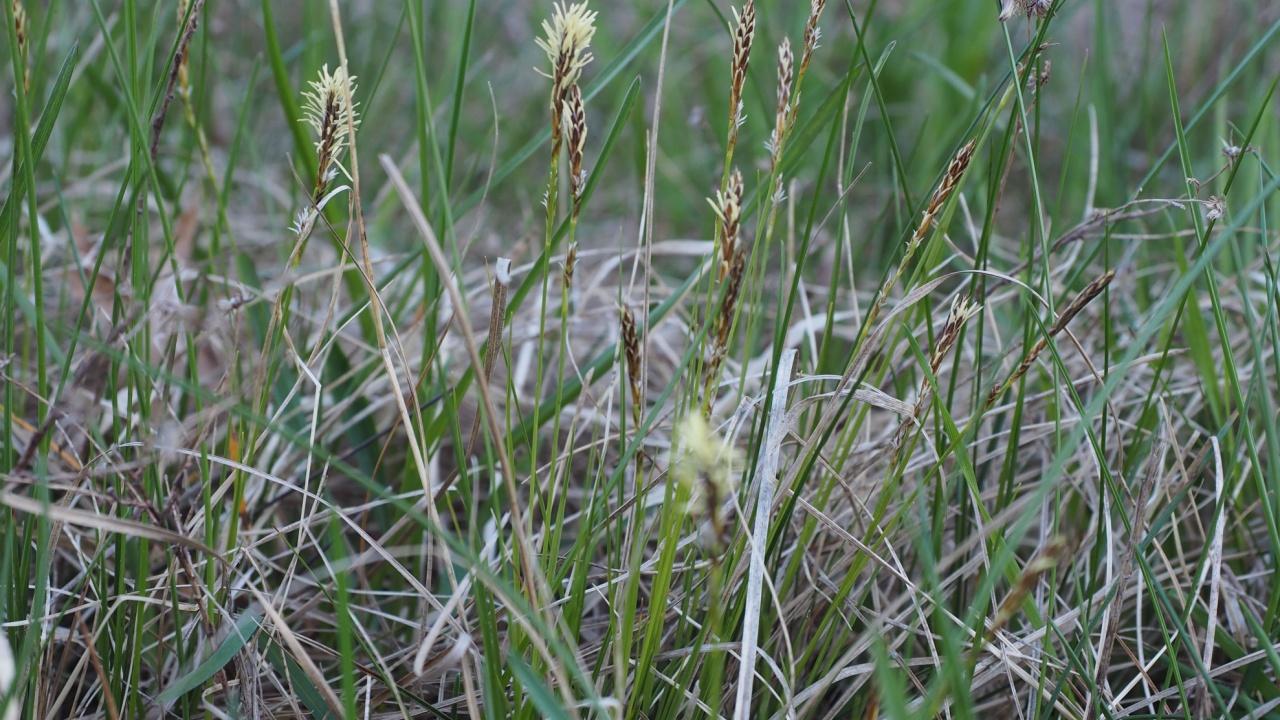
For shady spots, this native groundcover looks remarkably like turf but needs to be mowed only once a year. According to Mark Richardson of the New England Wild Flower Society in the Ecological Landscape Alliance, it requires no fertilizer and minimal supplemental watering.
4. Native shrub borders

Replacing a lawn edge with native shrubs such as viburnums, buttonbush, and native roses creates structure, privacy, and year-round wildlife habitat with a single planting investment.
5. Edible gardens
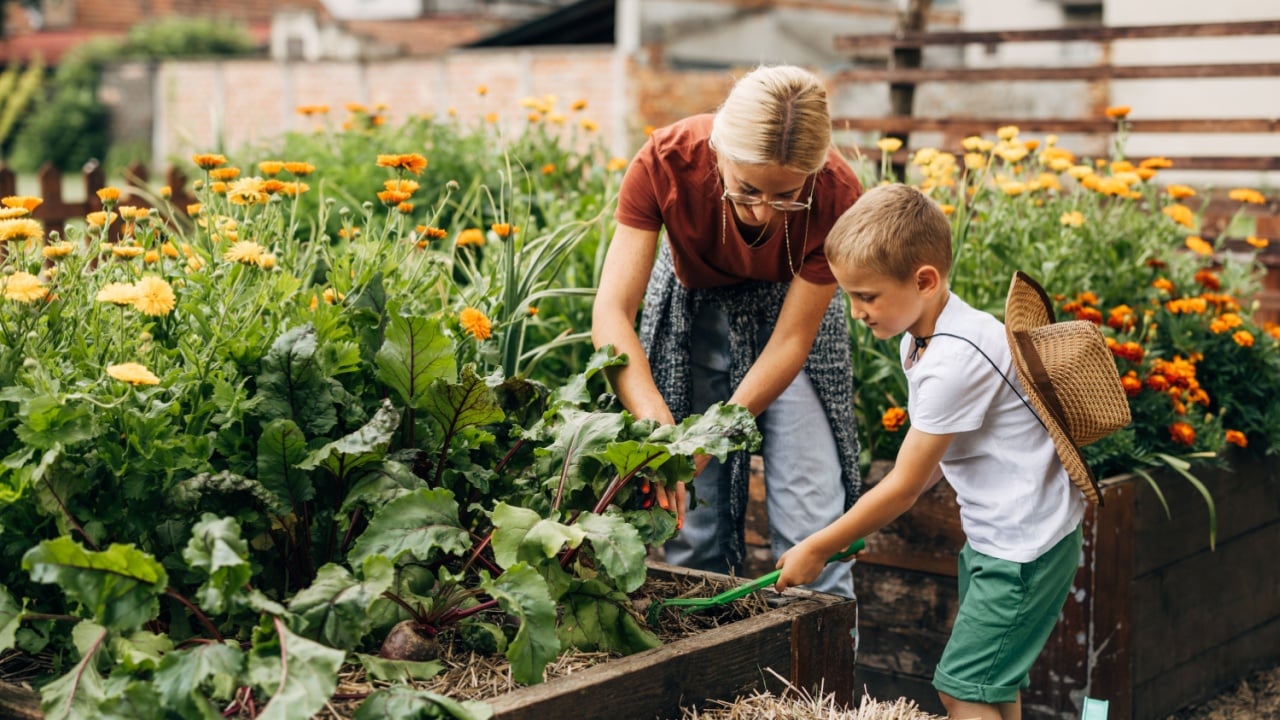
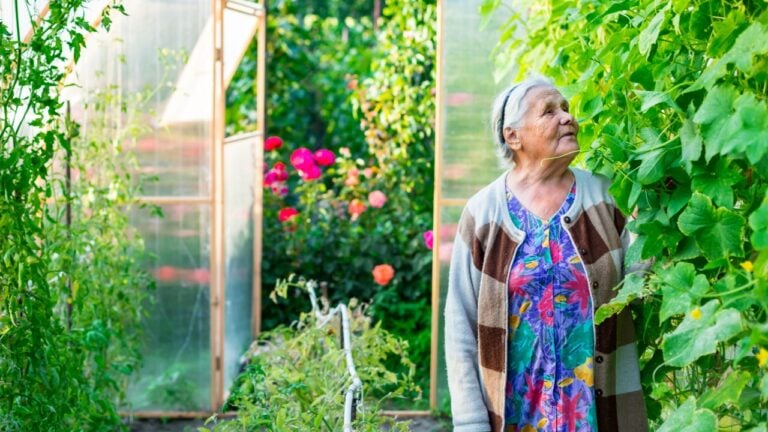
Raised beds, fruit trees, and herb gardens convert lawn area into productive food space. Many homeowners find that replacing even a modest stretch of grass with vegetables changes their relationship with the yard entirely.
6. Pollinator bed clusters
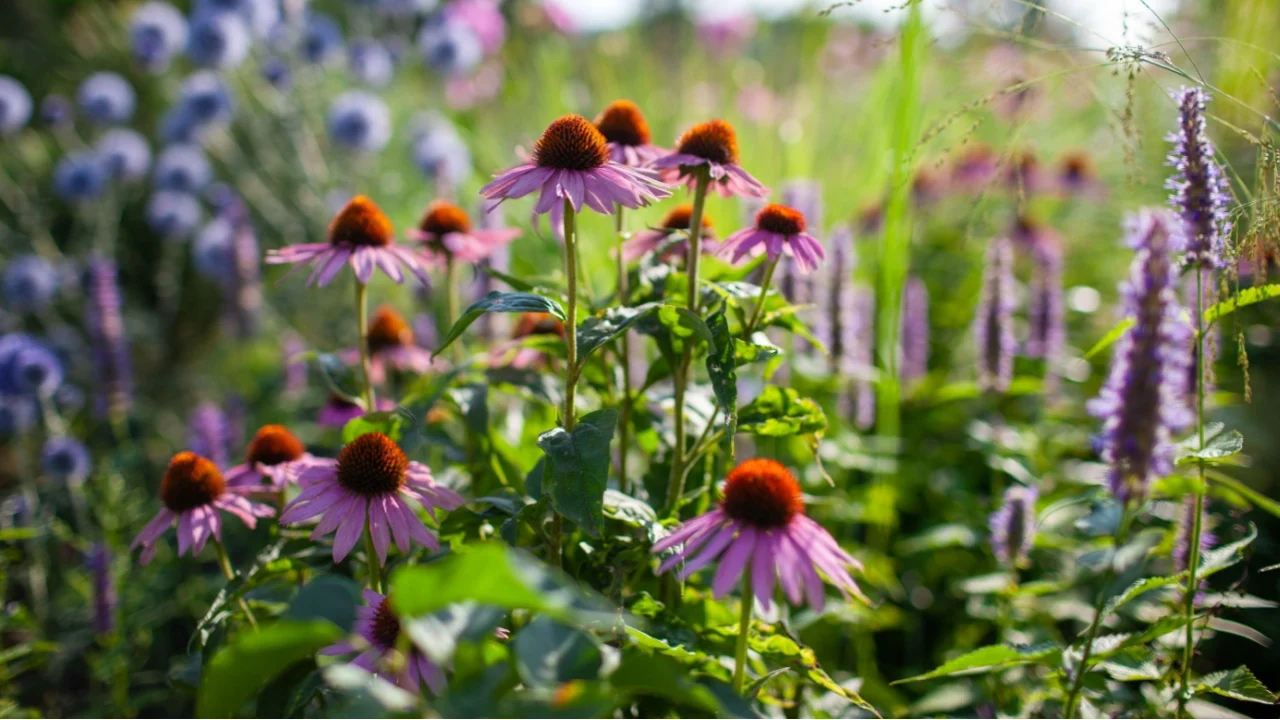
A concentrated planting of goldenrod, asters, and native grasses around a feature tree or along a fence creates visual impact while supporting hundreds of insect species. The National Wildlife Federation calls goldenrod and asters “keystone plants,” among the single most wildlife-valuable plants any American homeowner can choose.
You Don’t Have to Rip It All Out at Once
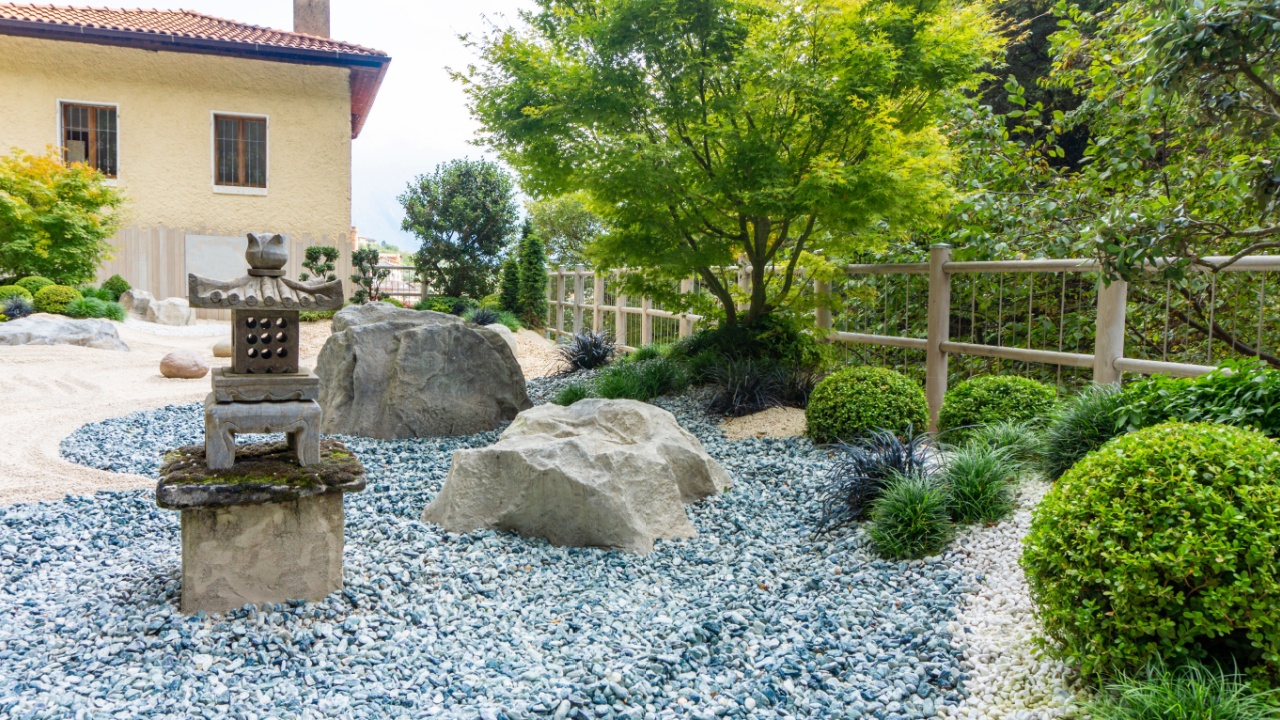
The most common reason people delay lawn removal is the feeling that it has to happen all at once. It doesn’t.
Benjamin Vogt, landscape designer and author of A New Garden Ethic, advises in Rewilding Magazine that most clients start with their problem areas: the overly shady patch that never grew well, the strip along the fence that always burned out in August, the front border that required constant edging. These are natural starting points, and replacing them first builds confidence without transforming the whole yard overnight.
The simplest and cheapest removal method, according to native plant gardeners who have tried most approaches, is sheet mulching with cardboard and wood chip mulch. Lay cardboard directly over the grass with no gaps, cover it with several inches of mulch, and wait two to three months. The grass smothers underneath while the cardboard decomposes into the soil. Free cardboard is often available from local appliance or bicycle shops, and many arborists will drop off wood chip mulch at no charge.
If you want to keep a patch of lawn for children or pets, keep it. Defining it clearly with a clean mowed edge or a low border actually makes the native beds beside it look more intentional, not less. A yard with purpose has a different feeling than a yard that is all obligation.
Your Yard. Your Call.
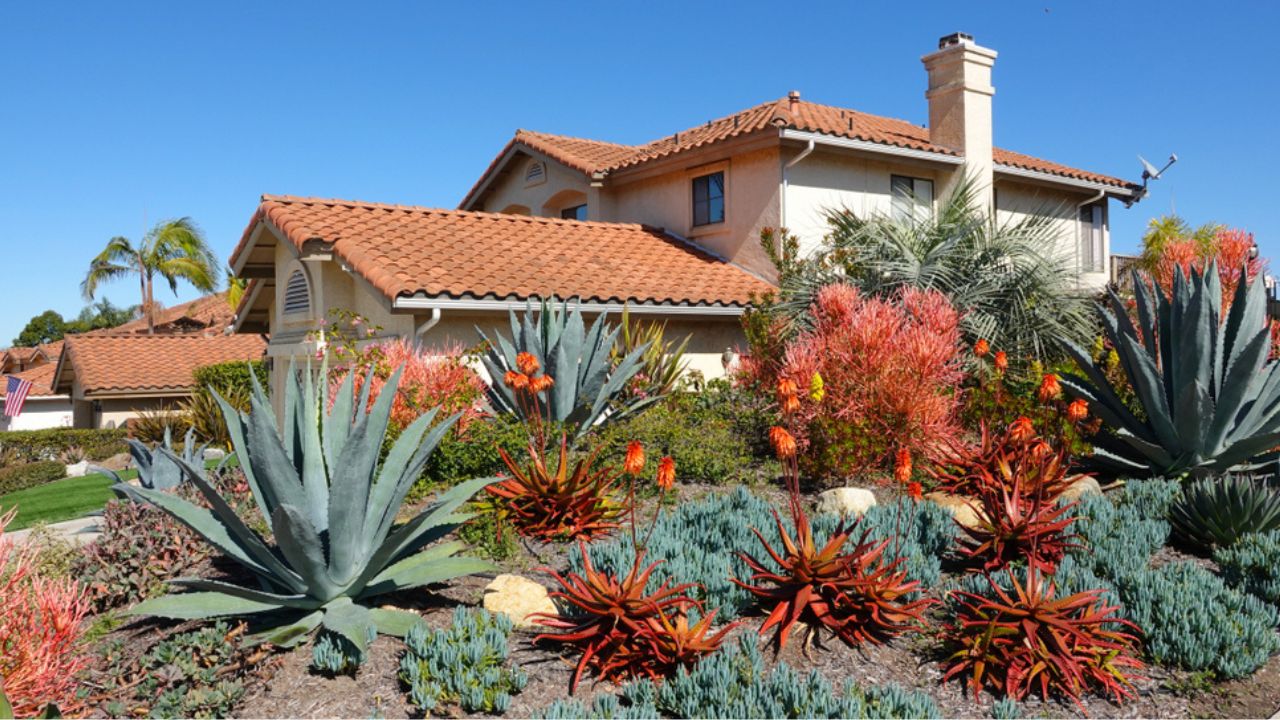
The lawn was handed to many of us without a conversation about whether we wanted it. And for decades, most of us have mowed it, sprayed it, and worried about it, not because it brought joy, but because it seemed like what you were supposed to do.
That is changing. The yard you have right now could be something quieter to maintain, more alive with color and movement, and genuinely beneficial to the birds, bees, and butterflies that have been disappearing from American neighborhoods for a generation. You do not have to rip it all out this weekend. Start with one bed, one border, one corner you’ve always struggled with anyway.
Read More
Is Your Garden Hurting You? 9 Tools Doctors Say Could Save Your Joints
Ten Companion Plants Your Peppers Need For A Successful Growing Season