9 Smart Ways to Hide Unsightly Tree Roots (Without Harming Your Tree)
Those gnarly surface roots snaking through your yard aren’t going anywhere, and cutting them could cost you the entire tree. The good news is that hiding them well is easier than you think, and a few of these fixes will actually make your yard more beautiful than before.
Surface roots are one of the most common frustrations for homeowners with mature trees. They dull mower blades, create tripping hazards, and can look downright messy in an otherwise tidy yard. But before you grab a chainsaw or haul in a load of topsoil, it’s worth understanding why those roots are there and what you can safely do about them.
Trees push roots to the surface for a few practical reasons. Compacted soil, shallow water tables, and naturally aggressive root systems (looking at you, maples and willows) all play a role. In many cases, the roots you see are anchoring the tree and feeding it at the same time, which is exactly why hacking them away can trigger decline, instability, or even death in an otherwise healthy tree. The rule of thumb most arborists follow is to never cut roots within the tree’s critical root zone, roughly the area from the trunk out to the edge of the canopy.
The smarter move is to work with the roots instead of against them. The strategies below range from quick cosmetic cover-ups to longer-term landscaping projects, and none of them require putting your tree at risk.
Why Tree Roots Surface in the First Place
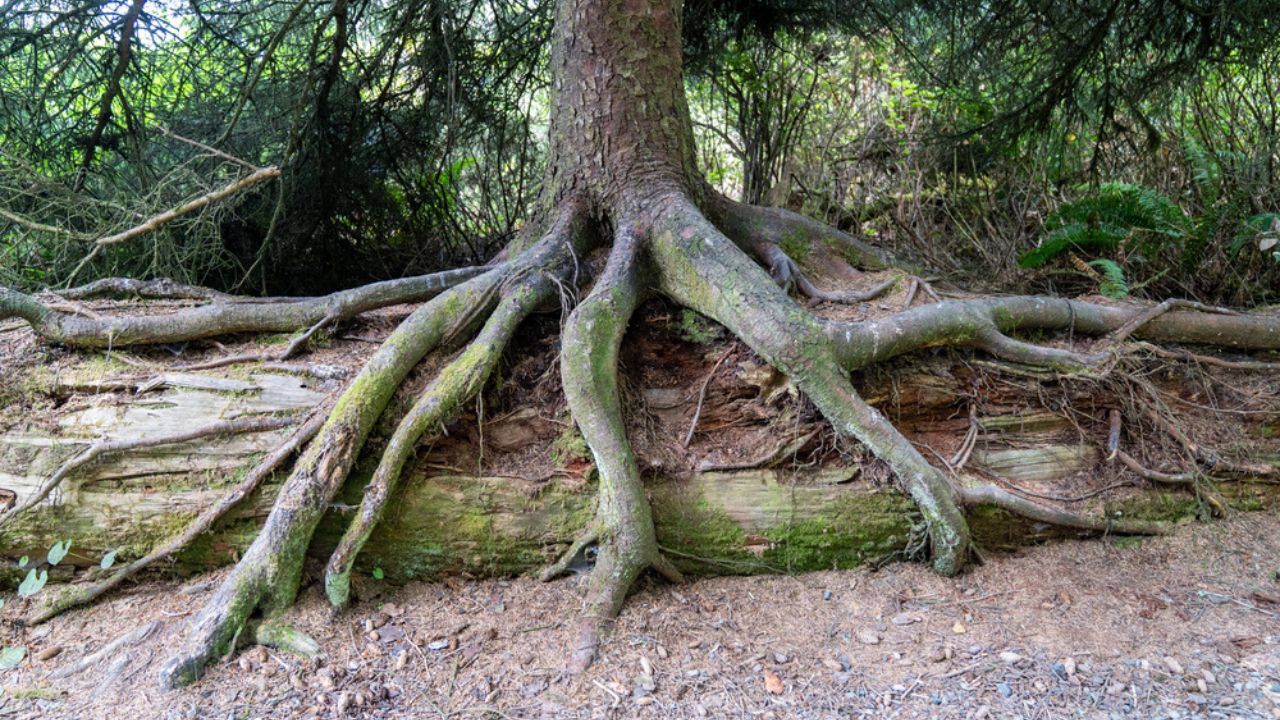
Tree roots don’t rise to spite you. According to Purdue Extension urban forestry specialist Lindsey Purcell, the majority of a tree’s roots grow horizontally in the top 4 to 15 inches of soil because that’s where oxygen is most available. As the trunk thickens year after year, so do the roots, and eventually, they break the surface. Soil erosion, foot traffic, and compacted or clay-heavy soil can all accelerate the process.
Species like silver maple, willow, poplar, and sycamore are especially prone to surface rooting. If you have one of these trees and it’s been in the ground for more than a decade, some root exposure is almost inevitable.
What NOT to Do (This Is Where Most People Go Wrong)
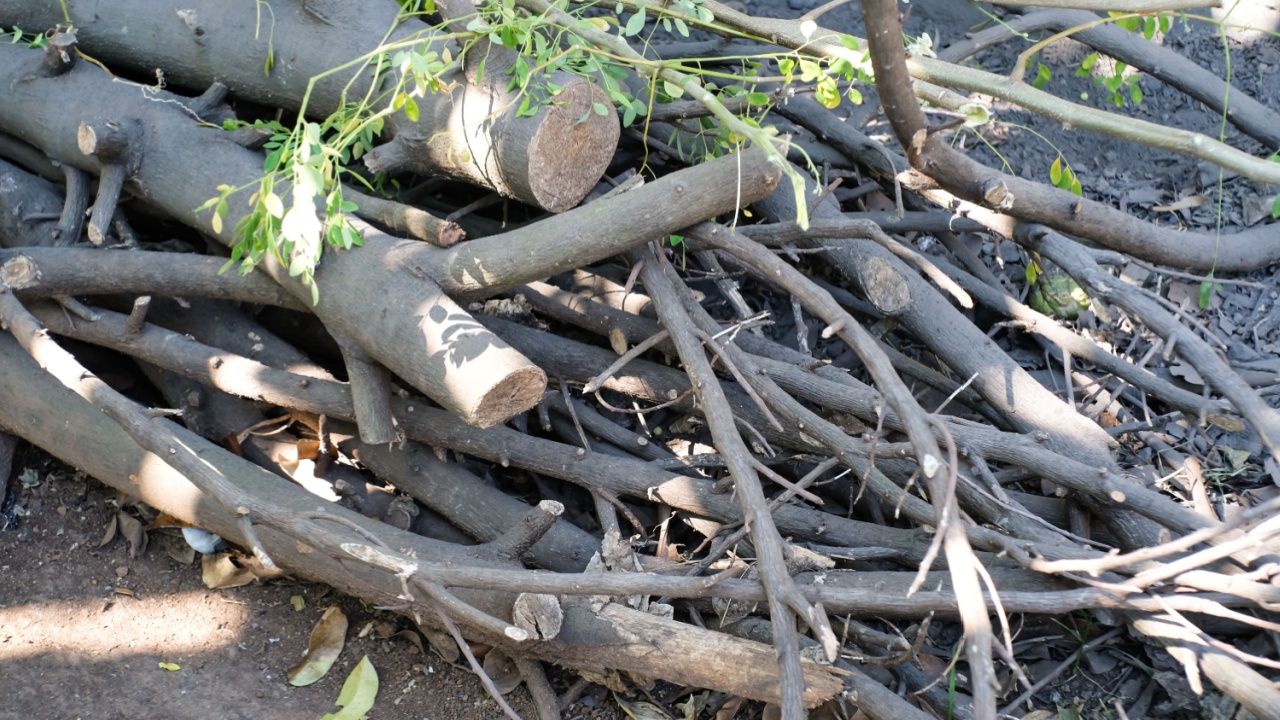
Here’s the part that surprises most homeowners: the two most instinctive fixes are also the two most damaging ones.
Cutting or grinding surface roots opens wounds that invite pests and disease, and it can destabilize the entire tree during storms. Piling on a thick layer of topsoil is equally harmful. As the Arbor Day Foundation notes, smothering roots with heavy soil cuts off their oxygen supply and can contribute to rot and tree death. A little soil, think half an inch, is fine, but a full load of fill dirt is not.
Concrete is also a no-go. It blocks roots from getting the air and water they need, and the roots will eventually crack right through it anyway, leaving you with a bigger mess than you started with.
Instead, try one (or more) of these 9 tips for hiding tree roots below.
1. Mulch: The Gold Standard Solution

If there’s one method every arborist agrees on, it’s this one. A 2 to 3-inch layer of shredded wood mulch is widely considered the best way to cover surface roots. According to the Davey Tree Expert Company, organic mulch allows air and water to pass through freely while giving your yard a clean, polished look. It also insulates roots from temperature extremes and discourages foot traffic across the root zone.
Spread it in a wide, flat ring that extends to the tree’s dripline (the outer edge of the canopy) if possible. However, there is one critical caveat from Southern Living: never pile mulch against the trunk in the “volcano” style. That traps moisture and invites pests right at the tree’s most vulnerable point.
2. A Thin Layer of Topsoil (Done Right)
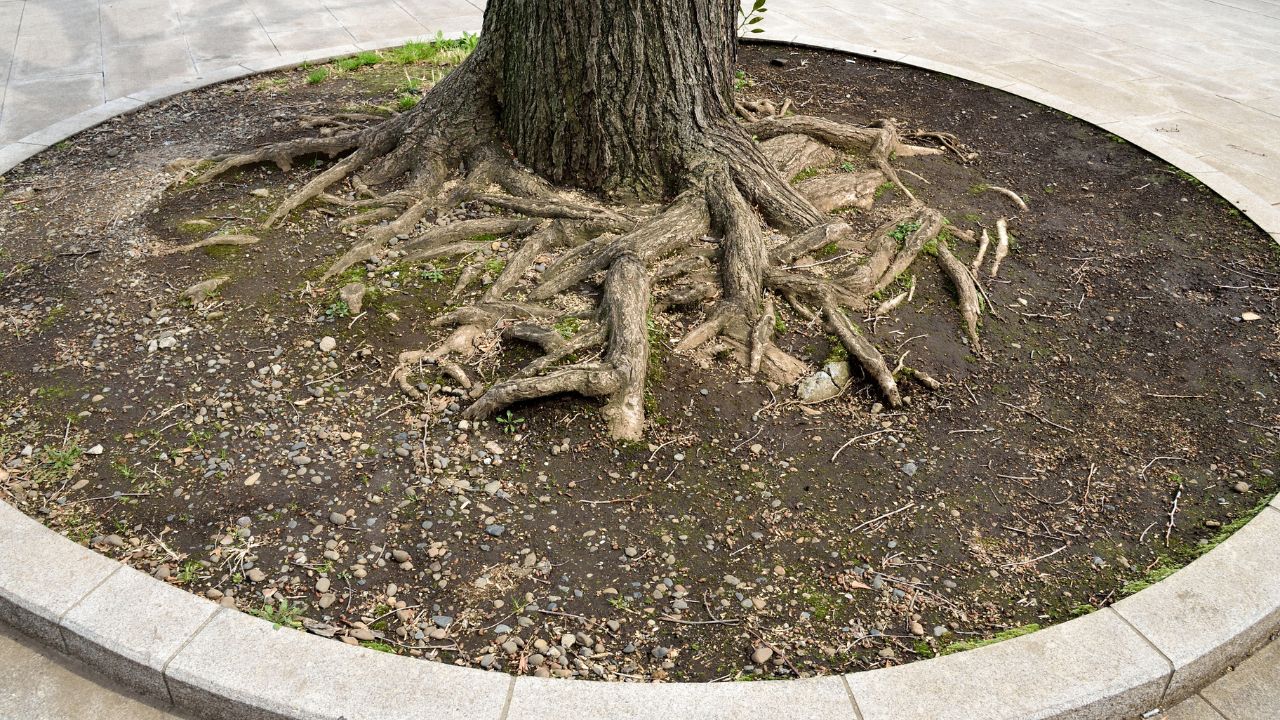
Used carefully, a light layer of topsoil can cover the smallest surface roots without causing harm. The Wisconsin Horticulture Extension recommends applying just enough to cover roots by about half an inch. Because roots thicken each year, you may need to top it up again in a few seasons.
This method works best for minor exposure and is most effective when combined with mulch or a groundcover layer on top.
3. Shade-Loving Groundcovers
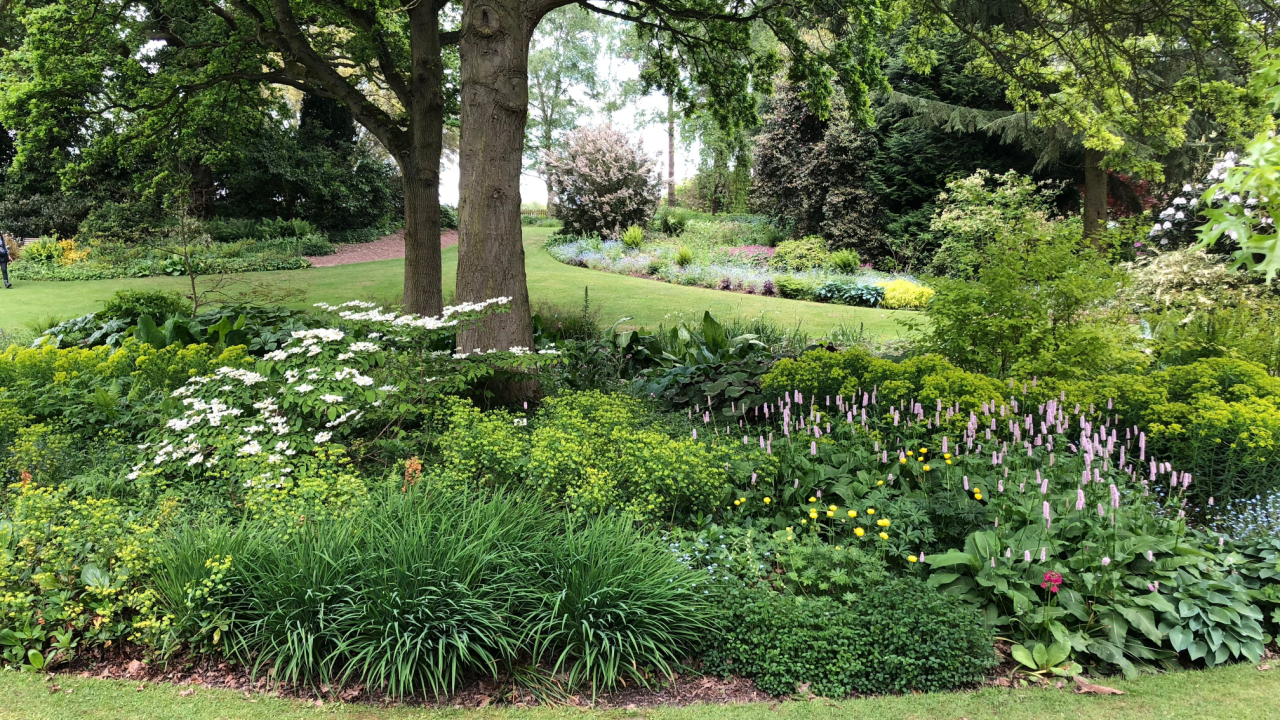
A living carpet of low-growing plants can transform an awkward root zone into a genuine garden feature. Good candidates include sweet woodruff, vinca minor, liriope, and hostas, all of which tolerate shade and compete reasonably well with tree roots for moisture. According to the Arbor Day Foundation, the key is planting gingerly: dig the smallest holes possible, start at least a foot from the trunk, and never use a rototiller near tree roots. Finish with a thin layer of mulch between plants to retain moisture.
Frogfruit (Phyla nodiflora) is a native option worth considering for warmer climates (zones 7 to 11). It grows just a few inches tall, blooms most of the year, and attracts butterflies. Partridge berry (Mitchella repens) works well in zones 3 to 8 and can handle even deep shade, making it ideal for areas close to the trunk.
4. Decorative Stones or Gravel (With Caution)
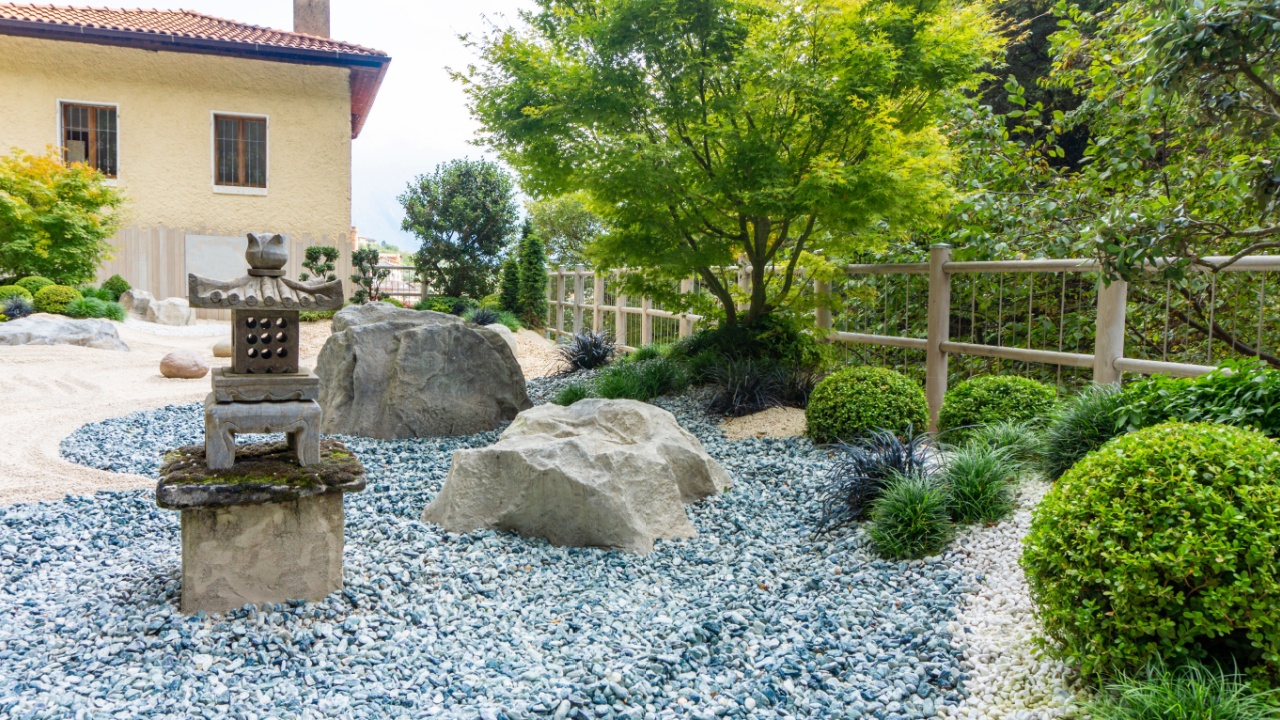
Strategically placed decorative stones can block roots from view without smothering them, as long as you’re not piling on a thick layer. Rough or irregular stones placed sporadically look more natural; smoother stones arranged in a ring create a tidier, more intentional look. If you choose gravel, the Davey Tree Expert Company recommends placing landscape fabric over the roots first and keeping the gravel to no more than two inches deep. Gravel can heat up significantly in summer, so this approach works best in cooler climates.
5. A Low Fence or Raised Garden Border
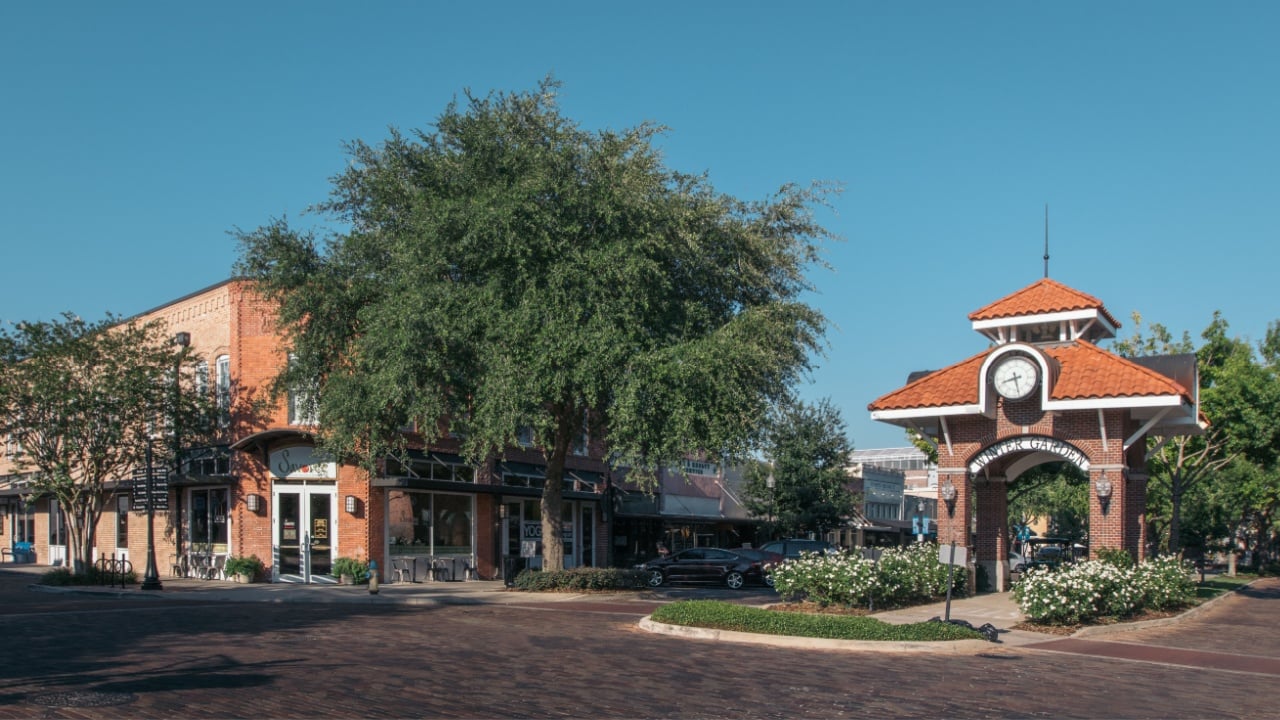
When roots are too large or widespread to cover effectively, a simple enclosure can do the work. A low picket fence, a ring of stacked stones, or a raised timber border frames the root zone neatly and keeps foot traffic and lawn mowers away. This is one of the most durable long-term solutions, and it opens up the interior space for mulch or groundcovers that finish the look.
6. A Ring of Taller Flowering Plants

For a softer, more garden-forward approach, plant shade-tolerant perennials in a ring around the outer edge of the root zone. You’re not planting over the roots themselves — you’re creating a visual frame that draws the eye away from them.
Agapanthus works well in zones 8 to 11; lupines are a reliable choice for zones 4 to 8. The effect is a proper garden bed that makes the whole tree look intentional and designed rather than neglected.
7. A Seating Area or Garden Feature
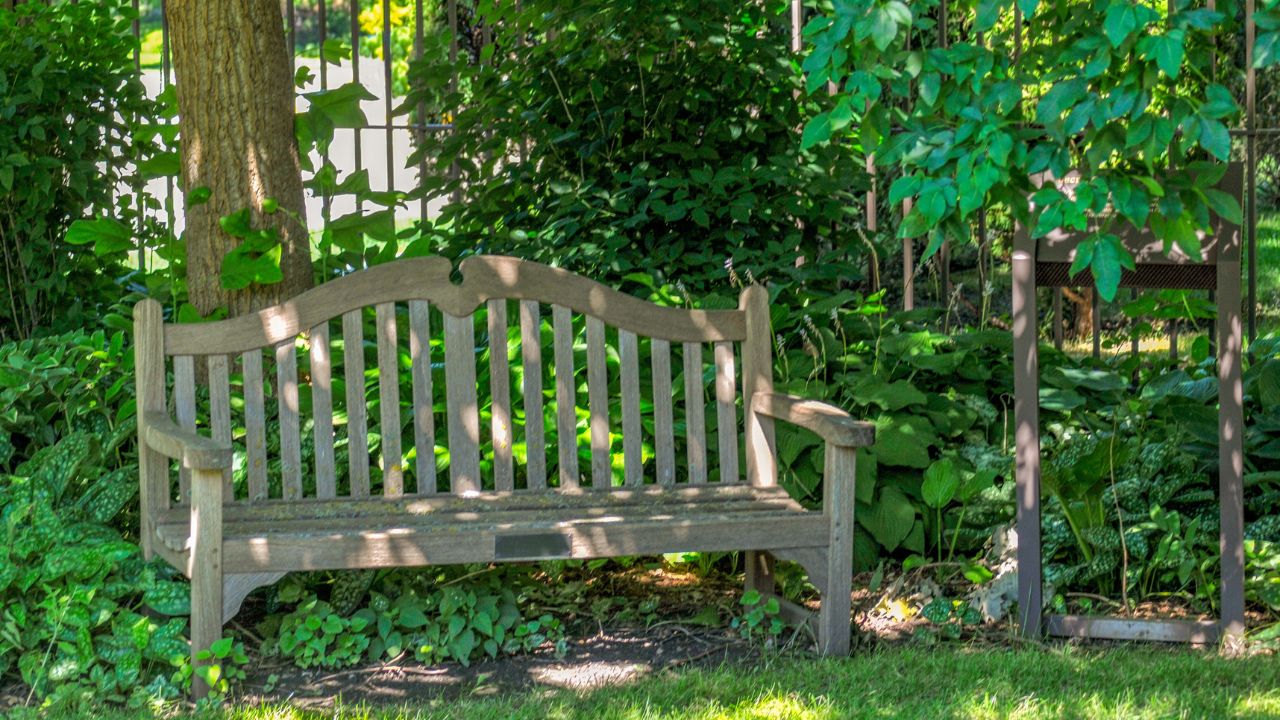
If the roots aren’t severe, sometimes the smartest solution is misdirection. A well-placed bench with its legs positioned on either side of the root system hides the roots entirely while giving you a shaded spot to sit. Add a small table and a couple of chairs, and suddenly that awkward corner of the yard becomes its most inviting one. Garden ornaments, potted plants, and decorative structures can work the same way on a smaller scale.
8. A Moss Garden

Moss thrives in shade and spreads slowly to cover uneven ground, including roots, in a lush, velvety green. It requires no mowing and, once established, very little maintenance. The main downside is patience: moss spreads slowly, and covering a large area will require starting with plenty of it.
During hot, dry spells, you’ll need to water it regularly to prevent dieback. When it works, though, it works beautifully, giving a mature tree the kind of ancient, fairy-tale quality that no other groundcover quite matches.
9. Lean Into the Look
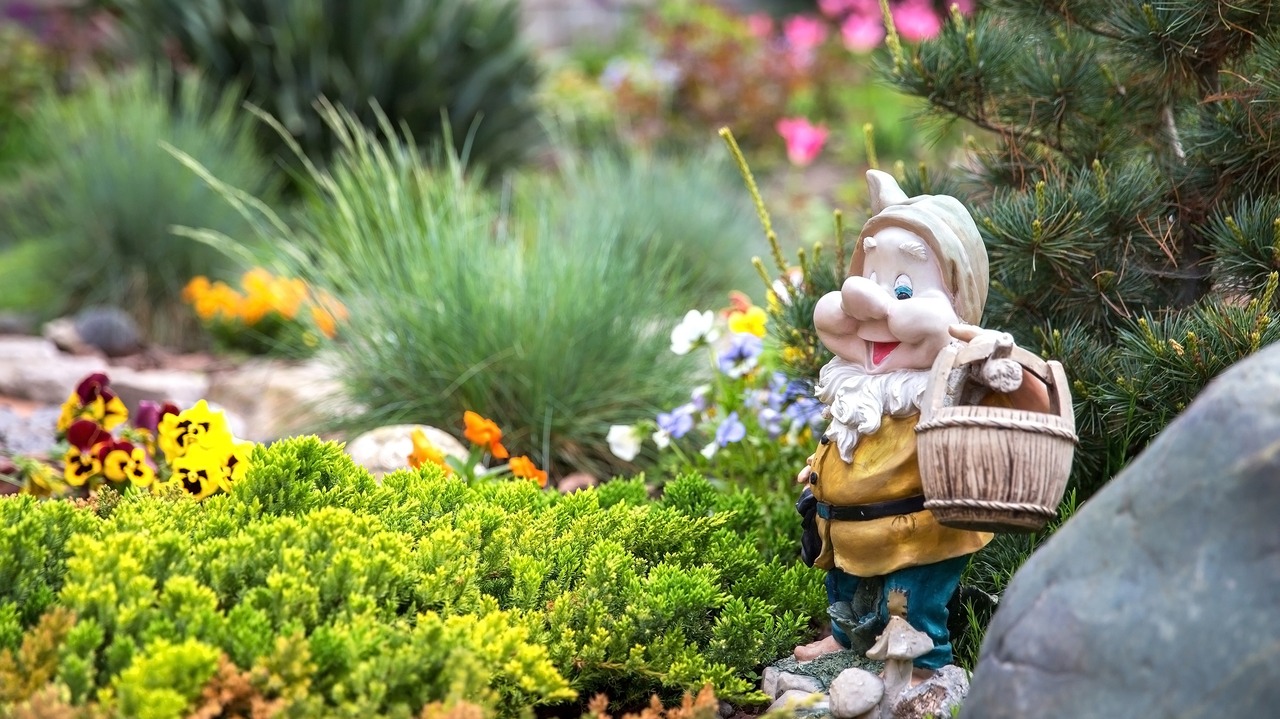
This one requires a shift in perspective, but it’s worth considering: surface roots on a mature tree aren’t a flaw. They’re a sign of age, strength, and character. Tucking small garden ornaments, ceramic mushrooms, or a fairy garden arrangement among the roots turns what felt like an eyesore into a conversation piece.
Plenty of gardeners have leaned into this approach and found that their trees’ root zones became the most charming spot in the yard.
Don’t Treat Surface Roots Like a Problem
The biggest mistake homeowners make is treating surface roots as a problem to eliminate rather than a condition to manage. As Purdue Extension‘s Purcell puts it, the goal is to create an environment where trees and turf can survive harmoniously, and that usually means working with the tree’s natural tendencies rather than against them.
Mulch is your best first move. Everything else is a matter of preference, budget, and how dramatic a transformation you want. Start with a wide, flat mulch ring and build from there. Your tree will thank you for it.
Read More
Is Your Garden Hurting You? 9 Tools Doctors Say Could Save Your Joints
Ten Companion Plants Your Peppers Need For A Successful Growing Season